
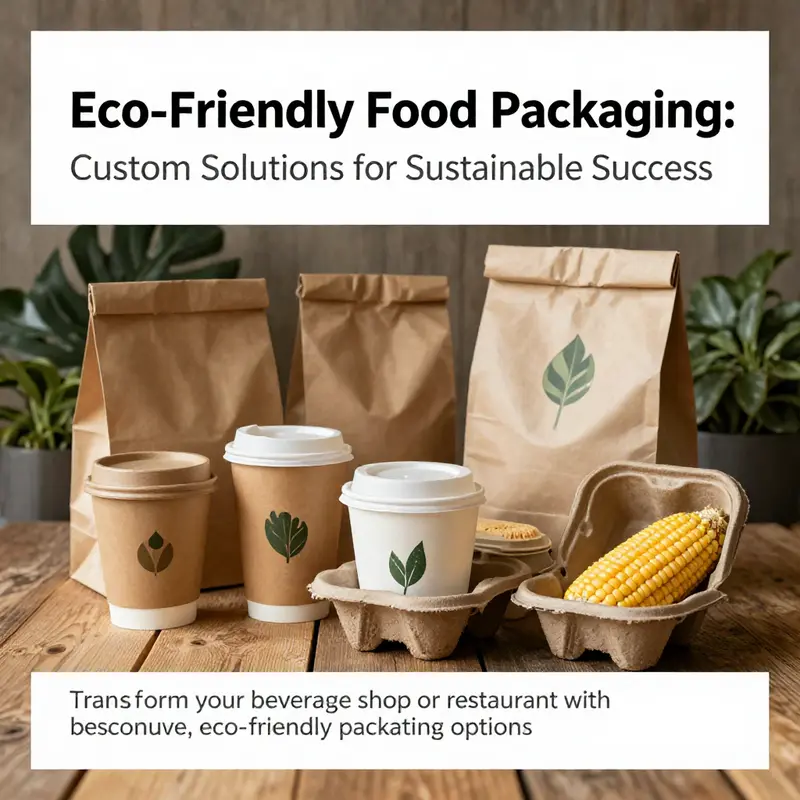
In today’s environmentally conscious market, sustainable solutions are no longer just an option but a necessity. Both consumer expectations and regulatory pressures demand that brands take a stand on sustainability, particularly in the food and beverage industry. As Bubble Tea shops, restaurants, food trucks, and catering services strive to meet these challenges, eco-friendly food packaging materials present an opportunity to enhance branding while serving the planet. This article dives into the world of paper-based and cornstarch-based packaging materials that allow for creative custom designs. Additionally, we’ll explore how tailored eco-friendly packaging solutions can profoundly impact branding and customer loyalty across various industries. Join us as we unpack these innovative options and their potential to transform your business.
Nature-Printed Identity: The Integrated Promise of Paper-Based Eco-Friendly Food Packaging with Custom Design
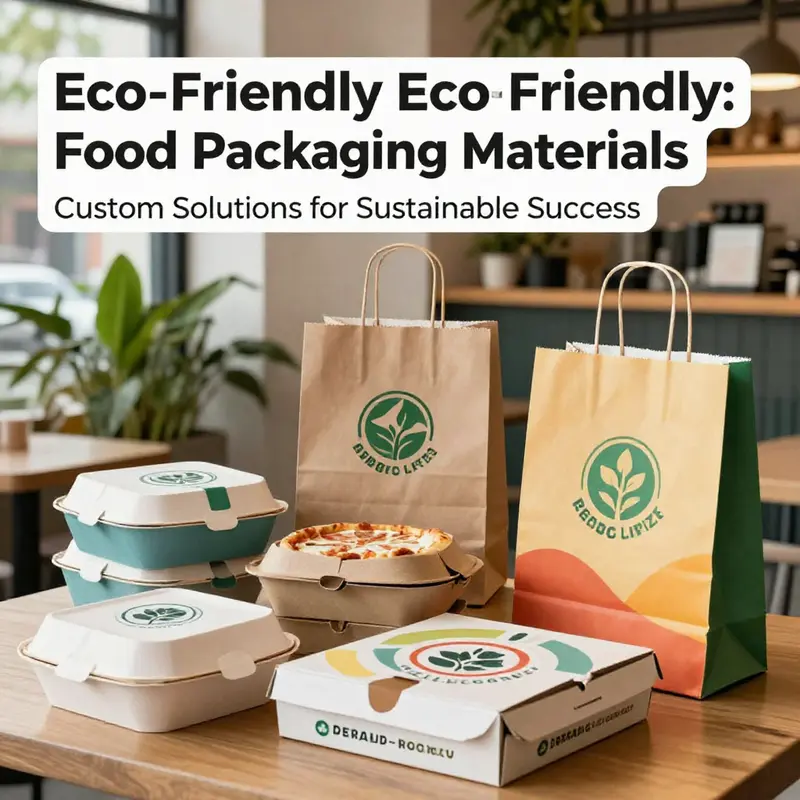
A thread runs through modern food brands, subtle yet powerful: packaging that respects the planet while speaking clearly about a company’s story. Paper-based eco-friendly packaging is at the heart of that thread, combining renewable origin with design freedom. It is not merely a material choice but a holistic approach to branding, product protection, and end-of-life considerations. When a consumer holds a takeout box or a bakery wrap, they are encountering more than just containment. They touch a statement about responsibility, craft, and transparency. In this sense, paper becomes a canvas as much as a container, inviting a brand to translate its values into tangible form without sacrificing performance. The rise of paper-based solutions is not a retreat from technology but a deliberate embrace of design language that respects ecological boundaries while delivering on the expectations of a modern, design-conscious market.
At the core, these packaging options are rooted in renewable wood pulp. The material’s life cycle, from responsibly managed forests to recyclability or compostability, can be traced and measured, offering brands a tangible way to demonstrate accountability. This is not a passive endorsement of sustainability; it is an active alignment of material properties with brand goals. Paper’s surface accepts print with fidelity, enabling logos, eco-labels, and graphics to render crisply at the scale of a retail environment or a delivery route. The surface is more than appearance; it is a platform for storytelling. When a package is printed with a brand’s color palette and identity motifs, it communicates consistency across channels—from in-store pickup to doorstep delivery—without requiring separate labeling or additional waste. The material’s intrinsic flexibility allows for both large-format branding on boxes and more delicate, nuanced touches on wraps or sleeves, all while keeping production costs within reachable bounds for many small and mid-sized brands.
One of the enduring advantages of paper packaging lies in its adaptability to coatings and treatments that enhance performance without compromising sustainability. The coatings landscape has evolved to offer plant-based, compostable options that improve barrier properties just where they are needed. For burgers or greasy foods, grease-resistant barriers derived from plant-based sources—often rooted in cornstarch—provide a crucial safeguard. These coatings protect the integrity of the packaging, maintain moisture control, and preserve the appearance of the branding across the product’s journey. Importantly, when these coatings are compostable or compatible with a closed-loop recycling stream, the end-of-life story remains aligned with environmental objectives rather than undermining them.
Moisture resistance is another essential facet. Dry goods like bread, pastries, or snack mixes benefit from moisture-retardant layers that keep the product fresh and presentation pristine. Wax-based or bio-based moisture barriers can be integrated into paper structures to deliver reliable performance, even in humid kitchens or during longer delivery windows. Yet the choice of barrier must be aligned with sustainability claims. The most robust performance is achieved when the barrier is designed to degrade in composting environments or to be compatible with reputable recycling streams, preventing contamination of the recycling batch and supporting a circular economy.
Design specifications extend beyond functional barriers. Paper packaging lends itself to architectural innovation through structural design that goes beyond a flat sheet. Boxes can be engineered with fold patterns, inserts, or rigid corners that protect fragile products, while still being lightweight and cost-efficient. This structural flexibility allows brands to tailor packaging to specific product categories—be it bakery goods that require gentle handling, fast-food items that demand secure lids, or gourmet snacks that benefit from premium, tactile packaging that conveys quality. The ability to tailor shapes and sizes means that a single packaging family can cover an entire range of SKUs, reducing the complexity of sourcing and enabling more consistent brand storytelling across products.
A particularly compelling aspect of paper-based design is the capacity for advanced printing techniques that reduce waste while enhancing visual impact. Digital printing technologies enable high-quality, full-color artwork to be printed directly on the packaging surface. This direct-to-packaging approach minimizes the need for separate labels, which often introduce additional materials and adhesives. With digital printing, brands can pursue sophisticated gradients, fine-line logos, and personalized touches such as region-specific graphics or limited-time campaigns without generating extra waste. The result is a packaging experience that feels premium and contemporary, reinforcing a brand’s commitment to responsible design while remaining economically viable for large-volume production.
The conversation around paper packaging also intersects with the broader ecosystem of materials used in the packaging family. In some cases, rigid forms—such as molded trays or containers—can be achieved through complementary bioplastic components that offer compostability where needed. These integrated solutions provide durable protection for delicate or perishable items while keeping the overall environmental footprint in check. The key is to align material choices with end-of-life outcomes. If a component is compostable under industrial conditions, it should be clearly designed and labeled for appropriate composting streams, ensuring that the packaging remains a contributor to a circular system rather than a barrier to waste diversion.
Beyond material science, the process of customization for paper packaging has matured into a service-driven model that supports brand-specific aesthetics and functional demands. Suppliers now offer tailored solutions that blend responsible materials with bespoke design, manufacturing tolerances, and printing capabilities. This service approach enables brands to specify a complete packaging system—from the initial box geometry to the choice of coatings, color profiles, and surface textures—so that the final product aligns with both product protection needs and a distinctive on-shelf presence. The trend toward fully customized, eco-friendly packaging is more than a stylistic preference; it is a strategic decision to align product experience with environmental stewardship and consumer trust.
The end-of-life dimension remains central to the narrative of paper-based packaging. Paper dominates in recyclability, and with carefully chosen coatings and barrier layers, it can also offer compostability where appropriate. The challenge lies in ensuring that coatings, inks, and adhesives employed in the design are compatible with recycling streams or industrial composting infrastructures. Certifications and clear labeling play a critical role here, guiding consumers and waste managers to appropriate disposal pathways. When done well, customization does not come at the expense of recyclability or compostability; it reinforces it by simplifying waste sorting and supporting a more efficient recovery system. In this way, design becomes a conduit for environmental responsibility rather than a distraction from it.
To illustrate how these principles translate into real-world packaging narratives, imagine a brand that blends a clean, natural visual language with bold color accents and tactile textures on a paper-based box or bag. The surface design speaks to the product’s provenance and the brand’s values—sustainability, simplicity, and care—while the internal structure protects freshness and minimizes leakage. A grease-resistant barrier ensures performance for items with oils, and a moisture barrier keeps bread or pastries from sweating through the paper. A window cut-out may invite the consumer to glimpse the product, marrying function with visual marketing in a way that reduces the need for secondary packaging or additional labeling. The combination of surface print, barrier performance, and structural design culminates in a packaging experience that is as expressive as it is responsible.
The path from material selection to consumer perception is not a straight line but a carefully choreographed sequence of decisions. It begins with a clear understanding of product type, shelf life, and transportation conditions. It continues with selecting a paper grade that balances printability, strength, and cost. It then considers barrier needs—whether through existing coatings or through compatible bioplastic insert options for specific use cases. Finally, it embraces a design language that is legible, visually cohesive, and aligned with sustainability claims. The result is a packaging ecosystem in which the brand’s identity is reinforced at every touchpoint, from packaging to procurement to disposal.
In this landscape, collaboration becomes essential. Designers, material engineers, and packaging engineers must work together to ensure that the final packaging system performs as required while remaining true to environmental goals. This collaborative process often unfolds across multiple iterations, with rapid prototyping enabling testing of barrier performance, print fidelity, and consumer acceptance. The iterative nature of development helps reveal trade-offs early—e.g., the balance between a high-clarity window and the impermeability required for certain products—so that decisions can be made with an understanding of overall lifecycle impact rather than isolated functionality. The best outcomes emerge when brands adopt a holistic viewpoint, integrating branding, sustainability metrics, and practical supply chain considerations into a single vision.
For brands seeking to weave customization into a broader sustainability narrative, a growing ecosystem of providers offers end-to-end capabilities. They can deliver custom packaging families that combine recyclable or compostable paper with bespoke shapes, sizes, and print treatments. This approach reduces the need for mixed-material solutions that complicate end-of-life, while enabling brands to realize a unique, consistent look across product lines. The design language then becomes a differentiator that appeals to consumers who prioritize environmental stewardship and aesthetic quality alike. The result is not only a distinctive shelf presence but also a clearer message about a brand’s commitment to responsible packaging choices and to the communities it serves.
A practical note for teams embarking on this journey is the importance of clear labeling and traceability across the supply chain. From pulp sourcing to coating chemistry, to the finished printed package, every choice can be traced back to ecological and ethical commitments. Consumers increasingly expect transparency around where materials come from, how they are processed, and what happens after disposal. Meeting that expectation requires rigorous documentation, third-party certifications where appropriate, and an honest, readable presentation on the packaging itself. When brands can communicate a credible, verifiable story, the packaging ceases to be a simple container and becomes a living symbol of the brand’s values and responsibilities.
The marriage of design and sustainability in paper-based packaging also invites brands to rethink product experience beyond the product itself. For instance, the packaging can be designed to reduce waste in the consumer journey, offering features such as easy-open formats, resealable closures for dry goods, or nested packaging that minimizes unused material. Each touchpoint contributes to a narrative of efficiency and care, reinforcing the perception that the brand respects not only the product but the resources used to bring it to market. In a market where consumer loyalty can hinge on both performance and principles, this integrated approach to packaging becomes a strategic asset rather than a cosmetic feature.
For those exploring the broader design ecosystem, it is instructive to consider how paper-based customization interacts with education and cultural signaling. A well-designed package can communicate climate awareness, support for responsible forestry, or alignment with local artisanal practices through subtle cues—color choices, textures, and typographic treatments—that convey more than what is printed. The packaging can tell a story about provenance, seasonal relevance, and the brand’s relationship with its customers. This storytelling capacity is amplified when the design is harmonized with store visuals, online imagery, and product packaging used in different channels. In practice, this creates a cohesive brand experience that travels from packaging to the consumer’s home and continues to reinforce the brand’s values in daily life.
To illustrate how these concepts converge in a practical, design-forward packaging system, consider a hypothetical case where a bakery or snack brand chooses a paper-based packaging family with a customizable structure and a full-color, print-ready surface. The coatings chosen for barrier performance do not compromise compostability, and the inks used are selected for low environmental impact and high print fidelity. A single design language is employed across a suite of products, enabling a consumer to recognize the brand at a glance whether they encounter a pastry box, a dry snack sleeve, or a paper bag for takeout. The consumer experience is seamless, consistent, and aligned with sustainable values, while the brand benefits from reduced material complexity, improved inventory management, and a stronger, more coherent market presence.
In sum, paper-based eco-friendly food packaging with custom design represents a mature convergence of material science, design excellence, and sustainability strategy. It offers brands a reliable path to reduce environmental impact without sacrificing the visual and tactile prestige that contemporary packaging can convey. By embracing grease and moisture barriers that remain compostable or recyclable, by leveraging digital printing for high-impact visuals, and by designing structures that protect product integrity while minimizing waste, brands can deliver packaging experiences that are as thoughtful as the products they contain. The story told by this packaging is one of responsibility, creativity, and connection—a narrative that resonates with consumers who want to support brands that align with their values and their everyday choices. For brands exploring the next frontier of packaging design, the path is clear: design with intention, source with transparency, and deliver with consistency.
Internal note: for readers seeking a real-world example of a customizable kraft packaging solution that maintains sustainability goals, see the linked internal resource: custom kraft box packaging. This example illustrates how a brand can marry shape, surface, and barrier performance in a single, cohesive packaging system. As you design, keep in mind the end-of-life considerations and plan for how materials will be separated and processed in recycling or composting streams. The effectiveness of customization rests not just on aesthetics but on the clarity of the sustainability story it communicates to consumers and waste managers alike.
External resource for further reading: EPA, Eco-Friendly Packaging Materials and Design Considerations. https://www.epa.gov/sustainable-management-food-waste/eco-friendly-packaging-materials-and-design-considerations
Starch-Driven Style: Custom Design for Cornstarch-Based Eco-Friendly Food Packaging
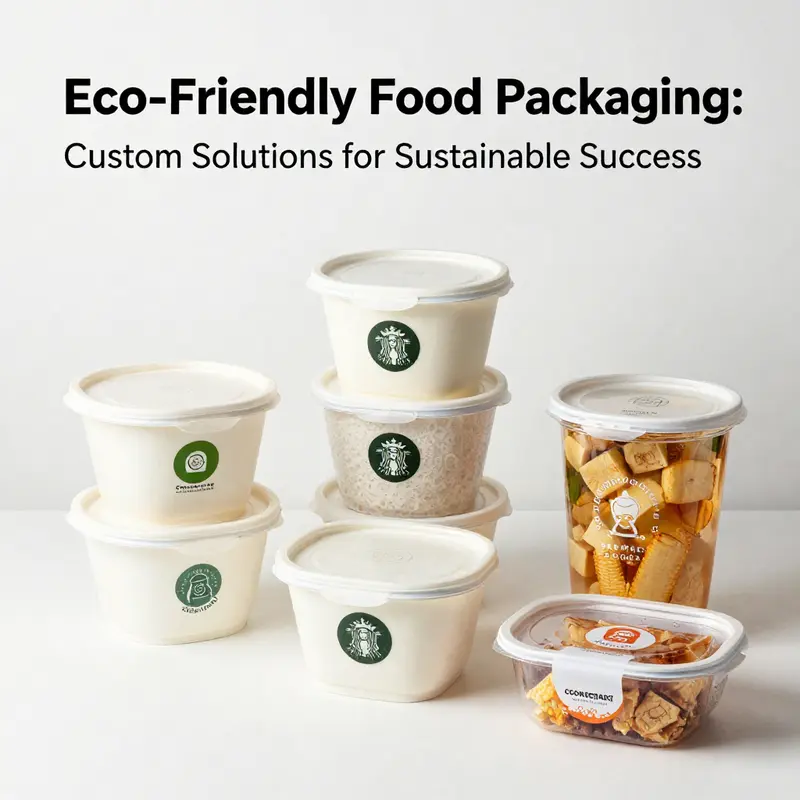
Cornstarch-based packaging stands at a pivotal crossroads where sustainability, performance, and brand identity converge. Derived from renewable cornstarch, these materials are designed to replace petroleum-based plastics in a way that aligns with a modern consumer conscience and a brand’s commitment to responsible sourcing. The technology has matured beyond simple, fragile alternatives toward robust, versatile forms that can take on the shape of a brand’s ambitions while remaining fully compostable under industrial conditions. This combination—renewable feedstock, compostability, and design flexibility—has pushed cornstarch-based solutions from niche curiosities into mainstream considerations for food service, takeout, and retail packaging. In practice, the choice to embrace these materials is not just about ending plastic dependence; it is about crafting a packaging story that communicates values through form, texture, and function, while delivering reliable performance across the supply chain.
From the outset, the material properties of cornstarch-based packaging set expectations for designers and manufacturers. The core starch matrix can be processed into rigid containers, films, and molded trays that meet the needs of takeout and ready-to-eat meals. Rigid containers offer the stability necessary for hot or cold foods, while flexible films expand the possibilities for individual portions or accessory packaging. Molded trays enable complete meal solutions, including compartmentalized designs that separate sauces, toppings, or sides without compromising seal integrity. The beauty of these materials lies in their compatibility with customization: the surface can be print-ready, embossable, and capable of accepting a range of coatings, inks, and branding motifs without sacrificing compostability.
A recurring theme in contemporary cornstarch packaging is the deliberate integration of antimicrobial innovation. Researchers and product developers have explored incorporating antimicrobial activity and preservative properties into the starch matrix, aiming to extend shelf life and reduce food waste. Such enhancements can lower the need for added preservatives in the food itself, while still preserving safety and consumer trust. The antimicrobial approach must be carefully balanced with regulatory standards for food contact and the overall life cycle impact, but when done well, it supports a brand story of freshness and reliability. For brands, this means a packaging solution that not only carries a logo but also contributes to product protection in demanding environments—whether a bustling urban delivery service, a busy school cafeteria, or a micro-fulfillment center for e-commerce.
Customization is where cornstarch-based packaging truly earns its design cred. Modern processing capabilities allow for embossed branding, where a logo or motif can be pressed into the surface to create tactile differentiation without adding pigment. Embossing can be combined with color customization through food-safe inks and coatings that remain compatible with composting requirements. Another powerful feature is the ability to tailor compartment sizes within molded trays. Adjustable compartments accommodate portion control and temperature management, enabling brands to offer consistent weights and meal configurations across diverse menus. This flexibility is especially valuable for home meal kits, where portion accuracy, visual appeal, and ease of use are essential for repeat purchases.
Aesthetics are not sacrificed for sustainability. The surface of cornstarch-based packaging accepts high-quality printing, enabling vibrant visuals, brand colors, and regulatory labeling such as certifications and recycling or composting instructions. The approach to coatings is crucial: any moisture or grease barrier must be achieved with coatings that preserve industrial compostability. Plant-based waxes and bio-based coatings can provide moisture resistance without compromising end-of-life outcomes. In parallel, coatings designed to improve heat resistance can expand the range of use cases—from warm foods that arrive steaming to cold-chain products that require freezer stability. Each design choice—coating, ink, embossing, or color—contributes to the final on-shelf impression and the brand story communicated through packaging.
The supply ecosystem for cornstarch-based packaging has matured to support fully tailored solutions. Suppliers now offer custom bags, boxes, and inserts crafted from certified compostable or recyclable materials, with an emphasis on traceability and brand-specific aesthetics. The ability to combine sustainable materials with bespoke design is particularly appealing for brands seeking to maintain a premium, cohesive look across multiple packaging formats. In practice, a company might commission a complete family of packaging—from single-use bowls and trays to folding cartons and inserts—that all share a common material platform, ensuring visual continuity while meeting diverse functional needs. This holistic approach to packaging design is increasingly common among brands that want to express a green identity without sacrificing performance, durability, or consumer experience.
The commercial landscape around cornstarch-based packaging also features practical considerations that influence design decisions. Heat and moisture sensitivity are important factors to manage. While cornstarch can be engineered to withstand typical food-service scenarios, prolonged exposure to high heat or moisture can affect structural integrity. For that reason, coatings and barrier layers must be carefully selected to maintain performance while remaining industrially compostable. Clear labeling is essential to guide consumers in proper disposal. Misunderstandings about compostability can undermine the environmental benefits if packaging ends up in the wrong waste stream. Consequently, education and transparent disposal instructions are integral to the lifecycle of these materials and must be woven into product labeling, packaging design, and customer communications.
Market dynamics are shaping the pace and scale of adoption. As consumer demand for sustainable options grows, brands increasingly seek materials with proven food-grade safety, regulatory compliance, and transparent certifications. The economics of cornstarch-based packaging are becoming more favorable as production methods scale and supply chains stabilize. In bulk, costs can be competitive, with figures emerging around modest per-piece pricing that makes these materials viable for mass-market applications. This affordability, coupled with the design flexibility described above, positions cornstarch-based solutions as poised to play a central role in the future of eco-friendly food packaging. The balance of performance, sustainability, and price is compelling for brands aiming to reduce environmental impact without compromising user experience or brand equity.
The broader ecosystem of design and sourcing is also evolving. There is increasing emphasis on traceability, lifecycle assessments, and carbon accounting, with platforms emerging to help brands compare materials not only on price and performance but also on environmental outcomes. A leading example in the field demonstrates how modern, eco-conscious brands can achieve both environmental responsibility and a strong visual branding story through fully customizable packaging. The emphasis on end-to-end transparency—from raw material origin to composting facilities and transport emissions—helps brands align their packaging choices with corporate responsibility goals while maintaining a clear narrative for consumers.
As with any material choice, collaboration between brand, designer, and manufacturer is essential. The most successful cornstarch packaging concepts begin with a brand identity that can be expressed through form as much as through color. A logo can be subtly debossed on a lid, a pattern can be revealed through a tactile surface, and the color palette can be extended into the interior of a container for a cohesive unboxing experience. The goal is to create packaging that communicates sustainability without appearing “greenwashed.” For many brands, the challenge is to marry an elevated aesthetic with practical performance in a way that is immediately legible to consumers and partners across the supply chain.
In practice, the shift toward cornstarch-based, custom-designed packaging is not merely a replacement for existing plastics. It represents a rethinking of how packaging communicates values, functions in real-world conditions, and aligns with circular economy principles. This means reimagining takeout boxes and meal kits as premium experiences that reinforce a brand’s identity while supporting responsible disposal. It means designing with the end of life in mind, from compostability to consumer education, so that the packaging itself becomes a visible statement of care for the environment. Such a shift requires careful planning, not just in material selection but in supply chain partnerships, labeling, and customer outreach.
For brands ready to pursue this path, the market offers robust options and supportive ecosystems. Custom eco-friendly packaging services now integrate materials with bespoke design capabilities, enabling end-to-end solutions that reflect brand aesthetics and functional needs. A prime example in the field illustrates how modern, design-forward packaging platforms can deliver customized, planet-friendly packaging with full traceability and carbon-neutral shipping. This combination—materials that are compostable and recyclable, designs that reflect distinctive branding, and a logistics framework that emphasizes sustainability—provides a powerful blueprint for the next generation of food packaging.
In this context, brands are encouraged to explore both the tangible and intangible benefits of cornstarch-based materials. Tangible benefits include reliable performance in diverse temperature and moisture conditions, print-ready surfaces for logos and graphics, and the possibility of tailored compartment layouts that optimize portion control. Intangible benefits manifest as stronger consumer trust, a clear demonstration of environmental leadership, and a packaging narrative that reinforces a brand’s mission. The result is a packaging system that not only protects food but also communicates values, reduces waste, and earns loyalty. For teams seeking practical guidance on how to proceed, case studies and supplier briefs often highlight the convergence of sustainability metrics with design excellence, underscoring that compostable, cornstarch-based packaging can be both responsible and remarkable.
In the spirit of practical design, consider how a single packaging concept can bridge multiple channels. A cornstarch-based bowl or tray can be engineered for microwave and freezer use, printed with a core brand palette, and embossed with a signature motif that feels uniquely tactile. A complementary corrugated or molded tray design can house utensils, napkins, or sauces in a way that reduces single-use waste and creates a cohesive daily experience for customers. The ability to customize both form and function makes cornstarch-based packaging an attractive platform for brands that want to stand out on crowded shelves and in crowded delivery ecosystems alike.
As the design language of sustainable packaging evolves, cornstarch-based materials will continue to benefit from advances in barrier coatings, colorfast inks, and sustainable additives that enhance performance without compromising compostability. The ongoing collaboration among material scientists, packaging engineers, and brand teams will push boundaries further, enabling more sophisticated shapes, more precise portioning, and more expressive branding. In the end, the goal is not only to replace plastic with something better but to reframe packaging as a strategic asset—one that communicates care for people and planet as clearly as it communicates taste and quality. This is the essence of the cornstarch-based design philosophy: a material that can be molded into practical, protective packaging while carrying a design language that resonates with today’s eco-aware consumer.
In assessing the practical path forward for brands interested in cornstarch-based packaging, it is useful to keep a few guiding questions in mind. Does the coating preserve compostability? Are the inks certified food-safe and compatible with the base material? Can the design achieve the necessary barrier properties without adding unnecessary weight or cost? How will the end user understand the disposal instructions, and how will that messaging be reinforced through the packaging itself? These questions are rarely answered by a single feature; they require an integrated approach that considers product performance, consumer behavior, and brand storytelling in a single continuum. The most successful projects treat sustainability and design not as competing priorities but as mutually reinforcing dimensions of value creation.
The future of cornstarch-based packaging rests on the same foundations that have made it compelling thus far: renewable feedstock, compostability under industrial conditions, and a design toolkit that enables expressive branding without compromising end-of-life outcomes. Brands that embrace this combination—and partner with suppliers who can deliver on both performance and aesthetics—will be well positioned to meet evolving consumer expectations, navigate regulatory landscapes, and differentiate themselves in a crowded market. The result is packaging that is attentive to the planet and generous to the brand’s visual language, a pairing that resonates with customers who want products that feel thoughtful from the first moment of contact to the moment of disposal.
For brands seeking a practical, scalable entry into this world, an industry example demonstrates how advanced packaging suppliers are structuring offerings around full customization with sustainability at the core. The platform enables brands to design custom bags, boxes, and inserts built from certified compostable materials, with the flexibility to tailor size, color, texture, embossing, and print to fit specific campaigns or product lines. The model shows how a supplier can provide a coherent packaging system across categories while maintaining stringent environmental standards and traceability throughout the supply chain. This end-to-end approach helps brands translate their sustainability commitments into a tangible and attractive consumer experience.
Internal link reference: For a tangible example of container design and customization options, brands can explore a kraft paper octagonal bowl chassis that demonstrates how shape, texture, and print can harmonize with a brand’s identity while remaining compliant with compostability goals. See more at the following page: kraft paper octagonal bowl containers.
External resource for deeper understanding: For additional technical insights into composting requirements, performance, and real-world implementation of cornstarch-based bioplastics, see GreenBiz’s coverage on composting cornstarch packaging in industrial facilities: https://www.greenbiz.com/article/composting-cornstarch-packaging-industrial-facilities
Brand at First Bite: How Custom Eco-Friendly Packaging Redefines Identity and Loyalty
Packaging is more than a container; it is a first conversation with a consumer who cares where products come from, how they are made, and what the brand stands for. In the era of eco-conscious consumption, the walls between product, brand story, and environmental responsibility are dissolving. What remains visible is a sophisticated balance between function, aesthetics, and stewardship. This balance is not simply about using greener materials; it is about shaping a coherent packaging experience that communicates a brand’s identity while delivering practical value to the user. When a company chooses a sustainable material that can be customized—whether paper-based, cornstarch-derived, or another compostable option—the packaging becomes a live extension of the brand’s mission. It is a promise written in texture, color, weight, and even scent. It is the material expression of a company’s values, and for many consumers, that expression resonates as trust, transparency, and emotional resonance just as much as it does functionality.
Among the most promising avenues for this kind of branding are paper-based materials and cornstarch-based bioplastics. Each offers distinct advantages for customization and branding while staying aligned with environmental goals. Paper-based packaging—be it takeout boxes, pizza boxes, paper bags, or dry-food wraps—offers a familiar, recyclable, and widely available foundation. It is inherently print-friendly, providing a broad canvas for logos, eco-labels, and vibrant graphics. With an appropriate compostable coating, moisture resistance can be achieved without sacrificing recyclability or compostability. This is crucial for brands that want to project a premium, responsible image while keeping costs manageable and supply chains straightforward. Such materials also reduce dependence on virgin wood pulp in a way that supports forest stewardship and sustainable procurement practices. The result is a visually appealing, functional container that respects the environmental expectations of a growing segment of consumers.
Cornstarch-based materials, a subset of bioplastics, offer another compelling path. They are fully compostable and can be engineered into rigid containers, trays, and other forms that substitute for polystyrene with less environmental impact. The flexibility of cornstarch-based designs enables complex branding opportunities, including embossing, die-cutting, and vivid color customization. For brands seeking distinctive shelf presence or differentiated delivery packaging, cornstarch-based solutions can deliver a tangible sense of sustainability without sacrificing strength or reliability. The ability to mold sustainable materials into intricate shapes gives designers and brand teams a direct line from identity concepts to physical artifacts that customers can hold, reuse, or compost. In both cases, the emphasis is on creating a packaging experience that aligns with a brand’s messaging about care for people and the planet.
A key strategic implication of these material choices is the potential to harmonize packaging with broader green branding efforts. When a company discloses sourcing practices, appears transparent about carbon footprints, and demonstrates traceability across the supply chain, packaging becomes a portfolio piece of a larger narrative. Consumers increasingly expect not only a product that is responsibly made but packaging that speaks to the same standards. In practice, this means brands can embed branding cues that are aligned with ethical sourcing, lifecycle thinking, and end-of-life clarity. It is not enough to be biodegradable or recyclable; the packaging must also guide consumers toward responsible disposal, ideally through clear on-pack messaging and accessible recycling or composting instructions. The combination of a well-chosen material and thoughtful design creates a packaging experience that is coherent with a brand’s ecological commitments and makes those commitments tangible for the user.
The aesthetic dimension is equally important. Eco-friendly materials need not sacrifice beauty or premium feel. On the contrary, sustainable materials can deliver tactile luxury and visual impact that rivals conventional packaging. The surface of paper-based packaging accepts high-resolution printing, enabling brands to showcase bold logos, distinctive color palettes, and informative graphics. Embellishments such as embossing, foil accents, or matte vs. gloss finishes can be used strategically to convey a brand’s personality—whether that personality is refined, rustic, playful, or minimalist. Likewise, coatings and barrier treatments, when certified compostable or recyclable, extend the usability of the packaging without compromising environmental performance. The alliance between aesthetics and sustainability creates a packaging language that communicates care and identity before the consumer even opens the package.
The chapter’s core premise is simple: the packaging design must reflect the brand’s ecological commitments while delivering practical benefits to the consumer. This is not an exercise in virtue signaling; it is a disciplined design challenge. The material choice sets the baseline for environmental performance and end-of-life outcomes. The texture, weight, and temperature resistance influence usability in delivery, takeout, or retail settings. The printing surface communicates the brand story and can educate or inspire action toward sustainable behaviors. The shapes and structural features—whether a lightweight takeout box with reinforced corners, a rigid tray, or a perforated lid designed for easy disposal—define the user experience and influence how the product is perceived. When a brand can tailor all these elements in a way that is economically viable, practically robust, and visually compelling, packaging becomes a strategic asset rather than a generic container.
The power of customization cannot be overstated. Customization allows brands to translate abstract commitments into concrete cues that customers can recognize instantly. A brand that prints its eco-ethos across a bag or box signals a promise of environmental responsibility that can reinforce trust at the moment of purchase. This is especially important in a crowded marketplace where products vie for attention through a collage of features, price points, and benefits. When consumers see a packaging system that consistently communicates environmental values across touchpoints—bags, boxes, wrap, and inserts—they are more likely to infer that the company treats sustainability as a core, ongoing discipline rather than a marketing afterthought. This perception translates into a more favorable brand image and can nurture long-term loyalty as customers align their choices with the brands that echo their values.
The narrative around sustainability also invites brands to consider transparency as a design principle. Consumers increasingly demand clarity about sourcing, manufacturing impacts, and end-of-life outcomes. Packaging that clearly communicates a product’s lifecycle story can turn a routine purchase into an informed, value-based decision. Transparent sourcing, carbon-footprint disclosures, and straightforward disposal guidance can be embedded into the packaging design in ways that feel natural rather than preachy. For example, elements such as a small, legible lifecycle icon or a concise carbon footprint statement can accompany a striking graphic, neutrally integrated into the overall composition. This kind of disclosure helps demystify the environmental claims and invites consumers to participate in a shared mission rather than simply consume.
From a design perspective, the flexibility of paper-based and cornstarch-based materials supports a broad range of brand aesthetics. A natural Kraft finish offers warmth and authenticity that complements brands with rustic or artisanal identities. A white, coated surface can deliver clean, modern lines suitable for premium, minimalist branding. Embossing and debossing add tactile richness to the packaging, enabling brands to communicate quality and care through texture. Color psychology plays a crucial role as well; earth tones can emphasize sustainability and natural origins, while saturated hues can preserve high-visibility branding even on a recyclable or compostable substrate. The printed message can range from subtle eco-statements to bold, design-forward branding, depending on the audience and channel. In every case, the packaging should feel intentional and coherent with the product’s purpose and the brand’s overall story.
It is also essential to consider the practicalities of production and logistics. Sustainable packaging must be scalable and reliable, with supply chains that can meet demand without compromising environmental criteria. This means selecting materials that are readily available, compatible with existing manufacturing equipment, and capable of offering consistent performance across batches. For brands that operate in quick-service contexts or online delivery, moisture resistance, heat tolerance, and stacking strength become critical. Coatings that improve moisture resistance, for instance, can be compostable while preserving the material’s end-of-life options. Similarly, for cornstarch-based options, the right moldability and rigidity ensure that containers withstand handling during transit without failing or deforming. These technical considerations are not afterthoughts; they are central to achieving a dependable packaging system that aligns with a brand’s commitments and operational realities.
The consumer experience is shaped by more than visuals and functionality. It includes the story a package tells at every step: how it was made, how it will be disposed of, and how the brand supports broader ecological goals. Packaging can carry subtle cues about the supply chain, such as the use of certified compostable materials, recycled content, or responsibly sourced fibers. When customers understand and trust these cues, the packaging becomes a conduit for ongoing dialogue between brand and consumer. This dialogue has practical implications: higher engagement, more repeat purchases, and greater willingness to pay a premium for products that demonstrate authenticity in their environmental claims. In turn, that engagement can influence brand equity, driving preference in competitive markets where small but meaningful differences in values can determine loyalty over time.
A practical illustration of these principles lies in the alignment of packaging with a company’s green branding strategy. If a brand emphasizes transparent sourcing, users will benefit from clear messaging about where materials come from, how they are processed, and what end-of-life options exist. If the brand highlights carbon footprint disclosures, the packaging can feature concise numbers and simple icons that aid understanding rather than overwhelm the eye. If the emphasis centers on reducing waste, the packaging should maximize recyclability or compostability and minimize overall material use without compromising performance. When these elements converge, the packaging system becomes a living embodiment of the brand’s mission, contributing to a coherent, credible, and memorable consumer experience. The customer perceives not just a product but a responsible practice enacted in everyday life, which can sharpen a brand’s competitive edge in a crowded market.
Industry analyses underscore the strategic value of this alignment. Custom eco-friendly packaging is increasingly recognized as a powerful tool for enhancing brand identity and driving consumer engagement. By choosing sustainable materials such as compostable films, recycled paper, or plant-based plastics, brands visibly demonstrate their commitment to environmental stewardship. This alignment with ecological values resonates with a growing cohort of environmentally conscious consumers, reinforcing trust and strengthening reputation. It also fosters long-term loyalty as customers seek brands that reflect their personal values. The outcome is not merely a nicer looking box or cup; it is a tangible demonstration that a brand takes responsibility seriously, which can influence purchase decisions across categories and channels. The literature points to durable effects on consumer perception when packaging communicates clarity, accountability, and aesthetic excellence in tandem with sustainability.
To ground these ideas in practice, consider how a brand could implement a fully tailored packaging solution that integrates sustainability with bespoke design. A brand could opt for a flexible set of materials, including compostable films for wrapping, recycled paper for outer cartons, and plant-based plastics for internal components that require rigidity. The customization workflow would begin with a materials assessment, ensuring that the selected substrates meet performance targets and life-cycle criteria. Next comes the design system: a modular approach to branding that uses consistent color palettes, typography, and iconography across all packaging formats. This consistency helps customers recognize the brand even when a product is in a different category or a different region. Then one can incorporate printed logos, eco-labels, and messaging that reflect the company’s commitment to sustainability. The packaging can also include storytelling elements about the sourcing and manufacturing processes, reinforced by QR codes or scannable inserts that guide customers to more in-depth information about the brand’s environmental program.
The culmination of these steps is a packaging ecosystem that feels coherent, purposeful, and engaging. It allows the consumer to experience the brand’s values through multiple touchpoints, from the tactile sensation of the material to the visuals on the surface, and finally to the disposal guidance and lifecycle information. When done well, the packaging becomes a partner in the consumer journey rather than a passive wrapper. It informs, persuades, and invites action—whether that action is seeking out more sustainable options, sharing the brand’s story with others, or participating in recycling and composting programs.
As with any strategic design undertaking, there are challenges and trade-offs to navigate. The need for cost efficiency remains a reality, especially for brands with tight margins or high-volume demand. But sustainable materials have become more accessible and affordable as markets mature, and the total cost of ownership often improves when one accounts for waste reduction, improved customer loyalty, and stronger brand equity. There is also a need to align regulatory requirements with packaging claims, ensuring that on-pack statements about compostability, recyclability, or recycled content are accurate and verifiable. Brands that invest in certification programs, third-party verifications, and clear end-of-life instructions are better positioned to avoid greenwashing concerns while building genuine trust with their audiences. When cost pressures are balanced with credible environmental performance and strong branding, the result is packaging that serves both business goals and planetary health.
Finally, the power of customization extends beyond the surface. Inserts, internal packaging components, and even a carefully designed unboxing experience can fold into the same sustainability narrative. An insert printed on recycled paper can provide guidance on waste disposal, tips for reducing food waste, or a call to action for participating in take-back programs. A well-designed insert reinforces the brand story and extends the life of its environmental message beyond the initial interaction. In this sense, packaging design influences not merely what customers see, but how they behave after opening the product. The most successful packaging strategies recognize this behavioral dimension and design for it, blending form, function, and ethics into a seamless customer experience.
In summation, the era of eco-friendly packaging is not solely about replacing materials with greener options; it is about designing an entire system that communicates values, engages customers, and strengthens brand loyalty. Paper-based and cornstarch-based solutions offer versatile platforms for customization, enabling brands to express identity through typography, color, texture, and structural design while maintaining clear end-of-life pathways. The goal is a packaging language that is truthful, attractive, and practical—one that customers can see and feel as it travels from store shelf to doorstep to compost site. When brands master this language, their packaging becomes a durable competitive asset, a tangible symbol of responsibility that customers can trust. The result is more than a successful product launch; it is the cultivation of a long-term relationship grounded in shared ecological values and a commitment to better choices for the planet.
For brands interested in exploring practical, real-world pathways to implement these ideas, a useful starting point is to examine examples of eco-friendly packaging that combine customization with sustainability. These case-in-point approaches demonstrate how thoughtful material selection, branding, and lifecycle thinking can converge to create packaging that stands out on shelves, on screens, and in the hands of consumers. One practical, reader-friendly way to explore this landscape is to review dedicated product pages that showcase how custom printing, embossing, and color customization can be applied to compostable or recyclable substrates. For example, a page detailing eco-friendly printed-logo paper cup designs demonstrates how logos can be executed cleanly on a surface designed for drinking vessels, while maintaining compatibility with end-of-life streams. The combination of a strong brand mark and responsible material choices can deliver a compelling, unified message about sustainability and design excellence. senang07-eco-friendly-printed-logo-paper-ice-cream-cups-with-lid-ice-cream-paper-bowl-paper-ice-cream-cups-with-lid
The broader takeaway is that packaging is a strategic asset when it is designed with purpose and honesty. It can reinforce brand identity, learn from customer behavior, and support a circular economy by clarifying disposal and end-of-life outcomes. The most successful packaging systems weave sustainability into the very fabric of the design process, ensuring that material choices, aesthetics, and functional features align with a brand’s core values. In doing so, brands create a coherent narrative about who they are and what they stand for, one the consumer can read in the package, feel in the hand, and act upon after the unboxing experience.
The literature and industry analyses converge on a simple insight: consumer trust grows when brands demonstrate tangible commitments to ecological responsibility through consistent, well-designed packaging. The packaging itself becomes a communication channel—one that invites scrutiny, rewards engagement, and reinforces loyalty as customers seek to align their purchasing with their personal values. In this sense, custom eco-friendly packaging is both a design challenge and a strategic opportunity. It asks brands to translate ethical intentions into concrete, delightful, and practical packaging experiences that customers will recognize, remember, and repeat.
External resources that illuminate the broader landscape of green branding and packaging strategy reinforce this view. They highlight how brands that invest in credible sustainability claims and transparent practices tend to attract a more discerning consumer base, one that values consistency, accountability, and long-term commitment to environmental stewardship. By embracing materials that are responsibly sourced, easy to recycle or compost, and compatible with a clear messaging strategy, brands can build a durable competitive advantage that endures beyond a single product cycle. The conversation about packaging is no longer about a single component in the supply chain; it is about a holistic approach to product storytelling, customer experience, and ecological care that resonates with modern expectations.
External reading reference for further exploration: Eco-Friendly Packaging and Green Branding Attract Conscious Consumers. This resource offers broader context on how green packaging influences consumer perception and loyalty, helping brands connect the dots between sustainable material choices, branding, and consumer trust. https://www.greenbiz.com/article/eco-friendly-packaging-and-green-branding-attract-conscious-consumers
Final thoughts
As the eco-conscious movement gains momentum, businesses in food and beverage sectors can no longer ignore the importance of sustainable packaging solutions. Both paper-based and cornstarch-based materials not only contribute positively to the environment but also present unique opportunities for custom branding. The right packaging can set you apart, convey your commitment to sustainability, and strengthen customer loyalty. Make the choice today to elevate your brand through eco-friendly food packaging solutions that reflect your values and resonate with your customers.