
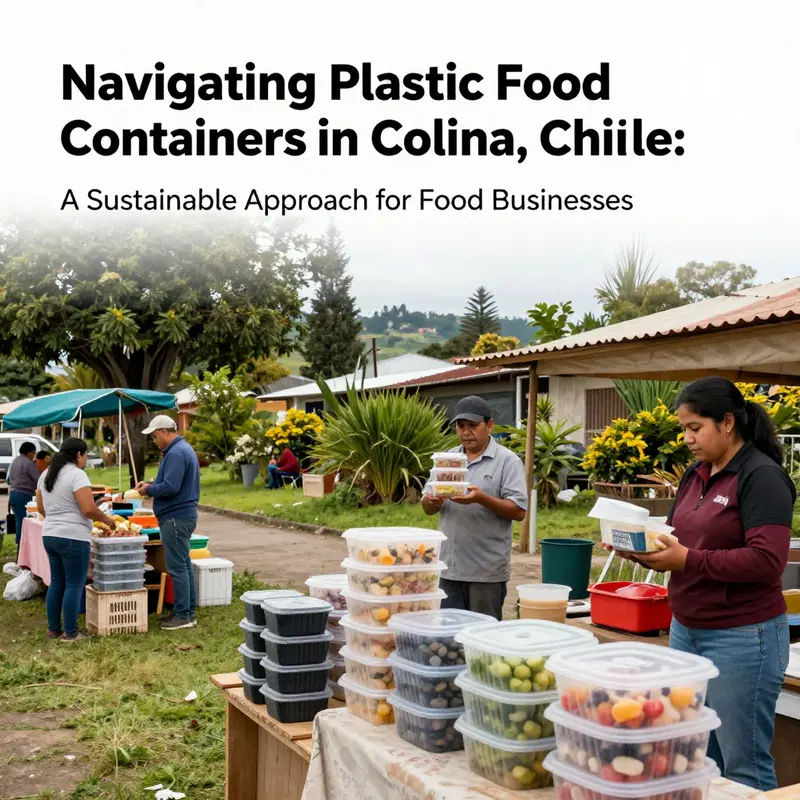
As the demand for convenience and cost-effective solutions in the food industry grows, the relevance of plastic food containers becomes more pronounced, especially in regions like Colina, Chile. This article delves into how plastic containers can align with sustainability goals, economic factors, industry innovations, health considerations, and evolving consumer behaviors. From food trucks to catering services, understanding these dimensions equips businesses to make informed choices that not only benefit their operations but also the community and environment in which they thrive. Each chapter will explore specific aspects detailing the intricate relationship between plastic food containers and their role in fostering a responsible food ecosystem.
From Convenience to Responsibility: Reframing Plastic Food Containers in Colina, Chile
Colina, a growing urban center near the capital, reveals how a local economy negotiates the everyday utilities of plastic food containers with the broader impulses toward sustainability shaping national policy. Plastic containers offer storage, transport, and food safety, but their waste traces daily life and prompts questions about environmental and health impacts. The national Packaging Law, with extended producer responsibility, shifts some costs from municipalities to producers and sets targets for recycled content. In Colina this translates into local procurement and vendor practices that favor more sustainable options when feasible, while balancing cost and availability. Yet recycling infrastructure remains uneven and small vendors rely on inexpensive single-use containers to manage risk and margins. Compostable and plant-based containers are beginning to appear in select eateries, signaling interest in alternatives that align with environmental aims while maintaining performance. Local producers, researchers, and NGOs discuss tailoring packaging to Colina’s climate and waste realities, emphasizing design for reuse and durability alongside recyclability. Education and clear labeling about end-of-life pathways are essential to enable residents to participate in a circular system. In sum, Colina’s transition is a negotiated move among policy, business, and community that seeks to preserve convenience while reducing waste and environmental impact. For broader policy context, see the national packaging initiatives at https://www.minambiente.gob.cl/.
Contours of a Local Economy Shaped by Plastic Food Packaging in Colina, Chile: Opportunity, Trade-offs, and Transition
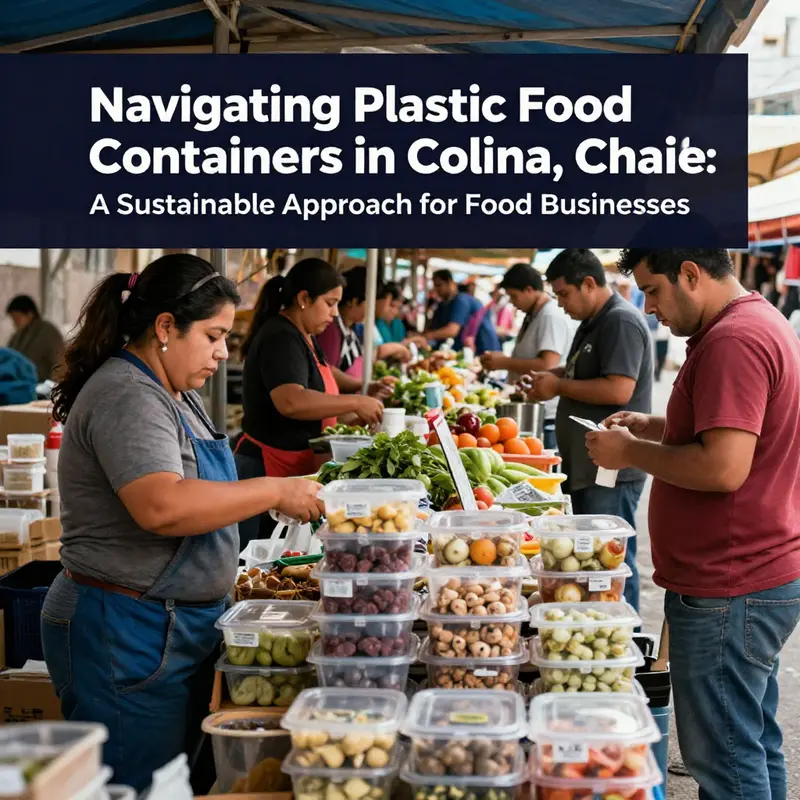
Colina, a growing municipality in the greater Santiago region, offers a focused vantage point on how plastic containers for food weave into a local economy. It is a place where the practical appeal of durable, low-cost containers intersects with broader questions about sustainability, public policy, and the shifting preferences of consumers and businesses. The story of Colina’s packaging landscape is not solely about plastics; it is about how a community aligns short-term economic gains with longer-term environmental responsibilities, and how that alignment, in turn, shapes opportunities for jobs, investment, and innovation. In this sense, Colina can be read as a microcosm of wider Chilean trends, reflecting both the benefits of a robust packaging sector and the pressures to decarbonize and reduce waste. What emerges from this intersection is a narrative of adaptation—how firms, workers, and policymakers navigate the dual imperatives of reliability and responsibility in the market for food containers.
At the core of the local dynamic is the enduring practicality of plastic containers, particularly those made from materials such as polypropylene and high-density polyethylene. These polymers offer a combination of resilience, lightness, and cost advantages that suit the fast-moving demands of the food-service sector. In Colina, where informal and formal food businesses alike rely on reliable packaging to protect product quality and maintain hygiene, the appeal of such plastics is underscored by the logistical realities of distribution, storage, and transit. Yet the same materials that enable efficiency also raise legitimate concerns about environmental pollution and public health when mismanaged. In a country grappling with the environmental footprint of single-use plastics, Colina sits at the confluence of demand for convenience and the push for responsible waste management. The regulatory environment mirrors this tension. Government efforts to curtail single-use plastics—alongside incentives for recycling, safer disposal, and the exploration of alternatives—shape not only what gets sold but how it is produced and used.
From an economic perspective, the plastic packaging sector in Colina functions as a node in a broader regional supply chain. Local manufacturers and suppliers provide not just containers but related services such as mold making, packaging customization, and logistics support. The presence of a diversified supplier base helps stabilize prices and ensure a steady flow of packaging materials to restaurants, grocers, and food processors operating in and around Colina. This has downstream effects on employment, local business formation, and the capacity to respond quickly to shifts in demand. When times are favorable, the sector can create opportunities for skilled labor in manufacturing, quality control, and maintenance, while also prompting ancillary benefits in areas like warehousing, transportation, and retail sales. The challenge, however, is that the economic health of this segment is closely tied to external forces: global commodity prices for resins, the cost of energy, international trade conditions, and the pace at which new sustainability regulations are implemented and enforced.
The sustainability debate adds a further layer of complexity to the economic calculus. Colina’s experience reflects a broader national and global conversation about how to reconcile the convenience of plastic packaging with the imperative to reduce waste and pollution. The local market is responding with a mix of approaches. On one hand, there is continued acceptance of traditional packaging due to proven performance and affordable pricing. On the other hand, there is growing interest in compostable materials, paper-based packaging, and reusable solutions that align with circular economy principles. These shifts are not purely ideological; they involve practical considerations about performance, cost, and consumer behavior. For instance, compostable materials may offer environmental benefits in theory but require appropriate composting infrastructure and clear labeling to avoid contamination in recycling streams. Reusable packaging, while potentially transformative, demands investment in collection systems, return mechanisms, and consumer uptake. In Colina, municipal actors and local businesses are increasingly weighing these trade-offs as they plan investments, supplier relationships, and customer-facing strategies.
One of the most salient implications for Colina is the need to quantify the economic impact of the packaging industry with a clearer, data-driven lens. The available literature acknowledges that precise metrics for Colina’s food packaging sector are sparse. There is recognition that reliable data from national and municipal statistics offices would help illuminate the sector’s size, employment, productivity, and value-added contributions. In practical terms, this means collaborating with national statistical agencies and local government departments to produce an economic census focused on packaging materials, manufacturing activities, and related services. Such data would not only clarify current conditions but also enable policymakers and business leaders to model the effects of regulatory changes, incentives, and potential investments in recycling, composting, and alternative materials. Without detailed metrics, decisions risk being guided by anecdote rather than evidence, which could slow the effective alignment of economic and environmental objectives.
In this context, Colina’s future depends on pathways that preserve the benefits of plastic packaging while expanding options for sustainability. This is not a simple binary choice between plastics and alternatives; it is a spectrum of options that can coexist and reinforce one another. A pragmatic transition might involve a phased adoption of compostable and recyclable packaging where feasible, paired with robust waste management infrastructure and clear labeling. Reuse and refill models, municipal or private, can complement these efforts by reducing the volume of single-use containers in circulation. Importantly, the transition requires coordination across actors: manufacturers and suppliers need to innovate and adapt cost curves, restaurants and retailers require flexibility in packaging choices and supplier contracts, and consumers need clear guidance and incentives to participate in sustainable practices. In Colina, where small- and medium-sized enterprises often drive local innovation, there is potential for more collaborative approaches that blend traditional know-how with new materials science and waste-management technologies.
The social dimension should not be overlooked. Packaging decisions affect workers and households through job stability, training opportunities, and living costs. A shift toward more sustainable packaging could create new jobs in design, testing, and post-use processing, while potentially disrupting roles tied to established supply chains and conventional plastics manufacturing. Community education, workforce development, and accessible financing for small businesses will be critical to smoothing the transition. The broader public health dimension also matters. Packaging choices influence food safety, product integrity, and waste-related environmental health. By linking packaging decisions with robust safety and environmental standards, Colina can maintain consumer confidence while pursuing more sustainable solutions. In short, the economic vitality of Colina’s packaging sector will hinge on the ability to balance efficiency, resilience, and environmental stewardship within a supportive policy and investment landscape.
Amid these dynamics, it is helpful to anchor the discussion with concrete examples of how local packaging options are evolving and how they might fit into Colina’s economy. There are emerging lines of packaging that emphasize eco-friendliness and recyclability, including kraft-based solutions and designs that maximize the efficiency of material use. For readers looking for a practical glimpse into sustainable packaging options that could be relevant to Colina’s context, one example among many is an eco-friendly kraft-based take-away container family, which showcases how more sustainable materials can be integrated into existing food-service workflows. eco-friendly-1000ml-noodle-soup-salad-bowl-kraft-paper-disposable-serving-bowl-with-lid-best-selling-product. This kind of packaging illustrates how innovators are rethinking containment, labeling, and end-of-life options without compromising performance. It also hints at the kinds of partnerships Colina could cultivate—between material suppliers, packaging designers, and food-service operators—to create a more sustainable and resilient local economy.
As Colina considers its path forward, the data question remains central. Detailed, local-level economic metrics would enable more precise forecasting and policy design. The literature emphasizes that while global sustainability assessments and national frameworks provide direction, region-specific measurements are essential to understand how packaging decisions translate into jobs, investment, and environmental outcomes on the ground. Local authorities, industry associations, and business leaders can collaborate to establish a lightweight, actionable data framework that tracks packaging materials, waste streams, recycling rates, and the economic contributions of packaging-related activities. Such an initiative would help Colina articulate the value of investing in waste management infrastructure, research into alternative materials, and training for workers who support packaging production and post-use processing. By aligning data collection with clear policy goals, Colina can reduce uncertainty, attract investment, and foster a packaging ecosystem that serves both the economy and the environment.
In weaving together these threads—the practical appeal of plastics, the push for sustainability, and the realities of a local labor market—Colina’s packaging economy reveals a nuanced picture. The current moment is one of transition, not merely of substitution. The most successful path will be iterative and inclusive, inviting input from manufacturers, retailers, chefs, and consumers. It will also require transparent reporting and accessible information about end-of-life options, which can empower better choices at every stage of the supply chain. The aim is not to erase the benefits of plastic containers but to extend their usefulness through smarter design, responsible use, and coordinated waste management. If Colina can cultivate this integrated approach, the packaging sector could contribute to a more diverse, resilient local economy—one that keeps food safe and affordable while reducing its environmental footprint.
External resource for broader context on global sustainability in packaging and the accompanying policy discussions can be explored here: https://sdgs.un.org/goals
Convenience with a Conscience: Navigating Colina’s Plastic Food Containers toward a Sustainable Future
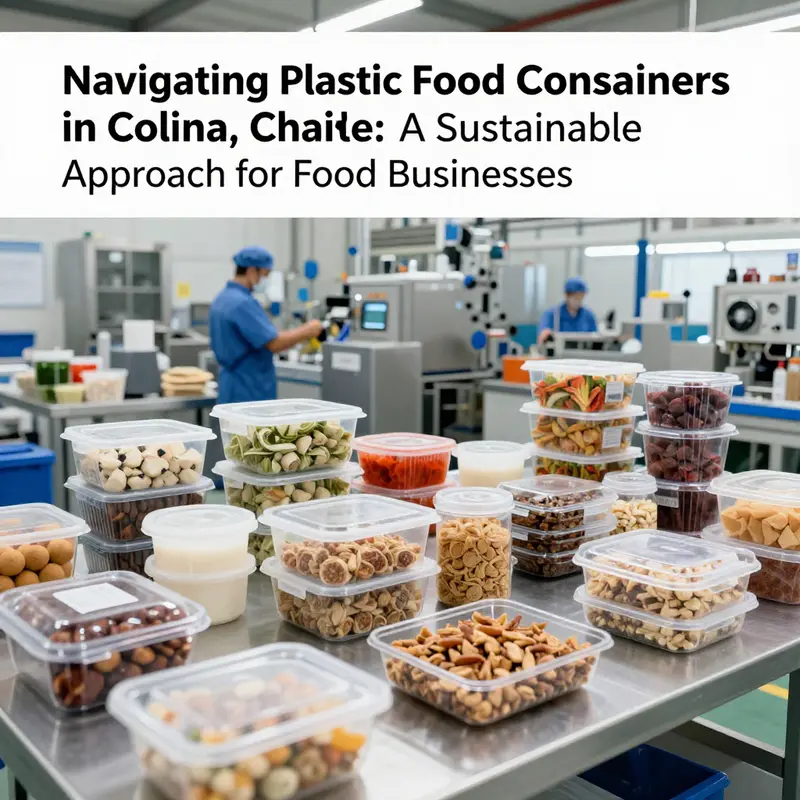
Colina, like many towns tucked near the capital’s orbit, sits at a crossroads where everyday practicality meets a broader demand for environmental stewardship. The plastic food container industry within this Chilean municipality is not merely a local supply chain; it is a lens through which sustainability, economic resilience, and evolving consumer expectations refract into concrete production choices. In Colina, as in much of Latin America, the familiar benefits of plastic—durability, lightweight handling, and cost efficiency—are coming under scrutiny. The questions now are not only about whether plastic can safely hold a meal or travel from kitchen to table, but about how the life cycle of that container can be shortened from wasteful to circular, how local firms can stay competitive without sacrificing environmental commitments, and how government policy nudges the market toward alternatives that still honor safety and convenience.
The regulatory backdrop in Chile has begun to tilt away from a purely single-use model. Government-led efforts to curtail disposable plastics align with a rising chorus of consumer voices that want packaging to do its job with less lasting residue. In Colina, these pressures translate into a local imperative: packaging manufacturers must adapt their methods, materials, and product designs if they want to stay relevant in a market that increasingly judges success by environmental performance as well as price. The change is not abrupt. It unfolds through incremental shifts—lighter designs that use less material without compromising barrier properties, better integration of recyclability into the product design, and a growing willingness to experiment with materials that break down more easily or can be reused many times over. These shifts are not merely cosmetic; they are structural, affecting how materials are sourced, how products are manufactured, and how end-of-life handling is planned and communicated to customers.
Colina’s packaging firms are not isolated from broader Latin American dynamics. Across the region, manufacturers confront a market realignment toward sustainable packaging solutions that reflect both consumer preferences and regulatory expectations. The chapter of this regional story that resonates in Colina concerns the tension between established, highly established plastics and emergent, greener options. In practice, this means a move beyond classic polypropylene (PP) and high-density polyethylene (HDPE) toward biodegradable plastics, recycled content like rPET, and innovative thin-wall configurations that preserve strength and safety while consuming less raw material. The shift is supported by a growing base of research and development activity, an expanding suite of processing technologies, and a clearer signal from multinational brands operating in Latin America that sustainability is tied to brand integrity and long-term profitability.
Economic considerations sit at the heart of these transitions. Local manufacturers in Colina benefit from proximity to a diversified food sector, a robust distribution network, and a workforce with accrued know-how in plastics processing. Yet even as the cost advantages of traditional plastics remain compelling, producers are weighing the longer-term financial calculus of more sustainable materials. Recycled PET, for instance, offers a path to cost containment while reducing virgin resin demand, but it requires careful handling to meet food-contact safety standards and supply chain traceability. Biodegradable plastics promise a clear environmental payoff, but they can challenge existing processing lines and composting infrastructure. The desire for lightweight containers that still deliver dependable barrier protection necessitates material science advances and smarter packaging geometry. All of these factors converge in Colina as a real-world case study of how sustainability goals interact with the economics of scale, supplier relationships, and customer expectations.
Beyond the shop floor, consumer attitudes in Colina are gradually shifting enough to influence product development. Food vendors and retailers report growing interest in packaging that signals responsible practice, whether through clear labeling about recyclability or through collaborations with suppliers that emphasize reuse and waste reduction. This is not purely a moral imperative; it is a business strategy. Consumers, especially younger demographics, increasingly question the trade-off between convenience and environmental impact. They reward brands that demonstrate transparency about the materials used, the end-of-life options, and the steps a company takes to minimize environmental harm. For the producers, this means designing with the end user in mind—considering how a container will be disposed of, whether it can be recycled locally, and how its shape and size affect transport efficiency and storage.
Safety and consumer health concerns also shape the Colina market. The integrity of food-contact materials remains non-negotiable. Even as some players experiment with alternatives, they must ensure compliance with food-grade standards and avoid migration of additives that could pose health risks. In practice, this translates into strict supplier quality controls, careful choice of additives and stabilizers, and rigorous testing protocols. The result is a more nuanced spectrum of options: while some markets push toward minimalist designs with minimal additives, others emphasize robust barrier properties to prevent spoilage and ensure product safety during transport and display. The balance between safety, cost, and environmental performance is delicate, and Colina’s manufacturers are learning to navigate it with a combination of in-house expertise and external partnerships.
The regional dialogue, while anchored in Colina’s realities, also benefits from broader strategic insights. Latin America’s packaging sector has witnessed a notable shift toward realigning market expectations with environmental commitments. This realignment is often framed in terms of the circular economy, where packaging systems are designed with reuse or recycling in mind from the outset. Colina’s story mirrors this trend: companies that invest in recyclable content, establish reliable supply chains for post-consumer collection, and explore reusable packaging concepts are positioning themselves for longer-term viability. The practical takeaway for Colina’s stakeholders is that the future of plastic containers will likely be a blended landscape. There will be room for traditional plastics where they are most efficient and safe, but that space will be constrained by environmental standards, consumer demand for responsible packaging, and policy measures introduced to curb waste.
Innovation in Colina is also a story of collaboration. Local manufacturers increasingly seek partnerships with material suppliers, recycling facilities, and research institutions to co-create solutions that meet both safety criteria and sustainability targets. Lightweight designs, for example, do not merely reduce material use; they can reduce energy consumption across the supply chain by lowering transportation weight. In parallel, companies are exploring the integration of recycled content into new products, careful to maintain the purity of the food-contact stream and to document material provenance for regulatory and consumer assurance. These collaborative efforts reinforce a broader economic narrative: sustainable packaging can be a driver of job creation and industrial modernization when guided by skill development, investment in processing capabilities, and alignment with national development goals.
The chapter’s regional anchor—the shift toward greener packaging—also invites a more explicit look at end-of-life management. Colina’s waste streams, collection rates, and local recycling infrastructure shape what is practical and scalable. If recycling channels are robust, a greater share of collected plastics can be diverted from landfills and reintroduced into the production cycle as rPET or other recycled-content resins. If not, producers may lean toward materials with better compostability or higher recyclability, even if that requires redesigns or process changes. End-of-life considerations thus influence material selection, product design, and even the placement of packaging in the market. Companies in Colina that proactively address these life-cycle questions—by communicating take-back options, investing in sorting and recycling partnerships, or developing reusable packaging programs—stand to gain competitive advantage as both regulators and consumers reward proven responsibility.
For practitioners seeking concrete illustrations of how local players are adapting, consider a supplier approach that centers on durable, reusable options and clear end-of-life pathways. A practical example is to partner with producers that offer food-contact-grade, reusable containers and lids, designed for repeated cycles of use and easy cleaning. Such collaborations can help convert short-term single-use habits into longer-term usage patterns, especially when coupled with incentives or deposits that encourage returns and refills. The aim is not to abandon the conveniences of plastic entirely, but to reframe them within a system that prioritizes recovery and reuse wherever feasible. In Colina, this reframing is gaining traction as both policy signals and consumer expectations converge toward a more responsible packaging ecosystem. The market is beginning to reward those who can demonstrate credible environmental performance without sacrificing the reliability that food-serving operations rely on daily.
As Colina moves forward, the future of plastic containers for food will likely depend on a pragmatic blend of materials engineering, process optimization, and strategic partnerships. Lightweight yet strong designs can cut material use and energy intensity, while recycled-content plastics can close the loop on waste if the local infrastructure supports collection and processing. Bioplastics and compostable materials offer tantalizing possibilities for reducing end-of-life impact, but they require careful alignment with composting facilities and consumer behavior. The overarching takeaway is that the Colina story is a microcosm of Latin America’s broader packaging transition: a region learning to value circularity alongside convenience, to consider the social and economic implications of packaging choices, and to align industry ambition with the imperative of environmental stewardship. For researchers and practitioners, Colina provides a blueprint for how cities can nurture innovation, sustain employment, and gradually shift consumer cultures toward packaging that serves both people and the planet.
For a broader regional context that informs these local developments, see the related industry analysis on Latin America’s plastic packaging market realignment, which emphasizes sustainable packaging solutions, recycled materials, and lightweight design as core themes shaping the continent’s trajectory. External resource.
Within Colina, a tangible example of how packaging adaptation can look on the ground is found in the shift toward take-away solutions that balance safety with reuse and recyclability. Local operators are increasingly drawn to options that simplify the post-consumer path, from clear labeling about recyclability to partnerships with certified recycling channels. A practical reference point for practitioners seeking to connect with local suppliers who offer compliant, food-grade take-away containers is a nearby source that provides a range of take-away bowls and related packaging. You can explore the concept further through this material, which highlights how standardized, food-grade designs can fit into a broader, sustainable packaging strategy while remaining accessible to shops and restaurants that rely on efficient turnover and consistent performance.
In sum, Colina’s plastic food container sector stands at a meaningful intersection: the urgency to reduce environmental impact meets the operational realities of a competitive market. The path forward is not a single product switch or a lone policy reform; it is a coordinated shift across materials, design, production, and end-of-life management. By embracing lighter, smarter designs; increasing recycled-content content where feasible; and building partnerships that strengthen the local ecosystem for reuse and recycling, Colina can strengthen its economic base while also contributing to a more sustainable regional packaging landscape. The story unfolding here echoes across Latin America: the future of plastic containers for food is not about abandoning plastic altogether but about using it smarter, designing for recovery, and ensuring that convenience and responsibility co-exist in everyday meals.
Between Convenience and Contamination: Health Implications of Plastic Food Containers in Colina, Chile
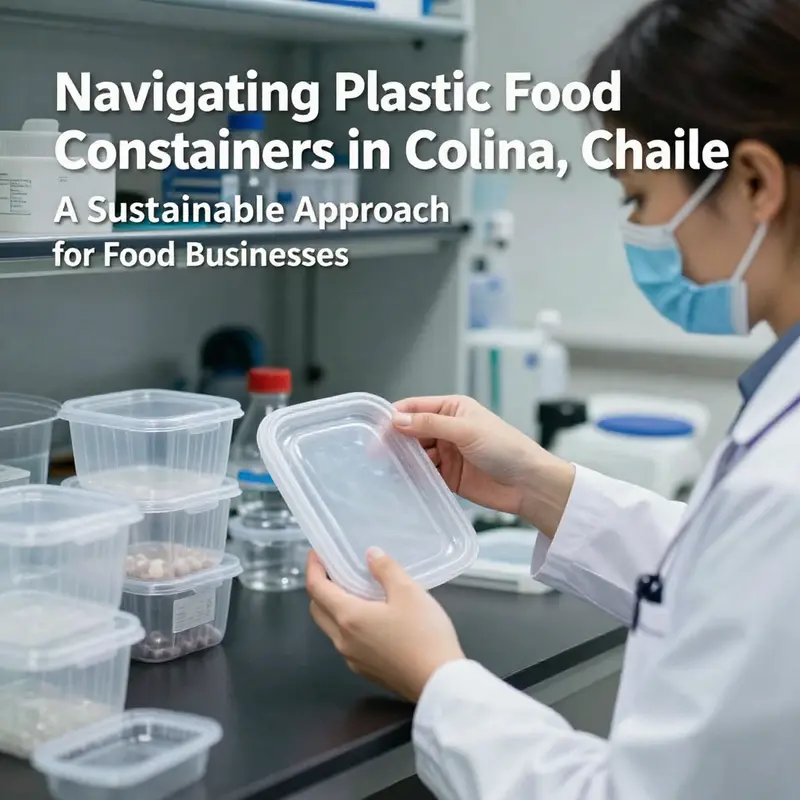
Colina sits on the northern edge of the Santiago metropolitan area, blending rural markets with urban appetites. In many homes and workplaces, plastic food containers are everyday tools that keep meals portable and safe. Yet the same polymers that enable convenience also carry questions about health and well being. In Colina, as in many Chilean cities, the routine use of plastic takeaway containers has become a touchstone for how a modern food system balances speed, affordability, and risk. A growing body of research from Chile and beyond has begun to map the hidden pathways by which plastic packaging can influence health, not simply through immediate mishaps like leaks or chemical taste, but through longer term exposure to microplastics and additives that can migrate into food during ordinary handling and use. This chapter follows those threads, grounding them in Colina’s particular pace of life and the broader national strategy to reimagine packaging in a more sustainable way.
At the heart of the health concerns is microplastic release. In routine life, plastic takeaway containers can shed tiny particles that become embedded in hot or fatty foods and then make their way into the digestive tract. A 2024 study conducted in contexts similar to Colina found that microplastics can form under ordinary conditions of use and that these particles may exert cytotoxic effects on intestinal cells. The implication is not that every meal is instantly dangerous, but that everyday exposure—through a combination of heat, abrasion, and time—adds up over months and years. In a city like Colina, where takeout culture and quick meals are common, this everyday erosion of container integrity translates into a cumulative exposure that warrants attention from households, health professionals, and policymakers alike.
Beyond the kitchen, the same microplastic story extends into the environment. A parallel thread of Chilean research documents the presence of microplastics across urban ecosystems, including areas with dense populations and busy markets. The transport and fate of these particles mean that Colina residents are unlikely to be shielded from exposure, not only by food packaging but also by the water and soil that cycle back to households through consumption and washing. The pattern seen at the national level suggests a diffuse risk that grows when waste management is strained and when the supply chain leans heavily on disposable plastics without robust end of life options. In this frame, plastic containers become not just packaging but potential vehicles for contaminants that travel through air, water, and food to the dinner table.
Chemical additives add another layer of concern. Among the chemicals of interest is BPA, historically used in certain plastics and coatings, and linked to hormonal disruption, reproductive effects, and developmental concerns. Regulations have accelerated the move away from BPA in many consumer products, but older stock and lower end plastics may still harbor this compound. Colina households may encounter such materials indirectly, through reused containers, secondhand items, or local markets that stock older stock, especially in areas where waste oversight lags behind the pace of consumption. While precise local measurements are sparse, the weight of national evidence points to a need for vigilance about cumulative exposure and for clear labeling and safer alternatives in the packaging mix that reaches urban neighborhoods like Colina.
Policy signals in Chile are beginning to reshape the landscape around plastic containers. The government has highlighted reducing single use as a priority, encouraging shifts to more durable, reusable, and compostable packaging where feasible. In Colina, this top down push interacts with a vibrant local economy where manufacturers and suppliers are testing a spectrum of options that range from durable plastics designed for reuse to compostable materials and paper based solutions. The economic dynamics matter here: the cost of alternatives must be compatible with the budgets of families and the margins of small businesses that rely on affordable packaging. At the same time, improved waste streams and collection services can make non plastic options more attractive, offsetting any higher upfront cost with savings over time and reducing environmental and health externalities in the neighborhood. In such a setting, the health angle amplifies sustainability arguments, turning packaging choices into decisions about community well being as well as business viability.
For households, the practical path toward reducing risk blends common sense with emerging science. Simple steps include avoiding heating foods in plastic containers unless they are clearly labeled as microwave safe, transferring hot meals to glass or ceramic dishes when possible, and reducing the reuse of single use containers that were not designed for repeated cycling through a dishwasher. Select packaging with credible safety marks and materials that minimize chemical migration. Beyond personal choices, there is a role for education and policy to help residents interpret risk information without causing alarm. When communities understand that microplastics can occur even under routine use, they may demand better standards in manufacturing and clearer guidance on how to dispose of or recycle materials responsibly. The hope is to build a culture where convenience does not eclipse health, and where the market supports safer packaging through transparent materials data and reliable end of life solutions.
Even as risk awareness grows, many in Colina are curious about alternatives that do not simply replace one problem with another. The shift toward compostable or reusable options holds promise, but it also raises questions about composting infrastructure, contamination of recycling streams, and the durability required for a busy takeout economy. In this context, some local suppliers have begun promoting eco friendly packaging that aligns with safety and performance while reducing environmental footprint. For example, eco friendly kraft paper based take away bowls and containers are featured in local offerings, offering a different trajectory from conventional plastics. senang05-eco-friendly-1000ml-noodle-soup-salad-bowl-kraft-paper-disposable-serving-bowl-with-lid-best-selling-product The idea is not to pretend plastics vanish, but to reframe the packaging supply chain around materials that may be safer in use and easier to manage after use. This approach aligns with global interest in reducing plastic footprints while keeping food safe and convenient. It also provides a platform for local communities to experiment with designs that protect flavors, preserve nutrients, and minimize migration of unwanted substances into meals. If Colina can blend consumer demand with technical performance and sustainable waste flows, the result could be a more resilient food system that preserves both health and livelihood.
Yet turning aspiration into reality requires data, governance, and investment. The absence of localized health risk data for Colina should not be mistaken for absence of risk. It highlights the need for targeted assessments that capture how residents actually use and reuse containers, how often heat is applied, and what materials pass through the supply chain into homes. Collaboration among health authorities, manufacturers, retailers, and researchers can illuminate where risk concentrates and how to intervene effectively. Such work can also demonstrate the economic benefits of safer packaging, from reduced health care costs to more stable employment in packaging design and materials processing. The national story about plastic containers in Colina becomes a local narrative about responsibility, trust, and opportunity, where communities shape the pace at which packaging evolves without losing the everyday advantages that plastics have provided for decades.
As Colina navigates this transition, the conversation about health and packaging will increasingly converge with environmental and economic goals. Safer materials, better end of life management, and transparent labeling will require investment but also social buy-in. The health risks discussed here are not a condemnation of handy containers, but a reminder that everyday choices accumulate into personal and collective outcomes. The challenge is to align convenience with precaution, so families do not have to sacrifice dinner for safety. In the long run, a more nuanced approach to food packaging in Colina could prove healthier for residents and more robust for local business ecosystems, bridging micro and macro scales from kitchen tables to municipal waste streams. External resources that synthesize national evidence, including studies on microplastics and chemical exposure, can help communities interpret risk and chart practical steps forward for safer packaging and better health outcomes. External resource: https://www.mdpi.com/1660-4601/21/8/3197
From Convenience to Responsibility: Navigating Colina’s Plastic Food Containers in a Changing Chile
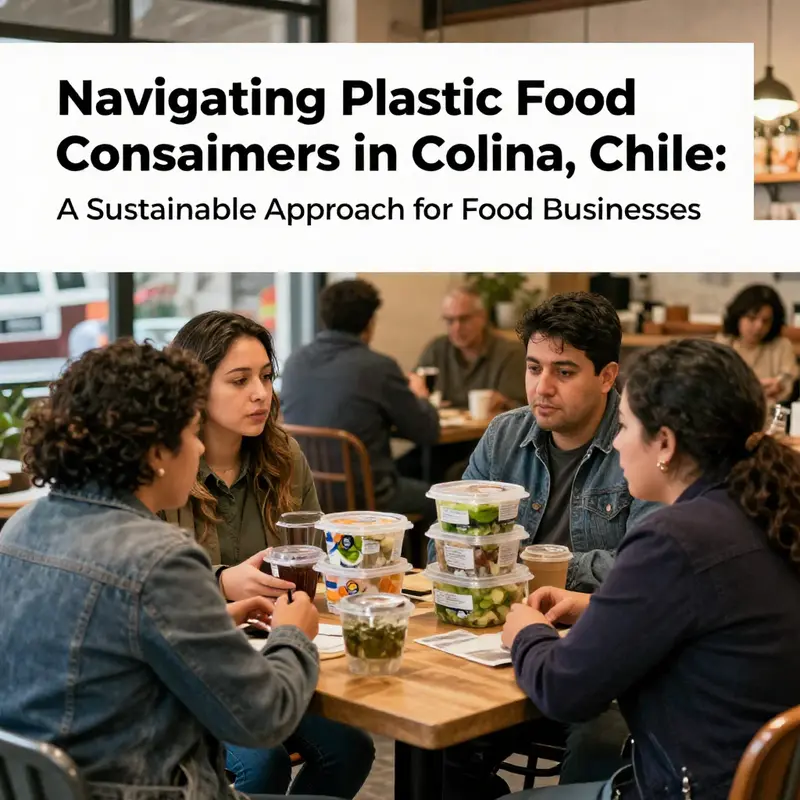
Colina sits at the crossroads of a broader national shift in food packaging, where the everyday choice of a plastic container for a meal becomes a measure of a community’s relationship to waste, sustainability, and economic pragmatism. The town’s layout mirrors Chile’s packaging ecosystem: durable plastics that meet demand for affordable, reliable containment, coupled with a rising awareness that convenience cannot be separated from environmental stewardship. Plastic containers for take-out soups, salads, or snacks carry not only the weight of food safety but also the public conversation about pollution, resource use, and the long arc of a circular economy. Colina’s story is thus a study in balancing immediate needs with longer-term responsibilities, a balancing act that involves policymakers, manufacturers, retailers, and everyday consumers alike.
The policy landscape in Chile has begun to tilt toward reducing single-use plastics and reframing packaging as a resource. In Colina, this regulatory push intersects with a local manufacturing base that can produce traditional containers alongside options that promise smaller footprints. The practical outcome is not a binary choice between plastic and biodegradable; it is a spectrum of possibilities where cost, performance, and end-of-life pathways must be considered together. For many small and mid-sized firms, the transition means investments in equipment, materials science, and logistics that support a more sustainable packaging system while preserving affordability and reliability.
Beyond policy, the consumer piece remains uneven. Local data on behavior toward plastic containers for food are scarce, but global patterns offer a useful guide. In university settings and among urban take-away users, there is often openness to environmental concepts and to trying new packaging norms. Systematic reviews over the past decade show that eco-friendly packaging has gained traction, though price, accessibility, and perceived performance continue to matter. Surveys from other regions hint that consumers reduce purchases of single-use plastics when practical, yet turning attitudes into habitual behavior and sustained demand for alternatives is a challenge. In Colina, the absence of local data signals an opportunity: partnerships with universities and environmental groups to map consumption, disposal habits, and willingness to pay for sustainability.
The local economy adds another layer to the question of plastic containers. Colina benefits from a manufacturing footprint that supports jobs and regional supply chains, offering a portfolio of plastic packaging alongside alternative materials. Transitions toward more sustainable options bring cost considerations and the need to ensure hygiene and food safety standards. A hybrid approach—maintaining robust plastic containers for high-volume items while expanding recyclable or compostable options for others—can stabilize livelihoods and gradually build consumer familiarity with new formats. Retailers and food-service operators influence what is practical and appealing to customers, and their choices affect not only price and convenience but also perceptions of quality. When a shop adopts reusable or returnable packaging, it signals a commitment to shared resource systems; when it leans toward compostable products, it highlights end-of-life management.
Health and environmental concerns anchor the discussion in practical terms. Public discourse often centers on leachates, microplastics, and the broader ecological footprint of plastic production and disposal. While science advances, the practical takeaway for Colina is clear: packaging choices influence food safety, consumer confidence, and waste management costs. In a municipal context with imperfect recycling streams, reducing waste and improving end-of-life outcomes can yield tangible benefits. The design challenge is to balance durability and safety with ease of separation and lower environmental impact. Communicating these trade-offs clearly to staff and customers becomes as important as the technical specifications of the containers themselves.
Within this evolving framework, reuse systems, deposit schemes, and cross-sector collaborations move from speculative ideas to concrete components of a local packaging strategy. Returnable containers for specific lines, materials compatible with existing recycling or composting infrastructure, and pilots that test performance under real-world conditions all contribute to resilience. The path forward also requires education about disposal pathways, cost considerations, and the value of sustainable choices in everyday transactions. The aim is not to dictate a single solution but to enable informed decisions at the point of sale and at the household doorstep.
A crucial lesson is the value of localized insight. Colina-specific data should guide municipal planning, retailer stocking decisions, and manufacturer portfolios in ways that align convenience with responsibility. This involves public-private partnerships to accelerate testing of new packaging formats, share best practices, and build a more resilient ecosystem. In the near term, resilience will hinge on designing containers that perform reliably, are recoverable through existing waste streams, and offer clear value to consumers who weigh cost, convenience, and environmental impact in a single decision. The broader narrative suggests a future where plastic remains part of the mix, but its footprint is diminished through better design, smarter logistics, and stronger community norms. What matters is the steady alignment of policy, industry capability, and consumer expectation so that the choice of container becomes a statement about a community’s commitment to a sustainable food system rather than a simple cost of doing business.
External resource: https://www.sciencedirect.com/science/article/pii/S095965262301287X
Final thoughts
The use of plastic containers for food in Colina, Chile, emerges as a multifaceted topic intertwined with sustainability, economic vitality, industry trends, health considerations, and evolving consumer behaviors. As businesses navigate this complex landscape, the commitment to eco-friendly practices can foster community acceptance and contribute positively to the environment. By making informed decisions regarding food packaging, businesses can effectively balance operational needs with societal responsibilities, setting a path for a sustainable future in the food industry.