
As the food and beverage industry continues to evolve, understanding the role of food disposable bags has never been more crucial. These convenient storage solutions are utilized in bubble tea shops, restaurants, catering services, and food trucks worldwide. However, as the environmental repercussions of single-use plastics come to light, it’s imperative for business owners to consider sustainable alternatives. In this exploration, we will break down the environmental impact of food disposable bags, the materials they are made from, the evolving regulations, the latest innovations in technology, and the preferences of modern consumers—all aimed at helping you make informed decisions for your business.
Revamping the Narrative: Environmental Challenges and Sustainable Transitions in Food Disposable Bags
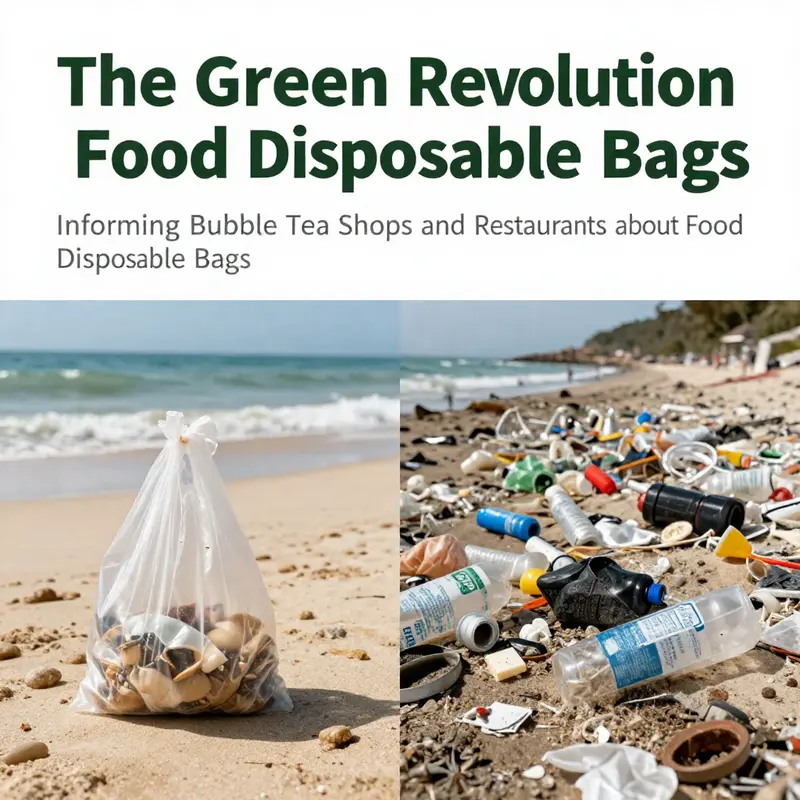
Disposable food bags, once hailed for their convenience and low cost, now face intense scrutiny due to their far-reaching environmental consequences. These single-use items, widely recognized for storing and transporting food, are at the heart of a modern sustainability crisis. Manufactured predominantly from petroleum-based plastics such as polyethylene and polypropylene, disposable food bags are engineered for brief utility yet linger in the environment for centuries. Evidence shows that these plastics take at least 200 years to fully decompose, steadily accumulating in landfills, water bodies, and natural ecosystems. Over time, the physical presence of these persistent items creates an omnipresent burden on natural landscapes, contributing to visual pollution and long-term ecological damage.
The production process itself adds another layer of complexity. Relying heavily on fossil fuels, the manufacture of disposable food bags is an energy-intensive operation that accelerates the depletion of natural resources while contributing to greenhouse gas emissions. Estimates suggest that producing these bags in regions like the United States may consume millions of barrels of oil annually. This increased dependency on unsustainable energy sources results in amplified carbon dioxide emissions and other harmful pollutants that exacerbate climate change and degrade air quality. Consequently, the very convenience that once made disposable food bags attractive now raises serious questions about the price paid in environmental and human health terms.
Moreover, the recycling industry has struggled to keep pace with the volume of plastic waste. Globally, less than 5% of disposable plastic bags are successfully recycled, leaving an overwhelming majority to find their way into environmental traps. When these plastics are exposed to sunlight and heat, they undergo photodegradation, breaking down into microplastics rather than decomposing completely. Over time, these microscopic plastic fragments permeate soils, waterways, and even the bodies of living organisms. Marine wildlife, in particular, face dire consequences as they ingest these indiscernible particles, mistaking them for food. This ingestion not only leads to physical blockages and injuries among animals such as fish, seabirds, and marine mammals but also contributes to a gradual buildup of toxins in the food chain. Ultimately, these microplastics have been detected in human blood, placenta, and breast milk, raising alarms about the potential long-term impacts on human health.
Central to the environmental debate is the inherent contradiction embedded within the lifecycle of disposable food bags. While the bags provide a practical solution for food storage and transportation, their manufacturing and disposal processes entail a heavy burden on the ecosystem. The industrial reliance on fossil fuels for their production translates to extensive carbon footprints, with each production cycle further depleting finite resources. The high consumption of oil and the release of carbon dioxide during manufacturing underscore the urgent need for a reevaluation of these products and a transition towards more sustainable practices.
Compounding the challenge of resource depletion is the problematic nature of chemical additives used in these plastics. Many disposable food bags, especially those produced using recycled materials or non-food-grade plastics, incorporate chemical substances known as phthalates and bisphenol A (BPA). These chemicals are recognized as endocrine disruptors, linked to reproductive disorders, metabolic complications, and even an increased risk of certain cancers. When these substances leach into food items—particularly when in contact with heat or acidic ingredients—the consequences for human health can be severe. Everyday interactions with disposable food bags, once considered benign, are now understood to pose hidden dangers that extend far beyond environmental degradation.
Innovation in materials science and product design is gradually offering a glimmer of hope. In response to the escalating environmental and health concerns, manufacturers worldwide are developing alternative materials that promise improved sustainability without sacrificing the convenience of single-use packaging. Biodegradable plastics made from renewable resources such as cornstarch and sugarcane, as well as polymers like PLA (polylactic acid), offer a potentially lower-impact alternative to traditional plastics. However, these biodegradable options are not a panacea. Their effective degradation often requires industrial composting facilities that maintain controlled conditions—high temperatures around 50°C, specific moisture levels, and regulated microbial activity. Without these parameters, even biodegradable plastics can persist in the environment much like their conventional counterparts.
Adding to the complexity, the use of plant-based materials brings its own set of challenges. While renewable in theory, the cultivation of crops to produce bioplastics can lead to significant land use changes. Expansions in agricultural production for bioplastics may trigger higher deforestation rates, soil depletion, and increased usage of pesticides and fertilizers. These practices, in turn, pose further risks to biodiversity and water quality. The irony is palpable: in attempting to solve one environmental problem, society might inadvertently be magnifying another. Therefore, the transition to sustainable disposable food bags demands not only technological innovation but also a comprehensive assessment of broader ecological trade-offs.
In light of these multifaceted issues, governmental agencies and regulatory bodies have begun to implement stricter measures aimed at curbing the production and improper disposal of disposable food bags. Recent regulations, such as the complete ban on non-degradable plastic bags in certain regions and the imposition of fees on single-use plastics, reflect a growing recognition of the environmental stakes. For example, cities around the globe have launched initiatives to phase out ultra-thin disposable bags and clamp down on misleading eco-friendly labeling practices. These policy measures are designed to encourage both producers and consumers to shift their behavior towards more sustainable alternatives.
Public awareness campaigns also play a crucial role by educating consumers about the hidden costs of convenience. Many individuals remain unaware that each disposable food bag used contributes incrementally to a much larger ecological crisis. Encouraging a shift towards reusable and certified compostable alternatives can help reduce the environmental footprint of food packaging. In this context, innovations in eco-friendly recyclable packaging are gaining traction. Products such as eco-friendly recyclable shopping bags serve as stepping stones to a broader culture of environmental responsibility. The emphasis on sustainability is not merely a trend but an urgent and necessary rethinking of how everyday items interact with our environment.
The convergence of environmental concerns, economic realities, and public health issues surrounding disposable food bags requires a holistic, integrated response from multiple sectors. Industry leaders, environmental scientists, regulators, and informed consumers must collaborate to mitigate the negative impacts of these products. Research suggests that transitioning to reusable options, combined with rigorous enforcement of environmental standards for both traditional and alternative materials, can dramatically reduce the ecological damage associated with disposable food bags. This systemic change, however, will only be successful if accompanied by widespread education and public support.
Additionally, investment in innovative recycling technologies is crucial. As the current recycling rate for disposable bags remains dismally low, new methods that can efficiently break plastic down into reusable materials are needed. Advances in chemical recycling and enhanced sorting mechanisms could potentially revolutionize the management of plastic waste. By closing the loop in the lifecycle of disposable food bags, society can work towards a circular economy that minimizes waste and maximizes resource efficiency.
The stakes of this issue are not limited to environmental aesthetics or abstract climate models; they have immediate and tangible impacts on communities around the world. Coastal regions grapple with the accumulation of plastic waste that jeopardizes marine life and local economies based on tourism and fisheries. Urban areas, too, bear the burden as overflowing landfills and clogged drainage systems lead to public health risks and infrastructure challenges. In this scenario, the environmental impact of disposable food bags becomes a bellwether for broader challenges in modern waste management and sustainable development.
Proactive measures that incorporate both policy reform and technological innovation are essential to reversing the current trends. Research-backed data has motivated several governments to adopt ambitious targets, not only to reduce plastic waste but also to promote alternative materials that offer true biodegradability under real-world conditions. These initiatives are supported by international organizations such as the United Nations Environment Programme, which continuously updates metrics on plastic pollution and provides guidance on global policy responses. For those seeking further insight on the global impact of plastic waste, the comprehensive report available at UNEP’s Global Plastic Pollution offers detailed analysis and actionable recommendations.
While the obstacles are formidable, the path forward is illuminated by a growing consensus on the critical need for sustainable packaging practices. Innovation in biodegradable materials and enhanced recycling technologies forms the cornerstone of a broader movement to reduce reliance on single-use plastics. Awareness and education further empower consumers to make choices that align with environmental ethical standards, reinforcing market shifts towards verified eco-friendly products.
In conclusion, the narrative surrounding disposable food bags is one of stark contrasts between convenience and sustainability, short-term benefits and long-term detriments, and immediate practicality versus global ecological health. The environmental impact of these products encapsulates an urgent call to action—a demand for transformative change in production methods, waste management strategies, and consumer behavior. As society grapples with the challenges of modern consumption, the evolution towards eco-friendly alternatives stands as a testament to our capacity for positive change. Recognizing the profound environmental, health, and economic implications of disposable food bags is the first step toward reclaiming the balance between utility and sustainability, ensuring that the solutions we adopt today do not compromise the future of our planet.
The Anatomy of Food Disposable Bags: Unraveling Safe and Sustainable Materials
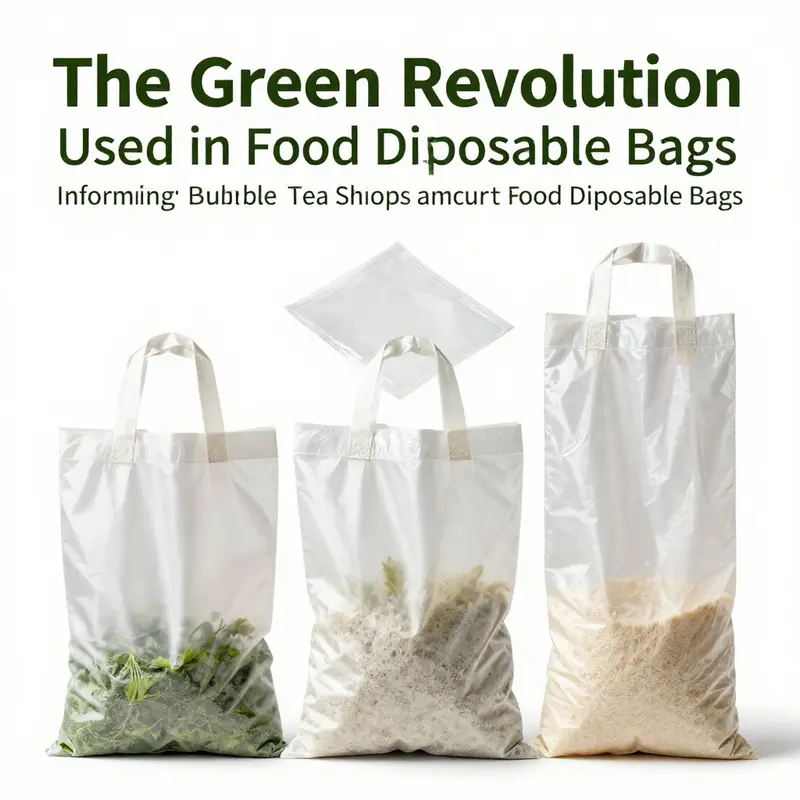
Food disposable bags have become an integral part of modern food packaging, balancing convenience with the necessity for safety and hygiene. In exploring the materials that form the backbone of these bags, we encounter a world where science meets environmental responsibility. Two primary materials, polyethylene (PE) and polypropylene (PP), are at the forefront of this revolution in food packaging, each boasting specific properties that render them suitable for storing, transporting, and even heating food safely. The science behind these materials is multifaceted, encompassing their chemical stability, thermal properties, and potential health implications when used outside of recommended conditions.
Polyethylene, particularly in its low-density (LDPE) and linear low-density (LLDPE) forms, remains the most commonly used polymer in the creation of food disposable bags. Its simplicity in chemical composition provides a relatively inert packaging medium that is generally resistant to chemical reactions with food substances. This characteristic is crucial when the bag is used to store dry goods or cold, ready-to-eat food items. However, its ease of production and relatively low melting point (generally below 80°C or 176°F) also impose limitations. For example, when PE bags are exposed to high temperatures or come into contact with oily foods, there is a significant risk of plasticizers, such as phthalates, leaching into the food. This is why consumers are advised to be cautious about using PE for warm or hot food items. The inherent safety of PE for food contact, however, is well recognized as long as its temperature limits and usage conditions are strictly observed.
In contrast, polypropylene (PP) is known for its enhanced heat resistance and mechanical strength, making it a preferred option for applications such as microwave-safe packaging and containers that endure higher temperature fluctuations. PP is marked with a recycling symbol that identifies it (often marked with a number 5), and its ability to withstand temperatures up to approximately 130°C (266°F) makes it a reliable option for foods that need to be heated directly in their packaging. Nonetheless, even PP has its limitations. Repeated cycles of heating and washing, or prolonged exposure to high temperatures, can degrade the polymer’s structure, thereby increasing the risk that chemicals may migrate from the material into the food. This underlines the importance of understanding that while PP offers a broader range of safe usage conditions, its longevity in repeated use scenarios is still capped by its material properties.
An essential aspect of using these materials lies in the clear distinction between food-grade and non-food-grade plastics. Despite the similar appearance between various types of plastics, not all bags are suitable for direct food contact. Materials such as polyvinyl chloride (PVC) or recycled plastics that originate from non-food sources may contain toxic additives, including heavy metals like lead and mercury, or carcinogenic substances such as benzopyrene. These additives pose serious risks, especially if the bag is exposed to heat or oily substances. To avoid such hazards, it is critical to select only those bags that are explicitly labeled as “Food Grade,” “Food Safe,” or specifically marked for food use. Such strict labeling guidelines help ensure that the bank of chemicals used in manufacturing remains controlled, and the final product does not inadvertently become a source of contamination.
Beyond the mechanical properties and safety features of PE and PP lies a broader dialogue about sustainability. The environmental impact of single-use plastics has become a major global concern, and it has spurred an urgent search for eco-friendly alternatives. The conventional disposable bags made from PE and PP are known for their durability in landfills and resistance to degradation, which means that they can persist in ecosystems for hundreds of years. In response to this environmental challenge, there has been significant progress in the development of recyclable, compostable, and even biodegradable alternatives. Some of these new materials, such as polylactic acid (PLA) derived from plant sources like cornstarch, offer the promise of breaking down more quickly under industrial composting conditions, thereby reducing the long-term environmental footprint of disposable food packaging. The evolution of these sustainable options is not just a technical challenge but also an imperative supported by regulatory movements in many countries around the world.
The regulatory landscape has further driven the shift towards safer materials for food contact applications. Countries and governing bodies, particularly in regions like the European Union, have introduced regulations and bans on certain single-use plastics to minimize the proliferation of persistent pollutants. These regulations demand strict adherence to standards such as ASTM D6400 or EN 13432 for compostable materials. Manufacturing entities are thus compelled to align their production processes with these standards to ensure that even as they innovate, they do so without compromising on the very aspect of sustainability that modern society so desperately needs.
These evolving regulations have a direct impact on manufacturers and consumers alike. Many manufacturers are now aware that producing bags from non-food-grade plastics, including those reprocessed from industrial waste, can lead to serious health risks if used for food contact. Such practices are rarely tolerated in transparent supply chains where health and safety are paramount. In light of this, many manufacturers have taken steps to rebrand their products with clear labels and certifications, assuring consumers that the materials used have passed stringent safety tests. Buyers are strongly encouraged to seek out these accredited products to avoid the hidden dangers of toxic additives. For those seeking alternatives, a promising lead can be found in eco-friendly and recyclable options, such as those that are part of multi-purpose initiatives to promote sustainability in everyday packaging. In fact, businesses are increasingly embracing sustainable practices, as evidenced by products like the multi-purpose eco-friendly recyclable shopping bag found in various forward-thinking markets. This movement towards environmental responsibility exemplifies the integration of safety and sustainability in food packaging.
At its core, the selection of appropriate materials for disposable food bags hinges on a commitment to both public health and environmental stewardship. The chemical stability of PE and PP, when used appropriately, has ensured the continued use of these materials in food packaging for decades. However, as new research emerges and consumer awareness grows, both manufacturers and regulatory bodies are under increasing pressure to advance the science behind these materials. This drive for improvement has led to a variety of innovative technologies that not only aim to maintain but also enhance the safety profiles of disposable food bags.
The research community continues to explore the micromechanical properties of these polymers to further minimize risks associated with chemical migration. Ongoing studies in thermal degradation and additive stabilization are essential in refining the manufacturing processes. For instance, research is directed towards developing new formulations that provide higher resistance to heat while maintaining the flexibility required for practical use. In parallel, environmental engineers are focused on formulating recycling processes that keep the material lifecycle circular, thereby reducing the demand for virgin plastics. This intersection of health-conscious manufacturing and environmental sustainability defines the next frontier in food packaging technology.
Consumer behavior also plays a pivotal role in this ecosystem. When individuals make informed choices — opting for products that are labeled as safe for food contact — they directly influence market demand, steering the industry towards higher standards. It is why clear labeling and consumer education about the differences between food-grade and non-food-grade materials are crucial. The hazards associated with colored, opaque, or unlabeled bags are significant and often overlooked. For those looking to further explore eco-friendly packaging options, there is an informative resource available in the form of an internal guide detailing the features and benefits of recyclable craft paper bags. This resource provides valuable insights into how manufacturing innovations and consumer preferences are driving the market towards safer packaging solutions.
The journey from raw materials to a finished food disposable bag is a testament to the complex interplay between material science, regulatory oversight, and consumer demand. Each stage in the lifecycle of a food packaging bag, from production to end-of-life disposal, embodies a balance between utility and safety. Optimizing these factors ensures that while food items are preserved and served safely, the packaging itself does not contribute to long-term environmental degradation. Professionals in the food packaging industry continuously refine quality control measures, employing rigorous testing protocols to ensure that the polymer chemistry of PE and PP remains within safe limits.
Understanding these materials also opens the door to innovations that could one day lead to entirely new classes of packaging solutions. As scientific advancements drive the development of alternative materials, industries are likely to witness a shift towards products that further diminish environmental footprints while safeguarding human health. Such progress epitomizes how modern challenges are met with inventive solutions that honor both tradition and the promise of a greener future. Today’s approach to material selection is not only about addressing immediate food safety concerns; it is equally about fostering long-term sustainability in a rapidly changing world.
Through continued advancements in polymer science, strict adherence to food safety standards, and the adoption of eco-friendly production practices, food disposable bags are evolving into products that reconcile the convenience of disposability with the commitments of sustainability. The journey of these materials—from the development of balanced PE and PP formulations to the rigorous standards that govern their use—illustrates a complex yet fascinating narrative that intertwines technological innovation with environmental consciousness. For those interested in the official parameters that guide these practices, detailed standards can be reviewed in documents such as the GB 4806.1-2016 general principles for food contact materials available at this external resource: GB 4806.1-2016 Food Contact Materials Standard.
In summary, the evolution of food disposable bags reflects a broader shift towards prioritizing consumer safety without compromising on environmental responsibilities. Manufacturers, regulators, and consumers must remain vigilant in ensuring that every disposable bag adheres to the highest standards. Understanding the intricate roles of PE and PP, alongside the emerging alternatives that promise improved sustainability, is essential for anyone engaged with or impacted by the food packaging industry. By embracing these principles and making informed choices, the entire supply chain can contribute to a healthier, safer, and more sustainable future for food packaging.
Navigating the Regulatory Landscape of Food Disposable Bags: Balancing Convenience, Innovation, and Sustainability
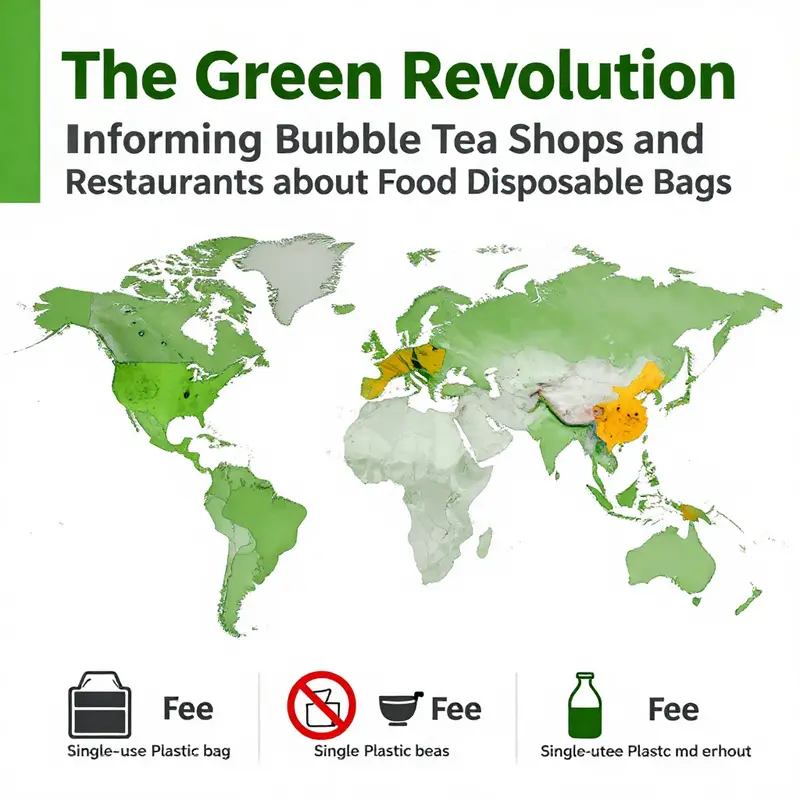
Food disposable bags have long been valued for their convenience in storing, transporting, and displaying a variety of food products. In recent years, however, governments around the world have increasingly scrutinized these items due to their environmental impact, ushering in a wave of regulations that aim to protect ecosystems while still addressing the market’s need for hygienic and cost-effective packaging. As legislators and industry leaders strive to strike an appropriate balance, the narrative around food disposable bags has evolved, weaving together environmental concerns, consumer behavior insights, and innovations in material science.
Many regulatory measures now focus on curbing the widespread use of thin plastic carryout bags in an effort to minimize their contribution to plastic pollution. These lightweight bags, once ubiquitous in retail settings and fast food establishments, have come under fire due to their propensity to escape waste management systems and litter both land and marine environments. In response, many jurisdictions have enacted laws that either ban these thin plastic bags outright or require retailers to charge a fee for providing alternatives. By making consumers more aware of the consequences of their daily choices, such policies encourage the adoption of reusable bags and elevate the importance of sustainability in everyday transactions.
Yet the challenges faced by regulators are far from simple. One of the most persistent issues is known as the phenomenon of bag leakage – where consumers, refusing to bear the additional costs imposed on regulated items, opt for alternatives not covered by the new rules. This substitution effect can lead businesses to offer thicker plastic bags or even switch to paper bags, which may not deliver the same environmental savings that the initial regulation sought to achieve. The unintended consequence of such consumer behavior is a potential undercutting of the environmental benefits meant to be secured by the bans. Retailers, in observing these patterns, at times adjust their inventory to include products that fall outside the regulatory ambit, thereby diluting the effectiveness of the policy and leaving the core issue of plastic waste largely unaddressed.
The debates surrounding these regulations are rooted in both environmental imperatives and the practical realities of the food service industry. On one hand, the environmental damage wrought by decades of plastic overuse necessitates strict measures. On the other, food retailers and restaurants argue that disposable bags are integral to maintaining hygiene and ensuring ease of use in busy settings, from takeout services to grocery shopping and food delivery. This balancing act challenges regulators to design policies that mitigate planetary harm without imposing impractical burdens on businesses and consumers alike. In many cases, authorities have turned to a combination of bans and fee-based incentives to achieve these dual objectives, prompting a deeper discussion about how market behavior can be influenced by well-designed economic signals.
Moreover, the evolution of food disposable bag regulations has catalyzed a wave of innovation in the packaging industry. Driven by both consumer demand and legislative pressure, manufacturers are increasingly exploring eco-friendly and sustainable options. Materials such as polyethylene (PE) and polypropylene (PP) have been the traditional basis for many disposable bags. However, the environmental downsides of these fossil fuel-based plastics have led to rapid experimentation with biodegradable alternatives, such as PLA (polylactic acid), which is derived from renewable resources like cornstarch. These alternative materials are not only designed to perform similar functions as their traditional counterparts but also aim to biodegrade under specific composting conditions, thereby reducing their long-term impact on landfills and natural habitats.
Nonetheless, while the push for biodegradable and compostable options represents a promising direction for the future, the execution remains complex and fraught with challenges. Current biodegradable bags often require the infrastructure of industrial composting facilities in order to break down efficiently, a requirement that is not universally available. As such, even products that meet rigorous standards—such as ASTM D6400 or EN 13432—may not achieve their intended purpose in regions lacking proper processing facilities. These limitations spark debates about whether the shift away from conventional plastics might inadvertently lead to a new set of logistical and environmental problems, from increased energy consumption to resource allocation in the composting industry.
Furthermore, the regulatory landscape has prompted a reconsideration of what constitutes a truly sustainable packaging solution. Some regions have started to encourage the use of multi-use packaging systems, where disposable bags are gradually phased out not just in favor of biodegradable options, but in favor of fully reusable designs. Business models that support circular economy principles are gaining traction as companies attempt to mitigate waste through repair, reuse, and recycling. Even as policy makers push for reductions in single-use applications, industry innovators look to enhance the performance of disposable food bags, finding ways to incorporate recycled content or hybrid materials that combine durability with environmentally responsible disposal.
The intersection of regulatory measures and technological progress has also had significant implications for the economic aspects of food services. For many small and medium-sized enterprises, adapting to new rules has meant an increase in packaging costs, which may be transferred to consumers in the form of higher prices. Yet studies on the economic impact of these bans have shown mixed results. While some research indicates that consumer behavior changes may be modest in terms of reducing overall plastic consumption, others reveal that targeted fees and educational campaigns can successfully moderate consumption patterns. These findings underscore the need for ongoing research and policy refinement, with the understanding that no single approach stands as a panacea for both environmental and commercial challenges.
Adding yet another layer of complexity to the discussion is the phenomenon of “bag leakage” in regulatory design. As consumers shift from regulated thin plastic bags to alternative forms such as thicker plastic or paper versions, the net environmental benefit of the regulation may be compromised. Although these alternatives often seem like an improvement, especially when paper bags are touted for their biodegradability, the entire life cycle of the product—from production through disposal—must be taken into account. Many studies have highlighted that, without properly integrated recycling and waste management systems, even supposedly eco-friendly substitutes might not deliver the reduced environmental footprint that policymakers envision.
In practical terms, the food service industry is at the forefront of this evolving regulatory discussion. Fast food chains, grocery outlets, and restaurants must navigate a maze of local, regional, and national directives that can vary widely in their requirements. In some urban centers, strict penalties and mandatory fees have been imposed, while in other areas, voluntary guidelines and incentives shape business practices. This patchwork regulatory environment means that companies often have to tailor their practices based on the geographic location of their operations, adding to the complexity of compliance and the cost of reformulating packaging strategies.
Amid these challenges, there is a growing consensus that education and consumer engagement play pivotal roles in achieving meaningful change. Retailers have begun to actively promote the benefits of using sustainable alternatives by highlighting their commitment to environmental stewardship. Some establishments even distribute information regarding the environmental implications of single-use packaging, encouraging customers to opt for reusable alternatives. For instance, initiatives that demonstrate the tangible benefits of switching to eco-friendly packaging formats serve not only to align with regulatory demands but also to nurture long-term sustainable practices among consumers. One noteworthy example involves the introduction of food packaging solutions that combine functionality with eco-conscious design; these efforts are often showcased through accessible online platforms featuring detailed case studies and product information, such as the range of food-grade, disposable packaging found on this site.
The regulatory pressures on food disposable bags have also spurred a dynamic interaction between governmental bodies, the private sector, and environmental organizations. Policy debates are frequently enriched by contributions from academic researchers who study the material and behavioral impacts of regulatory measures. For example, the substitution effect—whereby consumers gravitate toward unregulated alternatives in the wake of targeted bans—remains a central theme in discussions about policy efficacy. These multifaceted analyses help shape future guidelines which may incorporate more comprehensive measures designed to avoid loopholes like bag leakage. By refining the regulatory framework through iterative learning and empirical data, officials hope to craft policies that are as resilient as they are adaptive.
At its core, the evolution of regulations affecting food disposable bags typifies a broader societal shift toward prioritizing environmental responsibility alongside consumer convenience. While strict bans and fee structures are designed to curtail harmful waste, they also serve as incentives for innovation in materials and sustainable practices. The interplay between regulatory mandates and the drive for technical advancement continues to reshape the landscape of food packaging, challenging all stakeholders to reassess their priorities and operational strategies. As both consumers and businesses become more attuned to the environmental footprint of their choices, a new era of eco-conscious consumption is gradually emerging. Policymakers are now tasked with steering this transition by designing measures that not only implement meaningful change but also remain flexible enough to absorb the rapid pace of technological innovation.
In summary, while the regulatory environment for food disposable bags is intricate and, at times, contradictory, its evolution is propelled by a shared commitment to environmental care and resource efficiency. Combining strict guidelines with incentives for sustainable innovation, this ever-changing regulatory landscape challenges both industry and consumers to rethink how everyday packaging is produced, used, and ultimately discarded. By remaining responsive to scientific evidence and market trends, regulators and manufacturers alike are laying the groundwork for a more sustainable future—one where the convenience of disposable bags is harmonized with the imperative to safeguard our environment. For those interested in a deeper dive into this subject, a comprehensive study on the effects of these regulations on unregulated bag categories can be found at this external resource.
Navigating this complex regulatory framework requires ongoing dialogue, continuous adjustment, and a shared vision for sustainability that transcends current practices. As we continue to observe the shifts in consumer behavior and technological innovation driven by these policies, the ultimate goal remains clear: to create an ecosystem where the ease of use and functionality of food disposable bags can coexist with a robust commitment to environmental stewardship and the well-being of future generations.
Revolutionizing Food Packaging: The Advances in Disposable Bag Technology
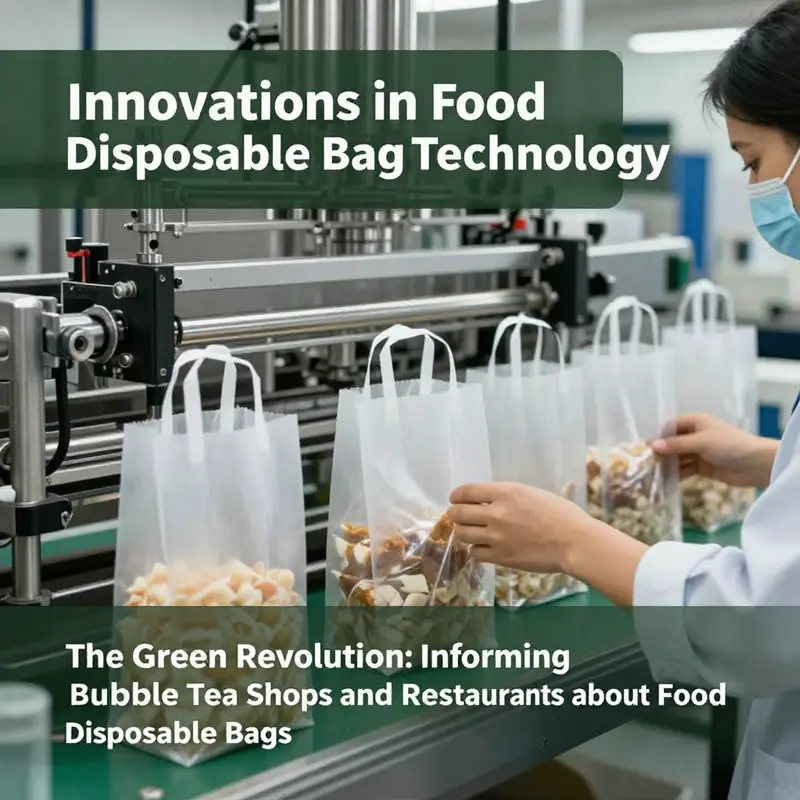
The evolution of disposable food bag technology has reached a transformative era, marked by ingenuity and a drive for sustainability that promises to reshape the way we store, transport, and serve food. Throughout recent years, the focus on eco-friendly materials and enhanced functionality has spurred innovations that not only optimize performance but also mitigate the environmental footprint associated with traditional plastic packaging. This integrated narrative examines the dynamic changes in material science and engineering that are driving this revolution, exploring sustainable alternatives, energy-efficient insulation techniques, and intelligent packaging solutions that respond to the modern demands of consumers and businesses alike.
Central to these advancements is the pioneering use of sustainable materials. Conventional disposable food bags, typically crafted from polyethylene or polypropylene, have long dominated the market due to their cost-effectiveness and ease of production. However, mounting concerns about plastic pollution have spurred a critical search for alternatives, leading researchers and manufacturers to explore options such as biodegradable plastics and plant-based polymers. Emerging materials like polylactic acid (PLA), derived from renewable sources such as cornstarch, are gaining traction due to their ability to break down more gracefully in appropriate conditions. One of the most promising innovations in this area is the utilization of bagasse, a byproduct of sugarcane processing. Bagasse not only offers outstanding compostability but also brings enhanced durability and heat resistance to packaging applications, making it suitable for hot food items and takeout containers. As manufacturers refine production techniques, bagasse-based disposable bags are beginning to challenge the dominance of traditional plastic, offering a viable path toward reducing the persistent problem of non-biodegradable waste in landfills and oceans.
Beyond material innovation, the design and architecture of food disposable bags have seen considerable improvements to meet the complex requirements of modern food services. Insulated disposable food bags exemplify this trend by integrating advanced thermal management solutions into everyday packaging. Engineered with layers of padded fabrics such as polyester or nylon and often combined with insulating foams or reflective linings, these bags are specifically designed to regulate temperature for a wide range of food items, from chilled salads to hot meals. Their development addresses a critical need within the food delivery market: the preservation of freshness and safety during transit. The ingenious coupling of lightweight materials with robust insulation not only ensures that perishable items remain at the optimal temperature but also reduces the dependence on additional cooling agents like ice packs. By maintaining product integrity and reducing energy consumption in the supply chain, insulated disposable food bags contribute significantly to the environmental and economic sustainability of food delivery operations.
Another compelling advancement lies in the innovation of multi-layer composite materials. Early disposable food bags often relied on single-material formulations that did not fully meet the demanding performance standards now expected by the industry. In response, engineers have developed bags constructed from composite layers, blending bio-based plastics with recycled fibers and moisture-resistant coatings. This multi-layer approach enhances the structural integrity and barrier properties of disposable bags, ensuring that they can withstand temperature extremes, humidity, and the rigors of transportation. The incorporation of recycled materials in these composite structures not only reduces the reliance on virgin fossil fuels but also promotes circular economy principles by reusing waste streams from other industries. With the added benefit of improved food safety features such as tamper resistance and leak-proof performance, modern multi-layer disposable food bags represent a holistic solution that addresses both environmental and practical challenges.
An emerging frontier in this field is the integration of smart packaging technologies. In today’s digital age, where transparency and traceability have become paramount, food packaging is increasingly being designed to offer more than just physical protection. Innovative disposable bags now sometimes come equipped with embedded sensors or QR codes that provide real-time information about the product. These smart features enable users to monitor temperature fluctuations, track the freshness of the food inside, and even access production and handling data. In this way, smart packaging transforms disposable food bags into interactive tools that empower both businesses and consumers. They facilitate better inventory management and can help reduce food waste by alerting stakeholders to potential spoilage before it occurs. As digital engagement grows and as consumer demand for transparency increases, smart packaging will likely become a standard feature in the next generation of disposable food bags.
The integration of these technological and material advancements is reshaping the market landscape, driving a shift towards packaging solutions that are not only more sustainable but also more functional. The innovations in disposable food bag technology are a testament to the power of cross-disciplinary collaboration, uniting material scientists, engineers, and environmental experts in a common goal to reduce ecological impact while enhancing product performance. This collaborative spirit is mirrored in the market, where businesses are increasingly seeking eco-friendly options that can generate both cost savings and a competitive edge. By investing in sustainable innovations, companies can respond to evolving regulatory standards that are phasing out single-use plastics in many regions. For instance, initiatives in various parts of the world have led to bans or levies on traditional plastic bags, driving demand for alternatives that meet stringent environmental requirements. This regulatory push, coupled with the consumer trend toward eco-conscious purchasing, is accelerating the adoption of new technologies in food packaging.
Practical examples of these innovations are evident across different sectors of the food industry. Fast food restaurants, supermarkets, and food delivery services have all begun to integrate these advanced disposable food bags into their operations. Notably, the use of compostable and recyclable options is steadily increasing as businesses aim to minimize waste and reduce operational costs. In many urban centers, local governments have introduced incentives that encourage the use of biodegradable packaging, and manufacturers are responding with products that not only meet these standards but exceed them in terms of durability and design. Consumers are quickly adapting to these changes, surprised at how well these eco-friendly alternatives perform compared to their conventional counterparts. In areas where innovative solutions are available, one can find packaging like bagasse-based containers being used for everything from gourmet salads to everyday takeout meals. For further insight into these game-changing products, you can view a selection of bagasse-based disposable food packaging solutions that illustrate the practical applications of these advancements.
As the industry continues to innovate, the future of disposable food bag technology appears both promising and crucial for sustainable development. Researchers are exploring even more radical approaches to reduce environmental impact. For instance, some studies focus on incorporating additives that accelerate biodegradation while still ensuring the bag’s integrity during use. Other arenas of research are looking at the potential for fully compostable packaging that could, under the right conditions, return nutrients to the soil rather than accumulating as waste. The interplay between regulatory oversight, consumer preferences, and technological breakthroughs is creating a rich tapestry of innovation that is setting new benchmarks in performance and sustainability. With each incremental improvement, disposable food bags evolve from being a mere convenience item to becoming a critical component of our global response to environmental challenges. This transformation is underpinned by a commitment to circular economy principles, where materials are kept in use for as long as possible before being safely reintroduced into the environment.
The journey of disposable food bag technology underscores the broader narrative of innovation in a world where sustainability and functionality must coexist. Beyond offering practical solutions to everyday needs, these technological breakthroughs are redefining what is possible in the realm of packaging. They remind us that progress lies in the continuous reimagining of everyday solutions, transforming a once ubiquitous single-use product into a sophisticated, multi-functional tool that aligns with the values of modern society. As the industry moves forward, it will be fascinating to see how these innovations pave the way for future developments that could well encompass the entire spectrum of food packaging technology. For additional technical insights and broader market trends on this subject, readers may refer to the comprehensive resource titled “Understanding Disposable Food Pack: Technical Details, Material Grades, and Industrial Uses – 2026” available at https://www.example.com/disposable-food-pack-2026.
In summary, the advances in disposable food bag technology are more than just incremental improvements; they represent a paradigm shift that is simultaneously addressing environmental sustainability and enhancing user experience. The convergence of sustainable materials, improved thermal insulation, multilayer composite design, and cutting-edge smart features signals a new era of food packaging that is both responsible and innovative. This integrated approach not only serves the immediate needs of food safety and convenience but also contributes to longer-term environmental stewardship by reducing waste and promoting resource efficiency. As stakeholders across the supply chain—from manufacturers and food service providers to regulators and consumers—embrace these innovations, the future of food packaging looks set to be cleaner, smarter, and fundamentally more sustainable.
Balancing Convenience and Sustainability: The Modern Consumer’s Perspective on Disposable Food Bags
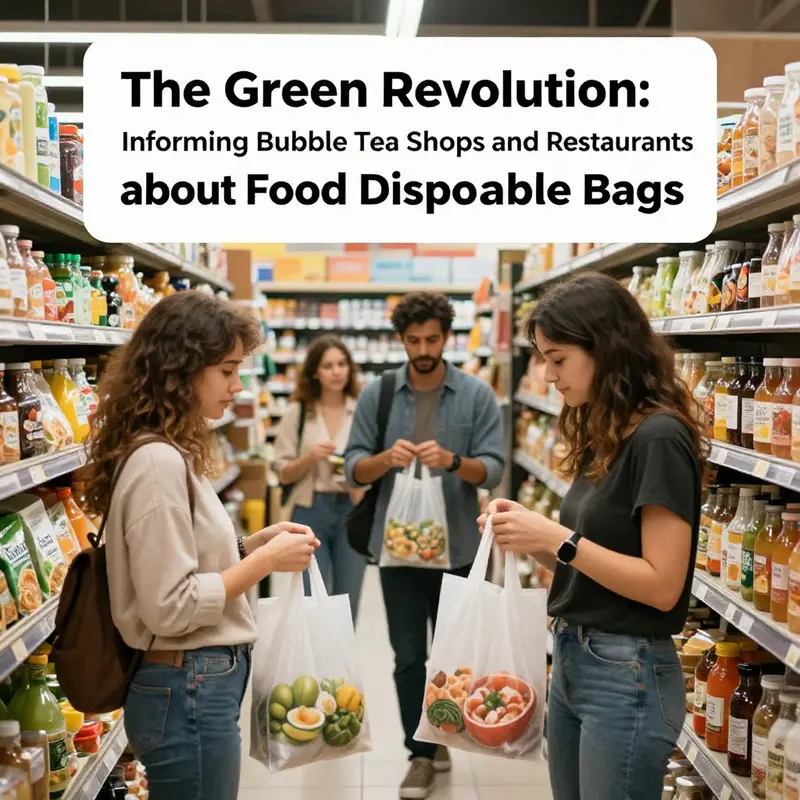
Consumer preferences for food disposable bags have evolved dramatically in recent years. What was once a straightforward decision based solely on convenience has now become a multifaceted evaluation of environmental impact, cost, hygiene, and functionality. The modern consumer carefully weighs these factors when choosing packaging options, demanding that convenience aligns with sustainable practices.
Consumers have become increasingly aware of the environmental consequences of traditional plastic disposable food bags. In earlier times, the primary focus of these bags was to serve as a simple, cost-effective solution to food storage and transportation. However, as environmental issues like plastic pollution and waste accumulation have become more pressing, attention has shifted toward more eco-friendly alternatives. Today, the rise in environmental consciousness has led many to ask, “Can I enjoy the convenience of disposable packaging without compromising nature?” This question has spurred parallel developments in sustainable packaging materials such as biodegradable plastics and recycled content options. The need for sustainable innovations has influenced both consumer behavior and the strategic positioning of companies that manufacture these bags.
The renewed focus on sustainability is not limited to environmental activists alone. A significant portion of the consumer base now values eco-friendliness in everyday purchases. Studies have shown a growing trend among shoppers who are not willing to overlook the ecological footprint of their chosen products. At the heart of these decisions lies the quest for responsible consumption. Consumers want assurance that the bag they use will not contribute to long-term environmental damage, whether it is a single-use polyethylene bag or a tube-style package commonly used for condiments. In recent survey experiments, respondents expressed a strong preference for sustainably sourced packaging and demonstrated an acute interest in biodegradable and recyclable materials.
Yet, convenience remains an unyielding pillar in the decision-making process. The practicality associated with disposable food bags cannot be understated. Consumers appreciate how these bags facilitate easy storage, quick clean-up, and hassle-free transport of food items. They are often the go-to solution for professionals on the move, for busy households, and for establishments that need to serve a high volume of customers efficiently. The speed and practicality of using disposable bags continue to support their popularity even as more sustainable alternatives are introduced. The challenge for manufacturers lies in balancing this convenience with the growing consumer desire for reduced environmental impact. For instance, while polypropylene (PP) is favored for its durability, transparency, and heat-resistant properties, it is also subject to scrutiny due to its fossil fuel origins.
The economic aspect is equally significant in shaping consumer behavior. Price sensitivity plays a critical role, especially among consumers who are juggling multiple budgetary constraints. Even environmentally conscious buyers are wary of premium pricing that might accompany advanced eco-friendly options. Cost is often seen as a barrier to switching from well-known traditional options to newer, greener alternatives. As a result, companies are working diligently to find cost-effective means of producing biodegradable or recyclable food bags without sacrificing quality. This careful balance between affordability and eco-friendliness is at the forefront of product development in the industry. Consumers, who are increasingly well-informed, respond positively when companies can deliver on both fronts: financial prudence and environmental accountability.
Equally important is the role of food safety and hygiene in driving consumer choices regarding disposable bags. In environments such as fast food restaurants, supermarkets, and even private households, there is a persistent need for sanitary packaging. The assurance that food is stored in a clean, uncontaminated environment significantly influences the preference for certain materials and design features. It is common for consumers to favor packaging that clearly indicates its production dates, shelf life, and quality assurances. Moreover, the enhanced sealing capability seen in tube-style packaging for sauce and jam containers not only preserves the food quality but also ensures that it remains free from external contaminants. In this way, the critical need for food safety seamlessly intertwines with the demand for environmental sustainability.
While consumers are quick to appreciate the benefits of compounded features like sustainability, durability, and hygiene, they also express clear preferences for design elements that enhance the overall experience. The aesthetic quality of a bag, which includes attributes like transparency and a gleaming finish, plays a role in the decision-making process. Packaging that visually exudes quality often acts as a subtle indicator of the food inside. For example, a bag made from high-clarity polypropylene tends to not only protect but also showcase its contents, adding an extra layer of perceived value. These factors, though subtle, contribute to the careful calculus that modern consumers apply when selecting disposable packaging options.
Technological innovation has also begun to influence consumer behavior. Advances in material science have opened up possibilities for using plant-based materials such as PLA (polylactic acid) derived from cornstarch. These innovations address sustainability head-on by providing options that decompose significantly faster than conventional plastics. As companies work to meet stricter environmental guidelines and regulations, many have started integrating these new materials into their product lines. Simultaneously, recycled content and renewable resource initiatives are gaining traction, reflecting consumer demand for products that support a circular economy. Consumers are seeking products that not only fulfill their immediate needs but also contribute to a long-term vision of environmental stewardship.
In practical applications, considerations of durability and appearance are particularly influential. For instance, in the food service industry, disposable packaging must withstand the rigors of everyday use while also complementing the presentation of the food. The high bar set by consumer expectations has driven the industry to innovate continuously. Companies are now creating products that are resilient enough to maintain integrity under various conditions, such as microwave heating environments, while also ensuring that the visual appeal remains intact. This blend of functionality and design is forming the new standard in disposable food packaging.
Moreover, consumer feedback has shown that trust in the brand and product often comes from transparent information about the product attributes. Clear labeling that provides details on compostability, recyclability, and compliance with recognized industry standards, such as ASTM D6400 or EN 13432, is highly valued. This level of transparency not only builds confidence among consumers but also sets a precedent for accountability within the industry. The conveyed commitment to environmental responsibility reassures consumers that they are investing in a product that aligns with their values. As regulatory frameworks evolve, both consumers and manufacturers are likely to see this trend of transparency and accountability become even more prominent.
The influence of consumer preferences extends to packaging decisions that are visually appealing and practically superior. A practical illustration of this balance can be seen in the growing popularity of multi-purpose packaging solutions. These innovative products are designed to meet a variety of needs by combining aspects such as durability, ease of use, and environmental sustainability. For example, certain eco-friendly shopping bags made from recycled or craft paper have been adopted by various retail sectors, providing both practical function and a strong aesthetic presence. Such products not only minimize waste but also offer consumers a tangible demonstration of how environmental responsibility and user convenience can coexist. Interested readers may explore more about these sustainable options via detailed product insights available in this article on eco-friendly recyclable shopping bags.
A further factor affecting consumer preferences is the cultural shift toward mindful consumption. This transition involves a deliberate consideration of the environmental consequences associated with each purchase. Consumers are no longer passive recipients of whatever packaging comes with their products. Instead, they actively seek products that offer a lower carbon footprint and a more responsible lifecycle. This mindset is gradually reshaping market trends across industries, including food packaging. When consumers scrutinize the materials, production methods, and disposal options, they become more knowledgeable and selective. This heightened level of engagement encourages continuous improvement in product design.
It is also important to note how food safety and packaging design converge to foster a more sustainable future. For example, disposable food packaging that is hygienic contributes to reducing food wastage by preserving shelf life and contents. In this way, the balance of sustainability with safety adequately meets consumer needs across several dimensions. As food shorts become the norm in many busy kitchens and fast-paced restaurants, there is a clear consumer demand for products that ensure both quality and environmental protection.
In many respects, the modern landscape of food disposable bags is a testament to the power of consumer choice. Today’s consumers dictate the pace and direction of innovation by pushing manufacturers toward eco-friendly, cost-effective, and high-quality solutions. The simultaneous demands for improved hygiene, clear product information, and sustainable packaging have culminated in a market where balance is key. This transition from purely functional packaging to solutions that also address environmental concerns symbolizes a broader shift in consumer values and priorities. The need for such balanced solutions is illustrated perfectly by the research work titled “Consumer Preference for Attributes of Single-Use and Multi-Use Shopping Bags” by VV Mugobo (2022) [https://doi.org/10.3390/su14084852]. This research echoes what many consumers feel: the ultimate goal is to achieve maximum functionality without sacrificing environmental integrity.
Ultimately, the evolving consumer preferences in the realm of food disposable bags have a far-reaching impact on the industry. Manufacturers are compelled to innovate, regulators to rethink policies, and consumers to demand accountability. The pursuit of a sustainable future requires that convenience does not come at the expense of the planet. Every layer of consideration—from the visual appeal to the chemical makeup of the bag—reflects a growing trend that values long-term viability over short-term gains. The integration of sustainable materials and clear, informative labeling is evidence of an industry in transition. In this evolving market, it is clear that the future of food packaging lies in harmonizing the needs of the consumer with the pressing demands of environmental responsibility.
This comprehensive perspective on consumer preferences illustrates that the path forward is one of balance—a careful negotiation between the convenience of disposable food bags and the necessity of sustainable practices. Consumers today wield significant influence, driving the market toward products that are not only practical and cost-effective but also kind to the planet. As awareness continues to rise and technological advancements improve the quality of eco-friendly materials, the future of packaging promises to be a blend of ingenuity and sustainability. The narrative of disposable food bags is being rewritten, and it now tells a story of conscious choices, responsible consumption, and a commitment to protecting the environment for future generations.
Final thoughts
The rise of sustainable practices in the use of food disposable bags marks a significant shift in the food service industry. As consumers increasingly demand eco-friendly options, understanding the environmental impact, the materials used, the regulations governing packaging, and the latest innovations becomes essential for any business wanting to stay competitive and responsible. Making informed choices not only helps in complying with regulations but can also bolster brand reputation and consumer loyalty.