

As the food and beverage industry continues to evolve, understanding the materials we use is essential, not only for health but for sustainability and compliance. This article delves into the critical aspects of container food plastics, which are prevalent in settings such as bubble tea shops, restaurants, food trucks, and catering services. Through four key chapters, we will discuss the health concerns associated with these plastics, explore their material properties, evaluate their environmental impact, and familiarize you with the regulatory standards that govern their use. Each section is crafted to equip professionals like you with vital information for informed decision-making.
Health Risks Woven into the Packaging: Unpacking the Safety of Food-Contact Plastics
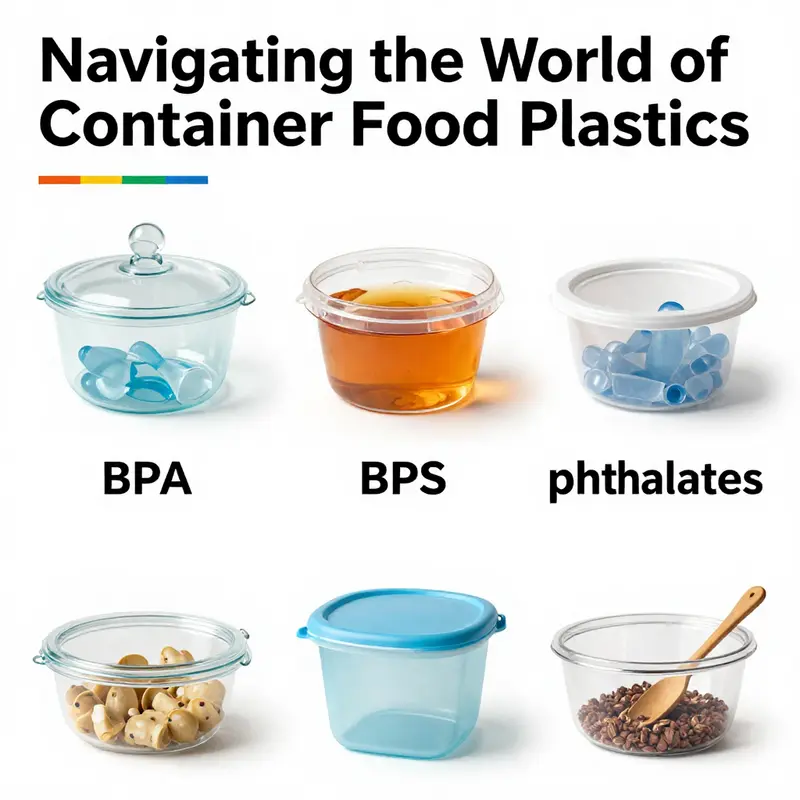
The concerns surrounding container food plastics are not just about taste or convenience; they run deeper into the way materials interact with food, time, and the human body. In kitchens and cafeterias around the world, plastics labeled for food contact are chosen for their lightness, low cost, and resilience. They arise from a spectrum of polymers—polymers such as polypropylene (PP), polyethylene (PE), and polycarbonate (PC) dominate the landscape, with PP favored for its heat tolerance and chemical stability. Yet the same properties that make these plastics useful can become the source of subtle, chronic exposures when meals are heated, stored, or handled in specific ways. The central health concerns revolve around chemical leaching and, increasingly, microplastic contamination, with both pathways capable of transferring compounds from container to food and, eventually, into the human body. It is not merely about a single chemical but about a constellation of substances that behave like hidden agents within everyday routines of meal preparation and storage.
The issue of chemical leaching centers on additives designed to tailor the plastic to particular needs. Bisphenol A (BPA) loomed large for years because it can act as an endocrine disruptor, mimicking estrogen and potentially interfering with hormonal signaling. The health implications proposed range from reproductive effects to developmental risks in children and potential links to certain cancers over long-term exposure. In response, many manufacturers removed BPA from products marketed as BPA-free. Yet the substitution pattern has raised new questions. Substitutes such as BPS and BPF may exhibit estrogenic activity comparable to BPA, meaning the hoped-for safety benefits are not necessarily realized. This realization complicates the consumer decision-making process, especially when the packaging is reused repeatedly or subjected to stress from heat or aggressive cleaning.
Beyond bisphenols, phthalates—often used to soften plastics—also migrate into food. Like bisphenols, phthalates have drawn attention for potential endocrine-disrupting effects, though the specific health outcomes can vary by compound and exposure level. The problem is not only the presence of a single harmful chemical but the mixed burden of multiple substances that can accumulate with ongoing exposure. Even in products labeled “BPA-free,” the broader chemical universe of plastic additives may still pose risks. Contemporary research emphasizes that the risk is context-dependent: leaching tends to increase with heat, acidity, fat content, and prolonged storage. This means the same container can behave very differently when it holds tomato sauce versus plain water, when it sits in a hot car versus a cool pantry, or when it is reused many times rather than simply discarded after a single use.
A second, increasingly important dimension of risk is microplastic contamination. Microplastics are tiny fragments or particles shed from plastic materials during use, washing, and wear. They can migrate into food or beverages and, when ingested, accumulate in tissues. The health consequences of microplastic exposure are an active area of inquiry, with studies suggesting potential impacts on metabolism, inflammation, and systemic function. The risk is amplified for oily, acidic, or heated foods, where the plastic matrix can degrade more readily and release particles. The everyday act of stirring a sauce, microwaving leftovers, or rinsing a container in hot water may contribute to minute but cumulative exposure, particularly for individuals who rely on plastic packaging for most meals.
Microwave heating, in particular, has become a focal point for risk communication. Even containers deemed microwave-safe by regulatory authorities may not be kitchen-safe in every scenario. Heating can accelerate chemical migration, especially if the container is worn, cracked, or designed for only brief contact with heated contents. A 2020 study in Environmental Health Perspectives highlighted that measurable levels of BPA and phthalates can appear in food after microwaving in containers considered safe. This finding underscores a broader point: low-dose, chronic exposure matters, particularly for vulnerable groups such as pregnant individuals and young children. The cumulative effect of repeated exposures over years may contribute to health trajectories that are difficult to reverse, even if the levels detected in any given meal are minute.
The contrast with glass containers is instructive. Glass, particularly borosilicate varieties, does not leach additives into food and resists staining and odor absorption. It tolerates freezing, reheating, and dishwasher cycles without significant degradation. Glass presents a straightforward picture of chemical inertness, enabling a more predictable interaction with acidic or fatty foods. The trade-off is practical: glass can be heavier and more prone to breakage, which raises concerns in households with children or in high-traffic food-service environments. Still, for long-term storage and frequent reheating, especially of acidic or oil-rich items, glass often represents a safer, more durable choice from a chemical-migration perspective.
From a hygiene standpoint, the physical texture and condition of plastic containers deserve attention. Micro-scratches and micro-pores formed through years of use can harbor microbes and mechanical residues, with the potential for odor retention and cross-contamination. The safety calculus thus includes not only chemical considerations but physical hygiene and the ease of cleaning. In many cases, repeated washing, particularly in hot water or with aggressive cleaners, can alter the surface and promote micro-abrasions where bacteria may reside. A clean container in the short term does not guarantee that microscopic fissures have not formed, and those fissures may persist long after the visible surface appears intact.
What does this mean in practical terms for households and food operations? The takeaways are twofold. First, minimize reliance on single-use plastics for food storage, reheating, and long-term storage. When plastics are unavoidable, the choice of material matters. If plastic is used, it should be clearly labeled as food-grade, compatible with heating, and free of harmful additives as far as possible. Users should look for containers made from PP or PE and avoid PC-based items if possible, particularly for high-heat tasks. Even so, BPA-free does not guarantee safety, because substitutes can carry their own risks. Consumers should be mindful of the container’s age and condition; worn, cracked, or discolored containers are more likely to shed chemicals or harbor microbes.
Second, where feasible, switch to glass or other inert materials for storage and reheating. Glass’s stability under heat and its resistance to chemical migration offer a robust safeguard against both chemical leaching and microplastic contamination. For those times when plastic is preferred for its lightness or cost, a careful approach can mitigate risk. Choose newer, undamaged containers designed for repeated use and high-heat exposure. Use them for non-acidic, non-fat foods when possible, and be cautious with highly acidic or fatty items that are stored or heated for extended periods. The goal is not to demonize plastics wholesale but to recognize their limitations and to implement best practices that reduce exposure while preserving convenience.
Scholars and clinicians emphasize that even BPA-free plastics are not inherently safe. A prominent endocrinologist from a leading environmental health program points out that replacements like BPF and BPS may exhibit estrogenic activity similar to BPA. This nuance underscores the need for ongoing precaution and continued research into safer packaging options. It also provides a counterpoint to consumer narratives that equate “BPA-free” with complete safety, inviting a more sophisticated risk appraisal that weighs exposure scenarios, nutritional context, and lifecycle implications of packaging materials.
In the broader scientific discourse, a comprehensive synthesis of how microplastics migrate from packaging into food, how humans are exposed, and what the health implications may be is gaining clarity, even as it reveals complexity. The most relevant current synthesis points to multiple exposure pathways—through direct leaching of additives, through microplastic shedding, and through contaminant transfers that occur during heating and storage. It also highlights the important distinction between short-term exposure and long-term, cumulative risk, a distinction that matters for policy, food safety guidelines, and consumer choices alike. The emerging consensus is that safer storage and reheating practices, coupled with informed material choices, can meaningfully reduce risk, even if no material is entirely risk-free.
For readers seeking a broader scientific context that glue together these threads—chemical leaching, alternative materials, and microplastic exposure—a recent, peer-reviewed overview synthesizes the landscape and points to practical pathways forward. It emphasizes how factors such as food type, temperature, and storage duration modulate risk and how interventions at the product design and consumer behavior levels can lower exposure. This is not merely an academic issue; it has tangible implications for home kitchens, schools, healthcare facilities, and the restaurants and hotels that shape everyday eating and drinking experiences.
One takeaway that resonates across studies is the value of moving toward inert, stable packaging for scenarios involving heating, long-term storage, or contact with oily and acidic foods. Glass and metal containers, properly designed and used, can dramatically reduce chemical migration and microbial harboring. Yet even within a broader shift toward safer materials, there remains a place for carefully chosen plastics—when used thoughtfully and maintained properly. In those cases, choosing PP- or PE-based containers, verifying food-grade labeling, avoiding damaged or aged items, and refraining from repeated heating in the same container can collectively reduce risk. A pragmatic philosophy for households and food-service operations is to minimize use, extend the life of containers through gentle cleaning, and favor materials with predictable, inert behavior under the conditions in which they are used.
As readers navigate these choices, an internal reference point can be helpful. For those looking to explore related packaging options beyond plastics, one internal resource outlines the move toward paper-based packaging and its potential to reduce chemical migration and microplastic exposure, offering a practical glimpse into safer alternatives that still align with consumer expectations for convenience and affordability. See the resource here: senang01-disposable-single-wall-paper-ice-cream-cups-with-lid-eco-friendly-food-grade. While this link points to a specific product line, it serves as a tangible example of how packaging choices evolve toward safer materials without sacrificing usability.
In sum, the health concerns surrounding container food plastics emerge from the interplay of chemistry, physics, and everyday behavior. The evidence cautions against assuming safety simply because a product is labeled “microwave-safe” or “BPA-free.” It urges a cautious, informed approach that prioritizes chemical inertness, hygienic integrity, and the practical realities of feeding ourselves and our communities with diverse foods. The long arc of research points toward a future in which safer packaging design reduces leaching and microplastic exposure, while consumers gain reliable guidance for making choices that safeguard health without sacrificing convenience. For now, the balanced course is clear: favor inert materials for high-heat and long storage, scrutinize container age and condition, and adopt safer handling practices that respect both science and daily life. For a broader scientific context on microplastics and related health threats, see the external synthesis below, which consolidates knowledge across exposure pathways and health outcomes while charting safer solutions for the future: Microplastics from food packaging: An overview of human consumption, health threats, and alternative solutions.
Material Properties of Container Food Plastics: How Polymers Shape Safety, Heating, and Food Integrity
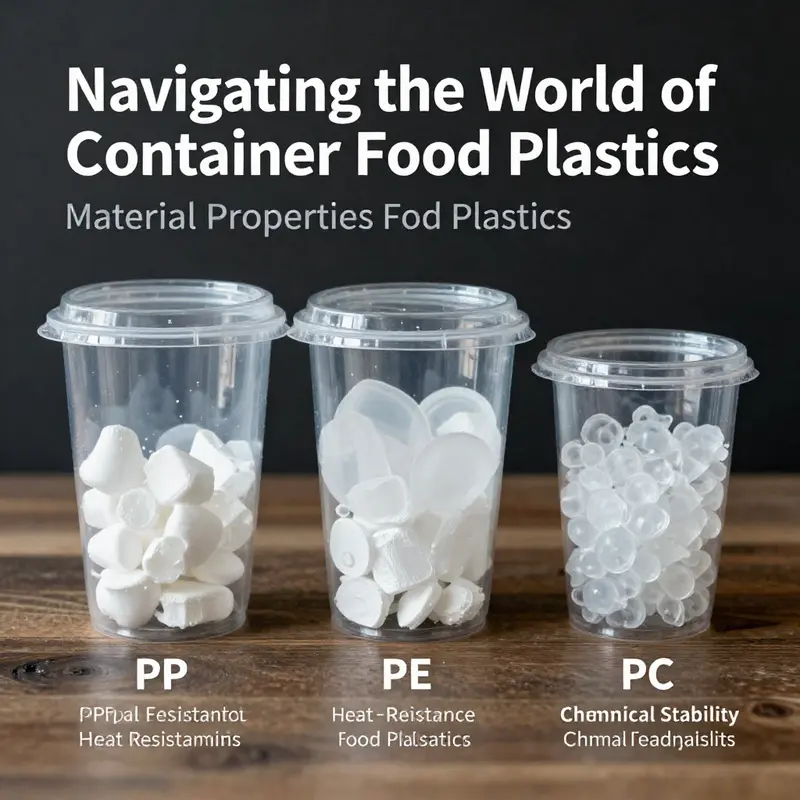
The surface of a plastic food container often feels ordinary, a vessel for what we store inside. Yet the materials behind those surfaces carry a hidden complexity that helps determine flavor retention, seal integrity, and safety when heated or chilled. The chapter that follows treats these materials not as packaging but as active players in the food system. It traces how polymer chemistry and physics translate into real‑world performance—how barrier properties, heat tolerance, and chemical stability interact with acids, fats, and moisture. It explains migration pathways, the role of fillers and stabilizers, and why a container that performs well for cold storage may not be ideal for microwave reheating. The message is practical: select containers with the right balance of barrier performance and heat tolerance for the intended use, and replace aged wares that show wear, cracks, or surface recession.
We start with PET, HDPE, and LDPE as common families. PET is valued for clarity and strong moisture and gas barriers, making it common for cold storage and beverages. But heat exposure can accelerate migration and degrade performance, so PET is typically preferred for cool or mildly warm items rather than hot reheating. HDPE offers chemical resistance and mechanical durability with a higher heat tolerance, suitable for heavy use and longer storage; LDPE adds flexibility for films and bags while offering modest heat resistance. Together they illustrate how a single family can cover a wide range of needs.
Polypropylene, PP, stands out for higher heat resistance and structural stability. It is a common choice for microwave reheating and hot-filled foods, yet it is not immune to fatigue or migration of certain additives when faced with very fatty or acidic items over time. Other polymers such as polystyrene and polycarbonate bring different trade‑offs: polystyrene can provide insulation and light weight but may suffer from styrene migration concerns; polycarbonate has faced regulatory scrutiny over BPA and related substitutes, which themselves require careful evaluation for safety and exposure.
Migration dynamics sit at the heart of safety. The nature of the food, the temperature, and the duration of contact all influence how much material can migrate. Acids can promote leaching of additives, fats can increase mobility of lipophilic substances, and heat accelerates diffusion. Even BPA‑free labels do not guarantee zero exposure, because additives and breakdown products may still migrate under realistic conditions of use. Understanding these interactions helps consumers evaluate risk in context, rather than relying on a single property.
Cleanability, scratch resistance, and surface integrity also matter. Scratches can harbor bacteria and trap residues, while easy-to-clean surfaces support safer reuse. Environmental and sustainability considerations enter the conversation too: glass offers chemical inertness but at the cost of weight and fragility, while plastics trade convenience and lower environmental impact for end‑of‑life complexity. Informed use means weighing these factors against each use case, such as the likelihood of reheating, the sensitivity of stored foods, and local recycling capabilities.
Practical takeaways: when reheating, favor materials with higher heat tolerance and avoid containers that show wear or micro‑scratches. For fatty or acidic foods, seek materials with proven chemical resistance and be mindful of cumulative exposure, not just a single use. Diversify storage options when possible to minimize chemical exposure and waste, and consider alternatives like paper‑based containers where appropriate. For a deeper dive into standards and industrial applications, see external references that synthesize these themes in detail: https://www.foodandpack.com/understanding-food-container-plastics-complete-guide-to-standards-properties-and-industrial-applications/
The Lingering Footprint of Container Plastics

Container food plastics enable convenience, but their environmental costs extend far beyond the kitchen. Global plastic production is massive, and much of it becomes packaging waste that burdens ecosystems and climate systems through extraction, manufacturing, and end-of-life challenges. The life cycle reveals trade-offs: durability and light weight aid transport and reduce breakage, yet hinder reuse and recycling and contribute to persistence in soils and oceans.
Plastic migration and microplastics are central concerns. Additives such as BPA and its substitutes can leach into foods under heat or with fatty contents, and repeated use or scratching increases microbial risk. Choosing clearly labeled food-grade plastics, avoiding damaged items, and favoring reusable designs can mitigate some risks, though temperature and time still influence safety.
Alternatives like paper-based or bagasse packaging and reusable systems offer pathways to lower impact, but require better production practices, end-of-life infrastructure, and consumer participation. Policy, design innovation, and responsible behavior together can shift packaging toward safety, recyclability, and lower environmental footprints.
Guardrails on the Shelf: Global Standards That Shape the Safety of Container Food Plastics
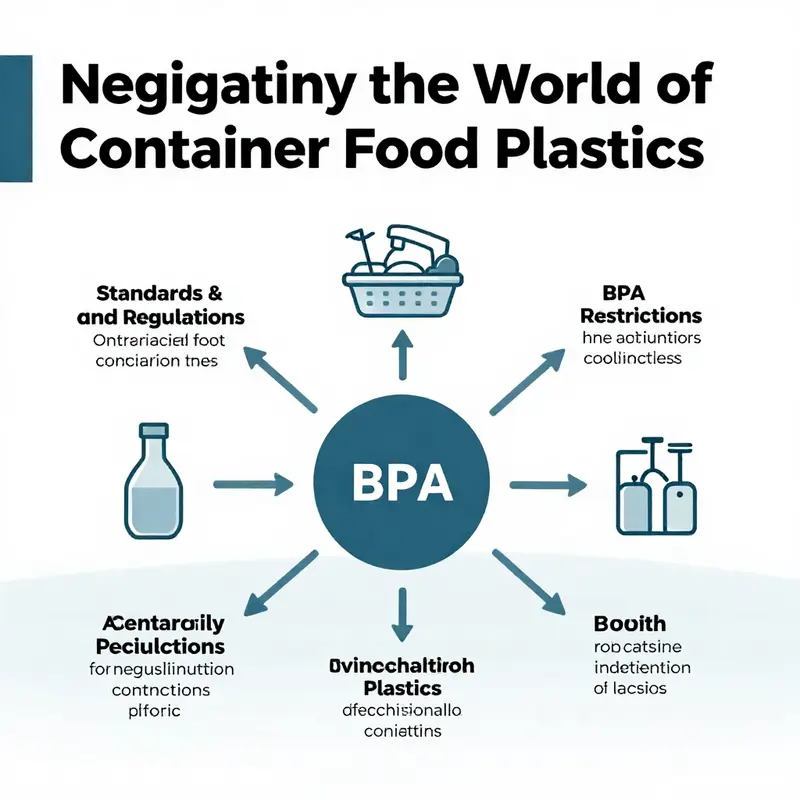
Regulatory standards for container food plastics form a dense, interconnected framework that governs how materials come into contact with what we eat, how they behave under different conditions, and what systems ensure ongoing safety from production to post-purchase use. This framework is not a single rulebook but a network of regionally rooted requirements and international norms that together protect consumer health while allowing innovation and practical packaging choices. Understanding these guardrails helps explain why certain materials are preferred for specific uses, why some additives are restricted or banned, and how ongoing testing translates into the everyday decisions of manufacturers, retailers, and households. The most distinctive feature of this landscape is its emphasis on migration: the tiny transfer of substances from packaging into food under ordinary use. Regulations do not aim for absolute zero migration; they set acceptable limits tied to food type, storage duration, temperature, and contact conditions. These limits are expressed through methods that simulate real-world scenarios, and the outcomes determine whether a material may be marketed for a given use. In Europe, the framework begins with Regulation (EC) No 1935/2004, a broad charter that applies to all materials intended to contact food. It requires that materials are manufactured in a way that does not transfer constituents to food in quantities that could endanger human health, and it forbids any unacceptable change in the composition of the food itself. This overarching standard ensures that plastics, glass, metals, coatings, and composites meet a common safety baseline before specific rules about individual substances come into play. The emphasis is not merely on purity but on the integrity of the entire chain, from raw materials through manufacturing processes to the finished article and its intended use. Delineating what is permissible within that chain are the specific migration limits laid out in Regulation (EU) No 10/2011. This regulation names authorized substances and their maximum permitted migration into food. It is a dynamic document that evolves as new science clarifies how different compounds migrate under combinations of heat, acidity, fat content, and storage duration. The core idea is to keep migration within bounds that preserve health, sensory quality, and food safety across diverse cuisines and consumer habits. In practice, migration testing relies on a battery of simulants and standardized conditions that mimic real-world use. These tests determine whether a given plastic formulation could release substances into a particular food category at levels that would be unacceptable, guiding not only whether a material can be marketed but how it should be labeled and used. Across the Atlantic, the United States employs a parallel sophistication under the auspices of the Food and Drug Administration, where food contact materials are regulated under Title 21 of the Code of Federal Regulations. The FDA maintains an extensive list of substances approved for contact with food, including representative polymers such as PET, HDPE, and PP, but it is the regulatory scaffolding—clear manufacturing requirements, robust testing protocols, and precise labeling—that makes the system functional in practice. In this regime, the emphasis sits on ensuring that production environments limit contaminants, on validating performance through standardized testing, and on providing traceability so that a packaging solution can be connected back to specific batches, suppliers, and lots. Although the United States has not adopted a single EU-style migration cap for every scenario, it relies on conceptually similar migration testing and risk assessment to distinguish safe from unsafe packaging for different uses, from baby foods to ready meals and bulk containers. The global horizon is not limited to these two regions. International standards fill the gaps where products cross borders, especially for industrial or commercial packaging used in kitchens and storage facilities. ISO 18807, for example, addresses plastic packaging intended for food in a broad, harmonized way, focusing on hygiene, mechanical performance, and compatibility with food substances. ISO 22000 adds another layer by codifying a comprehensive food safety management system. This standard is not about the chemical composition of the packaging alone; it is about the entire ecosystem that keeps food safe—from supplier evaluation and hazard analysis to operational controls and continual improvement. When combined, these ISO standards ensure that packaging designed for industrial or commercial use—such as large-volume containers, bulk storage solutions, or professional kitchen equipment—meets a consistent expectation of hygiene, durability, and non-toxicity. The turn toward sustainability has become a defining feature of contemporary standards discussions, too. Regulators and industry alike recognize the tension between safety, recyclability, and resource efficiency. Many manufacturers now pursue food-grade plastics that can incorporate recycled content but preserve the same safety profile as virgin materials, subject to rigorous testing and process controls. In this context, certifications and marks that signify compliance with food contact material safety—whether through regional regulators or recognized international schemes—provide a quick, trustworthy signal to buyers and regulators alike. But the safety story goes beyond migration limits and testing protocols. It encompasses the reality that certain substances, even when regulated, may present endocrine-disrupting concerns or other health reservations if exposure patterns change or if substitutes prove themselves to be imperfectly understood in the long run. For instance, the historical ban in several jurisdictions on certain substances used in food contact materials—often called out in regulatory summaries—reflects a precautionary posture toward chemicals with suspected or demonstrated adverse health effects. The replacements may themselves raise questions about long-term safety, especially when substitutes demonstrate similar modes of action or when cumulative exposure across multiple products becomes relevant. The regulatory conversation, then, is not a snapshot but a moving dialogue among scientists, regulators, manufacturers, and consumers, all seeking to minimize risk while enabling convenient, affordable packaging solutions. The science is not static, and neither are the standards. This is why the framework includes ongoing testing, post-market surveillance, and updates to migration thresholds as new evidence emerges. In practice, this means that designers and buyers of container food plastics must be vigilant about material choice, labeling, and intended use. A material marketed as “food grade” or “microwave safe” may still require careful consideration of the food type, whether the food is highly acidic, high in fat, or to be stored for extended periods. It also means that a packaging system’s safety is as much about its lifecycle as its composition: how it resists scratches and microabrasion, how it behaves in repeated heating or cooling cycles, and how well it can be cleaned and sanitized without enabling microbial growth. These lifecycle considerations connect to the broader regulatory idea that material performance cannot be divorced from food safety in practice. They also echo the sustainability impulse by reminding stakeholders that longevity and reusability must align with protective criteria that keep chemicals from migrating and microbes from colonizing. The regulatory panorama also has practical implications for consumers who want to make safer choices in everyday life. Even when a container is labeled BPA-free, the reality is that many substitutes exist, and migration dynamics can vary depending on the whole food matrix and the use scenario. For example, acidic foods like tomato-based products and high-fat foods can interact differently with packaging materials during heating. The net effect is a nuanced risk landscape rather than a simple yes-or-no equation about a plastic’s safety. Choosing packaging with explicit safety assurances—such as clear indications of material class, suitability for heating, and certifications that align with recognized standards—helps reduce the uncertainty that surrounds everyday use. The conversation is not just about compliance but about designing and selecting packaging that reliably performs in real-world contexts, from home microwaves to commercial dishwashing cycles and long-term storage. A concrete way this translates into practice is through material selection and product design choices that reflect an understanding of where migration risk is highest and where structural integrity matters most. For instance, when heat is applied or when packaging comes into contact with acidic or fatty foods, careful evaluation of the polymer backbone, stabilizers, and additives becomes essential. If a material is intended for microwaving, it should carry clear indications of microwave compatibility; if it is meant for long storage, its composition should resist chemical leaching and offer robust barrier properties without forming microcracks that could harbor microbial growth. Informed decision-making also involves recognizing the gap between label claims and real-world safety. The regulatory framework provides a baseline, but it is the ongoing due diligence by manufacturers, auditors, and regulators that ensures compliance in practice. When a packaging solution passes migration tests under a range of simulated conditions and adheres to a documented food safety management system, confidence in its ability to protect consumer health is strengthened. This is where the culture of safety becomes a shared responsibility across the supply chain, from material suppliers and converters to distributors and retailers who present these products to the public. For readers seeking concrete examples of how standards translate into packaging choices, a practical internal reference page offers a glimpse into how safety labeling and material selection come together in real-world products. senang05-food-grade-disposable-kraft-paper-12oz-porridge-bucket-portable-microwavable-paper-soup-cup-with-lids This link illustrates how a packaging solution can be described and marketed in safety-conscious terms while remaining aligned with broader standards expectations. It is a reminder that even as the conversation around plastic containers centers on migration and regulatory limits, the everyday packaging choices people make are shaped by the same regulatory architecture that governs the safety of food contact materials across regions. In the end, the global standards approach aims to harmonize safety with practicality, enabling a world in which packaging supports health, preserves sensory quality, and respects environmental considerations without compromising on usability. Consumers benefit from clear labeling and predictable performance; manufacturers benefit from a coherent framework that guides material selection, testing, and compliance. Regulators, meanwhile, depend on standardized testing, transparent reporting, and continuous learning to keep pace with novel materials and evolving consumer patterns. The outcome is a dynamic but intelligible map of safety, where the pieces—regulations, standards, testing protocols, and lifecycle considerations—fit together to support healthier, more trustworthy food packaging ecosystems. As the dialogue advances, it remains essential for all stakeholders to engage with current standards, stay alert to updates from regulatory authorities, and recognize that what counts as safe today may be refined tomorrow as science and technique progress. For those seeking further reading on European safety frameworks, the official EU portal offers a comprehensive overview of food contact materials and the standardization efforts that sit at the heart of public health protection. https://ec.europa.eu/food/safety/foodcontactmaterials_en
Final thoughts
In summary, the choice of container food plastics is vital not just for ensuring food safety and quality but also for meeting environmental standards and regulatory compliance. As professionals in the food and beverage industry, staying informed about the risks, material properties, ecological effects, and legal guidelines surrounding these materials is crucial. Making conscious decisions about the packaging solutions you utilize can significantly enhance the reputation of your establishment while contributing positively to public health and the environment.