
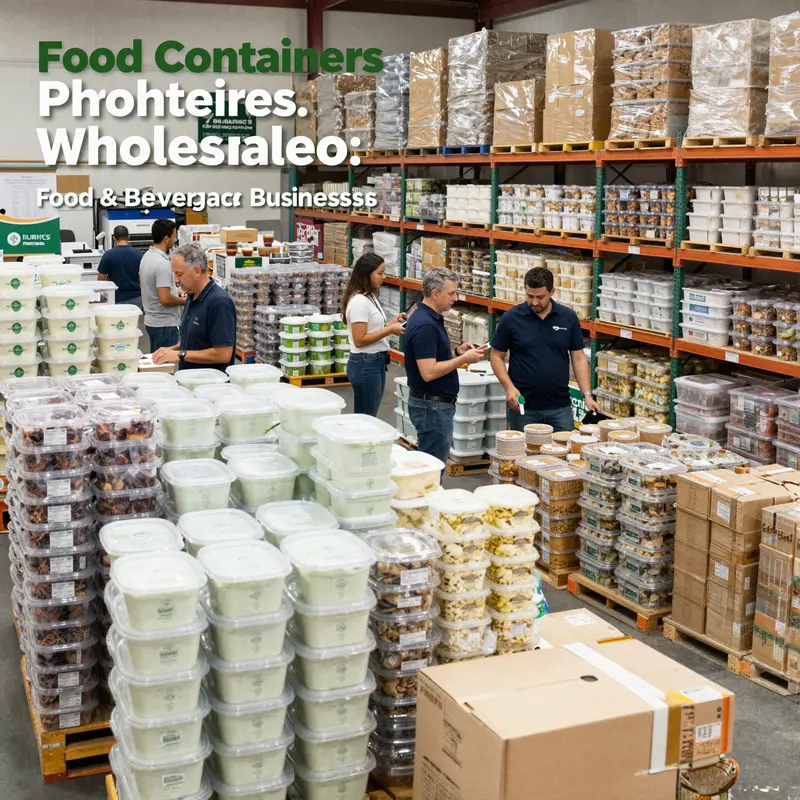
Choosing the right food containers is essential for businesses across the food and beverage industry in Australia—from bubble tea shops and beverage chains to restaurants, food trucks, catering services, event planners, and corporate procurement teams. Reliable, safe, and regulation-compliant containers not only protect food quality but also enhance brand reputation and operational efficiency. This article delves into three crucial aspects of the wholesale food container market in Australia. First, we explore the materials used and compliance requirements to ensure safety and durability. Then, we examine sustainability trends driving innovation and consumer preference. Finally, we provide an overview of supplier capabilities, including bulk ordering, customizations, and distribution networks. Understanding these facets empowers food service professionals to make informed choices that align with their operational needs and sustainability goals.
From Plastic to Policy: Navigating Materials, Compliance, and the Green Transition in Australia’s Food Container Wholesale
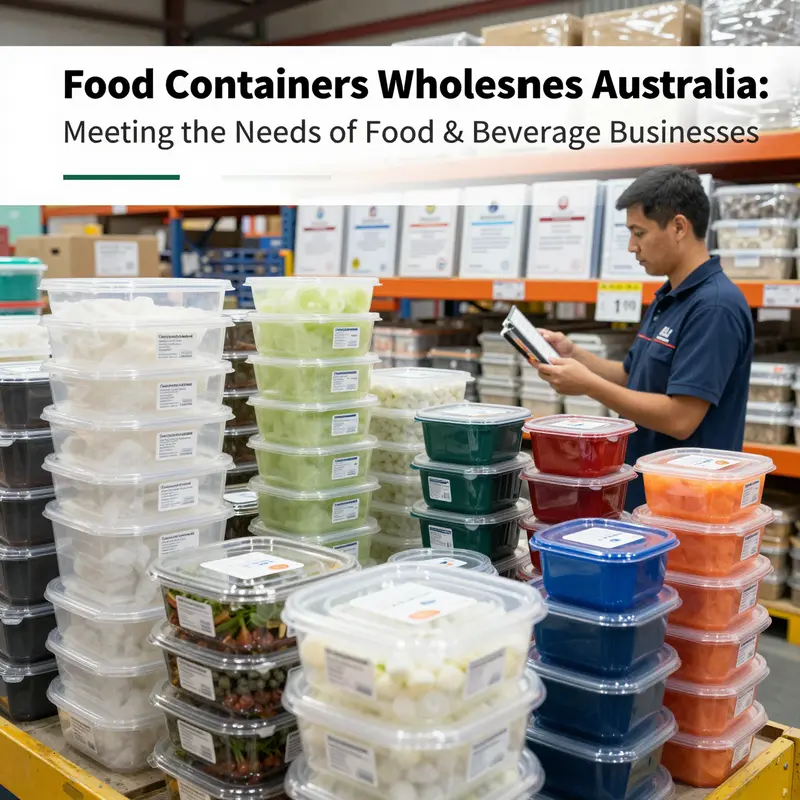
In Australia’s wholesale food container market, material choice is more than a technical detail; it is a strategic frame through which safety, performance, cost, and environmental responsibility converge. The journey from the familiar, durable plastics of yesterday to the greener options of today—and the regulatory scaffolding that binds them—has become a defining feature of how wholesalers source, certify, and position their offerings across kitchens, cafes, corporate cafeterias, and fast-casual chains. This chapter follows that arc, tracing the material ecosystems, the compliance architecture, and the practical realities that shape decisions in a market that increasingly expects products to perform reliably while respecting both people and planet.
For decades, the backbone of Australia’s wholesale food containers rested on food-grade polypropylene (PP) and polyethylene (PE). These plastics offered a pragmatic blend of heat resistance, microwave safety, dishwasher durability, and shatter resistance. They could be shaped into familiar workhorse formats—stackable tubs, rounded takeaway bowls, snug-fitting lids, and a range of sizes that supported everything from home meal prep to bulk catering. In a landscape where speed, hygiene, and repeatable performance matter, such materials delivered predictability. But the consumer and business ecosystems around packaging have started to move in a more environmentally nuanced direction. The market is gradually embracing materials that reduce environmental impact without compromising safety and usability. The result is not a binary switch but a spectrum of options that wholesalers must balance: performance, cost, waste management, and regulatory compliance.
On that spectrum, sustainability has emerged as a key decision driver. Suppliers increasingly feature biobased and biodegradable alternatives alongside traditional plastics. Bagasse—sugarcane fiber—has gained traction for its natural stiffness, heat tolerance, and compostability. Bamboo fibers, recycled paper, and plant-based polymers like PLA are being positioned for premium packaging needs, particularly in meal delivery and品牌-conscious foodservice brands that highlight environmental stewardship. Bagasse boxes, for example, have found a widely accepted niche in takeaway and home-kitchen use where heat stability and compostability align with consumer expectations for responsible disposal. Yet even as these materials widen the spectrum of choices, they do not erase the fundamental requirement: they must be safe for contact with food and compliant with both national and international standards.
A central part of that safety and compliance matrix is the framework governing food contact materials in Australia and New Zealand. The Australia New Zealand Food Standards Code sets the baseline, mandating that contact materials be non-toxic and non-migratory to avoid any harmful substances migrating into food during normal use. The practical implication for wholesalers and manufacturers is that every material and every finished container travels through a regulatory filter before it reaches the market. The standard is not merely procedural; it anchors consumer trust. When a product bears the reassurance that it has been evaluated against migration limits and chemical safety criteria, buyers—from hospital cafeterias to university campus eateries—gain a tangible signal of reliability.
To support and verify safety, many suppliers pursue third-party testing and certifications from recognized bodies such as SGS or Intertek. These certifications provide a transparent audit trail that aligns product claims with verifiable test results. For wholesalers, the presence of SGS or Intertek documentation is not just a badge of compliance; it is a practical asset that facilitates procurement decisions, accelerates audits, and supports brand integrity when products are exported to markets with stringent import requirements. In a sector where small variations in materials can lead to different outcomes in heat performance, moisture barriers, or shelf stability, those independent assessments reduce risk and shorten the time to market.
Beyond national standards, international benchmarks have grown in significance, especially as Australian manufacturers and distributors increasingly engage with importers and exporters. As noted in industry timelines, as of February 7, 2026, food contact materials are expected to conform to broader international standards, including the U.S. FDA’s 21 CFR. This development does not render local codes obsolete; rather, it adds a layer of alignment that is particularly critical for products destined for international supply chains. The FDA framework governs chemical ingredients, migration limits, and overall safety profiles for materials that may contact food in the United States. For Australian businesses with export ambitions, compliance with FDA 21 CFR becomes a practical consideration—requiring robust testing, traceability, and documentation that harmonize with FSANZ requirements while also satisfying foreign regulators.
Complicating this landscape is the Australian standard AS/NZS 4968:2023. This standard addresses chemical safety, physical performance, and microbial control reliability in a comprehensive way. The standard helps ensure that packaging materials withstand typical usage cycles—temperature fluctuations, abrasion during transport, and moisture exposure—without compromising food safety or hygiene. For wholesalers, AS/NZS 4968:2023 is not simply a compliance checkbox; it shapes product design choices, guides supplier audits, and influences the criteria used during product development or rebranding campaigns. When a packaging solution meets this standard, it signals a holistic quality posture: the material remains stable under diverse handling conditions, resists migration of potential contaminants, and maintains its integrity across distribution channels.
In practice, the compliance mosaic is as much about process as about material. Wholesalers who succeed in Australia tend to balance their material portfolios with robust documentation practices. They invest in receiving and maintaining SGS testing reports, ensuring that the evidence of safety travels with the product through the entire supply chain. They maintain up-to-date declarations of conformity and material safety data sheets, and they keep their network of suppliers under regular surveillance to capture changes in formulations or production processes. This diligence matters not only for domestic sales but also for export readiness, where customers require clear assurances that the packaging system will perform without introducing regulatory risk in any jurisdiction.
The shift toward sustainability also reframes risk assessment. Biobased or biodegradable materials introduce new variables. While bagasse and PLA-based solutions can deliver compostability or reduced reliance on fossil-based feedstocks, they may behave differently under certain conditions than conventional PP or PE. For example, moisture exposure, composting facilities, and the presence of certain pH levels can influence performance and degradation timelines. Consequently, wholesalers must curate a materials portfolio that communicates clear usage guidance and end-of-life options. The best practice is to present a spectrum of options—ranging from high-performance, fully recyclable plastics to compostable alternatives—accompanied by transparent testing data, user guidelines, and end-use case studies. In this way, customers can select packaging configurations that align with their operational needs and sustainability commitments while preserving safety margins.
A practical dimension of compliance relates to the supply chain’s geographic reach within Australia. The market benefits from local warehouses and regional logistics networks that support large-scale orders and quick replenishment. For buyers who manage bulk purchases, the ability to source tens of thousands of units with predictable lead times is often decisive. The logistics dimension is not merely about delivering containers; it is about delivering confidence. When a supplier can guarantee timely fulfillment of bulk orders, provide packaging customization, and deliver flexible logistics solutions across the Australian region, it reduces the operational friction that otherwise hampers large-scale food service operations. In this sense, wholesale packaging is as much about service design as about material science. The packaging partner that manages risk—through diversified manufacturing, multilingual documentation, and proactive contingency planning—becomes a strategic ally for brands seeking scale without compromising compliance.
Customization has become an important lever in this environment. Branded printing, color coding for dietary ranges, and allergen labeling requirements all demand a careful alignment of packaging capabilities with regulatory language. Custom printing is not merely cosmetic; it is a communication channel that conveys critical information about product safety, provenance, and usage. The most successful wholesalers offer these services with clear governance—high-clarity artwork approvals, tamper-evident features where appropriate, and traceable batch information printed or labeled on-site. The ability to deliver customized packaging at scale supports premium positioning in the market, enabling food service operators to differentiate their offerings while maintaining compliance with labeling and safety standards.
In addition to regulatory alignment and customization, the marketplace rewards suppliers who demonstrate practical transparency about performance. A notable example of this is the promotion of multi-compartment containers, such as three-compartment lunch boxes. These products support the growing demand for pre-packaged meals and portioned diets, particularly in office and school settings. Multi-compartment designs must preserve separation of foods, maintain moisture control, and withstand stacking and transport stresses. For wholesalers, the design challenge is to deliver a reliable solution that can be produced consistently at scale, with materials that meet safety standards and with labeling that conveys proper usage instructions. The design decisions—such as choosing barrier films, lid sealing technologies, and compartment geometry—have downstream effects on shelf life, consumer experience, and waste management, further underscoring the interdependence of material science and regulatory foresight.
Within this context, it is worth considering a concrete example that illustrates how sustainability and compliance intersect in a meaningful way. A commonly cited packaging format in eco-conscious packaging discussions is the kraft paper-based container with a functional lid, often designed to be microwave-safe and moisture-resistant. This class of containers exemplifies how a shift toward renewable or recyclable materials can coexist with the pragmatic needs of hot-food service. For a representative case in the broader ecosystem, consider kraft paper octagonal bowl with PET lid. The product category demonstrates how packaging designers balance barrier properties, surface treatment, and printing capabilities with end-of-life considerations. It also highlights the importance of ensuring that any use of PET lids in contact with hot foods remains within migration safety guidelines and is supported by appropriate testing data. While this example is illustrative, it encapsulates the dual commitment to safety and sustainability that defines the current Australian wholesale market.
The regulatory landscape continues to evolve as global norms converge. Australian companies that anticipate these shifts position themselves to benefit from early adoption of compliant, eco-friendly solutions. They cultivate supplier partnerships that emphasize robust documentation, traceability, and consistent quality across batches. They engage with customers who want not only to reduce plastic waste but also to demonstrate responsible packaging practices to regulators, investors, and consumers. In practice, this translates into investments in testing regimes, supply chain mapping, and clear communications about the life cycle of packaging—from raw material extraction to end-of-life disposal or recycling streams. When a supplier can narrate this lifecycle with credible data and clear, actionable guidance, they deliver a competitive advantage that aligns with the broader trajectory of the industry—the move from single-use convenience toward resilient, circular packaging ecosystems that can weather regulatory changes and market expectations alike.
The conversation around materials and compliance is inseparable from the broader goal of protecting public health. Food contact materials must not introduce toxins or hazardous migrants into food during typical usage. Migration testing—performed under representative conditions and validated by recognized laboratories—remains a cornerstone of safety assurance. This is not a one-off verification; it requires ongoing monitoring, especially as formulations change, suppliers shift production sites, or new scientific findings shed light on potential risks. For wholesalers operating in Australia, that means cultivating a culture of vigilance—regularly updating compliance documentation, revalidating supplier qualifications, and maintaining a transparent, auditable trail that auditors can follow with ease.
The strategic implications for businesses are clear. In a competitive wholesale market, the capacity to offer a diversified portfolio that spans conventional plastics and greener alternatives—while maintaining rigorous compliance and reliable logistics—becomes a differentiator. Buyers benefit from the ability to select containers that meet exacting performance criteria, align with sustainability goals, and satisfy regulatory requirements across multiple jurisdictions. For exporters, the added complexity of international standards becomes a factor of risk reduction and market access rather than a barrier. The market rewards those who can demonstrate consistent safety performance, predictable supply, and accountable environmental stewardship. In this sense, compliance is not a burden but a capability that enables scale and trust across the value chain.
As wholesalers continue to navigate this landscape, the emphasis on documentation cannot be overstated. A robust compliance package—encompassing migration test results, material declarations, certifications, and up-to-date AS/NZS 4968:2023 conformance statements—translates into speedier procurement cycles, reduced hold times during audits, and smoother introductions of new materials or formats. When a supplier can document that a product has undergone resilient testing under relevant conditions, buyers feel more confident placing large-scale orders. The combination of verified safety and credible environmental claims helps brands secure shelf presence and customer loyalty in a market where packaging choices frequently reflect a brand’s values as much as its budget constraints.
The chapter has touched on several interlocking threads—the material options that shape performance, the regulatory standards that anchor safety, and the practicalities of sourcing and logistics that determine how effectively a wholesale operation can serve the market. Taken together, they reveal a market that is not static but adaptive: manufacturers iterate formulations to optimize heat resistance and barrier properties, standards bodies refine guidance to address emerging materials, and wholesalers realign their portfolios to offer a spectrum of choices that meet diverse customer needs. The wholesale market in Australia thus sits at a junction where science, policy, and commerce converge, and where informed choices about materials and compliance yield tangible benefits in safety, cost efficiency, and environmental accountability.
For readers seeking to deepen their understanding of the material properties and technical standards that underpin these decisions, the broader knowledge base on food packaging and sustainable materials provides useful context. It traces how engineers evaluate packaging for mechanical strength, chemical resistance, and heat performance, and how those properties translate into real-world performance in food service environments. The evolving discourse around biobased and biodegradable packaging is not merely an environmental debate; it is a technical challenge that demands rigorous testing, clear labeling, and thoughtful lifecycle planning. The Australian market remains especially attentive to these dimensions, given the country’s robust regulatory framework and the high standards expected by consumers and business partners alike.
In closing, the Australian wholesale food container market stands at a pivotal moment. The material mix is expanding, the compliance requirements are becoming more integrated with international norms, and the demand for sustainable packaging is translating into real product development and supplier diversification. Wholesalers that succeed will be those who can offer a credible, well-documented range of materials—from the traditional plastics that deliver efficiency and cost advantages to biobased and compostable options that align with environmental ambitions—without compromising safety or performance. They will be the ones who can demonstrate end-to-end responsibility: responsible sourcing, rigorous testing, transparent documentation, and reliable logistics that span the continent. The trajectory invites a pragmatic optimism: by investing in sound materials choices and robust compliance practices, the wholesale sector can support a healthier environment, protect public health, and enable brands to connect more meaningfully with consumers who value both convenience and conscience.
External resource for further context: https://www.foodstandards.gov.au/
From Plastic to Purpose: Navigating Sustainability in Australia’s Wholesale Food Containers Market

In the Australian wholesale landscape for food containers, sustainability has moved from a buzzword to a core criterion that informs every purchase decision, supplier relationship, and product development plan. The market, built on durable, food-grade plastics that excel in safety, weight, and cost, now grapples with a broader mandate: to balance high performance with environmental responsibility across the entire lifecycle of packaging. This shift is not just about box-ticking compliance. It is about aligning regulatory standards with consumer expectations, logistics realities, and the long-term resilience of the supply chain. The regulatory framework remains a steady anchor in this transformation. Food contact materials in Australia must meet stringent safety criteria outlined by the Australia New Zealand Food Standards Code, ensuring that materials used in containers do not migrate harmful substances into food. Third-party certifications from bodies like SGS or Intertek further bolster confidence in the market. For the wholesale sector, these standards are not merely compliance checklists; they are a reliable baseline that underpins trust with food businesses—from home kitchens to large-scale catering operations and delivery services. When combined with local warehousing capabilities and flexible logistics, compliance becomes a practical advantage rather than a mere obligation. In this setting, sustainability is increasingly treated as a strategic differentiator. It guides the way suppliers design, source, and deliver packaging solutions, and it reshapes the expectations of buyers who seek not only cost efficiency but also a reduced environmental footprint and a clear path to end-of-life management for the containers they purchase. The overarching trend is the emergence of a more thoughtful packaging ecosystem, one that recognizes that the material choices, manufacturing processes, and end-of-use options all feed into a broader conversation about responsible consumption and responsible production. In Australia, the market’s sustainability trajectory is shaped by three interlocking currents: shifting material preferences, the rise of reuse and circular packaging concepts, and a broader societal push toward lower lifecycle impacts. Each thread in this tapestry is interwoven with practical realities: the cost of materials, the robustness required by high-volume operations, and the logistical realities of distributing across a country with vast distances and varied climates. The wholesale sector has responded with an expanded repertoire of packaging options that aim to deliver safety and performance while offering measurable environmental benefits. Glass, for instance, has reemerged as a serious consideration for certain high-end meal delivery and premium brands. Glass containers are chemically inert, non-toxic, and 100% recyclable, and they can preserve flavors with minimal interaction between container and contents. They also withstand a range of temperatures that makes them versatile for premium cold-chain offerings and long shelf-life products. Yet glass presents trade-offs. Its weight increases transport costs, and its fragility demands careful handling in a busy logistics network. For operators facing tight delivery windows or high-volume throughput, the total cost of ownership may still favor plastics or composite materials. The wholesale market’s response has been to offer a spectrum of options so buyers can tailor packaging to the specific needs of each operation. This is where the concept of sustainable choice becomes nuanced rather than simplistic. A fleet of containers that includes heat-resistant polypropylene (PP) or polyethylene (PE) options remains essential for many applications. These materials offer excellent performance in terms of heat resistance, dishwasher safety, and resilience to impact. Importantly, they also support efficient supply chains because of their lighter weight and well-established manufacturing ecosystems. But even within this familiar territory, improvement is possible. Many suppliers are promoting recycled-content plastics, exploring post-consumer resin (PCR) streams to reduce virgin material demand and close the loop on plastic packaging. The result is a blended approach that preserves the practicality buyers rely on while delivering tangible improvements in resource use and waste generation. The consumer’s voice furthers this evolution. Australians increasingly expect packaging that aligns with a broader environmental ethos. This expectation spans the visible surface of the product—the color, shape, and branding materials—to deeper dimensions such as recyclability, market availability of recycling streams, and the feasibility of reusing containers in a return or deposit-based system. In response, wholesalers are expanding offerings that explicitly enable reuse and return programs. Containers designed for multiple reuse cycles are being integrated into partnerships with restaurants, meal-prep services, and grocery retailers that see value in reducing one-time waste. These systems are not mere logistical novelties; they are models for how food businesses can operate with lower waste footprints while maintaining quality, safety, and brand integrity. A returnable packaging system, properly implemented, can dramatically reduce waste streams and encourage customers to engage more deeply with a brand’s sustainability story. The economics of such systems are nuanced. They depend on the durability of the container, the efficiency of cleaning and sanitization processes, and the reliability of logistics networks that transport empty containers back to central collection points. When these elements align, the environmental benefits are complemented by cost savings over time and enhanced customer loyalty. The wholesale sector is learning to quantify these benefits with lifecycle thinking. Life cycle assessment (LCA) methodologies are increasingly used to compare options across raw material sourcing, production, distribution, use, and end-of-life management. LCA helps buyers understand trade-offs: for example, a heavier glass container might reduce waste in a single-use sense but impose higher emissions from transport. Conversely, a lighter plastic container with high recycled content can lower raw material demand and energy use, even if it requires energy-intensive recycling streams at end of life. The goal is to identify bundles of materials and designs that deliver safe, convenient, and economically viable packaging while minimizing environmental impact at every stage. A practical dimension of sustainability in the Australian wholesale scene is the push toward paper-based and compostable solutions where appropriate. Paper-based packaging, including products derived from responsibly managed forests, offers a lower carbon footprint compared with traditional plastics in many contexts. These materials often perform well for takeaway, single-use applications where moisture resistance and durability are managed through coatings or barrier layers. The challenge lies in ensuring that these coatings are themselves sustainable and compatible with local composting or industrial recycling streams. In places where composting infrastructure is limited or uneven, compostable options must be weighed against the real-world ability of food service operators to dispose of them properly. Nonetheless, there is a clear movement toward integrating biodegradable solutions into the broader packaging mix where conditions permit. Beyond materials themselves, sustainability in the wholesale market is increasingly anchored in the concept of cradle-to-cradle thinking and the circular economy. Reuse and remanufacturing models are being piloted by a growing cohort of suppliers and customers who view packaging as an asset with a second life rather than a disposable commodity. This mindset translates into practical measures: containers designed for easy cleaning and sanitization, modular designs that reduce waste by enabling multiple configurations, and returnable systems that streamline the recovery of materials for reuse. The circular economy mindset also intersects with branding and consumer engagement. A brand can differentiate itself by adopting packaging that clearly communicates its environmental commitments and by choosing end-of-life options that align with consumer values. For example, a three-compartment container designed for balanced meals can be paired with messaging about portion control and waste reduction, while a glass or paper-based option can be positioned as premium, eco-conscious packaging. This strategic alignment can be reinforced through label design, interior and exterior graphics, and even printed messaging that explains recycling or redemption pathways. It is important to recognize that sustainability is not a single solution but a portfolio approach. The Australian market’s strength lies in offering a diversified range of choices that can be blended to meet the needs of different segments—from household kitchens to large-scale catering and food delivery services. For households, convenience and cost often drive the selection of containers that withstand repeated use and easy cleaning. For the catering sector, durability, chemical resistance, and the ability to maintain temperature are critical, while for take-away and delivery services, lightweight designs that minimize transport emissions and packaging waste carry particular weight. In this context, the idea of multi-compartment containers has gained traction as a practical way to support portion control, meal planning, and healthy eating. These containers enable pre-packaged meals to be prepared with consistent portion sizes, facilitating dietary management and reducing food waste. From an operational standpoint, wholesalers recognize that offering multi-fold solutions requires careful consideration of stackability, heat resistance, and compatibility with standard kitchen equipment. The ability to run bulk orders with customized printing or branding, along with flexible logistics across Australian regions, is a crucial service attribute that many buyers rely on. For suppliers, this means building capabilities around scalable production, efficient warehousing, and reliable distribution networks that can deliver to remote areas with the same speed and accuracy as metropolitan hubs. It also means investing in testing and validation services that help food businesses ensure compatibility with their food safety programs. Third-party certifications, regulatory compliance, and robust material data sheets support this culture of trust and reliability. In practice, this translates into a range of tangible options for buyers who want to balance performance with sustainability. A common and practical approach is to maintain a core line of robust, high-performance plastics reinforced with recycled content, while expanding the portfolio with paper-based and glass options for specific applications. This blended strategy allows operators to optimize for cost, logistics, and environmental impact depending on the product, the customer, and the delivery context. The wholesale market is also increasingly responsive to the realities of scale. Orders often move in large volumes, with wholesale buyers seeking suppliers that can handle, for example, tens of thousands of units in a single shipment. In this setting, suppliers that maintain local warehouses and offer reliable stock availability can reduce lead times, lower freight emissions, and streamline reverse logistics for returns or exchanges. The ability to offer flexible logistics solutions that cover the entire Australian region is not a luxury but a competitive necessity. It enhances confidence among buyers who want to align procurement with seasonal demand, school term starts, and peak catering periods. Custom printing services represent another dimension of sustainability and value. Branding is important, but it also matters how the packaging is designed to support recycling or reuse programs. Customization can enable more efficient packaging ladders, reduce the need for secondary packaging, and convey sustainability messages that resonate with customers. Wholesalers that offer print customization alongside sustainable materials provide a compelling package for food service operators and retailers seeking to strengthen their environmental narratives without sacrificing practicality. The conversations around sustainability in this market are not theoretical. They are grounded in the realities of supply chain risk, customer expectations, and the environmental consequences of packaging choices. In Australia, this means acknowledging the entire value chain—from forestry practices and resin sourcing to manufacturing footprints and end-of-life disposal. It also means embracing a transparency-forward approach. Buyers increasingly expect clear information about material composition, recyclability, and the feasibility of reusing containers across the supply chain. Suppliers who can provide detailed lifecycle data and straightforward guidance on disposal pathways gain an edge in a market that is becoming more informed and more ambitious about its environmental goals. The practical takeaway for practitioners in this space is to view sustainability not as a single product decision but as an ongoing, collaborative process. It requires ongoing dialogue with suppliers, customers, regulators, and waste-management stakeholders. It means evaluating packaging options not only for their immediate performance but for their long-term consequences for resource use, waste reduction, and community impact. In that spirit, a pragmatic approach is to invest in a range of packaging options tailored to different use cases, while actively pursuing methods to close the loop through recycling programs, return schemes, or composting where feasible. The goal is to maintain safety and functionality while advancing environmental stewardship. For buyers navigating this landscape, the existing FSANZ standards and third-party assurances provide a solid framework for evaluating risk and ensuring compliance. They also offer a baseline for communicating with end users about safety, quality, and sustainability. A well-informed procurement strategy will align material choices with the intended use scenario, weigh the environmental benefits of recycled content against the energy demands of processing, and consider the practicalities of logistics and end-of-life management. The habits of Australian consumers—who increasingly value circularity and transparency—will continue to influence the evolution of wholesale packaging. In this dynamic, one constant remains: packaging must support safe, hygienic, and convenient food experiences. The forms that packaging takes will continue to diversify as the market experiments with glass, recycled plastics, and compostable papers, all while maintaining the reliability that food service operators require. The future of sustainability in Australia’s wholesale food containers market is not about choosing one material over another; it is about creating adaptable systems that can respond to evolving environmental targets, shifting regulatory expectations, and changing consumer behaviors. The conversation is moving toward integrated packaging ecosystems where suppliers, retailers, and consumers collaborate to reduce waste, extend product life, and ensure that packaging serves as a facilitator of health, flavor, and responsible consumption. A practical example of this collaboration can be seen in how containers designed for reusability and easy cleaning fit into broader waste-reduction strategies for workplaces, schools, and hospitality venues. When a business commits to a returnable system, it also commits to a supporting infrastructure: collection routes, cleaning protocols, and data-tracking capabilities that prove the system’s effectiveness. In such arrangements, the container becomes a durable asset that travels through multiple cycles before it is ultimately recycled or repurposed. The benefits extend beyond waste reduction. Returnable systems often yield cost savings over the long run, improve the consistency of portioning and presentation, and strengthen the brand’s environmental narrative. Each stakeholder—the supplier, the buyer, and the end-user—plays a role in the success of these systems. From a design perspective, the market increasingly favors containers that can perform across multiple use scenarios. A versatile package must withstand freezing temperatures, reheating, dishwashing, and repeated handling, all while preserving food safety and minimizing the risk of contamination. This multi-utility approach reduces the need for separate packaging for different stages of the product journey, contributing to resource efficiency and simplifying waste streams. It is also worth noting that the sustainability conversation in Australia operates within a global context. As customers increasingly demand packaging that travels across borders, the ability to ensure consistent safety standards, recyclable pathways, and clear labeling becomes ever more critical. The market’s adoption of universal or widely recognized standards helps reduce confusion, fosters international trade, and supports the growth of packaging solutions that are both high performing and environmentally responsible. In closing, sustainability in Australia’s wholesale food containers market is a comprehensive, ongoing project rather than a collection of discrete decisions. It involves material innovation, system design for reuse and recycling, responsible sourcing, transparent labeling, and effective collaboration across the supply chain. It requires acknowledging regulatory guardrails while pushing for practical, cost-conscious solutions that respond to real-world constraints. It invites a broader conversation about how packaging can be integrated into the food experience in ways that satisfy safety imperatives, protect the environment, and meet the aspirations of a society that increasingly prizes accountability and stewardship. For buyers and suppliers alike, the path forward is about making informed, principled choices that balance performance with responsibility, deliver measurable environmental benefits, and support a resilient food system across Australia. As the market continues to evolve, those who embrace a portfolio of solutions—glass for premium, recycled-content plastics for everyday use, and paper-based options where appropriate—will be best positioned to serve a diverse range of customers while contributing to a lower-carbon, more circular economy. The journey may be complex, but its destination—packaging that safeguards food, respects the planet, and reinforces brand trust—is clear. For practitioners seeking a concrete example of sustainable packaging in practice, a look at recyclable and adaptable packaging families, including kraft-paper-based options with versatile lids and clear end-of-life pathways, provides a useful reference point for aligning procurement with environmental goals. kraft-paper octagonal bowls with lids. This approach demonstrates how a single packaging family can support multiple use cases while enabling brands to communicate their sustainability commitments through design and messaging. In the broader literature, the sustainability conversation in the food supply chain emphasizes that the future of packaging hinges on collaboration and continuous improvement. It calls for ongoing evaluation of new materials and processes, investment in recycling infrastructure, and a willingness to reimagine packaging as an integral part of the product experience rather than as an afterthought. The Australian market, with its strong regulatory backbone and its dynamic consumer base, is well positioned to lead in this space, blending traditional reliability with innovative, greener alternatives. External resources can provide additional perspective on the systemic shifts underway in the food packaging world. For further reading on how sustainability trends are shaping the broader food supply chain, see the external resource linked below.
External resource: https://www.foodlogistics.com/sustainability-trends-in-the-food-supply-chain
Scale, Standards, and Sustainability: Navigating Australia’s Wholesale Food Container Market
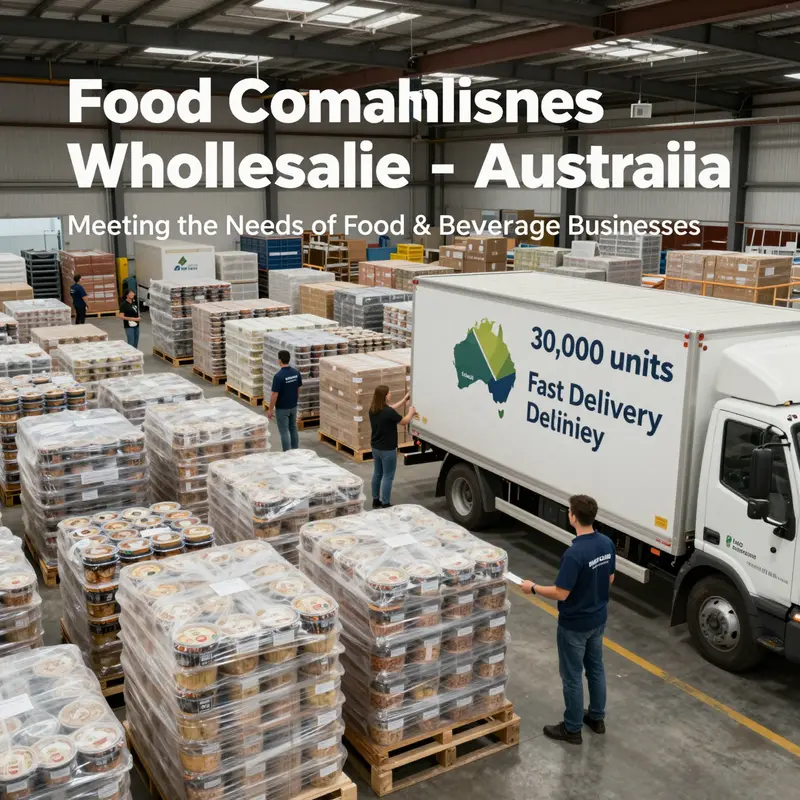
The Australian wholesale arena for food containers is not simply a marketplace of plastic boxes and takeaway tubs. It is a living ecosystem built on steady demand from foodservice, retailers, and corporate catering, all constantly adjusting to regulatory gatekeepers, evolving consumer expectations, and the practical realities of supply chains that stretch from regional warehouses to coastal ports. Within this ecosystem, the key drivers of growth are clear: a growing appetite for convenient, pre-packaged meals; a preference for durable, safe containers that can withstand busy kitchen workflows; and a parallel shift toward packaging that aligns with environmental values without sacrificing performance. When examined from the inside out, the market reveals a layered narrative about supplier capabilities and the market dynamics that sustain it. Small shifts in materials, certification, or logistics can ripple through hundreds of wholesale accounts, shaping costs, compliance, and the speed at which products reach the hands of cooks, caterers, and home consumers alike. The result is a market that rewards suppliers who can couple rigorous safety and quality with scalable, flexible delivery, all while keeping a steady eye on the end users’ needs for reliability, ease of use, and branding opportunity.
At the heart of this system is the commitment to food-grade materials that perform across high-demand workstreams. In Australia, the standard language for safety is grounded in compliance with the Australia New Zealand Food Standards Code, which governs the use of food contact materials and provides the framework that makes wholesale decisions trustworthy for buyers large and small. The market’s premium tier—containers designed for professional kitchens, large caterers, and food delivery operations—is dominated by durable, safe plastics that can survive repetitive washing, heating, and stacking. Polypropylene (PP) and polyethylene (PE) emerge as workhorse materials, prized for their heat resistance, microwave suitability, dishwasher safety, and shatter resistance. These properties translate into tangible operational advantages: reduced breakage in transit and on kitchen racks, lower return rates, and fewer complaints about compromised food safety or product integrity. Yet the story does not end with material chemistry alone. The market’s smartest suppliers couple their resin expertise with a robust compliance program that spans international standards and local requirements. They understand that a container might be used for hot soups one day, and for cold salads the next, and its performance must remain stable across a wide temperature spectrum. They also recognize that a growing share of orders may be for multi-compartment solutions—three-compartment boxes and similar formats that enable pre-packaged meals and balanced portion control. Such configurations have become especially popular in office meal programs and school lunch boxes, where the goal is to streamline assembly, reduce waste, and support healthier eating patterns through portion management.
One thread that runs through all these capabilities is the emphasis on sustainability, a trend that has moved from a niche preference to a baseline expectation for wholesale buyers. Suppliers are increasingly highlighting 100% recyclable food-grade PP and other recyclable formulations as a credible path to reducing the environmental footprint of daily operations. The barrel of cost and performance does not tilt away from safety and compliance, however. The materials must meet strict standards that govern migration and extractables, ensuring that the contact with food remains non-toxic and non-migratory across the container’s intended lifecycle. In practice, this means that even recyclable containers must be engineered to resist migration under heat, withstand repeated cycles of washing, and stay dimensionally stable when stacked or boxed for hours on forklifts or in shipping lanes. For single-use disposables, the bar is set even higher: materials such as bagasse or PP used in disposable formats need to comply with recognized food safety frameworks, including FDA, LFGB, or RoHS stages where applicable. The alignment to these frameworks is essential for wholesalers that aim to serve multinational chains or export-driven channels.
Compostable and biodegradable options are increasingly visible in the Australian market, especially in segments where end users seek lower environmental impact. Standards matter here, too. True compostability is validated against recognized benchmarks such as ASTM D6400 in the United States or EN 13432 in Europe. Products that carry these certifications provide buyers with a higher level of confidence that disposal conditions in local composting facilities will lead to actual biodegradation rather than mere fragmentation. For the reusable category, the emphasis shifts toward durability, thermal performance, and sealing integrity. Reusable containers—often crafted from borosilicate glass or stainless steel—enter the wholesale dialogue as long-term investments. They demand rigorous testing for thermal shock resistance and leak-proof sealing, because in commercial settings even small failures can interrupt service, trigger food safety concerns, and demand expedited replacements. In this broader ecosystem, the so-called hybrid sourcing model has become a practical reality. Asian manufacturers, especially those near export hubs, bring cost efficiency and scale to the table—factors that matter in an environment where bulk orders can exceed tens of thousands of units. Yet the trend toward resilience and regional fulfillment has introduced a complementary approach: pairing these manufacturers with regional distributors to optimize last-mile delivery, reduce lead times, and enhance stock availability. This combination helps suppliers manage rising logistics costs and tighter environmental regulations while preserving the speed and reliability demanded by Australian clients.
Quality assurance and third-party verification remain central to market trust. In the Australian context, FSANZ provides the regulatory backbone for food contact materials, outlining what is permissible and how compliance should be demonstrated. Beyond this, many suppliers pursue independent testing and certification from global bodies such as SGS or Intertek. These certifications act as external validation of the material’s safety profile and the packaging’s performance across its lifecycle—from manufacturing through transport to consumer disposal or reuse. For buyers, this translates into less time spent vetting each shipment and more confidence that a given container will meet both the safety standards and the practical demands of a busy kitchen. The emphasis on quality is not in tension with efficiency; rather, it complements a demand-driven market that requires predictable performance at scale. The wholesale suppliers that flourish in Australia tend to be savvy about their local warehouses and distribution networks. They understand that large accounts often hinge on the ability to source in bulk, streamline invoicing, and coordinate delivery across multiple states. The most competitive players offer more than just a product catalog; they provide the logistics scaffolding to support large-scale rollouts, including flexible terms for bulk purchases—such as orders exceeding 30,000 units—alongside value-added services like custom printing for branding and packaging customization. The value of such services cannot be overstated. When a food brand or institution wants a distinct look on its containers, the path to market becomes smoother if the supplier can print logos or color schemes directly on the packaging, reducing the need for downstream packaging steps and minimizing potential handling errors during distribution. In practice, this means wholesalers are often evaluated not only on price and compliance but also on their marketing support and fulfillment capabilities.
All of these capabilities sit within a broader market arc that points toward growth through specialization. The latest market analyses show a robust trajectory for Australia’s food storage container segment, with projections suggesting the market will exceed USD 1.12 billion between 2024 and 2029. This expansion is driven by both domestic consumption and commercial adoption. The contract packaging sector mirrors this growth, reaching USD 474.96 million in 2026 and expected to climb to USD 736.41 million by 2031, a CAGR of 9.17%. These figures signal a clear shift toward more sophisticated, scalable packaging solutions that can support brands as they expand into new channels and formats while maintaining compliance and cost discipline. The hybrid sourcing approach emerges as a practical response to this demand, balancing the affordability and breadth of Asian manufacturing with the reliability and regional reach of local distributors. In an industry where margins can be thin and supply disruption costly, this blend of cost efficiency, regulatory alignment, and delivery resilience becomes the differentiator for wholesalers whose portfolios serve a diverse array of customers—from restaurants and caterers to school systems and corporate lunch programs.
In practical terms, what does this mean for a buyer evaluating wholesale suppliers in Australia? It means prioritizing a supplier who can articulate a clear path from raw material selection through final packaging. Look for the ability to specify PP or PE with documented safety data sheets, and for the capacity to demonstrate migration testing where required. Ask about certifications, whether the supplier holds FSANZ-aligned declarations and third-party test results for their lines. Probe the supplier’s approach to sustainability—whether they offer recyclable, compostable, or reusable options and how they handle end-of-life considerations, including guidance on local recycling streams or composting facilities. The conversation should extend to the supplier’s supply chain resilience: can they maintain stock levels during peak seasons? Do they have multiple regional warehouses to shorten lead times? Are they prepared to support bulk orders with predictable logistics windows and dedicated customer service through peak periods? Certainly, branding capabilities matter in wholesale markets where a container becomes a mini-bac- terial for brand identity; a supplier that can offer on-container printing or close collaboration with a customer’s design team can significantly reduce time to market. The best suppliers also offer sampling programs, enabling buyers to test performance in their own kitchens or facilities before committing to large purchases. Free or low-cost samples can speed up due diligence and help mitigate the risk of investing in a container format that might disappoint on durability, heat resistance, or leakage.
There is an important strategic lesson embedded in these capabilities. The market rewards those who combine material expertise, compliance rigor, and agile logistics with an understanding of their clients’ operational realities. A warehouse footprint that supports multi-state delivery, a catalog of formats that includes multi-compartment options for ready meals and school lunches, and a capability for quick-turn customization all translate into real-world time savings for buyers. In the end, wholesale success hinges on the ability to manage cost without compromising safety or performance; to offer a spectrum of sustainable options that respond to the growing demand for responsible packaging; and to deliver a reliable supply chain capable of absorbing the inevitable shocks that accompany global supply networks.
For readers seeking a concrete example of packaging options that align with this approach, consider the broader landscape of take-away and food-service containers available in the market today. A practical reference point for accessible, safe, and adaptable packaging choices can be found at this resource: food-grade take-away bowls with lids. The page illustrates how a single container family can be adapted across different meal contexts—from casual take-away to office meal programs—while maintaining compliance and branding potential. It also demonstrates how suppliers embed flexibility into their offerings, an important attribute in a market where the pace of change is constant and the tolerance for disruption remains low.
Meanwhile, as buyers and wholesalers plan for the longer horizon, it is worth noting that external market analyses frame this transition as part of a global shift toward more sophisticated packaging ecosystems. The Australian experience reflects broader trends such as the convergence of material science with consumer expectations and a heightened emphasis on end-to-end supply chain visibility. The result is a wholesale market that prizes not only the raw material and the finished container but also the connective tissue—logistics, certification, and customization—that binds suppliers to buyers. This is not simply about choosing a container; it is about choosing a partner who can align safety, sustainability, and scale with the client’s business model and growth ambitions. The capacity to deliver a container that satisfies stringent food safety codes, supports efficient kitchen workflows, and communicates a brand story through on-pack printing becomes a strategic advantage in a market that prizes reliability as much as affordability. In a landscape where contract packaging, prepared meals, and regulatory compliance all intersect, wholesalers who can demonstrate a holistic capability set—compliance, material mastery, multi-site logistics, and flexible customization—are the ones poised to capture their share of a market forecast to keep expanding through the next decade.
External resource for further context: https://www.marketsandmarkets.com/Market-Reports/australia-food-storage-container-market-48425.html
Final thoughts
Food containers are more than just packaging—they are a fundamental component in serving safe, high-quality food and beverages that meet customer expectations and regulatory standards. For bubble tea shops, beverage chains, restaurants, catering services, event planners, and corporate procurement teams across Australia, understanding materials, compliance, sustainability trends, and supplier strengths offers a strategic advantage. By selecting food-grade polypropylene or polyethylene containers compliant with the Australia New Zealand Food Standards Code, businesses safeguard their patrons and comply with food safety mandates. Embracing sustainability through recyclable and multi-compartment containers aligns operations with modern consumer values. And partnering with suppliers who provide local warehousing, bulk purchase support, custom printing, and flexible logistics ensures a steady, cost-effective packaging supply. Together, these insights help food businesses confidently choose the right wholesale food containers to boost efficiency, protect their brand, and contribute positively to the environment.