
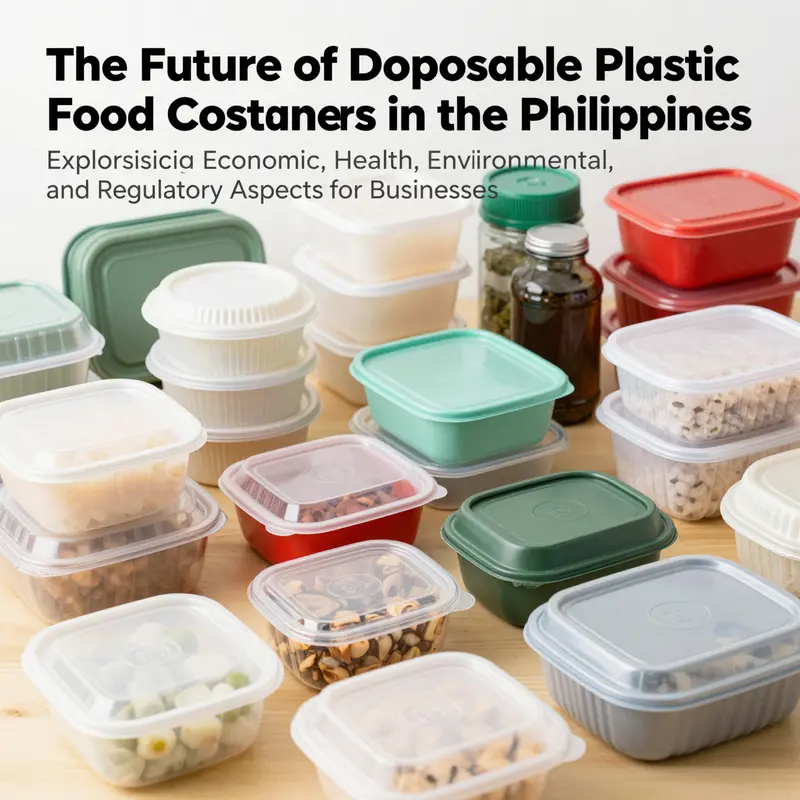
Disposable plastic food containers have become staples in the Philippine food industry, thanks to their affordability and convenience. From bubble tea shops to catering services, these versatile containers play a crucial role in food presentation and storage. However, the soaring demand comes at a cost—health risks, environmental concerns, and regulatory challenges loom over their continued use. This article will navigate the economic impacts, health risks, and environmental issues linked to disposable plastic containers while also highlighting emerging regulations and sustainable alternatives that can aid businesses in making informed choices. As we explore each chapter, stakeholders from food chains to event planners will gain insights into how they can responsibly adapt to changing market dynamics.
The Economic Pulse of Disposable Plastic Food Containers in the Philippines: Growth, Costs, and a Turning Toward Sustainability
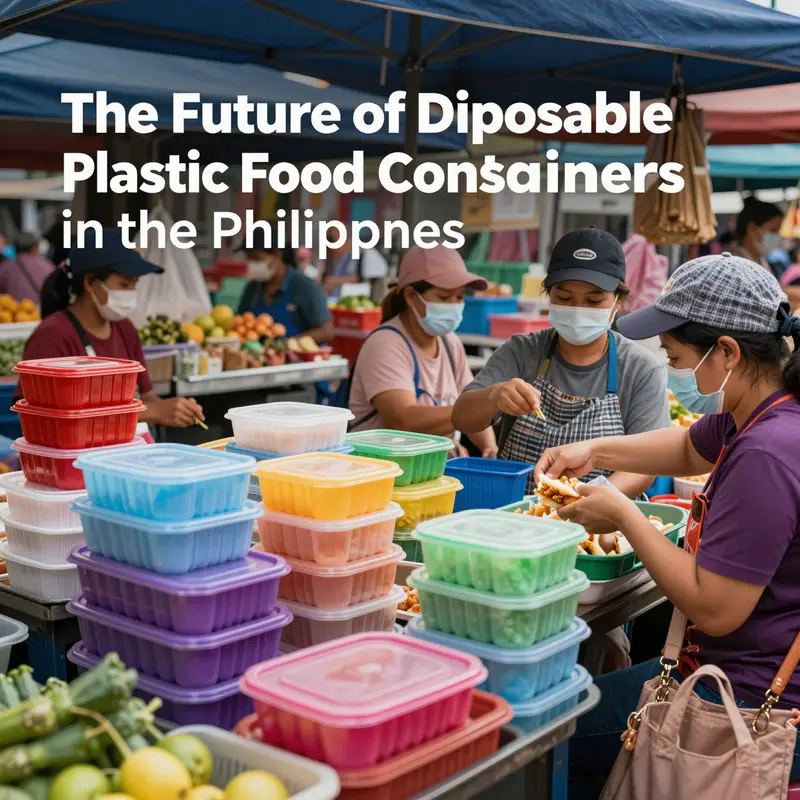
The economy of disposable plastic food containers in the Philippines cannot be understood in isolation from the everyday choices of countless small eateries, street vendors, delivery services, and households. These containers, valued for their light weight, durability, and low upfront cost, have become a foundational element of a fast-moving consumer goods (FMCG) ecosystem that thrives on speed and convenience. Across urban centers and provincial towns alike, plastics enable a window of opportunity for micro-entrepreneurs to prepare, package, and transport meals with minimal capital outlay. This economic logic has nurtured a broad network of suppliers, processors, and logistics firms that together sustain jobs, drive short-term profits, and contribute to regional GDP. In other words, the appeal of disposable plastic packaging is as much about economic efficiency as it is about practical convenience for vendors and customers who demand ready-to-eat meals on demand.
The materials that dominate this sector—peoples’ everyday plastics made from polyethylene and polypropylene—offer a pragmatic triad: cost, versatility, and resilience. For many food service operators, these characteristics translate into predictable margins and predictable handling during busy service periods. The weight advantage reduces transportation costs, a factor that becomes crucial when millions of meals are moved daily from wholesale kitchens to street corners and living rooms. The result is a virtuous circle for the economy: lower costs for producers, lower prices for consumers, and a steady stream of demand that supports a broad base of suppliers. This dynamic, in turn, sustains employment, from factory floors and distribution hubs to small-accounting offices and frontline service roles. In aggregate, plastics contribute to a measurable portion of the country’s manufacturing activity and a material share of domestic trade.
Yet the economic benefits come with a long shadow. The same affordability that powers growth also underwrites a recurring cycle of waste, pollution, and public expense. Municipalities bear the immediate burden of collection, sorting, and processing. In many communities, the cost of cleaning up plastic waste and repairing damaged waterways outpaces the fees charged for waste services, effectively diverting funds from essential public services such as health, education, and infrastructure. Government agencies have reported that annual cleanup costs related to plastic waste run into billions of pesos, a fiscal strain that political leaders and civil society alike must reckon with. The price of inaction, measured in environmental degradation and lost tourism potential, is embedded in the broader economic ledger. If plastic waste continues to accumulate in rivers, coastlines, and soil, downstream costs accumulate as well—reducing the attractiveness of a country as a place for investment and trade.
The economic equation also involves policy risk and regulatory dynamics. As the Philippines charts a path toward more sustainable packaging, producers and traders confront a shifting risk landscape. Trade partners, customers, and investors increasingly demand responsible waste management and clearer end-of-life outcomes for packaging materials. Environmental regulations socialize some of the external costs that were once borne by the public sector or absorbed into margins. Importantly, laws like the National Plastic Waste Management Act (Republic Act No. 11072) have begun to catalyze change by stimulating recycling infrastructure and spurring new material solutions. These shifts reshape cost structures—making it more expensive to rely solely on traditional, single-use plastics in the long run, but opening doors to new markets and capabilities for those who adapt quickly.
The narrative of economic impact also features a transition toward sustainable alternatives. While alternative packaging may carry higher upfront costs, the long-run savings can accrue through improved waste handling, regulatory compliance, and enhanced consumer trust. Investment in recycling facilities, compostable materials, and recyclable supply chains has grown in response to policy incentives and consumer demand for greener options. The broader shift toward a circular economy is not just a moral imperative; it is an economic strategy that can preserve competitiveness in the face of tightening global expectations on sustainability. In this sense, the Philippines is gradually transforming risk into opportunity, as innovation lowers the price gap between conventional plastics and more environmentally friendly solutions over time.
Within the economic ecosystem, the role of SMEs—particularly those in the food service and fast-casual segments—remains pivotal. For many operators, plastic packaging reduces storage needs, streamlines logistics, and minimizes leakage or breakage during transport. This reliability helps small businesses scale quickly, support local supply chains, and maintain service levels during peak periods. The flip side is a heightened exposure to policy shifts and consumer behavior. If regulations push toward higher recycling tariffs, extended producer responsibility, or outright bans on certain single-use items, firms may be compelled to reconfigure their packaging portfolios and vendor networks. The capacity to absorb such changes depends on access to capital, technical know-how, and the availability of affordable, compliant alternatives. The economic story, therefore, is not only about present-day cost leadership; it is about resilience and adaptability in a dynamic policy and market environment.
One telling sign of this evolving landscape is the growing emphasis on packaging designed for recyclability and end-of-life clarity. Manufacturers and suppliers are increasingly experimenting with materials that align with stricter environmental expectations while still winning on price and performance. For practitioners and observers, this means charting the tradeoffs between cost, functionality, and lifecycle outcomes. The shift toward recyclable or biodegradable options often involves higher initial investment and a longer return horizon, but it also unlocks opportunities in export markets, where buyers demand demonstrable waste management capacity and robust regulatory alignment. In this context, the economic narrative evolves from a simple cost-benefit calculus to a strategy that integrates waste management, product stewardship, and brand value into financial planning.
For those seeking practical illustrations of packaging’s evolving role, the move toward kraft-paper-based options offers a concrete example of how sustainability can align with economic aims. Kraft paper take-away boxes, with clear lid variants, illustrate how a lightweight, relatively inexpensive material can still deliver reliable performance and consumer appeal. They embody a bridge between the affordability of traditional plastics and the growing appetite for sustainable alternatives. Using such packaging can help businesses reduce long-term liability while preserving service quality, a balance that is increasingly valued by customers and investors alike. kraft paper take-away box with clear lid. This example underscores a broader trend: the economic viability of cleaner, more circular packaging hinges not only on the price tag but on the full lifecycle costs a business must bear—from procurement and distribution to end-of-life processing and any disposal liabilities.
As the chapter closes on this snapshot of the economic impact, it is essential to note that the shift toward sustainable packaging is not a betrayal of the economic logic that underpins the current system. Rather, it is a deliberate readjustment of that logic in pursuit of longer-term stability, resilience, and global competitiveness. The transition requires coordinated action—from policymakers who set the rules, to industry players who innovate, to consumers who demand accountability. The path forward invites investment in recycling capacity, research into affordable plant-based alternatives, and incentives that encourage a move away from single-use dependence without interrupting livelihoods. In this sense, the economic future of disposable plastic containers in the Philippines is less a tale of decline and more a narrative of transformation—one that can preserve jobs, support sustainable growth, and keep the country competitive in a world that increasingly links packaging choices to environmental responsibility.
For readers seeking an authoritative baseline on national waste management policies and economic assessments related to packaging materials, the Department of Environment and Natural Resources (DENR) provides up-to-date data and guidance at https://www.denr.gov.ph/. This resource helps illuminate how policy, industry, and public spending intersect in shaping the nation’s packaging ecosystem and its economic consequences.
Between Convenience and Contamination: Health Risks of Disposable Plastic Food Containers in the Philippines
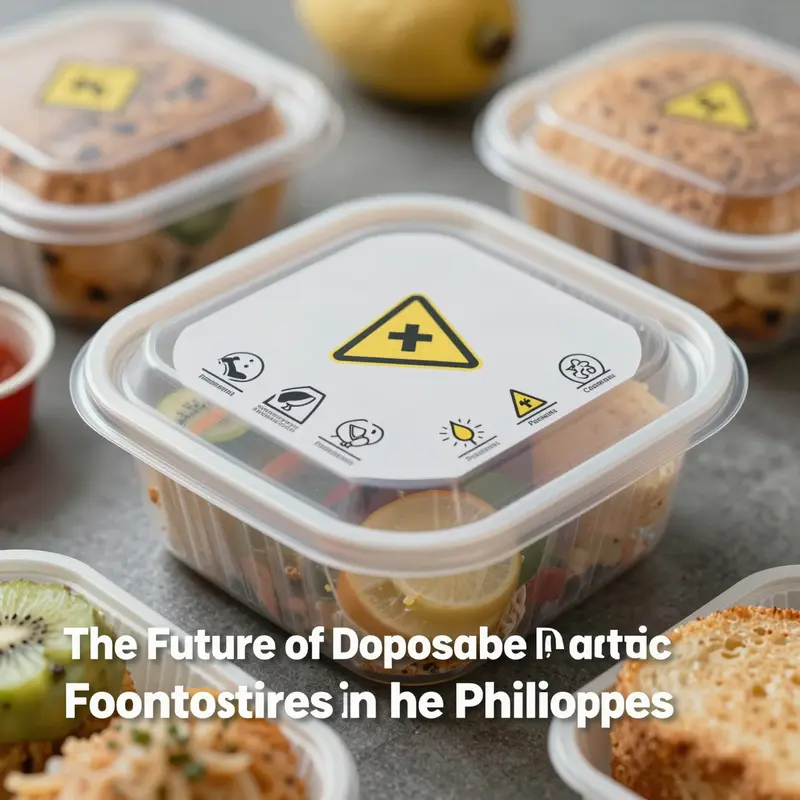
In the Philippines, disposable plastic food containers have become a routine fixture in kitchens, fast-food counters, and delivery ecosystems. They promise speed, affordability, and the reassuring aura of disposable convenience. Yet beneath that practicality lies a complex web of health concerns that researchers around Southeast Asia and beyond are only beginning to fully map. The chapter that follows weaves together what is known about chemical migration, microplastic release, and the broader toxicological signals that such packaging may convey to consumers who repeatedly rely on single-use options. Although direct, country-specific data for the Philippines remains relatively sparse, the broader body of evidence from neighboring regions and global reviews provides a sober lens through which to assess the local implications. The central tension is not merely about waste but about what touches the meals that fill plates and takeaways that fill hours: what migrates into food, what forms microplastics, and what that means for vulnerable groups who eat hot, fatty, or acidic foods from these containers on a regular basis. The answer, for policy-makers, businesses, and households, hinges on translating this science into cautious choices and practical changes without erasing the conveniences that modern food systems rely on today.
The question of chemical leaching is a persistent thread in the discussion of disposable plastics. When a container is heated, especially with hot soups, stews, oils, or acidic sauces, certain chemicals in the plastic can migrate into the food it holds. Plasticizers such as phthalic acid esters (PAEs) have historically been used to impart flexibility to many polymer blends. Their behavior in contact with food is not merely a theoretical concern; migration rates can fluctuate with temperature, fat content, acidity, and the duration of exposure. Public health assessments sometimes conclude that chronic daily intake levels sit below defined safety thresholds, yet these calculations rest on assumptions that may not hold for all populations. Children and pregnant individuals, who may consume meals more frequently or have different metabolic sensitivities, represent particularly cautious cohorts. In the bustling urban food landscape of the Philippines, where takeaway and home delivery are common, the cumulative exposure from frequent consumption of heated meals in disposable containers cannot be dismissed. The narrative shifts when one considers patterns of reuse. When containers are washed, refilled, or reused for subsequent meals, the opportunities for leaching can increase, especially if the containers have sustained micro-damages or have been subjected to repeated high-temperature exposures. In sum, chemical leaching is not a one-off risk; it is a dynamic process that aligns with how people eat and store food in everyday life, particularly in dense urban settings where meals travel from stall to home to office.
A second thread in this health discourse centers on microplastic release. Disposable cups and other single-use receptacles often built from polystyrene (PS), polypropylene (PP), or polyethylene terephthalate (PET) can shed tiny particles when subjected to typical use conditions. A pivotal study from 2026 specifically examined how temperature and ethanol—an alcohol proxy used in simulants for fatty or alcoholic foods—work together to enhance microplastic release. Under conditions of 70°C and 50% ethanol, PS cups released as many as 1,281 particles per liter, with surface degradation visible under electron microscopy and chemical shifts detectable by spectroscopic methods. The implication is not only the presence of microplastics in the surrounding environment but the potential for ingestion of these particles along with meals. While the health risks of microplastic ingestion continue to be debated and depend on particle size, shape, and the matrix of ingested materials, the precautionary principle argues for reducing exposure wherever possible. For a densely populated country with a maritime heritage and a coastline that interfaces with busy ports, the ramifications extend beyond individual health to ecological pathways. Microplastics can migrate through water systems, accumulate in soils, and ultimately re-enter the food chain. The Philippines’ vulnerability to such cycles is real, given the scale of single-use plastic usage and the environmental interconnectedness of land and sea.
Beyond the mechanical question of microplastics lies a toxicological constellation. Bisphenol A (BPA) remains a focal point for endocrine disruption concerns, particularly in containers that are heated or used with fatty or alcoholic foods. Even as some products advertise BPA-free labels, evidence from multiple studies shows that substitutes like BPS and BPF can elicit endocrine-disrupting effects and that certain plastics still release low levels of various hazardous chemicals, including styrene and formaldehyde, under routine use. The literature underscores a sobering reality: labeling alone does not guarantee safety, and the reality of “BPA-free” products does not automatically translate to a risk-free experience. Endocrine disruptors can have outsized effects on development, reproduction, and metabolic regulation, and while measurement of risk often involves population-level estimates, individual variability matters—especially for young children and pregnant individuals who may be particularly sensitive to hormonal perturbations.
Taken together, the chemical leaching, microplastic release, and toxic chemical detection narratives converge on a practical implication: the health risk associated with disposable plastic food containers is accentuated when hot, fatty, or alcoholic items are involved or when containers are reused beyond their intended single-use design. In the Philippine context—as takeaway culture magnifies and food delivery expands—the frequency and variety of exposure rise. This is not merely a theoretical hazard but a public health interface where everyday choices intersect with science, policy, and consumer behavior.
What does this mean for everyday life and governance? First, it reinforces the need for public awareness that safe labeling is not a catch-all guarantee. Consumers are right to seek products that emphasize food-grade materials and, where possible, BPA-free claims, but they should also be aware of the broader spectrum of chemicals that can migrate from packaging into food. Second, it points to a practical shift in how packaging is designed and selected for hot foods. In the marketplace, there is a growing interest in materials that minimize chemical migration and resist degradation under heat. Plant-based and biodegradable options like fiber-based or sugarcane-bagasse products offer a potential path toward reducing not only microplastic release but the broader toxicological footprint of packaging. While such materials still require rigorous safety and performance evaluations, their adoption signals a move away from dependence on petrochemical-derived plastics for hot-food applications.
Third, policy and industry responses matter just as much as consumer choices. City- and national-level strategies that curb excess plastic use can drive the adoption of safer, more sustainable alternatives. In practice, this means supporting standards for food-grade labeling, mandating clear disclosure of material compositions, and incentivizing the use of compostable or recyclable packaging where feasible. It also means presenting alternatives that do not impose a moral burden on ordinary households. For instance, biodegradable options that can be composted or reused containers that are designed for multiple uses can reduce the environmental and health burdens of single-use plastics, while preserving the convenience that modern food services rely on. Some practitioners in the sector have begun to pivot toward plant-based packaging solutions that align with environmental goals and consumer demand for safer products. For readers seeking tangible options in the supply chain, there are models of packaging that combine durability with lower contaminant risk. A concrete example in the current market is the use of kraft paper-based containers that are designed for take-away use, including options like kraft paper octagonal bowls with lids that support both safety and recyclability. Such packaging demonstrates how a shift toward fiber-based materials can maintain the user experience while mitigating some of the health and environmental concerns intrinsic to conventional plastics. For more context on available packaging formats that emphasize eco-friendly design, see the kraft paper octagonal bowl with lid offering linked here: https://cupbowlpack.com/product/senang-kraft-paper-octagonal-bowl-1200ml-waterproof-eco-friendly-disposable-salad-bowl-for-snack-cookie-warm-cold-food-pet-lid/).
Ultimately, the Philippines faces a dual imperative: address real health risks associated with disposable plastic containers and maintain the social and economic benefits that takeaway and food delivery provide. The path forward rests on a combination of better-informed consumer choices, transparent labeling, and supportive policy environments that accelerate the shift toward safer packaging technologies. It is not about abandoning convenience but about redefining it through materials and practices that reduce chemical migration, limit microplastic release, and protect the most vulnerable segments of the population while sustaining a vibrant, accessible food landscape. As researchers continue to refine exposure estimates and as pilot programs test safer alternatives, the public can engage with these developments through practical steps—selecting food-grade, BPA-free indications where available; favoring containers designed to minimize heat exposure; and supporting brands and vendors that invest in safer, recyclable, or compostable packaging streams. The synthesis of science, policy, and consumer behavior in this space will determine whether the Philippines can retain the benefits of modern food service while simultaneously lowering the risks embedded in everyday packaging. External resources that illuminate mechanistic insights and risk assessments—such as the 2026 study on temperature and ethanol’s role in microplastic release—offer a rigorous backdrop for ongoing conversations about how to reconcile convenience with health and environmental integrity: https://doi.org/10.1007/s11783-026-2153-5.
From Convenience to Consequence: The Environmental Toll of Disposable Plastic Food Containers in the Philippines
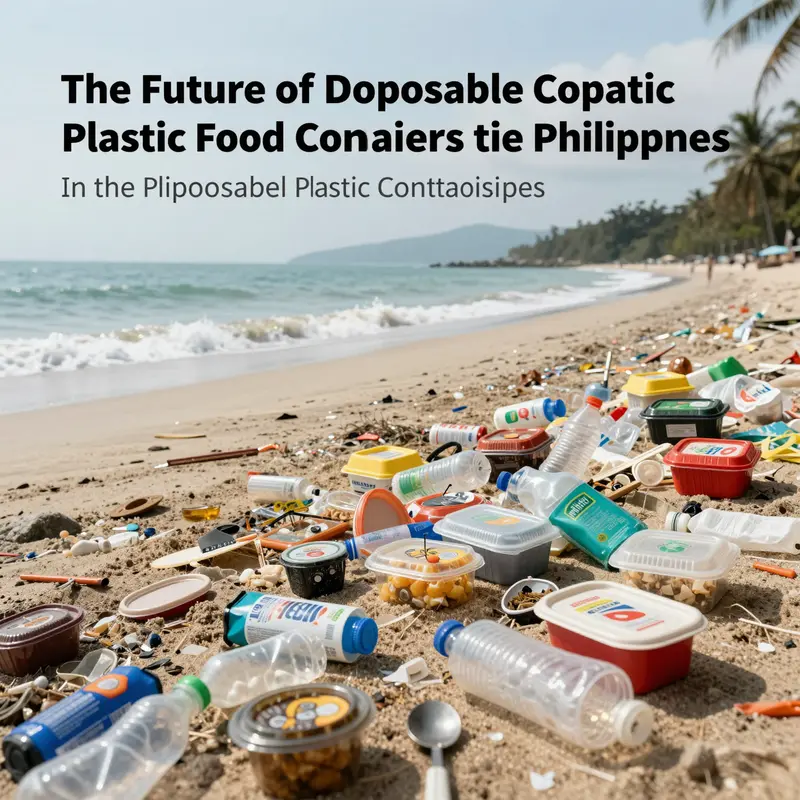
Disposable plastic food containers have become a fixture of everyday life in the Philippines, shaping how meals are prepared, stored, and transported. Their appeal lies in instant practicality and low cost, enabling street food vendors, restaurants, and home cooks to serve meals quickly and at scale. Yet beneath that immediacy lies a slow, persistent toll on the environment and, potentially, on public health. The very materials that make these containers light and cheap–polyethylene, polypropylene, polyvinyl chloride, and PET–also contribute to a growing stream of waste that outpaces waste-collection systems and recycling streams in many urban and peri-urban areas. The journey of a single-use container often ends far from its origin, drifting from street corners into drains, rivers, and, ultimately, the sea. In this sense, the problem is not only about clutter; it is about how a system designed for speed and convenience handles volume, durability, and end-of-life disposal. This durability is the core of the environmental concern. Most disposable containers do not easily degrade in natural environments or landfills. Their persistence fuels the sprawling headaches of solid waste management, a crisis decades in the making across the archipelago. In waterways and coastal zones, these plastics fragment into microplastics, which infiltrate the tiniest crevices of ecosystems and travel far beyond their origin points. The ecological consequences are multi-layered: the physical presence of plastics can smother habitats, alter sediment composition, and interfere with the feeding and reproductive behavior of marine organisms. When plastics break down into microplastics, they become part of the food web, challenging environmental health and complicating food safety for communities that rely on local seafood for sustenance and livelihoods. The visual emblem of this problem—a shoreline littered with bags, cups, and take-out boxes—often masks the more insidious micro-scale processes that perpetuate pollution long after visible waste is cleared. Health concerns, while sometimes debated in public discourse, rest on more concrete chemical realities. Some disposable containers can leach additives such as bisphenol A (BPA) or certain phthalates, especially when exposed to heat or fatty foods. Although regulatory standards vary, and many products now advertise BPA-free formulations, the possibility of chemical migration remains a real concern. When such substances migrate into food, particularly under high temperatures or oily conditions, they can disrupt endocrine function and pose risks to reproductive health and development over time. This is not merely a hypothetical danger; it is a reminder that the chain from container to consumer is a chemical corridor as well as a physical one. The precautionary principle becomes relevant: labeling products as food-grade and ensuring they are BPA-free helps, but informed choices from restaurants, retailers, and households are essential to reduce potential exposure. On the ground, awareness of these issues has been rising, yet behavior often lags behind knowledge. Studies conducted in places like Davao del Sur highlight a familiar tension: despite growing awareness of plastic pollution, single-use plastics remain deeply embedded in daily routines. Consumers may appreciate the problem in the abstract, but the day-to-day pressures of convenience, speed, and affordability can override long-term environmental considerations. This gap between awareness and action is not simply a failure of individual will; it reflects the design of systems and incentives. Take-out culture, catering logistics, and the economics of packaging can all reinforce dependence on disposable options. In other words, even as information circulates and communities mobilize for cleaner neighborhoods, the path of least resistance often remains the fastest route to a curbside bin. In response, both policy and community action are pushing toward a different trajectory. At the policy level, extended producer responsibility (EPR) frameworks encourage manufacturers to consider the full lifecycle of their packaging, from design to end-of-life management. Bans or restrictions on certain single-use plastics are not merely punitive measures; they aim to reframe packaging choices within a circular economy—one that favors reuse, repair, and recovery over disposal. The idea is to shift risk from purely consumer behavior to a shared responsibility across producers, retailers, and local governments. This approach aligns with broader environmental and social goals, including reducing litter, conserving resources, and protecting marine and terrestrial ecosystems that sustain livelihoods and food security. Alternatives to conventional SUPs are not merely theoretical. Business and community initiatives are increasingly turning to materials with lower environmental footprints, from plant-based fibers to reusable systems. In practice, this means a growing array of options for food storage and service that prioritize recyclability, biodegradability, or repeated use. For instance, plant fiber and bagasse-based containers, as well as durable, washable options, are becoming more visible in markets and food service settings. These shifts are not easily achieved overnight; they require supply chains to adapt, consumer habits to meaningfully change, and municipal services to develop appropriate collection and processing streams. The challenge is calibrating cost, performance, and environmental benefit so that sustainable options rival or outperform traditional disposables on every dimension—price, convenience, and reliability. From the consumer’s perspective, practical guidance remains essential. Choosing products labeled as food-grade and BPA-free provides a baseline of safety, but it is only part of the equation. The broader objective is to minimize lifecycle harm: select containers that are either reusable or made from materials designed for responsible end-of-life management, and support systems that facilitate proper disposal and recycling. When possible, opting for packaging that emphasizes recyclability or compostability, or that is designed for multiple uses, can reduce the cumulative impact of takeout and leftovers. The adoption of reusable containers in households and food-service settings can also cultivate habits that extend beyond a single meal, gradually reshaping consumption patterns toward sustainability. To illustrate how the packaging landscape is changing, consider the growing attention to alternative materials and design for circularity. Some vendors and institutions are experimenting with kraft paper-based options, which can offer improved end-of-life profiles when paired with robust recycling or composting streams. In practice, these alternatives are most effective when integrated within a coherent local waste management strategy that supports source separation, material recovery, and consumer education. A critical piece lies in accessibility: sustainable options must be affordable and readily available to both urban neighborhoods and rural communities to avoid creating a two-tier system of exclusivity versus environmental responsibility. The path forward, then, rests on weaving together consumer choices, corporate responsibility, and government action into a coherent narrative of sustainability. Extended producer responsibility, transparent labeling, and investment in recycling infrastructure can transform disposables from a symbol of convenience into a driver of circular economy practices. In the meantime, households and businesses can begin by reducing reliance on single-use containers, embracing reusable options where feasible, and seeking readily recyclable or compostable alternatives when possible. Such practices not only alleviate the immediate pressure on landfills and waterways but also help preserve the health of coastal ecosystems, fisheries, and the communities whose livelihoods depend on them. The narrative is not merely about preventing litter; it is about reimagining everyday packaging so that the convenience of today does not become the burden of tomorrow. For readers seeking tangible pathways to adopt more sustainable packaging in everyday life or in business operations, consider exploring available options for environmentally conscious containers and their compatibility with local disposal streams. This chapter has sketched a landscape where convenience and conservation can coexist, but true progress requires consistent choices, collaborative governance, and ongoing public discourse. As the country continues to grapple with plastic pollution, the conversation shifts from isolated acts of individual action to systemic changes that honor both human needs and ecological boundaries. In this evolving chapter of the Philippines packaging story, every container used or avoided becomes part of a broader calculation about resilience, health, and the future of the country’s coastlines and communities. External resource: https://pubs.acs.org/doi/10.1021/acs.est.3c04567
Guardians of the Plate: The Regulatory Landscape Shaping Disposable Plastic Food Containers in the Philippines
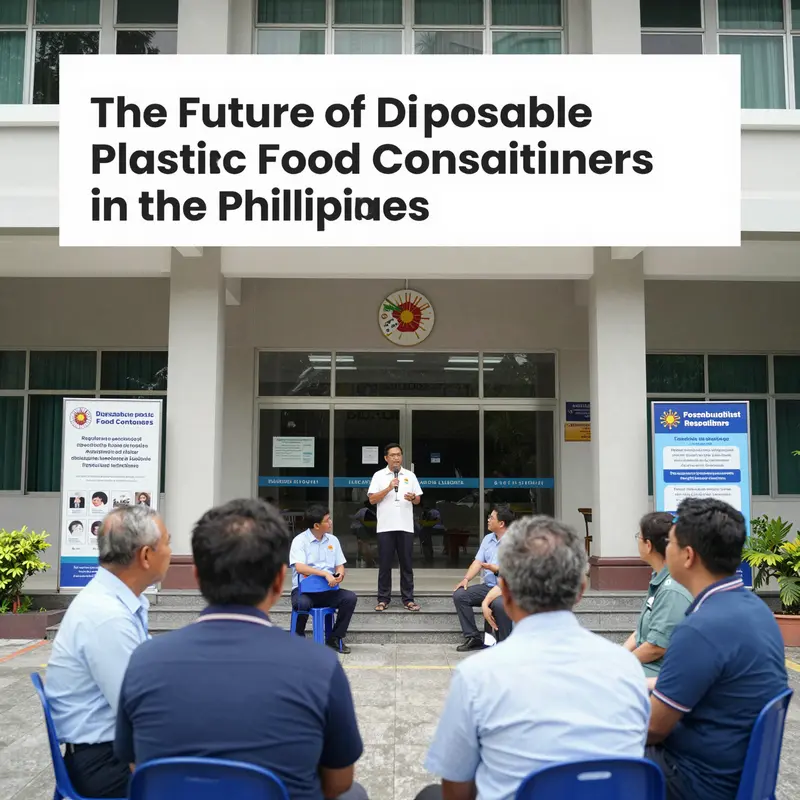
In the Philippines, convenience and affordability have long propelled the use of disposable plastic food containers. Yet beneath that practicality lies a growing consciousness about health risks and environmental damage. The regulatory response has aimed to temper demand for throwaway solutions while nudging markets toward safer and more sustainable options. This chapter follows that arc, tracing how policy has evolved from public-sector bans to national legislation and technical standards. It emphasizes how rules shape not only what is sold and used, but also what innovations count as acceptable in the sphere of food packaging. The broader purpose is to illuminate how governance can steer everyday choices without sacrificing the benefits that modern food service and home storage derive from disposable containers. Health, environment, and industry practice intertwine as regulators, businesses, and consumers navigate a shared challenge: keep food safe and logistics efficient while preventing waste and contamination from plastics in all its forms.
The first major regulatory stance to reverberate through government offices, and eventually through private enterprises, arrived in 2020. The government implemented a ban on single-use plastics in all government offices and agencies. This directive, issued by the Department of Environment and Natural Resources, targeted items such as plastic bags, straws, spoons, forks, and cups made from notably thin plastics. The threshold was precise: plastics with thickness less than 15 micrometers, and utensils under 0.2 millimeters, were disallowed in this public sector context. The aim was twofold—reduce solid waste and prevent leakage of plastics into the environment. This move did not merely remove a pile of disposables from desks; it signaled a broader commitment to rethinking packaging waste in a country where plastics pervade daily life. Public procurement policies began to influence private suppliers, nudging them toward alternatives that could meet both hygiene requirements and environmental goals.
A landmark moment followed in July 2021 when the House of Representatives passed House Bill No. 9147, commonly framed as the Single-Use Plastics Regulation Act. The bill proposed a staged withdrawal of single-use plastics, a plan that recognized the economic realities of the supply chain while outlining a clear path toward sustainability. Within one year, non-compostable items such as straws, stirrers, candy sticks, balloons, cotton buds, streamers, and confetti would be banned. A four-year phase-out would extend to a wider array of common disposables: plates, bowls, cups, lids, and plastic packaging or bags with a thickness below 50 micrometers. A crucial component of the legislation is the Extended Producer Responsibility (EPR) requirement, mandating that producers and importers establish and implement EPR programs within two years. This framework holds upstream actors accountable for end-of-life outcomes, pushing the system toward waste prevention and better recycling practices. The bill also included targeted exceptions, such as the use of labeled flexible plastic straws for individuals with special needs when no suitable alternatives exist. The emphasis on EPR reflects a shift from merely banning items to reconfiguring responsibility along the entire value chain. This shift is essential in a country where many small and medium-sized enterprises operate within a fragmented, diverse regulatory environment.
A newer layer to the regulatory landscape emerged in 2026 through technical regulation framed within the World Trade Organization’s TBT Notification system. The Department of Health released a draft regulation, G/TBT/N/PHL/355, focused specifically on food contact materials (FCA) used in pre-packaged processed foods. This development marks a transition from broad bans to targeted safety standards for materials that come into direct contact with food. The regulation seeks to tighten controls on substances that could migrate from packaging into meals, with heightened attention to plastics and the chemicals they may release under heat or in the presence of fats. The DOH approach aligns with a growing global emphasis on chemical safety in FCA, complementing existing health and environmental protections. It also signals a more granular regulatory environment in which the safety of everyday packaging is scrutinized, from the choice of resin to the compatibility of inks and coatings with food contact.
All of these regulatory moves sit within a broader legal framework designed to manage waste and promote accountability. The Ecological Solid Waste Management Act of 2000 provides the overarching policy architecture for waste reduction and management, while the 2022 Extended Producer Responsibility Act strengthens the accountability of manufacturers and importers beyond the point of sale. Yet enforcement remains uneven, particularly among micro, small, and medium-sized enterprises. Local government units tasked with implementing national policies often grapple with limited resources and varying capacities. The regulatory journey is thus not merely a series of prohibitions; it is a continuous negotiation among national standards, local implementation, and practical feasibility for countless small operators who rely on disposable packaging to feed a bustling economy.
From a health perspective, the regulatory emphasis on FCA reflects concerns about chemical migration into foods, especially under high-temperature conditions or with fatty, oil-rich items. While not all disposable containers contain hazardous additives, some materials historically disclosed bisphenol A (BPA) or phthalates, substances known to interfere with endocrine function when exposure accumulates over time. The presence and migration of such chemicals depend on the type of plastic, the food’s composition, and the conditions of use, such as heating or prolonged contact. In this context, labels and certifications become practical signals for consumers seeking safer choices. “Food-grade” labeling and the absence of BPA or other harmful additives can guide better decision-making, albeit with the caveat that regulatory enforcement and clear, uniform labeling remain essential.
Industry adaptation follows closely behind policy. Producers and importers are now expected to develop and implement EPR programs and to explore packaging options that meet evolving FCA standards. The supply chain increasingly favors materials with lower environmental footprints and stronger end-of-life options. Plant-based alternatives, such as sugarcane bagasse or bamboo fibers, are gaining traction as compostable or reusable options, while reusable containers are marketed as long-term savings for restaurants and households alike. However, the regulatory advantage of a better option depends on a functioning waste-management infrastructure capable of handling compostable and recyclable streams. Without industrial composting facilities or robust recycling networks, some materials marketed as “biodegradable” may fail to deliver their promised environmental benefit. This nuance frames a broader lesson for policymakers and business leaders: regulations must be matched with practical capacities on the ground to avoid misaligned incentives.
The evolving landscape also shapes consumer behavior in subtle but meaningful ways. People who routinely rely on takeout and ready meals encounter a recurring decision—accept a disposable container or seek alternatives, possibly at the expense of convenience. The public health and environmental rationales behind regulation encourage a shift toward reusable or easily recyclable packaging, underscored by clear labeling and accessible recycling channels. In households, this translates into opting for containers that are not only safe in terms of food contact but are compatible with local waste systems. It also means supporting policies and products that align with a circular economy vision, where materials circulate rather than accumulate as waste. In this sense, the regulatory journey is not merely about forbidding certain plastics; it is about expanding the repertoire of viable packaging choices and making the right option the easiest one for every stakeholder.
As policy continues to mature, stakeholders can turn to practical resources that bridge regulation and everyday practice. For those seeking tangible alternatives, one example category emphasizes eco-friendly packaging options that balance usability with environmental considerations. This is the kind of packaging that can help restaurants meet regulatory expectations while satisfying customers who value sustainability. For readers curious about specific packaging formats in markets that are shifting toward greener solutions, you can explore examples such as eco-friendly paper ice-cream cups with lid. This link illustrates how design can align with safety and environmental goals, a reminder that compliance and innovation can reinforce each other.
Nonetheless, the regulatory path remains dynamic. The DOH FCA regulation and the broader EPR framework point toward a future in which packaging choices reflect both health risk controls and sustainable waste outcomes. The challenge lies in harmonizing national standards with local enforcement capabilities and in ensuring that effective alternatives are accessible to all segments of the economy. For those who want to verify current guidance on the safety of food contact materials, official resources offer the most reliable information. For authoritative guidance, see the Philippine Food and Drug Administration’s resources on food contact materials. https://www.fda.gov.ph/food-contact-materials
Rethinking Takeout: Sustainable Pathways for the Philippines’ Disposable Food Containers
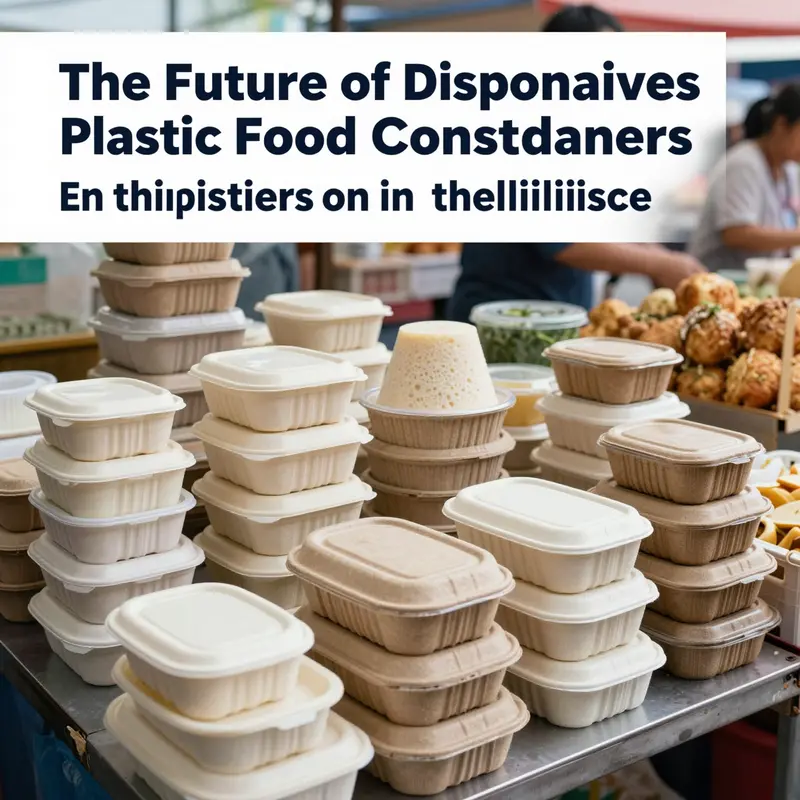
In a country where street-front eateries, food stalls, and delivery apps knit daily life together, the convenience of disposable plastic food containers has long shaped how people eat on the go. The plastic packaging system grew with demand, keeping meals hot, sauces contained, and orders organized from kitchen to curb. Yet the same systems that speed meals to plates are leaving a heavy footprint on cities, rivers, and coastal ecosystems. This chapter traces a coherent arc from problem to practical responses in the Philippines, where innovation is increasingly paired with policy and culture to replace or reimagine disposable plastics without sacrificing safety or affordability. The shift is not merely environmental; it is a recalibration of trust between producers, vendors, and the public, grounded in both local ingenuity and global lessons about a circular economy.\n\nA central thread in the current transition is the rise of compostable vacuum-seal bags. These plant-based materials, often derived from cornstarch or cellulose, promise a way to preserve freshness while keeping a clear end-of-life pathway in composting environments. For meats, vegetables, pre-cooked dishes, and even baked goods, these bags offer a versatile replacement for cling film and conventional plastic wraps. In practice, small food businesses and households across Manila and Cebu are experimenting with this approach, seeing reduced single-use plastic waste without compromising food safety. The bags’ compatibility with refrigeration and short-term storage makes them particularly suited to bustling urban workflows, where speed and hygiene must co-exist with environmental responsibility.\n\nAdoption, however, is not without hurdles. Compostable materials require appropriate composting infrastructure and consumer participation—bins must be accessible, and there must be clear guidance on what can and cannot be composted. These realities underscore a broader truth: sustainable packaging is most effective when it is supported by a functioning waste-management system and a culture of proper disposal. In tandem with compostable bags, there is growing interest in reusable options that can withstand day-to-day use. Bamboo and stainless steel food containers have gained traction as durable, non-toxic vessels for takeout, leftovers, and meal-prep routines. Bamboo, a fast-renewing resource, brings a light, natural aesthetic and a degree of antimicrobial property that appeals in food-contact applications. Stainless steel, by contrast, offers rugged durability and broad heat tolerance, making it attractive for hot foods and long commutes. Local artisans and eco-conscious brands are responding to demand with designs that honor Filipino craftsmanship—shapes, textures, and colors that resonate with homegrown identity while delivering long-term value.\n\nBeyond these modern materials, a revival of traditional packaging concepts has gained momentum. Coconut shells cleaned and shaped into bowls or plates and banana leaves used as natural wrappers fuse cultural heritage with compostability. The coconut shell, when properly treated, provides a sturdy option for serving and dining while banana leaves offer a fragrant, water-resistant wrap that breaks down naturally after use. These approaches are more than nostalgia; they align with regional ecosystems and climate realities, offering practical pathways for small-scale—yet scalable—solutions. In markets and family-run kitchens that prize authenticity, such materials can also elevate the dining experience, providing a tactile connection to the islands’ abundant biodiversity. The stronger message here is not to discard modern innovations in favor of tradition, but to blend both where appropriate, crafting packaging ecosystems that are as diverse as the food they hold.\n\nPublic policy and civil society play crucial roles in accelerating these shifts. The Philippine government has signaled a clear intent to phase out certain single-use plastics and to encourage greener packaging alternatives. When local or national authorities set expectations for reduction, they create a market signal that motivates businesses to adopt compliant, safer, and more sustainable packaging solutions. Simultaneously, campaigns led by environmental groups and community organizers elevate consumer awareness about what is in packaging and what happens after use. The emphasis on labeling—see the callouts for BPA-free and food-grade materials—helps shoppers make informed choices, reinforcing demand for products that minimize health risks and environmental harm. In this regard, the convergence of policy, industry, and informed citizens is essential to building a resilient packaging system that can withstand the pressures of a growing economy.\n\nThe journey is not merely about swapping materials; it is also about rethinking logistics, supply chains, and design. For many vendors, switching to compostable or reusable options requires careful budgeting and operational adjustments. Yet the economic logic can still be favorable when lifecycle costs are considered. A reusable bamboo or stainless steel container, for instance, may have a higher upfront price, but its repeated use reduces ongoing packaging purchases, waste handling costs, and disposal fees. In addition, such containers can be designed for easy cleaning, compact stacking, and durable performance in temperature extremes, ensuring compatibility with hot meals and chilled storage alike. Companies that embrace these features often partner with local craftsmen, turning packaging into a channel for community employment and skill development. The environmental dividend—reduced waste, lower pollution, healthier ecosystems—has the practical effect of lowering public health and cleanup costs in the long run.\n\nThe dialogue around sustainable packaging in the Philippines is also culturally nuanced. Food holds a central place in social life, family gatherings, and celebrations. Packaging solutions thus must be adaptable to social norms, kitchen practices, and the urban-rural continuum that defines much of the country. A packaging system that respects local meals, cooking methods, and sharing customs will be more readily accepted and widely used. To this end, collaborations with educational institutions, cultural organizations, and designers help ensure that materials and forms reflect local taste without compromising safety or environmental goals. For example, a modular approach to container design can accommodate a range of meal sizes—snacks, rice bowls, soups, and shared dishes—while retaining interchangeability of lids and separators for food integrity.\n\nThe practical implications of these shifts show up in everyday decisions. When a vendor consciously opts for a bag or container with a clearly labeled end-of-life option, customers are more likely to participate in proper disposal or reuse. Likewise, when a delivery driver uses a stackable, durable container system, fuel efficiency improves through reduced packaging waste and easier handling. The synergy between households, restaurants, and delivery networks is essential for real-world adoption. An informal loop forms: consumers demand greener packaging, businesses respond with innovative materials, and policymakers reinforce these choices with sensible regulations and incentives. This loop, while imperfect, creates momentum toward a packaging ecosystem that is lighter on the environment and stronger on public health protections.\n\nIn this evolving landscape, the choice of internal resources matters. Readers are invited to explore eco-friendly options anchored in local supply chains and cultural fit. For those seeking practical examples of available packaging solutions that align with sustainability goals, a representative option centers on kraft paper-based products with water-resistant properties and lids that accommodate a variety of foods. These containers illustrate how a simple shift in materials can deliver meaningful gains in recyclability and compostability without sacrificing usability. The idea is not to force drastic changes overnight but to enable a gradual transition that communities can adopt with confidence and pride. Individuals, cafes, and meal-prep outfits can begin by testing small-scale replacements, tracking waste reductions, and sharing learnings with networks to spur broader uptake. In time, these incremental steps accumulate into a national shift toward packaging that respects health, livelihoods, and the sea that sustains much of the country.\n\nFor further exploration of community-led, compostable packaging movements and the policy context driving them, see the resource linked here: eco-friendly kraft paper salad bowls with lids. This kind of resource illustrates how design choices can support local economies while reducing plastic waste.\n\nExternal resource for deeper context: Greenpeace Philippines discusses the broader plastic waste crisis and the rise of compostable alternatives, providing a critical, global perspective on where the Philippines fits within this movement. For readers seeking a broader understanding of the environmental stakes and policy responses, see https://www.greenpeace.org.ph/2026/02/15/philippines-plastic-waste-crisis-and-the-rise-of-compostable-alternatives/.
Final thoughts
The exploration of disposable plastic food containers in the Philippines reveals a complex interplay of economic benefits, health risks, and environmental implications. As the demand for convenience intensifies, it is essential for businesses in the food industry to be aware of the potential repercussions of their choices. Regulatory changes are encouraging a shift towards more sustainable practices, making it imperative for food service providers to consider viable alternatives. By prioritizing health-conscious and environmentally friendly options, businesses can not only comply with regulations but also gain a competitive advantage in a progressively eco-aware marketplace. The decisions made today will shape the future of our food systems, benefiting both the community and the environment.