
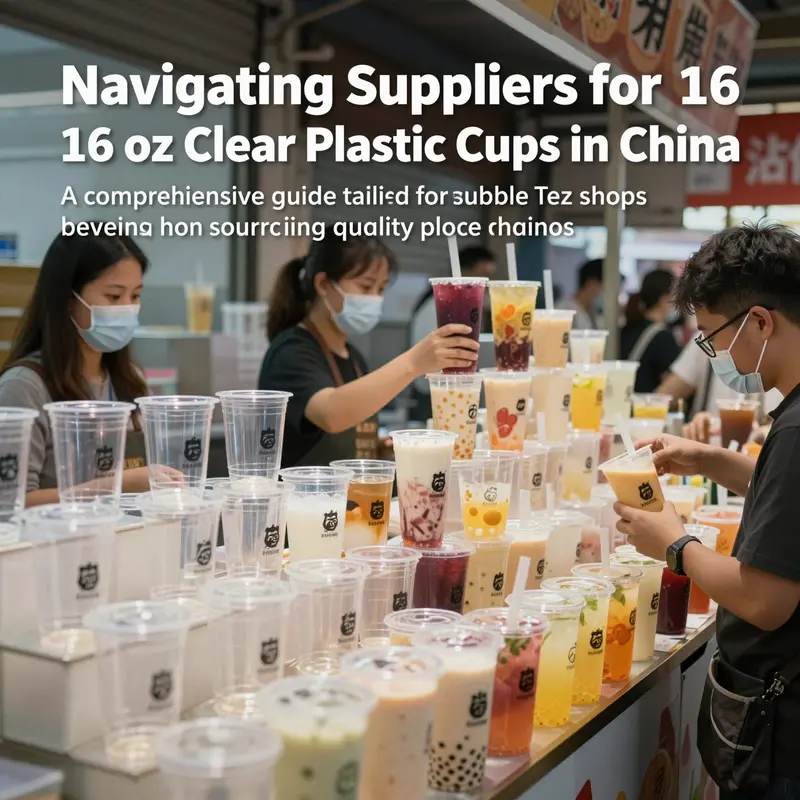
In the growing market of bubble tea and other beverages, the demand for quality packaging is paramount. 16 oz clear plastic cups, ideal for serving a variety of drinks, have gained traction for their convenience and visual appeal. This article dives deep into the landscape of suppliers in China, particularly focusing on regions renowned for their manufacturing capabilities. From understanding the key features of these cups to the regulatory frameworks that ensure safety, each chapter unveils crucial aspects to consider while sourcing. Furthermore, logistics and delivery options play a significant role, and the final chapter encapsulates best practices to maximize your procurement strategy. Together, these insights will equip you to make informed decisions when choosing suppliers.
From Factory Floor to Global Tables: Unraveling China’s 16 oz Clear Plastic Cups Supply Network
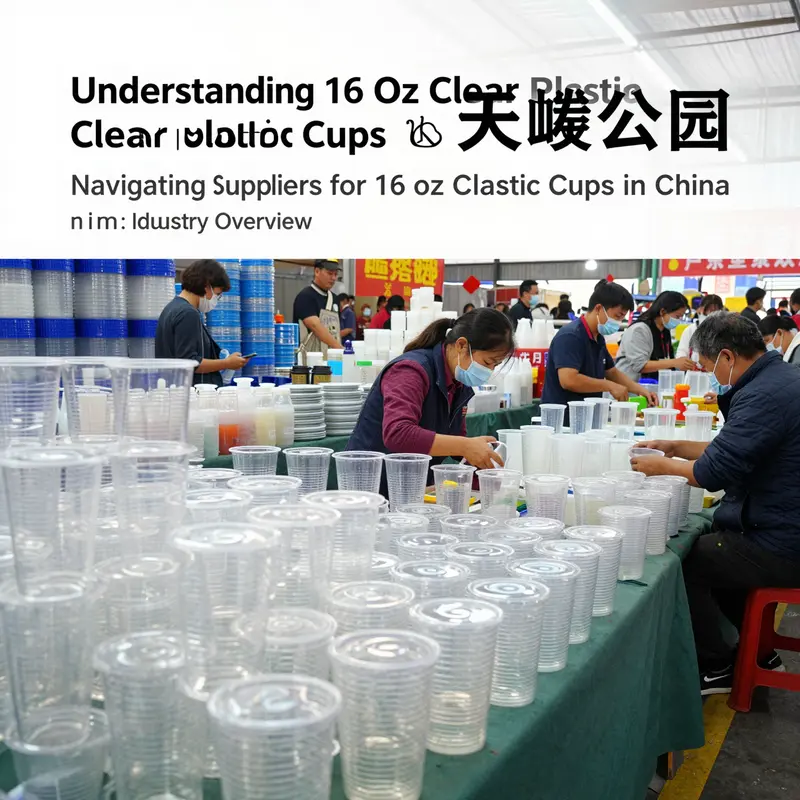
The global appetite for 16 oz clear plastic cups with lids has surged in recent years, driven by the expansion of food delivery platforms, the growth of convenience retail, and the omnipresence of on-the-go consumption. China sits at the very center of this ecosystem, not merely as a producer but as a complex, interconnected network that weaves together resin sourcing, precision molding, automatic sealing, and in-house printing. The strength of this network lies in scale and speed: the same cluster can turn raw resin into finished, printed, and packaged cups with astonishing turnaround times, a capability that international buyers have come to rely on as demand patterns swing between peak seasons and promotional campaigns. It is a system designed for large-volume orders, but it is also adaptable enough to accommodate customization that helps brands stand out in crowded beverage aisles and social feeds alike. In exploring this landscape, the focus naturally shifts to the heart of the matter: the materials that define performance, the manufacturing flows that guarantee consistency, and the verification processes that keep safety and compliance in clear view as orders move across oceans and time zones.
A defining feature of the industry is material diversity. The most common choices are clear, food-grade polymers such as PET and PP, each selected for a particular balance of clarity, rigidity, heat resistance, and cost. PET cups shine with superior transparency and stiffness, making them ideal for cold beverages that benefit from a pristine, glass-like appearance. PP cups, by contrast, offer greater resilience under temperature fluctuations and can tolerate a wider range of lid designs and sealing methods. These core materials are complemented by newer, more sustainability-minded options such as bio-based or compostable alternatives, including PLA blends. While PLA and similar materials appeal to brands with explicit environmental goals, their performance characteristics—such as heat tolerance and the rate of biodegradation—can differ from conventional PET and PP, requiring careful process control to maintain appearance and integrity through the product’s life cycle.
Beyond the chemistry, the real architecture of the market emerges in the manufacturing clusters that span several provinces. Guangdong, Zhejiang, Sichuan, and Jiangsu host facilities that have matured into vertically integrated operations. In these hubs, resin processing, injection molding, sealing, and even in-house printing can occur within a single supply chain, drastically shortening lead times and reducing the risk of miscommunication between stages. Such integration supports fast changeovers when a buyer requests new logos, different lid configurations, or a shift in capacity from 16 oz to other popular sizes. It also improves quality control, since a single entity can implement and monitor the entire process from resin sourcing to final packaging, ensuring that every cup adheres to the same standards. The result is a production rhythm that can deliver large shipments within a 15 to 30 day window, a cadence that resonates strongly with buyers who operate on tight inventory cycles and need dependable replenishment after promotional peaks.
The production sequence itself is a study in precision. It begins with resin delivery and preform processing, followed by highly automated injection molding that shapes the cups with uniform wall thickness and precise lip geometry. Next comes the sealing phase, where lids are matched to cups with tight tolerances to prevent leaks while preserving user ease. In parallel, in-house printing units apply branding, regulatory marks, and any required color treatments, allowing a single supplier to deliver a fully branded package ready for shipping. This end-to-end approach is especially valuable for coffee shops, bubble tea outlets, and fast-casual chains that rely on consistent cup aesthetics along with reliable performance under cold and hot conditions. For buyers who seek further customization, many manufacturers offer an array of lid types—including flat and vented designs—and flexible capacity options that can be tuned to regional preferences and menu formats. The result is a shopping experience that blends efficiency with bespoke branding, a combination that helps brands maintain visual consistency across global markets while enjoying predictable lead times.
From a safety and compliance standpoint, the focus remains on materials provenance and testing. Buyers increasingly insist on clear evidence that resins are sourced responsibly and that finished cups meet stringent food-contact standards. Certifications and third-party testing reports—covering BPA-free claims and migration tests for pigments and additives—are essential. Regulatory references such as FDA, LFGB, and EU standards commonly appear in supplier qualifications, ensuring that cups used for beverages destined for Western markets carry recognized compliance footprints. The industry’s diligence does not stop at the cup itself; credible suppliers maintain traceability from resin lot to finished batch, supporting batch-specific testing and documentation that supports recalls or quality investigations. This emphasis on traceability aligns with a broader shift toward supply chain resilience, where verifiable quality data helps buyers manage risk in a global procurement environment characterized by sporadic freight disruptions and evolving regulatory expectations.
A critical, often underappreciated advantage is the strategic use of digital procurement channels. Accredited buyers routinely explore established B2B platforms to identify potential partners, cross-check capabilities, and request samples. These platforms provide protections such as payment guarantees and factory verification programs, which help offset the uncertainties of cross-border sourcing. For brands planning long-term relationships, a robust evaluation framework becomes indispensable. Buyers look for verified food-grade credentials, BPA-free declarations, and third-party test results. They also assess minimum order quantities with a view to flexible scaling, and they demand transparent quality control processes, including online quality inspections and batch traceability. Equally important is the after-sales landscape: timely responses to quality issues, clear return or replacement policies, and ongoing support for customized packaging and color-matching.
The clustering advantages feed directly into logistics, which is where scale, geography, and time converge. Producers situated near major ports—such as those in prominent coastal hubs—can efficiently route containers via established shipping lanes, often offering flexible options for full container loads or less-than-container loads. This proximity reduces freight risk and translates into shorter lead times for buyers who need rapid replenishment. For international buyers, the interplay between port infrastructure, container availability, and domestic distribution networks in the producing country is a critical determinant of total landed cost and schedule reliability. In short, the cluster model not only accelerates production but also underpins predictable delivery.
This landscape also informs how buyers approach supplier selection. A thoughtful process starts with a clear map of requirements: temperature range, crack resistance, clarity, and branding capabilities, followed by a verification of certifications and a review of the supplier’s ability to maintain consistent output under peak demand. Where possible, buyers should seek to minimize risk through onsite factory audits, sample shipments for color and print accuracy, and a defined communication protocol that ensures change requests are handled swiftly. More than price alone, the decision hinges on a supplier’s capacity to integrate resin sourcing, molding, sealing, and printing in a single, well-managed workflow, coupled with a demonstrable commitment to safety, reliability, and service.
Within this framework, an example of the kind of resource a buyer might consult is a supplier profile that showcases customizable, food-grade cups ready for branding and packaging. A practical entry point is a product page that presents multiple options for volume, lid types, and branding capabilities, often accompanied by documentation on food-contact safety and batch traceability. For buyers who want to explore further, one internal reference worth noting is a supplier’s dedicated product page that highlights a range of sizes and customization features, including options for different lid configurations and packaging formats. This kind of resource helps buyers compare capabilities quickly while maintaining a consistent quality standard across orders. See here for an example of such a customization-ready product page: senang05-food-grade-500-750-1000ml-take-away-bowl-with-lids-packing-food-single-wall-fast-food-salad-bowls.
As buyers continue to navigate this dynamic market, the knowledge gathered from industry clusters, material choices, and compliance practices informs smarter partnerships. The convergence of scale, control, and customization—the three Cs—defines how a supplier in China can reliably meet the needs of global beverage brands while maintaining price discipline and delivery discipline. The 16 oz clear plastic cup, simple in concept yet complex in execution, becomes a focal point for assessing manufacturing maturity, supply chain resilience, and the ability to translate a brand’s visual identity into a tangible, user-friendly product that travels from a factory floor to a consumer’s hand. For readers seeking broader context beyond the supplier landscape, a detailed external overview of the market can be explored here: https://www.made-in-china.com/products/16oz-clear-plastic-cups.
Crystal Clarity and Global Reach: The Hidden Architecture of China’s 16 oz Clear Plastic Cups
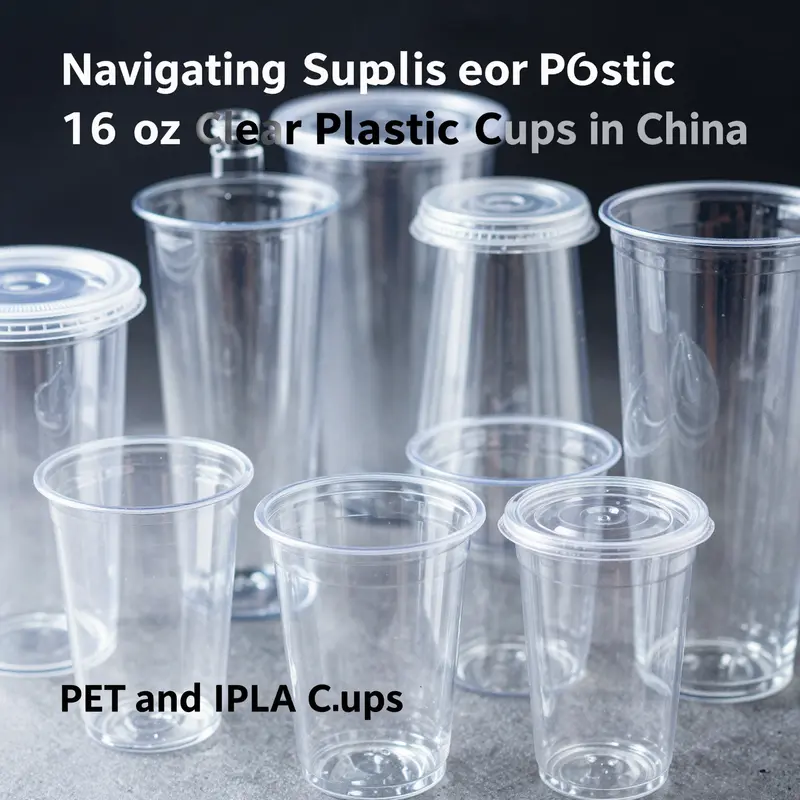
Beverage presentation hinges as much on the eyes as on the palate. A 16 oz clear plastic cup does more than hold a drink; it frames color, texture, and aroma, turning a simple pour into an experience. In practice, the supply ecosystem behind these cups in China reveals an intricate choreography: a dense network where resin processing, injection molding, and precision printing come together with logistics that move mass-produced confidence from inland factories to distant markets. The most dynamic production clusters sit in the heartland of manufacturing—regions that have grown around a shared language of quality control, scale, and speed. Guangdong, Zhejiang, Jiangsu, and even Sichuan benefit from mature downstream ecosystems where suppliers not only produce cups but also handle the entire value chain, from resin to ready-for-ship packaging. Near-port access in cities with robust port infrastructure means standard production cycles typically run between 15 and 30 days, and shipments can be organized as full container loads or smaller, flexible LCL arrangements. This combination of integrated capabilities and logistical flexibility underpins a steady rhythm in the global trade of 16 oz clear cups, allowing buyers to source at scale without compromising on clarity or performance.
Material quality remains the cornerstone of the cup’s appeal. The majority of these cups are molded from high-grade PET, prized for its exceptional clarity, crack resistance, and the tactile feel that makes beverages look as good as they taste. When filled with a milk tea, iced coffee, or a chilled fruit blend, the cup’s crystal-like transparency elevates the drink’s visual profile, inviting curiosity and purchase intention. The market often advertises cups as “super clear” or “crystal clear,” a designation that signals not just appearance but predictable performance under cold temperatures and repeated handling. While PET cup aesthetics drive demand, the conversation frequently broadens to include alternative materials. Polypropylene (PP) remains common for certain lines, particularly when the need for slightly thicker walls or different rigidity profiles arises. More environmentally oriented buyers are turning to biobased options, such as those made with PLA or other compostable blends, which can align with sustainability goals while preserving the essential clarity that customers expect from a premium beverage presentation.
Alongside material choices, the ability to customize is a defining advantage for buyers who deploy these cups in retail, coffee shops, bubble tea chains, and dessert-focused outlets. Chinese suppliers have built a mature customization ecosystem that covers branding, print decoration, and practical add-ons. Companies often offer logo imprints, color accents, and a wide array of lid types—from flat lids to domed or vented variants—to accommodate different serving styles and consumer experiences. Importantly, customization is frequently paired with practical service terms; some manufacturers provide free samples with customized logos within a tight window after payment, helping brands validate appearance and fit before committing to mass production. This convergence of customization with quality control enables brands to preserve a consistent identity across thousands of outlets while maintaining functional integrity in crowded, high-turnover environments.
Warranty of safety and compliance is another critical pillar. Reputable suppliers in this space commonly hold certifications such as ISO 9001 for quality management and may present additional attestations like CE or FSC marks, depending on the specific material stream and end-use. For cups intended for markets with stringent regulatory expectations, the presence of FDA compliance statements or EU REACH/ROHS declarations offers a clear signal that the cups meet the standards required for food contact. These certifications help reassure retailers and food service operators that the cups comply with recognized safety benchmarks, reducing the risk of regulatory disruptions in cross-border sales. In practice, buyers often supplement supplier assurances with third-party test results, especially those related to BPA-free status and migration tests, to confirm long-term safety when hot beverages or long hold times are involved. The net effect is a procurement dynamic in which visual appeal, material integrity, and regulatory peace of mind converge, reinforcing buyer confidence in large-scale orders.
Logistics and reliability complete the triad of considerations for sourcing. The proximity of production hubs to major ports along China’s eastern seaboard translates into predictable lead times and efficient freight arrangements. Standard cycles of 15–30 days accommodate both full container shipments and mixed loads, with the option to consolidate orders for buyers pursuing regional distribution. Quality control is typically embedded in the manufacturing process, with batch-level traceability enabling fast response if a defect is detected. Given the scale of demand for 16 oz cups—whether for a national coffee chain, a regional bubble tea network, or a dessert concept seeking a consistent single-serve format—the ability to maintain a steady supply while managing a broad spectrum of customization requirements is a decisive advantage. It is this orchestration—materials, customization, compliance, and logistics—that best explains why China remains a dominant supplier for crystal-clear cups on the global stage.
For buyers navigating procurement on a platform that aggregates hundreds of suppliers, the decision often boils down to trust and process. A practical approach emphasizes due diligence: ensuring food-grade credentials are clearly documented, BPA-free declarations are supported by independent testing, and the minimum order quantities are compatible with the buyer’s scale and cash flow. Online evaluation tools and factory audit options help build assurance beyond a single sample. The most effective sourcing programs also recognize the importance of flexible MOQs, reliable online quality checks, and transparent batch-traceability records, all of which reduce the risk of misaligned expectations as orders grow from pilot runs to multi-million-unit campaigns. A well-structured procurement framework might combine supplier verification, sample testing, and staged production ramps, thereby preserving brand integrity during rapid expansion while preserving cost advantages that come with bulk manufacturing.
In the longer arc of global trade, buyers increasingly seek not only a product but an ecosystem. The ecosystem is shaped by the ability to provide eco-friendly options alongside traditional PET cups, to offer design flexibility without sacrificing performance, and to present verification evidence that supports compliance across diverse regulatory environments. The conversation around sustainability now includes recyclable and fluorinated-free options, as well as recyclable PP variants and PLA-based lines where suitable. Suppliers who can align these options with brand sustainability goals—without compromising clarity or mechanical strength—earn greater partner credibility. The market is moving toward a holistic packaging proposition, where a cup is part of a broader story about responsible sourcing, circular economy principles, and consumer trust.
As buyers weigh these considerations, they often encounter a spectrum of related offerings that complement the cup’s primary role. For instance, packaging and display solutions that emphasize the same level of clarity and customization can be integrated into the procurement plan, ensuring cohesive brand storytelling from the cup to the lid and beyond. For readers exploring related packaging avenues, a relevant reference that discusses eco-friendly clear plastic packaging options can provide additional context and practical ideas for extending the same design language across multiple product formats. eco-friendly clear plastic packaging options.
Finally, for ongoing supplier verification and to access a broad catalog of verified Chinese suppliers, many buyers reference dedicated procurement portals that host detailed product specifications, certifications, and performance data. These platforms are designed to reduce information gaps and streamline negotiation, especially for buyers seeking to scale rapidly while maintaining the highest standards of safety and consistency. The result is a procurement loop where clarity in the cup’s material and presentation surfaces is matched by clarity in the sourcing process itself. As the market evolves, the ability to couple crystal-clear cups with compliant, sustainable choices and precise logistics becomes a key differentiator for brands that want their beverages to shine on shelves and in cups alike.
External resource for broader context on supplier verification and product standards can be found at Made-in-China, which aggregates supplier profiles, product specs, and certification documents to support informed purchasing decisions. For a direct overview, see the platform’s dedicated page on 16 oz clear plastic cups.
Contours of Compliance: Navigating the Regulatory Landscape for 16 oz Clear Plastic Cups from China
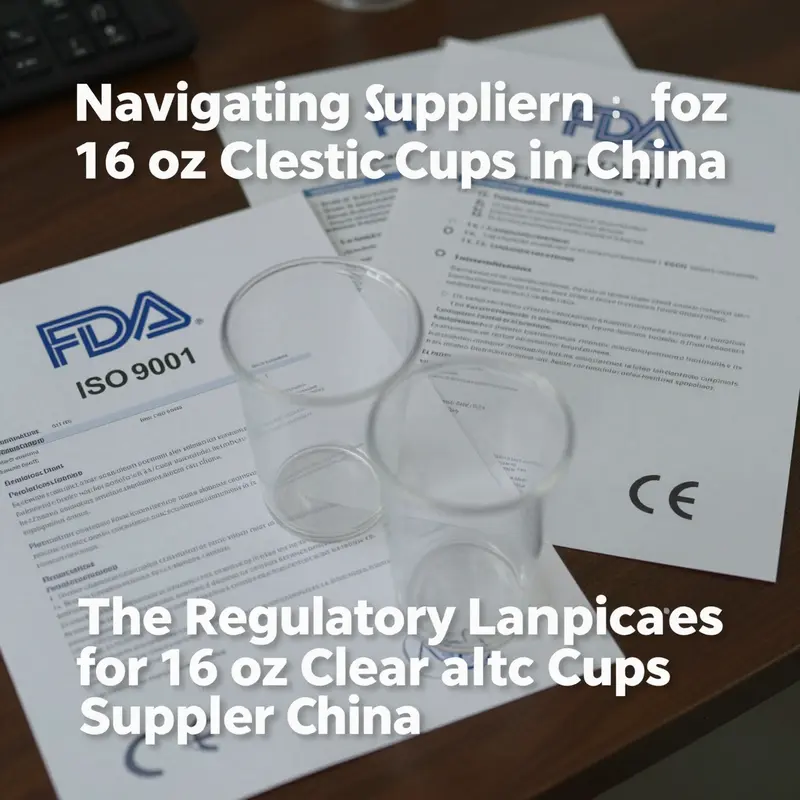
The global demand for 16 oz clear plastic cups has elevated regulatory scrutiny to a level where compliance is not merely a checkbox but a shared operating condition for suppliers, manufacturers, and buyers. In China, the regulatory landscape for these cups is shaped by a layered architecture that blends domestic safety standards with international expectations and a growing emphasis on sustainability. Chinese producers have long stood at the forefront of rigid plastic packaging exports, and today they must demonstrate consistent safety, transparency, and environmental stewardship to maintain access to markets that span from North America to Europe. The result is a dynamic ecosystem in which quality systems, chemical controls, and lifecycle considerations operate in a delicate balance with cost, lead times, and customization options. This balance is especially evident in the regions where production is most concentrated, such as the coastal and industrial hubs, where proximity to ports accelerates large-volume shipments while simultaneously inviting closer regulatory attention from global customers who insist on verifiable compliance and robust traceability.
At the core of safety, the most immediate concern for clear PET-based cups is food-contact suitability. Domestic rules, such as those governing migration limits and materials intended for contact with edible and beverage contents, require suppliers to demonstrate that trace substances migrate within approved thresholds. In China, this typically translates to adherence to standards that govern polymer matrices and their behavior under typical beverage conditions. Beyond the home regulatory framework, many leading manufacturers secure internationally recognized certifications, including ISO 9001 for quality management and global food-safety attestations that facilitate access to overseas markets. While individual certificates do not automatically guarantee cross-border acceptance, they collectively signal a systemized approach to production, inspection, and documentation that buyers increasingly expect as a baseline for risk management. The integration of such certifications into everyday operations is not incidental; it reflects a broader industry trend toward harmonization with international norms so that products can travel efficiently through multiple jurisdictions without revalidation at every border.
Chemical safety, in particular, has moved from a checklist item to a central lens through which suppliers are assessed. The modern consumer packaging landscape is attentive to substances of concern, including phthalates and bisphenol A (BPA), even when these compounds may be restricted or banned only in certain markets. Compliance, therefore, is about transparency as much as prevention. European and North American buyers, guided by REACH and related regional frameworks, expect documentation that reveals the chemical makeup of the cups and evidence that all additives meet high standards of safety. In practical terms, this means MSDS (material safety data sheets), batch-level test reports, and third-party verifications that confirm a product’s claim to be BPA-free and free from substances designated as SVHCs (Substances of Very High Concern). In doing so, suppliers demonstrate not only regulatory alignment but a commitment to continuous improvement in material science. The resulting data trails—migration test results, compositional declarations, and compliance certificates—become a form of competitive advantage, enabling brands to reduce risk as they scale their beverage offerings across markets with distinct regulatory expectations.
The push toward sustainability further compounds regulatory complexity. Global markets are increasingly embedding circular economy principles into procurement decisions. In China, this translates to a growing emphasis on recyclability, recyclability labeling, and the use of materials that can be domestically and internationally reintegrated into new products. Recyclable PET formulations and even bio-based options are being explored in more progressive provinces, signaling a shift in how manufacturers design for end-of-life outcomes from the outset. For buyers, this means evaluating a supplier’s ability to provide clear recyclability information, end-of-life labeling, and, where applicable, certifications related to recycled content. As consumer brands position themselves around eco-conscious narratives, the regulatory conversation expands from “is it safe for use?” to “can it be responsibly disposed of and reintegrated into the economy?” The result is a packaging supply chain that must simultaneously satisfy migration limits, labeling accuracy, and sustainability claims, without sacrificing performance, clarity, or cost efficiency.
Labeling accuracy also occupies a pivotal role in the regulatory dialogue. In the context of cup sizing, there is a historical tendency to label at a non-SI standard in some cases, with 16 US fluid ounces often equating to roughly 473 milliliters, while many commercial packaging lines publish cups as 16 oz / 500 mL for standardization purposes. This dual-unit presentation underscores the importance of precise labeling—manufacturers must ensure that volume claims are legible, durable, and consistent with the region’s regulatory expectations. The standardization of measurement and the accuracy of printed information feed into cross-border acceptance, especially in regulated sectors like beverages where misrepresentation can trigger recalls, trade disputes, or reputational damage. In effect, the labeling domain serves as a tangible interface between the technical performance of the cup and the regulatory appetite of customers who must rely on that information for product formulation, pricing, and compliance declarations.
Compliance and accountability extend beyond product specifications into the transactional environment that supports trade. Platforms that host supplier catalogs typically bundle compliance assurances with secure payment mechanisms and dispute resolution protocols. For buyers, this means that selecting a compliant supplier is not only about the product itself but also about the reliability and transparency of the sourcing channel. The procurement journey, therefore, benefits from a deliberate evaluation framework that assesses not only the material’s properties but also the supplier’s governance, traceability, and responsiveness. A robust framework considers a supplier’s ability to provide: food-grade certifications, third-party test results, MOQ flexibility, and a traceable QC process that enables batch-level accountability. When these dimensions align with the buyer’s internal risk management criteria, the likelihood of regulatory misalignment across geographies diminishes and supply continuity improves.
Within this regulatory ecosystem, certain strategic considerations shape supplier behavior and buyer expectations. The concentration of production networks in major provinces simplifies logistics and strengthens the consistency of supply, but it also concentrates regulatory risk. In times of tightening import controls or shifts in environmental policy, manufacturers with well-established ISO-based quality systems and transparent chemical management practices appear more resilient. The ability to meet FDA-equivalent safety assurances, even when operating within a Chinese regulatory framework, often hinges on the credibility of a supplier’s testing regime and the credibility of its documentation. This creates a virtuous circle: as more suppliers invest in rigorous compliance, buyers gain access to consistently safer, more recyclable, and better-documented products, which in turn encourages additional investment in sustainable materials and advanced testing practices.
For buyers navigating this space, the regulatory path is navigable if approached with a disciplined procurement mindset. A practical route involves verifying certifications—FDA status where relevant, ISO 9001 for quality management, and any SVHC or RoHS-like declarations that signal chemical compliance. Requesting recent third-party test reports helps anchor assurances in objective data rather than marketing claims. Ensuring the supplier’s capacity to adapt to regional regulatory nuances—especially for EU and North American markets—reduces the risk of last-minute non-compliance when scaling across borders. Operationally, buyers should seek suppliers who can demonstrate online QC checks, batch traceability, and robust after-sales support that can address post-shipment questions about regulatory documentation or product performance.
From a sourcing standpoint, the landscape is best understood as a collaboration between the buyer’s standards and the supplier’s capabilities. A well-informed buyer recognizes that the journey from raw resin to finished cup involves a chain of decisions—material selection, migration testing, recyclability planning, labeling design, and packing configurations—that must harmonize with both regulatory plates and commercial realities. Acknowledging this, documentation and data become as crucial as the physical cup itself. As the market evolves, a growing cadre of suppliers will not only supply cups but also accompany them with clear compliance narratives, traceable test results, and transparent lifecycle plans, enabling brands to articulate their commitments to safety and sustainability with credibility and assurance. For procurement teams seeking practical illustrations of compliant packaging options, a related catalog entry in the broader ecosystem can offer useful context and examples of how compliance narratives translate into tangible product choices, including options for lids, printability, and logistics readiness. For readers exploring related product categories, see the disposable single-wall paper ice cream cups with lid page, which provides a concrete reference to how packaging partners frame compliance and usability in a broader assortment. disposable single-wall paper ice cream cups with lid
As buyers close the loop on supplier selection, the external landscape today offers a practical compass. A strategic approach to sourcing emphasizes not only the legal minimums but also the trajectory of regulatory expectations that shape packaging design and supply chain resilience. Buyers should monitor evolving standards, keep abreast of new testing methodologies, and continuously validate supplier capabilities through periodic audits and third-party verifications. Such diligence pays dividends in risk reduction, faster time-to-market for new beverage concepts, and sustained access to key markets that prize safety, transparency, and environmental responsibility.
External resource: For a strategic guide to sourcing compliant packaging solutions and understanding how sip-lid compatible cups align with international requirements, refer to: https://www.made-in-china.com/products/16-oz-coffee-cups-with-sip-lids.html
Liquid Journeys: Mastering Logistics and Delivery for 16 oz Clear Plastic Cups from Chinese Suppliers
External reference: https://www.made-in-china.com/products/16oz-clear-plastic-cups
Clusters, Compliance, and Cup Quality: Mastering the Sourcing of 16 oz Clear Plastic Cups from China
Choosing the right 16 oz clear plastic cup from China requires more than a glance at price and appearance. Behind every transparent sleeve is a web of material science, manufacturing clusters, and compliance that determines how well a cup holds up in a busy café, a night market stall, or a brand’s premium counter. In China, the leading cup formats rely on PET for clarity and strength, PP for heat tolerance and recyclability, and increasingly on bio-based options like PLA for brands seeking greener narratives. The most active suppliers concentrate in hubs near coastal and inland ports—Guangdong, Zhejiang, Jiangsu, and Sichuan—because proximity to resin suppliers, tooling, and logistics centers shortens lead times and lowers transport costs when orders scale to tens of thousands or more. And because the market touches the United States and the European Union, suppliers emphasize certifications such as ISO 9001, FDA compliance, and environmental declarations to ensure entry into major markets. In practice, this means a sourcing strategy that values not only the beaming clarity of the cup but also the chain of custody from resin to finished product, and the ability to adjust supply in response to seasonal spikes.
Strategic sourcing begins with safety and compliance as non-negotiables. For 16 oz cups intended for food contact, material choices matter as much as the processes that shape them. PET remains the default for its combination of clarity and barrier properties, while PP offers excellent heat resistance and a lighter footprint for cold beverages. More brands are exploring bio-based PET or PLA blends to align with sustainability goals, though the ecological profile of PLA can vary with composting conditions and end-of-life treatment. Beyond the resin, the finished cups should carry documentation and testing that attest to food-contact safety—FDA or EC 1935/2004 compliance, LFGB for certain markets, and ISO 22000-based management of hazards. For reusable concepts, BPA-free status and robust insulation are non-negotiable; double-wall designs may be required to deliver comfort in cold drinks or hot beverages alike. In this respect, the supplier’s internal QA regime matters as much as raw material traceability. A credible supplier publishes batch-level certificates, conducts online or on-site inspections, and can demonstrate traceability from resin batch to finished cup.
Regional manufacturing hubs offer strategic leverage. Guangdong carries roughly six in ten active PET cup suppliers, a concentration that translates into speed-to-market and deep economies of scale. The cluster supports everything from resin drying and precision injection molding to in-house printing and packaging, making it a natural choice for high-volume launches. Zhejiang, by contrast, is where sustainability and advanced finishing meet: many factories invest in greener resins, compostability claims, and digital printing with consistent color fidelity, crucial for brands that rely on consistent branding across branches. Jiangsu emphasizes material science, delivering PET formulations with improved thermal stability and recyclability, which matters for cups used in hot coffee or tea. Sichuan offers a different proposition: competitive pricing, a potentially longer lead time, and a growing footprint that can be compelling for startups testing new concepts or running pilot programs in regions with cost sensitivities. A sound sourcing plan will align region with product requirements—speed, sustainability claims, and total cost of ownership—rather than chasing a single geographic badge.
Evaluation of suppliers should be structured but not mechanical. A well-defined framework considers operational stability, technical capability, and transactional trust. From the outset, buyers should verify the supplier’s ability to meet OEM or ODM needs, confirm printing and lid options, and assess the robustness of the packaging and labeling pipelines. A realistic due-diligence routine includes factory audits, sample requests, and a clear understanding of lead times under different volumes. The best partners provide transparent data on production capacity, machine uptime, and process controls, such as leak tests and seal integrity checks. They also maintain documentation for regulatory compliance and provide third-party testing results for packaging safety, with concern for allergen controls and cross-contamination risks in multi-product facilities. A mature supplier will offer a clear path to scale—from a first production run to a full seasonal rollout—without sacrificing consistency or deviance control.
Customization is where the relationship between buyer and producer becomes strategic. Beyond standard sizes, many suppliers can adapt rim shapes for stability or create lids with vent holes, sip openings, or snug seals that minimize leakage. Color matching and corporate logo printing are common, but the depth of customization extends to specialized cup geometries designed to optimize stacking, grip, or heat dissipation. Prototyping speed matters here; the ability to deliver a tested sample quickly reduces delays and supports rapid market testing. QA systems, including automated inspection and batch-level tracing, give buyers confidence that a single lot will perform identically to the previous one. The performance implications of a tiny design tweak can ripple through cost, shelf appeal, and customer perception, so expect a measurable difference between a generic, off-the-shelf cup and a cup tailored to a brand’s needs. For brands seeking eco-responsible branding, a path to compostable or recyclable cup formats can be aligned with a labeling strategy that clarifies end-of-life options to consumers.
Prices and MOQs reflect the scale and complexity of the operation. MOQs range from startup-friendly, low-barrier quantities to larger thresholds that support wholesale distribution. The total landed cost includes resin, processing, printing, lids, and freight, so buyers should compare quotes on a fully loaded basis rather than unit price alone. The Guangdong ecosystem, with its integrated supply chain, can shave input costs by a meaningful margin, which translates to 15–20 percent savings in some cases when all components are considered together. Yet sustained demand, long-term contracts, or exclusive branding rights can alter the cost calculus. The best practice is a transparent negotiation that captures all value-added services—prototype runs, on-time delivery guarantees, and post-shipment support—without letting hidden costs creep in. A well-structured agreement also stipulates quality metrics, acceptance criteria, and remedies for nonconforming lots, so that cost competitiveness does not come at the expense of performance.
Sustainability is no longer a marketing afterthought. Many buyers now seek plastic cups that align with circular economy goals, offering compostable or reusable options where feasible. In practice, this means evaluating end-of-life pathways and obtaining third-party verifications for compostability claims or recyclability compatibility with local waste streams. The visual impression of a clear cup matters as well; brands often demand a premium, glass-like clarity and a premium feel that signals hospitality and quality. The combination of clear plastic and premium branding can elevate a beverage counter into a small theater of consumer experience, especially when paired with uniform lid styles and a clean, corporate color language. The strategic implication is simple: sustainability should be woven into supply strategy, not appended as a separate project step. When a brand’s storefront or digital presence communicates an eco-conscious story, the cup design and packaging should reinforce that narrative at every touchpoint.
Operational discipline remains the backbone of reliable supply. A thorough sourcing plan uses reputable B2B platforms to screen candidates, complemented by direct factory verification. The process should include samples, packaging proofs, and a risk assessment that accounts for customs delays and potential trade frictions. Payment terms, incoterms, and insurance are not afterthoughts; they shape cash flow and risk management for multi-month projects. A robust supplier alliance includes ongoing audits, regular performance reviews, and a clear escalation path for issues such as defects or shipping misalignment. As buyers look to scale, they should also negotiate ongoing supply commitments that guard against shortages during peak seasons. The result is a resilient, cost-conscious chain that can adapt to demand swings without compromising food safety or brand integrity.
For brands pursuing branding-led differentiation, the choice of customization and the ability to deliver consistent color and print quality across thousands of cups is a defining factor. In this context, the option to work with a supplier experienced in logo printing and packaging customization becomes a strategic asset. For those who want to explore eco-friendly, printed-logo options, a practical example of such offerings can be found here: eco-friendly printed-logo cups. This kind of collaboration makes it possible to translate a brand’s visual identity into tangible cups that customers can touch and remember.
External resource for deeper insights: for practical, actionable guidance on navigating supplier ecosystems and evaluating total cost of ownership, consult the strategic sourcing guide on a leading procurement platform: https://www.alibaba.com/article/strategic-sourcing-guide-wholesale-16-oz-plastic-cups-with-lids-from-china
Final thoughts
In conclusion, sourcing 16 oz clear plastic cups from China can significantly enhance your business’s packaging strategies. By understanding the industry landscape, key product features, and regulatory compliance, alongside effective logistics and best practices, you can make well-informed decisions. The right supplier will not only provide quality products but also contribute to your overall brand image as you cater to the vibrant world of beverages and events. Collaborate with trusted manufacturers and watch your service stand out with sustainable and visually appealing packaging.