
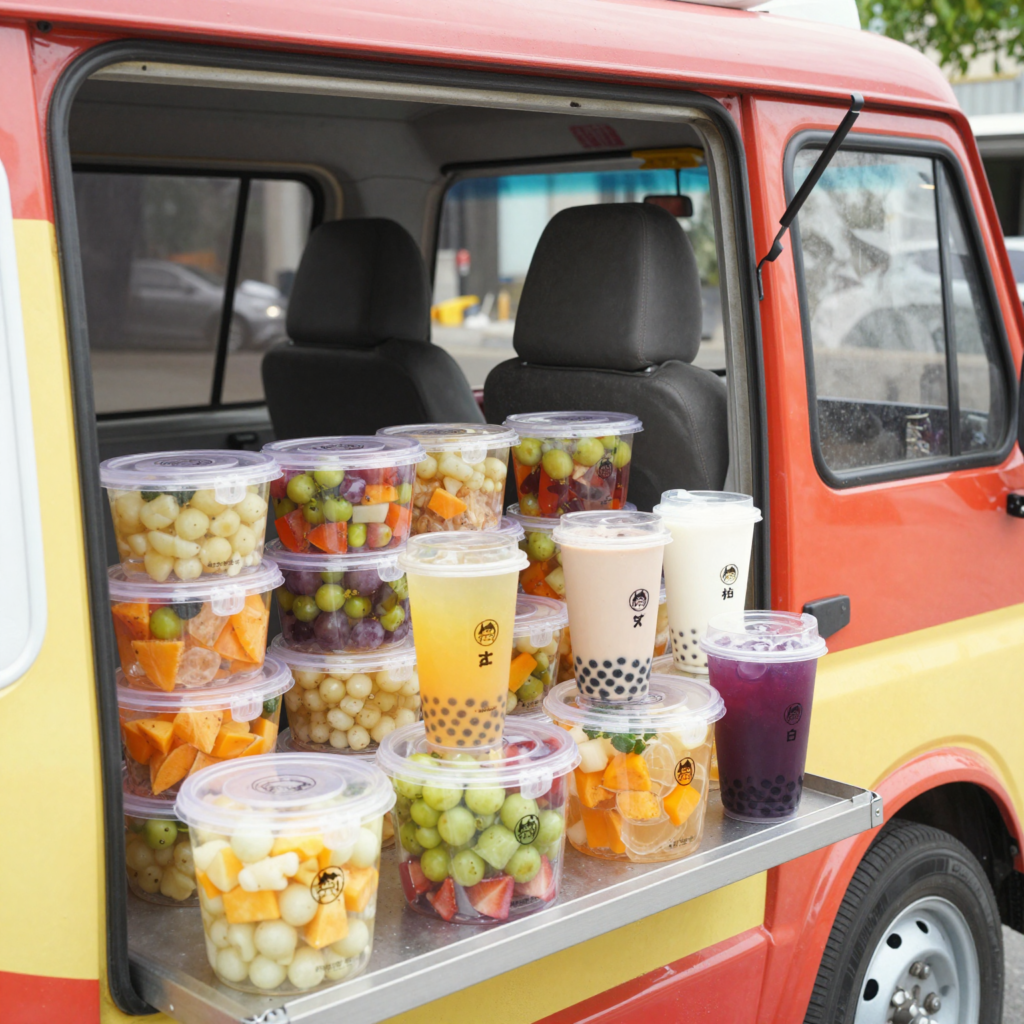
The Importance of Using Plastic Containers for Food
In the fast-paced world of food service, from bustling bubble tea shops and vibrant restaurants to innovative food trucks and catering services, the packaging you choose can significantly impact your business. Plastic containers offer a practical and versatile solution, ensuring that your delicious creations are not only preserved but also presented appealingly to consumers. They provide an effective barrier against contamination and spoilage, guaranteeing that your culinary delights remain fresh and enjoyable, which is crucial in maintaining customer satisfaction and loyalty.
Moreover, plastic containers come in various shapes and sizes, making them ideal for any setting-whether you’re serving frothy bubble teas with fun toppings or gourmet meals in a food truck. The lightweight yet durable nature of these containers makes transportation easy, helping you keep a fast-paced environment running smoothly. In addition, many plastic containers are recyclable or made from recycled materials, aligning your business with eco-friendly practices. As the market shifts more toward sustainability, embracing such innovations can also enhance your brand’s image. To delve deeper into the benefits of eco-friendly options, learn about sugarcane cup benefits and how they can align with your business goals.
In essence, adopting plastic containers is vital not only for operational efficiency but also for establishing a connection with your target audience that values quality and sustainability.
Advantages of Plastic Containers for Food Storage
Plastic containers are a popular choice in the food industry due to their myriad benefits, ranging from safety and durability to eco-friendliness. Here are some of the key advantages that make plastic containers ideal for food storage, especially relevant for food professionals such as bubble tea shops, restaurants, and catering services.
Safety
One of the primary concerns in food storage is safety. Plastic containers, particularly those made from materials like HDPE (High-Density Polyethylene) and PP (Polypropylene), are recognized for their excellent safety profiles. They are resistant to impact and breakage, ensuring that food items are kept secure during transportation and storage. Moreover, BPA-free plastics are available, which are essential as they do not leach harmful chemicals into food, making them an appropriate choice for food-grade applications. Learn more about safety standards in food containers.
Durability
Plastic containers are built to last. Their lightweight yet robust nature means they can withstand daily wear and tear better than alternatives like glass or cardboard. This durability reduces the chances of damage during handling, which is crucial in busy environments like food trucks and catering events. For example, reusable plastic containers (RPCs) have shown to significantly reduce food waste and associated costs due to their superior structural integrity and resistance to damage during transport. This enhances both operational efficiency and cost-effectiveness, allowing food businesses to maximize their profit margins while minimizing waste. Explore more on reducing costs in food logistics.
Eco-Friendliness
Although plastic has often been criticized for its environmental impact, innovations in recycling and sustainability have transformed this perception. Many food service providers are now using recyclable and reusable plastic containers to mitigate their environmental footprints. These containers are often made from post-consumer recycled materials, contributing to closed-loop supply chains which minimize reliance on virgin plastics and reduce overall packaging waste. A study highlighted in the Journal of Cleaner Production found that standardized reusable plastic containers reduced waste and enhanced sustainability in supply chains, proving that when managed correctly, plastic containers can play a pivotal role in eco-friendly practices within the food industry. Read about sustainability benefits in fresh produce supply chains.
Conclusion
In summary, the advantages of plastic containers in food storage are manifold. Their safety, durability, and potential for eco-friendliness make them a superior choice for various food professionals. By choosing high-quality plastic containers, businesses not only ensure the safety and freshness of their products but also contribute positively to sustainability efforts in the food industry.
By leveraging the benefits of plastic containers, food professionals can enhance their operational efficiency and service offerings while also making environmentally-conscious choices.
Comparison of Plastic Container Options for Food Service
Choosing the right plastic container for your food business is crucial. Here’s a comparison of various plastic container options available for food service, focusing on their sizes, materials, and applications:
| Type | Material | Size (Capacity) | Primary Applications | Temperature Range | Features & Considerations |
|---|---|---|---|---|---|
| Plastic Bottles | PET | 500ml, 1L, 2L, 3L, 5L | Carbonated drinks, mineral water, juices, oils, sauces | ≤70°C (may deform) | Lightweight, transparent, cost-effective but not heat resistant. |
| Food Containers | PP | 500ml, 1L, 2L, 3L, 5L | Sauces, soups, baby food, high-heat resistant liquids | -18°C ~ 120°C | High heat resistance, microwave safe, chemically stable; preferred for food storage. |
| Plastic Barrels | HDPE | 5L, 10L, 20L, 25L, 35L, 50L, 100L | Chemical products, cooking oils, pickled foods, soft drinks | -40°C ~ 70°C | Lightweight, corrosion-resistant, durable, suitable for long-term storage. |
| Specialty Containers | Modified PP / Composite Layered Plastic | 5L, 10L, 20L, 30L | Craft beer, fruit wines, gourmet oils, premium beverages | -20°C ~ 70°C | High oxygen barrier, light protection; enhances product quality. |
| Disposable Food Trays | PP | 100ml, 200ml, 500ml, 1L, 2L | Fast food, takeout, frozen desserts | -18°C ~ 120°C | Heat-resistant, recommended for repeated use, non-toxic and odorless. |
| Biodegradable Containers | PLA (Polylactic Acid) | 100ml, 200ml, 500ml, 1L | Athlete meal boxes, fine dining, eco-friendly restaurants | -18°C ~ 120°C | Biobased material, environmentally friendly; specific decomposition conditions apply. |
| Flexible Containers | Modified PE / PE+EVA Blend | 5L, 10L, 20L, 25L | Liquid drinks, marinated foods, sauces | -10°C ~ 60°C | Can be compressed for storage, combined with cardboard cartons for improved handling. |
| Plastic Tubes | PE, PP, PVC | 100ml, 200ml, 500ml, 1L | Medicine, cosmetics, sauces | -10°C ~ 70°C | Lightweight, flexible, good elasticity; not ideal for prolonged usage. |
By selecting the appropriate type of container, businesses can ensure the safety and quality of their food products while meeting customer expectations. For more detailed insights on food-safe materials or custom packaging options, consider exploring additional resources.
As the world increasingly prioritizes sustainability, the demand for eco-friendly materials and practices in the manufacturing of plastic containers is growing rapidly. Companies are now exploring innovative alternatives to traditional plastics that not only reduce environmental impact but also meet the quality standards required by the food and beverage industry.
Understanding Eco-Friendly Materials
Many manufacturers are turning to bio-based and compostable materials for food containers. For instance, sugarcane and corn starch are popular choices for creating containers that mimic the properties of plastic but with a significantly smaller carbon footprint. These materials are not only renewable but can also break down naturally, aligning with the principles of a circular economy. A notable example is the production of containers that use sugarcane as a raw material, which are increasingly recognized for their environmental benefits. These containers can decompose in industrial composting facilities within 90 to 180 days, offering a responsible alternative to conventional plastic.
Additionally, recycled plastics are being integrated into manufacturing processes, reducing the need for virgin materials and lowering overall waste in the environment. Companies that incorporate these materials demonstrate a genuine commitment to sustainability, appealing to eco-conscious businesses such as bubble tea shops, restaurants, and catering services that are eager to minimize their environmental impact.
Commitment to Sustainable Practices
Manufacturers are not just shifting materials; they are also re-evaluating their production processes to ensure sustainability is at the forefront. This includes adopting practices such as energy-efficient production methods and waste reduction strategies. For instance, some companies are implementing a closed-loop system that captures waste materials for reuse in future production, thereby decreasing emissions and resource depletion.
A recent Global Sustainability Report highlighted that 72% of the largest companies across various sectors are currently making commitments to reduce plastic pollution, indicating a significant trend towards sustainability. These commitments include increasing the amount of recycled content in packaging and striving to make their entire product line recyclable. Companies like Covestro are setting ambitious goals, such as achieving climate neutrality by 2035, showcasing how serious organizations are about embracing eco-friendliness in their operations.
Moreover, the food packaging sector is evolving towards solutions that not only focus on the materials used but also on enhancing recyclability and reducing transportation impacts. Lightweight packaging solutions not only cut down on fuel consumption during transport but also minimize the overall carbon footprint of the food supply chain.
Conclusion
In conclusion, the shift towards eco-friendly materials in the plastic container manufacturing industry represents a significant step forward in addressing environmental challenges. By prioritizing sustainability through innovative materials and efficient production practices, companies are not only making a positive impact on the planet but also positioning themselves as leaders in corporate responsibility. This commitment to sustainable development resonates well with environmentally conscious consumers, making it a vital aspect for businesses in the food and beverage sector.
The disposable food packaging industry is undergoing significant transformation, driven by evolving consumer preferences, increased regulatory pressures, and a growing emphasis on sustainability. As the beverage and food service sectors adapt to these changes, several key trends have emerged:
Growth of the Disposable Packaging Market
-
Market Expansion: The disposable food packaging market is projected to grow from $65.625 billion in 2024 to $120.57 billion by 2032. This remarkable growth reflects a compound annual growth rate (CAGR) of 7.9%. The rise in demand is largely attributed to the expansion of delivery services, convenience-driven consumer choices, and the increasing need for practical packaging solutions in the food service industry (source).
-
Sustainability Focus: Companies are increasingly shifting towards sustainable packaging materials. Traditional polystyrene foam cups and single-use paper cups are facing competition from newer eco-friendly options such as biodegradable plastics, plant-based fibers, and recycled paper materials. This shift is not just a response to market demand but also a result of stricter regulations aimed at reducing plastic waste (source).
Key Trends Driving Change
-
Consumer Preference for Convenience: With the surge in takeout dining and delivery services, consumers are prioritizing convenience. Food service operators are thus expanding their beverage packaging options, including both hot and cold drinks, to cater to this growing demand. This trend aligns with the increasing consumption of ready-to-eat meals and the growth of digital delivery platforms (source).
-
Innovation in Packaging Design: As consumer expectations for functionality rise, innovations are emerging in packaging design. Features aimed at preventing leaks, maintaining temperature, and offering ease of use are being prioritized, with companies seeking to balance quality and cost. This innovation cycle is crucial for food service businesses to enhance customer satisfaction and streamline operational efficiency.
-
Regulatory Influences: The regulatory landscape is becoming more stringent, particularly in regions like Europe and North America, prompting a shift towards sustainability. Options like compostable materials are gaining traction as consumers become more aware of environmental issues and demand accountability from brands.
Conclusion
In conclusion, the disposable food packaging market is poised for significant growth, driven by consumer demands for convenience and sustainability. As food service operators, bubble tea shops, and event planners adapt to these changes, embracing innovative and eco-friendly packaging solutions will be critical. For those interested in more sustainable options, consider exploring the benefits of products like sugarcane cups and customized octagonal paper bowls.
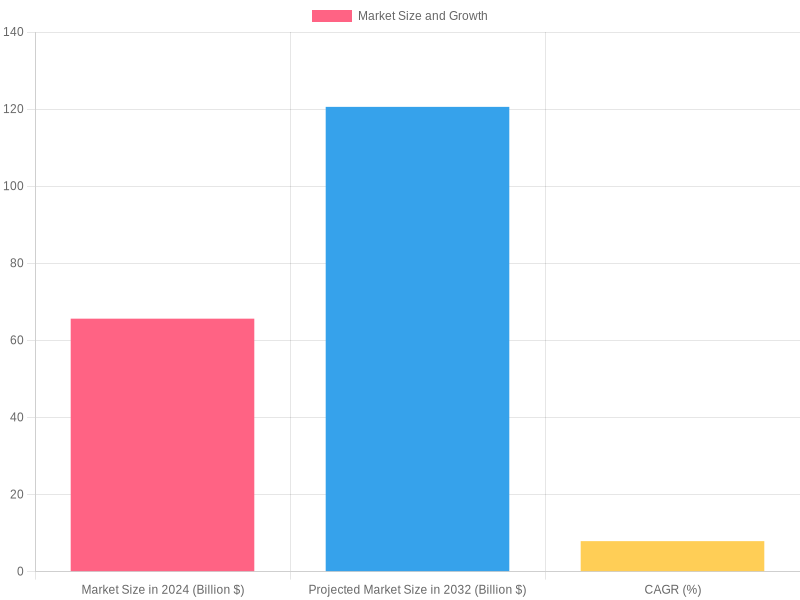
| Metric | Value |
|---|---|
| Market Size in 2024 | $65.625 billion |
| Projected Market Size in 2032 | $120.57 billion |
| Compound Annual Growth Rate (CAGR) from 2024 to 2032 | 7.9% |
Customer Testimonials: Successful Plastic Containers for Food
Positive Feedback from Clients
Customer testimonials play a critical role in establishing the credibility and reliability of businesses, especially in the food industry where quality and dependability are paramount. Here are a few genuine testimonials from our satisfied customers who have successfully integrated our plastic containers into their operations:
-
Maria K., Owner of Bubble Tea Boutique
“We started using the COFE plastic containers for our bubble tea, and the feedback from our customers has been overwhelmingly positive! They appreciate the quality and the vibrant colors we can choose from. Our sales have increased since we added these to our menu, and we won’t look back!” -
David L., Catering Service Manager
“The functionality of these plastic containers has really improved our service. They are not only durable but also very easy to stack and transport. Our food remains fresh longer, and we have reduced wastage, which is crucial for our business. COFE containers have become a staple for us!” -
Sofia T., Restaurant Owner
“As a restaurant that focuses on sustainability, I was pleased to find these eco-friendly plastic containers. They align perfectly with our values and have been well-received by our environmentally-conscious customers. Plus, they look fantastic on our presentation plates!”
Case Studies of Successful Implementation
-
Case Study: Supply Chain Scenarios in a Plastic Container Company
A research paper published on ResearchGate examined the implementation of flexible supply chain scenarios in a food company using COFE’s plastic containers. The findings revealed that the containers had a significant positive impact on storage management and operational efficiency, enabling faster delivery and reducing overall costs. Read more about this study here. -
Plastic Food Storage Container in the Real World: 5 Uses You’ll Need
An article by Foodservice Equipment & Supplies detailed various applications of plastic containers in the food industry, emphasizing their durability and usability. This resource highlighted key functions that improve food service efficiency and operational success. You can explore more uses here.
Visual Representation
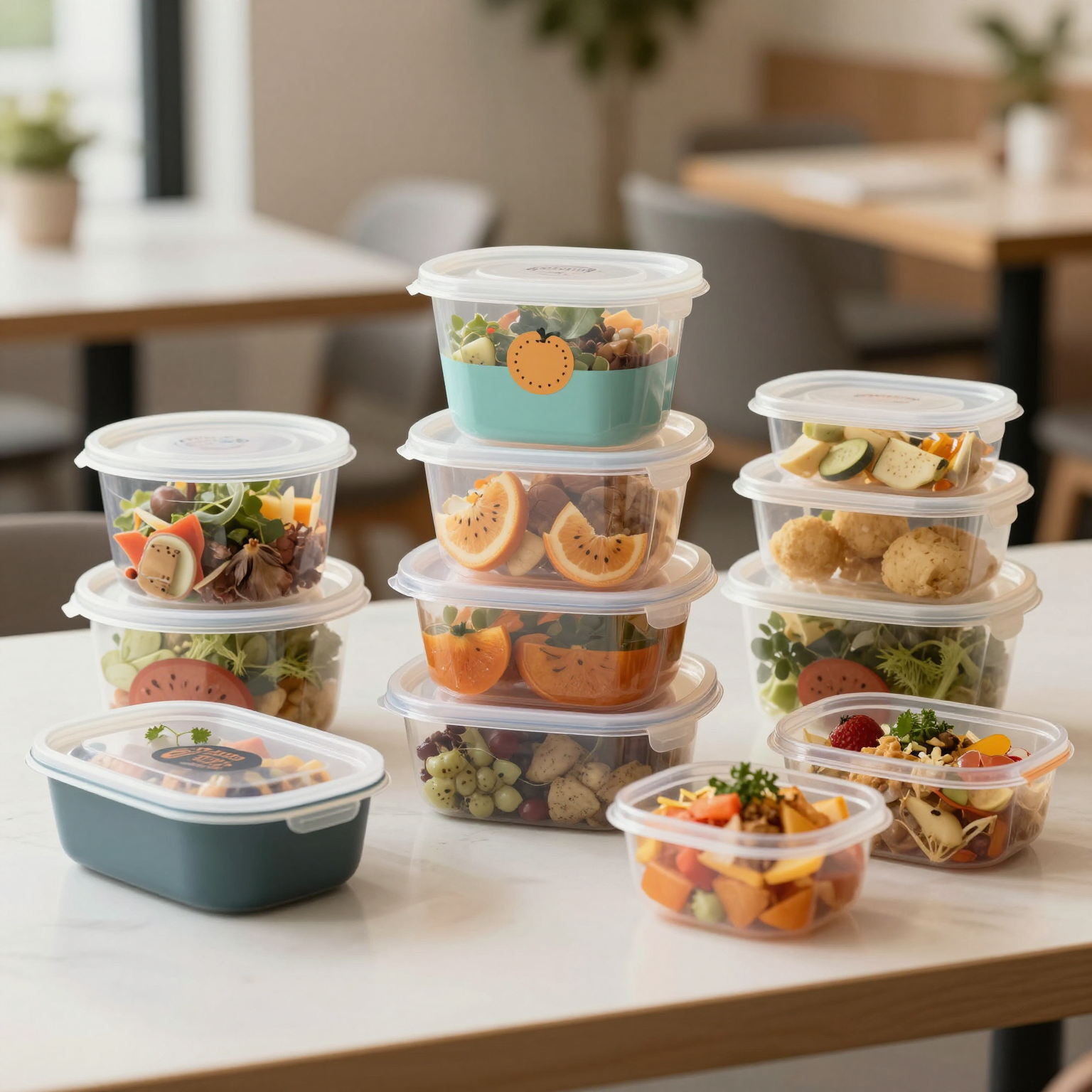
This vibrant image showcases the versatility and aesthetic appeal of our plastic containers, making them perfect for restaurants and catering services.
For quantifiable satisfaction, data from recent customer feedback reflects high levels of approval of our products:
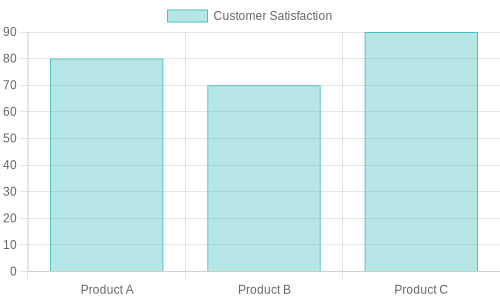
These positive testimonials and case studies illustrate how COFE’s plastic containers have effectively enhanced service delivery and customer satisfaction across various sectors in the food industry, making them a trusted choice for businesses.

Packaging Standards and Safety for Plastic Containers
When it comes to packaging food products, safety is paramount. Plastic containers, widely utilized in the food industry, adhere to rigorous safety standards to ensure they are safe for consumers and protect the quality of the food they contain. Here, we outline the key safety standards and regulations that govern plastic containers, providing reassurance to businesses that they can rely on these products.
Key Safety Standards
1. GB 4806.7-2023
This is a newly implemented Chinese national standard focusing on food contact plastics. It ensures that packaging materials demonstrate
- Material Safety: Containers must be made from food-grade materials without toxic additives. Testing includes limits on harmful substances like Bisphenol A and heavy metals.
- Migration Limits: It restricts the amount of substances that can migrate from the packaging to food to a maximum of 10 mg/dm², ensuring safety during food transit.
2. GB/T 18006.1-2025
This upcoming standard (effective in 2025) enhances requirements for disposable food containers. Key aspects include:
- Structural Integrity: Clear specifications for the physical performance of containers, including strength tests to resist drops and leakage.
- Microbial Compliance: Limits on microbial content, ensuring safe food handling.
3. T/XJSL 0006-2019
This standard details the safety measures for biodegradable disposable containers, reinforcing:
- Sustainability in Production: Ensures that biodegradable containers meet proper environmental guidelines and safety for use with foods.
Reliability and Trust
These rigorous standards are designed to protect not only the consumers but also the businesses that rely on safe and effective packaging solutions. By purchasing plastic containers that comply with these regulations, businesses can ensure they are offering safe, high-quality products.
The implementation of these standards is routinely monitored by regulatory authorities, ensuring that all packaging manufacturers adhere to them. This commitment to safety provides confidence for bubble tea shops, restaurants, food trucks, and catering services in selecting plastics that not only meet legal requirements but also enhance their brand integrity.
For more details on the benefits and specifications of eco-friendly packaging, explore sugarcane cups’ business benefits and check out our paper bowl factory insights.
Visual Aids
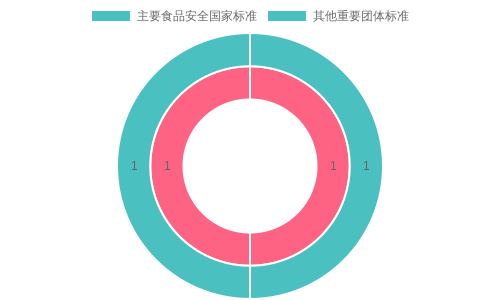
This chart below gives an overview of the primary safety standards guiding the use of plastic containers in food packaging:
Growth Trends in the Disposable Packaging Market for Food Service
The disposable packaging market, particularly within the food service industry, is experiencing significant growth. The global food service disposable market was valued at approximately $66.51 billion in 2024 and is projected to grow to $116.6 billion by 2035, which indicates a robust expansion trend influenced by factors like urbanization, demand for convenience, and the rise of food delivery platforms.
Growth Projections Over the Years
The following chart illustrates the expected market value growth from 2024 to 2035:
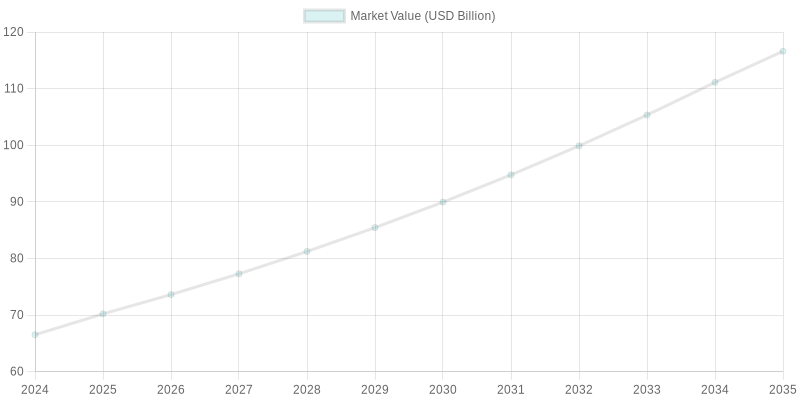
Market Value Projections for Disposable Packaging in the Food Service Sector
| Year | Market Value (USD Billion) |
|---|---|
| 2024 | 66.51 |
| 2025 | 70.20 |
| 2026 | 73.61 |
| 2027 | 77.28 |
| 2028 | 81.22 |
| 2029 | 85.44 |
| 2030 | 89.95 |
| 2031 | 94.76 |
| 2032 | 99.88 |
| 2033 | 105.33 |
| 2034 | 111.11 |
| 2035 | 116.60 |
Note: Values from 2026 to 2035 are projected using a compound annual growth rate (CAGR) of 5.2% from 2025 to 2035, with intermediate calculations based on consistent exponential growth.
This growth is primarily fueled by the rapid expansion of the food service sector, particularly in emerging economies, and an increasing consumer preference for convenience. The market is also seeing a shift toward eco-friendly packaging solutions alongside traditional materials due to rising sustainability concerns.
For those in the food service industry like bubble tea shops, restaurants, and catering services, the growth in disposable packaging signals increasing relevance and demand for effective, sustainable solutions.
Take Your Food Service to the Next Level with Disposable Tableware
As a food service operator, whether you run a vibrant bubble tea shop, a busy restaurant, or a food truck, you understand the importance of efficiency and hygiene. Choosing disposable tableware not only enhances your operational workflow but also ensures the safety and satisfaction of your customers. With benefits like reduced labor costs, faster serving times, and decreased risks of cross-contamination, it’s clear why 78% of food service operators are increasing their use of disposables, according to the National Restaurant Association.
But why stop here? At Cofe-Cup, we provide high-quality, eco-friendly disposable tableware tailored for your needs. Imagine serving your culinary delights on beautiful, customized compostable plates that spark joy among your customers while being kind to the planet. Our products ensure:
- Hygiene: Reduce cleaning cycles and risk of foodborne illnesses.
- Efficiency: Keep your service speedy during peak hours.
- Sustainability: Align with the growing consumer demand for eco-friendly options.
Don’t wait to elevate your food service experience! Contact us today for a tailored quote on our disposable tableware and packaging solutions. Let us help you serve beautifully while ensuring the essentials of hygiene and convenience are met. For the best disposable tableware in Freire, Chile, reach out now to discover how we can assist you in achieving your service goals!