
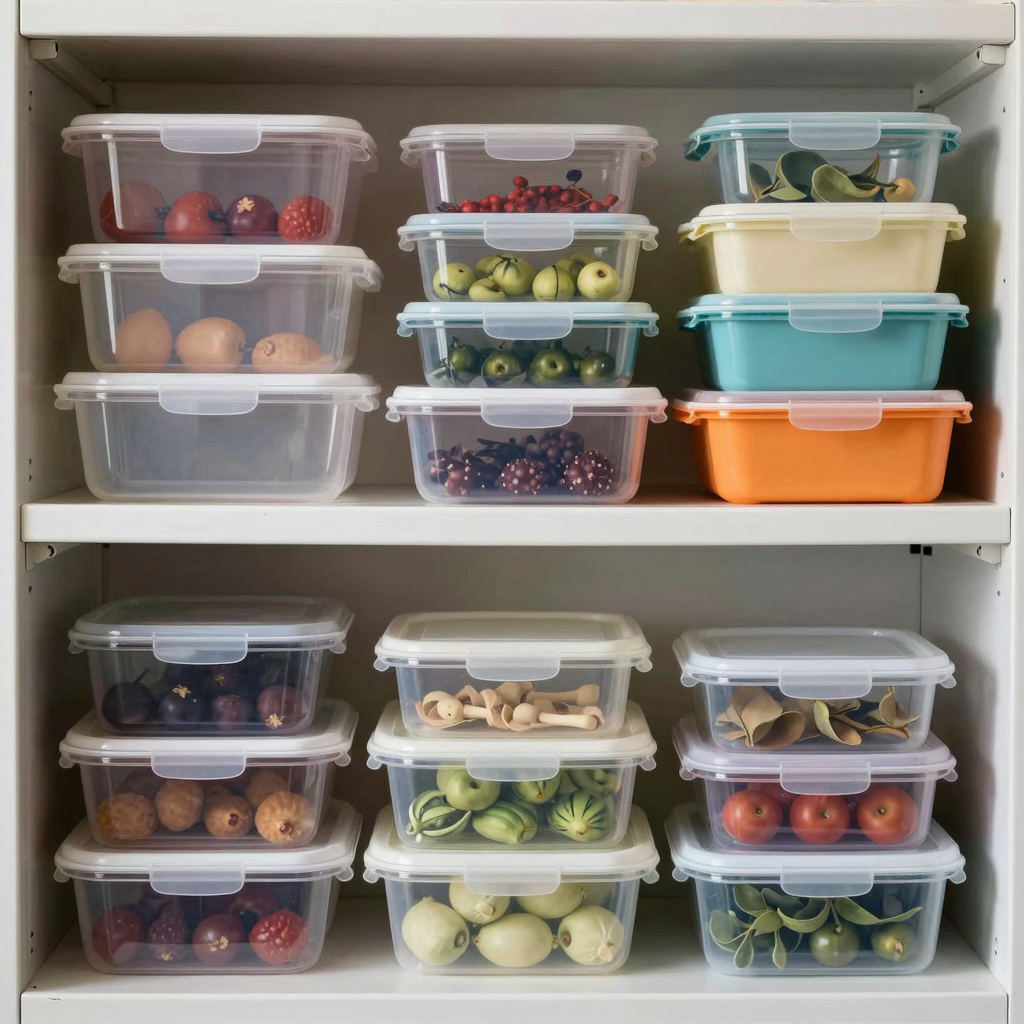
The Importance of Organization in Food Service Operations
In the bustling world of food service operations, organization can make or break a business. Whether you’re running a vibrant bubble tea shop, an upscale restaurant, or a food truck, the efficiency of your operations hinges on how well you can manage your resources-especially when it comes to storing food items. One key aspect often overlooked is the role of plastic food containers. Well-organized containers not only facilitate smoother workflows but also enhance the presentation of your offerings, leading to improved customer satisfaction.
Imagine a bubble tea shop where everything is in its right place. The vibrant colors of fresh fruit, tapioca pearls, and various toppings are easily accessible, allowing for quicker service during peak hours. This organization contributes not only to efficiency but also to the visual appeal of the beverage, captivating customers even before the first sip. Investing in an effective system for organizing your plastic food containers can significantly elevate your operations, ensuring that your staff is working efficiently and your customers are delighted.
For tips on choosing the right containers for your business needs, explore our guide on effective food service solutions or learn how customized octagonal paper bowls can complement your organization strategy.
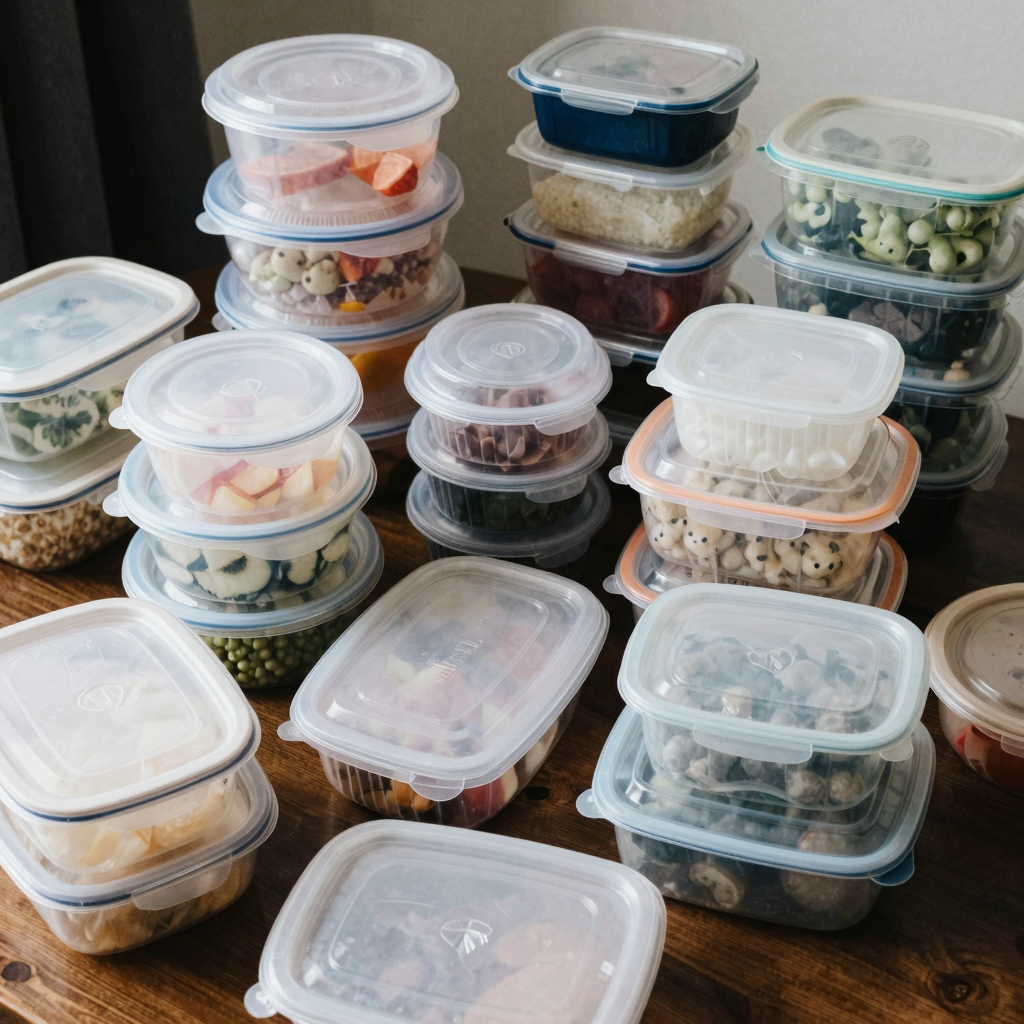
This image illustrates the chaotic scene of various plastic food containers scattered around, highlighting the struggle faced by food service businesses in maintaining organization.
Maintaining an organized workspace is essential for efficiency in restaurants, food trucks, and catering services. This visual representation emphasizes the importance of implementing effective organization strategies to tackle challenges like this.
Benefits of Organized Food Containers
Organizing food containers offers substantial benefits, especially for businesses in the food service sector such as bubble tea shops, restaurants, and catering services. Here’s a look at some of the key advantages:
Improved Efficiency
Organized food containers streamline operations in commercial kitchens. When containers are properly labeled and arranged, staff can quickly find the ingredients they need, significantly reducing preparation time. According to the National Restaurant Association, a well-organized storage system can decrease food retrieval time by up to 25%, allowing teams to focus more on customer service rather than on searching for items.
Better Customer Service
When food containers are organized, it translates to better quality control and consistency in food preparation. Clear visibility of ingredients through properly labeled and arranged containers helps maintain freshness and minimize waste. This not only ensures that customers receive high-quality food but also aids in maintaining service speed during peak hours. A well-organized kitchen ultimately enhances the customer experience, making patrons more likely to return.
Cost Savings
Organized storage leads directly to reduced food waste, which can have a notable impact on a business’s bottom line. Research shows that efficient food storage can cut food waste costs by an estimated 18% annually. By preventing over-purchasing and spoilage through an organized system, businesses can realize significant savings. The transparency provided through proper organization allows for better inventory management, which is crucial for operational efficiency.
Compliance with Health Regulations
In the food service industry, adhering to health standards is paramount. Organized food containers help ensure compliance with health regulations, making it easy to track expiration dates and apply the first-in-first-out (FIFO) rule. The U.S. Food and Drug Administration emphasizes that organized food storage is essential to preventing cross-contamination and ensuring food safety. By maintaining cleanliness and orderliness, businesses can avoid fines and health violations, ultimately protecting both their customers and their reputation.
Conclusion
In conclusion, taking the time to organize food containers is an investment that pays off in multiple ways-from improving efficiency and enhancing customer service to achieving cost savings and ensuring compliance with health regulations. For those looking to optimize their kitchen operations, understanding these benefits is the first step towards building a more efficient and effective food service environment.
For more insights into food service solutions, you can learn more about custom solutions for your container needs and discover how sugarcane cups can benefit your business.
Comparing Different Types of Plastic Food Containers
When it comes to organizing plastic food containers for your business-whether it’s a bubble tea shop, restaurant, or catering service-understanding the differences between container types can be immensely helpful. Here’s a breakdown of three popular types: Polypropylene (PP), Polyethylene Terephthalate (PET), and High-Density Polyethylene (HDPE).
| Material | Durability | Temperature Resistance | Cost |
|---|---|---|---|
| PP | Excellent resistance to impact, flexible | -30°C to 140°C | Low |
| PET | Good rigidity, less impact resistance | 20°C to 65°C | Moderate |
| HDPE | High flexibility and tensile strength | -40°C to 110°C | Low |
Key Features
- Polypropylene (PP): Known for its high durability and resistance to extreme temperatures, making it ideal for containers used in various environments. It’s also cost-effective for bulk purchases, suited for repeated use.
- Polyethylene Terephthalate (PET): Offers clarity and strength but is less resistant to high temperatures. PET is best for single-use applications. Its cost is moderate due to its manufacturing process and popularity in beverages.
- High-Density Polyethylene (HDPE): Recognized for its tensile strength and resistance to moisture, HDPE containers are suitable for both cold and hot foods but are not recommended for prolonged high-heat scenarios. They come at a low cost, ideal for rapidly used distributions like take-out services.
By knowing the characteristics of these materials, you can better select the right containers that meet the needs of your organization while maintaining efficiency in operations. For additional insights on sustainability and more container options, learn more about eco-friendly packaging and customized solutions.
Tips for Organizing Plastic Food Containers
Organizing plastic food containers can streamline your kitchen operations, help maintain hygiene, and save you time in food prep. Here are some actionable tips for effectively organizing your containers:
1. Categorize by Size and Type
- Group by Size: Start by sorting containers according to their size-large, medium, and small. This method finishes with a clean and layered arrangement,
making it easier to locate the specific container you need, especially during busy service hours. - Assign Categories: Further categorize them by their purpose, such as meal prep, leftovers, or dry goods. This ensures that everything has a designated spot, reducing confusion during hectic times.
2. Use Clear Storage Bins
- Visibility: Storing your containers in clear bins allows for easy visibility of contents without needing to unzip or rummage through the bins. You can instantly see which containers you have, facilitating quicker access for chefs and staff.
- Stackable Designs: Opt for stackable, uniform containers where possible. This feature maximizes vertical storage space in cabinets and drawers, making the most of limited kitchen storage.
3. Label Everything
- Clarity: Clearly label each bin or container. Use color-coded labels or a simple label maker to indicate the type of food intended for each container (like salads, desserts, etc.). This not only saves time but also enhances workflow, especially in fast-paced environments such as restaurants and catering services.
- Date Marking: Consider adding a spot for date marking so staff can quickly identify the freshness of stored items. This practice helps to maintain food safety standards and minimize food waste.
4. Store Lids Separately
- Avoid Clutter: Store lids separately, either in a dedicated drawer or using a well-arranged lid organizer. Magnetic strips or small baskets can hold lids upright, ensuring they don’t get lost and are easily accessible.
- Matching System: Ensure lids are matched to their containers. This will save time searching for that elusive lid when it’s time to seal up leftovers.
5. Regularly Clean and Declutter
- Stay Hygienic: Regularly check your containers for cracks or signs of wear and discard any that are damaged. Not only does this keep your kitchen organized, but it also upholds food safety protocols essential for service environments.
- Seasonal Checks: Make it a habit to evaluate your container collection at the end of each season or during routine inventory checks. Discard old food remnants and sanitize containers.
Implementing these strategies will result in a more organized and efficient kitchen setup, allowing staff to work seamlessly while preparing and serving delightful culinary experiences. For more ideas on enhancing your kitchen operations, you might be interested in customized octagonal paper bowls or exploring the business benefits of sugarcane cups.
Impact of Organization on Service Efficiency in Food Businesses
Efficient organization in food businesses plays a crucial role in enhancing service delivery and customer satisfaction. Below are some significant statistics that illustrate this impact:
| Aspect | Statistic | Source |
|---|---|---|
| Consumer Churn After Bad Experiences | 73% of consumers switch to a competitor after multiple bad experiences | Zendesk |
| Impact of Customer Service on Satisfaction | Effective customer service delivery enhances customer satisfaction, leading to increased retention rates | Zendesk |
| Process Streamlining and Service Speed | Time savings from streamlining processes can improve service delivery speed, thus improving customer satisfaction and retention | McKinsey & Company – Food Service Operations |
| Technology and Operational Efficiency | Technologies that improve operational efficiency lead to better customer experiences in North American food services | Statista – Food Services: Key Business Efficiency Methods North America 2020 |
Visual Representation
Here’s a visual representation of how consumer experiences are affected by organizational efficiency in food services:
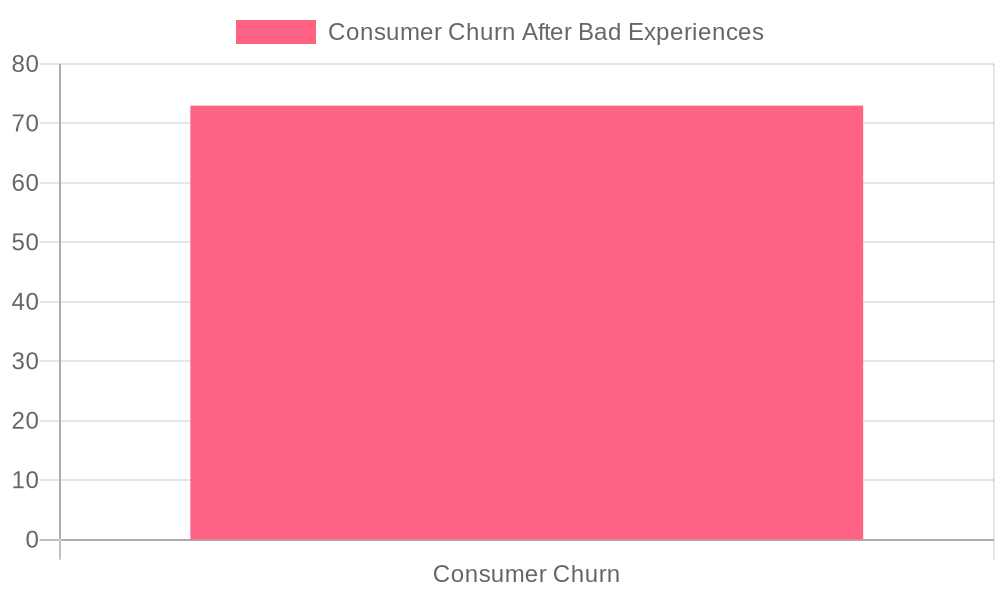
This bar chart highlights that 73% of consumers will switch to a competitor after multiple negative experiences, emphasizing the need for food businesses to prioritize organizational efficiency to retain customers.
Implementing effective processes and leveraging technology can vastly improve service efficiency and aid in maintaining customer satisfaction-key drivers of long-term success in the food industry.
Common Mistakes in Organizing Plastic Food Containers
Organizing plastic food containers efficiently is crucial for any food-related business, from bubble tea shops to restaurants. However, there are several common mistakes businesses often make that can lead to wasted resources and decreased efficiency. Here are some pitfalls to watch out for:
-
Overcrowding Storage Spaces
Ensuring that your plastic containers are not crammed into one area is essential. Overcrowding can cause containers to become damaged or deformed, making them unusable. It also makes it difficult to find the container you need quickly. -
Poor Labeling Practices
Failing to label containers properly can lead to confusion regarding which items are stored where. Utilize clear, durable labels to indicate contents, expiration dates, and the appropriate storage temperature. Learn more about effective labeling strategies here. -
Inadequate Cleaning Procedures
Many businesses neglect proper cleaning techniques, which can lead to sanitation issues. Avoid using abrasive materials like steel wool to clean containers, as this can create scratches that harbor bacteria. Instead, use mild detergents and soft sponges to ensure thorough cleaning without damaging your containers. -
Storing Hot Foods in Inappropriate Containers
Some containers are not designed to hold hot foods or liquids safely. If a container isn’t labeled for high heat, storing hot food can lead to melting or chemical leaching. Always check container specifications before use to ensure they are suitable. -
Exposing Containers to Harsh Conditions
Avoid placing plastic containers in direct sunlight or near heat sources like stovetops, as this exposure can cause degradation and the potential release of toxins. Store containers in a cool, dark place to maintain their integrity for longer. -
Reusing Single-Use Plastic Containers
It’s common to reuse single-use plastic containers, but this practice can be dangerous. These containers are not designed for long-term storage and can break down, which increases the risk of chemical fillings leaching into food. Always opt for containers designed for reuse for safe storage.
By being aware of these common mistakes, you can streamline your container organization process and ensure safe food storage practices.
For a deeper dive into food storage solutions and practices, check out resources on customized container options.
The Importance of Organization in Enhancing Service Delivery
Effective organization is key to success in the food service industry. As Sarah Thompson, a renowned restaurant operations consultant, aptly puts it:
“An organized kitchen and efficient back-of-house operations are fundamental to ensuring food safety, menu quality, and customer satisfaction. Chaos not only leads to delays but also increases error rates and employee stress. A well-structured organization, with clear job responsibilities and standard operating procedures (SOPs), can significantly enhance team collaboration and minimize the impact of unforeseen events.”
This highlights how crucial an effective organization is in boosting service efficiency and maintaining high standards in any food service environment.
Conclusion: Elevate Your Service with Efficient Organization
In conclusion, organizing your plastic food containers is not just about aesthetics; it’s a crucial operational strategy for any food service business. By implementing effective organization methods, you can save time, reduce waste, and enhance overall efficiency. Remember to categorize your containers by size and function, label each section clearly, and regularly clean and maintain your storage solutions.
Moreover, as you strive for excellence in service, consider the impact of high-quality disposable tableware and packaging solutions from Cofe Cup. Our products are designed to not only meet your practical needs but also elevate your service standards, offering eco-friendly options that reflect well on your brand.
Take the next step towards improved organization and elevated service today. Explore our extensive range of disposable tableware and packaging solutions at cupbowlpack.com. Your customers deserve the best, and so do you!
Recommended Disposable Tableware and Packaging Products
If you’re looking to improve your container management while providing quality service, here’s a curated list of recommended disposable tableware and packaging products ideal for organizations like bubble tea shops, food trucks, and catering services:
-
Sugarcane Bowls
Made from renewable resources, these bowls are not only sturdy but also biodegradable. They are perfect for serving a variety of dishes and enhance your brand’s eco-friendly image. Learn more about sugarcane bowl benefits. -
Compostable Hamburger Boxes
These boxes provide an excellent solution for serving burgers to-go while ensuring your business adheres to sustainability practices. They are sturdy and protect the food, keeping it fresh for longer. -
Customized Octagonal Paper Bowls
Offering a unique shape, these bowls are ideal for creative presentations of salads, snacks, or desserts. They’re customizable with your brand’s logo, making them a great marketing tool. Explore more about customized octagonal bowls. -
Disposable Induction Bowls
Perfect for hot foods, these bowls can withstand higher temperatures and are designed to reduce spillage, making them suited for busy environments, such as food trucks and catering. -
Kraft Paper Bucket with Lids
Ideal for fried foods or snacks, these buckets are both practical and visually appealing. The lids help keep contents secure and fresh during transport. They can also be customized for branding purposes. Check out our kraft paper bucket collection. -
Biodegradable Sugarcane Cutlery
These utensils are a fantastic sustainable alternative to plastic cutlery. They are designed to be durable enough for various food types, enhancing the dining experience while being environmentally friendly. Discover more about sugarcane cutlery benefits.
With these products, your organization can improve efficiency in container management while also appealing to environmentally conscious customers. Make the switch today to not only streamline your operations but also enhance customer satisfaction!