

The Importance of Quality Delivery Food Packaging Boxes
In today’s fast-paced world, where convenience is king, the significance of delivery food packaging boxes cannot be overstated, especially for bubble tea shops, restaurants, and food vendors. As these unique businesses strive to stand out in a densely populated market, quality packaging emerges as a crucial element that enhances the overall customer experience. Not only does well-designed packaging keep food and beverages fresh and safe, but it also adds a dash of style that can leave a lasting impression on customers.
Imagine receiving your favorite bubble tea or meal in a clearly branded, sturdy box that reflects the quality of the product inside-it instantly elevates the entire experience! This attention to detail, from aesthetics to functionality, assures customers that they are getting the best value for their money. Furthermore, effective packaging is essential in maintaining food safety, protecting the contents from external contaminants and ensuring that every sip and bite is a delightful one. Businesses that invest in quality delivery packaging understand that they are not merely shipping a product; they are delivering an experience that builds customer loyalty.
For businesses looking to make a significant impact, focused investments in customized solutions, such as eco-friendly options or innovative designs, can differentiate a brand. Learn more about the benefits of customized octagonal paper bowls to see how tailored packaging can enhance your offerings and attract more customers.
With the right delivery food packaging, your brand can not only meet the demands of modern consumers but also thrive in an ever-competitive market. In the following sections, we will delve deeper into how to choose the right packaging options and explore some innovative ideas that will leave your customers buzzing for more!
Packaging Materials
When it comes to food packaging boxes, the choice of materials can significantly impact both your business’s bottom line and the environment. Here we’ll discuss three prominent types of packaging materials: cardboard, biodegradable materials, and PLA (Polylactic Acid).
Cardboard Packaging
Cardboard is one of the most widely used materials in food packaging due to its sustainability and versatility. Made from plant fibers, cardboard offers several benefits:
- Recyclability: Cardboard is 100% recyclable, facilitating a circular economy where materials can be reused and regenerated instead of ending up in landfills. This characteristic is especially vital in reducing environmental waste.
- Protection: It provides excellent protection for various food items, including takeout boxes for hot meals. Its rigidity helps in maintaining the integrity of the contents, preventing spillage and contamination.
- Cost-Effective: Cardboard is generally less expensive to produce and purchase, allowing businesses to save on packaging costs while enhancing their sustainability profile. For those looking to order eco-friendly options, customized octagonal paper bowls made from recyclable cardboard are a great choice.
Biodegradable Materials
Moving towards more sustainable practices, biodegradable materials like bagasse (sugarcane waste) and other green materials are becoming increasingly popular. The benefits include:
- Environmental Impact: These materials readily decompose, breaking down into natural substances rather than persisting in the environment like conventional plastics. By opting for biodegradable options, businesses can significantly cut down on their ecological footprint.
- Consumer Appeal: With a growing consumer preference for environmentally friendly products, using biodegradable packaging can enhance brand loyalty and attract eco-conscious customers.
- Sustainable Source: Biodegradable materials are often derived from agricultural waste, reusing resources that would otherwise contribute to landfill waste, thus promoting sustainability in food service practices.
PLA (Polylactic Acid)
PLA is a bio-based plastic derived from renewable resources such as corn starch, making it a great alternative to petroleum-based plastics. This material has gained traction in the food industry for several reasons:
- Biodegradable Nature: PLA can decompose in industrial composting facilities into water, carbon dioxide, and biomass, effectively minimizing pollution associated with traditional packaging materials
- Closed Loop Systems: Employing PLA helps push towards a circular economy, allowing for the material to be a part of eco-friendly packaging systems from production to disposal. It is designed to also enhance the efficiency of waste management by integrating crop waste into the materials used for food packaging. Check out more on the sugarcane cup benefits to understand how these can play a role in your food service operations.
- Versatile Applications: PLA’s appealing transparency and structural integrity make it ideal for various food packaging applications, from cold drink cups to fresh produce containers, improving shelf life while being environmentally responsible.
In summary, selecting the appropriate packaging material can provide your business with a competitive edge while contributing positively to the environment. By choosing cardboard, biodegradable materials, or PLA, you’re not only meeting consumer demand for sustainable practices but also enhancing your brand’s reputation and market position.
Choosing sustainable packaging is a win-win for both your business and the planet!
Comparison of Food Packaging Box Options
Choosing the right packaging box is essential for ensuring the safe delivery of food items. Below is a comparison table showcasing various sizes of food packaging boxes, detailing their specifications, material types, and suitable food items to help businesses select the best options for their needs.
| Size (Length × Width × Height) | Capacity (Approx.) | Material Type | Suitable Food Items | Source |
|---|---|---|---|---|
| 30 cm × 30 cm × 60 cm | ~54 liters | Wooden | Gift sets, premium snacks, specialty foods | Product Link |
| 40 cm × 20 cm × 20 cm | ~16 liters | Wooden | Snack boxes, dry goods, small food gifts | Product Link |
| 60.5 cm × 27 cm × 46.5 cm | ~76 liters | Corrugated Paper | Meal prep containers, takeaway meals | Packaging Guide |
| 65 cm × 25 cm × 36.5 cm | ~59 liters | Corrugated Paper | Sushi boxes, individual meal portions | Packaging Guide |
| 65 cm × 30 cm × 46 cm | ~89 liters | Corrugated Paper | Larger sushi or bento boxes | Packaging Guide |
| 50 cm × 27.5 cm × 54.5 cm | ~74 liters | Corrugated Paper | Specialty baked goods, layered desserts | Packaging Guide |
| 50 cm × 33 cm × 33.5 cm | ~55 liters | Corrugated Paper | Compact gift boxes, snack bundles | Packaging Guide |
| 84 cm × 51 cm × 67.5 cm | ~280 liters | Plastic / Rigid | Large bulk storage, industrial food packaging | Packaging Guide |
Note: All dimensions and capacities are approximate and based on recent product specifications from industry sources as of 2026. Material types and suitability are derived from current packaging trends and manufacturer recommendations.
For more information on packaging options, learn about customized octagonal paper bowls or explore the benefits of sugarcane cups.
Benefits of Sustainable Packaging
Sustainable packaging is becoming increasingly vital in today’s market, with consumers placing significant value on eco-friendly options. A recent survey indicated that 86% of consumers are more likely to purchase from brands that utilize sustainable packaging solutions. Further emphasizing this trend, 82% of global consumers are willing to pay more for products with sustainable packaging, up from 74% in 2021. This interest is particularly pronounced among younger generations, as 90% of Gen Z consumers express a preference for sustainable options.
Entrepreneurs and businesses are recognizing the importance of aligning their practices with these changing customer preferences. By adopting sustainable packaging, such as compostable materials or recyclable designs, businesses not only meet consumer demand but can also boost their brand appeal. For example, environmentally-friendly packaging can enhance customer loyalty and attract new clientele who prioritize sustainability in their purchasing decisions. Additionally, businesses that invest in eco-friendly packaging solutions can potentially reduce their operational costs in the long run, due to increased efficiency and a better brand image.
The benefits of sustainable packaging are compelling:
- Increased sales: Research shows that businesses offering sustainable options often experience a spike in sales, capitalizing on the willingness of consumers to pay more for eco-friendly products.
- Brand differentiation: With countless brands vying for attention, sustainable packaging can set a business apart, demonstrating a commitment to environmental stewardship.
- Regulatory compliance: As countries implement stricter regulations regarding waste and packaging, businesses that proactively adopt sustainable practices can stay ahead of potential compliance issues.
In conclusion, as eco-conscious mindsets grow, businesses in the food and beverage industry, including bubble tea shops, restaurants, and food trucks, should consider the far-reaching benefits of sustainable packaging. Transitioning to greener options isn’t just a trend; it’s rapidly becoming a necessary business strategy. Learn more about the benefits of sugarcane cups and how they can help your business embrace sustainability effectively.
By integrating sustainable packaging solutions, businesses can enhance their brand loyalty while contributing positively to the environment and society at large.
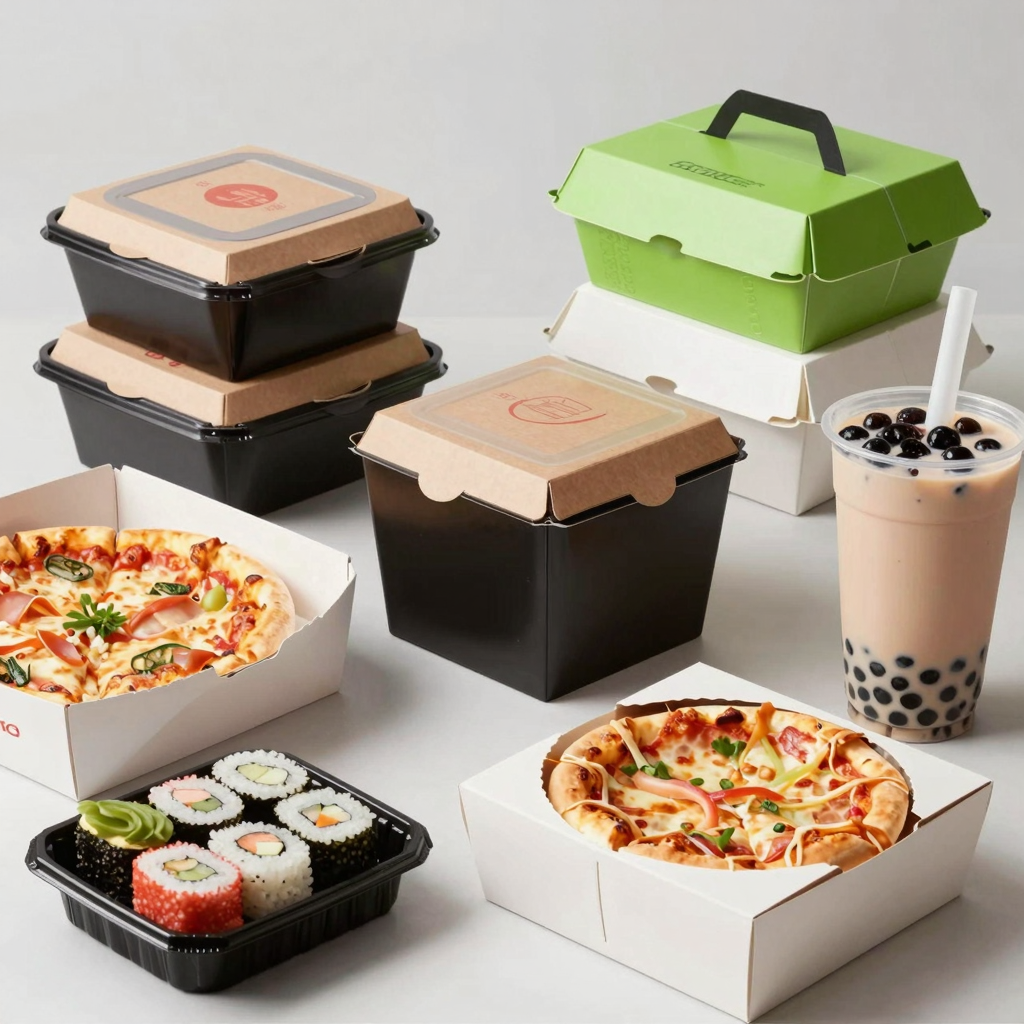
Common Types of Food Packaging Boxes
When selecting food packaging, it’s essential to consider the specific needs of your business. Here’s a list of common types of food packaging boxes that are widely used in the food service industry:
- Take-out Boxes: Ideal for restaurants and food trucks, these boxes keep meals secure and easy to transport.
- Clamshell Containers: Often used for salads and deli items, they provide visibility and convenience.
- Beverage Cups: Specifically designed for drinks, these come with options for lids and straws, perfect for coffee shops and beverage chains.
- Pizza Boxes: Designed to retain heat and keep pizzas intact during delivery.
- Bento Boxes: Popular for serving multiple items and portions in an organized manner, often used by catering services.
- Foil Containers: Suitable for hot meals that need to be covered and heated up.
- Snack Boxes: Often used for parties and events, these are perfect for serving mixed snacks or finger foods.
- Kraft Paper Bags: Eco-friendly options to package sandwiches or bakery items, ideal for cafes.
- Platter Containers: Used for large serving sizes, perfect for corporate events or parties.
Selecting the right packaging is crucial for maintaining the quality and presentation of your food products. Learn more about sustainable packaging options that can help enhance your brand image while being environmentally friendly.
Safety Standards in Food Packaging
In today’s food industry, safety standards in food packaging are paramount. These standards ensure that the materials used to package food are safe for both consumers and the environment. The importance of complying with safety standards cannot be overstated, as they protect public health and enhance the reputation of businesses in the food sector.
The Importance of Safety Standards
Safety standards in food packaging serve multiple essential functions:
- Consumer Protection: Standards minimize the risk of materials transferring harmful substances into food, which can happen if packaging materials do not meet specific safety criteria. For instance, the FDA mandates that manufacturers demonstrate compliance through rigorous testing and documentation to avoid migration of toxins into food (FDA.gov).
- Brand Reputation: Companies that invest in high-quality, safe packaging gain the trust of their customers. Positive consumer experiences with safe products foster brand loyalty, while incidents of safety violations can lead to severe reputational damage.
- Market Access: Many countries require compliance with specific safety standards for food packaging. For example, the EU’s EC No 1935/2004 regulation ensures materials do not transfer harmful substances and establishes specific migration limits (European Commission).
- Legal Compliance: Non-compliance can lead to hefty fines and legal issues. Manufacturers must stay informed about the evolving regulations, such as those under the REACH certification, which imposes stringent requirements for chemicals in packaging (ECHA).
Certifications to Consider
When selecting packaging materials, it’s crucial to look for certified options that adhere to strict safety standards. Here are some key certifications that food businesses should consider:
- HACCP (Hazard Analysis Critical Control Point): Focuses on preventing hazards in food safety, essential for all food manufacturers.
- FSSC 22000: Recognized globally as a standard for food safety management systems, ensuring that organizations can demonstrate compliance with safety requirements.
- BRCGS Packaging Certification: This certification ensures manufacturers can safely produce packaging compliant with legal requirements (BRCGS).
- ISO Certifications (ISO 22000, ISO 9001): These standards relate to management systems that enhance the safety of food products.
By choosing packaging materials that meet these stringent safety standards, food businesses can provide safe products, uphold their reputation, and comply with legal requirements, ultimately ensuring customer safety and satisfaction.
“Thanks to the quality of our packaging from Cofe Cup, our products not only stay fresh but also look appealing to our customers. It’s elevated our brand image and boosted sales!”
- Jamie, Owner of Bubble Tea Shop
This customer testimonial highlights the profound impact that quality packaging can have on a business. It’s not just about the box; it’s about the overall brand experience that resonates with customers. For businesses like bubble tea shops, restaurants, and food trucks, ensuring product presentation can significantly enhance customer satisfaction and loyalty. If you’re interested in the benefits of sustainable packaging options, learn more here.
Market Trends in Disposable Packaging for the Food Service Industry
Understanding the trends in disposable packaging for the food service industry is critical for businesses aiming to meet consumer demands and adhere to regulatory standards. Over the past few years, there has been a significant shift towards sustainable and convenient packaging solutions due to the surge in food delivery services and a growing preference for eco-friendly materials.
Key Market Insights
- Market Growth: The disposable foodservice packaging market is expected to grow from $749.3 billion in 2025 to approximately $789.8 billion by 2026, with a steady CAGR of around 5.41% from 2020.
- Consumer Preferences: By 2026, over 60% of consumers prefer brands using recyclable or compostable packaging, indicating a strong shift towards sustainability.
- Regulatory Changes: Increasing regulatory pressures, such as plastic bans, are contributing to the rapid adoption of eco-friendly alternatives.
Chart: Market Size of Disposable Packaging in Food Service
Below is a chart illustrating the market size trends of disposable packaging within the food service industry from 2020 to the projected figures for 2026. This highlights the growth trajectory and the increasing demand for sustainable packaging solutions.

| Year | Market Size (USD Billion) | Key Trends & Notes | Source |
|---|---|---|---|
| 2020 | ~660.5 | Global food packaging market value; includes all packaging types | Source |
| 2021 | ~690.0 | Steady growth driven by increased food delivery demand | Source |
| 2022 | ~720.0 | Rising demand for sustainable packaging | Source |
| 2023 | ~750.0 | CAGR of ~5.4% projected; eco-friendly alternatives gaining traction | Source |
| 2024 | ~770.0 | Increased adoption of biodegradable and reusable packaging | Source |
| 2025 | ~780.0 | Continued strong demand from cloud kitchens and delivery platforms | Source |
| 2026 | ~789.8 | Estimated market size for disposable foodservice packaging | Source |
- Note: The market size figures reflect the growth trajectory of disposable packaging solutions, emphasizing the need for businesses in the food industry to innovate and implement sustainable practices.
For more insights into materials and innovations in food packaging, you can learn more about sustainable packaging solutions or explore customized packaging options for your business.
Conclusion
In conclusion, the selection of the right packaging solutions is vital for any food service business, from bubble tea shops to catering services. Our discussion highlighted several key points:
- Brand Identity: Customized packaging not only preserves your products but also enhances your brand image and recognition. As noted in the latest trends in food packaging, unique designs can elevate customer engagement significantly.
- Sustainability: Eco-friendly packaging is becoming a crucial factor for consumers, with over 80% highlighting their preference for sustainable options. Choosing biodegradable materials can help your business stand out, as discussed in our post on the benefits of sugarcane cups.
- Functionality: Properly designed packaging also improves the user experience by ensuring that food items remain secure and fresh during transport. This is especially important for food trucks and event planners who require reliable packaging solutions.
Call to Action
With these considerations in mind, we encourage you to explore our extensive range of customizable packaging solutions tailored for your unique business needs. Visit cupbowlpack.com to find innovative and sustainable options that not only meet your functional requirements but also resonate with your customers. Choose us for your food packaging needs and make a difference in your operational efficiency and market presence!
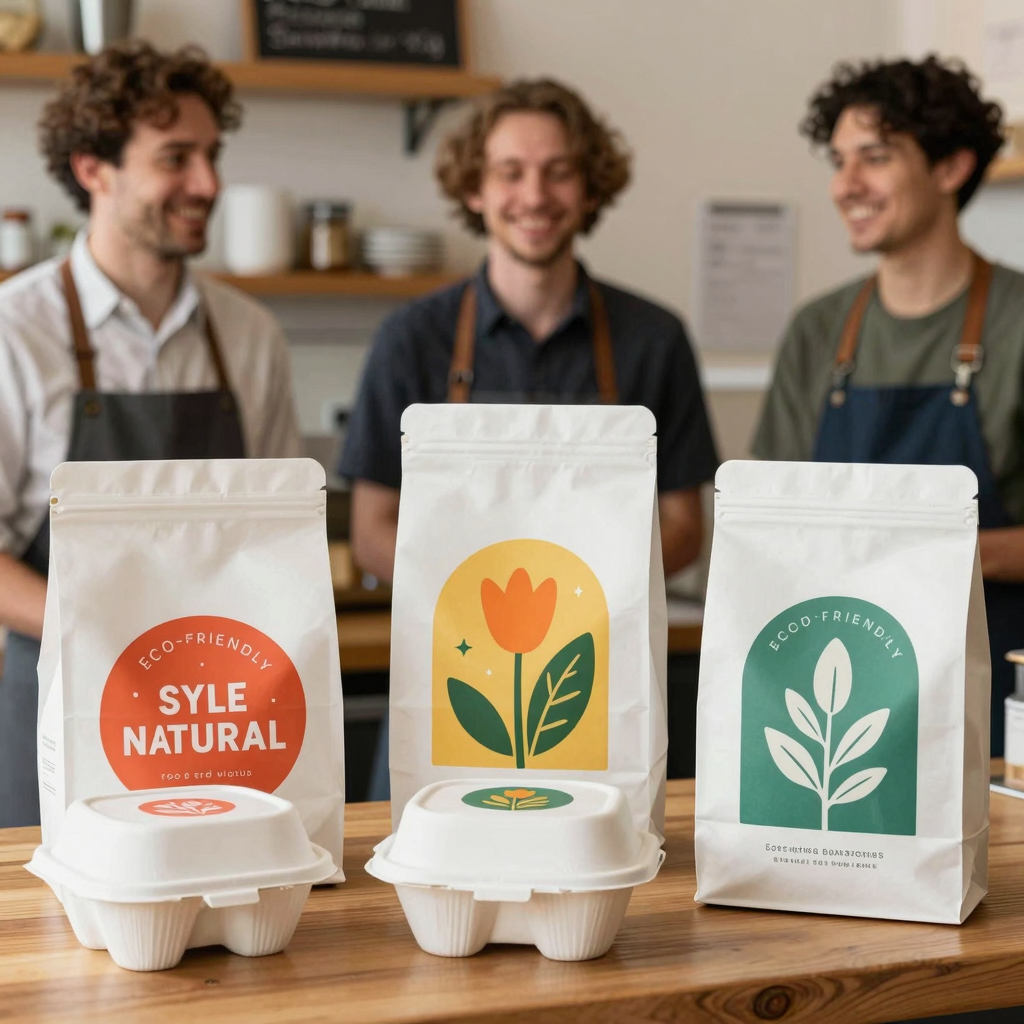
Explore a variety of eco-friendly solutions today!