

Introduction
Reheating food in plastic containers is a common practice in the food industry, particularly for busy professionals operating bubble tea shops, restaurants, food trucks, and catering services. While it offers convenience and efficiency, there are vital safety considerations that must not be overlooked. Understanding which plastics are suitable for reheating, as well as adhering to proper guidelines, is crucial to prevent harmful chemicals from leaching into the food. Selecting the right containers can enhance your operational efficiency while safeguarding the health of your customers. With the right knowledge, you can enjoy the convenience of reheating without compromising safety. Explore more about ensuring the quality of your packaging materials by referring to our article on sugarcane cup benefits and disposable paper buckets technology.
Reheating Food in Plastic Containers: Safety Concerns
Reheating food in plastic containers is a common practice in restaurants, food trucks, and catering services. However, it’s crucial to understand the safety implications associated with using plastic for this purpose, especially since certain plastics can release harmful chemicals when exposed to high temperatures.
Types of Plastics and Their Heat Resistance
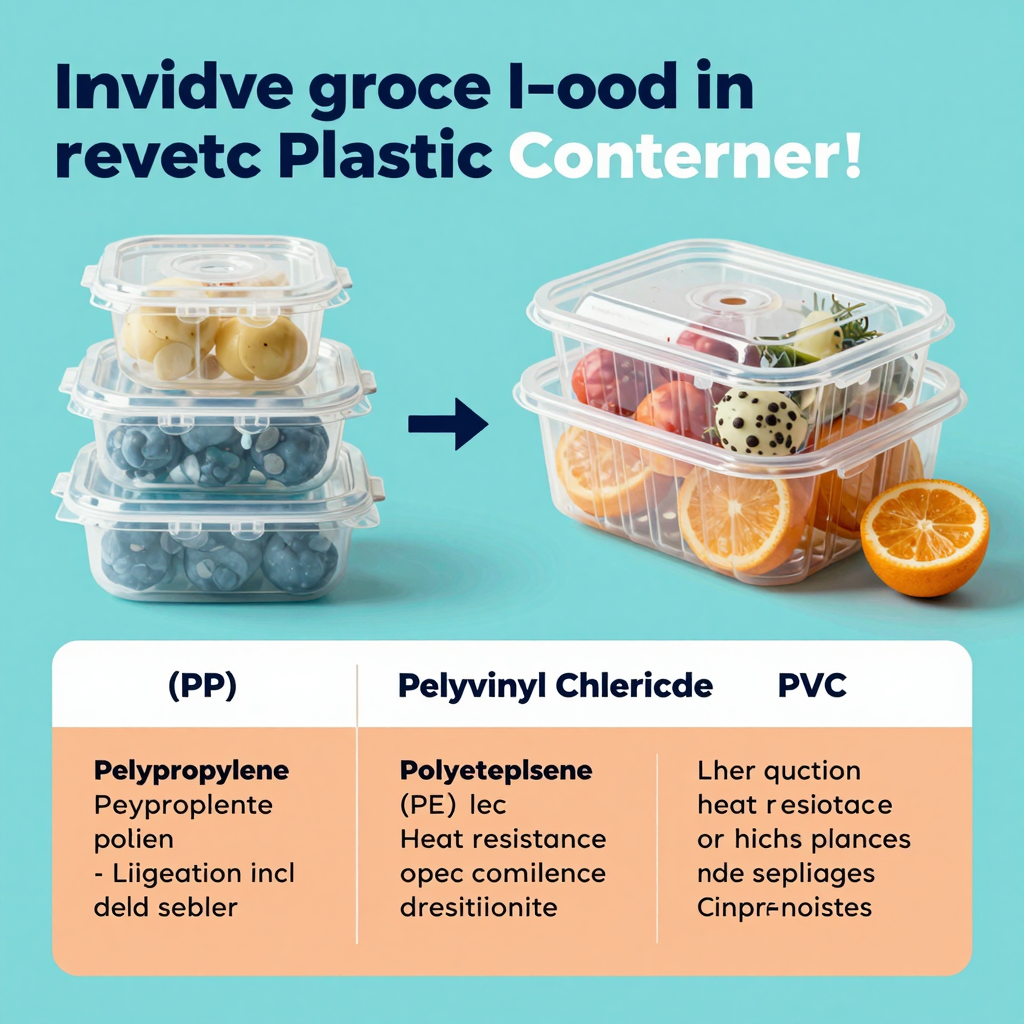
Different types of plastics have varying properties that affect their heat resistance and safety in food applications. Here’s a brief overview:
| Plastic Type | Melting Point (°C) | Maximum Safe Heat Resistance (°C) | Microwave Safe | Safety Notes |
|---|---|---|---|---|
| Polypropylene (PP) | 164-170 | 110 | ✅ Yes | Most heat-resistant plastic, suitable for containers. Avoid prolonged heating. |
| Polyethylene (PE) | 110-135 (LDPE) / 125-135 (HDPE) | 80-100 | ⚠️ No | Use only for cold or mildly warm food; higher temperatures can degrade the plastic. |
| Polyvinyl Chloride (PVC) | 100-150 (soft) / >150 (hard) | 50-80 | ❌ No | Contains harmful chemicals that can leach out when heated. Avoid using for food reheating. |
Health Risks
The primary concern when reheating food in plastic containers is the migration of harmful substances such as BPA (bisphenol A) and phthalates into food. Research indicates that heating can accelerate this process, especially in containers marked with “microwave safe”. It is advisable to prioritize more stable materials like glass or ceramic for reheating, particularly oils or fatty foods.
For your restaurant or food service, maintaining food safety is paramount. Understanding the types of plastics you use will help mitigate health risks and ensure your customers’ confidence in your offerings. For more insights on eco-friendly solutions, learn more about the benefits of sugarcane cups and explore eco-friendly packaging options to enhance sustainability in your food business.
Safe Plastic Types for Reheating Food
When considering reheating food in plastic containers, it’s essential to know which types are safe to use. Here’s a quick list of plastics that can withstand heating:
- Polypropylene (PP): Recognized by the recycling code #5, this plastic can tolerate temperatures up to 167°F (75°C). It’s commonly used for microwavable containers and does not leach harmful chemicals when heated.
- High-Density Polyethylene (HDPE): Displaying code #2, HDPE can withstand moderate heat and is often used for food storage bags and containers. While not ideal for microwaves, it is safe for reheating under certain conditions.
- Polyethylene Terephthalate (PET): Identified by code #1, PET is generally safe for reheating but avoid using it at high temperatures to prevent leaching chemicals.
Always check for a “microwave-safe” label on containers before use. For detailed insights on food container materials, you can learn more about customized octagonal paper bowls or explore benefits of sugarcane cups.
Common Misconceptions About Reheating Plastic Containers
When it comes to reheating food in plastic containers, several misconceptions surround this topic, often leading to confusion in both home kitchens and professional settings like restaurants and food trucks. Let’s debunk a few of these myths and provide you with the facts to help you serve your customers safely and effectively.
Myth 1: All Plastics Are Unsafe for Microwaving
One prevalent belief is that all plastic containers release harmful toxins when heated. However, many plastics, especially those labeled as microwave-safe, are designed to withstand high temperatures without leaching harmful chemicals. According to a Consumer Reports article, certain plastics are specifically formulated for microwave use and do not pose a health risk when used correctly.
Myth 2: Heating Food in Plastic Always Leads to Toxin Release
It is often stated that any form of heating in plastic will result in the release of toxins. While it’s true that some plastics can release harmful substances like BPA and phthalates when heated, this is typically only a concern with older containers or those not intended for microwave use. The Harvard T.H. Chan School of Public Health emphasizes that plastics labeled “microwave-safe” have undergone rigorous testing to ensure they do not release harmful chemicals under approved usage conditions.
Myth 3: It’s Unsafe to Reuse Plastic Containers
Some assume that reusing plastic containers for food storage or reheating leads to contamination. While it’s crucial to examine the condition of your containers, many food-grade plastics are safe for multiple uses as long as they are not scratched or worn down. Proper cleaning is essential; always use safe washing techniques to maintain hygiene. Additionally, switching to glass or ceramic for frequent reheating can be a safer alternative, especially for high-fat or high-sugar foods that can overheat.
Conclusion
It’s important for food service professionals to distinguish between fact and myth regarding reheating food in plastic containers. By understanding which containers are safe for use and adhering to proper reheating guidelines, you can ensure quality service without compromising health. For more on enhancing your packaging choices for ecological responsibility and hygiene, learn more about alternative materials.
By addressing these misconceptions, your business not only ensures the safety of your food products but also reassures customers about their meals, promoting trust and quality in your offerings.
Best Practices for Reheating Food in Plastic Containers
Reheating food in plastic containers can be convenient, but it’s essential to prioritize safety to avoid potential health risks. Here are some best practices to follow:
Choose Plastic Wisely
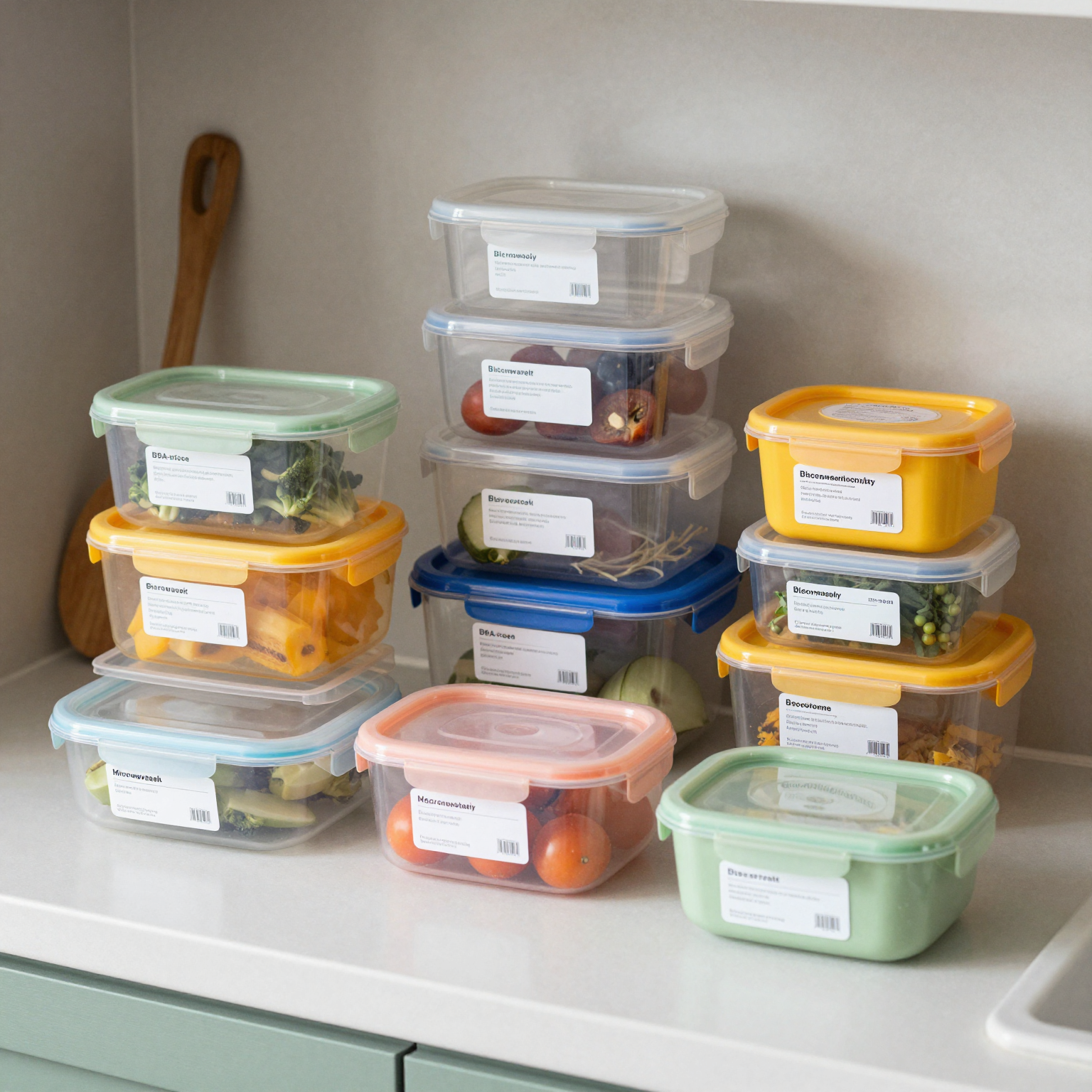
- Microwave-Safe Labels: Always look for plastic containers labeled “microwave-safe.” The U.S. Food and Drug Administration (FDA) only certifies plastics that have been tested to ensure they do not leach harmful chemicals into food under standard conditions. However, even microwave-safe plastics should not be used for extended periods at high temperatures, especially for oily or fatty foods due to increased chemical migration risks. (FDA Guidelines on Microwave-Safe Plastics)
Temperature Settings
- Avoid High Temperatures: Overheating can cause plastic to warp and release harmful substances such as BPA or phthalates into your food. Recommended microwave settings should not exceed medium power (about 50-70% of the microwave’s capacity). This gentle reheating preserves both the container and the food.
Transfer When Possible
- Glass or Ceramic Alternatives: For longer reheating cycles or acidic foods, consider transferring your food to glass or ceramic dishes. These materials are less likely to interact with food compared to plastic, ensuring safer meals.
Cover Properly
- Loose Covers: When reheating in plastic, do not seal the container tightly. Use a microwave-safe cover or vent the container slightly to avoid pressure buildup, which can lead to splatter and potential hazards within the microwave.
Monitor Food
- Check for Damage: Inspect plastic containers for any cracks or warping before reheating. Damaged containers are more likely to leach harmful substances. If you notice any damage, do not use them for reheating.
By adhering to these best practices, food establishments can ensure safe and effective reheating of food in plastic containers, providing a safer experience for customers. For more insights on the importance of safe materials, learn more about food-safe packaging options.
Comparison of Reheating Methods for Plastic Containers
Here’s a detailed comparison table of different reheating methods regarding their compatibility with various plastic types and safety aspects:
| Reheating Method | Safety for Plastic Containers | Compatibility with PP (Polypropylene) | Compatibility with PET (Polyethylene Terephthalate) | Compatibility with PS (Polystyrene) | Key Considerations |
|---|---|---|---|---|---|
| Microwave | High (when using microwave-safe plastics) | ✅ Safe: PP is FDA-approved and heat-resistant up to ~160°C (320°F). Resistant to warping, cracking, and chemical leaching during microwave use. | ❌ Not recommended: PET has a low melting point (~70-80°C / 158-176°F) and can deform or release chemicals when heated. Typically not labeled as microwave-safe. | ❌ Not recommended: PS softens at around 90-100°C (194-212°F), may leach styrene (a potential carcinogen) when heated. Avoid in microwaves. | Use only containers labeled “microwave-safe.” Avoid damaged or scratched containers. PP is the safest plastic type for microwave reheating. |
| Oven (conventional or convection) | Low to Moderate (only if plastic is specifically rated for oven use) | ⚠️ Limited: While PP has higher heat resistance than many plastics, most PP containers are not designed for oven temperatures (>100°C / 212°F). Risk of melting or warping. Only safe if explicitly labeled for oven use. | ❌ Not safe: PET melts at low temperatures and should never be used in ovens. | ❌ Not safe: PS degrades rapidly above 100°C and releases harmful compounds. Never use in ovens. | Oven use is generally unsafe for plastic containers unless specifically designed and labeled for it. Always check manufacturer guidelines. |
| Stovetop (e.g., on a burner or in a pan) | Not Safe | ❌ Not safe: Even PP containers cannot withstand direct flame or high contact heat from stovetops. Melting, fire hazard, and toxic fumes are risks. | ❌ Not safe: PET will melt instantly. | ❌ Not safe: PS will warp and degrade immediately. | Never place any plastic container directly on a stovetop. Use metal, glass, or ceramic cookware instead. |
Sources:
- U.S. Food and Drug Administration (FDA): 21 CFR Part 177 – Indirect Food Additives
- National Institute of Environmental Health Sciences (NIEHS): Bisphenol A (BPA) and Phthalates
- American Chemistry Council (ACC): Plastics and Food Safety
- Consumer Reports: Microwave-Safe Plastics: What You Need to Know
Note: All information current as of May 2026. Always follow manufacturer labeling and safety guidelines.
Case Study: A Bubble Tea Shop’s Experience with Reheating Food in Plastic Containers
Introduction
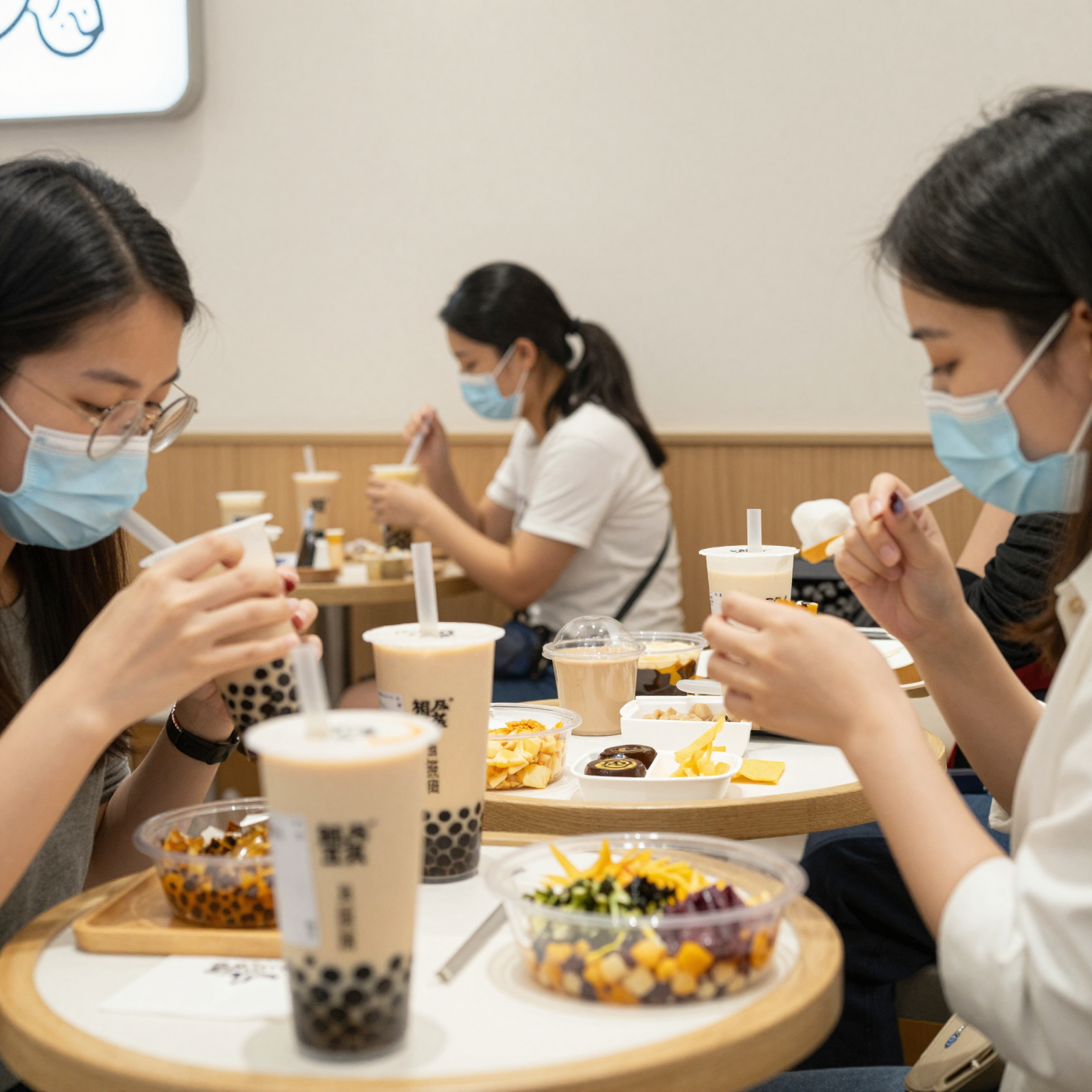
As bubble tea shops expand their menus to include various snacks and desserts, many have begun reheating food in plastic containers. One such shop, Bubble Bliss, recently shared their experience regarding safety protocols and the benefits of reheating food in plastic containers specifically designed for it.
Safety Protocols Implemented
When reconsidering their reheating procedures, Bubble Bliss focused on adhering to several safety guidelines to ensure customer safety and product integrity.
-
Use of Microwave-Safe Containers:
Bubble Bliss strictly follows the Food and Drug Administration (FDA) guidelines, using only plastic containers labeled as “microwave-safe” for reheating. These containers, typically made from materials like polypropylene (PP) and polyethylene (PE), are designed to withstand high temperatures without leaching harmful chemicals. This adherence has been crucial, as non-compliant containers can leach BPA or phthalates, potentially harming consumers. -
Regular Training for Staff:
Staff at Bubble Bliss undergo regular training sessions focusing on identifying safe containers and the protocols for reheating food safely. This training emphasizes not using scratched or older containers which might not perform effectively under heat, reducing the risk of chemical migration. -
Routine Quality Checks:
The shop maintains a stringent quality control process, ensuring that all containers are inspected regularly to prevent the use of any damaged or unsafe packaging. By discarding single-use containers after one use, they ensure that their reheating practices align with the safety standards outlined by the China National Institute of Standardization (CNIS).
Benefits Experienced
Implementing strict safety protocols has led to several positive outcomes for Bubble Bliss:
- Increased Customer Trust: Customers have expressed greater confidence in the safety of the food served, resulting in an increase in repeat business. Knowing that Bubble Bliss adheres to established safety guidelines fosters customer loyalty.
- Enhanced Efficiency: Utilizing appropriate plastic containers suitable for reheating has significantly sped up the food preparation process. The ability to reheat foods quickly and efficiently allows for a better customer experience during peak hours.
- Menu Expansion: With safe reheating practices in place, Bubble Bliss has successfully expanded its menu to include items previously considered impractical to serve. New offerings like savory dishes complement their bubble tea selections, enhancing overall sales.
Conclusion
Bubble Bliss’s experience emphasizes the importance of adhering to safety regulations for reheating food in plastic containers. By implementing rigorous safety protocols, they have not only safeguarded their customers but also achieved operational benefits. For other bubble tea shops and food service providers, embracing such safety practices can lead to enhanced customer satisfaction and a thriving business.
For more information on safe food packaging options, check out our guide on sugarcane cup benefits and disposable paper buckets technology.
Word Count: 503
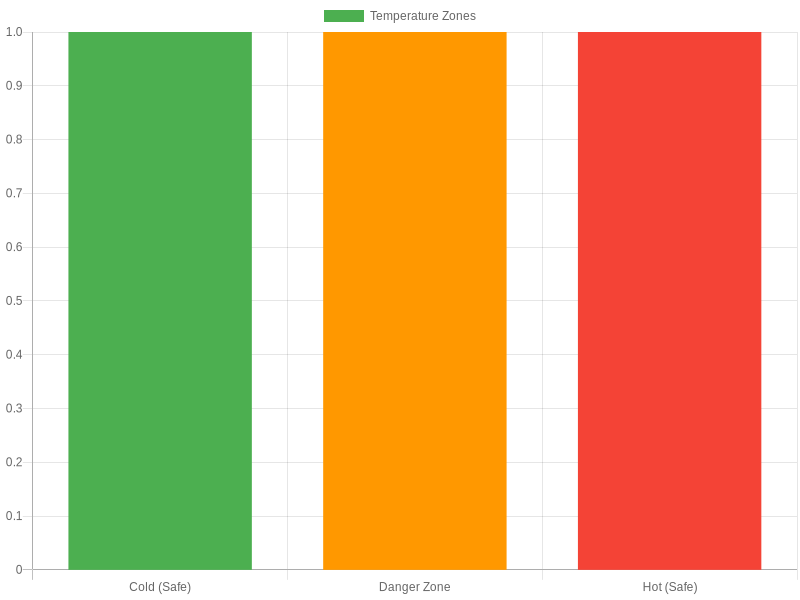
Food Safety Temperature Zones
A chart illustrating the Food Safety Temperature Zones, highlighting the danger zone (40°F – 140°F) where bacteria thrive. This visual guide serves to help maintain food safety when reheating food.
Key Safety Tips for Reheating
- Reheat all leftovers to an internal temperature of at least 165°F (74°C) – use a food thermometer.
- Ensure the center of the food reaches 165°F (74°C), not just the surface.
- Do not reheat food multiple times; consume within 2 hours after reheating.
- If using a microwave, cover the food and stir halfway through for even heating.
📌 Source: World Health Organization (WHO), U.S. Food and Drug Administration (FDA), and Centers for Disease Control and Prevention (CDC) guidelines.
As we wrap up our discussion on reheating food in plastic containers, it’s essential to prioritize safety to ensure the well-being of both you and your customers. Remember, only use plastic containers labeled as “microwave-safe” when reheating to avoid the risk of harmful substances leaching into your food. The FDA advises that using proper materials like glass or ceramic whenever possible is a safer choice.
Additionally, adopting safe reheating practices not only protects your customers but also enhances your operational efficiency. Consider incorporating our products into your daily operations. At Cofe Cup, we offer a range of high-quality disposable tableware that complies with strict safety standards. Our containers are designed to withstand reheating without compromising food safety, aligning with the latest safety standards (learn more about our disposable tableware).
By aligning your reheating practices with these guidelines and utilizing reliable tableware, you can provide your customers with safe and enjoyable dining experiences. Let’s commit to safety in our operations and deliver excellence in every meal served!