
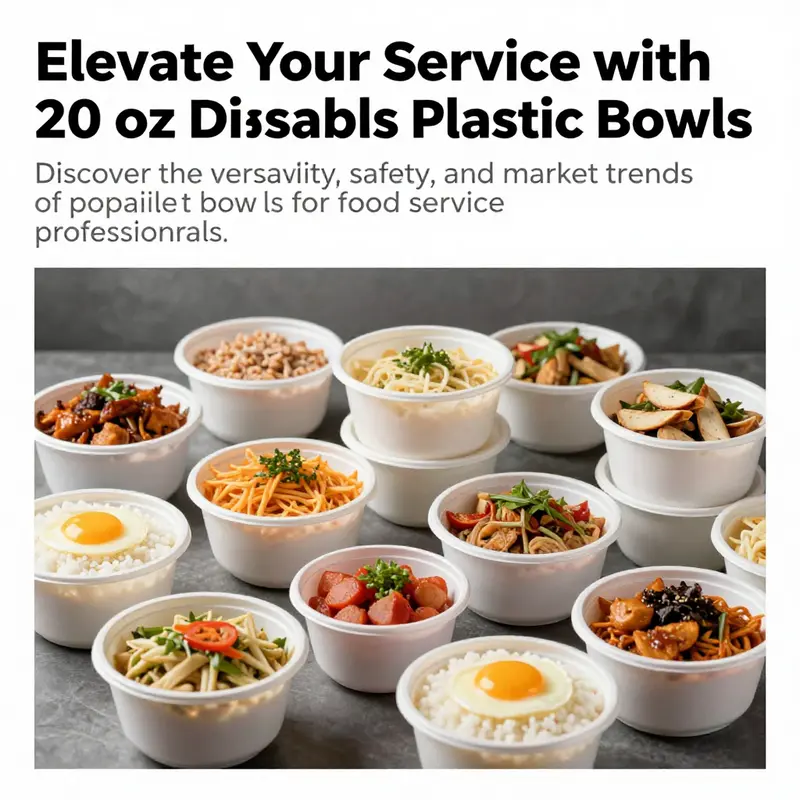
20 oz disposable plastic bowls are an essential tool for bubble tea shops, restaurants, food trucks, and catering services. Their convenience and versatility make them ideal for various food items, from salads to desserts. In this exploration, we will look at their composition and safety standards, providing insights into their materials and certification. Additionally, we will delve into current market trends and consumer preferences, ensuring that food service providers stay ahead in a competitive landscape.
The Workhorse of Convenience: An In-Depth Look at 20 oz Disposable Plastic Bowls in Food Service
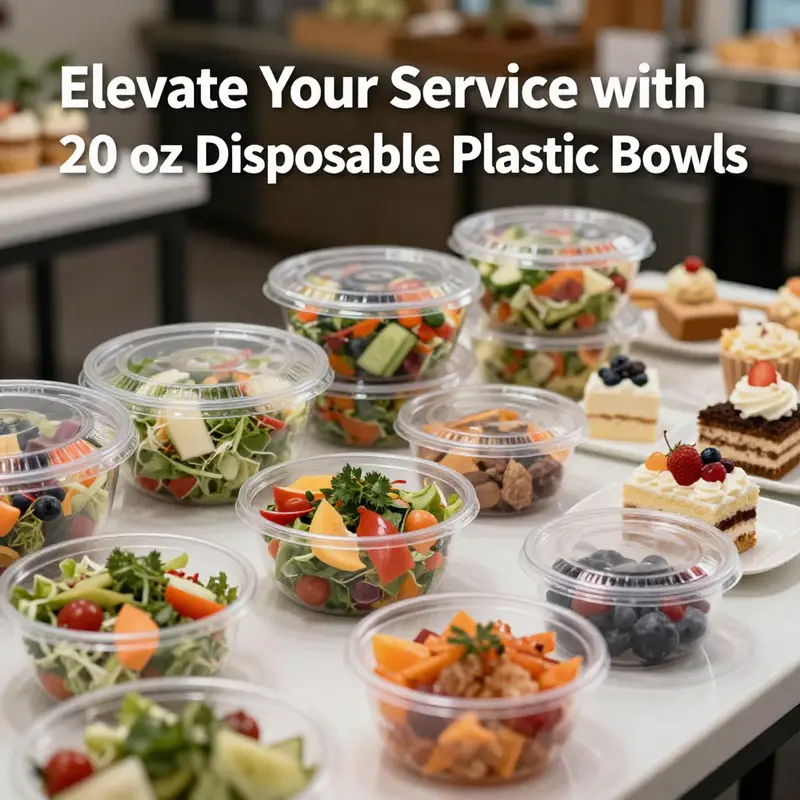
The 20 oz disposable plastic bowl sits quietly at the backbone of many food-service operations, often overlooked in the rush of new menu ideas and flashy presentation. Yet its utility is remarkable. With a capacity of about 591 milliliters, this size strikes a balance between portion control and pragmatic portability. It can cradle a hearty salad with dressing, a generous fruit platter, or a simmering bowl of soups and grains—enough for one person, yet compact enough to stack neatly in storage and travel efficiently to a table, a buffet line, or a catering setup. In environments that demand speed and consistency, the 20 oz bowl becomes less a luxury and more a necessary tool, allowing staff to portion, present, and transport with reliability while keeping the focus on the food itself. The straightforward utility of this size translates into fewer decision points for operators: a standard container means fewer SKUs to manage, simpler inventory calculations, and predictable handling from prep to plate. In busy service scenarios, predictability is a form of service, and the 20 oz bowl delivers it with quiet efficiency.
The materials most commonly used for these bowls—polypropylene (PP) and polyethylene terephthalate (PET)—have distinct characteristics that influence how a kitchen operates and how a guest experiences the food inside. PP bowls are known for their heat resistance and lightweight durability. They hold up well under a range of temperatures and are commonly considered microwave-safe for reheating, which is a practical advantage in settings where leftovers or hot components are served together. The lightness of PP also translates into energy savings during transport, an important consideration for catering or food-truck operations that move large quantities of meals across a campus, fairgrounds, or event space. PET bowls, by contrast, emphasize clarity and strength. The crystal-clear appearance of PET makes dishes look more vibrant and appetizing, which is a subtle but meaningful benefit in presentation-driven contexts like buffets, dessert stations, and showcase events where display is part of the customer experience. PET’s shatter resistance adds a layer of safety in environments with crowds, outdoor service, or multi-table service where the risk of impact is higher. Both PP and PET are typically certified as food-grade, ensuring direct contact with edible contents meets safety standards. This dual-material landscape gives operators options: one can opt for the warmth of PP in hot-meal contexts or the transparency of PET when showcasing colorful salads or desserts. In either case, the material choice should align with the day-to-day realities of the service model, the types of dishes most frequently served, and the expected handling conditions.
Beyond material choice, the design language of the 20 oz bowl matters as much as the material itself. A common feature across many versions is a wider, shallower profile. This geometry enhances visibility of the contents, encouraging guests to appreciate the color, texture, and arrangement of the dish inside. It also makes the bowl conducive to mixing, tossing, and portioning, which are routine tasks in salad bars, dessert stations, and catering buffets. The base is typically broad enough to remain stable on a flat surface, helping prevent spills at busy counters. In the context of a fast-paced kitchen, this shape supports quick service cycles: staff can scoop, level, and present with minimal wrist fatigue, a small but meaningful factor in maintaining throughput during peak hours.
Another design lever that often accompanies the 20 oz bowl is the option for matching lids. Lids provide leak-proof protection during transport and storage, which is critical for takeout services, meal-prep operations, and delivery platforms where spill prevention and presentation quality are paramount. The combination of a sturdy bowl and a secure lid reduces the chance of leaks when a container is jostled during travel or stacked in a delivery bag. For operators who rely on temperature control, the lid can help retain heat for hot components or maintain the coolness of fresh ingredients, contributing to a better overall dining experience for the consumer.
If the practical design of the bowl is its backbone, the branding and presentation opportunities surrounding it are its eyes and voice. Clear or translucent varieties allow the contents to speak for themselves, turning a simple bowl into a small stage for visual appeal. Ice-cream swirls, layered salads, or fruit assemblies look more enticing when guests can see the colors and textures through the container. For businesses that want to reinforce brand identity without adding a dedicated packaging line, there is usually room for customization through labels or stickers. Branded stickers or color accents can transform a standard vessel into a coherent part of a larger brand experience, a feature that is especially valuable in quick-service environments and dessert shops where packaging is a touchpoint for the customer experience.
From a practical operations perspective, the 20 oz size serves a broad spectrum of needs. In casual dining settings, it aligns with everyday portions while leaving enough room for toppings, dressings, and sauces. In school cafeterias, it supports balanced meals in a single, recognizable container that stacks efficiently and travels well in lunch lines. Food trucks and pop-up venues benefit from the container’s portability and the straightforward performance of a single medium for many menu items. Caterers leverage the bowl’s versatility for family-style servings or buffet lines, knowing that a single container can handle salads, sides, or desserts with equal ease. The universality of this size reduces the cognitive load on both staff and customers: guests know what to expect, while operators can optimize procurement and storage without fragmenting their packaging assortment.
Market availability and sourcing for these bowls reflect a global supply chain that emphasizes speed, volume, and flexible configurations. A wide range of retailers and marketplaces offer 20 oz disposable plastic bowls in various finishes and configurations, from transparent clamshell-like presentations that maximize display appeal to more opaque options that provide a uniform backdrop for branding and food safety labeling. In a practical sense, the accessibility of these bowls across diverse channels supports rapid expansion for businesses testing new concepts, seasonal menus, or event-driven programs. The ability to source in bulk reduces per-unit costs, which is particularly valuable for venues that serve large crowds or run frequent promotional events. It also means that restaurateurs and caterers can plan for peak demand with confidence, knowing that a reliable container is part of the operational equation. The accessibility of multiple sizes in the same material family can also simplify inventory management and help ensure consistency across a range of service contexts.
Yet the convenience of the 20 oz bowl comes with responsibilities, notably the environmental footprint that accompanies disposable packaging. Like many single-use plastics, these bowls contribute to waste streams if not disposed of properly. The conversation about sustainability has broadened to include alternatives and improvements that balance convenience with environmental stewardship. Biodegradable and compostable options—such as those made from plant-derived fibers or bagasse—are increasingly promoted as responsible choices for events and venues that want to reduce their plastic footprint. PFAS-free formulations and compostable certifications are part of the ongoing work to reassure customers that convenience need not come at the expense of safety or long-term environmental health. The market responds to this demand with a growing assortment of eco-friendly options, each designed to align with different waste management infrastructures and local regulations.
From a culinary perspective, the 20 oz bowl supports a wide range of food types and culinary contexts. For cold dishes such as salads, fruit platters, and snack assortments, the shallow profile and clear presentation highlight freshness and color. For desserts, the bowl provides a generous canvas for toppings, syrups, and layering that delight the eye as well as the palate. For light soups or hot grains, PP-based designs can handle the heat within reason, while careful consideration of the liquid’s temperature and viscosity helps prevent spillage or thermal discomfort for guests. The container’s design often makes it easier for servers and guests to access food without cumbersome tipping, which enhances the dining experience and reduces the likelihood of mishaps during service lines.
In terms of sourcing and procurement strategy, the 20 oz bowl’s versatility simplifies supplier relationships. A single SKU, particularly when available in multiple materials and with optional lids, can cover a majority of day-to-day needs. For operations that run both in-house dining and takeout, a standard container with lids offers a cohesive solution for two different service paradigms: dine-in and takeout. This dual usability supports consistent food handling practices, reduces the risk of mispackaging, and streamlines the training of staff who must switch between service modes throughout a shift.
The broader packaging landscape continues to evolve as consumer expectations shift toward sustainability and transparency. In parallel with the standard 20 oz bowl, plant-based and compostable alternatives have emerged as credible options for specific contexts. Bagasse bowls, for instance, offer compostability and strong performance for hot and cold foods, which aligns with the needs of many catering and event professionals who wish to minimize landfill waste. The choice between a traditional plastic bowl and an eco-friendly alternative often hinges on the event’s waste-management capabilities, local composting infrastructure, and the desired level of presentation. It also reflects a brand’s values and its communication with customers about sustainability. While plastic bowls deliver unmatched convenience and cost-effectiveness at scale, the growing appetite for responsible packaging ensures that shopping for these items includes consideration of end-of-life scenarios and the practicality of recycling or composting within a given jurisdiction.
Within this evolving context, operators are tasked with balancing speed, cost, and customer experience. The 20 oz bowl—with its classic form and dependable performance—remains a reliable foundation. Its adaptability to various food types, compatibility with secure lids, and presence across multiple marketplaces all contribute to its staying power. The design emphasis on visibility, ease of use, and stability translates into tangible benefits in busy service environments. It supports quick replenishment, reduces the risk of cross-contamination through straightforward handling, and enhances the overall efficiency of service lines. At the same time, the packaging decision does not exist in a vacuum. It interplays with menu design, service aesthetics, and the practical realities of waste management and sustainability goals. The ongoing market shift toward greener packaging invites operators to evaluate each use case individually, to assess whether the standard 20 oz bowl remains the best fit, or whether a compostable or recycled-content alternative aligns more closely with their mission and the expectations of their guests.
For those curious about the broader sourcing landscape, one can find a range of suppliers offering clear and colored versions, with options for lids, branding, and customization. The ability to order in configurable sizes—8 oz up to 32 oz in some lines—gives buyers the flexibility to tailor their packaging to specific dishes and portion sizes. This flexibility can be a strategic advantage in events with varied menus or in venues that rotate offerings by season. It also enables more precise budgeting and waste forecasting, since a predictable container helps estimate how many units are required for a given service window and how much of a given product might be left unused.
Operationally, the choice of a 20 oz bowl also influences storage and logistics. A standard container stack is compact enough to optimize shelf space in crowded kitchens while still accommodating the scale that many events demand. The lid, when included, adds to the vertical footprint but dramatically reduces the risk of leaks during transit and in crowded service areas. This advantage is especially relevant for catering operations that shuttle meals across campus, hotels, or conference centers, where the integrity of the dish during transport is a direct contributor to guest satisfaction.
In sum, the 20 oz disposable plastic bowl serves as a versatile, dependable mainstay in modern food service. It is a vessel that can be adapted to hot and cold foods, to casual and high-volume settings, and to both components of the customer journey: immediate consumption and take-home enjoyment. Its continued relevance rests on a simple equation: capacity that fits a wide range of portions, durability that stands up to the rigors of daily service, and the flexibility to pair with lids, branding, and eco-conscious alternatives as business needs evolve. As food service continues to explore ways to deliver better guest experiences with greater efficiency and less waste, the 20 oz bowl remains a fixture—the quiet workhorse that supports the creative and operational heart of the industry. For those interested in sustainable packaging alternatives that reflect the same emphasis on function and presentation, the kraft-paper octagonal bowl with lid offers a concrete example of how brands are balancing form, performance, and environmental responsibility in a single container.
For a practical example of a related packaging option that illustrates this balance, see this kraft-paper octagonal bowl with a lid: kraft paper octagonal bowls with lids.
External resource: https://www.alibaba.com/product-detail/Clear-Disposable-Plastic-Bowls-8oz-12oz-16oz_1600567991378.html
Material Choices, Safety Benchmarks, and Everyday Realities of 20 oz Disposable Bowls
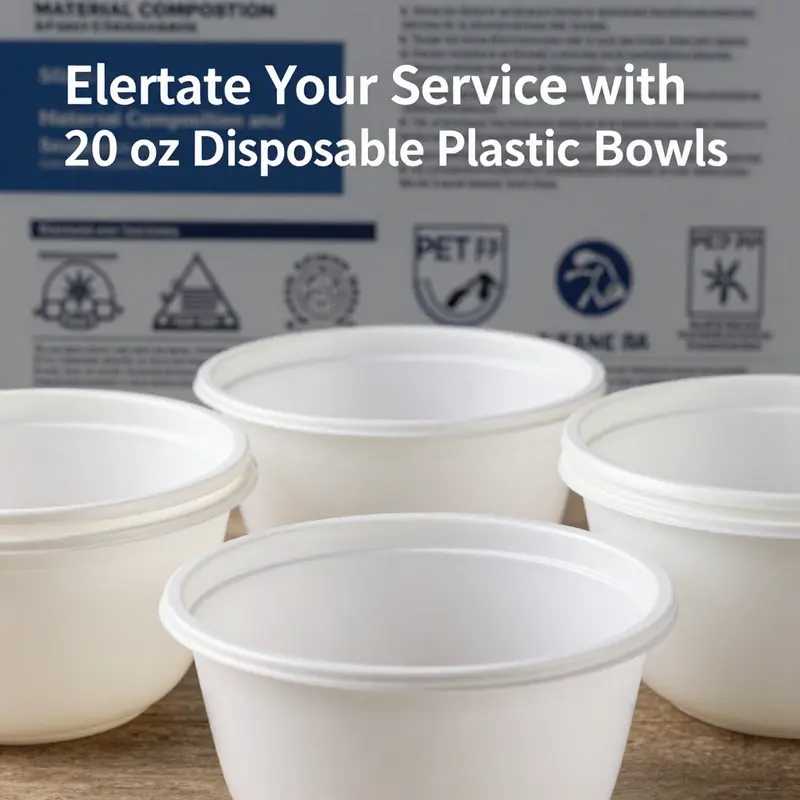
20 oz disposable bowls sit at the intersection of safety, performance, and end-of-life choices. The common plastics for these bowls are PP, PS, and PET, each balancing heat tolerance, cost, and regulatory expectations. PP offers heat resistance up to roughly 160C and is widely labeled food-grade with FDA- and LFGB-like standards; it also tends to have good durability and favorable recyclability where streams exist. PS is lightweight and inexpensive but has lower heat resistance, raising risk of deformation with hot foods and complicating disposal in markets with limited recycling. PET provides high clarity and strong barrier properties suitable for cold or room-temperature servings, but is not ideal for high-heat use. Paper-based bowls, often bagasse or sugarcane fiber with PLA lining, present an increasingly popular compostable option, though industrial composting infrastructure is necessary for full breakdown. Safety and labeling matter: many jurisdictions require clear temperature limits, microwave compatibility, and disposal guidance. End-of-life considerations differ: PP and PET recycling streams exist in many regions but depend on local infrastructure; PS recycling is more limited; compostable paper options depend on industrial facilities and may not be home-compostable. For decision-making, match material properties to use cases: hot soups and oils favor heat-tolerant PP; cold bowls can leverage PET’s clarity; compostable paper options fit events with robust composting options. Documentation, certification, and labeling support safe use and consumer trust. In sum, the choice is context-driven, balancing safety certifications with environmental goals, rather than a single best material.
The 20-Ounce Equation: Size, Substance, and Style Driving the Modern Disposable Bowl Market
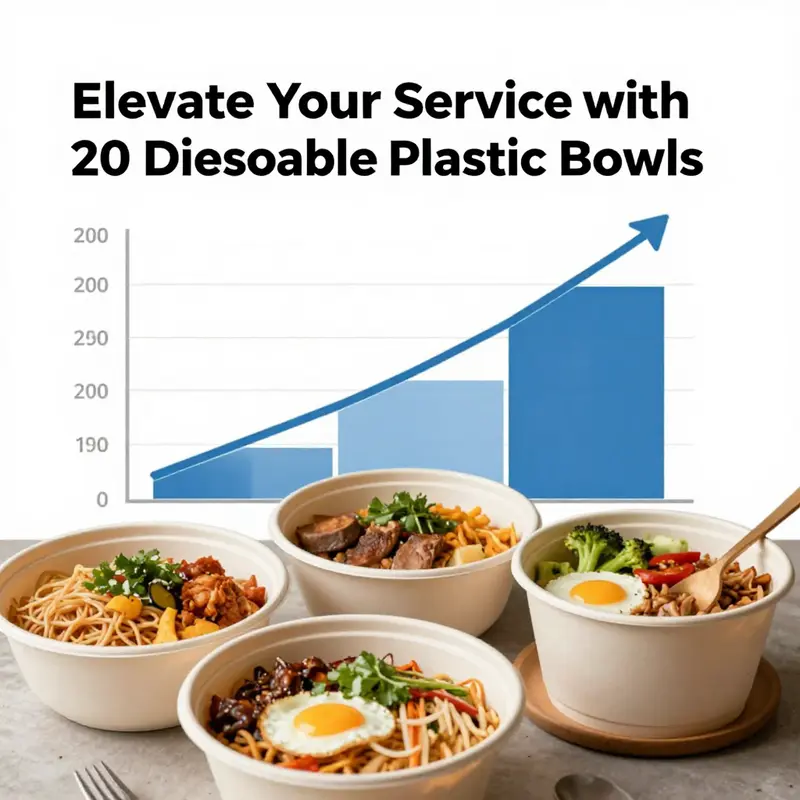
The 20-ounce disposable plastic bowl sits at a crossroad where practicality, presentation, and evolving expectations converge. It is not merely a vessel for holding food; it is a statement about how people want to eat together in a world that prizes efficiency as much as intention. For hosts planning a party, a caterer staging a buffet, or a family feeding a casual weeknight crowd, the 20-ounce size offers a balance that is hard to beat: ample servings without inviting waste, generous enough for hearty salads, desserts, or hot soups, and compact enough to stack, transport, and reuse in the mind’s eye as part of a well organized event. In practice, this size has become a practical benchmark across food service contexts because it accommodates an adult portion in a package that is easy to handle. Yet the real story behind this seemingly simple measure is a living dialogue between form, function, and the evolving expectations of consumers.\n\nThe market today is moving beyond the basic convenience of disposable bowls toward choices that reflect a more nuanced view of packaging. Consumers increasingly weigh sustainability alongside price and performance. The traditional appeal of plastic bowls–clear visibility of the contents, quick assembly, and compatibility with a wide range of foods–remains strong. These bowls are typically crafted from durable polymers such as polypropylene or polyethylene terephthalate, materials chosen for their food safety credentials, stiffness, and resistance to leaks. The trade-off, of course, is environmental impact, a consideration that has grown more pronounced as recycling infrastructure and consumer awareness expand in tandem. In response, manufacturers and retailers are expanding the selection to include PFAS free options and biodegradable or compostable alternatives that promise a more deliberate end of life story for the packaging. This tug between performance and responsibility is reshaping not just what is available, but how it is marketed, priced, and used at scale.\n\nClever design decisions are increasingly central to the appeal of 20-ounce bowls. For hot and cold foods alike, polypropylene is gaining momentum because it offers superior heat resistance and microwave safety, along with a shatter resistant profile that makes it dependable in busy service environments. Clear or translucent bowls remain popular because they let guests see the contents clearly, a feature that enhances the appeal of crisp salads, layered desserts, or vibrant toppings at a buffet line. The visual clarity can be a powerful factor in drive through takeout, school cafeterias, office snacks, or event catering, where the presentation of food matters as much as the taste. The most successful examples often pair this visual advantage with a robust build that can withstand the rigors of transport and imperfect handling, all while maintaining a clean, sanitary appearance that reinforces a sense of reliability.\n\nAmid these material and design considerations, the market is increasingly attentive to the broader packaging ecosystem. Buyers whether individual consumers, schools, corporate cafeterias, or catering outfits are showing more interest in the total package: lids that seal securely, leak proof seams, and customizable branding opportunities that allow a business to project a cohesive image. The 20-ounce size, with its mid range capacity, is especially well suited to come with attached or easily stackable lids, since events and takeout scenarios frequently require transporting meals without spills. In this light, the appeal of bowl systems grows beyond the bowl itself; it extends to the ease of assembly, the predictability of performance, and the ability to coordinate with other components like lids, sleeves, and food grade liners that can streamline service workflows.\n\nOf course, price remains a practical compass for many buyers. The contemporary landscape shows a wide spectrum of pricing tied to material choices, manufacturing processes, and whether the bowl is intended for single use or limited reuse. The low cost edge of traditional plastic bowls continues to attract households and budget conscious venues, underscoring why these items persist as a staple. Yet price is increasingly contextualized by the product’s environmental or functional attributes. PFAS free formulations, compostable or biodegradable alternatives, and brands that emphasize responsible sourcing or recyclable design often command a premium that some buyers are willing to pay for peace of mind and a narrative they can share with guests about responsible consumption. In other words, value in this market is no longer a simple function of cost per unit; it is a composite of performance, sustainability, and the ability to communicate that story to customers who care where their meals originate and how they travel from kitchen to table.\n\nThe consumer’s decision matrix for 20-ounce bowls is shaped by channels as much as by chemistry. In the consumer realm, online marketplaces and direct-to-consumer platforms provide easy access to a broad array of options, from clear, cost-effective bowls suitable for everyday meals to more specialty offerings designed for takeout services or themed events. A growing thread in this space is the availability of clearly labeled, PFAS-free or biodegradable choices that align with environmentally minded buyers. This aligns with a broader trend toward transparency, where buyers want to know not only what a product does, but how it is produced, how it behaves under heat or cold, and what happens at the end of its life. In commercial settings, the story is even more nuanced. Takeout operations and catering services prize durability and consistency above all; they demand a reliable product with predictable performance, multiple size options for menu flexibility, and the ability to scale to thousands or tens of thousands of servings without a drop in quality. The 20-ounce format is particularly adaptable here, bridging personal meals with larger service needs and providing a practical compromise between generosity and efficiency.\n\nSupply-side dynamics amplify these consumer preferences. On global platforms, the variety of 20-ounce bowls is driven by the availability of two principal polymer families—polypropylene for its heat resistance and robustness, and PET for clarity and rigidity. The choice between them often hinges on the intended use scenario: hot foods tend to favor the heat tolerant properties of PP, while cold or room temperature items benefit from PETs crisp, glass-like appearance. For many buyers, the decision also involves weighing the environmental footprint, with a growing number seeking PFAS free formulations or stumbling upon biodegradable options that align with waste management practices at their event venues or offices. In this context, the market is not simply a matter of bowls and lids; it is a constellation of packaging components, disposal considerations, and the logistics of reuse or recycling that shape the total cost of ownership.\n\nOn the purchasing side, the breadth of availability across online marketplaces reinforces the 20-ounce bowl’s status as a standard option. Alibaba type suppliers emphasize the practical elements—food grade materials, leak proof construction, and the convenience of paired lids for secure transport. Meanwhile, major retail platforms highlight a spectrum of use cases, from buffets and snack bars to everyday household meals. The diversity in shapes—clear, opaque, or subtly tinted plastics; round, square, or octagonal silhouettes—speaks to a desire for both utility and aesthetic appeal. But even as this array expands, a through-line remains: the best options are those that balance performance with predictability and can be relied upon in dynamic environments where food safety, spill prevention, and guest experience are non-negotiable.\n\nThe narrative around sustainability continues to evolve in tandem with these practical realities. Consumers do not want to sacrifice convenience, but they increasingly demand a credible plan for the bowl’s end life. Biodegradable and compostable options are entering mainstream channels, and even among traditional plastics, there is continuity in innovation to reduce environmental impact through better recyclability and PFAS-free formulations. This shift does not eliminate the continued demand for low-cost, sturdy bowls that can withstand the pace of a busy buffet line or a classroom lunch rotation. Rather, it redefines how these bowls are presented, supported, and integrated into a broader environmental strategy. The result is a market that values performance and price while giving equal weight to environmental responsibility and the opportunity to tell a responsible story to guests and customers. Clear bowls retain their appeal for the way they showcase food, but the palette of available options is broadening to include more sustainable choices that align with a growing preference for responsibility without compromising the user experience.\n\nAs buyers navigate this evolving landscape, they also consider branding potential and the role of personalization in a crowded market. The 20-ounce format is compatible with various branding strategies, including printed logos on lids or on the bowls themselves, seasonally themed designs for events, and customization that reinforces a business’s identity at a glance. This is especially valuable in settings such as weddings, corporate events, and large-scale gatherings where a cohesive look can contribute to a more memorable guest experience. The interplay between branding and packaging effectiveness becomes part of the decision process, reaffirming that the right bowl is not just about what it holds, but how it communicates with the guest and how proudly a business can present its food offering.\n\nIn this sense, the 20-ounce disposable bowl embodies a pragmatic elegance. It is a product that has learned to speak in multiple dialects—affordability, durability, and a capacity that fits a wide range of servings—while also listening to a collective call for improved materials, safer chemistry, and more responsible waste practices. The market’s trajectory suggests that this size will continue to command attention not merely for what it can hold, but for how it signals an evolving standard of care in food service. The ongoing conversation about sustainability, combined with a commitment to quality and consistent performance, is pushing suppliers to offer clearer, more durable, and more visually compelling options that meet both practical needs and consumer expectations. The 20-ounce form factor remains a reliable canvas on which manufacturers can demonstrate innovation without losing sight of the everyday realities faced by home cooks and professional caterers alike.\n\nFor readers who want to explore practical examples of the broader packaging ecosystem and how different materials balance performance with end of life considerations, one can reference a broader category of disposable serving ware that highlights the tension between convenience and sustainability. The discussion about 20-ounce bowls intersects with the availability of PFAS-free options and biodegradable materials, underscoring that even a seemingly simple product is part of a larger shift toward more responsible consumer choices. In the end, the market’s pulse is about giving people a practical, dependable experience while providing room for environmental stewardship and thoughtful design. The 20-ounce bowl is not merely a tool; it is a narrative device through which suppliers, venues, and everyday households articulate a shared vision of how we eat together in an era defined by awareness, efficiency, and possibility.\n\nInternal link: one example of how packaging choices can reflect both function and sustainability is illustrated by the catalog entry for a kraft paper octagonal bowl with lid, a design that demonstrates how even disposable containers can be optimized for transport, protection, and an eco-conscious message. See this example here: kraft paper octagonal bowl with lid.\n\nExternal resource: for readers seeking broader context on disposable bowls and related serving ware, a widely used external reference that reflects trends in heavy-duty, low-overhead paper-based options can be informative. See a comprehensive external resource here: https://www.amazon.com/20oz-Disposable-Heavy-Duty-Paper-Bowls-50-Pack/dp/B0CQ9LZ7VY.
Final thoughts
20 oz disposable plastic bowls represent a pragmatic solution for various food service environments. Their robust construction and versatility cater directly to the needs of bubble tea shops, catering services, and beyond. With safety standards in place and an expanding market presence, businesses can leverage these disposable bowls to enhance their operational efficiency and customer satisfaction. The trends are clear: as consumers continue to prioritize convenience and quality, investing in high-quality disposable tableware becomes essential.