
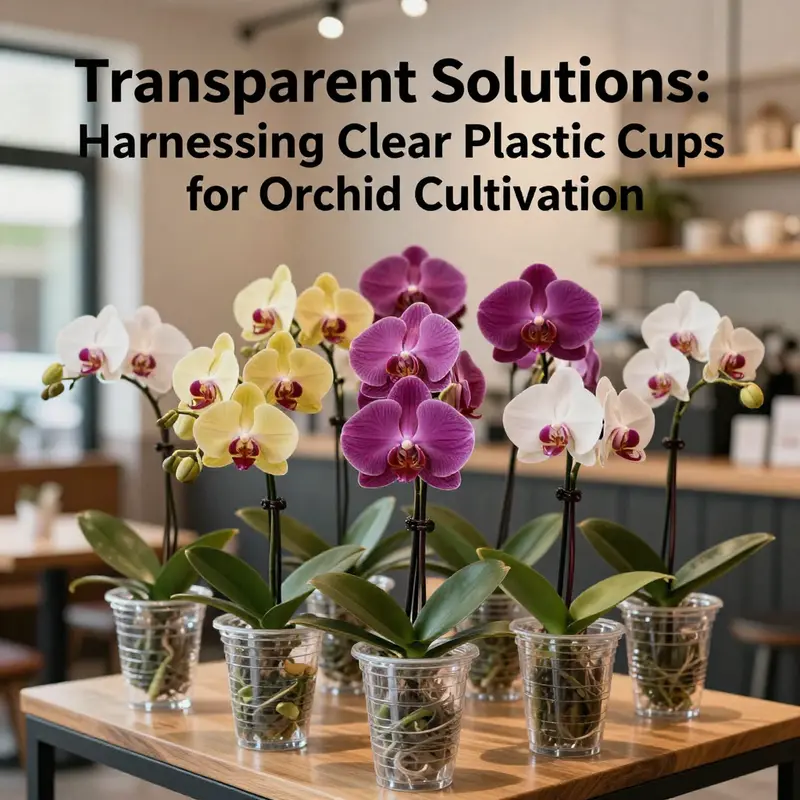
Incorporating flowering plants like orchids into your establishment can enhance ambiance and foster a connection to nature. Among the many approaches to orchid cultivation, using clear plastic cups stands out as a practical, efficient choice. Not only do these cups allow for easy observation of root health and moisture levels, but they also promote optimal growth conditions. This article delves into the benefits of using clear plastic cups for orchids, how to choose the right sizes for different types, and practical maintenance tips to ensure healthy plants. Each chapter will provide insights tailored to bubble tea shops, restaurants, food trucks, and event planners, all while recognizing the integral role of clear plastic cups in successfully nurturing these exquisite plants.
Seeing Roots and Light: Harnessing Clear Plastic Cups for Thoughtful Orchid Care
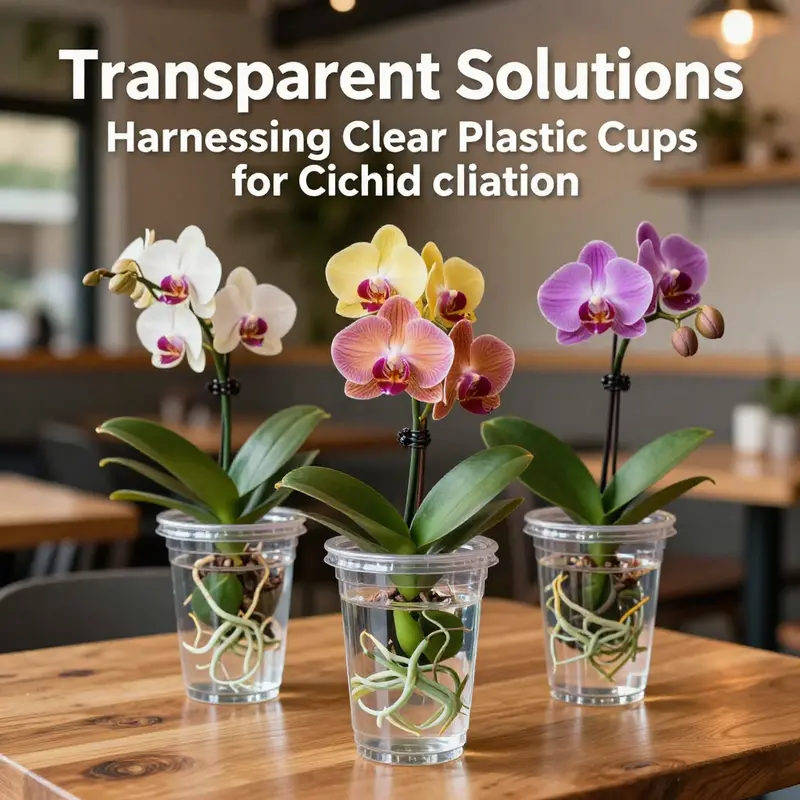
A clear plastic cup may seem almost modest beside potting baskets, decorative containers, and specialized orchid vessels, yet it carries a quiet but essential power for anyone learning to work with orchids. It is a tool that collapses distance between observation and care. In the quiet, almost clinical glow of a room lamp, a small, transparent cup becomes a window into a plant’s living processes. For beginners and seasoned hobbyists alike, these cups offer a view into a world that is usually hidden: the root system. Orchid roots, with their pale, sometimes silvery sheen when healthy, speak to us in color and texture. They tell stories of moisture, air, and time. A clear cup makes those stories legible. It allows a grower to watch, moment by moment, how the plant responds to the medium, the watering rhythm, and the environment. The result is not merely a test of patience but a practical, repeatable method for refining care, especially when a new orchid is beginning its life or settling into a new home after a repotting. The transparency invites a more deliberate attention to the plant’s needs, which is particularly valuable for orchids whose roots thrive in an intricate balance of moisture and aeration.
The reward of this observational clarity is a deeper understanding of what a healthy root zone looks like. In a clear plastic cup, you can see whether the roots are plump and white, with those delicate root tips pale and actively seeking moisture and air. You can also detect early signs of trouble—roots that turn brown and mushy, a color shift toward gray or black, or a limp, desiccated appearance. When roots are starving for moisture, they may appear almost glassy or dull, and when they have too much water, their tissue may become translucent and soft. This visibility is not just about diagnosing problems; it is about calibrating your watering schedule in real time. Orchid media can be a mystery, especially for beginners who are learning to interpret the medium’s moisture retention. A clear cup helps you link the plant’s response to your actions, making the evaluation of how much water to use, when to water, and how long to let the medium dry between sessions more concrete and less guesswork.
The practical appeal of clear cups also lies in their lightness and affordability. They are easy to obtain in various sizes, and their lightweight nature makes them especially convenient for propagation, keikis, and educational demonstrations where multiple plants are being started at once. The low cost reduces the risk of disease transmission between plants, which matters at a sensitive stage of growth when orchids are most vulnerable. If you are introducing a novice to orchid care, the visible cues inside a clear cup can serve as a powerful teaching tool, turning abstract concepts like moisture, aeration, and root vitality into tangible, observable facts. In this way, the cup functions less as a container and more as a learning aid that supports skill-building and confidence.
Under the broad umbrella of orchid care, it helps to understand why a transparent container aligns with the plant’s natural biology. Orchids do not grow their roots in the same soil you might imagine for a typical garden plant. Their roots crave air as much as moisture, and many orchids prefer bright but indirect light with roots shaded from harsh sun. A clear cup allows the top of the medium to be measured against the plant’s foliage without requiring guesswork about whether the medium is damp or dry. The home grower can observe the subtle interplay between light uptake by the leaves and the root zone’s moisture status, a dynamic that is more difficult to gauge when roots are hidden inside opaque pots. For many Phalaenopsis enthusiasts—those butterfly orchids that often anchor early orchid collections—the concept of bright leaves and dark roots gains practical resonance. The leaves can glow with healthy color when properly illuminated, while the roots stay tucked within a shaded, cooler microclimate inside the cup. This separation between light exposure for the foliage and the protective darkness for the roots mirrors natural orchid habits in many environments and supports a metabolism that favors steady, balanced growth.
Beyond the science and aesthetics, there is a broader horticultural logic at work. Clear plastic cups provide a disciplined, modular approach to orchid care. Their compact size makes them ideal for propagation of cuttings, divisions, or keikis—the little plantlets that sometimes attach to a parental plant’s growth nodes. By starting in a cup, you can build a controlled, incremental path from fragile new growth to a more robust, established plant ready for a larger pot or mounting. The cup’s portability means you can experiment with small batches, try different media mixes, or adjust humidity and airflow without committing to a full-scale repotting. The portability also enables educators to demonstrate orchid propagation and maintenance in classroom or workshop settings, turning theoretical care into practical, hands-on experience. In short, the clear cup is a versatile scaffold for learning, experimentation, and practical care, not merely a cheap temporary container.
Choosing and using a clear cup involves a balance of design features and technique. Many clear orchid cups come with drainage holes, which are essential to prevent waterlogging and the creation of stagnant pockets that invite rot. The holes need to be sized appropriately for the media and the orchid stage you’re working with; too large and you risk rapid drying, too small and you may inadvertently trap excess moisture. Some cups are designed with side slits or perforations that promote air exchange along the sides, an attribute that complements the orchid’s need for oxygen near the roots. When you combine such features with a medium that includes bark fines, sphagnum moss, perlite, or a coconut coir blend, the cup becomes a micro-ecosystem tailored to your orchid’s stage of growth. The medium choice itself is crucial: in propagation and keiki development, a lighter, more aerated mix is often used to encourage quick root formation and to maintain surface moisture without suffocation. A slightly heavier mix may be appropriate for mature divisions that still require a degree of moisture retention. In either case, the clear cup lets you monitor how the medium interacts with the plant’s root system, giving you early warnings if the mix begins to break down or compacts around the roots.
The practical sequence of using a clear cup centers on observation, moisture management, and gradual transition. First, you prepare the cup by ensuring there are adequate drainage holes. If needed, you can add a few tiny perforations at the bottom and sides to promote a steady flow of excess water away from the root zone. Next, you set up the media. For beginners, a simple mix of orchid bark combined with sphagnum moss and a touch of perlite can provide both aeration and moisture retention. The exact ratio depends on your environment: a drier room may benefit from more bark for airflow, while a more humid space can accommodate a higher proportion of moss for moisture retention. The orchid’s roots should have room to spread, so choose a cup that yields a comfortable contact surface without crowding.
Transplanting into a clear cup is a careful operation. Gently remove the orchid from its previous pot, inspect the roots, and trim away any that are dead or diseased. This step, while delicate, is critical to prevent the spread of problems into the new cup. Place the plant in the center of the cup and spread the roots so they can access air and moisture evenly. Fill the cup with the media, pressing lightly to secure the plant without crushing the roots. It is important to leave a bit of space at the top for growth and to prevent water from spilling over the edge during routine maintenance. After potting, water sparingly at first to allow the media to settle and to encourage new root growth without overwhelming newly exposed tissue. The noonday sun outside a window or the bright glare of indoor lighting should be moderated to protect the roots from thermal stress. The goal is steady, predictable moisture and consistent access to air around the roots.
As roots begin to extend and white tips appear, you will start to notice signs that the plant is ready to be moved to a larger pot or even a different containment strategy. The transition is guided by several cues: root length, root health, and the overall vitality of the plant’s foliage. When roots reach and exceed the cup’s interior diameter, forming a robust network, it often signals readiness for repotting. The new container could be a larger clear pot, which preserves visibility, or a traditional orchid pot with slits or vents that further promote air exchange. The key is to move forward gradually, allowing the plant time to adjust to the changed environment while continuing to observe root behavior. This measured approach preserves the plant’s momentum and reduces the shock often associated with repotting during active growth.
In this observational framework, even small, everyday practices carry significant influence. For instance, the timing of watering becomes starkly clearer. When you can see through the cup, you can judge whether the growing medium is still damp from overnight moisture or has begun to dry in the morning sun. You can tailor your routine to the orchid’s actual needs rather than relying on a fixed calendar schedule. This is especially valuable when dealing with different orchid species and varieties that may have unique moisture preferences. Some growers favor a longer drying interval for certain types, while others require more frequent checks. The clear cup makes these decisions more intuitive because you are watching the roots interact with the medium in real time, not guessing from a distant pot’s surface dryness or a wilted leaf that may be masking other issues.
In the broader context of orchid care, the clear cup aligns with a philosophy of gentle, observation-driven cultivation. It is not about forcing the plant into a strict regimen but about listening to what the plant is telling you through its roots and leaves. It is about creating a microclimate that respects the orchid’s natural rhythms, with a focus on air, moisture, and light. The cups serve as a bridge between the plant’s instinct to seek moisture and air and the grower’s responsibility to provide a stable, supportive environment. This harmony between plant biology and human care is what makes clear plastic cups a particularly effective tool for learning and growth. They invite curiosity, encourage careful handling, and enable a practical, repeatable method for nurturing orchids from the moment of propagation through to a sturdy, flowering maturity.
To extend the practical usefulness of this approach, consider a concise, budget-conscious option for starting with these containers. For example, a budget-minded grower can begin with a compact, affordable unit such as a Best price 8oz disposable cup. This option is simple, accessible, and easy to replace, which supports experimentation and learning without a heavy financial commitment. The value comes not only from the cup itself but from the disciplined routine it encourages—regular observation, timely adjustments, and a calm confidence born from seeing the plant’s progress unfold in real time. In this sense, the clear cup becomes both a tool and a teacher, guiding beginners toward better watering practices, more precise root care, and a deeper understanding of how different media and environmental conditions shape orchid growth. It is a small instrument with a surprisingly large effect on the quality of care, resilience of the plant, and satisfaction of the grower, whether at home, in a classroom, or in a community garden where orchids are shared among curious minds.
For those seeking additional perspectives on orchid care beyond the practicalities of containers and media, authoritative guidance exists that reinforces the principles described here. While the specifics of container choice may vary, the core ideas—monitoring root health, ensuring adequate aeration, and balancing moisture with light exposure—are consistently emphasized in expert resources on orchid culture. Those who wish to deepen their understanding will find valuable, evidence-based recommendations that complement the hands-on experience gained with a clear plastic cup. As with all horticultural journeys, the combination of practical experimentation and trusted guidance helps growers progress from tentative steps to confident, capable care. If you would like to explore a comprehensive, science-based overview of orchid care, a respected source provides a thorough treatment of these topics and more. American Orchid Society orchid care resource.
Internal link note: for readers seeking a compact, affordable container option that aligns with the ethos described above, a practical entry point is the Best price 8oz disposable cup. It serves as a simple, low-risk starting point for observation-based cultivation, especially when you are learning the art of handling orchid roots and media. You can explore this option here: Best price 8oz disposable cup. The cup itself is not a fancy orchid accessory; its value lies in its ability to facilitate careful observation, timely adjustments, and a methodical approach to propagation and early growth. As you gain experience, you can evolve toward larger or more specialized pots, but the fundamental habit—the habit of looking first, then acting—remains the core benefit of starting with a clear, viewable container. In practice, that habit translates into fewer mistakes, more reliable rooting, and a smoother transition as plants mature. The consistency of attention becomes the teacher you carry from one generation of orchids to the next.
In sum, the clear plastic cup is more than a container. It is a gateway to a more thoughtful, precise, and enjoyable orchid journey. By revealing the hidden life of roots and the subtle shifts in moisture, it invites a disciplined yet gentle approach to care. It supports propagation, education, and incremental learning, helping growers transform curiosity into competence. The cup’s transparency demystifies orchid cultivation and invites a broader audience to observe, ask questions, and participate in the life of a plant in a way that is both practical and deeply satisfying. Whether used as a nursery for keikis, a propagation tool, or a temporary stage for an orchid adjusting to a new home, the clear cup frames a narrative where science and artistry intersect in the quiet, daily rituals of care. And as you follow this path, you may find that your orchids become not just plants to be kept but living teachers whose roots tell stories that you can read with clarity, patience, and care.
null
null
Seeing Beneath the Foliage: Maintenance and Mindful Care of Clear Plastic Cups for Orchids
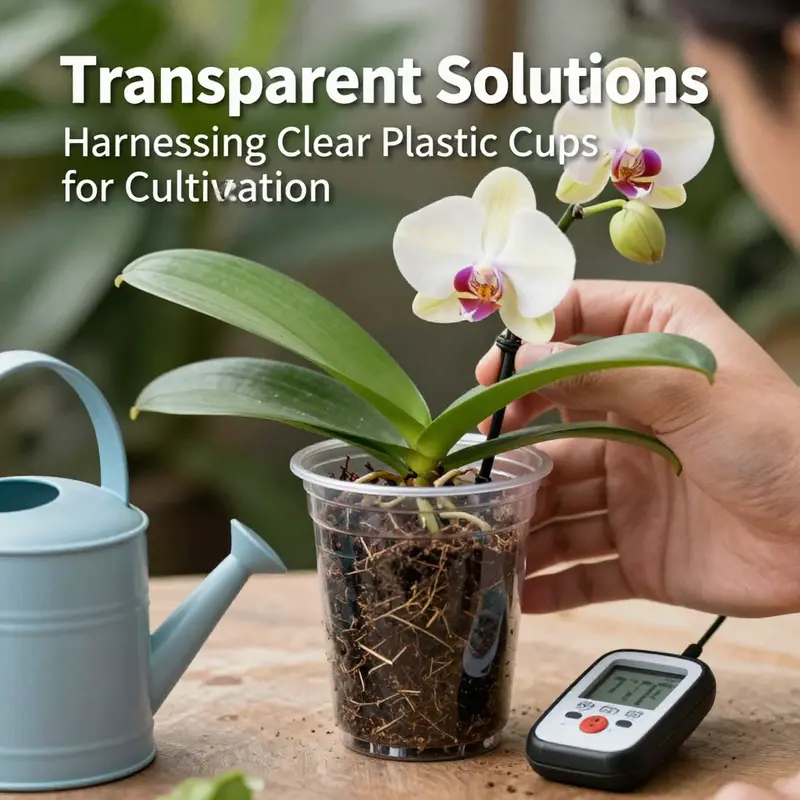
Orchid enthusiasts understand that beauty above the pot rests on a quiet, careful vigilance beneath the surface. Clear plastic cups used to grow orchids do more than simply hold the plant; they reveal the life inside—the health of the roots, the moisture in the substrate, and the subtle shifts that signal whether the plant is thriving or merely surviving. This chapter follows a practical, cohesive pathway through maintenance that honors the plant’s need for visibility, airflow, and controlled moisture, while also recognizing the unique demands these transparent containers place on care routines. In the world of orchid culture, the choice of container is as much a statement about monitoring as it is about aesthetics. A clear plastic cup invites you to observe the roots, to spot pale or shriveled tissue at the moment it first appears, and to respond before a small problem becomes a larger one. Yet visibility brings its own responsibilities. Light that penetrates the reservoir can promote unwanted algae and microalgae growth, and the very transparency that helps a grower detect rotting roots can also expose the plant to temperature fluctuations and microbial exposure if not managed with mindfulness. The guidance that follows treats maintenance not as a sterile routine but as a rhythmic practice that aligns with the orchid’s growth cycle and environmental conditions, while keeping the human caretaker attuned to the nuanced signals of vitality.
Clear pots designed for orchids typically include drainage holes and a breathable design to promote air exchange around the roots. This is not merely a matter of convenience; it is a fundamental aspect of healthy orchid culture. Orchids rely on a constant supply of air to the roots, which in turn drives efficient evaporation and prevents siting of stagnant water that can invite bacterial and fungal challenges. The transparent walls allow you to inspect root color and texture, gauge the moisture in the substrate, and anticipate repotting needs. However, with transparency comes the responsibility to shield the reservoir from light that could spur algae growth, and to manage heat buildup that could warp the cup or alter the substrate environment. A thoughtful approach to maintenance recognizes these dual aspects: the benefits of visibility and the need for light control and temperature moderation. The insight begins at setup, but its significance grows as the plant matures and changes pace with the seasons.
The maintenance routine for a clear plastic cup should feel continuous rather than episodic. Regular cleaning after each water change, or at minimum once a month, keeps the environment healthy and free of biofilm. Warm water and a mild, neutral detergent provide a gentle, effective clean that removes mineral buildup and residues without harsh abrasives that could scratch the plastic. Scrubbing the inner surfaces with a soft sponge or cloth helps avert microhabitats where bacteria might settle. It is essential to rinse thoroughly so no soap film remains, as residues can damage delicate roots or alter the substrate’s chemical balance. A clean reservoir also supports accurate water level readings, further reinforcing the habit of deliberate observation. In orchid care, precision matters; a spotless, transparent container makes it easier to recognize when roots are dry or damp and to adjust watering accordingly. The rhythm of cleaning becomes intertwined with the rhythm of watering and feeding, creating a cohesive cycle that supports robust growth and healthy roots.
Avoiding high temperatures is a simple rule with outsized impact. Direct sunlight should never be allowed to heat the cup. The plastic, along with the water inside, can reach temperatures that warp the walls or cause microcracks that harbor bacteria. Heat can degrade not only the container but the nutrient balance in the water and the substrate around the roots. If you use the cup indoors, place it away from heat vents, lamps, or south-facing windows that receive intense afternoon sun. If you keep orchids outdoors, choose a shaded spot with indirect light and favorable airflow. The caution extends to heating water for the plant; never microwave the cup or the water before watering. Room-temperature water supports the delicate roots, preventing thermal shock that can stress the plant and slow growth. This attention to temperature is not a small detail; it is a fundamental safeguard against stress that can ripple through several growth cycles.
Algae growth is a common challenge that arises when light penetrates the reservoir. The transparent design invites you to monitor water volume easily, but it also invites light-driven growth that can cloud the water and obscure root health. The preventive measure described in practical terms is straightforward: cover the lower part of the cup, the reservoir, with a piece of black cloth or opaque tape. This blocks light while still allowing you to check the water level with ease. The goal is to keep the reservoir visually accessible yet dark enough to suppress photosynthetic activity that feeds algae. If algae do appear, a gentle wipe with a clean cloth during routine cleaning, followed by a reservoir topping with fresh, dechlorinated water, can restore clarity without disturbing the roots. The solution is simple but effective, preserving the transparency of the upper pot area for root observation while shielding the living water from unnecessary light exposure that would otherwise compromise water quality between changes.
Watering discipline is a cornerstone of orchid health in clear cups. The general guideline is to maintain a water level just below the bottom of the roots, roughly 1 to 2 centimeters above the base of the potting medium. This range supports root oxygenation while ensuring roots stay moistened. The changes in water schedule follow seasonal demands: weekly changes during the heat of summer and biweekly in winter. The key is to adapt to the plant’s needs rather than the calendar. Room-temperature, dechlorinated water is preferable; a simple overnight resting period on tap water is often enough to dissipate chlorine and convert hard minerals to a gentler balance for sensitive roots. This routine favors the plant’s natural rhythms and minimizes stress responses that often show up as slowed growth, leaf drop, or root discoloration. A practical trick that aligns well with this approach is to adjust the substrate’s moisture-holding capacity when repotting. A well-chosen medium that drains adequately but retains some humidity reduces the frequency of water changes and helps stabilize root temperature between sessions. The balance is delicate and requires attention, but over time the cadence becomes second nature as you learn how your specific orchid responds to the cup’s microenvironment.
Fertilization in clear cups warrants careful restraint and attention. If you incorporate a fertilizer, choose an orchid-specific nutrient solution that is properly diluted. The recommended approach is to add only a few drops per liter of water and apply monthly. Over-fertilization is a common pitfall that can damage the delicate root system. The clarity of the cup makes signs of nutrient stress more visible: root tip burn, leaf edge discoloration, or unusual growth patterns can appear rapidly. When in doubt, water with plain, dechlorinated water for a cycle to reset the root environment before reintroducing fertilizer. The integration of fertilizer into the maintenance routine should feel measured and consistent, not aggressive. Orchids often respond to steady, modest feeding rather than sporadic, heavy doses. In the context of a clear cup, the careful use of nutrients becomes part of the ongoing observation program, reinforcing the habit of watching for subtle changes and responding with calm, informed adjustments rather than quick, impulsive actions.
Handling the cup with care is about maintaining the integrity of the container and the health of the plant alike. Scratches on the plastic create microenvironments that can harbor bacteria and make cleaning more difficult. A gentle touch, avoiding drops and avoiding hard objects that could scar the walls, protects both the cup and the roots. If the cup becomes scratched or cloudy, assess its integrity. A degraded surface can trap detritus and complicate root health assessments, and over time the material may lose its structural stability. The recommended life expectancy for such containers is roughly two years under normal use, though the exact lifespan depends on handling, exposure to heat, and frequency of cleaning. When you notice cracks, cloudiness, or warping, replace the cup promptly. This proactive replacement protects the orchid from potential leaks, inconsistent moisture delivery, and microbial intrusion that could otherwise threaten the plant’s health.
Repotting remains a central event in orchid care, especially when you rely on a clear cup to inspect roots. Observing root color and texture through transparent walls reveals the plant’s needs in real time. If roots are pale, green, and turgid, the plant is likely in good shape; if they appear brown, mushy, or shriveled, it signals distress that requires adjustment—whether that means a change in watering, light, or aeration. The potting medium must support both moisture retention and drainage, a balance that clear cups alone cannot guarantee without a compatible substrate. Potting media designed for orchids typically include components such as bark, perlite, or sphagnum moss, chosen for their drainage properties and air flow. The right mix, combined with the cup’s design, helps ensure roots receive oxygen while staying evenly moistened. The process of repotting becomes a mindful ritual rather than a hurried chore. It offers a moment to clear debris, refresh the substrate, and recheck the plant’s orientation within the cup. By embracing this practice, you deepen your ability to read the plant’s signals—root color, leaf vigor, and growth patterns—and to respond with measured, confident care that strengthens resilience across seasons.
Aesthetics and practicality can coexist when you plan your maintenance with seasonal cycles in mind. In warmer months, light and temperature demands rise, and the plant may demand more frequent moisture checks and careful monitoring of root health. In cooler seasons, evaporation slows, and roots can stay damp longer, increasing the risk of rot if the substrate remains saturated. Your maintenance narrative should adapt to these shifts without losing the core discipline of cleanliness, light control, and timely observation. It is not merely about keeping a container clean; it is about preserving an environment that allows orchid roots to breathe, drink, and grow in harmony with the plant’s intrinsic rhythms. When you consider the overall system—the plant, the cup, the substrate, and your daily routine—you create a micro-ecosystem that speaks to patience, attentiveness, and respect for living tissue. In practice, this means developing a consistent time for observation, preferably after a watering, when the reservoir is fresh and indicators are most readable. This cadence transforms maintenance from a checklist into a conversation with the plant.
To connect these practical steps with broader packaging and container choices, it can be helpful to explore related options in the same ecosystem. For instance, you can examine the eco-friendly kraft paper soup cup product page to understand how container materials are designed for ethical, sustainable use while remaining functional. This perspective reinforces the idea that care for living plants and care for the materials that hold them can share principles of durability, gentleness, and longevity. See the eco-friendly kraft paper soup cup product page for a sense of how packaging choices balance practicality and sustainability in everyday uses that echo the considerations we apply to orchid cups. eco-friendly kraft paper soup cup product page
In all these practices, the guiding thread is observation. The clear plastic cup is a tool that invites you to witness the plant’s life as it unfolds. Observation becomes care when paired with a gentle, informed response. You do not react to every small fluctuation; you respond when patterns emerge—consistent dryness at the roots, a gradual decline in leaf turgor, or changes in root color distribution. A robust maintenance routine honors the orchid’s needs, supports its growth phases, and minimizes stress across the plant’s journey from a younger, motto of vitality to a mature specimen that demonstrates reliable bloom and steady growth. The chapter you have read threads together the essential practices: keeping the container clean, protecting the reservoir from excessive light, maintaining a measured watering schedule, using safe, dechlorinated water, applying fertilizer sparingly and on a predictable cadence, handling the cup with care, recognizing when wear requires replacement, and aligning repotting with the orchid’s phenology. In practice, these steps become a cadence—one that matches the plant’s needs rather than a generic calendar.
The maintenance discipline also has a human dimension. It trains you to slow down, to notice when a root tip turns a pale shade or when the water in the reservoir looks murky despite a weekly change. It teaches you to plan ahead for seasonal variations, to stock appropriate substrate mixes, and to keep a back-up cup ready for repotting while you observe how the plant adapts to a new container. The more you engage with the plant in this way, the more you learn to listen to the subtle cues—tips of roots that darken after a watering, a new leaf unfurling with a slightly different sheen, or the way a compact plant holds its leaves during a period of high humidity. This is not merely horticulture; it is an art of listening and responding with care, precision, and patience. The clear plastic cup becomes a teacher in its own right, illustrating how proximity and transparency reveal the intimate rhythms of orchid life and how consistent, informed care translates into healthier roots, more reliable blooming, and a more resilient plant that can weather the seasons with grace.
As you close this reflective guide, hold fast to the core idea: maintenance is a continuous conversation with the plant, mediated by the container that houses its roots. The cups themselves are tools—practical, sometimes humble, but capable of supporting a plant that has long stood for elegance and endurance in the home garden. With clean, well-maintained cups, gentle light management, a disciplined watering routine, and a thoughtful approach to nutrients and replacement, you create a microhabitat in which the orchid can express its best growth. The result is not merely a plant with visible roots; it is a thriving specimen whose vitality is evident in every new growth, every new leaf, and every clean, clear view into the heart of the pot. The chapter ends where careful observation begins—at the moment you look closely and choose to respond with knowledge, steadiness, and respect for the delicate life you nurture in a clear plastic container.
External resource: For a broader understanding of how container materials interact with plant care and to see a different perspective on the use of transparent and opaque systems in horticulture, consider this external resource: How to Grow Orchids in a Plastic Bottle
Final thoughts
Choosing clear plastic cups for orchid cultivation is a strategic move for any establishment looking to enhance its environment with beautiful plants. Not only do these cups offer visibility and promote healthy root growth, but they also cater to the practical needs of businesses ranging from restaurants to catering services. By selecting the right sizes and following maintenance tips, you can ensure your orchids flourish, creating a vibrant atmosphere that captivates your customers. Embrace the simplicity and effectiveness of clear plastic cups and watch your orchid collection thrive.