
In the realm of beverage service, presentation and convenience are paramount. Hefty Easy Grip Disposable Plastic Party Cups stand out as an ideal choice for bubble tea shops, restaurants, food trucks, catering services, event planners, and corporate teams. This article will unveil the unique design and material that make these cups a staple at gatherings; explore their versatility across various events; delve into environmental considerations; compare them with other disposable options; and highlight consumer perspectives. Each chapter aims to provide a comprehensive understanding of why these cups are not just practical but also elevate the overall beverage experience.
Grasp and Glow: The Subtle Science of Easy-Grip Plastic Party Cups
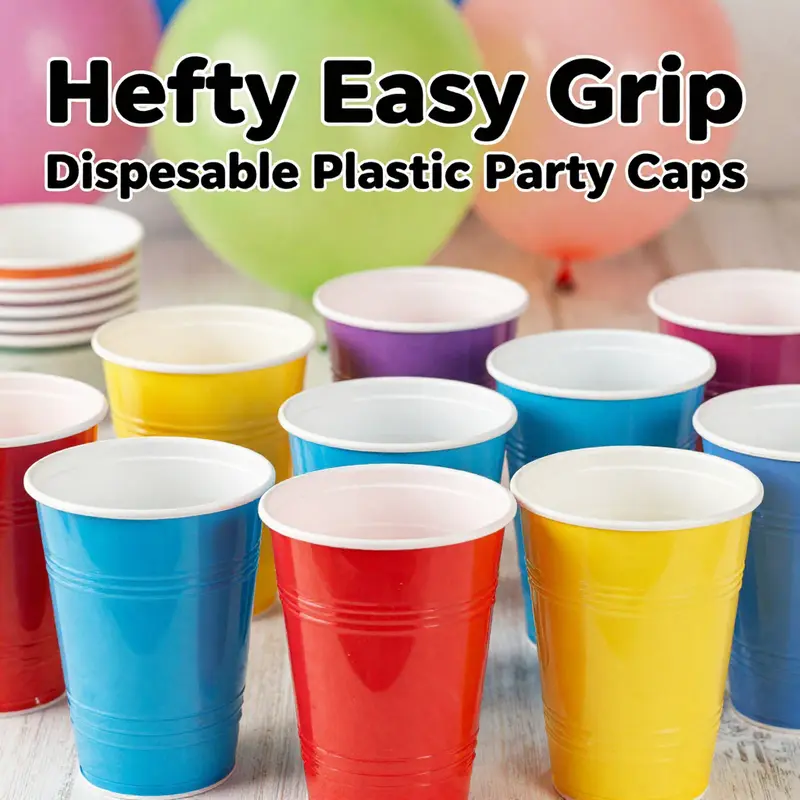
In the bustle of a party, the simple act of lifting a cup becomes a moment where design, material choice, and user experience converge to shape mood, flow, and memory. The cup in your hand carries the drink, the temperature, and the rhythm of the gathering, even when its presence is quiet. When a disposable cup is easy to grip, sturdy enough to resist a spill, and light enough to disappear into a single-use cycle, it quietly supports a smoother social dynamic. This is not merely about convenience; it is about how design reduces friction in social interaction. A cup with an anti-slip texture on its sides offers a reliable hold even when fingers are damp from condensation or when the surface beneath is slick from rain or spilled beverages. The texture acts as a tactile map, guiding a confident grasp so that a toast or a refill can proceed with minimal interruption. In warm weather, outdoors, or in venues with uneven terrain, that grip becomes a form of nervous system support for the host, the guest, and the servers who move between groups with trays and pitchers. The goal is to feel assured rather than careful, to move through the scene with a sense of ease rather than constant recalibration. And in that ease lies a subtle social advantage: fewer interruptions, more cohesion, and a sense that the event flows with grace rather than friction.
The practical dimension of such a cup begins with its capacity. An 18-ounce size is a pragmatic sweet spot for casual gatherings because it is large enough to hold a satisfying portion of a cold drink and small enough to be manageable when carried in numbers. This balance matters in conversations that drift from one group to another, when a host needs to send a steady stream of beverages across a room or yard without forcing guests to pause and search for a refill station. The capacity contributes to the rhythm of interaction: people can sip, mingle, and move without constant fetch-and-carry tasks interrupting the social cadence. It is a design decision that respects both the pace of social exchange and the logistical demands of hosting. The color and finish of the cup, often a vibrant red in many lines, adds a festive aura to the event. Color does more than decorate; it signals mood, creates a focal point, and helps guests locate their own cup in a crowded table or among a sea of attendees. A bright hue becomes a cue—an invitation to participate, to toast, to laugh, to linger.
The material story behind these cups is equally telling. The cups are crafted from durable plastic designed for disposability and reliable cold-liquid performance. The choice of a sturdy plastic formulation supports a lightweight, shatterproof experience that reduces anxiety about accidents, especially around children or during energetic games and outdoor activities. Yet this reliability comes with trade-offs. The absence of post-consumer recycled content means the cups are made from virgin plastic rather than repurposed resin. This choice is often grounded in the desire for predictable manufacturing outcomes, consistent wall thickness, and dependable heat resistance in the cold beverage range. Virgin plastic can provide uniform performance across production lots, which matters when millions of cups are needed for large-scale events. Still, the environmental footprint attached to virgin material invites reflection. Recycling streams can be complicated by beverage residues, labeling, and the specific resin type used, which may determine whether the cups are accepted by local facilities. In communities with robust recycling infrastructure, the disposal equation shifts; in others, it lingers as a question for guests and organizers. The absence of post-consumer content is a clear signal about sustainability priorities—prioritizing consistent runnability and predictable costs for mass production over the closed-loop ideal of repeated use.
Another facet of the design is the single-use convenience that supports hygienic and efficient service. The cups are engineered to be lightweight, not fragile, which matters when dozens or hundreds of units must be transported, stacked, and distributed. In a setting where volunteers or catering staff shuttle beverages to different clusters of guests, lighter cups with secure grips translate into quicker turnover and fewer fatigue-driven mishaps. The anti-slip texture complements this by enabling steady handling even when staff hands are gloved or wet, or when the drinks themselves are cold enough to sweat on the outside of the glassy surface. This combination of grip and weight reduces the likelihood of accidental spills, which in turn lowers cleanup time and improves overall guest satisfaction. For hosts, the tangible outcome is not merely a tidy table but a smoother social energy: conversations can continue with fewer interruptions, and the host can maintain focus on the flow of the event rather than micromanaging every spill risk.
From a design perspective, the interplay between form and function is as important as any aesthetic flourish. The textured sides do more than improve grip; they also support a sense of security during moments of high activity, such as children darting between tables or guests moving between indoor and outdoor spaces. The rigidity of the cup walls helps protect beverages from accidental tears or splashes when the cup is jostled, which matters when people lean in to hear each other over music or chatter. The overall silhouette is optimized to be stackable and space-efficient for transport and storage. This is not mere packaging engineering; it is a practical response to a host’s need to balance inventory with portability and ease of reuse in a busy social calendar. While the drinkware must perform reliably in a range of temperatures, it is the everyday reliability—the incremental, almost invisible features—that shape how people physically interact with it and how comfortable everyone feels during the event.
Sustainability remains a central thread in this discussion, even as the objective is to deliver a practical, affordable product for large gatherings. The lack of post-consumer recycled content signals a prioritization of manufacturing efficiency and consistent performance over reuse in a closed-loop system. This trade-off can be debated among planners who weigh cost, convenience, and environmental impact. Some organizations lean toward compostable or recyclable options, acknowledging that a shift in material selection can alter product behavior, stacking, and disposal protocols. Others accept virgin plastic as a default for its known performance characteristics and the certainty it provides when planning large-scale distribution. The conversation around disposables thus straddles two realities: the social imperative to enable seamless gatherings and the ecological responsibility to minimize waste and resource consumption. In practice, the decision-making process for hosts and event organizers often hinges on the specific context of the event—its duration, location, and audience—and on the availability of recycling or composting infrastructure in the venue area.
For readers exploring the broader landscape of disposable tableware, there is value in considering alternatives that align with sustainability goals while preserving user-friendly design. In this vein, a related discussion on eco-friendly, printed-logo paper cups with lids offers a contrasting approach. These paper cups can provide a similar visual impact and branding potential while leveraging different material pathways. The transfer from plastic to paper in certain contexts can alter the guest experience, introducing factors such as insulation, compostability, and the tactile feel of a paper cup. This helps illuminate the spectrum of choices guests and hosts navigate when planning events that aim to be efficient, enjoyable, and mindful of resource use.
As designers and manufacturers continue to iterate on disposable drinkware, the central challenge remains balancing reliability with responsibility. The texture, weight, capacity, color, and family of finishes must cohere with the needs of real-world settings—from backyard barbecues to wedding receptions and corporate gatherings. The cups should not demand attention or become a barrier to social interaction; instead, they should disappear into the backdrop of the celebration, quietly enabling connection. The emotional payload of the cup—its ability to reduce spills, to offer a secure grip in the moment of a high-five or a toast, and to simplify cleanup after the last song—matters as much as its physical properties. In this sense, the cup becomes a small but meaningful instrument in the orchestra of an event, harmonizing safety, practicality, and shared experience.
Grip, Gather, and Glow: The Quiet Versatility of Textured Disposable Cups in Every Event

The cups that hold our drinks at a table often go unnoticed, tucked between party hats, napkins, and a chorus of conversations. Yet the small, common cup with a textured, slip-resistant surface shapes how smoothly a gathering unfolds. When drinks are cold, people reach across a crowded table or through a sunlit yard, and the cue to grip becomes a moment of comfort, not a hurried spill. In this sense, the practical design of durable plastic party cups—specifically those built with a textured exterior for a secure grasp—works as a silent facilitator of connection. Capacity is more than a number; it is a rhythm for service and conversation. A cup that holds about sixteen ounces, with variants that stretch to eighteen, balances the need for refills with the desire to minimize trips to the beverage station. The material itself, light yet resilient, supports a spectrum of occasions, from casual backyard barbecues to more formal indoor gatherings. The anti-slip texture, often felt more than seen, becomes a reliability cue. Even when hands are damp from ice, heat, or summer humidity, the grip remains steady. The result is not just fewer spills but more opportunities for eye contact, laughter, and the gentle passing of a drink around a table. In other words, the cup becomes part of the social choreography, not merely a vessel for liquid.
Across a broad range of events, the adaptability of these textured disposable cups becomes evident. Outdoor celebrations, where the air is warm and the ground uneven, test a host’s ability to maintain order without fuss. The sturdy construction stands up to tentative gusts of wind and accidental nudges from a passing frisbee. The 16-ounce standard, with some lines offering eighteen ounces, makes them ideal for sodas, iced tea, lemonade, and simple mixes that can be prepared in advance and served without hesitation. The cups’ bulk and durability translate into fewer mid-party restocks and less risk of spills when guests lean forward to refill, chat, or snap a quick photo. The texture on the sides is not merely a tactile flourish; it’s a practical feature that translates to real-world relief in heat and humidity. A slip-resistant surface allows guests to handle drinks with damp fingers without fear, which is especially valuable at outdoor summer events where condensation is a constant companion to cold beverages.
The versatility extends beyond the outdoors. Inside, in offices, homes, and event spaces, the same cup adapts to many moods. For an office party, where a professional yet celebratory mood is desired, the cups take on a subtle, clean aesthetic. They can be color-assorted to reflect a theme or kept in a solid hue to convey a crisp, modern look that brightens a conference room or break area. The honest, uncluttered profile of the cup harmonizes with a variety of décor schemes, from minimalist to festive. In baby showers or birthday celebrations, a dash of color can turn a table into a focal point. A palette of hues—ranging from bright primary tones to more subdued shades—offers a simple, effective way to coordinate with balloons, table runners, or centerpieces without introducing an additional layer of complexity to the event plan. The ability to mix and match within a single pack or across multiple packs makes last-minute adjustments straightforward, a feature every planner appreciates when the guest list grows or a theme shifts midstream.
The practicality of these cups also shines in larger gatherings. When the guest list climbs into the dozens or hundreds, the economy of scale becomes a clear advantage. A 100-count pack, for instance, ensures there are enough cups to minimize trips back to the supply station. This reduces interruptions, which helps the host maintain the tempo of the party—from the opening mingles to the final toasts. Even at a smaller scale, a 50-count variant—in a bold red or another vivid color—can anchor a focal area of the buffet or beverage table. The presence of color introduces a playful energy, guiding guests to drink stations and helping servers spot refills at a glance. The cups’ disposable nature is not a flaw but a practical design choice for event logistics. After the final toast or the last dance, the cleanup workflow is simplified: cups are compact, lightweight, and easy to segregate for recycling where facilities permit.
The narrative of these cups intertwines with the expectations of modern event planning. A host seeks products that deliver consistency and reduce friction. The textured sides foster a sense of security when people carry drinks from the ice bucket to their seats, or when a child spins a spoon in a lemonade while waiting for a parade to start. The capacity is forgiving: enough liquid to satisfy a guest without encouraging excessive refills and endless restocks. In a wide social arena, such design considerations translate to tangible outcomes—less spillage on tabletops, fewer sticky patches on chair cushions, and a more relaxed atmosphere that invites people to linger and chat. The ease of disposal adds a layer of practicality for both the host and the guests. Time saved on cleanup becomes time saved on storytelling, on catching up with friends and relatives, or on savoring a quiet moment amid the celebration.
The visual language of the cups—assorted colors that brighten a space, or solid tones that provide a crisp accent against décor—also matters. Color is more than decoration; it is a signal that can guide guest flow and emphasize hospitality. Bright colors draw eyes toward drink stations, aiding in the efficient movement of guests and staff alike. In a party setting, this subtle guidance reduces the cognitive load on hosts who must juggle multiple tasks at once. The availability of both color varieties and a classic neutral or clear option makes it possible to tailor the presentation to the event’s tone without altering the core function of the vessel. Even the packaging—a 100-count option for large gatherings or smaller 50-count sets for intimate settings—works in harmony with the event’s scale and budget. The result is a cohesive, low-maintenance solution that respects the host’s time and the guest’s comfort.
An essential facet of these cups is how they fit into the broader ecosystem of party essentials. They are part of a continuum that ranges from napkins and straws to ice buckets and the beverage station itself. In this continuum, the cup acts as the hinge between service and experience. It must be easy to grip, easy to transport, and easy to dispose of without overshadowing the moment. The slip-resistant texture serves as a reminder that design can be humble and powerful at the same time. It is a reminder that good design lives in the details—the way a touch of texture can prevent a spill, or the simple choice of a comfortable capacity can keep conversation flowing without interruption. When all of these elements align, the cup ceases to be merely a container and becomes a facilitator of connection, a small but reliable partner in the evening’s momentum.
Beyond function and form, the disposable nature of these cups is an invitation to thoughtful planning and efficient execution. For event organizers, using a consistent, dependable cup reduces the cognitive load involved in coordinating service across spaces, times, and guest needs. The cups’ sturdy construction can withstand the daily rigors of event life—being passed around a crowded table, stacked for quick restocks, or carried in bulk across multiple service stations. They offer a practical balance of heft and lightness, showing that a little sturdiness goes a long way when guests are in motion and conversations are in full swing. The result is not merely a smoother service but a more enjoyable social environment. Cups that grip securely, carry enough liquid, and fit seamlessly into the décor allow hosts to focus on what truly matters—welcoming guests, sharing stories, and celebrating together.
For hosts who seek to align practical design with a touch of branding, there are pathways to personalize the experience without compromising the product’s core benefits. An option exists to explore eco-friendly, printed-logo takes-away cups, a trend that pairs the convenience of disposable service with a sense of identity for an event or brand. This approach lets a gathering reflect its theme or corporate character through the beverage service, while still leveraging the reliability and ease of use that the textured cups provide. Strategic branding can be as simple as a logo-treated cup that reinforces a guest’s memory of the occasion, or as nuanced as a color palette that harmonizes with invitations, signage, and tableware. For readers curious about such customization, a relevant resource explores eco-friendly printed-logo cup options and how they can complement a take-away beverage experience. eco-friendly printed-logo coffee cups offers a practical reminder that plastics aren’t the only path to cohesive event design, even when the goal is a simple drink service.
As the chapters of a party story unfold, this textured disposable cup quietly anchors moments that might otherwise be uncertain. The practical durability, the responsive grip, and the capacity that suits both casual sips and celebratory toasts make it a dependable companion for a wide spectrum of gatherings. Whether the setting is a sunlit backyard, a buzzing office lounge, or a dining room dressed for a milestone, the cup contributes to the flow of the event. It supports a host’s intention to create ease, warmth, and shared experience, while also aligning with the realities of logistics and cleanup. In the end, the cup’s significance lies not in the drink it holds but in the sense of confidence it signals—the reassurance that the moment can be enjoyed, unencumbered by spills or fuss, and that guests can linger a little longer, savoring conversation and connection.
External resource: For a deeper look at the official specification and usage guidance, see the product information page from the brand’s site.
External resource: https://www.hefty.com/products/disposable-plastic-cups/easy-grip-party-cups
Between Convenience and Carbon Footprints: The Environmental Story of Disposable Party Cups
Disposable party cups are a fixture at gatherings, from casual barbecues to office lunches. They promise effortless setup and quick cleanup, letting hosts stay present with guests. The cups are designed for stable handling, aided by a textured surface that reduces slips. They also boast a sturdy feel that can support cold drinks without cracking. In many markets, their capacity hovers around 18 ounces, about 532 milliliters, a size chosen for generous servings. The practical appeal is immediate, especially outdoors where pitchers and wash stations are scarce. Yet the environmental story behind these cups often unfolds quietly after the last toast. The convenience they offer should be weighed against the long tail of waste they leave behind. Even short-term use can translate into long-lived material in the waste stream.
Most disposable party cups rely on polypropylene or polystyrene. Both plastics derive from fossil fuels, embedding the event in a fossil-energy system. Production consumes energy, emits greenhouse gases, and uses nonrenewable resources. The combination of extraction, processing, and manufacturing leaves a significant footprint. On use, the cups tend to be single-use objects, chosen for speed rather than longevity. After use, their fate sits in landfills, where plastics can remain for centuries. In the environment, they can fragment into smaller pieces and microplastics. This persistence creates a silent but lasting impact on wildlife and ecosystems. The climate and resource costs of a single party may seem modest, but accumulate quickly at scale. The end-to-end lifecycle highlights where choices matter most.
Recycling is not straightforward. Some versions are technically recyclable, but many programs lack the infrastructure to process them. Contamination with liquids or residues often renders cups unrecyclable in practice. Even when accepted, the recycling rate for thin-walled plastics remains modest, limiting recovery. Municipal collection systems differ widely in what they allow and recover. The result is a layered risk: product intended for one use becomes a waste stream that isn’t reliably diverted. The end-of-life path thus depends as much on local policy as on consumer behavior. In practice, cups end up in mixed streams that lead to disposal rather than recycling. The situation is further complicated by labeling variations and consumer confusion about how to sort plastics.
Compostable alternatives exist that aim to reduce reliance on fossil-based plastics. Plant-based cups are designed to break down under industrial composting conditions, not in a typical home bin. The composting pathway can divert material from landfills, lowering methane and other emissions associated with waste. Yet the benefits rely on certified facilities that accept compostable materials. Improper disposal can negate gains, with contaminated streams slowing or halting composting. Some compostable cups avoid fossil fuels entirely, offering a lower embodied energy profile. Even so, industrial composting capacity remains uneven by region, so success varies. In practice, venues must plan waste streams and educate guests about sorting. The result can be meaningful reductions when facilities exist, and responsible choices are made. The decision also hinges on the availability of composting infrastructure in the venue’s locale and the time guests have to sort accurately.
Beyond the choice of cup material, the broader supply chain matters. Some manufacturers promote greener lines that emphasize recyclability, while others pursue compostability as a selling point. For hosts, reusables present a compelling option. Durable glass and ceramic ware can be washed and reused many times, dramatically reducing per-event waste. When disposables are unavoidable, customers should seek products designed for proper end-of-life handling. Clear labeling helps guests sort items correctly. Capacity planning is essential to avoid over-ordering and waste. A measured approach considers guest numbers, beverage type, and the venue’s waste-management capabilities. In this sense, the decision becomes a collaboration among suppliers, organizers, and facility operators. It also invites reflection on packaging choices that minimize coating layers and unnecessary packaging, which can complicate recycling or composting.
Policy frameworks also shape outcomes. Extended producer responsibility can shift some disposal costs back to manufacturers. Reliable curbside recycling and accessible industrial composting reshape what happens to a cup after its use. When communities invest in labeled waste streams and public education, sorting accuracy rises. The environmental balance improves as more material is recovered or turned into compost. This infrastructure reduces leakage into waterways and oceans and lowers the energy needed to produce new cups. It also creates economic incentives for innovation, encouraging safer, more sustainable packaging options. The chapter of a party cup’s life is therefore not closed at the party’s end but continued through how communities manage waste. The story extends to the labor and logistics that collect, sort, and process material, making every step visible to participants.
Among the growing array of alternatives, there are compelling options that blend practicality with responsibility. For instance, there are eco-friendly paper cups designed with lids and coatings to handle cold drinks. These products provide a compostable or recyclable end-of-life path in suitable systems. As a result, planners can offer a similar user experience without adding long-lived plastics to the waste stream. For readers seeking more on these kinds of options, see this resource: eco-friendly paper ice-cream cups with lids.
Ultimately, the choice reduces to aligning convenience with responsibility. Hosts can design events that minimize waste while preserving guest experience. That means planning for the number of attendees, setting clear disposal directions, and selecting products whose end-of-life story matches local facilities. The environmental cost of disposable cups is not a single statistic but a pattern that reveals how societies value resources. Each event becomes an opportunity to demonstrate how small, well-informed decisions aggregate into meaningful change. When readers consider their own gatherings, they should weigh the comfort of a quick cleanup against the longer-term implications for soil, water, and air. The chapter thus invites a broader perspective on what it means to host responsibly, even in moments of celebration. External resource: https://www.hefty.com/products/easy-grip-disposable-plastic-party-cups
Gripping Superiority: A Comparative Exploration of Durability and Design in Disposable Party Cups
When evaluating disposable party cups, the decision often comes down to durability, ergonomics, and overall functionality. The Hefty Easy Grip cups have emerged as a prominent contender in this arena because they combine a robust material composition with a design that centers on a comfortable, anti-slip grip. This chapter takes a deep dive into a comparative analysis of these cups against other available disposable options, highlighting the distinct advantages and occasional trade-offs that come with each type. Throughout this exploration, the key considerations remain consistent: performance, ease of use, reliability, and suitability for a variety of festive scenarios.
From the outset, durability stands as a central pillar of the Hefty Easy Grip cups. Crafted using high-density polyethylene or polypropylene, these cups exhibit a rigid construction that sets them apart from many competitors. The structural integrity is a principal attribute, ensuring that the cups can buckle under pressure less often than flimsier alternatives. In many cases, disposable plastic cups made from generic materials or thinner builds may warp under the weight of hearty parties or unexpectedly vigorous use. By contrast, Hefty cups are threaded with a textured outer surface that not only improves grip but also minimizes the risk of slips. This textured design is particularly advantageous during outdoor events where moisture and spilled liquids might otherwise cause standard cups to become dangerous or messy.
Ergonomics play an equally important role. The design of the Hefty Easy Grip cups revolves around user comfort and ease of handling. The textured surface enhances traction, making the cup a reliable vessel even when handling slick beverages. The cup’s slightly contoured walls ensure a natural, secure hold which minimizes the likelihood of accidental spills. Consumers will often cite this feature as a significant benefit when dealing with chilled drinks or any beverage that might dampen the exterior surface. Comparatively, alternatives—such as regular, smooth plastic cups—lack this thoughtful design, which can lead to a higher incidence of slippage and subsequent messy cleanups.
Moreover, the 18-ounce capacity is a balanced choice. It provides plenty of volume for a refreshing drink without being so large as to be cumbersome or overly heavy when filled to the brim. This size is frequently favored not only for casual home gatherings but also for larger-scale events where convenience is paramount and excessive bulk could slow down service or lead to waste. While some disposable cups in the market tend to be either too small for practical use or overly large and unwieldy, the Hefty Easy Grip cups strike the right equilibrium between capacity and ease of use. The careful size selection contributes to a more versatile cup that can double as a vessel for liquid refreshments or even light snacks during less formal celebrations.
When making comparisons to paper cups, key differences become immediately apparent. Paper cups are often marketed for their eco-friendly appeal, yet they can encounter significant drawbacks in practical usage. One of the primary challenges with paper cups lies in their tendency to absorb moisture, which may lead to leakage and a compromised structural integrity over time. Exposure to either hot or cold liquids can result in seepage, turning a neat presentation into an unwelcome mess. In contrast, the Hefty Easy Grip cups do not suffer from these issues. Their plastic composition assures that liquids remain contained without peripheral dampness or deformation. The reliability of these cups is crucial for events that require assurance of spill-free service over extended periods.
Another alternative often discussed in the same breath is bioplastic or biodegradable cups, which frequently appear as sustainable options. Bioplastic cups, such as those made from polylactic acid derived from cornstarch, can be a compelling choice for environmentally conscious consumers. However, the operational limitations are evident. These cups may not perform well under conditions outside of their ideal composting environments. They can degrade when exposed to high temperatures or prolonged sunlight, making them less appropriate for outdoor parties or situations requiring extended use. Furthermore, the infrastructure needed to process biodegradable waste is not as widespread, meaning that consumers could encounter challenges in ensuring that these cups break down as intended. Meanwhile, the robust design of Hefty Easy Grip cups, although not necessarily eco-friendly in the conventional sense, allows for dependable, high-performance use without the concerns of premature degradation. Although some downside exists in their recyclability in curbside programs, they remain a clear choice for performance and cost-effectiveness.
The material composition of disposable cups also contributes significantly to their overall performance. Hefty Easy Grip cups are likely constructed with materials such as polypropylene or high-density polyethylene that are recognized for their strength, chemical resistance, and food safety. Such materials ensure that the cup maintains integrity over a range of temperatures and exposure to various liquids without compromising on safety. Polypropylene offers an additional advantage of heat resistance, meaning that these cups can hold beverages that might have been slightly warmed without immediate deformation. The consistency in material quality means that Hefty cups present fewer risks in terms of chemical leaching or breakage during use. This contrasts with some other alternatives where lower-grade plastics or composite materials may pose issues over the duration of an event.
Beyond the construction and material strength, the economic factor plays a crucial role. Priced competitively, the Hefty Easy Grip cups deliver a blend of value and reliability that appeals to both budget-conscious event planners and those unwilling to compromise on quality. The pricing is structured in a manner that rewards bulk purchases and repeat customers, a key consideration for those hosting multiple events or large gatherings. In a marketplace where disposable cups can vary widely in quality and cost, Hefty’s offering situates itself as a balanced option that does not force a trade-off between affordability and performance. Consumers looking to avoid spills and ensure a smooth event experience find this balance invaluable.
The journey of comparing these cups also uncovers subtle nuances in design that contribute to user experience. The textured grip, for instance, is not just a design flourish but a clear functional benefit. Anyone who has ever struggled with a slippery cup on a rainy day or in a setting with damp hands knows the practicality of an anti-slip surface. This design element elevates the overall performance and reliability of the cup—a feature that might appear negligible at first glance but can significantly enhance the quality of a gathering. The very essence of a party can be influenced by these small design choices. While some competitors focus solely on the aesthetics or environmental angle, the Hefty Easy Grip cups maintain a user-first focus, emphasizing reliability over mere visual appeal.
In practical application, these cups have demonstrated success across a broad spectrum of events, from home gatherings and office parties to outdoor celebrations. Despite the economic pressures and the rising trend in eco-friendly products, many users revert to traditional choices when reliability and ease of use are prioritized. The Hefty Easy Grip cup, in this sense, represents a tried-and-true solution noted for its ability to manage both high volumes and spontaneous usage without devolving into practical inconveniences like leaks or structural failures. Consumers are often faced with a dilemma between sacrificing environmental claims and ensuring that their event runs smoothly. In terms of performance alone, the reliability of these cups makes them standout candidates for high-volume events where downtime or the need for replacement can cause significant disruption.
The comparative exploration also touches upon the topic of cleaning and post-event disposal. Simplicity in cleaning is another cornerstone of disposable cup selection. With the Hefty Easy Grip cups, cleanup requires minimal effort: they do not require specialized treatment, and the spill-resistant design means less waste and fewer interruptions during the event. Compared to alternatives that may require careful handling or additional cleanup measures, these cups allow for a host of benefits that translate directly into practical advantages during and after use. The emphasis on convenience cannot be overstated, as events can quickly lose momentum when functional inefficiencies arise.
A further point of discussion is the sensory feedback provided by these cups. When holding a cup that features a well-designed grip, the user is immediately reassured by the solidity of its structure. The feel of the textured surface against damp fingers provides a silent promise that the cup is not going to fail during crucial moments of use. This subtle yet impactful aspect makes a significant difference in high-energy settings where comfort and reliability are essential. Even in less dynamic environments, such as a casual family gathering, the importance of a secure hold reassures users, contributing to a more relaxed and enjoyable event experience.
In addressing the broader consumer landscape, it is important to note that versatility remains at the heart of disposable cup selection. Although some alternatives might shine in one particular aspect—such as eco-friendly claims or novelty design—the Hefty Easy Grip cups offer a comprehensive package that prioritizes consistent performance over gimmicks. For instance, while certain eco-friendly options like the ones found in some disposable paper product lines might seem appealing from an environmental standpoint, they often fall short in terms of durability and spill prevention. For those looking for a dependable product designed for real-life scenarios, whether in commercial settings or personal events, the Hefty solution provides a balanced approach that meets most needs without undue compromise.
Interestingly, this comparison has occasionally led to discussions about the broader implications of disposable products in our society. The desire for convenience in events and gatherings often results in a heavy reliance on disposable goods. In such environments, the focus on performance over environmental sustainability is not always a choice but a necessity. For those planning large-scale functions or outdoor festivities, the last thing one wants is an unexpected spill or a collapse of a cup under pressure. The reliability of Hefty Easy Grip cups speaks to these critical priorities, ensuring that the event can proceed smoothly without interruptions tied to basic functional failures. For further insights on the broader context of eco-friendly alternatives, you might explore the range of options available with an insightful look at what some eco-friendly printed logo paper ice cream cups have to offer here.
In conclusion, the comparative evaluation presented here underscores how the Hefty Easy Grip disposable plastic party cups excel in critical areas such as durability, ergonomic design, and overall reliability. While competitors may offer appealing benefits in terms of eco-friendliness or novelty, the Hefty option provides a high level of practical performance that is hard to beat. The textured design ensures a secure hold even under challenging conditions, while its robust material composition prevents common issues such as warping, leakage, and accidental collapses. For event planners and everyday users who prioritize function over form and demand a product that stands up to vigorous use, these cups represent a well-rounded solution that promises both ease of handling and a dependable user experience. This balance of performance and value, even when measured against environmentally conscious alternatives, positions the Hefty Easy Grip cups as a clear favorite for those in need of high-quality disposable drinkware.
For those interested in exploring more details regarding this product’s design and performance, additional information can be found on a detailed external resource, which provides further insights into its features and customer feedback here.
Balancing Practicality and Environmental Concerns: A Deep Dive into Consumer Views on Disposable Party Cups

Across various social events and festive gatherings, the conversation around disposable party cups—especially those renowned for their robust material and secure grip—has evolved into a discussion of both practicality and emerging environmental concerns. Consumers increasingly appreciate a design that merges efficiency, safety, and cost-effectiveness, all while catering to the spontaneity and dynamic nature of parties, office events, and outdoor celebrations. The cups in question, with their contoured, anti-slip sides and ample 18-ounce capacity, are lauded for ensuring that every sip of a cold beverage is as enjoyable as it is mess-free.
From the onset, many users extol the cups’ sturdy construction. Made from durable plastic materials that resist breakage even under the demands of high-traffic gatherings, they are seen as a dependable option. At social events, where spills can dampen the mood and create a cascade of clean-up hassles, the textured design that promotes a firm hold is especially valued. Consumers feel reassured when handling these cups, knowing that even when the conversation becomes animated or the party atmosphere charges with exuberance, the risk of accidental drips or spills is significantly reduced. This stability is not simply a matter of convenience; it is a genuine enhancement to safety procedures during fast-paced events where every moment counts.
Practicality remains at the forefront of consumer praise. In settings ranging from last-minute office celebrations to neighborhood barbecues, the disposable nature of these cups adds convenience by eliminating the need for thorough post-event cleaning. The ability to use them liberally without concern for damage or laborious washing routines speaks volumes about their intended functionality. They serve the dual purpose of being both a reliable receptacle for beverages and a tool that allows hosts to focus more on their guests rather than the lingering inconveniences of clean-up. This efficient design is a critical selling point for party planners and casual hosts alike who prioritize ease-of-use and time-saving measures.
Another factor elevating their popularity is the vibrant visual appeal that these cups bring to any event. Bright colors, such as the signature red variant, do double duty by both enhancing the festive decor and providing a pop of brightness that aligns with the celebratory mood. For many, the aesthetic contribution of a simple disposable cup belies its practical benefits. The design not only complements party themes with its engaging hue but also ensures that the cups remain recognizable and easily accessible in busy settings. This visual aspect reinforces their status as an all-around favorable choice for occasions where both style and function are equally important.
While the operational benefits are immediately evident to consumers, there exists a growing group of environmentally conscious users who raise valid considerations regarding the ecological footprint of these disposable items. Many critics point out that the very qualities that make these cups so effective—namely, their single-use plastic construction—also contribute to an environmental dilemma. The primary materials used in these cups, which are generally forms of polypropylene or polystyrene, often have a challenging end-of-life cycle. Consumers note that the limited recyclability of these materials, especially when municipal facilities are not optimally equipped to handle such waste, can be a cause for concern. This hesitation is part of a larger discussion about the balance between consumer convenience and environmental stewardship.
The discourse around environmental impact is nuanced. While the convenience and practical attributes of disposable cups render them indispensable for certain events, many consumers are in search of alternatives that can bridge the gap between durability and sustainability. In response, some manufacturers have begun exploring eco-friendlier versions of disposable ware, incorporating recycled content or alternative materials that are more readily recycled. Nevertheless, these innovative efforts often come with additional price considerations, which may deter some buyers who are accustomed to the cost efficiency of traditional plastic cups. As a result, despite growing environmental awareness, the time-tested robustness and practicality of the original design continue to dominate consumer preferences.
This tension between utility and sustainability speaks to a broader trend in everyday consumer behavior: the need to balance immediate functionality with long-term environmental responsibility. Consumers express a preference for products that reliably address the immediate demands of a busy lifestyle, and in many instances the sheer utility of disposable cups outweighs environmental concerns. However, as awareness increases and as eco-friendly alternatives become more widely available, a shift in purchasing behavior may well be on the horizon. The current market is at a crossroads, where manufacturers and consumers alike are beginning to mindfully assess the trade-offs between practicality and planetary well-being.
Within this evolving narrative, attention is also drawn to aesthetics and design innovations that further enhance the user experience. The contoured, textured sides of these disposable cups represent a thoughtful convergence of ergonomics and functionality. This design element, which sets the cups apart, is primarily intended to accommodate a wide range of usage contexts—from laid-back backyard cookouts to more formal corporate events. The user-friendly design ensures that the cups maintain their grip even when wet or when handling involves a mixture of hand movements, thus reducing the potential for accidents. The elevated experience of revelers and hosts, who no longer have to second-guess the stability of their beverage containers, underscores why these cups have cemented their place in the American party culture.
In considering the lasting impact of these disposable cups, one has to look at consumer testimonials and market trends. Many users have come to rely on the consistent performance of a product that promises both durability and visual appeal. They refer to these cups as a staple for their events, and even when discussions turn to the merits of sustainability, the consensus often remains that the design’s reliability is paramount. This reliability is especially appreciated in scenarios where time constraints necessitate a product that performs without fail under pressure.
It is also interesting to note the ways in which consumer perspectives have impacted the broader market. As these cups grew in popularity, word of mouth and repeat purchases solidified their status as a go-to party essential. In tandem with this growth, industry analysts have observed that while some purveyors have pivoted towards offering more sustainable alternatives, the commanding presence of proven designs continues to hold sway among traditional buyers. Even in a climate where consumer values are increasingly informed by ethical and environmental considerations, the tried-and-true nature of certain disposable products has maintained a loyal following. This phenomenon is particularly evident in the high-volume and cost-sensitive segments of the marketplace.
The discussion surrounding disposable cups also intersects with broader trends in food and beverage packaging solutions. For instance, various eco-friendly initiatives and innovations within the disposable ware sector have prompted interested consumers to explore other types of products that might offer a similar balance of practicality and aesthetic appeal. Those who are keen on reducing their ecological footprint might investigate alternative products, such as disposable coffee cups, which have been designed with both environmental and consumer needs in mind. This cross-product comparison underscores the overlapping concerns and priorities among consumers who demand convenience without sacrificing a sense of responsibility.
With ongoing dialogue and increasing consumer scrutiny, it is clear that the future of disposable party cups will be shaped by both technological innovation and shifting market expectations. The enduring qualities of the cups we see today—a combination of durability, engaging aesthetics, and anti-slip benefits—have set a high standard that competitors must match or exceed. As research and development efforts continue, the industry is likely to witness further advancements that aim to mitigate the environmental drawbacks without compromising on the essential features that have won the hearts of consumers. These advancements are expected to bring a new wave of products that will redefine what consumers consider the gold standard in disposable party ware.
Throughout this period of transition, the voice of the consumer remains critical. Feedback loops are increasingly influencing product development cycles, with manufacturers taking note of the dual demand for practicality and ecological sensitivity. This dynamic interplay between consumer preference and manufacturer innovation is paving the way for products that may one day offer the best of both worlds—combining the resilient, easy-to-hold design with materials that are more compatible with environmental recycling frameworks.
In summary, while many customers continue to rely on the time-tested benefits of disposable plastic party cups, the conversation is evolving. The emphasis on secure handling, vibrant design, and ease-of-use coexists with burgeoning concerns about plastic waste and reduced recyclability. Balancing these considerations is not a trivial task, yet it is essential for companies that wish to maintain their leading position in a competitive market. This evolving perspective reflects a broader societal shift in which convenience is re-evaluated through the lens of long-term responsibility. Each purchase, each event, becomes part of a larger narrative where functionality must eventually align with a more sustainable future.
For consumers and manufacturers alike, the journey toward this balance is ongoing. Today’s appreciation for the ease of handling and cost-effective benefits offered by these cups is gradually intersecting with a broader environmental consciousness that encourages smarter, more sustainable choices. As discussions continue and innovations emerge, it is crucial for all stakeholders to remain engaged and informed about the impacts of everyday products on the environment. As you explore further details and insights into similar trends in disposable packaging, you may wish to learn more about sustainable packaging innovations as discussed on platforms like eco-friendly disposable food packaging solutions.
For additional context and contemporary consumer reviews on these highly popular items, interested readers can visit the product page on Amazon, which offers extensive feedback and customer ratings for those looking for detailed, real-world performance insights: Hefty Easy Grip Disposable Plastic Party Cups on Amazon.
Final thoughts
Hefty Easy Grip Disposable Plastic Party Cups are more than just functional drinking vessels; they embody durability, style, and versatility. As bubble tea shops, restaurants, catering services, and event planners seek efficient, appealing, and practical solutions, these cups stand as a testament to what disposable tableware can offer. Their thoughtful design and material, combined with positive consumer feedback and environmental considerations, make them a top choice in the beverage service industry. By choosing Hefty Easy Grip Cups, businesses can not only enhance their service but also contribute to a more enjoyable experience for their customers.