
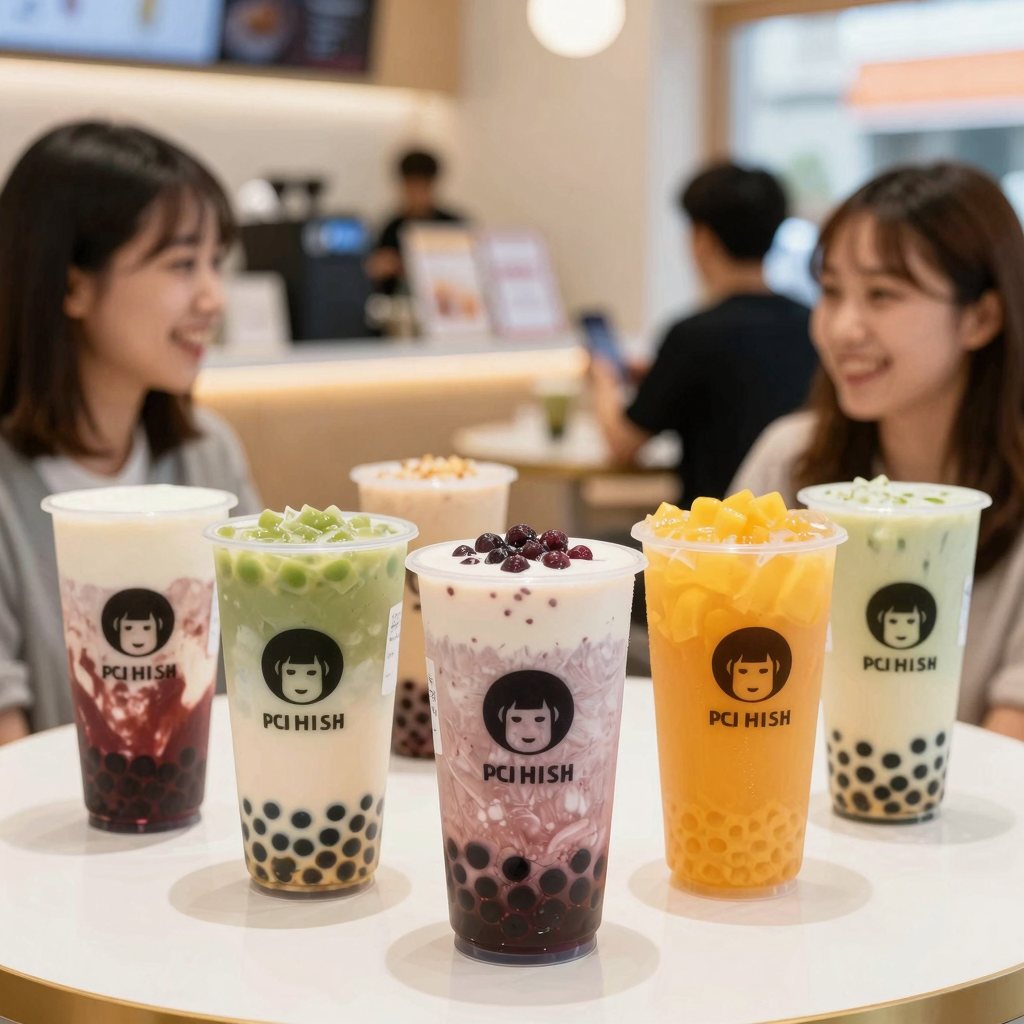
In the bustling world of small businesses like bubble tea shops and food trucks, the packaging used can make or break customer experiences. Quality plastic containers for food are not just practical; they are essential for maintaining freshness, appealing presentation, and convenience. As small business owners, it’s crucial to consider how packaging impacts not only your food’s quality but also your overall brand image. Investing in reliable plastic container food small solutions can elevate your offerings, ensuring that every sip of your refreshing bubble tea or delightful snack is as good as it looks. Moreover, the right containers can enhance functionality during those hectic service hours, making it easier for your team to serve customers efficiently. Quality packaging highlights your commitment to the customer experience, providing them with not just a product but an unforgettable moment. For more insights on enhancing your service with effective packaging solutions, learn more about customized octagonal paper bowls and explore the benefits of eco-friendly options like sugarcane cups.
Benefits of Using Plastic Containers for Food in Businesses
In today’s competitive food industry, the use of plastic containers has become a preferred choice for many businesses, including bubble tea shops, restaurants, food trucks, and catering services. Here are the key benefits that highlight why plastic containers are an excellent option:
-
Affordability: Plastic containers are generally more cost-effective than alternatives like glass or metal. This affordability allows businesses to reduce operational costs while maintaining quality service. Their lightweight nature also contributes to lower shipping costs, enhancing overall profitability.
-
Durability: Plastic is known for its resilience. Unlike glass, plastic containers are less likely to break or shatter, making them safer for high-traffic environments such as kitchens and food delivery services. This durability ensures that food remains safe during transportation and storage, reducing loss from damaged packaging.
-
Versatility: Available in various shapes, sizes, and designs, plastic containers can cater to numerous food types-from liquids to solids. This adaptability allows businesses to utilize the same packaging for different menu items, simplifying inventory management. Learn more about customized packaging solutions here.
-
Eco-Friendliness: Many plastic containers are now made from recyclable materials, promoting sustainability in the food industry. Businesses can enhance their eco-friendly image by using containers that are not only recyclable but also contribute to lowering carbon footprints, appealing to the environmentally-conscious consumer.
-
Compliance with Safety Standards: According to safety regulations such as GB 4806.7-2023, plastic packaging must meet strict safety criteria for food contact materials. These regulations ensure that businesses using plastic containers comply with necessary health and safety standards, providing reassurance to their customers about the quality and safety of their food products Read more about food safety compliance.
-
Convenience: Lightweight and easy to stack, plastic containers facilitate efficient storage and transport, saving valuable space in commercial kitchens while streamlining service processes.
In conclusion, using plastic containers not only helps businesses optimize their operations but also enhances service quality, catering effectively to modern consumer demands. Their affordability, durability, ethical sourcing possibilities, and compliance with safety standards make them the go-to choice for many food industry players.
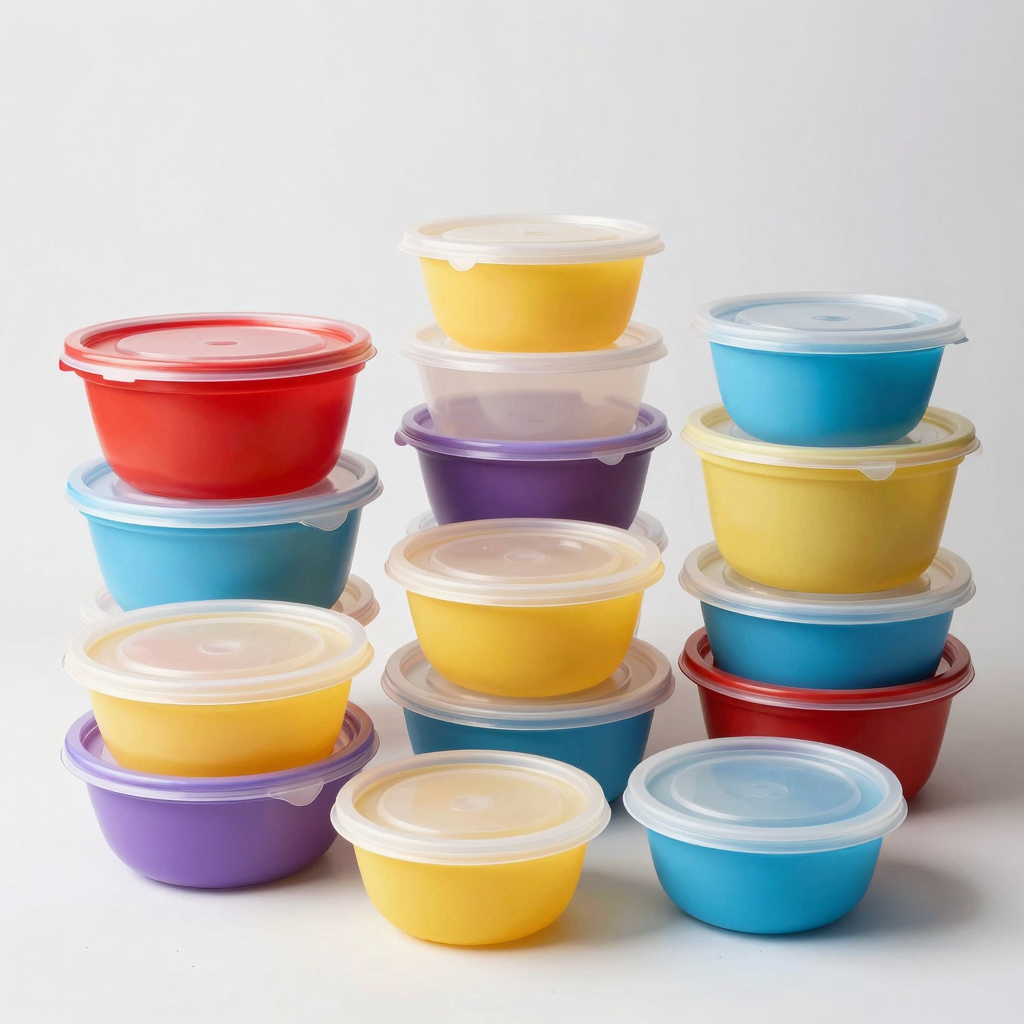
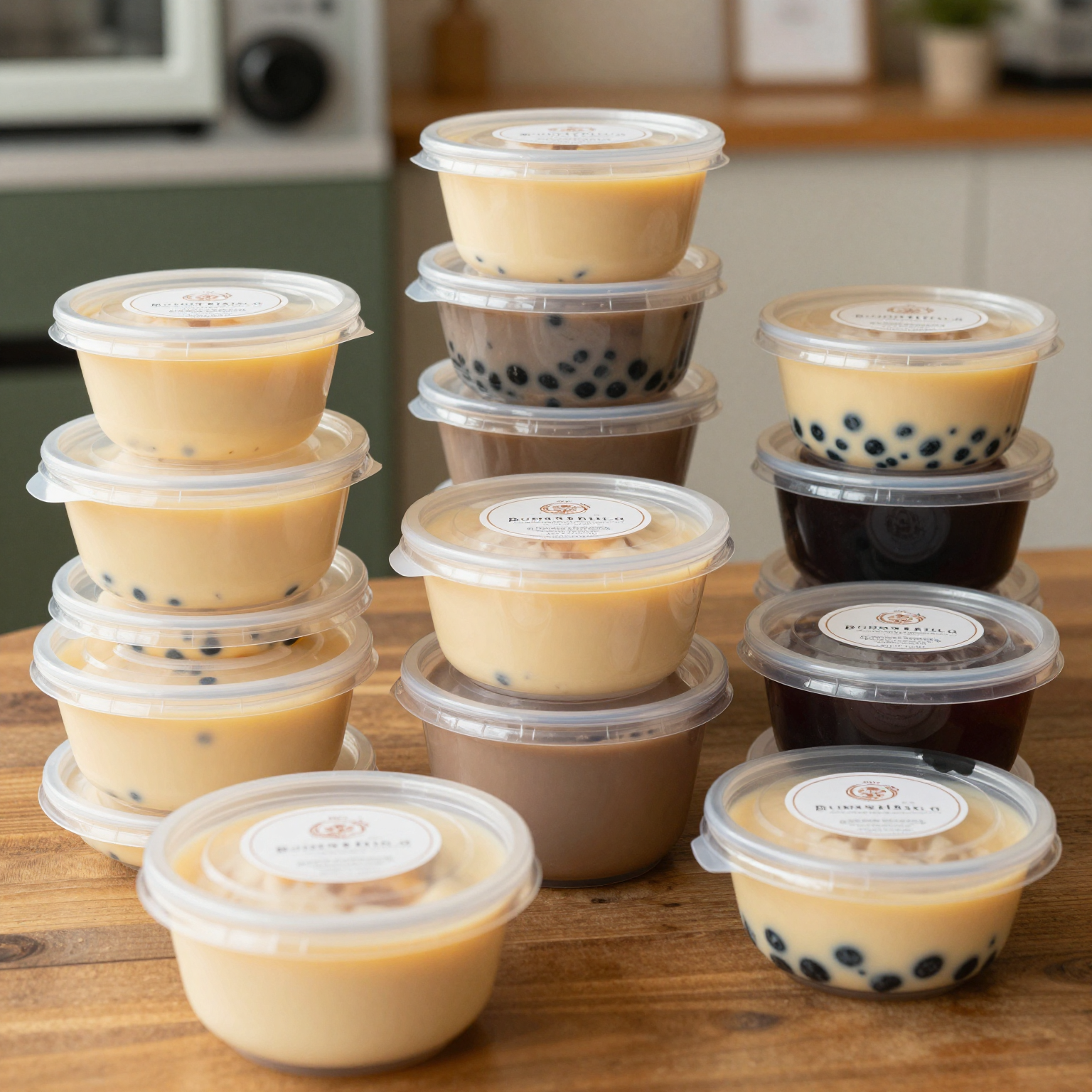
In recent years, a significant transformation has taken place in the packaging industry, largely driven by the urgent need for sustainability. Small businesses, especially those in the food sector such as bubble tea shops, restaurants, and food trucks, are increasingly turning to eco-friendly plastic container options. These products are not only beneficial for the environment but also align with the preferences of modern consumers who value sustainability.
Materials and sustainability practices
Businesses have several eco-friendly material options available for their packaging needs:
-
PLA (Polylactic Acid): Made from renewable resources like corn starch, PLA is compostable and biodegradable, making it a popular choice for eco-conscious businesses. It meets FDA standards for food safety, ensuring that it does not leach harmful chemicals into food.
-
Bagasse: Derived from sugarcane residue, bagasse containers are compostable and provide excellent thermal insulation for hot foods. This material is a great alternative to traditional plastics and aligns with sustainable farming practices.
-
Recyclable Polypropylene (PP): While still a plastic, PP containers can be recycled, making them a more sustainable option than single-use plastics. They are also BPA-free and meet safety standards enforced by organizations such as the FDA and SGS, assuring customers of their safety.
-
Recycled Materials: Containers made from recycled plastics reduce waste and the demand for new raw materials. This approach not only supports sustainability but also appeals to consumers looking for genuine environmental commitment from brands.
Benefits and safety standards
Eco-friendly containers come with numerous benefits that align with consumer safety standards and preferences:
-
Safety Certifications: Many eco-friendly packaging options meet rigorous safety standards, providing reassurance to businesses and consumers alike. For instance, PLA and bagasse products are often certified for safe contact with food, ensuring there are no harmful substances that can leach into edibles.
-
Consumer Preferences: Today’s consumers are increasingly aware of environmental impacts and are willing to pay a premium for sustainable packaging. According to a Market Research Future report, the eco-friendly food packaging market is expected to grow significantly, driven by consumer desires for sustainable products. This indicates that a shift towards greener packaging can enhance brand image and customer loyalty.
-
Operational Efficiency: Sustainable materials are often designed to be highly functional. For example, many eco-friendly containers are stackable and lightweight, reducing transportation costs and logistics complexity for small businesses.
Conclusion
The shift towards eco-friendly plastic containers is not merely a trend-it’s a necessity for modern food businesses. As consumers favor products that reflect ecological responsibility, investing in sustainable packaging materials ensures compliance with safety standards while enhancing brand appeal. Small businesses can explore diverse options such as PLA, recycled PP, and bagasse to boost their sustainability profiles.
By adopting these practices, businesses will not only contribute positively to the environment but also reconnect with their customers in a meaningful way. For more insights, you can learn more about the benefits of sugarcane cups and explore innovative packaging options tailored for your business.
Safety Standards Compliance
Ensuring safety in food service is paramount, and this extends to the compliance of plastic containers used in various establishments, from bubble tea shops to food trucks. Understanding and adhering to food safety standards is crucial to protect both your business and your customers.
Key Certifications and Guidelines
-
Regulation (EC) No 1935/2004 (EU): This European legislation outlines essential safety requirements for food contact materials (FCM), ensuring that plastic items do not transfer harmful substances to food. Compliance with this regulation mandates thorough risk assessments and testing to confirm that constituents do not adversely affect human health or food quality.
-
Regulation (EU) No 10/2011: Specific to plastics, this regulation provides detailed guidelines regarding material safety, including limits on migration levels (the amount of chemicals that can transfer from the container to food). Products are required to carry the CE mark, signifying conformity with EU laws and safety standards.
-
GB 4806.7-2023 (China): Effective from May 2024, this new national standard regulates plastic materials for food contact in China. It limits harmful substances like BPA and phthalates, establishing safe thresholds for migration and requiring manufacturers to provide documented proof of compliance through rigorous testing.
-
US Compliance: In the United States, FDA regulations under 21 CFR Parts 174 to 178 govern food contact plastics, ensuring they are safe for intended uses. Manufacturers must conduct detailed testing to meet safety requirements, ensuring public health protection.
Adherence to these safety standards not only enhances product quality but builds consumer trust, fostering long-term loyalty in a competitive market. For those interested in further exploring safe options, check out the benefits of using sugarcane cups for sustainable and compliant choices.
Comparison of Plastic Food Container Sizes and Types
When it comes to selecting the right plastic food containers, knowing the different sizes and types can help businesses make informed choices. Below is a comprehensive comparison table that includes capacity, material type, and typical uses for various plastic food containers.
| Size Category | Capacity | Material Type | Typical Uses |
|---|---|---|---|
| Small | 350 mL | PET | Gelato cups, dipping sauces |
| Medium | 750 mL | HDPE | Takeout meals, salad containers |
| Medium-Large | 1.5 L | PP | Meal prep, larger takeout orders |
| Large | 5 L | HDPE/LDPE | Bulk storage, party platters |
| Extra Large | 10 L | HDPE | Batch cooking, leftover storage |
Key Features of Plastic Food Containers
- Durability: Most plastic containers are robust, making them resistant to breaking and cracking during transport.
- Moisture Resistance: These containers typically resist moisture, thereby keeping food fresher for longer.
- Temperature Resilience: Many plastic types can withstand low and high temperatures, making them versatile for different food storage needs.
- Cost-Effective: Due to the lightweight nature of plastic, these containers often come at a lower price, enhancing operational efficiency in food service venues.
By understanding these sizes and uses, businesses such as beverage chains, food trucks, and event planners can select appropriate containers for their specific needs. For more insights into the benefits of using environmentally-friendly options, learn about sugarcane cup benefits or explore customized options available for your food service requirements.
Customer Success Stories
At Cofe-Cup, we believe in the power of real-world success stories to showcase the impact of our plastic food containers in various businesses, particularly in the bubble tea and catering industries. Here are some testimonials that highlight how our products have transformed their operations:
Bubble Tea Shop: Boba Delights
Customer Testimonial:
“Since introducing Cofe-Cup’s plastic containers for our takeout orders, we have seen a 30% increase in customer satisfaction. The quality of the containers is outstanding-they keep the drinks fresh and maintain their cold temperatures even during the hot summer days. Plus, they’re transparent, which displays our colorful bubble tea beautifully!”
Owner, Sarah Lynn
Read more about bubble tea sustainability.
Catering Service: Gourmet Events
Case Study:
Gourmet Events has been using our container solutions in their catering services for the past year. They transitioned to using our eco-friendly plastic containers which not only meet health and safety standards but also enhance their brand’s image as a sustainable business. By doing so, they witnessed a 25% increase in repeat customers who appreciate their commitment to environmentally conscious food service.
Manager, James Anderson
Their successful use of these containers allowed them to handle larger events without compromising on food quality or presentation, further boosting their credibility in a competitive market.
Beverage Chain: Tea House Collective
Feedback:
“The versatility of Cofe-Cup’s products allows us to serve a variety of beverages without any leaks or mess. Our staff loves how easy they are to stack and store, saving us valuable time during busy hours. Plus, customers really appreciate the aesthetic quality of the containers!”
Director of Operations, Lily Chen
By enabling efficient service and maintaining product integrity, these containers have become a staple in their daily operations, driving both sales and satisfaction.
These examples illustrate not just the utility of our plastic food containers, but also how they can significantly elevate customer engagement and satisfaction across various food service sectors.

Conclusion and Call to Action
In today’s competitive landscape, selecting the right disposable tableware and packaging solutions is crucial for the success of your business. Whether you’re operating a bubble tea shop, a food truck, or planning a large event, high-quality, reliable products can enhance your brand image and improve customer satisfaction. At cupbowlpack.com, we pride ourselves on offering a diverse range of products tailored to meet the unique needs of our clients. From eco-friendly sugarcane bowls to customized octagonal paper bowls, we ensure that every item we supply meets the highest standards of quality and sustainability.
We understand that every business is different, which is why we are committed to providing personalized solutions. Our team is here to assist you in choosing the best options that align with your requirements and budget. Don’t hesitate to reach out for tailored quotes; we are just a message away! Explore our offerings today and see how we can help elevate your packaging game. Learn more about our customized solutions and make the switch to reliable, stylish, and sustainable tableware that your customers will love.
“Proper packaging is no longer just about containment-it’s a core component of brand identity, customer trust, and operational efficiency. A well-designed package protects food integrity, reduces waste, ensures compliance with health regulations, and enhances the overall dining experience, directly impacting customer retention and profitability.”
- Dr. Emily Chen, Packaging Sustainability Expert, MIT
Including proper packaging is essential in the food service business for maintaining food integrity and ensuring customer satisfaction. For more insights on how packaging choices affect your brand, learn more about customized octagonal paper bowls and the benefits of sugarcane cups for your business.