
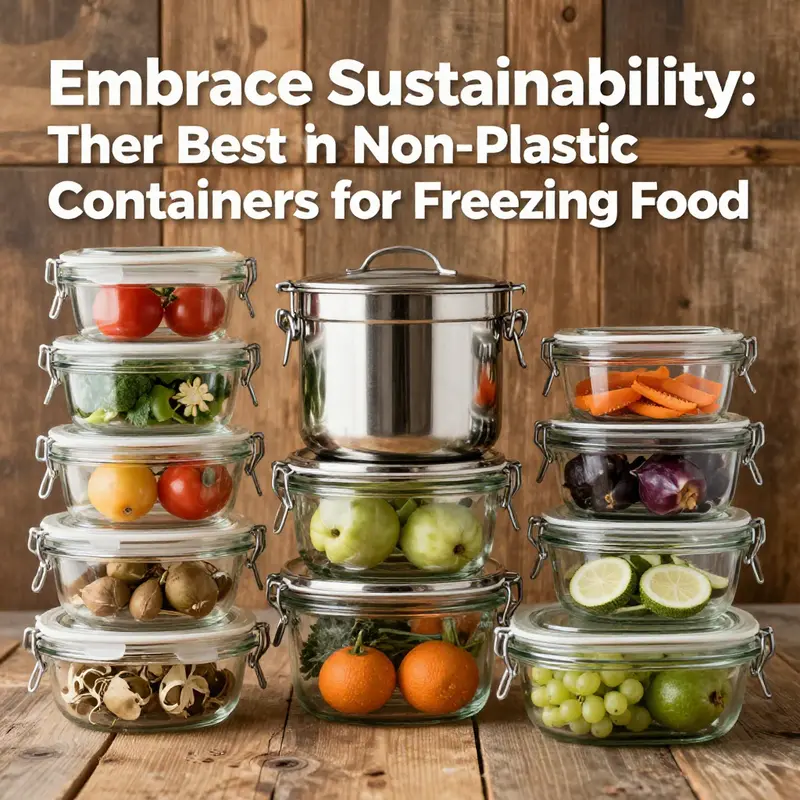
In a world increasingly focused on health and sustainability, choosing the right containers for food storage has become crucial, particularly for food businesses like bubble tea shops, restaurants, and catering services. As the demand for high-quality ingredients grows, so does the need for environmentally friendly storage options that ensure food safety and longevity. This article delves into the best non-plastic containers for freezing food, primarily focusing on stainless steel and glass options. Each chapter will explore the unique benefits of these materials while also highlighting the health risks associated with plastic alternatives. By the end, you will have a clearer understanding of how to make informed choices for your food storage needs.
No-Plastic Freezing with Confidence: A Deep Dive into Stainless Steel and Glass for Long-Term, Safe Food Storage
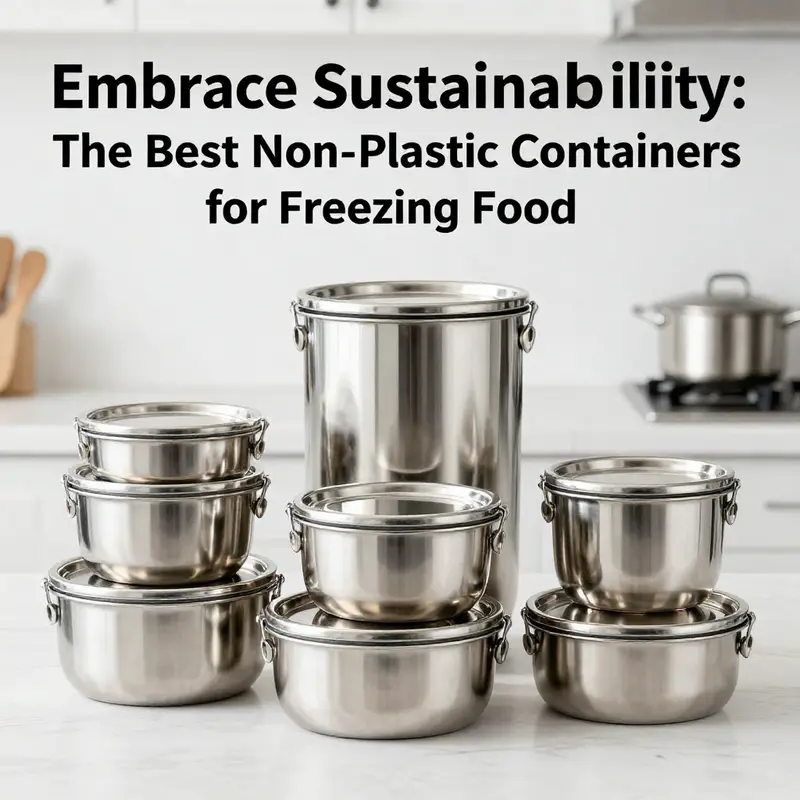
Choosing non-plastic containers for freezing food begins with a clear question: which material best protects flavor, texture, and safety over months of cold storage? The landscape converges on two durable contenders—stainless steel and high-borosilicate glass—each with distinct strengths that can align with different foods, budgets, and cooking futures. The science behind these materials is as practical as a well-sealed freezer door: their chemistry and construction determine how quickly food freezes, how well moisture stays put, and whether any unwanted twists of flavor or contamination creep in during the long wait of storage. While plastic bags and other non-rigid options once occupied much of the freezer space, the current view favors solid, non-plastic containment that minimizes chemical leaching, resists odors, and endures repeated cycles of freezing and thawing. The result is a storage system that stays faithful to the taste and integrity of the frozen foods we prepare for later meals, gatherings, and feast days, while also reducing waste and dependency on disposable plastics in the kitchen.
Stainless steel, particularly in the 304 and 316L grades, stands out for constant, rule-based reasons. Stainless steel does not burn or melt into the food it touches, and it remains inert under freezer temperatures, unlike some plastics that can become brittle or degrade over time. The 304 grade steel enjoys broad use in kitchenware for its robust rust resistance and general resilience. It behaves like a steady, neutral container that won’t impart off-flavors or odors to delicate items like fish or lean poultry. In more demanding environments, 316L—often described as marine-grade stainless—offers even stronger resistance to corrosion, especially when acidic or highly salty marinades are involved. This distinction matters because freezer storage isn’t just about freezing; it’s about preserving the quality of foods that sit in the freezer for weeks or months. When you batch-cook and portion, the confidence that comes from knowing your container won’t interact with the food is a meaningful advantage.
In practice, the value of stainless steel in freezer storage goes beyond inertness. The material’s heat transfer properties can contribute to more uniform freezing when appropriate features are in place. Though metal conducts heat more readily than glass, many manufacturers design steel containers with thick walls and well-sealed lids that slow down surface freezing and promote the rapid formation of small ice crystals inside the food mass. This is particularly beneficial for high-fat foods such as certain cuts of meat or seafood where ice crystal size can influence texture upon thawing. A reliable sealing mechanism—whether a custom lid with a gasket, a snap-lock system, or a vacuum-seal compatibility—plays a crucial role. Vacuum-sealing, in particular, is frequently highlighted for its potential to extend perceived freshness by reducing air exposure, which in turn minimizes freezer burn and flavor loss. When properly executed, a vacuum-sealed steel container can extend the perceived freshness of stored items, making longer storage periods feel more like a single, well-timed rest between shopping trips.
There is also a practical, user-centered advantage to steel: durability and ease of cleaning. Stainless steel resists staining, odors, and corrosion, and it typically withstands repeated washing, whether hand-rinsed or run through a dishwasher that is safe for the chosen design. The non-porous surface does not harbor residues that might transfer flavors from one batch to another, a feature that matters when you rotate a family’s weekly menu across a variety of proteins and vegetables. The user experience becomes calmer—less scrubbing, less worry about lingering tastes—when your container is aggressively non-reactive. The trade-off is weight and a higher upfront cost, but those costs are amortized through decades of reusability and the absence of plastic additives. In this sense, stainless steel embodies a long-horizon sustainability that aligns with a freezer that is meant to function as a pantry for weeks, not as a place to stash a few bags that will end up forgotten and discarded.
One of the most compelling advantages of stainless steel is its compatibility with high-fat and acidic foods when the container is properly chosen. Without the risk of leaching, steel can be a safer long-term vessel for items like marinated proteins and seafood. When a container’s inner surface remains pristine, foods retain their natural flavors rather than absorbing metallic or chemical notes that sometimes accompany imperfect materials. Of course, not all stainless steel is created equal. The decision between 304 and 316L often centers on the environment in which the container will live and the foods it will touch. For the casual home freezer, 304 offers excellent all-around performance with strong rust resistance and cost efficiency. For more demanding uses—acidic marinades, salt-heavy brines, or foods with long storage horizons—316L provides additional peace of mind due to its superior corrosion resistance. In both cases, the real-world outcomes depend on a well-engineered lid system and a seal that minimizes moisture loss. A tight seal matters, not just to reduce freezer burn but to preserve the texture of delicate items like fish fillets or bean-free soups where moisture retention is a subtle but defining feature of the final dish after thawing.
Beyond the material and the seal, design language matters. A robust steel container often features a lid that mirrors the thickness of the walls, with rounded edges and a seamless interior to prevent food from snagging or catching on tiny crevices. The edges should be smooth, not sharp, to avoid injury during handling and to ease cleaning. Some designs incorporate features such as snap-on mechanisms that snap firmly into place, or a vacuum-capable lid system that can be engaged with a hand pump or compatible equipment. While such details may seem minor, they collectively shape how the freezer environment treats those portions of food and how a user feels when managing portions before and after freezing. The experience of opening a freezer can be the difference between a meal planned and a meal abandoned because of a burnt or dry texture after thawing.
The other major non-plastic option—the glass path—hinges on a slightly different set of strengths. High-borosilicate glass containers excel in temperature resilience. They are designed to withstand a wide thermal range, from ultra-cold freezer environments to hot oven needs, without cracking or suffering microfractures typical of standard glass under rapid temperature shifts. The capability to move from freezing to oven-ready cooking is a powerful convenience, enabling a seamless transition from a frozen meal to something plated and served with minimal handling. This versatility has a practical appeal for anyone who rotates a menu between freezer staples and quick oven meals. Glass is inherently non-toxic and does not leach chemicals into foods, a factor that reassures those who store soups, stews, or acidic liquid foods in the freezer. The absence of any reactive surface means you can be confident that flavors remain true to the recipe rather than altered by the container itself.
Still, glass storage introduces its own cautions. The same properties that enable oven compatibility also demand care. Freezer-to-oven transitions should be deliberate; abrupt temperature shocks are the arch-nemesis of glass, capable of causing breakage that can turn a well-planned freeze into a risky cleanup scenario. This is why many glass designs feature double-locking or gasketed lids that minimize moisture loss and guard against spills during handling and stacking. A double-locking lid helps keep moisture inside, which in turn reduces freezer burn and helps foods maintain their texture over time. Another important design consideration is the lid’s gasket material and how well it seals around the container’s rim. A reliable seal keeps odors contained and protects against contamination from other items stored nearby in the freezer. For soups, stews, and portions with liquid content, a tight lid is essential to prevent leaks that can cool unevenly or create micro-frost within the freezer’s shelves.
Despite glass’ many advantages, certain realities deserve attention. Glass is heavier than steel and can require more careful storage planning to maximize space. When freezing a large batch of items, the weight of glass containers adds up, and this is a practical factor for households with limited freezer space or those who frequently reorganize compartments. In addition, while borosilicate glass resists thermal shock to a degree, it is still vulnerable to sudden, extreme temperature changes. The general rule is to avoid moving a cold glass dish directly from the freezer into a hot oven or vice versa. Instead, plan a gradual warming strategy—thawing in the refrigerator or at room temperature for a short period before transitioning to the oven if cooking is intended. These steps, while seemingly modest, significantly reduce the risk of cracking and preserve the container across many freezing cycles.
From a health and safety perspective, both materials convincingly meet the demand for non-toxic, non-leaching storage. The avoidance of plastic reduces concerns about microplastics and the leaching of additives such as phthalates, especially when fatty foods are involved. The research emphasizes that plastic bags—common in grocery settings—pose measurable risks when used for long-term meat storage, underscoring why a return to solid, non-plastic containers offers tangible health and sustainability benefits. The practical upshot is simple: for meat, fish, and high-fat items that linger in the freezer, steel with a robust seal or borosilicate glass with a double-locking lid provides the safest, most durable solution. For soups and stews, both materials can be suitable when the lid design, seals, and container geometry minimize air exposure and prevent leaks or spills during freezing and handling.
Choosing between steel and glass often boils down to a few core questions: What foods occupy most of your freezer space? How important is oven compatibility or room-temperature handling? How much freezer volume can you dedicate to a single bulky container, and how much stacking flexibility do you need on busy days? If your freezer holds high-fat proteins, seafood, or marinades that might otherwise pit or corrode lesser containers, a 316L stainless steel option with a vacuum-seal lid can be a robust choice. If you value oven-ready versatility, an array of glass containers with double-locking lids offers both thaw-ready and cook-ready convenience, with the added reassurance of chemical inertness. Either path supports a kitchen culture that prioritizes reusability and a move away from disposable plastics, a shift that benefits both personal health and the wider environment.
For readers who are assembling or rethinking a non-plastic freezer kit, the lessons are practical and approachable. Start with your most common use cases: are you freezing liquids more often, or do you batch-cook meat and fish? If liquids dominate, glass with a secure lid often works best, given its resistance to flavor transfer and chemical leaching, plus the oven-friendly potential for later cooking. If you are freezing a lot of protein, particularly fatty or brined items, stainless steel with a reliable sealing mechanism becomes the more versatile choice, providing durability, ease of cleaning, and long-term resilience against wear from repeated freezing and thawing. In both cases, plan for the seal—whether gasket-based or vacuum-assisted—as the hinge that keeps texture and moisture where they belong. This is not merely a question of keeping cold air out; it is about maintaining the integrity of the food you prepared, portioned, and then stored for future meals.
Once you have a sense of preference, you can begin to compare designs with a pragmatic eye. Look for walls that are uniformly thick, interiors that are smooth, and rims that are free of burrs or seams that could trap food. Check whether the lid system truly locks in moisture without binding or warping over time. A well-engineered seal should resist lift-off with gentle pressure, and ideally, you should be able to clean the container without harboring residues that could affect future batches. Space-saving considerations, like stackable shapes and uniform dimensions, can turn a crowded freezer into a well-ordered, navigable space. The goal is not a collection of aesthetically pleasing vessels, but a coherent, reliable system that makes it straightforward to freeze, store, thaw, and cook with confidence.
As this chapter moves forward, the broader article will revisit how to weigh the benefits of steel against glass for your specific cooking and storage habits. You will see how the discussion above translates into practical choices about daily meal prep, batch cooking for a week, or planning for seasonal foods that require longer storage. The point is to create a freezer ecosystem that respects flavor and texture, reduces environmental impact, and aligns with a kitchen routine that values safety and simplicity. The path toward eliminating plastic from your freezer is not a single leap but a continuum of decisions—material selections, lid designs, and sealing methods—that together create a durable, trustworthy system for freezing food. In this sense, stainless steel and high-borosilicate glass are not competitors but complementary options that can be used singly or in combination, depending on the meal plan and storage needs you anticipate.
External resource: https://www.fda.gov/food
Guardians of the Freezer: How Glass and Stainless Steel Reimagine Non-Plastic, Non-Toxic Freezing Storage

In the quiet, frost-laced space of a freezer, a decisive choice unfolds every time you portion and portion again: which non-plastic container will stand guard over your frozen food? The two prevailing answers—glass and stainless steel—each bring a distinct set of strengths to the table, shaping how safely, cleanly, and efficiently meals can be preserved for weeks or months. The conversation around non-plastic storage is not merely about avoiding plastics; it is about choosing materials that honor the integrity of food, minimize health risks, and endure the rigors of freezer life. When you first compare glass and stainless steel, you notice immediately that both are robust, both are reliable, and both offer practical advantages that most plastic options simply cannot match. Yet the decision is rarely binary. Many households end up balancing attributes, sometimes leaning toward glass for its purity and transparency, other times toward stainless steel for its rugged performance and heat-conducting efficiency. Either way, the core aims stay the same: keep food safe, preserve flavor and texture, and reduce the long-term waste and risk associated with disposable packaging and microplastic exposure.
On the stainless steel side, the emphasis is on strength, durability, and a form of preservation that feels almost industrial in its confidence. Containers crafted from medical-grade steel, particularly those using the 304 or 316 grades, offer a combination of resilience and antibacterial properties that are especially valuable for high-fat foods like meats and seafood. The metal’s innate durability translates into a long service life. It resists cracking, denting, and the gradual wear that can accompany repeated use. More importantly, stainless steel conducts heat efficiently, a trait that matters not only for freezer performance but for the speed and uniformity of the freezing process itself. Rapid freezing helps lock in moisture and reduce the formation of large ice crystals that would otherwise degrade texture. When you marry this thermal efficiency with a well-sealed container—ideally one that relies on a reliable vacuum seal—you gain an additional layer of preservation. A vacuum seal removes air, which is the principal vehicle for moisture loss, oxidation, and freezer burn. In practical terms, a high-quality stainless steel container with a dependable sealing mechanism can extend freshness by creating an environment where moisture stays put, fats remain stable, and the sensory attributes of the food—color, aroma, and mouthfeel—are preserved more faithfully across time. Though the specific figures on how much longer freshness lasts can vary with the food, the principle is clear: fewer air exchanges and a robust barrier translate to better long-term quality.
Nevertheless, stainless steel is not a one-note material. It brings generous advantages but also considerations that shape daily use. For one, steel can be heavy, and weight matters in a kitchen where you juggle multiple containers and a busy freezer. The design of the sealing system becomes critical here: a reliable lid and seal prevent moisture loss and freezer burn, but a poor seal can undermine the very benefits stainless steel promises. A vacuum-capable system often represents the best of both worlds, providing a tight seal while mitigating the risk of air-driven deterioration over months of storage. And then there is care. Stainless steel is relatively low maintenance, but it rewards regular cleaning, especially after storing strongly scented proteins or alliums. A quick wipe-down and an occasional thorough wash prevent residual odors from migrating between batches, preserving the purity of each frozen item. Where stainless steel truly shines is in the freezer’s cold corners where chemical leaching is not a concern and the material’s inert nature is a reassurance for those seeking maximal safety in the long run.
Turning to glass, the conversation shifts toward purity, clarity, and a different kind of durability. Glass storage, particularly when made from borosilicate, offers a chemical resistance that is hard to match. Borosilicate glass is renowned for its thermal stability, capable of withstanding extreme temperature shifts—from the freezer’s cold to the oven’s heat—without cracking under normal, cautious use. This resilience makes glass a versatile ally in the kitchen. It means you can freeze, then reheat or thaw with confidence in many cases, provided you follow proper handling guidelines. The key advantage of glass lies in its non-toxic, non-reactive nature. When you pour soups, sauces, baby purees, or fruit compotes into glass, you are not exposing these foods to the risk of chemical leaching associated with some plastics or even with certain plastics that have been certified as safer. The material’s inert surface ensures that odors won’t linger and that flavors remain as intended, unmarred by lingering plastics or surface interactions. Glass also wins in the area of hygiene. Its smooth, non-porous surface resists staining and odor absorption, making it easier to sanitize thoroughly. In an environment where cleanliness is paramount, glass encourages and rewards meticulous hygiene practices. Dishwasher-safe variants further simplify routine care, a practical detail for households that juggle meal prep, freezing, and weekly groceries.
The transparency of glass offers a practical and almost philosophical benefit: the ability to see your contents at a glance. When a container is clear, you can gauge how much is left, prioritize inventory, and minimize waste. This visibility reduces the mental load of freezer management, letting you track portions, plan meals, and rotate stock in a way that keeps ingredients fresh and foods appealing. The long lifespan of high-quality borosilicate glass means fewer replacements and less waste, aligning with a broader sustainability ethos. In this frame, glass becomes not just a container but a durable, eco-conscious choice that complements modern, mindful kitchens. Yet glass is not without caveats. The most important is temperature history responsibility: while borosilicate glass can endure low temperatures and resist thermal shock better than ordinary glass, it should still be handled with care. Rapidly transferring a very cold glass into a hot oven or vice versa can cause thermal shock and crack the container. This caveat is a reminder that the freezer is a zone of extremes, and even the most resilient glass requires cautious transitions. Likewise, glass can be more brittle than steel; a dropped container or a misaligned lid can lead to chips or cracks that compromise the seal and the integrity of the contents. The double-locking lid concept often helps here, providing a secure seal and preventing moisture loss while adding a level of protection against accidental openings during storage, stacking, or movement in a busy household.
In practice, the question of which path to favor often comes down to how a household uses the freezer. A family that routinely prepares large batches of meat, broth, or seafood may find stainless steel preferable because of its robust performance and the efficiency of heat transfer when freezing. A family that prioritizes the purist, non-toxic nature of ingredients, or that frequently reheats directly from the freezer to the oven or microwave, may lean toward borosilicate glass for its inertness and flexibility. Either choice, when paired with smart lids and secure seals, helps maintain the quality of frozen items through multiple freeze-thaw cycles. The broader point, however, is not dogmatic allegiance to one material over the other but an informed selection that respects safety, durability, and the realities of kitchen life. The overarching aim remains consistent: eliminate reliance on plastic bags for freezing meat and other fatty foods, which the research cautions against due to microplastic hazards and potential chemical leaching. The substitute you choose—glass or stainless steel—becomes a practical hedge against those risks and a step toward a more sustainable, health-conscious approach to home storage.
Caring for these non-plastic options is as much about technique as it is about material. For stainless steel, the sealing mechanism is a crucial partner to the metal’s innate strength. A well-designed seal, ideally a vacuum seal, reduces air exposure and moisture loss, slowing the degredation that can accompany long-term freezing. The result is a more reliable preservation of flavor and texture. When preparing to store meats or fish, trimming fat and patting items dry before sealing can further minimize surface moisture, which reduces ice crystal formation and keeps meat from becoming freezer-burned. For liquids like soups, stews, or sauces, portioning into appropriately sized volumes helps minimize the surface area exposed to air and allows for more rapid, uniform freezing. The practical payoff is a more consistent texture once thawed, with fewer watery or collapsed elements that surprise and disappoint when you finally open the container.
With glass, the approach is to maximize the advantages of its inert, clean surface while mitigating fragility with careful use and design. When choosing glass storage, consider borosilicate variants intentionally built for thermal endurance. A double-locking lid system, often coupled with a silicone gasket, provides a robust moisture barrier and helps maintain the integrity of the food’s flavor profile over time. The lid design is not merely about keeping things in; it is about preventing the moisture that makes freezer-burn a chronic villain from escaping. Because glass is non-porous, it resists staining and odor absorption, which means your next batch of frozen items won’t carry over flavors from the previous one in the same way plastic might. The downside—the potential for breakage—has become a manageable risk for many users who store the containers with care, stack them securely, and avoid abrupt temperature shifts. The idea of thermal shock is not theoretical; it is a practical reminder that even the best glass benefits from respect for its temperature limits. By following simple rules—avoid placing a very cold glass directly into a hot oven, allow a brief rest period after refrigeration before reheating, and use trays or supports when moving containers—the user can enjoy long-lasting, trouble-free performance from glass containers.
The shared health and environmental arguments underpinning both materials are compelling. The health argument hinges on the non-toxicity and inertness of glass, and the absence of chemical leaching risks in stainless steel when properly maintained. The environmental case rests on durability and long service life, which translate into fewer replacements and significantly less waste compared with disposable plastics. The practical choice is thus not about one material outperforming the other in every aspect but about aligning with your cooking, freezing habits, and reheating preferences. For households that relish the reassurance of a transparent, easily managed freezer and want to minimize any contact with potentially problematic leachates, glass storage offers a clean, enduring option. For those who demand the rugged reliability of metal and the potential for rapid, uniform freezing of large quantities, stainless steel provides a formidable ally. In both cases, the emphasis remains the same: avoid conventional plastic bags for freezing meat and fatty foods, since these are the circumstances in which microplastic transfer and chemical leaching are most concerning. Adopting glass or stainless steel is thus a meaningful shift toward safer, more sustainable storage choices that support healthy meals and a healthier planet over time.
As you calibrate your own kitchen, consider the practical rhythms of your week. If you routinely freeze meals for the family, if you batch-cook and portion, or if you simply want a system that reduces the ongoing procurement of single-use plastics, the investment in glass or stainless steel becomes a quiet but powerful commitment. You’ll appreciate the long life, the ease of cleaning, and the peace of mind that comes with a non-toxic storage solution. And as you compare options—sturdy steel that marries heat conduction with sealed containment, or borosilicate glass that bridges the freezer with the oven under careful handling—you tap into a broader philosophy of kitchen stewardship. Food safety, flavor integrity, and environmental responsibility converge in these non-plastic containers, offering not just a safer storage routine but a sustainable habit that fits the realities of modern cooking and modern life. In this light, the freezer becomes less a place of compromise and more a stage for confident, long-lasting preservation: a place where your meals are kept at their best and your family’s health is actively safeguarded, with plastic-free clarity guiding every lid click and every frozen portion counted.
External resource: https://www.rothler.com/en
Non-Plastic Freezing: Stainless Steel and Glass in the Kitchen
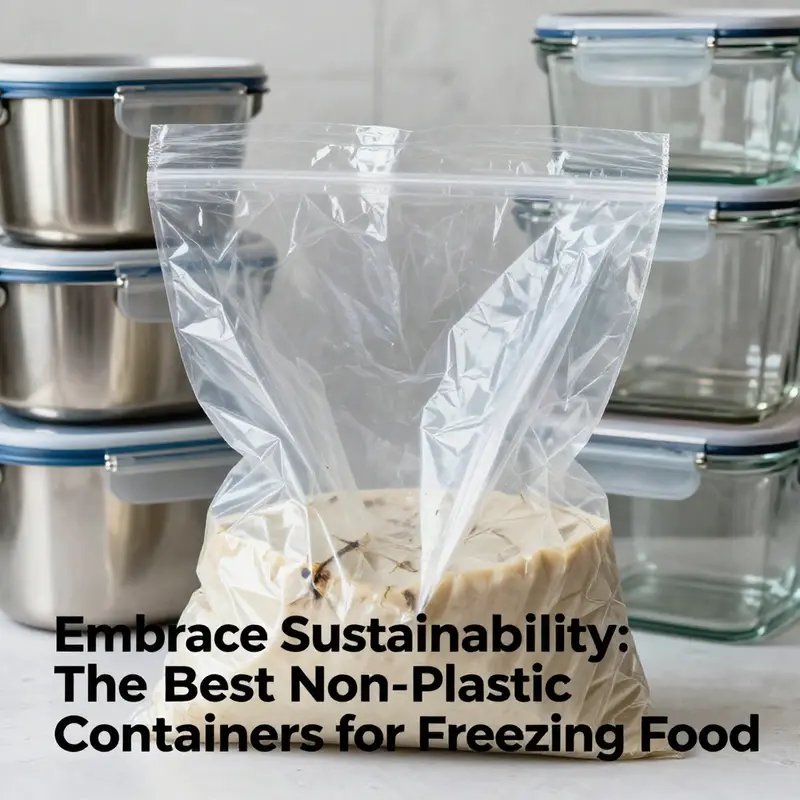
Freezing with non-plastic options means choosing materials that do not shed chemicals, maintain texture, and clean easily. Stainless steel and glass each offer distinct benefits in the freezer. Steel resists impact, cleans well, and often pairs with airtight seals that slow moisture loss. Glass provides excellent chemical stability and predictable reheating options, though it can be heavier and more fragile. The right choice depends on what you freeze, how you thaw, and your tolerance for weight and risk of breakage. In practice, store portions in steel or borosilicate glass containers with tight lids to minimize freezer burn. For meats and sauces, airtight seals are especially important; for soups and stews, avoid glass that is too large for easy portioning because temperature fluctuations can be more dramatic in large volumes. Use freezer-safe lids, wipe away condensation, and label with contents and date. Thaw slowly in the refrigerator when possible to preserve texture and moisture. Reheat in the same container if it is rated for oven use, or transfer to a compatible vessel after thawing. Over time, swapping to multiple reusable containers reduces waste and keeps flavors consistent across batches. In short, non-plastic freezing storage is about balancing material properties, practical handling, and mindful labeling to protect safety and flavor.
Final thoughts
In summary, selecting the right containers for freezing food is paramount for maintaining quality and ensuring safety. Stainless steel and glass containers not only offer exceptional durability and functionality but also represent a conscientious choice for health and the environment. As your business continues to prioritize the best ingredients and sustainable practices, consider making the switch from plastic to these superior alternatives. Doing so will not only enhance food preservation but also align your operational practices with the growing demand for eco-friendly solutions in the culinary industry.