
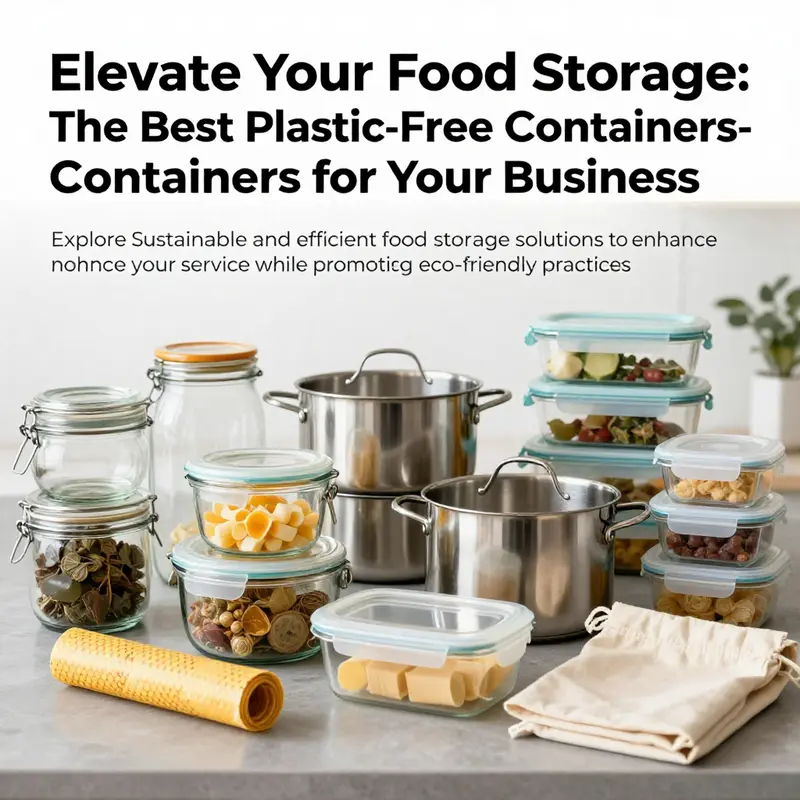
The demand for sustainable practices in food service is rising, and transitioning to plastic-free food storage solutions is a significant step toward a greener future. For bubble tea shops, restaurants, food trucks, catering services, event planners, and corporate procurement teams, choosing the right food storage containers is not only about compliance with health regulations but also about brand image and meeting consumers’ increasing demand for sustainability. This article provides insights into the best plastic-free food storage containers, including glass containers, stainless steel food pots, beeswax wraps, organic cotton bags, and silicone seal bags. Each solution offers unique benefits, enhancing both food preservation and environmental responsibility, giving your business a competitive edge in today’s market.
Glass as the Gold Standard: Borosilicate Containers for Plastic-Free Storage
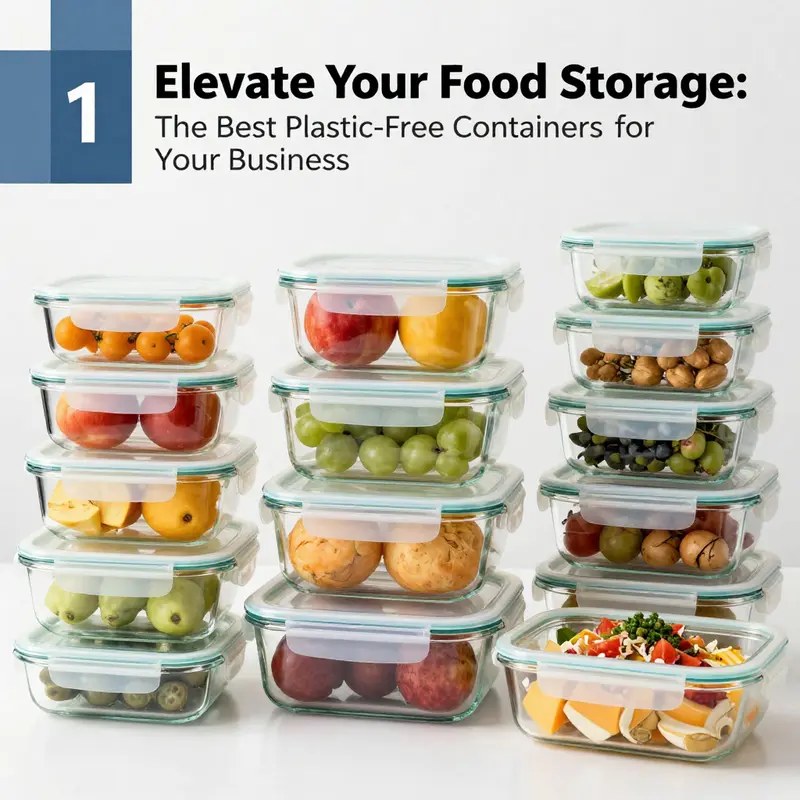
Glass storage sets a higher standard for plastic-free meals: it is non-porous, inert, and highly reusable, which helps preserve flavors and reduce contamination risk. Borosilicate glass resists thermal stress, enabling safe freezer-to-oven use with appropriate lids, and glass containers can be washed repeatedly to support everyday meal prep and organization. Although heavier and more prone to breakage than some plastics, the long service life, recyclability, and capacity to maintain food quality make glass a compelling choice for households aiming to minimize plastic in the kitchen. A well-designed lid system, often with silicone or polypropylene seals, keeps moisture out and freshness in, while the transparency of glass makes contents easy to identify, reducing waste and simplifying meal planning.
Beyond Plastic: How Stainless Steel Food Pots Redefine Safe, Long-Lasting Storage
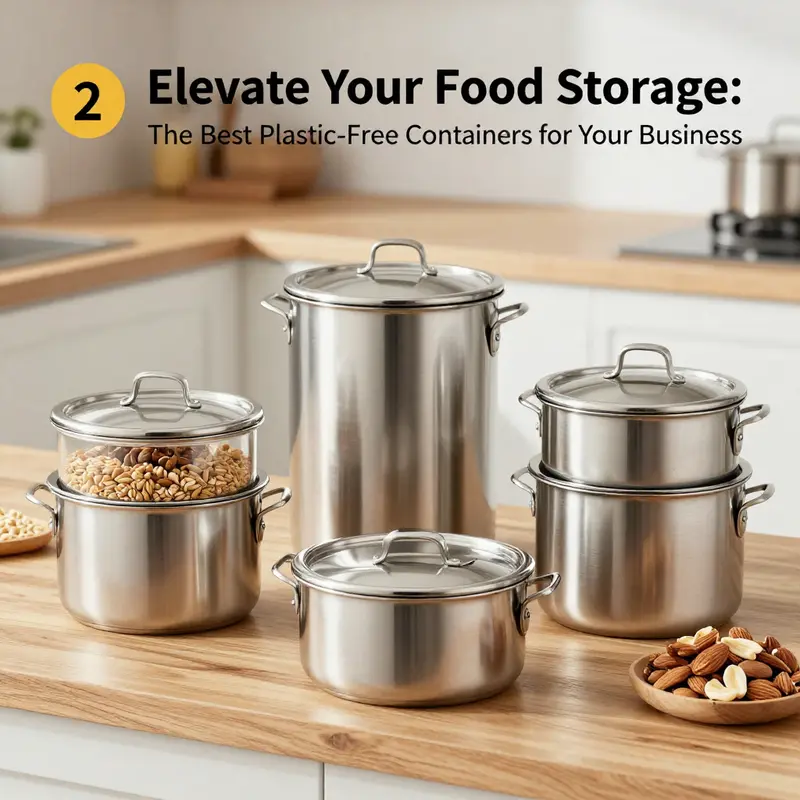
Choosing plastic-free solutions for food storage means embracing materials that preserve flavor, protect health, and minimize waste. Among the options, stainless steel stands out as a top-tier choice for long-term storage, especially for households that prioritize durability, portability, and a toxin-free kitchen. When you look at a broad spectrum of plastic-free containers, stainless steel offers a compelling blend of performance and sustainability. It is built from food-grade metal that resists corrosion, maintains the integrity of foods across a range of temperatures, and remains non-porous through repeated use. These qualities translate into fewer concerns about lingering odor, stains, or chemical transfer, which can sometimes accompany other materials over time. In a world where the kitchen is a daily workshop for health and habit, stainless steel storage pots provide a steady foundation for meal prep, batch cooking, and on-the-go snacking. The idea is not merely to replace plastic with another material, but to replace disposable mindsets with a durable, reusable system that respects both the plate and the planet.
At the heart of stainless steel storage is its composition. Most widely used food-grade stainless steel is a robust alloy—often described by its 18/8 ratio—meaning it is highly resistant to rust, corrosion, and staining. This resistance is crucial when containers encounter acidic ingredients, heat, and repeated wash cycles. The absence of BPA, phthalates, and other controversial additives is another hallmark. Because stainless steel does not leach chemicals when heated or cooled, it keeps flavors true and protects against off-tastes that can sometimes accompany plastic abdications. The material’s inert nature also helps in a kitchen where you prepare a variety of foods, from citrusy dressings to tomato-based sauces. In practice, this translates into a more hygienic storage environment: seals that keep odors contained, interiors that do not harbor persistent stains, and surfaces that are easy to sanitize without the risk of micro-porous pockets where residue can linger.
Durability is one of stainless steel’s most persuasive selling points. Containers made from this metal withstand the bumps and tumbles that come with daily use, from hurried mornings to the occasional camping trip. The structural strength also extends to lids and closures. Modern designs often pair steel bodies with well-engineered seals that resist leaks, enabling you to transport meals with confidence. Unlike plastic, which can become brittle or warp over time, stainless steel retains its shape and rigidity for years. This longevity dramatically reduces replacement frequency, translating into lower overall waste—an essential consideration for anyone seeking to minimize environmental impact without compromising convenience.
The practical reality of daily life often centers on how well a container travels from fridge to desk, car, or backpack. Stainless steel storage pots are typically designed to be portable and reliably leakproof. Even when packed with soups, grains, or salad components, a well-sealed lid can prevent spills and messes. The leakproof quality is not merely about keeping contents secure; it also helps maintain the food’s temperature and texture during transit. For portion control and meal planning, the ability to prepare, portion, and transport without extra wrapping or disposable bags is a meaningful step toward slash-and-throw avoidance. When you combine these advantages with a clean, non-porous interior, the containers resist odor retention and staining, making upkeep straightforward and predictable.
There is also a broad compatibility story worth telling. In many kitchen ecosystems, stainless steel containers are compatible with multiple appliances and cleaning routines. They can be washed in a dishwasher and tolerate generous washing cycles without degradation. They can also be used in freezers to store bulk ingredients or prepped meals for later in the week. Some designs even offer oven-friendly parameters for certain reheating tasks, enabling a direct path from kitchen prep to table that minimizes the number of steps and devices involved. This versatility matters because it reduces clutter and encourages a more organized approach to food management. The bottom line is simple: you gain flexibility without compromising safety or cleanliness.
A practical illustration of this design ethos is the emergence of stackable stainless steel containers with leakproof lids. This configuration is especially attractive for small kitchens or for those who need to maximize cabinet or fridge space. Stacking not only reduces clutter but also motivates a more thoughtful layout for meal planning. When lids seal tightly, contents stay fresh longer, and you can carry meals with the confidence that nothing will seep into your bag or car upholstery. In everyday life, it means fewer single-use containers, less plastic wrap, and fewer trips to the grocery store’s plastic aisle. The result is a kitchen that feels calmer and more capable, where every container has a clear purpose and a predictable lifespan.
Care routines for stainless steel are straightforward and forgiving. The metal’s durability pairs with simple cleaning protocols: wash with warm soap and water, or place in the dishwasher if the design permits. A quick wipe with a non-abrasive sponge keeps the surface bright and reduces the risk of scratches. For stubborn stains or lingering odors, a gentle baking soda paste can help lift residues without harming the finish. It is worth noting that while many stainless steel designs boast broad heat tolerance, it is prudent to follow manufacturer guidance on specific temperature limits and utensil compatibility. The aim is to preserve the integrity of seals and coatings—where present—so that the storage system continues to perform as intended for years.
From a sustainability perspective, stainless steel is a strong ally in reducing single-use waste. The lifecycle from raw material to end-of-life recycling is operationally straightforward in many communities. Steel is one of the most recycled materials globally, and high-grade stainless steel retains its value and properties over time. Unlike plastics, which can fragment into microplastics and require ongoing disposal decisions, metal containers can be recycled again and again with minimal loss of quality. This recyclability, combined with a long service life, yields a markedly lower environmental footprint per meal stored compared with many disposable alternatives. In practice, this means fewer items in landfills, less energy spent manufacturing new plastics, and a circular economy impulse that aligns with broader sustainability goals.
As readers there is always a question of which sizes and configurations best fit a given lifestyle. A thoughtful approach considers how you prepare meals, where you store them, and how you transport them. For families packing school lunches, a compact set of small and medium containers can cover most needs. For batch cooks and meal-preppers, larger pots with strong lids enable storage for a week or more. For travelers and campers, a rugged, stackable system travels well and resists the inevitable bumps of outside life. The core concept remains: choose a tool that reliably protects food, reduces waste, and invites reuse rather than disposal.
To accommodate these varied uses, many shoppers gravitate toward a design that merges the resilience of stainless steel with practical lid technology. Consider a model that emphasizes a seal-driven closure, a stackable form, and a streamlined interior that is easy to clean. The goal is not to chase the latest trend but to build a simple, robust kit that serves throughout the year. This approach is consistent with the broader objective of the article: to identify plastic-free containers that deliver real-world value without compromising safety or convenience. In that spirit, a plastic-free stainless steel system offers a coherent, future-forward option that can grow with your cooking style—from daily lunches to adventurous expeditions.
For readers curious about complementary storage options that align with a plastic-free kitchen, there is value in exploring related containers that emphasize breathability, food preservation, and sustainability. One example of such bread-and-butter items, while not stainless steel, demonstrates how an alternative design can support freshness and reduce waste through natural materials and reusable features. You can learn about these kinds of options here: Kraft Paper Octagonal Bowl with Lid. The broader point remains: the path to plastic-free storage is not a single material, but a thoughtful collection of durable, reusable options that suit different needs and settings.
Ultimately, adopting stainless steel storage pots invites a shift in daily habits. It encourages meal planning, reduces impulse purchases of disposable containers, and supports a cleaner, more organized kitchen workspace. The aesthetic of metal—clean lines, a bright finish, and the tactile confidence of a solid seal—also contributes to a mindset of care and stewardship. You begin to notice how a few well-chosen containers can transform kitchen routines: fewer containers to wash, less plastic wrap waste, and more reliable performance in the moments when you need food on the go or in a busy week. In this way, stainless steel is not just a material choice; it is a disciplined approach to food storage that harmonizes safety, practicality, and sustainability.
External resource for broader context: https://www.wayfair.com/home-garden/p/2794305/stainless-steel-berg-hoff-food-storage-containers-youll-love
Breathing Room in the Pantry: Plastic-Free Storage with Breathable Wraps and Everyday Reusables
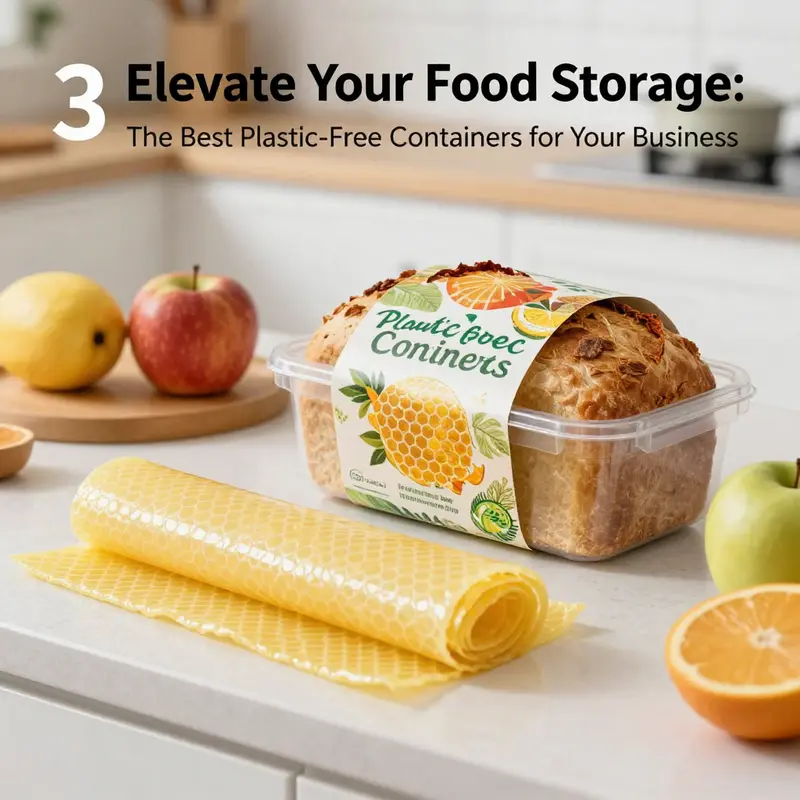
The shift away from plastic in the kitchen has moved from a niche concern to a practical mindset that shapes daily choices. It isn’t about denying convenience; it’s about choosing materials that work with food, with health, and with a lighter footprint on the planet. In this chapter, the focus is on a cohesive, plastic-free toolkit that humans actually reach for: breathable wraps that do the work of plastic films, glass and metal containers that stand the test of time, and textiles that cradle produce without sealing it away from air entirely. When these elements are combined thoughtfully, the pantry becomes a living system rather than a wasteful throw of the dice with every fridge cycle. The aim is not to chase perfection in one purchase but to build a durable, adaptable set of options that respond to different kinds of storage needs—bread and leftovers, fruits and vegetables, dry grains and snacks—without introducing single-use plastics into the mix.\n\nBreathable wraps, in both traditional beeswax and vegan wax variants, occupy a special place in a plastic-free kitchen. They offer a flexible, wrap-around solution that can replace plastic wrap, foil, and sandwich bags for many day-to-day tasks. Made from natural fabrics such as cotton, these wraps are infused with beeswax in one version or plant-based waxes in vegan variants. The wax provides just enough seal to keep moisture in or out while allowing the material to breathe. This breathability can be crucial for produce, as it helps maintain texture and flavor without trapping humidity that accelerates spoilage. The wax coating also gives the wraps a tack that clings to bowls or the edges of a sandwich, creating a gentle, reusable barrier rather than a rigid, disposable layer. Over time, with proper care, these wraps can replace hundreds of single-use plastic bags and films in a household.\n\nCare for these wraps is straightforward. Rinse with cool water and a mild soap after use, then air-dry thoroughly before returning them to the storage drawer. When their surface loses some of its wax sheen or becomes stiff, a warm, gentle reactivation of the wax—via a few seconds of gentle warmth from hands or a quick pass with a hairdryer at a safe distance—restores their seal. With careful washing and occasional reactivation, a single wrap can last for several months, depending on frequency of use and how aggressively it’s used with oily foods. Once the wraps reach the end of their life, they can be composted if the waxes are plant-based and the textiles are natural cotton. This end-of-life path makes them a genuinely circular option, reducing waste and avoiding the landfill burden that conventional plastic films carry. A broader takeaway here is that these wraps—whether beeswax-based or vegan—offer a flexible, durable alternative that aligns with different palettes and ethics without demanding a single, universal method of storage.\n\nThe discussion would be incomplete without considering glass and metal containers, stalwarts of the plastic-free kitchen. Glass jars and containers offer a nearly inert environment for foods, with the added benefit of being see-through—important for quick recognition of what’s on hand. For those who want to keep dry goods like beans, rice, or pasta neatly organized, glass containers with airtight lids provide a long-lasting solution that resists stains, odors, and chemical leaching. They tolerate a wide range of temperatures and are compatible with most food uses, from pantry storage to refrigerator sections, and even some reheating in certain contexts. The durability and clarity of glass let you monitor freshness at a glance, a small but meaningful advantage in reducing waste from forgotten ingredients. While glass is inherently fragile in some settings, the right lid design and careful handling make it a reliable cornerstone of plastic-free storage. In kitchens that favor a calmer, more transparent aesthetic, glass containers create a visual dialogue with food itself, turning pantry organization into a chore that doubles as a celebration of contents rather than a reliance on opaque packaging.\n\nStainless steel, another formidable player in the plastic-free realm, complements glass by offering light protection and rugged durability. Stainless steel containers are excellent for storing grains, snacks, or prepared meal portions, especially when a portable, sturdy option is needed. They are naturally non-reactive, do not leach chemicals, and resist corrosion; they also hold up well to everyday wear—knocks, drops, and the hustle of a busy kitchen. A trade-off, of course, is that metal containers are opaque, so they can’t show what’s inside without opening, which some people find less convenient than glass. However, their resilience to light exposure makes them ideal for long-term storage of dry goods, nuts, and seeds that benefit from being kept out of direct light. For households that rotate between pantry and on-the-go usage, stainless steel provides a dependable, recyclable alternative that aligns with the broader plastic-free objective.\n\nBeyond rigid containers and shields against light, the fabric-first approach to storage offers another meaningful route. Organic cotton produce bags, designed specifically for vegetables and fruit, breathe with the produce rather than seal it away. The breathable weave slows moisture buildup on delicate greens and herbs, while reducing the chance of condensation that fuels spoilage or wilting. These bags are lightweight, machine-washable, and reusable. They also travel well from grocery to kitchen, carrying a minimal footprint compared with disposable produce bags. The principle is simple: when air can move and moisture remains controlled, produce can maintain its freshness longer, which in turn translates into less food waste. The same philosophy applies to other cotton storage bags or pouches created to hold bulk items, nuts, or dried fruits, further extending the plastic-free toolkit beyond the obvious containers to encompass the full spectrum of kitchen storage.\n\nIf one considers the broader spectrum of materials, silicone seal bags sit at an interesting crossroad. They are durable, resealable, and heat-tolerant enough for microwaving and dishwasher cleaning in many cases. Yet silicone is often viewed as a hybrid—more durable than typical plastics, but still synthetic and not biodegradable at the scale we imagine for waste-free living. In practical terms, many households use silicone for items that bounce between fridge, freezer, and kitchen prep, seeing it as a longer-lasting alternative to single-use bags. The key is to use them intentionally and to complement them with other plastic-free options for different tasks. This nuanced approach—balancing glass and stainless for storage longevity, wraps for flexibility, cotton bags for breathability, and selective silicone for versatility—offers a practical path to minimize plastic while maximizing food safety and convenience.\n\nTo weave these elements into a coherent daily practice, consider a practical tapestry of everyday use. A typical kitchen might feature a row of glass jars for pantry staples, a few stainless-steel containers for prepared meals, a handful of beeswax or vegan wraps for covering bowls and sandwiches, and organic cotton bags for produce. A few silicone bags can handle specialized tasks like marinating or freezing portions. In this configuration, each tool has a defined role, reducing the temptation to reach for disposable plastics. When you pause to assemble a week’s worth of meals, you can see how the pieces fit together: the glass reveals what’s inside, the stainless keeps contents secure and protected from light, the wraps preserve freshness without sealing out airflow, and the bags give you portable options for greens or leftovers. The synergy isn’t just about reducing waste; it’s about cultivating a kitchen that feels calmer, safer, and more intentional with every choice.\n\nFor readers seeking a concrete example of a plastic-free option that embodies this philosophy, consider a sturdy, paper-based alternative with a lid designed to keep contents secure. This is the kind of item that can replace many single-use plastics in daily routines, providing a reliable, reusable option for dry goods, snacks, or refrigerated items. You can explore that particular option here: https://cupbowlpack.com/product/senang-kraft-paper-octagonal-bowl-pet-lid-waterproof-eco-friendly-disposable-customizable-snack-pet-food-salad-containers-1l/ as a practical illustration of how a simple, durable, and plastic-free container can fit into a broader storage system.\n\nThe story of plastic-free storage is not a single purchase or a single material but a continuous alignment of needs, materials, and practices. It invites a daily habit of choosing reusables, honoring the life cycle of each item, and recognizing how easy it is to drift toward convenience at the expense of sustainability. The combination of breathable wraps, transparent glass, rugged metal, and breathable fabrics creates a pantry that is more than a collection of tools. It becomes a living system—one that supports freshness, reduces waste, and resonates with the values many people are seeking in their homes. And while the journey toward plastic-free storage is ongoing, each deliberate choice—whether it’s wrapping a sandwich with a plant-based wax sheet, or storing leftovers in a glass jar, or carrying produce in an organic cotton bag—adds up to a meaningful difference in daily life and in the health of the planet.\n\nExternal resource: For a deeper dive into beeswax and vegan wraps as a sustainable storage alternative, see a leading wrap-focused resource. https://www.beeswrap.com
Breathable by Design: Organic Cotton Produce Storage Bags as a Plastic-Free Kitchen Anchor
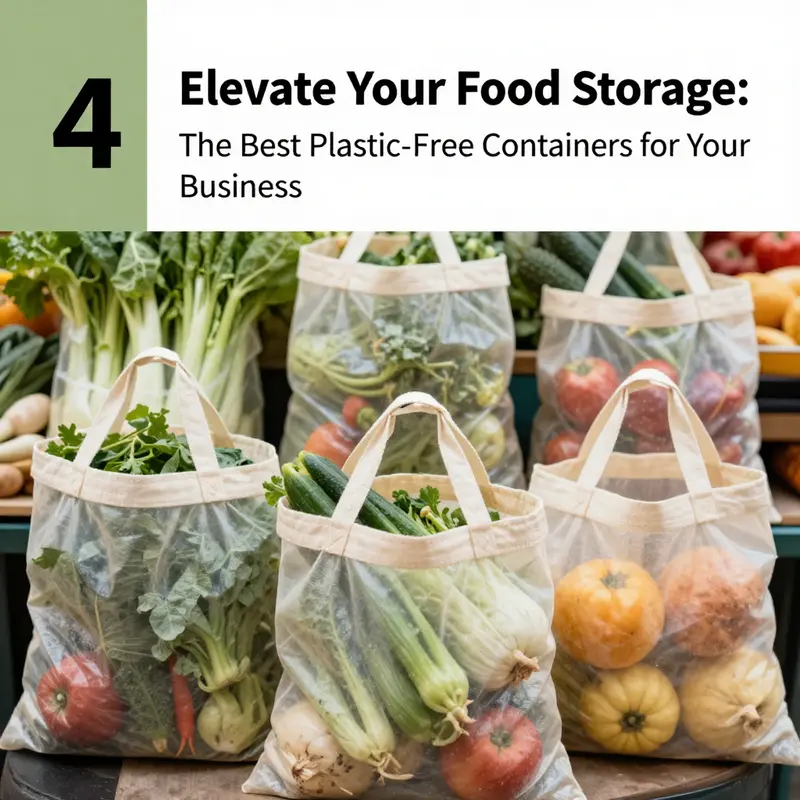
Plastic-free food storage is not a single substitute but a system that respects how food lives, breathes, and ages. In the search for containers and wraps that minimize environmental impact, organic cotton produce storage bags emerge as a quiet but powerful anchor. They are simple in form yet ambitious in purpose: a reusable, breathable vessel that shields produce from unnecessary handling while letting nature do its work. The premise is not to eliminate all plastic use overnight, but to replace disposable plastics with durable, renewable options that fit into a household routine and a circular economy. Organic cotton, sourced under strict standards, is a natural fiber whose life cycle speaks to the core values many households are trying to embrace: healthful storage, waste reduction, and long-term practicality.
The material itself matters. These bags are made from 100% organic cotton, a fabric grown without synthetic pesticides or fertilizers. That fundamental difference matters because it reduces the chemical load associated with production and, in many cases, eliminates the risk of microplastics leaching into food. More important, organic cotton is biodegradable and, when disposed of properly, can re-enter natural cycles. Yet biodegradability does not mean fragility. The fabric is sturdy enough to withstand regular washing and repeated use, which is essential if a kitchen is aiming to cut down on waste rather than merely offset it with a single purchase. Breathability is the feature that sets these bags apart from many sealed plastic containers. The pores of natural cotton allow air to circulate around leafy greens, root vegetables, and fruit, helping to maintain texture and reduce moisture buildup that can lead to spoilage. In practical terms, this means produce stays crisper for longer and mats of condensation—an invitation to mold and decay—are less likely to form. The result is a tangible extension of freshness with less waste, a core metric for anyone pursuing plastic-free storage.
The practicality of organic cotton produce bags extends beyond the kitchen counter. They excel at carrying groceries from the market to home, separating delicate items from heavier ones, and organizing fridge shelves without creating a plastics footprint. They are especially well-suited for loose produce: apples and pears, peppers and carrots, leafy greens and herbs. The drawstring closure found on many bags adds security for transport while maintaining the option to keep air in or out as conditions require. This combination of open airflow and secure containment makes them a versatile tool for household organization. Because they are reusable, they generate far less waste than single-use plastic bags and even many reusable synthetics. In a world where consumer choices accumulate into real environmental impact, the simple act of choosing an organic cotton bag for daily produce can contribute meaningfully to a broader shift away from disposable plastics.
Of course, no storage solution exists in a vacuum. The organic cotton bag is most effective when used in the right contexts. It shines with fresh produce and bulk items that benefit from a little air—items that do not require a watertight seal. It is less suited for liquids or very wet foods, where moisture management and containment demand different technologies. For those cases, it complements other plastic-free options rather than replaces them. Glass containers provide transparency and inertness for prepared foods and sauces, while stainless steel pots and tins offer durability and light protection for pantry supplies. Beeswax wraps provide a flexible wrap for bread or cut fruits, and organic cotton bags fill a gap for groceries and produce that need airflow. In a well-rounded kitchen, each tool has a role, and organic cotton bags occupy the space where breathability meets reusability.
Care and maintenance are central to the long life of these bags. They are designed to be washed and reused hundreds of times, a figure that makes a real dent in waste when compared with disposable plastics. To keep them performing well, wash them with mild detergent in cold or warm water, then air dry completely before returning them to storage. Avoid high heat in the dryer, which can shrink fibers or degrade stitching over time. When used for particularly pungent produce, a gentle wash between uses keeps odors from lingering. If bags acquire stubborn stains, a light scrub with a soft brush helps without compromising the fabric. With proper care, these bags can accompany a family through years of grocery runs, farmers markets, and kitchen experiments, gradually reducing the volume of plastic waste in the home and the broader environment.
The environmental argument for organic cotton bags is nuanced but compelling. Organic farming seeks to reduce the chemical burden associated with conventional cotton, favoring soil health, biodiversity, and cleaner water runoff. While no production system is without impact, organic cotton generally offers a clear advantage over conventionally grown cotton and many plastic-based storage options in terms of resource stewardship and end-of-life possibilities. A key priority for consumers is to understand that the bags are not just a one-off purchase but an investment in a less plastic-intensive lifestyle. By choosing reusable cotton bags, households shift from a linear model—produce in, bag in, waste out—to a circular approach that emphasizes reuse, repair, and eventual safe disposal. Even modest adoption contributes to a cultural shift: fewer single-use plastics in everyday routines, less reliance on fossil-fuel-based materials, and a thriving market for truly renewable design.
Practical adoption often hinges on small but meaningful adjustments to daily routines. For instance, when you bring home produce from the market, place the more delicate items in a cotton bag for transport, then move them to the fridge or fruit bowl in their breathable envelope. The bags also double as convenient organizers inside the refrigerator or pantry, helping you see what you have at a glance and reducing the chances of forgotten produce decaying unnoticed at the back of a shelf. This kind of visibility is precisely what a plastic-free kitchen needs: fewer wasted items, more timely use of fresh foods, and a calmer, more intentional approach to meal planning. The choice becomes not just about replacing one item but about cultivating a habit that respects the life cycle of food and the world it comes from.
For those curious about concrete options, the market offers accessible bundles that combine several large, drawstring-organic cotton bags in practical sizes. These bundles, designed for different storage needs—from bulk grains to leafy greens—embody the ethos of plastic-free living: practical, durable, and adaptable to a party of everyday tasks. They fit neatly into a kitchen’s storage workflow and invite households to rethink how produce moves from market to table. It is not merely a swap of materials; it is a reimagining of how food is stored, transported, and enjoyed, with a lighter footprint along the way.
Ultimately, the value of organic cotton produce storage bags lies in their simplicity and resilience. They do not demand heroic changes to a kitchen; rather, they offer a gentle, repeatable path toward reducing plastic reliance while preserving food quality. They acknowledge that air and moisture are as real as the food they cradle, and they harness those natural forces rather than fight them with synthetic barriers. As part of a broader shift toward plastic-free living, these bags help cultivate a culture of mindful consumption: one where meals begin with intention, where produce is treated with care, and where the habit of reuse becomes a natural part of daily life. The chapter on plastic-free storage is not complete without recognizing how such bags can anchor a practical, health-conscious, and environmentally responsible kitchen routine.
External resource: for a practical option that illustrates the concept of durable, organic cotton storage in a real-world product bundle, you can explore a Food Grade Bulk Storage Bags – 6 Pack with drawstring closures available online. External resource: https://www.amazon.com/dp/B0B8YX2Z3H
Plastic-Free, Practical, and Persistent: Rethinking Food Storage with Silicone Seal Bags and the Kitchen’s Quiet Revolution
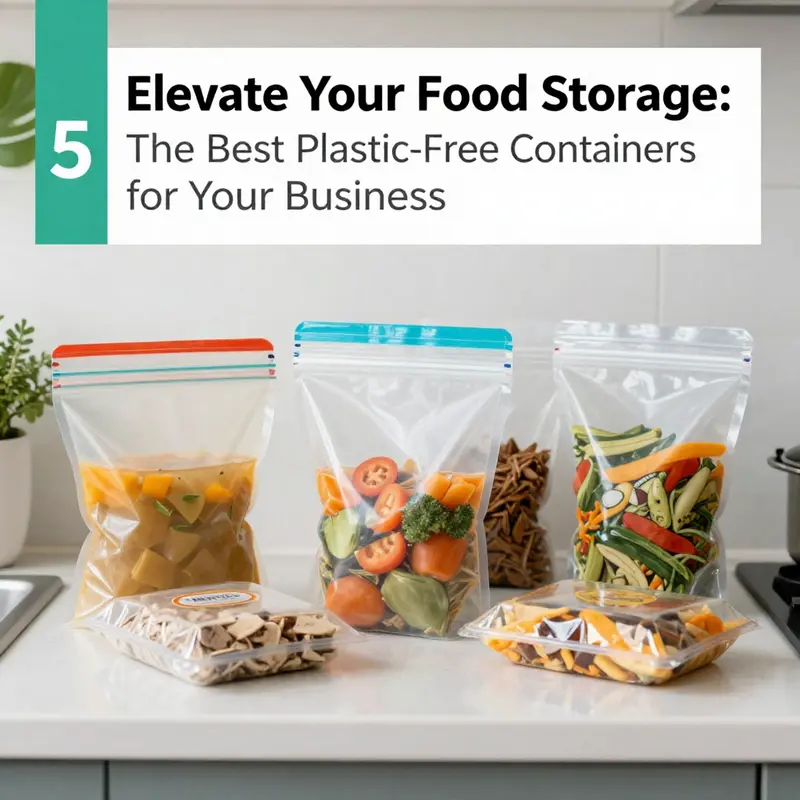
A shift toward plastic-free food storage begins with a practical question: how can we maintain freshness, reduce waste, and keep weeknight routines simple without relying on disposable plastics? In answering that, silicone seal bags emerge as a cornerstone of a more resilient, plastic-free toolkit. They offer a fusion of flexibility and durability that aligns with everyday cooking and storage needs. Unlike single-use bags, these silicone vessels are designed to be reused again and again, with seals that lock in moisture, odors, and the integrity of contents. They are also versatile enough to cover a wide range of tasks—from marinating and portioning meals to storing leftovers, freezing soups, and transporting snacks for school or work. The real appeal lies in their balance of safety, practicality, and environmental sense. Food-grade silicone is formulated to be inert under typical kitchen temperatures, and most reputable products in this category are marketed as free from BPA and phthalates. That combination speaks directly to concerns that many households carry: the desire to minimize exposure to harmful chemicals while avoiding the uncertain trade-offs that can come with cheaper, contrived plastics. In this light, silicone seal bags become more than a substitute for a few plastic bags; they signal a broader commitment to food safety, waste reduction, and long-term value. By choosing a reusable option in the silicone family, households begin to disrupt the steady stream of disposable packaging that travels through kitchens, cupboards, and trash cans. This is not about abandoning convenience — it is about reconfiguring it toward products that are built for repeated use and repair rather than rapid disposal. The idea is simple in practice: a piece of kitchen equipment that can perform multiple jobs across several meals and weeks, without quickly losing its seal or shape, changes the math of sustainability. The appeal grows when we acknowledge the frequency with which storage containers are used. A silicone seal bag can handle everything from a portion of chopped vegetables to a batch of prepared grains, from a sauce that needs airflow to a liquid that must be kept airtight. The result is less reliance on the plethora of single-use options that accumulate in drawers and cabinets over time. In short, the silicone seal bag category offers a pragmatic pathway toward plastic-free storage that doesn’t demand radical shifts in cooking behavior. It supports the goal of healthier homes by removing potential chemical leachates and by enabling clearer visibility of contents, which helps reduce food waste through better planning and monitoring. It also reduces clutter, as a well-chosen set of bags can replace many disparate containers. When approached with intent, these bags can function as a bridge between other plastic-free options—glass for clarity and oven-safe applications, stainless steel for durability and moisture control, or beeswax wraps and organic cotton bags for short-term or breathable storage. The key is to recognize that plastic-free can be practical, not punitive, and that a thoughtful selection of silicone seal bags can nudge daily routines toward habits that are both healthier and gentler on the planet.
Key features of the silicone seal bag category center on the reliability of the seal, the resilience of the material, and the broad temperature range the bags can tolerate. The most evident benefit is leakproof performance. A well-designed silicone bag uses a locking closure system that resists spills when stored upright in the fridge or freezer and minimizes the risk of messy leaks when transported in a bag or lunchbox. This makes them especially suitable for storing soups, sauces, and stews, as well as for dividing meals into portions that can be heated directly when needed. Another strength is freezer safety. The bags retain content integrity through freezing, preventing freezer burn and helping preserve the original texture of vegetables and grains. The durable construction means everyday wear from chopping, mixing, and measuring won’t easily compromise the bag’s shape or seal. From a safety standpoint, the absence of common plastics concerns is a crucial advantage. Silicone bags designed for food storage are typically free from BPA and phthalates, reducing the potential for chemical exposure when food sits against a plastic barrier. This is particularly meaningful for items with longer storage times or for households that frequently freeze meals in advance. Maintenance also matters. These bags are generally designed for easy cleaning, and many models are dishwasher-safe or can be cleaned with warm soapy water. A thorough rinse and drying help prevent odors from lingering and keep seals performing reliably. Because silicone can stain with highly pigmented foods, choosing lighter colors or using separators within the bag can help keep storage visually clear and clean. For best results, avoid using knives or other sharp objects that could puncture the material, and inspect the seal periodically for any signs of wear. With proper care, a small collection of silicone seal bags can cover a large portion of a household’s needs, reducing the number of single-use plastic bags and trays required for everyday storage, meal prep, and take-away meals. The broader implication is not simply substitution; it is the cultivation of a more adaptable, durable, and waste-conscious kitchen array that supports both daily routines and long-term environmental aims.
To place silicone seal bags in the broader landscape of plastic-free storage, it helps to consider their relationship with other common options. Glass containers, for example, provide exceptional visibility, inertness, and oven compatibility, making them ideal for pantry staples and hot foods. Stainless steel containers offer resilience, light-blocking properties, and complete recyclability, which is valuable for dry goods, snacks, or meals prepared in advance. Beeswax wraps and plant-based wraps add breathability for produce and soft snacks, while organic cotton storage bags offer airflow for fruits and vegetables and help reduce waste on a day-to-day basis. Silicone seal bags excel when you need a single solution that can handle liquids, marinades, sauces, and a mix of produce that benefits from airtight protection and compact stacking. They work well in combination with other materials, forming a flexible system rather than a single-solution strategy. This integrative approach aligns with how modern households aim to minimize waste without sacrificing convenience. By leveraging both the airtight seal of silicone bags and the transparency of glass or the ruggedness of stainless steel, families can tailor storage to the specific demands of each item, season, or schedule. The result is a kitchen that performs as efficiently as it evolves—less waste, clearer visibility into contents, and a practical way to maintain fresh flavors and textures without resorting to disposable plastics.
The market context also supports the growing appeal of silicone seal bags. As consumers increasingly seek environmentally responsible products, the emphasis shifts toward items designed for longevity and repair rather than replacement. This is consistent with a circular-economy mindset, where materials are kept in use longer, and disposal is minimized. In practice, that means choosing bags built with durable silicone, selecting appropriate sizes to minimize unused space in the fridge or freezer, and adopting a routine of regular cleaning and inspection. It also suggests a cautious approach to price: while high-quality silicone bags might cost more upfront, their lifetime value—countless reuses and reduced waste—often makes them a wiser investment than continually buying disposable alternatives. Finally, the story of silicone seal bags is one of empowerment. Consumers gain control over how they store, transport, and reheat food, without compromising safety or taste. They also participate in a broader cultural shift toward mindful consumption, where kitchen decisions have consequences beyond the cupboard. For those who want to deepen their exploration of plastic-free packaging options and see how silicone storage fits into a broader system of eco-friendly containers, this is only the beginning. For broader context on eco-friendly packaging options such as kraft paper take-away packaging, you can explore resources like this: eco-friendly kraft packaging options.
External resource: https://www.stasherbag.com/
Final thoughts
Transitioning to plastic-free food storage containers is a vital step for businesses striving for sustainability. By selecting containers made from glass, stainless steel, beeswax, organic cotton, or silicone, you’ll not only preserve food quality but also enhance your brand’s reputation as an environmentally conscious entity. Each of these options offers practical benefits that appeal to consumers looking for eco-friendly choices in their dining experiences. Embrace these innovative solutions in your operations, and watch your commitment to sustainability resonate positively with your customers.