
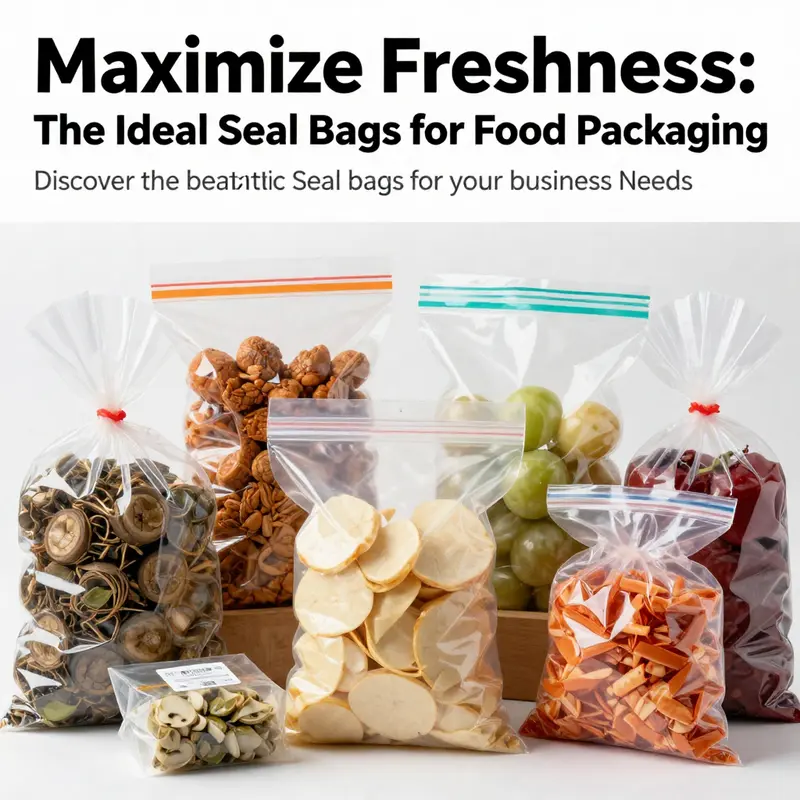
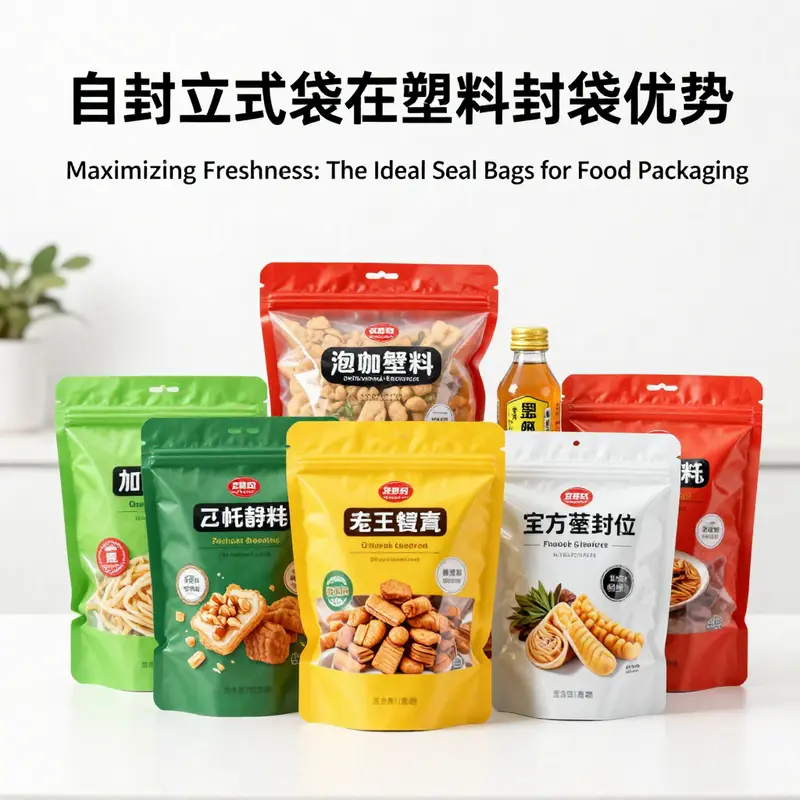
Selecting the best plastic seal bags for food packaging is crucial for restaurants, beverage chains, and event planners. Different bag types, such as self-sealing stand-up pouches, three-side seal bags, and foil laminated bags, cater to diverse needs, from convenience to long-term storage. This exploration highlights how each type performs in protecting food quality while also reflecting your brand’s values.
null
null
The Three-Side Seal Bag: Design Principles, Versatility, and Market Readiness in Modern Food Packaging
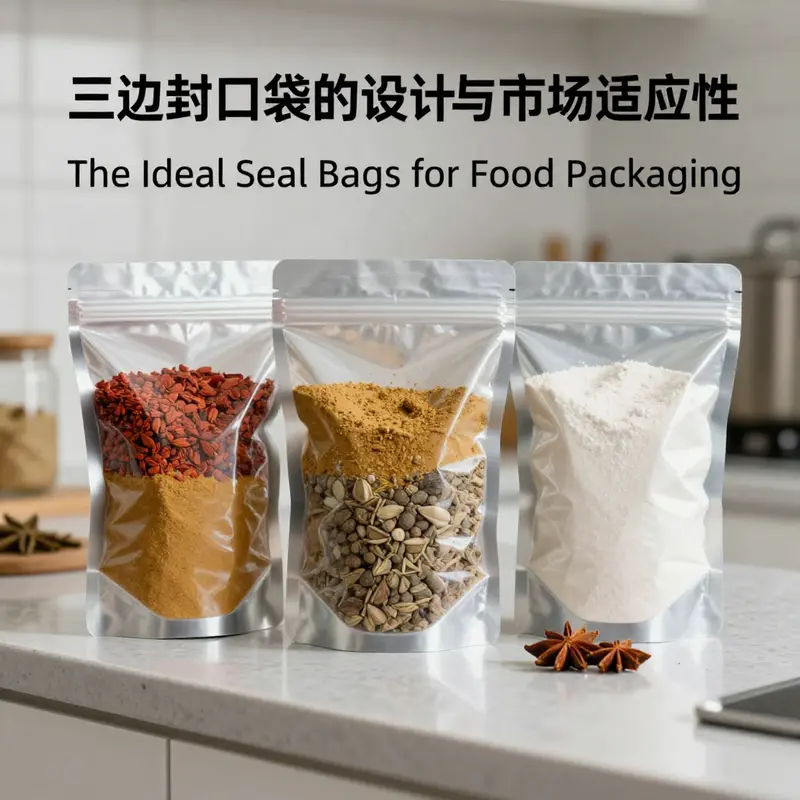
The three-side seal bag sits at a pragmatic crossroads in the world of food packaging. It blends straightforward fabrication with dependable performance, making it a workhorse for products that require clean presentation, adaptable sizing, and efficient filling on a modern line. This chapter examines how the design of a three-side sealed pouch—sealed on two vertical edges and the bottom, with an open top—emerges from a simple geometric logic yet yields substantial strategic advantages in a market that prizes speed, protection, and brand visibility. By tracing the relationship between structure, materials, and processing, we can understand why this bag type has become a cornerstone for a broad array of foods, from snacks to dry goods, spices to cereals, and beyond. In doing so, we also illuminate how manufacturers tailor this format to meet evolving consumer expectations and regulatory requirements, while staying mindful of cost and sustainability pressures that shape the packaging landscape.
From a mechanical standpoint, the three-side seal bag is remarkably efficient. Beginning with a flat film, manufacturers fold and seal along three perimeters—the two side seals and a bottom seal. The result is a compact, rectangular form that can be filled through the open top and then closed with a final seal or optional closure feature. The geometry favors high-volume production because the process minimizes the number of sealing steps and reduces waste in the form fill seal (FFS) operation. The bottom seam creates a stable base, enabling the bag to sit upright on shelves when filled with denser contents, an attribute that often enhances product visibility at the point of sale. Though not always standing on its own like a stand-up pouch, the three-side seal bag occupies shelf space with a neat, uniform appearance that can be printed across a broad expanse of surface area. This surface area is critical for brand recognition, messaging, and nutritional or usage information that must be legible to consumers at a glance.
Material choice underpins the performance of this bag type. The core requirement is a barrier film stack that blocks moisture, oxygen, and light, while remaining compatible with the heat-sealing process. Common constructions include combinations such as PET/PE, PET/AL/PE, and other multilayer structures that balance stiffness, puncture resistance, and sealability. The aluminum-containing variants—while not universal—offer superior barrier performance, particularly against oxygen and light, which is essential for products prone to staling. For more temperature-sensitive or moisture-prone foods, the inclusion of metalized or foil-like layers can extend shelf life by reducing the ingress of moisture and gases. These materials also enable the bag to withstand freezing and refrigerated storage when needed, broadening the portfolio of products that can be packaged in this format.
Another dimension of material selection involves printability. A three-side seal bag must accommodate high-quality branding without compromising the integrity of the seal lines. Print layers are typically applied to the exterior surface, with care taken to avoid print bleed or cracks near the seal zones. The design often reserves a clear or lightly printed area near the open top to ensure a clean, tamper-evident closure when used with an accompanying closure feature. The ability to print in full color, to embed batch codes, and to communicate allergen information clearly is a competitive differentiator, especially in markets where packaging must quickly convey complex regulatory details. Importantly, printing does not have to encroach on the seal area; sophisticated printers and lamination techniques allow designers to maximize front-face exposure while preserving the mechanical integrity of the seal.
From an equipment and process perspective, three-side seal bags align well with automated packaging lines. They can be integrated into continuous fabricating and filling systems that feed, fill, and seal at high speeds. The bottom seal is typically produced with a robust heat-seal parameter to resist filling pressures and movement during transit, while the side seals must be uniform to prevent delamination under transport loads. This reliability translates into lower waste rates and fewer rejects, strengthening overall line efficiency. The open-top configuration permits easy filling of powders, granules, cookies, or snack mixtures, while a separate closure option—such as a tear notch, zip closure, or press-to-seal lip—can convert the bag into a resealable package when consumer convenience is a priority. Each of these features can be customized according to product needs, manufacturing capability, and consumer expectations, enabling brands to tailor the mouth opening and closure strategy without overhauling the core manufacturing workflow.
Branding and consumer appeal are closely tied to how a three-side seal bag is presented in retail. The absence of a fixed top seam leaves space for eye-catching artwork on the front face, which helps products stand out on crowded shelves. For products that rely on consistent color coding or branding elements, the bag’s flat fold and large printing area can support vibrant, high-contrast graphics, nutritional panels, and usage instructions. In addition, the bottom seal can be designed to contribute to a premium or utilitarian aesthetic, depending on finish options such as matte or gloss lamination, which influence perceived value and product trust. Not every product benefits from a high-gloss finish; some items benefit from a subtler, natural look that aligns with sustainable narratives. The design flexibility of the three-side seal pouch thus becomes a strategic asset, allowing brands to modulate shelf presence while maintaining functional performance.
In terms of product suitability, the three-side seal bag is well-suited for a broad spectrum of items. Dry snacks, cereals, and baking ingredients fit comfortably within standard sizes and thicknesses. Powders and granular foods require precise filling but benefit from the bag’s strong bottom seal and stable geometry. The format’s versatility also extends to mix-and-match offerings, where different SKUs can share a common packaging platform, reducing complexity in procurement and warehousing. For producers who operate on scale but still need occasional customization, the three-side seal bag offers a forgiving entry point into larger production runs while supporting a quick transition to moderate customization. This adaptability is particularly valuable in markets where small-lot production and rapid product iteration are essential to test consumer response without incurring excessive tooling costs.
From an environmental and regulatory perspective, the three-side seal bag faces the same pressures as other flexible formats. The industry’s move toward more recyclable or compostable barrier films means that choices can align with sustainability targets without sacrificing performance. In many regions, food-contact materials must meet safety standards and traceability requirements; thus, material selection and supplier qualification become part of the design brief. While barrier performance often argues for multilayer constructions, ongoing research and supplier innovations are expanding the set of materials that can deliver similar protection with improved end-of-life characteristics. For brands seeking to reduce waste, the three-side seal format can be paired with recyclable laminates or alternate barrier layers that maintain integrity during shelf life but simplify disposal after use. The challenge remains to balance barrier, seal strength, cost, and environmental goals, but the format’s inherent efficiency makes it a natural candidate for optimization within a broader packaging strategy.
A practical note on market adaptability concerns how this bag format interfaces with consumer behavior and retail logistics. The open-mouth design invites straightforward filling, but this openness also means that closures and tamper-evidence features are crucial where needed. Some segments prefer lightweight, low-cost options, while others demand resealability and odor control. The three-side seal bag can accommodate these divergent needs with optional insertions such as tear notches for easy opening, zipper-like closures along the mouth, or integrated spouts for easy pouring of powders or liquids. In addition, the bag’s flat profile can contribute to efficient palletization and improved warehouse utilization, lowering storage costs and enabling more straightforward cross-docking. These operational advantages often matter as much as the material properties when selecting a packaging format for a portfolio of SKUs.
In this context, a practical link to related packaging formats helps illustrate how designers trade off features. For a practical example of related packaging formats that combine printing and shelf presence, see disposable kraft paper takeaway box with clear lid. This example underscores how packaging choices—whether a plastic pouch or a kraft paper box—shape consumer perception through tactile feel, visibility, and print quality. It emphasizes that successful packaging often requires a balanced ecosystem of film properties, processing efficiency, branding, and end-user experience. The three-side seal bag, with its blend of simplicity and capability, remains a versatile component of that ecosystem, especially when manufacturers seek to optimize costs without compromising protection, cleanliness, and brand storytelling.
In summary, the three-side seal bag represents a pragmatic design solution that successfully marries manufacturing efficiency with protective performance, branding flexibility, and market adaptability. Its structural simplicity does not limit its strategic value; rather, it enables a broad spectrum of product applications, efficient line integration, and dynamic customization. As consumer demand for clean labels, clear information, and sustainable packaging continues to grow, this format responds with versatility and cost-effectiveness that few other formats can match. For teams assembling a package of formats to cover a range of shelf-stable and perishable foods, the three-side seal bag often serves as a reliable anchor—an adaptable baseline that complements stand-up pouches, vacuum-sealed bags, and aluminum foil laminates, while offering a path to smarter, more sustainable packaging decisions.
External reference: https://www.xinrunlong.com/
七层真空密封袋:极致阻隔、跨温域耐受与经济效益的综合革新
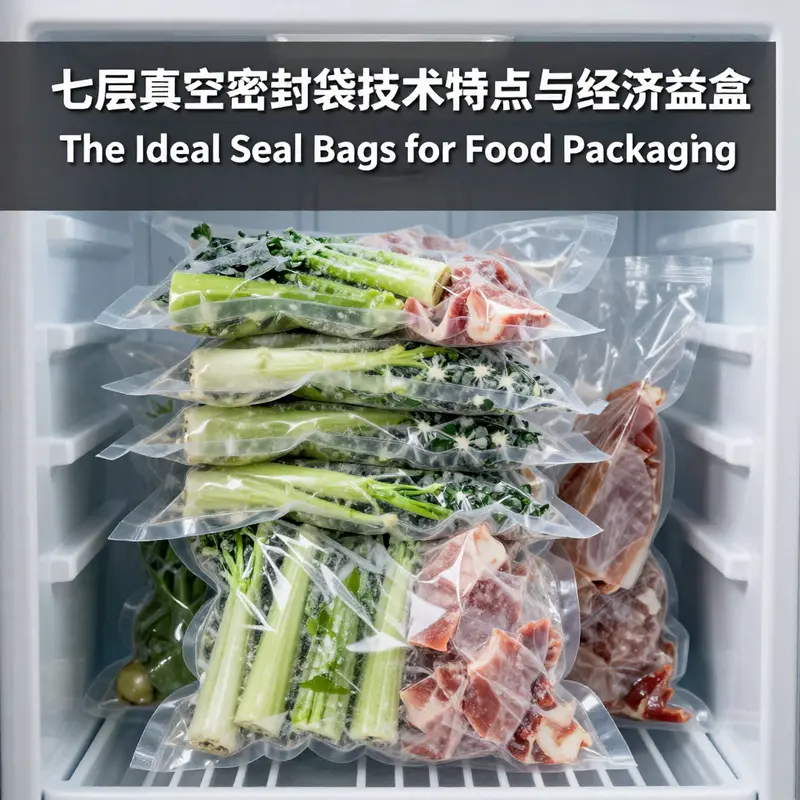
如需进一步拓展,请参考相关研究在材料性能与应用方面的深入分析。对于感兴趣的读者,外部资源提供了更系统的学术背景与实证数据。 七层真空密封袋研究(ScienceDirect)
金属薄层的承诺:铝箔复合袋在高保鲜与环保趋势中的包装新纪元
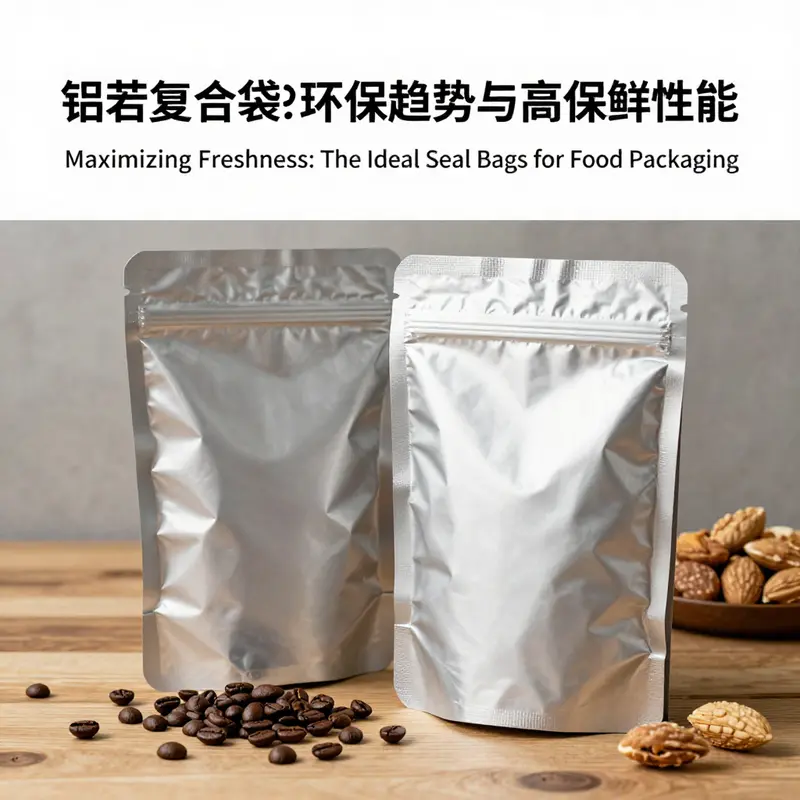
当谈到 seal bag 的核心挑战时,必须在维持食品风味与营养的同时,尽量降低损耗与环境压力。铝箔复合袋以其独特的多层结构,将高密封性、极强的阻隔性能与便捷使用结合在一起,成为许多食品包装方案中的重要选项。其背后支撑的并不仅是机械强度,更是一种对“保鲜与可持续”双轮并行的坚持。通常,这类袋子以多层材料的组合实现屏障效应,核心层往往为铝箔,而外层则由聚酯、尼龙与聚乙烯等材料共同承担热封性、韧性与印刷可实现性的职责。常见的组合如 PET+AL+PE、PET+NY+AL+PE,以及某些变体如 PET+AL+NY+CPP 等多层结构。这些层次共同形成对氧气、湿气、光线及异味的高效阻挡,使得包装在运输、存储直至零售终端的各个环节都能对产品香气、口感和营养成分提供稳固的保护。这样的屏障效果对易氧化或易受潮的食品尤为关键,尤其是在全球供应链复杂、冷链波动不可避免的现实条件下。与此同时,铝箔复合袋的设计并非仅追求封闭性。许多包装厂商还在袋身和封口处加入更贴合用户需求的功能性设计,如自封口、拉链口、或小型吸嘴等,以提升开箱体验和日常使用的便捷性。这种综合性设计在高端食品、小批量试产以及多品类供应中显现出明显优势,能够在不牺牲保鲜效果的前提下提高品牌的可用性与市场响应速度。对于粉末、颗粒或易碎食品,边缘密封及四边封或三边封的工艺尤为重要,因为它们直接影响到内容物的泄漏风险与包装的一致性。良好的密封性不仅关系到商品的完整性,也关系到后续的运输成本、保鲜成本以及顾客对产品的信任感。总之,铝箔复合袋在技术层面提供了“强屏障+灵活设计”这对组合,成为食品包装领域中最具竞争力的解决方案之一。
Final thoughts
Choosing the right plastic seal bags is essential for ensuring food safety and brand representation. Each type of bag offers unique advantages, whether you need ease of use, effective sealing, or eco-friendly features. By selecting the most suitable packaging solution, your establishment can enhance product quality, customer satisfaction, and operational efficiency.