
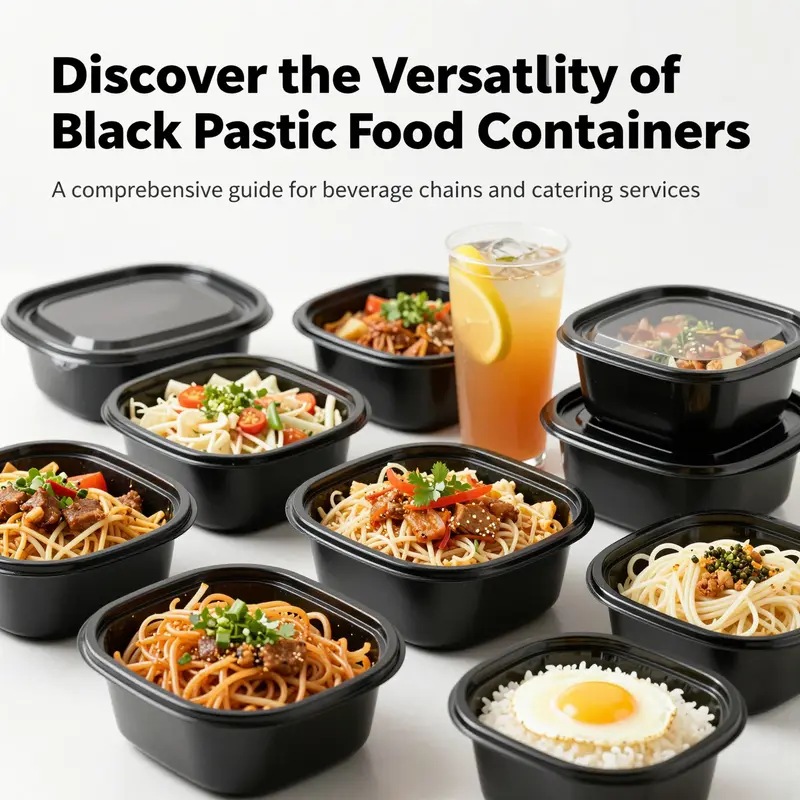
Black plastic food containers are becoming a staple for businesses ranging from bubble tea shops to catering services. Their versatility, durability, and safe materials make them ideal for various applications. This article explores their product types and specifications, material safety standards, market demand, and efficient procurement and logistics strategies. By understanding these facets, businesses can make informed decisions that enhance their operations and appeal to their customers.
Shade and Structure: Exploring the Diversity and Design of Black Plastic Food Containers for Home and Service Environments
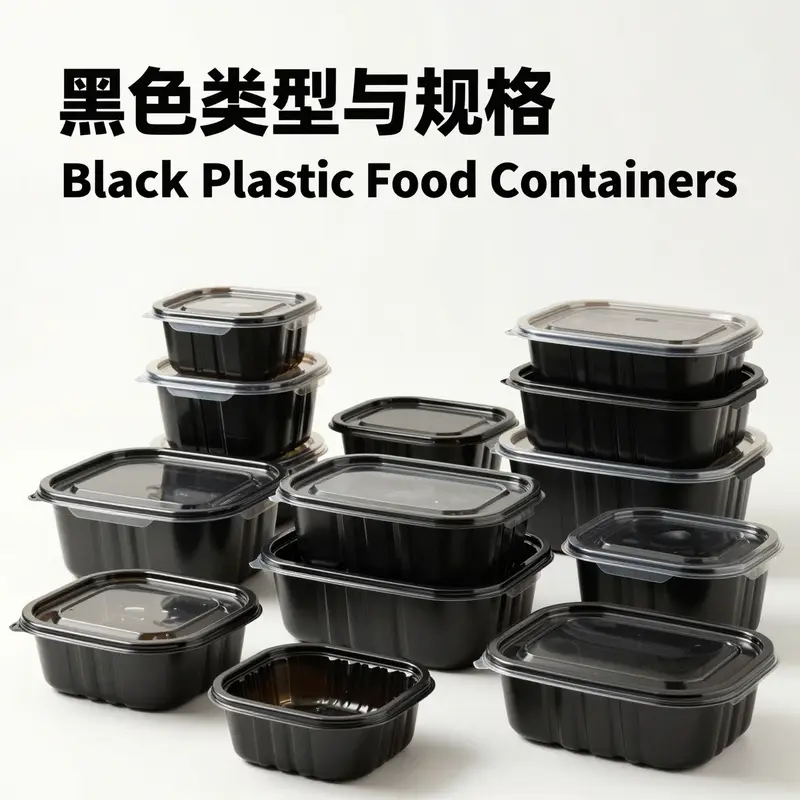
Black plastic food containers inhabit a surprisingly broad spectrum of forms and functions. The color itself—deep, uniform, and ostensibly simple—hides a complex landscape of materials, manufacturing choices, and practical constraints. In the contemporary packaging ecosystem, black containers serve as both a visual signal and a functional instrument. They convey a sense of uniform branding and contemporary style while also delivering on core performance criteria: durability, food safety, and adaptability across cold storage, reheating, and service settings. The practical reality is that a single color cannot carry all the weight; it must be backed by intentional material choices, rigorous safety standards, and thoughtful design that addresses the everyday needs of households and the high-demand world of food service.
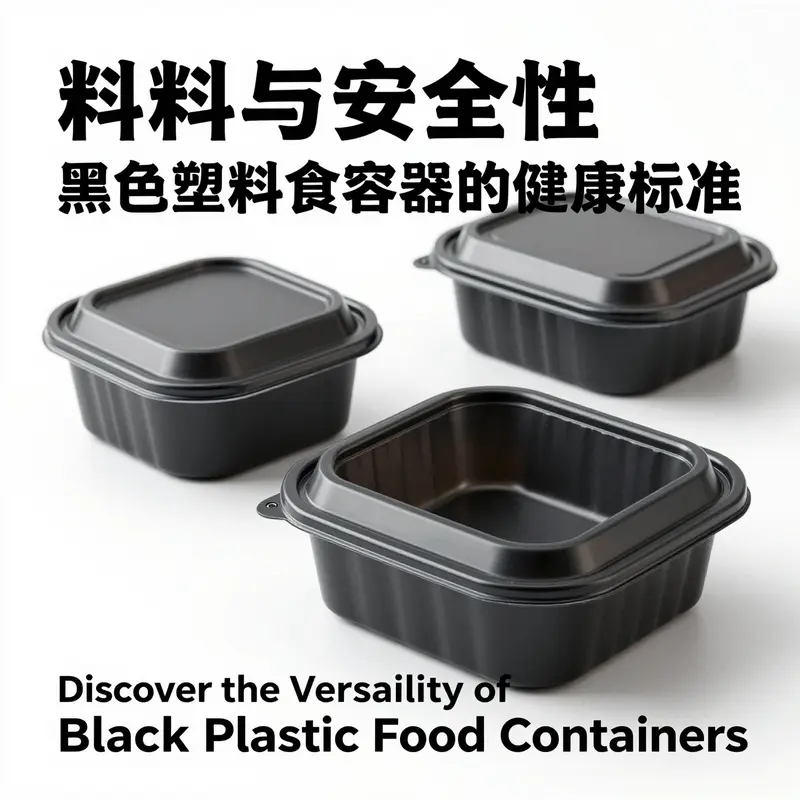
The most common material families behind black food containers are food-grade plastics such as polypropylene (PP) and polystyrene (PS). Each material brings distinct advantages. PP is well known for its chemical resistance, stiffness, and general compatibility with cold storage and microwave reheating when properly formulated. PS, particularly in its crystal-clear cousins, has a history of performance in heat-sealed or laminated constructions, with improved clarity and rigidity in certain variants. When plastics are colored black, the pigment choice can influence recyclability and sorting in downstream waste streams. In many markets, black pigments complicate automated optical sorting systems, which means brands must balance aesthetic goals with environmental stewardship. The tension between visual uniformity and end-of-life manageability is a real consideration for manufacturers and buyers alike.
Across the spectrum of product types, black containers tend to fall into two broad categories that mirror the everyday needs of households and the operational demands of food-service professionals. On one end are storage containers designed for home use: stackable, interlocking, and optimized for refrigerator and freezer organization. These designs emphasize efficient vertical storage, a secure seal to minimize leakage, and compatibility with both freezing temperatures and occasional reheating. The emphasis here is on reusability to some degree—containers that can be washed and reused increase value beyond a single-use cycle, even when the form factor remains disposable by default. On the other end are take-away and catering containers oriented toward the service industry. In this space, portability, leak resistance, and a rapid-fill manufacturing pipeline become paramount. These containers are often designed to work with matching lids and a fleet of cutlery or accessory items, creating a complete packaging solution for meals that must travel, stay fresh, and be ready for immediate consumption.
In terms of specifications, the range is broad. Black containers appear in small, single-serve formats that fit neatly into meal-prep routines or office-based lunch programs, and they extend up to larger, multi-compartment or layered configurations that support diverse meal components within a single package. The multi-compartment approach is particularly relevant for meal-prep and deli-style offerings, where keeping components separated preserves texture and flavor. Even when marketed as simple, single-compartment designs, many black containers incorporate thoughtful features: precise sealing gaskets to prevent leakage, ridged or interlocking rims to aid in stacking, and compatibility with common microwave wattages for safe reheating. While the exact volume can vary by model, practical ranges commonly span from a few hundred milliliters to around one liter for main-course portions, with smaller formats for sides, sauces, or desserts.
Another crucial dimension is temperature tolerance. For home use, a container should withstand refrigeration and freezer conditions, and often must tolerate reheating in a microwave. For food-service scenarios, the bar is higher: containers may be subjected to higher heat exposure during transport or in oven-like environments, and the lids must stay sealed under motion and during stacking on pallets. Materials labeled as food-grade and certified to safety standards are essential in any credible supply chain. The absence of toxins, off-flavors, or migration into food under typical use conditions stands as a baseline requirement. In practice, many black containers claim BPA-free status and meet recognized safety standards, which helps reassure buyers that color does not compromise food integrity.
From a packaging design perspective, black offers visual coherence that can be valuable for brand identity. When a retailer or caterer looks to project a sleek, modern image, black containers offer a predictable aesthetic that pairs well with a wide range of logos, labels, and printed graphics. Yet the practicality of black goes beyond appearance. The uniform color can help mask minor scratches and scuffs that accumulate during handling and transport, which is a subtle but meaningful advantage in high-volume environments. The downside, as noted, is potential challenges with recycling streams in certain locales. The choice to use black plastic thus invites a broader conversation about sustainability, including whether the environmental costs of color-specific plastics outweigh the benefits of a durable, versatile container that may reduce waste through longer use cycles.
The procurement and logistics side of black containers is a study in balancing scale with customization. For buyers tasked with bulk purchases for food-service operations or large events, the ability to source containers with predictable lead times, consistent material quality, and reliable compatibility with lids and accessories becomes critical. Suppliers commonly offer a range of options from standard configurations to OEM/ODM arrangements that enable branding, color matching, and packaging customization. The decision tree often includes minimum order quantities, sample testing periods, and the feasibility of small versus large-volume runs. In many markets, manufacturers provide sample services to enable clients to validate fit, seal performance, and heat tolerance before committing to larger production runs. This step reduces the risk of investing in a misfit product that fails under real-world conditions.
A relevant design consideration here is the choice between rigid PP and the CPET/PS family used in some heat-tolerant, microwavable take-away formats. Each material brings trade-offs: PP tends to offer robust chemical resistance and light weight, while CPET can provide enhanced heat resistance and microwave stability in laminated constructions. The decision is rarely about one property alone; it is about how the container behaves across a meal’s lifecycle—from filling and cooling to reheating and disposal. The interplay between lid design, sealing mechanisms, and the container’s geometry often determines performance more than material alone. For a meal-prep context, a four- or three-compartment layout may optimize portion control and meal variety, whereas for take-away, a single-compartment but well-sealed box may be favored for ease of packing and transport. Shapes vary as well, with square or rectangular footprints maximizing fridge and cabinet space, while rounded edges and curved corners can ease handling and reduce snag points in packing lines.
A practical design insight emerges when considering display and merchandising. Black containers, because of their contrast with colorful foods and garnishes, can make the contents look more premium or vibrant. This effect can influence consumer perception and willingness to choose a particular packaging option. At the same time, the opaque nature of many black containers may obscure the food’s appearance, which places a greater burden on labeling and exterior branding to communicate freshness, contents, and dietary attributes. In spaces where take-away customers rely on visual cues to guide choices, packaging design must balance opaque functionality with informative labeling, using color accents, textures, or printed graphics to compensate for the black interior.
From a sustainability lens, brands increasingly weigh end-of-life considerations when choosing black plastic containers. The pigment and the resin type together influence recyclability. In regions with advanced sorting facilities, black plastics may be handled more efficiently, but in others, recyclers may struggle with color separation or polymer identification. This reality pushes buyers to explore post-use outcomes: whether the containers are widely recyclable, whether they can be repurposed, or whether they align with compostable or bagasse-based alternatives in certain applications. The industry-wide push toward more responsible packaging design makes it essential to consider life-cycle impacts from the earliest planning stages. Even when a container excels in performance and cost, its ultimate value depends on whether the waste created can be responsibly managed in the communities that will receive it.
For readers exploring packaging design beyond plastics, it helps to look at comparable options that share a similar function but present different environmental footprints. For instance, a representative example of disposable kraft paper soup cups with lids demonstrates how non-plastic materials can fulfill the same service criteria—safety, insulation, leak resistance, and branding opportunities—while offering a distinct pathway to end-of-life management. This example helps illuminate the trade-offs between material choices, not to diminish the role of plastic but to highlight the broader decision framework practitioners use when crafting packaging ecosystems that meet taste, safety, and sustainability goals. See more here: disposable kraft paper soup cup with lid.
Ultimately, the black plastic container is not a single product but a family of solutions tuned to specific use cases. The best choice hinges on the meal format, the customer’s journey, and the operational constraints of the business. The strongest partnerships emerge when buyers can test samples, verify seal integrity, confirm heat tolerance, and align packaging with brand storytelling and logistical realities. With that foundation, black containers can blend form and function, supporting efficient kitchen workflows, reliable customer experiences, and responsible packaging practices that reflect the evolving priorities of both households and the food-service sector.
External reference for further context on market offerings and product specifications can be found here: https://www.alibaba.com/product-detail/Yoyo-Check-Now-Plastic-Food-Container_1600821977511.html
null
null
应用场景的转折点:揭示黑色塑料食品容器的市场需求与未来走向
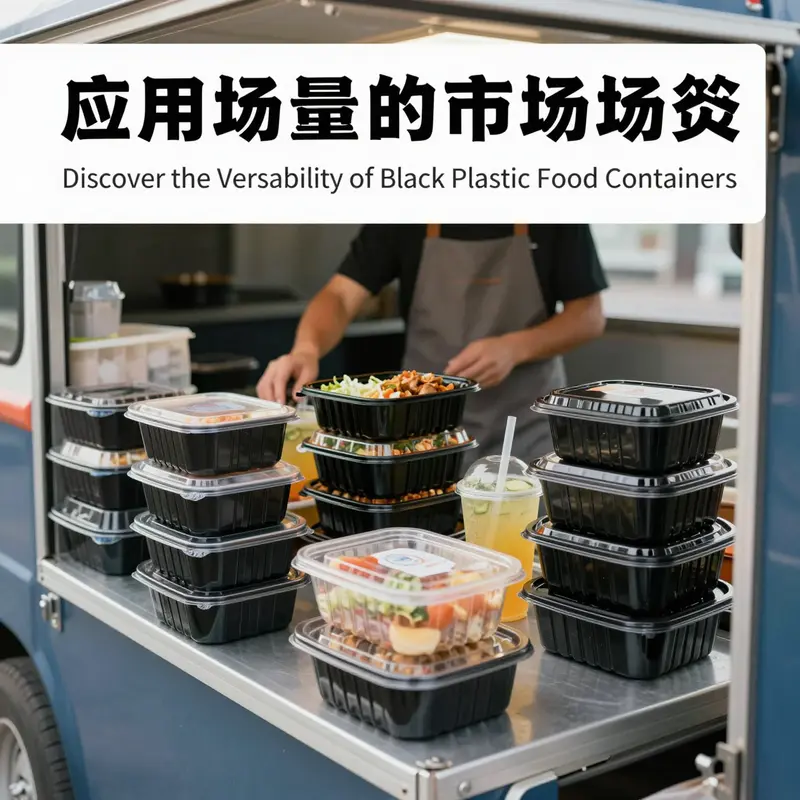
在全球包装行业中,黑色塑料食品容器曾因其成本优势、深色外观下对污渍的遮盖效果以及相对耐用性而获得广泛应用。这种材料在快餐、外卖、餐饮连锁及酒店服务等领域的普及,往往被视为一次性、低成本的解决方案:易于大规模生产、便于批量分拣与物流部署,且在某些场景下的视觉效果能传达统一、简洁的品牌形象。短期内,这一市场结构具有较高的价格竞争力、周期短、对供应链稳定性要求不高的特征。
然而,市场条件并非一成不变。健康意识的提升、法规框架的趋严,以及对资源循环利用的日益重视,正在重塑黑色塑料食品容器的未来图景。碳黑添加剂的使用长期以来被视为实现深度着色和遮盖污渍的高效手段,但在食品接触材料的实际应用中,这一成分带来的潜在风险逐渐浮现。研究与监管层面上,关于在加热、长期接触或高温条件下释放的重金属及溶出物的担忧逐步成为议程的一部分。对消费者而言,健康安全始终是首要考量;对行业而言,合规成本、品牌信任与市场准入也在同一时间被放大审视。这些因素共同推动企业重新评估“单纯以成本取胜”的策略,转而寻找更高附加值、更加可持续的替代方案。与此并行的,是对回收体系的再设计。深色颜料对回收流程中的红外传感器干扰显著,导致黑色塑料更难以被识别与分拣,使其在回收体系中的表现黯淡。这一现实使得“不可回收垃圾”标签在一定程度上成为现实问题,进而引发消费者和企业对于包装材料的再评估与替代意愿。
在这种环境下,黑色塑料食品容器的市场需求呈现出明显的转折信号。过去以成本为导向的大众化、一次性消费场景的需求正在缩减,取而代之的是对高附加值和可持续性的追求。企业开始倾向于采用能够实现更高水平食品安全、降低环境影响、并且在品牌传播层面具备更强可控性的材料与设计方案。对于餐饮业的外卖打包、餐盘分装以及厨房备餐等核心环节来说,稳定、无毒、耐温且具有良好密封性能的包装仍然是刚性需求,但对材料的来源、可回收性和再利用潜力的要求却在提升。这意味着,未来的采购决策将更强调认证、追溯与透明度,而不仅仅是价格和现货可得性。
从技术与材料角度来看,现阶段的研究与市场实践正在不断强调对食品级材料的严格把控。食品级聚丙烯等材料成为合规性和安全性的关键所在,且需要在微波加热、冷藏甚至冷冻条件下保持稳定性与无味性。对消费者而言,直观的健康感知和对物件无异味的期望,往往决定了包装在市场中的接受度。对企业而言,认证和检测成本则成为进入门槛的一部分,需要在产品开发阶段就嵌入合规性评估与质量控制流程。与此同时,OEM/ODM等定制生产模式的灵活性,及样品测试的可获得性,成为实现品牌差异化、提升包装体验的重要手段。对于需要实现品牌标识、颜色搭配与包装方案个性化的企业,这些定制能力往往成为竞争力的来源。供应链层面,起订量、模具开发、装箱方案优化等因素直接影响运输成本与库存风险。在全球化采购环境中,厂商的模具能力与产能调度能力,成为订单执行的核心变量,也决定了企业在价格波动与需求波动面前的韧性。
尽管市场趋势日益明确,但拒绝和替代的空间也同样明显。对消费者而言,越来越多的替代材料正在进入市场,从硅胶、玻璃、不锈钢到竹纤维,以及可生物降解材料,这些选项在不同使用场景下展现出不同的优劣势。对于以外卖和餐饮服务为核心的场景,替代材料往往在耐热性、密封性、重量与成本之间寻求平衡;而在非直接接触食品的包装与运输容器领域,某些替代材料的应用则表现得更加成熟。这种转型不仅是材料层面的变化,也是供应链结构、设计思路和营销策略的综合调整。企业需要在确保食品安全的前提下,降低环境负担,提升回收可行性,并通过清晰透明的材料信息、证书与测试结果来建立消费者信任。对于行业观察者而言,这一趋势意味着黑色塑料容器的市场空间将重新被定义:其未来更多地落在对成本极度敏感但不直接接触食品的工业或非食品领域,以及对价格敏感但可接受替代材料的特定用例中。
在评估未来机会时,设计与包装策略的作用也不可小觑。无论是继续在成本压力下寻求规模效应,还是转向强调健康与环境影响的综合价值,企业都需要在产品功能、法规合规、品牌传播与生命周期管理之间取得平衡。对直接接触食品的黑色塑料容器而言,最关键的仍是确保食品级安全、避免有害物质的迁移,提升密封性和耐用性,并尽量降低对环境的长期负担。这些因素共同决定了企业在未来市场中的定位:若以直接接触食品为核心,需要通过合规性、透明度和证据来赢得信任;若转向非食品领域或替代材料,则需要在成本控制、供应稳定性和可回收性方面建立新的竞争力。
对于行业参与者而言,持续关注法规趋势、检测标准、以及消费者对安全与可持续性的叠加期望,是制定中长期战略的关键。企业应当将样品测试、认证评估与供应链优化纳入新产品开发的早期阶段,以避免在市场推向阶段因合规问题而被拖延。与此同时,品牌策略也应围绕健康、安全和环保愿景展开,通过清晰的材料信息披露、设计语言和包装叙事,传达对消费者健康的尊重与对地球未来的承诺。这样的叙事不仅有助于建立市场信任,也有助于企业在面向全球市场时实现更广泛的消费共鸣。
在结论性层面,黑色塑料食品容器的需求结构正在发生根本性变化。过去以成本优势驱动的快速扩张正在减弱,而健康、安全、回收与再利用的综合价值成为新竞争力的核心。未来的市场空间很可能不是简单的规模化增长,而是以更高的附加值、更多元化的应用场景以及更强的可持续性承诺来重新分配。对直接接触食品的产品而言,减少有害物质暴露、提升材料透明度、改进回收兼容性,将是企业赢得市场、保护品牌的关键路径。对非直接接触食品的场景,以及对替代材料的探索,则提供了新的增长机会,允许企业在保持成本敏感性的同时,实现更广泛的应用边界。总而言之,这一转折点提醒所有行业参与者,包装材料的选择不仅关乎一个产品的生命周期成本,也关乎整个行业在健康、环保与经济三者之间的持续权衡与创新。通过理性评估、科学证据与负责任的创新,黑色塑料食品容器在未来市场中的角色将从单纯的成本工具,逐渐转变为一个需要谨慎权衡的市场变量,而其真正的价值,取决于我们如何定义“安全、可持续与高效”的包装未来。
外部参考与扩展阅读方面,读者可查看更多关于替代材料与可持续包装选项的讨论。对于关注替代方案的企业和设计师,以下资源可以提供有益的背景信息与灵感:eco-friendly kraft packaging options,以及对比黑色塑料容器在回收体系中的挑战的分析。进一步的数据与行业观察可参考以下英文来源链接:https://www.alibaba.com/product-detail/Yahoo-Black-Plastic-Food-Container-3-Compartment.html。在深入了解行业现状与未来趋势时,这些资源有助于把握成本、合规与环保之间的动态关系。
Procurement and Logistics: Navigating the Supply Chain of Black Plastic Food Containers
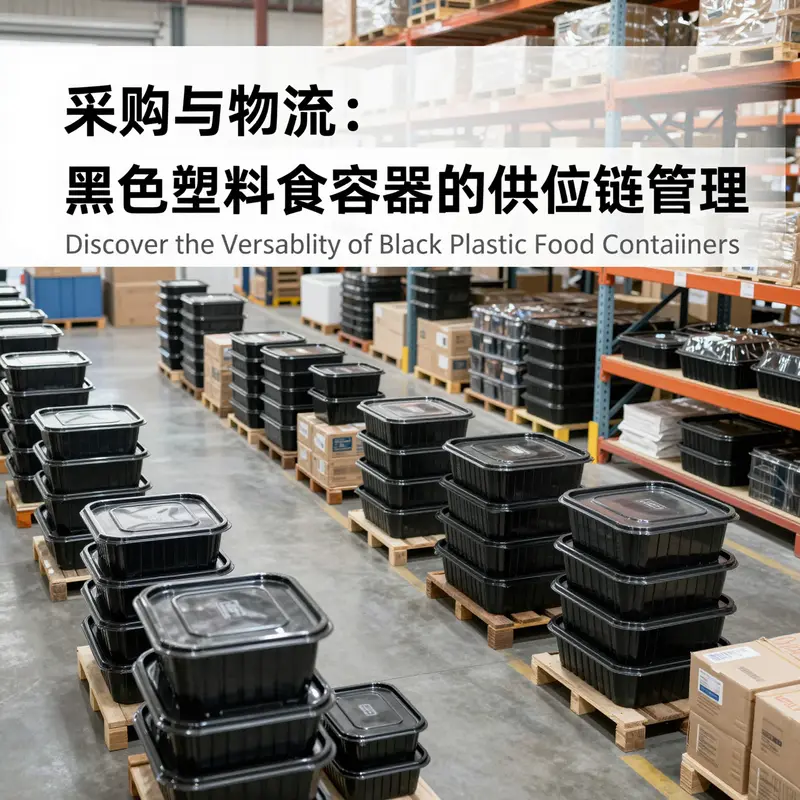
Across modern food networks, black plastic food containers sit at the heart of how meals are planned, packaged, and delivered. The supply chain begins with procurement, which must ensure food contact safety and a steady stream of resin inputs, such as polypropylene or certain polyethylene grades, selected for heat resistance and chemical inertness. Suppliers provide documentation of compliance, traceability, and batch consistency. Long term supplier qualification reduces volatility and supports predictable pricing and lead times. Production relies on precise molding technologies to achieve tight tolerances, strong sealing, and clean interior surfaces. Surface treatments and color stability considerations—such as matte finishes or UV stabilization—play roles in hygiene and performance. OEM/ODM customization drives branding without compromising safety. The logistics leg tracks inventory, scheduling, and deliveries via digital platforms, aiming to minimize handling, preserve sterility, and optimize transport efficiency. A sustainable and cost-conscious approach weighs lifecycle impacts, alternatives, and end-of-life disposal. A robust supply chain emphasizes transparency, rapid scale-up when demand surges, and continuous improvement through data-driven decision making.
Final thoughts
In a competitive market, black plastic food containers stand out for their practicality, safety, and customization options. Whether you’re in the beverage industry or catering sector, leveraging the unique advantages of these containers can significantly enhance service quality. Emphasizing durable and safe materials ensures that your customers receive their food and beverages in the best possible packaging. Investing in reliable suppliers and streamlining your procurement process will further position your business for success.