
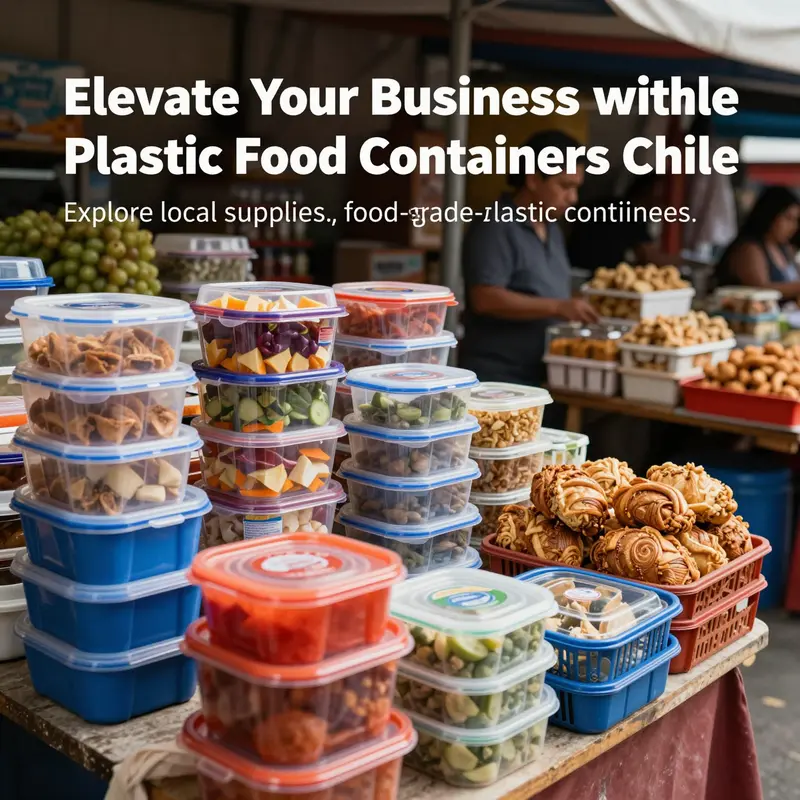
In today’s dynamic marketplace, food businesses in Arica, Chile, require practical and sustainable packaging solutions. From bubble tea shops and restaurants to catering services and food trucks, understanding plastic containers for food is essential for streamlined operations and compliance with health regulations. This guide delves into the types of plastic containers available, the complexities involved in importing them, local suppliers, and the usage regulations relevant to Arica’s culinary landscape. Each chapter aims to offer insights that not only enhance your business operations but also ensure customer satisfaction and safety.
Coastlines, Cafés, and Containers: A Practical Guide to Food Packaging in Arica, Chile
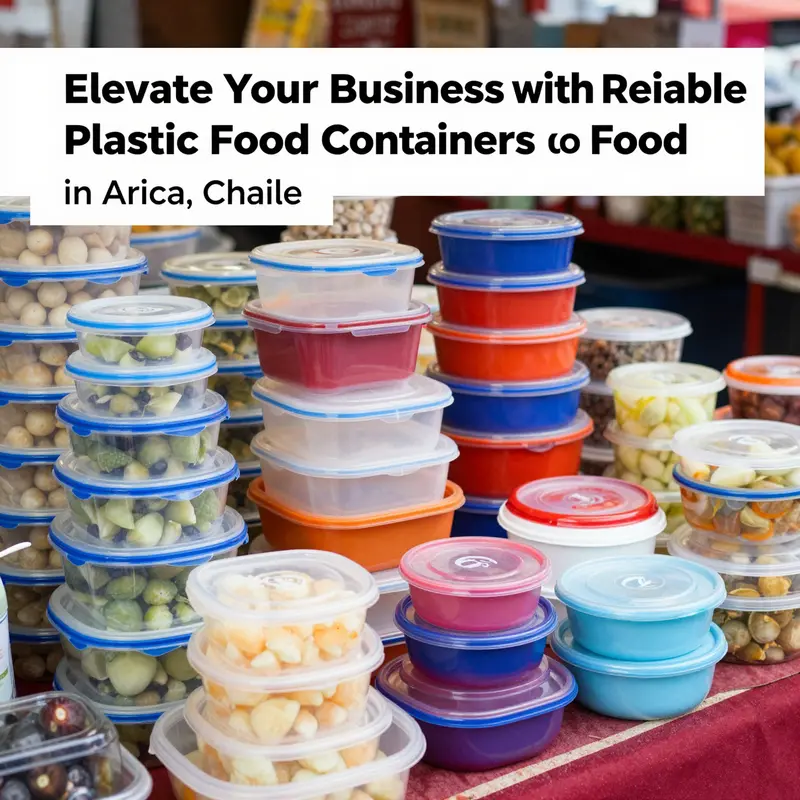
Arica sits at the northern edge of Chile’s arid plateau, where desert meets the Pacific and breezes carry the scent of sea spray along a front line of markets, cafés, and small processing shops. The city’s geography shapes more than tourism and daily life; it frames the very choices food businesses make about packaging. In this context, plastic containers for food have become a practical, if evolving, tool. They offer lightweight durability for a population that frequently moves through crowded markets, rush-hour queues near the seafront, and the busy backrooms of cafés that must turn out dozens of portions with dependable fast service. But the story of packaging in Arica is not simply about what is convenient to hold a meal. It is about what can endure the local climate, what can travel reliably across distances, and what aligns with a mounting regulatory and consumer demand for responsibility toward the environment.
To understand the choices facing Arica’s food businesses, it helps to start with the most common materials in play. Plastic containers used in this part of the world frequently rely on materials such as PET (Polyethylene Terephthalate), PP (Polypropylene), and increasingly, bioplastics like PLA (Polylactic Acid). PET is prized for clarity and strength, making it a favorite for beverages and ready-to-eat items that need to showcase color and freshness. Its transparency helps sellers present fruit salads, layered desserts, and cold meals in a way that can attract a passing customer on a busy street or in a market stall. PP, on the other hand, is chosen for its heat resistance. It is among the preferred options for containers intended to hold hot foods or to withstand brief oven or microwave exposure, though it is always essential to verify the specific microstructure and the intended use. PLA introduces a different set of considerations altogether. Derived from renewable resources, PLA is attractive to venues that want to signal environmental mindfulness. It is often marketed as compostable, but in practice it requires industrial composting facilities to break down efficiently. The landscape in Arica, and in Chile more broadly, is increasingly oriented toward recyclable or compostable options, partly in response to environmental policies that place responsibility on producers and distributors to manage waste responsibly after consumer use.
Yet for all the strength and visibility of these materials, many operators in Arica remain mindful of practical constraints. Not every container is suitable for high-temperature foods, and not every model is microwave-safe. In a city where street vendors, small cafés, and takeaway shops operate in close proximity to each other, the need to reuse containers or to pivot quickly between offerings—cold beverages, cold fruit cups, or hot soups in the same day—drives a careful balance between performance, price, and safety. The proximity to ports and the occasional exposure to ocean winds also means that containers must resist salt spray and humidity, at least for the durations typical of a short distribution chain from a kitchen to a home, a hotel, or a street stall. Packaging decisions thus become a form of local logistics as much as a matter of material science.
For those sourcing from abroad, the pathway often begins on global B2B platforms that connect Arica’s distributors with overseas manufacturers. A common scenario is to review suppliers from China or Southeast Asia offering transparent plastic food boxes suitable for fruit or ready-to-eat meals. A representative price point found in these exchanges places a simple transparent container at around US$0.145, a figure that helps define feasibility for high-volume sales in a city that serves both locals and travelers. The logistics of such an import are not trivial. Sea freight remains the norm, given the scale and cost considerations. If the destination is a port city like Arica, it is prudent to consider a temperature-controlled container—reefer capacity—when goods demand careful temperature management during transit. The details matter: even modest deviations in temperature or exposure to humidity can affect product integrity, especially for items that are perishable or require strict presentation standards.
The regulatory environment in Chile is evolving and increasingly oriented toward responsible packaging. The movement toward extended producer responsibility (EPR) schemes and restrictions on single-use plastics has begun to influence product availability and supplier choices in Arica. Local businesses are adapting by expanding lines that incorporate recyclable or certified biodegradable options, with PLA-based solutions gaining some traction among eco-conscious restaurants and food trucks. At the same time, it is important to recognize that PLA and other compostable options require specific disposal infrastructure. Industrial composting facilities, rather than home composting, are typically needed to realize the environmental benefits advertised by many bioplastic products. This nuance matters for Arica’s merchants who must align their packaging strategy not only with cost and performance but also with the realities of waste treatment infrastructure nearby.
Beyond the regulatory and logistical dimensions, there is a broader cultural push toward circular economy models that could redefine how Arica handles food packaging in the future. A notable trend in Chile—though not yet a standard in the food sector—shows a startup-driven approach to rethinking plastic use. In this model, consumers bring their own reusable containers, each tagged with an RFID identifier, to refill daily essentials like personal care items. The scale and specifics differ, but the underlying idea resonates: a system that reduces single-use plastic through reuse, tracking, and value exchange. For Arica, this signals a potential direction for the food industry as consumer awareness about plastic waste grows and as logistics networks mature to support return and refilling schemes. While the current focus of such pilots may be non-food personal care items, the conceptual blueprint is relevant. It suggests how partnerships between retailers, waste handlers, and technology providers could be structured to support a future where food packaging in Arica could move toward reusables or more robust, refills-based models without compromising safety or convenience.
Amid these trends, local suppliers and distributors are expanding their product lines to incorporate certificated biodegradable and compostable options. For store owners and food service operators in Arica, this means more choices that align with sustainability goals while still meeting the essential criteria of durability, cost, and food safety. It also means that decisions about packaging are increasingly informed by a network of considerations: the likelihood of bilingual labeling and compliance with food-contact regulations; the compatibility of packaging with storage and display requirements in a coastal climate; and the practicalities of cross-border trade, where language, currency, and transit times can influence both lead times and pricing.
That is the pragmatic landscape in which Arica’s food businesses operate. So how should a café owner, a market stall operator, or a small distributor in Arica approach the packaging dilemma? A robust approach begins with a clear picture of the product portfolio and the customer journey. For cold beverages and salads that travel short distances to nearby homes or offices, clear PET or PP containers can provide an attractive balance of visibility, strength, and cost. For hot or microwavable items, polypropylene options that have been tested for heat resistance and microwave safety are essential. When the emphasis shifts toward environmental sustainability, biodegradable options like PLA must be considered, but with a plan to manage end-of-life waste responsibly—whether through a local composting program or a partner facility that accepts compostables. It is important to test the packaging with real users: do customers appreciate the clarity of PET for fresh fruit, or do they prefer a robust PP container that can withstand a hot meal? Do they value a compostable option even if it necessitates a different waste stream? And can the business communicate clearly about what options are suitable for what uses, so there is no confusion at the point of sale?
In practice, supply chain resilience becomes a key determinant of long-term viability. The option to source from abroad offers scale and potentially lower unit costs, but it also introduces exposure to currency fluctuations, longer lead times, and the risk that a supplier cannot deliver during peak seasons or regulatory shifts. Local or regional suppliers can provide more predictable delivery timelines and easier after-sales support, but they may have limited ranges or higher per-unit prices for specialized packaging. The decision, therefore, is not simply a matter of best material or lowest price; it is a careful assessment of risk, customer expectations, and the business model’s ability to absorb fluctuations in both supply and demand. A pragmatic path is to diversify: maintain a core selection of containers that meet the most common needs—cold take-away cups, cold fruit boxes, and hot-food-safe PP containers—while keeping a smaller, flexible stock of biodegradable or compostable options for promotions, seasonal menus, or customers who explicitly request sustainable packaging.
The practicalities of cold chain and transport warrant particular attention for Arica. When containers are used to package perishable foods for longer distribution chains, or when preparation occurs far from a customer’s home, maintaining product integrity during transit becomes critical. This is where the concept of temperature control in shipping—reefer containers—enters the conversation. If imported goods include temperature-sensitive items, or when a business anticipates fragile supply lines due to weather, port congestion, or freight delays, reefer options can provide a safeguard against spoilage and product damage. For Arica’s coastal ecosystem, with occasional humidity and sea breeze, choosing packaging that resists moisture ingress and provides reliable stacking can reduce breakage and spillage during handling. The emphasis, again, is on aligning packaging choices with the actual distribution patterns: the typical distance traveled, the expected handling, and the end-user expectations regarding usability and sustainability.
In this dynamic setting, one practical takeaway is to craft a packaging strategy that communicates value to customers while maintaining logistical clarity. For instance, a café that emphasizes freshness and transparency can leverage PET containers to display the vivid colors of fruit-based desserts or cold beverages, reinforcing the perception of quality. A takeaway operation that emphasizes heat retention and ease of use for customers on the go might prioritize PP containers with secure lids and clear microwavability instructions. Acknowledging environmental goals, meanwhile, an optional line of PLA-based packaging—targeted at eco-conscious segments—could be offered as a voluntary upgrade, with clear disposal guidance that aligns with local waste facilities. By presenting packaging as a part of the brand story—one that solves practical problems, respects the local climate, and mirrors the city’s shift toward sustainability—businesses in Arica can strengthen loyalty and differentiate themselves in a competitive market.
For readers who want to explore nearby sourcing options in more concrete terms, there are practical avenues to pursue. In Arica itself or in the broader region, a Google Maps search using terms like plastic food containers Arica Chile can reveal local wholesalers and distributors who can provide on-the-ground support, regional product knowledge, and faster replenishment cycles. When evaluating suppliers, it is wise to ask about material certifications, food-contact safety compliance, and the availability of different container formats that can accommodate a growing range of menu items. It is also valuable to request packaging samples and conduct quick in-store tests to observe how containers perform in real-world conditions—whether they resist leakage, whether lids seal firmly enough for a take-away scenario, and whether the containers stack securely on shelves and in transport boxes.
To illustrate a concrete example of how the packaging ecosystem could evolve in Arica, consider how a local retailer might integrate a more sustainable option into its line. An internal packaging option that supports a semi-durable, reusable approach could be piloted in a small pilot program with a limited menu: cold fruit bowls in clear PET containers that customers can return for a small incentive, or hot soups served in robust PP containers with a clear message about reusability and responsible disposal. Such pilots would require careful coordination with waste management providers, local recycling streams, and customer education initiatives. The potential gains are significant: greater customer loyalty from environmentally minded patrons, reduced waste disposal costs over time, and a stronger market position that aligns with Chile’s evolving environmental priorities. In short, Arica’s packaging decisions are not only about today’s costs and conveniences. They are about building a resilient local food economy that can adapt to changing regulations, shifting consumer preferences, and the practical realities of a coastal city on the edge of a desert.
For those who want a concrete starting point in exploring packaging options, consider a practical example of an eco-friendly option that could fit a range of applications in Arica. eco-friendly kraft box packaging options. This kind of packaging presents a useful balance between sustainability signals and functional performance. It can be used for takeaway meals, cookies, or small snacks, and it illustrates how a single packaging family can cover several menu items while enabling branding through custom prints and logos. For operators weighing whether to stock eco-friendly boxes, the decision hinges on demonstrable demand, reliable supply, and a clear disposal pathway for customers. The goal is not to over-promise but to offer a credible alternative that makes sense within Arica’s supply chain realities.
As this chapter weaves together the threads of material science, logistics, regulation, and consumer behavior, it becomes clear that Arica’s packaging challenges are a microcosm of a broader global shift. The region’s markets demand packaging that is light, strong, and affordable enough to support small businesses while traveling the distance from kitchen to consumer with minimal risk of compromise. At the same time, the city’s adoption of more sustainable packaging and waste management practices signals a future in which containers are not simply thrown away but integrated into a circular economy. The practical implication for Arica’s food operators is to design packaging choices that are adaptable, data-informed, and aligned with customers’ values and the city’s regulatory trajectory. In doing so, Arica can continue to flourish as a coastal hub where the daily exchange of meals, ideas, and commerce happens within a framework that respects both efficiency and responsibility.
External resources can deepen this understanding and help practitioners evaluate the trade-offs between materials, processes, and end-of-life outcomes. A detailed guide on the performance and application of plastic containers, including material specifications and real-world use cases, provides a broader context for decision-making. See an external resource for deeper insight into specific container performance characteristics at: https://www.plasticpackaging.com/chia-pudding-containers-guide/.
Crossing the Pacific of Packaging: Securing Food-Grade Plastic Containers for Arica, Chile
In Arica, Chile, the journey of a single plastic container from factory floor to restaurant counter is more than a simple supply chain step. It is a careful choreography of climate realities, regulatory obligations, and the delicate chemistry of food safety. The broader article on plastic containers for food in Arica begins with a pragmatic recognition: for many cafés, markets, and take-away services along these desert-to-sea corridors, plastic containers made from polypropylene (PP) or polyethylene (PE) offer lightness, durability, and practical performance. They resist everyday knocks, stack efficiently, and present an economical means to manage portions, sauces, and cold or room-temperature foods. Yet, the Arican environment introduces particular constraints. Containers must stay uncontaminated, not leach unwanted substances, and, when necessary, survive transit in hot climates or chilly hold conditions. They also must align with what the local market can source reliably and what customs and health authorities will accept across borders. That combination of material science, logistics, and governance becomes the unmistakable backbone of any serious plan to import food-grade plastic containers into Arica.
The discussion of materials—PP and PE—as the mainstays for food contact packaging is not incidental. These polymers offer a balanced profile: chemical resistance to oils and acids found in many foods, clarity for consumer inspection in some designs, and relatively low manufacturing costs. They are typically inert in daily usage, easy to sanitize, and compatible with many cleaning regimes in both food service and retail contexts. But there is a critical caveat: these plastics generally do not tolerate high heat. They are not ideal for hot, freshly served meals, and not all models can be microwaved. In a city like Arica, where sunshine and aridity accompany outbound shipments through port facilities and inland transport networks, operators often favor containers that perform well in cool and ambient temperature ranges while resisting degradation from repeated handling. The combination of light weight, impact resistance, and basic inertness makes PP and PE reliable choices, while the trade-offs—such as lack of heat tolerance—are managed through design choices and usage guidelines.
As with any import plan, the path from supplier to end user in Arica is governed by a complex interplay of logistics, availability, and compliance. The initial research landscape points toward B2B platforms such as Alibaba.com as a starting point for price discovery and transport options. The practical takeaway is not just the unit price—quoted around small fractions of a dollar for simple, transparent, food-safe containers—but the broader portfolio of shipping modes, certification pathways, and the availability of refrigerated or temperature-controlled containers when needed. In a desert-mored port region, where long overland legs combine with sea transit, the ability to preserve quality during transit becomes the discriminating factor between viable and risky imports. The recommendation to consider reefer containers, especially for temperature-sensitive items, is not merely a matter of luxury but a risk management strategy against spoilage, microbial growth, or degradation of sensory and safety attributes.
Beyond the moment of loading, Arica’s location also emphasizes the importance of planning for port realities. The OECD Ports Policy Review of 2026 highlights, in a broader regional lens, that some Chilean ports experience a mismatch between container demand and availability. Empty-container shortages at origin or destination can slow throughput, complicate schedules, and inflate costs. For a business importing food-contact containers, this translates into a practical discipline: plan ahead for container availability, assess alternative routing possibilities, and consider intermodal arrangements within Chile (rail or road corridors) to smooth transitions from port to warehouse and, finally, to the user end markets in Arica. The supply chain in this context is not a straight line but a network whose resilience rests on the capacity to anticipate bottlenecks and to position inventory and containers with sufficient lead time.
All of this intersects with regulatory and safety considerations that are unique to food-contact materials. Chile’s sanitary and phytosanitary (SPS) framework demands that materials in contact with food meet stringent standards to prevent contamination or leaching. Importers must verify that containers not only meet international benchmarks but also obtain the proper certifications before shipment. In practice this means confirming compliance with recognized standards such as U.S. FDA regulations or European Union requirements, and most importantly, ensuring traceability and third-party verification of the material’s safety profile. The Ministry of Health in Chile enforces these expectations with vigor, and the implications for import planning are straightforward: do not proceed without documented evidence that the containers are food-grade and that their use will not introduce risk to consumer health at the point of sale or during storage.
The environmental and historical context of Arica adds another layer to the import equation. The region’s past industrial activity left a reminder in the environmental memory of heavy metals like arsenic and lead in certain areas. While this legacy is most acutely relevant for land-based operations and public health programs, it underscores a broader habitability principle for importers and logistics operators: the spaces that handle, store, and transport plastics destined for contact with food must be clean, well-maintained, and capable of preventing cross-contamination. This is more than a sanitary concern; it is a trust issue with local traders, restaurants, and households that rely on the safety of their packaging. The practical effect is that importers should prioritize partnerships with logistics providers and warehouses that demonstrate strict hygiene standards, validated clean-room practices if applicable, and robust chain-of-custody documentation that can be traced in case of any concern about product integrity.
From the perspective of practical import execution, several avenues emerge as sensible responses to the challenges described. First, forging a relationship with a freight-forwarding partner who understands the Chilean market—and Arica’s port landscape in particular—can unlock access to a spectrum of transport modalities. These partners routinely navigate container scheduling, foresee constraints on reefers, and coordinate with inland distributors to align deliveries with customer demand windows. The second strategic move is anticipatory planning around container availability. The OECD’s port insights underscore the reality that empty-container shortages are not merely abstract statistics; they translate into real-world delays and increased carrying costs. Importers can hedge by securing containers at origin ports with a clear view of the transit route, while also evaluating intermodal options that might utilize the Chilean rail or trucking networks to reach Arica more reliably during peak periods. The third critical element is regulatory due diligence. It is essential to map out the specific documentation required by Chilean authorities, align packaging specifications with recognized safety benchmarks, and obtain certification marks or letters of conformity before goods depart. With these steps, the risk of noncompliance leading to freight delays or acceptance issues at Arica’s buyers is diminished.
All these considerations converge when a company begins to translate the theory of safe packaging into the realities of procurement for Arica. The procurement strategy benefits from a nuanced view of material properties, a realistic appraisal of cost and timing, and a disciplined approach to regulatory acceptance. In this sense, the process is less about chasing the lowest price and more about securing a stable, compliant, and traceable supply that protects food quality at every phase: from the moment the containers are formed, through the voyage across the Pacific, to the moment they are opened in kitchens, bakeries, or storefronts. When the climate is hot and arid, and when the logistical network must absorb occasional disruptions, the value of a robust import plan is measured in ingredients saved from spoilage, in the confidence of restaurant operators that their packaging will perform as promised, and in the peace of mind of health authorities that no leaching or contamination has occurred.
The practical takeaway for Arica-based importers is to ground every decision in a simple but powerful triad: temperature control when needed, validation of food-safety certifications, and proactive supply-chain resilience. Temperature control is not merely about maintaining a certain degree of cold; it is about preserving the safety margins that keep perishable foods viable during long freight legs and at handling points along the way. Certification corroborates what is claimed in marketing materials and ensures that the packaging will behave as expected in actual use. Resilience is the connective tissue of any import plan, binding together supplier choice, carrier selection, port timing, and local distribution in a way that minimizes risk to product integrity. When combined, these elements help transform an arduous regulatory and logistical landscape into a dependable operation that supports Arica’s vibrant food scene and its growing demand for convenient, safe, and affordable packaged solutions.
In practice, many buyers will begin their journey by scanning available container options via international marketplaces and then narrowing choices with a set of criteria that reflect Arica’s specific realities: a container that remains reliable in warm conditions, a design that resists minor mishandling during stacking, and a material choice that aligns with health authorities’ expectations for food contact. This approach aligns with local market realities where wholesale and retail buyers expect consistent quality, straightforward use, and dependable safety assurances. It also respects the reality that not all designs are suitable for hot foods or for microwave heating, a nuance that must be communicated clearly to restaurant staff and to customers who rely on take-away options. The goal is not to chase every possible feature but to harmonize performance with cost, compliance, and supply security so that Arica’s kitchens can operate smoothly even as global supply networks experience volatility.
As a closing note, the broader article would be remiss not to acknowledge the value of sourcing options that extend beyond a single country or platform. The international shipping ecosystem provides opportunities to compare prices, certifications, and transit times while offering the chance to diversify suppliers and avoid single-point risk. For Arica, the possibility of reefer containers or temperature-controlled transport is a reminder that packaging decisions intersect with climate realities. It also speaks to a larger truth about modern food logistics: packaging is not just a container; it is a critical control point in the safety chain, a mechanism for preserving quality across distances, and a lever for economic efficiency when managed with intention. The interplay among material science, regulatory standards, and logistics strategy is at the heart of turning Arica’s packaging ambitions into reliable, scalable practice.
For readers seeking concrete starting points, consider exploring a representative packaging option that mirrors the general class of solutions discussed, and engage with suppliers who can demonstrate food-safety certifications and traceable supply records. An internal reference page that illustrates how packaging choices can connect to the broader safety and sustainability narrative serves as a practical anchor. See also the external resource that provides a broader policy and port-operation perspective, which complements the operational guidance offered here. The OECD Ports Policy Review of Chile offers a broader context for understanding port constraints and logistics policy that can influence import strategies across multiple sectors, including food-contact packaging. OECD Ports Policy Review of Chile. And for a practical example of a packaging option in the same ecosystem, you can explore a related product page that highlights disposable packaging solutions designed for fast-food and take-away contexts, linked here as a reference point: disposable-eco-friendly-kraft-box-boat-shape-pla-coated. This reference is intended to illustrate how packaging design and material choices translate into concrete options for food-service operators in Arica, while keeping an eye on the safety and regulatory expectations that drive import decisions. Together, these resources complement the insights shared in this chapter, reinforcing the idea that successful imports to Arica hinge on a disciplined, well-informed approach that marries material science with logistics and governance.
Sourcing Food-Grade Plastic Containers in Arica, Chile: Bridging Local Limits with Global Supply Chains
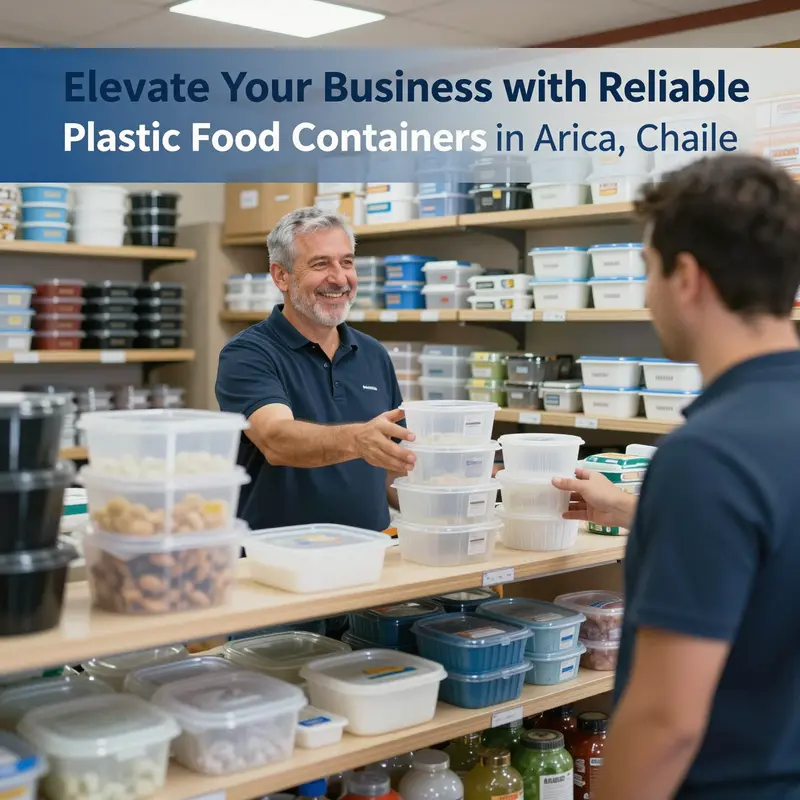
Sourcing food-grade plastic containers in Arica, Chile, begins as a story of choice and constraint, not just of price. Arica sits at a unique crossroads on the Pacific edge of northern Chile, where a thriving street-food and café culture meets the practical demands of cold-chain handling, market stalls, and take-away services. In this landscape, plastic containers—commonly made from polypropylene (PP) or polyethylene (PE)—offer lightness, durability, and versatility. They are indispensable for storing, transporting, and presenting food in a way that is both hygienic and convenient. Yet the local supply is often shaped more by import routes than by a locally robust manufacturing base. The combination of geography, market demand, and regulatory nuance means that Arica practitioners frequently navigate a hybrid path: relying on international platforms to source containers while leaning on local channels for distribution, warehousing, and last-mile fulfillment. In this chapter, the journey from need to procurement is treated as a flowing rather than a segmented process, tying practical knowledge about material properties to the realities of cross-border logistics and local search strategies.
The practical materials most commonly used for food-grade containers in this context are PP and PE because they balance cost with performance. PP, with its higher stiffness and heat resistance relative to many other plastics, often governs containers intended for dry or cool foods. PE, especially in its high-density (HDPE) and low-density variants, provides a softer feel and good impact resistance. In both cases, the containers are designed to be light, stackable, and capable of withstanding routine handling in cafés, markets, and delivery services. They generally suit cold or room-temperature applications but are not universally heat-tolerant. The domestic reality in Arica reflects this: containers are widely used for cold or room-temperature items—salads, fresh-cut fruits, snacks, and ready-to-eat meals—but many models are not suitable for hot foods, and not all are designed for microwave use. For operators who need to reheat or keep hot foods, this distinction matters, especially in a market where customers increasingly expect both convenience and speed.
From a quality perspective, identifying food-grade containers means looking for materials designed to meet food-contact standards. In practice, this often translates to verifying that the chosen PP or PE formulation is certified as safe for contact with food, free of harmful additives, and manufactured under cleanroom-like processes that minimize contaminants. In Arica’s day-to-day supply, formal certification documentation may not always travel with every shipment, so buyers tend to rely on reputable sourcing terms and robust supplier histories. The absence of a local manufacturing ecosystem that is as expansive as those in major Asian or European packaging hubs places a premium on supplier credibility, traceability, and post-purchase support. A practical approach involves requesting material safety data sheets, batch traceability, and, when possible, test samples to validate clarity, rigidity, and chemical resistance under relevant conditions. For café owners and market vendors, this translates into a minuscule but critical risk test: will the container hold up under daily use, including repeated wash cycles, stacking, and the occasional drop? Will the lid seal firmly enough to prevent leaks during transport? These questions have roots in the material properties that define whether a container is fit-for-purpose in Arica’s bustling food scene.
Where local supply is thin, many operators turn to international trade platforms to widen their options and control costs. A practical route is to search for suppliers who offer transparent plastic packaging suitable for fruit, salads, or other cold items, while also providing reliable shipping options to Chile. The information landscape already points to a widely used strategy: query global B2B platforms to compare prices, minium order quantities, and shipping terms. A representative data point often cited in the trade literature is a unit price of around US$0.145 for transparent plastic fruit packaging boxes, with sea-freight feasibility and even temperature-controlled shipping options in some cases. Such pricing signals illustrate how container costs are influenced by material quality, clarity, stackability, and whether the packaging is designed for single-use or extended reuse. In practice, Arica operators who intend to serve markets with perishable or temperature-sensitive items may consider One important logistic consideration: if temperature control matters during transport, reefer containers—temperature-controlled shipping units—can protect the integrity of the cargo. Though many plastic containers themselves do not require refrigeration, the broader packaging and perishables supply chain can benefit from temperature-controlled transport when the destination involves fruit, vegetables, or ready-to-eat items transported over longer distances.
Given Arica’s port-side reality, it’s useful to think about the procurement path in two interwoven strands. The first is local search and procurement within Arica and broader Chilean logistics networks. The second is the import route from major producing regions—predominantly in Asia—via standard B2B platforms. The local search begins with practical online and offline steps. On the online side, local business directories and search engines can reveal wholesale and distribution channels that serve Arica. Using local search terms such as “proveedores de recipientes plásticos para alimentos Arica” or their equivalents can surface wholesalers and distributors that stock a range of food-grade plastic containers. On the offline side, engaging with the Cámara de Comercio de Arica can help uncover manufacturers, distributors, and service providers that keep an inventory of containers, lids, and closure solutions in stock. The local approach is about building a network: knowing who carries what, what they can deliver, and how quickly they can respond to urgent take-away demand during peak periods.
However, the reality is that Arica’s industrial base may not always match the scale of supply seen in larger manufacturing hubs. This is where the cross-border dimension slides into focus. For those seeking greater variety or more competitive pricing, importing from higher-volume producers in Asia—particularly regions known for plastic-packaging clusters—offers a pathway to broaden options. The practical route commonly suggested by industry sources involves using B2B platforms that aggregate suppliers, product specifications, and logistics terms. In this framework, a buyer can compare container formats, check for food-grade assurances, and evaluate shipping terms to Chile. It’s important to factor in import duties, value-added taxes, and the cost of last-mile distribution within Chile when calculating total landed cost. Additionally, a buyer should consider packaging compatibility with Chilean labeling and regulatory expectations for food-contact materials, ensuring that the selected containers meet not only customer expectations but also legal requirements.
A recurring theme in the sourcing conversation is the trade-off between cost and control. On one hand, importing from far-away suppliers can yield lower unit costs per container, enabling more aggressive price points for cafés and markets that operate on tight margins. On the other hand, longer lead times, language barriers, and the complexity of international freight can introduce delays and uncertainties. In Arica, where weather conditions, port congestion, and seasonal demand can influence delivery reliability, it becomes essential to select supply partners who offer clear terms, transparent lead times, and reliable after-sales support. The beauty of the B2B platform approach is the ability to filter for specific attributes—food-grade certification, temperature tolerance, lid compatibility, and packaging dimensions—before placing a larger order. The trade-off is the extra layer of logistics planning that these purchases require, including freight terms, Incoterms, insurance, and the possibility of relying on forwarding agents with on-the-ground experience in Chile’s customs and port procedures.
The story of capacity planning and demand forecasting comes into sharper relief when Arica’s seasonal rhythms are considered. Street markets tend to surge in certain months, and cafes may experience fluctuations tied to tourism cycles, university schedules, or local events. In practice, operators address these fluctuations by maintaining a lean but flexible inventory of container formats, lids, and related closures. A diversified procurement approach can help—carrying a core set of standard PP or PE containers for everyday use, and then a few specialized options for events or promotional campaigns. In this sense, the container is not merely a vessel but a signaling tool: it communicates hygiene, reliability, and modernity to customers who are increasingly attentive to packaging quality as part of the food experience.
For those who want to glimpse concrete options beyond the immediate Arica region, the literature and industry practice emphasize a two-step due diligence approach. First, verify material safety and suitability for intended use, especially if the containers will hold fresh produce or prepared foods with moisture content. Second, assess the packaging’s performance across typical handling conditions—repeated washing, stacking, and surface abrasion—so as to avoid surprises in the kitchen or on the street cart. In Arica’s climate, where humidity levels and temperature can swing, containers should endure without warping or leaking. These practical tests are not glamorous, but they prevent waste and protect brand reputation when a café or market stall has to deal with a spill or a compromised product. The human element matters here as well: a reliable supplier network translates into fewer stockouts and more predictable service for customers who expect consistent quality.
When considering cross-border sourcing, a widely cited data point in international packaging procurement is the opportunity to source from Asia with a price point around US$0.145 per unit for transparent fruit packaging. This price is often accompanied by the possibility of sea freight and, in some cases, temperature-controlled options suitable for perishable imports. The reality, however, is nuanced. While such pricing demonstrates the potential of cost savings, it must be weighed against the total landed cost, including shipping, insurance, customs clearance, and bank fees. Moreover, the packaging’s suitability for hot foods or microwave use remains a critical factor for many Arica operators who aim to serve ready-to-eat meals or warm beverages. These considerations highlight the need for a careful evaluation framework that balances price with performance, safety, and regulatory alignment.
In this environment, a practical approach to local supplier discovery can be outlined as follows. First, leverage local business directories and government-linked registries to identify potential distributors and manufacturers with a footprint in northern Chile or broader Chilean logistics networks. Second, tap into the local Chamber of Commerce for Arica to access member rosters and procurement contacts. Third, consider the import route for large-scale procurement from major producing regions, especially when confidence in local supply is limited. Fourth, pilot a small order to test supplier responsiveness, packaging performance, and lead times, then scale up if the results align with business needs. Finally, maintain an awareness of regulatory expectations around food-contact materials, and document supplier assurances so that audits or inspections can be navigated smoothly.
To connect this discussion with tangible options that sit at the intersection of packaging design and consumer experience, consider a catalog example that some local buyers have found useful for broadening their packaging vocabulary. This catalog entry is a representative illustration of how packaging options can be described and sourced in parallel with Arica’s cluster of cafés and markets. senang07-eco-friendly-printed-logo-buy-paper-cup-take-away-coffee-cup-8-oz-12-oz-paper-cup While this particular page centers on paper cups, it demonstrates the mechanism by which a facility can scan for compatible packaging ecosystems—printing capabilities for branding, availability of lids, and the acceptance of quick-turn orders that suit the sampling cycles common in Arica’s food service sector. The broader takeaway is not to chase a single solution but to cultivate an adaptable sourcing approach that can integrate plastic containers with other packaging formats as needed, ensuring that the overall presentation, performance, and safety align with customer expectations.
As operators in Arica weigh their options, the search for local suppliers will remain a bridge between the city’s immediate practicality and the globalized rhythms of packaging production. The local reality—limited domestic manufacturing capacity, the heavy reliance on imports, and the proximity to international shipping lanes—encourages a pragmatic stance: select containers with proven food-grade credentials, verify supplier reliability, and keep a resilient inventory that can respond to market shocks. The global dimension—where platform-based sourcing can unlock greater variety and potentially lower unit costs—should be pursued with a disciplined approach to risk management, including clear terms, small initial orders, and a robust understanding of the total landed cost. The goal is to ensure that Arica’s food businesses can deliver on food quality, safety, and customer satisfaction without being hostage to unpredictable supply lines.
In closing, the topic of local suppliers in Arica is not about choosing between local or global but about orchestrating a supply ecosystem that respects Arica’s operational realities while remaining open to international opportunities. The narrative is not a single-off decision but a continuous practice: evaluate material properties, confirm food-contact safety, test performance in local conditions, and maintain a flexible sourcing pipeline that can adapt to shifting demand and evolving regulations. This approach helps Arica’s cafés, markets, and take-away services present a consistent, reliable packaging experience that protects the food, enhances presentation, and reinforces trust with customers who rely on efficient, safe, and attractive containers every day.
External resource: For broader insight into cross-border shipping to Chile, including the feasibility of sea transport and temperature-controlled options, you can consult industry references such as this external shipping overview: https://www.alibaba.com. These resources provide a practical context for evaluating landed costs, lead times, and container options when planning supply diversification for Arica’s food packaging needs.
From Deserts to Deliveries: The Use, Safety, and Regulation of Plastic Food Containers in Arica, Chile
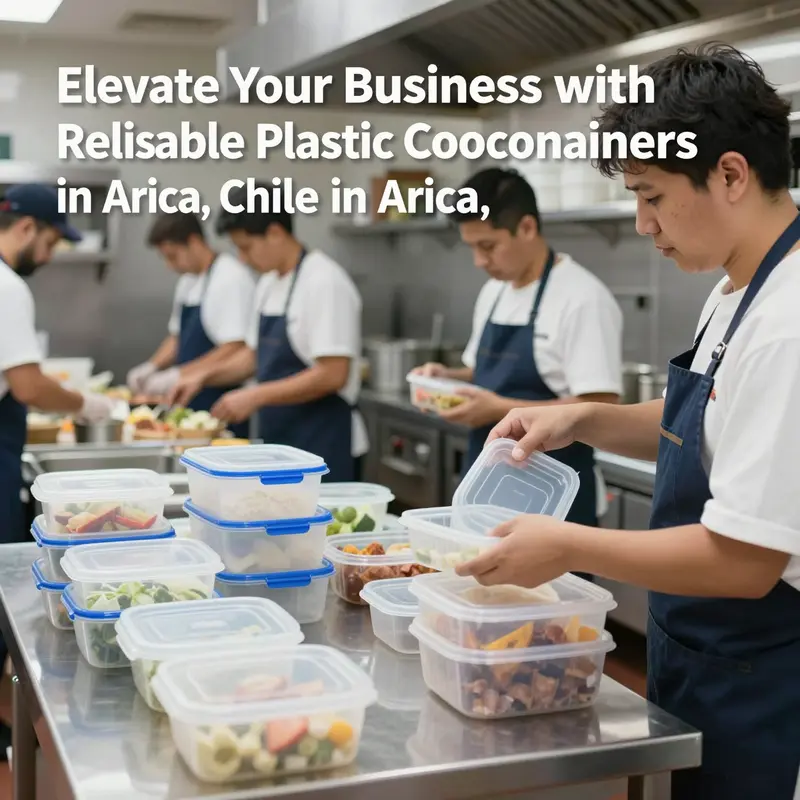
Arica sits at the edge of the Atacama Desert, facing the Pacific with a steady breeze that carries both commerce and cross-border stories. In this port city, where fishermen bring in fresh seafood and street vendors dish out hot meals to locals and travelers, plastic containers for food are more than mere packaging. They are practical tools that support daily rhythms—from crowded farmers markets to cozy cafes supplying take-away coffee and pastries. The demand for food-grade plastic containers in Arica is shaped by a blend of local sourcing, importer networks, and international trade channels. For buyers, the question often starts with safety and ends with logistics: which materials can guarantee food safety, how long will the containers last under typical Arican use, and what must be done to move stock from a supplier in another country to the southern ports along the Pacific. In this environment, the most common plastics used for food contact are polypropylene and polyethylene. These materials are favored for their light weight, reasonable stiffness, and cost-efficiency, attributes that align well with the needs of small cafes, street vendors, and bulk-packaging operations that serve large crowds during peak hours. Polypropylene (PP) and polyethylene (PE) respond differently to heat, wear, and chemical exposure, which matters for anything intended to hold foods during transport or vending. For instance, many containers made from PP or PE are perfectly suitable for cold or room-temperature foods but are not designed to withstand high temperatures for extended periods. They are not universal microwavable options, and some models may resist microwaving only for brief, controlled uses. In Arica, where customers may reuse containers across multiple contexts or where take-away becomes a daily routine, readability of labeling and clarity of design often determine practical choices. The trade-off between cost and performance becomes especially pronounced when a business contemplates moving from local stock to importing from overseas suppliers, such as those found on international B2B marketplaces. In practice, a buyer might encounter a range of items labeled as food-grade plastic containers, and the decision then hinges on ensuring that the product meets recognized safety standards while also projecting a reliable delivery timeline to Arica’s port facilities. The experience of sourcing in Arica echoes a broader pattern: many operators begin with a price check and then verify material safety, regulatory compliance, and end-use guidance before committing to a supplier. For this reason, the idea of food-grade certification becomes central to the purchasing decision, and this is where the Chilean regulatory framework intersects with international norms. The Chilean Food Code, or Código Alimentario Chileno, governs materials intended to contact food, and it is in practice reinforced by the work of the national health authorities. In Arica, as in the rest of Chile, the rules are designed to minimize the risk that packaging materials will leach substances into food, especially under conditions of heat, acidity, or prolonged storage. The key is to ensure that containers are safe, traceable, and clearly labeled as appropriate for specific kinds of foods and use cases. The national framework aligns with international standards, including the European Union’s Regulation (EC) No 1935/2004 and the U.S. FDA’s regulatory expectations. This alignment is not merely theoretical; it informs how local distributors and importers screen products, certify compliance, and communicate safety to restaurants and markets. In practical terms, a supplier in Asia or Europe that wants to tap Arica’s market must show evidence that the plastic containers meet the essential safety criteria. The Chilean health authorities emphasize three pillars: certification, labeling, and the absence of hazardous substances. Certification means that the plastic used in contact with food must be recognized as food-grade, and ideally it should reference international standards, which gives Chilean importers a familiar benchmark. Labeling requires clear indications that the product is suitable for food contact, with any restrictions listed on the packaging. The prohibition of certain hazardous substances, notably bisphenol A (BPA) and phthalates, is particularly relevant for items intended to come into contact with hot foods or long-term storage. While many plastics used for general takeaway containers do not involve high-temperature use, it remains essential for manufacturers to verify that their formulations comply with safety expectations. The Chilean Ministry of Health, through its public portals, provides guidelines and updates about food safety and packaging materials. For those operating in Arica, staying informed about any regulatory changes helps prevent costly recalls or supply interruptions. The emphasis on safety does not end with certification. It extends to practical labeling practices in the local market—businesses and consumers alike benefit from containers that clearly communicate that they are food-grade, how to reuse them safely, and whether they are microwave-safe or not. When a product is imported, the chain of custody becomes visible in the accompanying documentation: certificates of conformity, batch traceability, and, in some cases, third-party tests that demonstrate compliance with EC 1935/2004 or FDA-like standards. The Chilean Food Code thus serves as a bridge between global safety norms and local practice, ensuring that imported plastic containers can do their job without compromising food quality or consumer health. In Arica, the regulatory expectations also interact with practical realities of supply and transit. Importers frequently consider the entire cold chain when dealing with containers intended for foods that require temperature control during transport, storage, and display. For these cases, refrigerated containers or reefer units may be employed to maintain an appropriate temperature range during sea transit, especially when shipments originate far from Chile and include temperature-sensitive contents. The choice of transport mode—air, sea, or land—depends on factors such as cost, lead times, and the nature of the food product that the containers are meant to house. In this context, the decision to source plastic containers from overseas is not purely about price. It involves a confluence of safety assurance, regulatory compliance, and the logistics of getting cargo to Arica without disruption. A price example often cited in the broader sourcing landscape is the approximate unit price of clear plastic food packaging boxes designed for fruit, which can be around US$0.145 per unit, with options for sea freight that align with the long transport routes from Asia or other manufacturing hubs. This kind of data, while general, helps Arican buyers calibrate expectations about cost per container and how it translates into shelf pricing, waste management costs, and potential custom packaging requirements. The alignment between local and international standards is a key feature of this topic. In practice, Arica’s businesses may perform a due diligence routine that mirrors broader commercial standards: verify the material’s composition, confirm it is free from BPA and phthalates, ensure it is clearly labeled for food contact, and request third-party test results if the supplier offers them. This approach reduces the risk of shipping containers that fail to meet Chilean requirements and helps maintain the city’s reputation for safe, reliable food packaging. It also supports a longer-term vision where Arica remains competitive by combining practical packaging solutions with transparent safety assurances. Of course, the decision to import plastic containers is often weighed against domestic or regional alternatives. Paper-based or kraft packaging, for instance, has grown in popularity for certain types of foods and service formats. In some cases, operators in Arica explore these alternatives to complement or even replace plastic in contexts where heat resistance is less critical or where consumer preference leans toward a more sustainable option. For readers seeking a broader sense of packaging options beyond plastics, one related example highlights how kraft-based packaging can be used for take-away meals, with options that emphasize customization, branding, and the use of recyclable materials. If you want to see an example of such packaging, you can explore this reference: senang05-eco-friendly-disposable-kraft-food-packaging-bowl-window-customizable-size-color-embossing-option. While it is not plastic, it illustrates the diverse packaging ecosystem in which Arica’s food businesses operate, and it helps stakeholders think about how packaging decisions fit into broader strategies for cost control, branding, and sustainability. Even within a plastics-first approach, there is ongoing attention to how packaging choices influence waste streams and recycling infrastructure in Arica. The city’s waste management systems, like many urban centers, are continually evolving to handle a mix of plastics and other materials. This reality has implications for procurement decisions as well: buyers may favor packaging that aligns with local recycling capabilities or that minimizes the environmental footprint through smarter design, higher recyclability, or longer reuse cycles. In practical terms, buyers in Arica can find suppliers through multiple channels. Local distributors, regional wholesalers, and online marketplaces all play a role in shaping what is available and at what price. When considering cross-border procurement, it is advisable to build a procurement plan that addresses lead times, minimum order quantities, and the potential need for cold-chain handling. The timeline from order to delivery includes supplier confirmation, production, container loading, transit time, and clearance through Chilean customs. Each step adds a layer of risk, so buyers often seek clarity on the supplier’s documentation package, including material safety data sheets, certificates for food-contact compliance, and traceability data. The end user in Arica—whether a cafe owner, a street vendor, or a market stall operator—benefits from clear, practical guidance about how to use these containers safely. For hot foods, the general rule is to avoid prolonged exposure to high temperatures that could cause deformation or leaching. Even when containers claim heat resistance, the practical reality is that repeated microwaving can shorten their lifespan or alter their properties. For cold foods and snacks, many PP and PE containers perform well, provided the lid seals properly to prevent leakage. When packaging decisions are made thoughtfully, Arica’s businesses can achieve a balance between cost, safety, and customer satisfaction, while also respecting regulatory expectations and the realities of cross-border trade. The regulatory framework is not a barrier to innovation; rather, it offers a clear set of guardrails that help ensure a level playing field for suppliers and a safe experience for consumers. In this sense, the relationship between Arica’s market needs and Chile’s food safety system becomes a practical collaboration. Importers learn to ask better questions about certification, labeling, and hazardous substances, while local buyers gain confidence that the containers they use will not compromise food safety. Looking ahead, the packaging landscape in Arica will likely continue to evolve as global supply chains adapt to new materials, evolving safety standards, and shifting consumer expectations. The city’s strategic position as a port gateway means it will remain a focal point for conversations about how plastics, paper, and other packaging solutions coexist in a safe, economical, and environmentally responsible manner. As regulations tighten and transparency becomes a competitive advantage, Arica’s packaging choices may increasingly reflect a careful synthesis of safety, performance, and sustainable practice, all anchored in the city’s distinctive geography and vibrant street economy. The broader lesson for readers is straightforward: whenever plastic containers for food are contemplated in Arica, the process should begin with safety and regulatory alignment, proceed through material performance considerations, and culminate in a transport and supply plan that anticipates the realities of the port and the market. This approach supports not only compliance but also practical business resilience in a city where the sea, the desert, and the marketplace converge. External resource: for a broader view on cross-border shipping options and container logistics, see this external reference: https://www.alibaba.com
Final thoughts
Understanding the landscape of plastic food containers in Arica, Chile, empowers businesses to make informed choices about sourcing, usage, and compliance. Whether you are a restaurant owner, food truck operator, or an event planner, selecting the right type of container can enhance customer satisfaction and streamline operations. By exploring local suppliers and international shipping options, you can ensure a steady supply of high-quality, food-safe plastic containers. Adhering to regulations not only ensures compliance but also promotes the safety and well-being of your customers. Take these insights to refine your business practices and elevate your service offerings.