

Introduction
The food industry is increasingly prioritizing sustainability, especially in packaging choices that impact both the environment and customer perceptions. Compostable sushi boxes represent a crucial innovation, allowing sushi businesses to meet consumer demands for eco-friendly products while enhancing their brand image. This guide delves deeply into the process of sourcing these boxes in bulk, highlighting key manufacturing regions and suppliers, essential material specifications for product quality, and the significant economic benefits tied to bulk purchases. Through this structured approach, business owners will gain a comprehensive understanding to optimize their packaging solutions effectively.
Tables of Contents
Chapter 1: Harnessing China’s Eco-Friendly Production for Bulk Sushi Packaging
- Navigating China’s Leading Regions for Compostable Sushi Box Manufacturing
- Assessing Supplier Qualifications and Environmental Certifications for Bulk Compostable Sushi Boxes
- Strategic Insights on Economic and Technological Aspects of Sourcing Compostable Sushi Boxes
Chapter 2: Eco-Conscious Materials and Their Role in Compostable Sushi Box Bulk Orders
- Essential Material Properties for Sustainable Sushi Packaging Solutions
- Crafting Function and Aesthetics: Key Design and Performance Aspects of Compostable Sushi Boxes
- Overcoming the Hurdles: Strengthening the Sourcing Process for Compostable Sushi Boxes in Bulk
Chapter 3: Maximizing Cost Efficiency: The Strategic Advantage of Bulk Sourcing Compostable Sushi Boxes
- Unlocking Economic Efficiency: The Financial Appeal of Bulk Purchases for Compostable Sushi Boxes
- Transformative Uses of Compostable Sushi Boxes: A Sustainable Solution for Food Service and Retail
- The Intersection of Geopolitics and Society in Embracing Compostable Sushi Boxes Across Borders
Chapter 1: Harnessing China’s Eco-Friendly Production for Bulk Sushi Packaging
1. Navigating China’s Leading Regions for Compostable Sushi Box Manufacturing
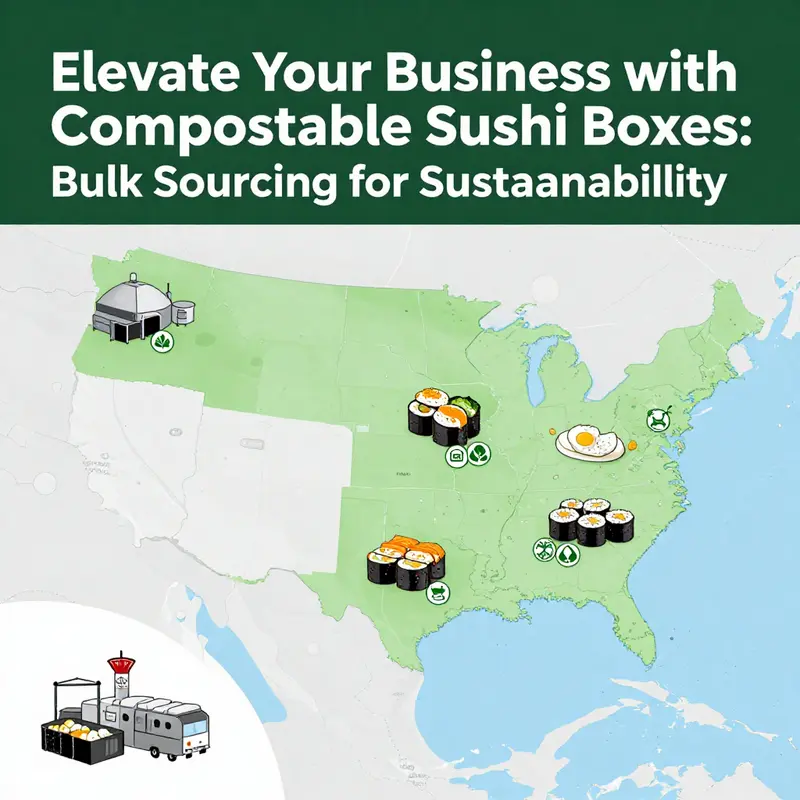
When embarking on the journey to source compostable sushi boxes in bulk, understanding the intricate landscape of manufacturing regions in China is pivotal. This nation has become synonymous with advanced production capabilities, especially in the realm of eco-friendly packaging alternatives. To effectively navigate this landscape, one must consider the key provinces that are leading the charge in the production of sustainable sushi containers.
Guangdong Province: The Vanguard of Sustainable Manufacturing
Among China’s various provinces, Guangdong, particularly Shenzhen, stands out as a beacon of innovation and production for biodegradable materials. This region boasts a well-established industrial ecosystem that facilitates the creation of numerous eco-friendly products including compostable sushi boxes. Shenzhen Yasitai Packaging Products Co., Ltd. epitomizes the advanced manufacturing prowess found here, with its portfolio encompassing a diverse array of biodegradable items such as PLA cups, sushi containers, and custom bottle caps produced from compostable materials.
The logistical advantages inherent in this region cannot be overstated. The proximity to ports such as the Port of Shenzhen enables streamlined access to international markets, facilitating large-scale exports. Additionally, the robust infrastructure, characterized by cutting-edge transportation networks and efficient supply chains, allows manufacturers to respond swiftly to varying order sizes and customization requests. This responsive production capability is crucial for sushi businesses aiming to meet the dynamic demands of a constantly evolving market.
Zhejiang Province: The Innovation Hub for Biodegradable Plastics
Next on the list is Zhejiang Province, recognized for its impressive concentration of firms committed to the biodegradable plastics sector. It proudly leads the nation in the sheer number of companies engaged in the production of eco-friendly packaging solutions. This concentrated industrial base, complemented by a culture of innovation, has fostered an environment ripe for collaboration and development within the biodegradable materials industry.
With a myriad of suppliers situated throughout the province, businesses sourcing compostable sushi boxes can benefit from competitive pricing and the ease of managing large orders. Companies in Zhejiang are equipped not only to meet bulk requirements but also to provide comprehensive services that include product design and customization. This level of support is perfect for restaurants looking to present a brand-consistent image through their packaging, further enhancing the dining experience while remaining committed to sustainable practices.
Fujian Province: A Growing Force in Customizable Solutions
While Guangdong and Zhejiang often take center stage, Fujian Province, particularly the Fuzhou City Cangshan District, represents a noteworthy part of the compostable packaging landscape. Though not as dominant as the previous two provinces, Fujian has carved out a niche for itself by focusing on specialized solutions. Factories here, such as Fuzhou City Cangshan District Jiayuanfa Plastic Products Factory, are dedicated to crafting custom-made, food-grade compostable sushi boxes tailored to specific client needs.
The capacity to produce customized products provides a significant advantage for businesses that wish to differentiate themselves in a competitive market. This customization can encompass everything from size and shape to branding elements, thus allowing food service providers to align their takeout packaging closely with their brand identity. Such flexibility in manufacturing can lead to stronger customer engagement and increased brand loyalty.
Henan Province: Emerging Player with Strong Government Support
In recent years, Henan Province has emerged as an important contributor to the biodegradable packaging sector. Although located further inland, it has benefited from favorable government policies aimed at promoting green industries. Such initiatives have inspired various companies to innovate within the realm of eco-friendly packaging, thus strengthening the supply chain in biodegradable materials.
The government’s commitment to sustainability offers a layer of assurance to businesses considering suppliers from this region. This backing not only enhances reliability but also encourages the research and development of new materials and technologies focused on environmental stewardship. This growing focus sets Henan apart as a province to watch within the compostable packaging space, as it expands its capabilities to contribute to sustainable sushi service solutions.
A Metal Bridge of Suppliers Across Regions
By considering these primary manufacturing provinces—Guangdong, Zhejiang, Fujian, and Henan—businesses can create a comprehensive sourcing strategy for compostable sushi boxes. Each area offers unique strengths that can address different business needs, from high-volume production capabilities to custom solutions that reflect a business’s brand ethos. Moreover, as the trend for sustainability continues to gain momentum within the food service sector, forging strong relationships with suppliers across these regions will be crucial for securing reliable access to high-quality compostable packaging.
Ultimately, the choice of supplier and region should align with a business’s operational capacity, design aspirations, and commitment to eco-friendliness. As firms delve deeper into sustainable sourcing, they not only contribute to the well-being of the planet but also position themselves as leaders in a rapidly transforming market driven by consumer demand for environmentally responsible solutions.
For those interested in exploring specific product offerings, suppliers such as those located in Guangdong and Zhejiang provide an easy pathway to access a diverse range of eco-friendly sushi packaging solutions, enhancing both the dining experience and commitment to sustainability.
2. Assessing Supplier Qualifications and Environmental Certifications for Bulk Compostable Sushi Boxes
Sourcing compostable sushi boxes in bulk requires a discerning approach to selecting suppliers who align with your sustainability goals while delivering reliable operational support. A thorough evaluation process focuses on environmental certifications and supplier capabilities, enabling businesses to access quality products that meet the rigorous demands of the foodservice industry without compromising ecological integrity. This assessment is crucial for companies aiming to establish or enhance sustainable practices within their culinary operations.
Supplier Locations: A Global Perspective
China stands as a powerhouse in the sustainable food packaging sector, particularly for compostable options. Its diverse manufacturing regions boast a well-developed infrastructure, skilled labor, and advanced technology, all of which contribute to the high efficiency of production. Provinces like Guangdong, Jiangsu, Zhejiang, Anhui, and Fujian are at the forefront of this industry.
In Guangdong, for instance, manufacturers showcase a balance of cost-effectiveness and technological capability, making them a favorable choice for buyers looking to maximize value without sacrificing quality. Jiangsu and Shandong have emerged as leaders in producing eco-friendly pulp molding and biodegradable packaging, benefiting from robust material supply chains encompassing resources such as bagasse, PLA bioplastics, and molded fiber. These regions exemplify a commitment to innovation, where traditional manufacturing meets modern sustainability practices, making them ideal partners for businesses in the food sector.
Evaluating Core Supplier Attributes
When exploring potential suppliers, several core dimensions warrant consideration to ensure a comprehensive evaluation:
-
Environmental Stewardship: Identify suppliers who highlight their commitment to sustainable practices and specify the origins of their materials. A focus on environmentally responsible materials like sugarcane pulp, bamboo, or food-safe melamine can signal a genuine commitment to sustainability. It’s important for suppliers to use clear terminology such as “compostable” or “biodegradable”. Even in the absence of formal certifications, such clarity demonstrates expertise in sustainable sourcing.
-
Customization Agility: Businesses often have unique packaging needs that may require tailored solutions. Assessing a supplier’s ability to adapt and customize their offerings based on specific requirements is vital. This could include designing boxes that accommodate various sizes or incorporate branding elements that resonate with your target audience.
-
Transactional Reliability: A supplier’s track record can provide insight into their reliability. Understanding their order fulfillment history, quality control processes, and adherence to delivery timelines can mitigate the risk of operational disruptions. A supplier who consistently meets delivery expectations allows businesses to maintain a seamless workflow, particularly in fast-paced environments like food service.
The Critical Role of Certifications
In an industry marked by heightened consumer awareness and regulatory scrutiny, certifications play a pivotal role in ensuring compliance and credibility. Prioritizing suppliers with recognized standards is essential in validating the sustainability and safety of their products. For example:
- ASTM D6400: This certification ensures that a product is compostable under commercial conditions, giving consumers confidence in its environmental impact.
- ISO 14001: Recognizing a supplier’s commitment to environmental management, this certification demonstrates their adherence to global sustainability standards.
- FDA Compliance: Essential for food safety, ensuring that packaging materials are safe for direct contact with food.
- BRCGS or HACCP: These certifications affirm rigorous safety and quality management practices, thereby elevating a supplier’s standing in the foodservice sector.
Recognized certifications not only build trust with consumers but also ensure adherence to international import regulations, facilitating smoother transactions across borders.
Data-Driven Supplier Assessments
Making informed decisions involves leveraging data-driven evaluations centered on key performance metrics. Factors such as production capacity, on-time delivery rates, response times, and audit histories contribute to a supplier’s overall rating. In the context of China’s advanced manufacturing sector, automation and streamlined processes have resulted in a notable reduction in per-unit costs by 15-30%. This efficiency, complemented by major ports like Ningbo and Shenzhen, improves access to global markets, thereby enhancing the speed and reliability of supply chains.
Utilizing these data metrics allows businesses to strategically assess potential suppliers and ensure they can meet the demands of varying volume requirements while maintaining quality standards. The transparency afforded by data-driven insights fosters a more efficient purchasing process that can be a significant advantage in highly competitive markets.
Conclusion and Further Resources
Ultimately, the selection of a supplier involves more than just price; it demands a strategic alignment with your company’s operational and sustainability goals. Identifying partners who not only offer high-quality compostable sushi boxes but also embody a similar commitment to environmental stewardship is crucial. For businesses seeking additional resources on sourcing certified compostable sushi boxes from trusted suppliers in China, refer to comprehensive guides available online to streamline your purchasing process. By prioritizing these factors, businesses can enhance their sustainability practices while ensuring operational success. Explore more about suitable options here.
3. Strategic Insights on Economic and Technological Aspects of Sourcing Compostable Sushi Boxes
When engaging in the bulk sourcing of compostable sushi boxes, businesses must carefully navigate a landscape defined by both economic realities and technological advancements. As more companies aim to enhance their sustainability profiles, understanding these dual aspects of sourcing becomes pivotal, especially with a focus on leading production hubs like China, which has established itself as a powerhouse for eco-friendly packaging solutions.
The economic considerations involved in sourcing these products encompass various dimensions, notably price advantages and regional manufacturing strengths. In particular, China’s advanced manufacturing capabilities create opportunities for companies seeking to invest in sustainable packaging without incurring excessive costs. The mature supply chains prevalent in the regions of Guangdong, Zhejiang, Fujian, Jiangsu, and Shandong play distinct roles that cater to different aspects of production, further streamlining the process for businesses.
Economic Advantages of Regional Manufacturing Hubs
Guangdong, with its dynamic cities like Shenzhen and Guangzhou, emerges as a favorite among businesses for its cutting-edge innovations and skilled workforce. The region excels in high-precision printing and thermoforming, offering high-quality and visually appealing packaging solutions. At the same time, Zhejiang is recognized for leading in cost-effective mass production; its manufacturing practices enable significantly lower prices on bulk orders, particularly in sectors where economies of scale are critical.
Meanwhile, Fujian’s focus on high-resolution branding allows food businesses to align their packaging aesthetics with their marketing strategies—vital for attracting eco-conscious consumers. Additionally, the emerging capabilities in Jiangsu and Shandong for eco-friendly pulp molding techniques indicate that these regions are evolving to meet growing demand for compostable products more sustainably. This geographical diversification in manufacturing prowess enables businesses to tailor their supply chains according to specific needs—be it rapid delivery times, product customization, or branding requirements—all while keeping affordability in check.
Technological Considerations in Sustainable Packaging
While the economic factors significantly influence sourcing strategies, the technological advancements within these manufacturing hubs cannot be overlooked. Chinese manufacturers have increasingly adopted automation and cutting-edge material sciences to produce sustainable packaging solutions that meet rigorous food safety standards internationally. Advanced molding technologies, for example, facilitate the creation of durable compostable sushi boxes that not only look appealing but also withstand the rigors of transportation and storage.
Innovations utilizing bio-based plastics and plant-derived materials are reshaping the landscape of food packaging. The ability to produce packaging that complies with essential certifications—such as EU EN 13432 and ASTM D6400—ensures that products decompose safely within industrial composting systems. This compliance not only safeguards brands but aligns with broader sustainability objectives, providing further incentive to pursue eco-friendly packaging solutions.
Moreover, the integration of digital design and rapid prototyping technologies fosters an environment of quick adaptability. For brands looking to innovate, the rapid creation of customized packaging designs can enhance customer engagement and upholds their commitments toward Environmental, Social, and Governance (ESG) principles. As such, businesses venturing into sustainable packaging must consider not just the physical attributes of the products but also the technological backbone that ensures these products are produced efficiently and sustainably.
Crafting a Robust Procurement Strategy
With a clearer understanding of the economic and technological dimensions, procurement managers must develop a comprehensive strategy to effectively source compostable sushi boxes in bulk. This strategy should look beyond simple pricing structures and take into account other crucial factors, such as Minimum Order Quantities (MOQs), which can impact cash flow and inventory management.
When evaluating suppliers, it is essential to verify that materials used are compliant with food-grade regulations and carry relevant sustainability certifications. This validation is vital not only to adhere to industry standards but also to maintain the integrity and reputation of one’s brand in a marketplace increasingly defined by eco-conscious consumers. Suppliers with robust logistics capabilities, particularly those based near major export ports like Ningbo and Shenzhen, can streamline global distribution, reducing lead times and ensuring that products reach the market swiftly and efficiently.
Conclusion: A Partnership for Sustainable Progress
Ultimately, as the demand for sustainable packaging solutions swells, aligning with advanced and compliant manufacturers in China emerges as a strategic imperative. Such partnerships transcend mere economic calculations; they play a fundamental role in differentiating brands in a competitive marketplace that increasingly prioritizes sustainability. In crafting a procurement strategy that integrates insights from economic and technological considerations, businesses can not only optimize their supply chain but reinforce their commitments to sustainability, helping to shape a more environmentally responsible food industry overall.
Chapter 2: Eco-Conscious Materials and Their Role in Compostable Sushi Box Bulk Orders
1. Essential Material Properties for Sustainable Sushi Packaging Solutions
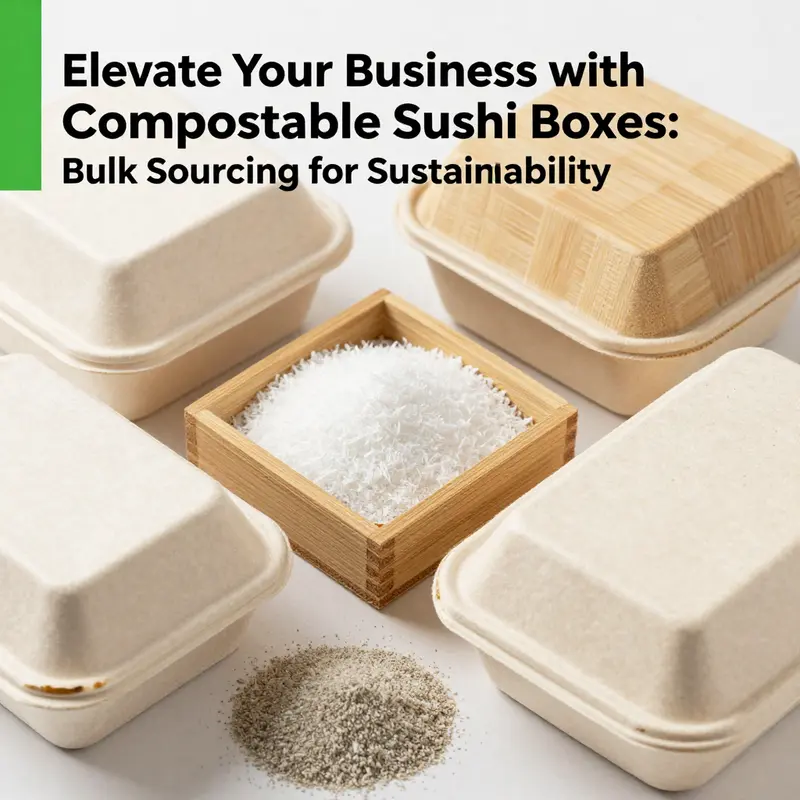
When navigating the landscape of compostable sushi packaging, selecting suitable materials is critical to achieving both sustainability goals and food safety compliance. The choice of materials directly influences the performance, ecological impact, and consumer perception of the product. In the realm of compostable sushi boxes, three primary materials stand out: certified compostable paperboard, PLA (Polylactic Acid) made from cornstarch, and other plant-based biopolymers. Understanding the properties and applications of these materials can ensure that your bulk orders meet stringent environmental and safety standards.
Certified Compostable Paperboard serves as an excellent foundation for sushi packaging. This material is derived from sustainably sourced paper fibers and is treated to enhance its durability while remaining lightweight. The certification from recognized bodies like the Biodegradable Products Institute (BPI) guarantees that the paperboard will decompose efficiently in composting environments without leaving harmful residues. Paperboard is particularly advantageous because it is stackable and easily moldable into various shapes, making it ideal for a variety of sushi presentations, from rolls to sashimi.
In terms of functionality, PLA, a bioplastic derived from renewable resources like cornstarch, emerges as another viable option for packaging sushi. This thermoplastic polymer is not only compostable but also provides excellent moisture and grease resistance, essential for food safety. PLA is often utilized in container designs where clarity is essential, allowing customers to admire the visual appeal of the sushi within. Its structural integrity under refrigeration helps maintain product freshness, a significant consideration for sushi services aiming for quality preservation. However, it should be noted that while PLA can withstand lower temperature settings, it may lose structural properties when exposed to high temperatures, making careful selection based on the sushi type and serving context essential.
In addition to these two primary materials, other plant-based biopolymers such as those derived from sugarcane or other crops provide innovative alternatives for enhancing the sustainability profile of sushi packaging. These materials often combine the qualities of both paper and plastic, allowing for high-performance applications that meet the expectations of food service providers and environmentally conscious consumers alike. Biopolymers can also be engineered for specific functionalities, such as added barriers to oxygen and moisture, extending the shelf life of the products contained within them.
However, sourcing these materials involves more than simply selecting between options based on their environmental perception. It is crucial to ensure compliance with food safety standards. Every packaging supplier must demonstrate that their products are free from harmful substances like BPA (Bisphenol A) and PFAS (Per- and Polyfluoroalkyl Substances), which pose risks to human health and undermine the environmental credentials that compostable packaging aims to uphold. Ensuring that materials meant for direct food contact have been rigorously tested and certified can protect not only the end consumer but also reinforce the brand’s commitment to safety and sustainability.
As businesses source compostable sushi boxes in bulk, a significant aspect of the material’s effectiveness is its quality assurance through rigorous testing and documentation by the supplier. For example, it is vital to ensure that the sushi boxes retain their shape and functionality through various conditions, particularly when presented with hot food items. Suppliers should provide performance data that proves their products meet expectations during handling, storage, and service while also adhering to compostability standards. Solid documentation regarding these properties is not merely a marketing tactic but a necessary resource for food service businesses that rely on transparent supplier certifications.
Moreover, businesses can enhance their eco-friendly branding by effectively communicating their choice of compostable materials with consumers. Clear labeling and marketing strategies that detail the utilizing of sustainable materials can resonate well with environmentally conscious customers, influencing their purchasing decisions positively. This approach not only demonstrates commitment to sustainability but also builds rapport with a growing demographic that prioritizes ethical consumption.
It is also worth noting the logistical considerations necessary when sourcing compostable materials in bulk. Packaging suppliers must be able to guarantee consistent supply and timely deliveries, ensuring that businesses can operate smoothly without disruption. This operational reliability is particularly important in the food service industry, where freshness and preparation are time-sensitive. By establishing strong partnerships with certified suppliers, businesses can minimize risks concerning supply chain disruptions, ultimately enhancing the smooth operation of their sushi services.
Ultimately, the cohesion of sustainability, safety, and quality underlines the need for businesses to invest time and resources into sourcing the right compostable sushi packaging. It takes a thoughtful approach to materials selection, ensuring that the packaging resonates with both the core values of the business and the expectations of the environmentally aware consumer. Sourcing decisions that prioritize certified compostable options not only support environmental goals but also build a trustworthy market position in an increasingly eco-conscious landscape. By leveraging the properties of carefully selected materials, businesses can ensure they thrive while also contributing positively to the planet. Satisfying these material specifications paves the way for innovative, sustainable packaging solutions that can redefine consumer expectations and enhance the overall sushi dining experience.
As businesses navigate this eco-friendly journey, it becomes imperative to engage with suppliers who prioritize transparency and compliance. To delve deeper into what to look for when evaluating potential packaging suppliers, refer to insights on sourcing compostable sushi boxes in bulk, including the critical aspects around evaluating certifications.
2. Crafting Function and Aesthetics: Key Design and Performance Aspects of Compostable Sushi Boxes
In the realm of sustainable food packaging, the design and performance of compostable sushi boxes are pivotal not only for functional efficiency but also for enhancing brand image. As foodservice businesses further embrace environmentally friendly alternatives, understanding the intricate interplay between material selection, structural integrity, and aesthetic appeal becomes essential. Each of these elements is designed not only to meet practical needs but also to resonate with consumers increasingly attentive to sustainability.
Material Selection is at the heart of creating compostable sushi boxes that fulfill both environmental and functional requirements. High-grade, certified compostable materials must be chosen, enabling the packaging to decompose efficiently without leaving harmful residues. Common materials include molded fiber, derived from recycled paper pulp, and bamboo fiber, which boasts impressive strength and sustainability due to its rapid growth cycle. These options not only reduce reliance on fossil fuels but also provide robust alternatives for containing food.
Another popular choice is plant-based bioplastics, such as polylactic acid (PLA), made from renewable resources like corn starch. It’s essential, however, that materials comply with international compostability standards, such as ASTM D6400 in North America and EN 13432 in Europe. These standards ensure that the product can seamlessly integrate back into the environment, returning nutrients to the soil upon decomposition. Choosing correctly from available materials sets the stage for the entire product lifecycle.
Structural Integrity further determines the effectiveness of a sushi box in real-world applications. The design must allow for adequate protection of its contents, particularly given that sushi often includes moist elements. Boxes should maintain their shape under varied temperature conditions, especially when filled with ingredients that may cause leakage or deformation. Performance features such as leak-proof seals, reinforced corners, and a well-fitted lid can greatly enhance reliability during transport and storage. This meticulous attention to detailing not only prevents food spillage but also ensures customer satisfaction and reduces potential waste, ultimately reducing the packaging’s overall environmental footprint.
In juxtaposition with functionality, Product Design and Branding play significant roles in consumer engagement. The aesthetic appeal of compostable sushi boxes can reflect a brand’s identity and positioning in a competitive market. Elements such as matte finishes, custom embossing, and magnetic closures can add a sense of luxury while still adhering to sustainable practices. Eco-luxury branding has taken off in the foodservice industry, where consumers increasingly favor products that are not only practical but also commendable for their design sensibilities. Utilizing non-toxic, water-based inks and adhesives preserves the compostability of the packaging while enhancing its visual allure.
A key consideration in Production is the balance between scalability and cost-effectiveness for bulk orders. Effective collaboration among designers, material suppliers, and manufacturers is paramount to streamline processes and reduce costs associated with mass production. For instance, incorporating modular designs allows for easier assembly and packing, thereby minimizing shipping costs. The challenge lies in generating sophisticated designs that remain economically viable without compromising on quality or sustainability.
Beyond immediate usability, it’s critical to evaluate Lifecycle Performance throughout the deployment of compostable sushi boxes. Understanding the energy and resources embedded in the production, transport, and disposal processes encourages a holistic view of sustainability. Evaluating lifecycle performance involves scrutinizing the energy consumed during manufacturing and its effect on the environment post-disposal. Integrated design solutions, which combine multiple functions—such as a container with an integrated utensil holder or a compartment for condiments—can reduce overall material usage. These innovations not only elevate user experience but also promote a sustained commitment to environmental stewardship throughout the supply chain.
In conclusion, the successful crafting of compostable sushi boxes hinges on a harmonious blend of functional design and environmental responsibility. By meticulously aligning material selection, structural integrity, product aesthetics, and lifecycle considerations, brands can create a superior product that meets consumer expectations while fulfilling ecological obligations. A focus on quality and sustainability in packaging not only benefits the environment but also bolsters brand reputation, securing a cross-generational appeal among environmentally-conscious consumers.
This integrated approach to the design and performance of compostable sushi boxes ensures not merely compliance with eco-friendly standards but elevates them to an art form that resonates with conscious consumers, ultimately catalyzing broader industry shifts towards sustainability.
3. Overcoming the Hurdles: Strengthening the Sourcing Process for Compostable Sushi Boxes in Bulk
The transition to compostable sushi boxes is crucial in the food industry, particularly as businesses increasingly prioritize sustainability amidst rising environmental consciousness. However, achieving effective sourcing and scalability for these boxes poses significant challenges that require careful consideration. From ensuring regulatory compliance to managing fluctuating costs, the intricacies of sourcing can dictate the success of a business that relies on effective and environmentally-friendly packaging solutions.
Given the nature of sushi services, which often demand attractive and functional packaging, the procurement of high-quality compostable boxes becomes paramount. Yet, navigating the complexities of sourcing these products in bulk is often fraught with hurdles.
Supplier Compliance with Certifications
One of the foremost challenges lies in ensuring that suppliers comply with necessary certification standards. Certifications such as the FDA (Food and Drug Administration), LFGB (Lebensmittel- und Futtermittelgesetzbuch), and BPI (Biodegradable Products Institute) are more than mere formalities; they signify entrusting the consumer with safe, environmentally-responsible packaging. Finding suppliers that consistently meet these stringent material and product specifications is essential. Without rigorous compliance to these standards, any business’s commitment to sustainability is undermined, impacting consumer trust and brand integrity.
While global suppliers, particularly in regions like China, may offer competitive pricing—often between $0.15 to $0.22 per unit—the quality of products can vary significantly. Such variability in production quality often results in hidden costs ranging from increased food waste due to packaging failures to potential legal implications if the packaging fails to meet safety specifications. Thus, the onus falls on procurement managers to thoroughly investigate supplier capabilities and quality assurance processes.
Quality Assurance Practices
Implementing rigorous supplier evaluation processes is critical to maintaining product integrity. On-site audits emerge as a key strategy to ensure that suppliers adhere to quality standards and regulatory requirements. These visits allow procurement teams not only to verify compliance but also to gain insights into the manufacturing processes that directly affect the performance of packaging materials. It is equally important to perform batch testing, which evaluates whether these materials withstand various environmental factors that sushi boxes may encounter, such as moisture, freshness, and temperature extremes. By systematically adopting these quality assurance practices, businesses can better mitigate the risks associated with sourcing and promote the delivery of high-performance compostable boxes.
Supply Chain Transparency
Amid ongoing global supply chain disruptions, transparency is essential for managing the unpredictable availability of raw materials like plant-based polymers such as PLA (Polylactic Acid) or cellulose. The rise in demand for sustainable packaging has led to increased competition for these raw materials, making it imperative for companies to foster relationships with suppliers who provide transparency about their sourcing practices and stock levels. Delays or inconsistencies from suppliers can create bottlenecks for businesses that rely on timely deliveries, ultimately resulting in increased costs and degraded service levels.
Mitigation Strategies for Sourcing Challenges
To effectively combat these sourcing and scalability challenges, businesses must prioritize long-term partnerships with reliable suppliers known for robust quality control systems, transparency, and the capacity to accommodate bulk orders while maintaining compliance with environmental standards. Developing these partnerships allows organizations to build trust and ensure a reliable supply of compostable sushi boxes in fluctuating market conditions. Regular performance reviews with suppliers can also help monitor their adherence to agreed-upon standards while allowing suppliers to voice their capabilities and limitations in real-time.
Investing in local suppliers may yield further advantages, particularly for brands deeply committed to sustainability. Sourcing locally not only mitigates risks associated with long supply chains but may also bolster relationships that can provide insights into local market dynamics and demands. Moreover, local sourcing typically aligns better with environmental goals due to reduced transportation emissions.
As procurement managers strive to navigate a complex array of sourcing conditions, employing these mitigation strategies can offer clarity amidst market uncertainty. Ultimately, understanding and addressing the specific hurdles in sourcing compostable sushi boxes enables businesses to embrace a competitive edge while reinforcing their commitment to sustainability. Companies devoted to actively resolving these procurement challenges will excel not only in the operational realm but also in brand sustainability, appealing to conscientious consumers who prioritize environmentally-friendly practices in their food choices.
In conclusion, the sourcing and scalability difficulties encountered by businesses in acquiring compostable sushi boxes demand a comprehensive, strategic approach. By emphasizing supplier compliance, rigorous quality assurance practices, and supply chain transparency, companies can more effectively manage the complexities tied to bulk orders of these sustainable packaging solutions. Navigating these hurdles ultimately positions businesses as leaders in sustainability, paving the way toward broader acceptance and adoption of eco-friendly alternatives in the sushi service landscape.
For actionable strategies on identifying reliable suppliers capable of meeting bulk order management needs while adhering to high-quality standards, refer to resources like How to Source High-Quality Compostable Sushi Box Suppliers.
Chapter 3: Maximizing Cost Efficiency: The Strategic Advantage of Bulk Sourcing Compostable Sushi Boxes

1. Unlocking Economic Efficiency: The Financial Appeal of Bulk Purchases for Compostable Sushi Boxes
In the food industry, particularly within the sushi sector, the push for sustainable practices has led businesses to seek out alternatives that balance environmental considerations with economic realities. Bulk purchasing compostable sushi boxes is not just a trend; it’s a strategic move that promises cost savings and enhances operational efficiency, which are essential in an increasingly competitive marketplace. The nuances of bulk buying—especially when it involves sourcing from optimized manufacturing regions such as Fujian, China—illustrate a sophisticated approach to sustainability and profitability.
Fujian stands out as a hub for the production of compostable packaging, largely due to its vertically integrated supply chain. This region is renowned for its proximity to essential components of the manufacturing process, including pulp molding facilities, biopolymer suppliers, and certification labs. Such an integrated ecosystem reduces lead times, enhances material traceability, and ultimately lowers costs for buyers. The comprehensive network supports sustainable practices by promoting the use of rapidly renewable resources, such as bagasse and bamboo fiber, which are increasingly gaining favor among environmentally conscious consumers. Conversely, businesses that opt for non-biodegradable options may save money in the short term but face escalating costs over time tied to environmental compliance and brand reputation.
One key economic benefit of bulk purchasing is the significantly lower unit costs associated with large orders. For instance, high-quality compostable sushi boxes with clear windows can be sourced for as low as $0.03 per unit when ordered in quantities of 12,000 or more. This pricing reflects not only the economies of scale achieved through bulk buying but also the efficiencies of suppliers who can pass down savings derived from their streamlined operations. Bulk orders allow for a more predictable expenditure pattern, which is critical for effectively managing budgets and resources in food service operations.
Additionally, suppliers provide flexible pricing and shipping terms, such as Free on Board (FOB), Cost, Insurance, and Freight (CIF), and Delivered Duty Paid (DDP) options. These arrangements can substantially reduce shipping and logistics expenses—an often-overlooked aspect of cost that can significantly impact overall expenditure in bulk supply chains. Furthermore, consolidated container loading options help eliminate wasteful packaging and shipping resources, promoting both economic and environmental benefits. Businesses that engage in bulk purchasing can thus enjoy a scalable supply chain that not only meets their growing demands but also fosters sustainable practices and reduces waste over time.
For businesses committed to sustainability, making the transition to compostable packaging is more than a compliance measure; it is a financial strategy that aligns with changing consumer expectations and regulatory standards. Many customers today actively seek out businesses that reflect their eco-conscious values, making the choice of packaging material pivotal in customer satisfaction and loyalty. This can have a profound impact on brand reputation and long-term profitability. Businesses that fail to adapt to these preferences risk falling behind in an industry increasingly defined by environmentally responsible practices.
A critical aspect of adopting compostable sushi boxes is their performance. It’s important not to sacrifice the quality and functionality that customers expect from sushi packaging. Providers in regions like Fujian offer a range of high-performance options that not only meet food safety standards but also outperform traditional plastic solutions in terms of customer appeal and user experience. This ensures that restaurants and food service companies can maintain the high standard of presentation that is essential in the sushi market.
Moreover, as regulatory pressures around plastic use continue to mount globally, the transition to compostable products is not just a strategic choice; it is rapidly becoming a necessity. Many regions have implemented or are considering bans on single-use plastics, compelling businesses to seek viable alternatives. By investing in bulk sourcing of compostable sushi boxes now, companies can stay ahead of such shifts in the regulatory landscape, avoiding costly last-minute transitions and maintaining operational continuity.
In this climate, leveraging bulk purchasing from reputable suppliers becomes a vital component of a successful operational strategy. Sourcing partners that can guarantee access to certified compostable materials adds an extra layer of reliability. Businesses can be assured that these materials are compliant with appropriate certifications, affirming their commitment to sustainability. This reliability not only supports operational efficiency but also builds consumer trust, further enhancing the overall brand image in a competitive market.
In conclusion, the benefits of bulk purchasing compostable sushi boxes are clear. The economic efficiencies gained not only lead to immediate cost savings but also promise long-term operational benefits that align with sustainable business practices. When sushi businesses prioritize efficient sourcing and eco-friendly packaging solutions, they not only meet the demands of a more conscientious consumer base but also pave the way for a sustainable future. By acting strategically and investing in compostable packaging, businesses can bolster their bottom lines while simultaneously championing environmental stewardship.
2. Transformative Uses of Compostable Sushi Boxes: A Sustainable Solution for Food Service and Retail
The rise of compostable sushi boxes marks a pivotal shift in the food service and retail industries, driven by a collective realization of the need for sustainable practices amidst increasing environmental concerns. As sushi cuisine takes a front row in global dining trends, the integration of eco-friendly packaging not only addresses the pressing issue of plastic waste but also aligns with evolving consumer demands for green alternatives.
In food service, compostable sushi boxes serve a myriad of applications, primarily utilized by establishments that range from high-end sushi restaurants to fast-casual chains. Sushi restaurants, in their continuous endeavor to provide fresh, aesthetically pleasing, and sustainable dining options, have found compostable boxes to be indispensable for takeout and delivery orders. The appeal lies not only in the boxes’ capability to safely contain intricate sushi arrangements but also in their ability to decompose in industrial composting facilities, mitigating landfill contributions associated with conventional plastic packaging. By choosing compostable boxes, these establishments effectively enhance their reputation as environmentally conscious venues, fostering greater customer loyalty.
Moreover, fast-casual chains, which often pivot towards sustainability to attract modern-day consumers, have begun to adopt these compostable boxes en masse. The growing trend towards takeout services in today’s bustling environment aligns evolutionarily with these initiatives, allowing them to brand themselves not just as food providers but as advocates for a greener palette of choices. Delivery platforms also leverage compostable sushi boxes to package meals, thereby reducing environmental footprints. This expanded use showcases the boxes’ versatility, which spans not only high-end dining experiences but also the everyday conveniences consumers seek from fast-casual dining.
Specific examples underline the benefits of using premium materials in compostable packaging. High-end sushi establishments frequently opt for artisanal packaging solutions, such as bamboo fiber or bagasse-based boxes. These choices enhance the dining experience by adding a natural aesthetic appeal and contribute positively to brand image, setting a standard in customer perception—where the packaging resonates with quality, care, and sustainability. Consequently, such establishments not only forge a path towards environmental responsibility but also cultivate a market edge over competitors using traditional packaging.
Retail environments, too, leverage the potential of compostable sushi boxes beyond merely housing sushi. Grocery stores frequently employ these sustainable containers for ready-to-eat sushi platters, allowing consumers accessible options for quick meal solutions. The ease of purchase and the sustainability factor together create a compelling reason for consumers to choose these pre-made sushi options over less eco-friendly alternatives. Additionally, specialty food markets utilize compostable sushi boxes in seasonal promotions or gourmet gift sets, adding to the appeal of sustainable practices in gift-giving scenarios. By adopting compostable sushi box bulk purchases, retailers can standardize packaging across their offerings. This uniformity enhances brand recognition while simplifying inventory management.
When businesses embrace repetition in packaging, they can streamline operations, significantly cutting down on time and costs related to product display and diversification. Bulk purchases of compostable boxes not only meet immediate packaging needs but also support overarching corporate sustainability goals, an aspect increasingly vital in modern business models.
Material Considerations play a critical role in the application of compostable sushi boxes. The robust structural integrity of contemporary compostable materials means that boxes maintain their shape during both transportation and storage, preserving the freshness and presentation of delicate sushi rolls. Options such as PLA-coated bagasse or molded fiber composites are designed to effectively hold moist items without compromising integrity or aesthetics. This durability ensures that businesses can confidently package their products, minimizing damage risk and enhancing customer satisfaction.
The supply chain and sourcing of compostable sushi boxes amplify their practicality in food service and retail. Sourcing from regions known for advanced manufacturing—specifically in China—offers significant competitive advantages. Regions like Guangdong and Zhejiang boast advanced automation in their factories, allowing for efficient bulk production at attractive price points. This scalability benefits both small local eateries and large national chains, making sustainable packaging solutions accessible to all.
Customization is another pivotal facet; manufacturers routinely offer various options, adapting sizes and designs to meet specific industry requirements while ensuring compliance with international standards such as ASTM D6400 and EN 13432. These tailored solutions afford businesses the flexibility to present their brand identity through packaging, thereby enhancing customer engagement.
The integration of compostable sushi boxes into the fabric of food service and retail underscores a transformative trend toward environmental consciousness. This commitment to sustainability not only serves ecological purposes but also benefits businesses by aligning with modern consumer expectations. In doing so, they effectively position themselves at the forefront of the eco-friendly movement within the culinary landscape. As the journey towards truly sustainable practices continues, the growing use of compostable sushi boxes illustrates an essential step in nurturing an environmentally-responsible future.
For businesses looking to harness the advantages of compostable solutions, becoming acquainted with various suppliers and options available is indispensable. Detailed sourcing insights can be found in resources such as the comprehensive guide on Compostable Sushi Box Suppliers from China: B2B Sourcing Guide. Embracing sustainable packaging choices will not only contribute to reducing ecological impact but will also solidify a company’s standing as a responsible and forward-thinking entity in the modern food industry.
3. The Intersection of Geopolitics and Society in Embracing Compostable Sushi Boxes Across Borders
The rise of compostable sushi boxes, crafted from materials such as unbleached kraft paper and plant-based plastics, encapsulates a compelling narrative intertwining sustainability, geopolitics, and societal change. As sushi continues to gain popularity globally, the demand for eco-friendly packaging solutions has escalated, creating opportunities for businesses to adopt packaging that aligns with environmental values while navigating the complexities of sourcing, production, and distribution.
From a sustainability perspective, compostable packaging solutions directly support recycling and composting efforts, complying with stringent food-safety standards and catering to an increasingly environmentally conscious consumer base. However, the adoption of these innovative boxes is influenced not just by sustainable practices but also by geopolitical dynamics that highlight the interconnectedness of global supply chains.
Geopolitical Implications of Material Sourcing
The sourcing and production of the raw materials for these compostable sushi boxes carry significant geopolitical weight. For instance, the cellulose derived from wood pulp or biomass used in bioplastics varies in availability depending on regional practices and resources. This variability can lead to dependencies on certain countries rich in these resources, which subsequently shapes global supply chains. Countries with established forestry or biomass industries possess a strategic advantage in supplying sustainable materials for packaging, yet this also creates potential vulnerabilities. Political instability or trade tensions can disrupt supply chains, impacting the availability and pricing of compostable packaging solutions. This aspect becomes more pronounced in light of ongoing climate challenges, which could exacerbate resource scarcity or prompt protectionist policies in exporting countries.
As countries seek to cultivate a global bioeconomy, international cooperation becomes paramount. The development of a robust bioeconomy hinges on aligning regulatory frameworks and investing in advanced green technologies to support the cultivation and processing of raw materials. However, these efforts are often subject to the ever-shifting landscape of international relations, reflecting the need for businesses to stay agile in response to geopolitical changes and maintain sustainable practices without compromising their operational integrity.
Societal Forces in Sustainable Packaging Adoption
On the societal front, consumer sentiment plays a critical role in the successful integration of compostable sushi boxes into the market. Many consumers express a desire to support eco-friendly initiatives, yet the effectiveness of adopting compostable solutions largely relies on access to adequate infrastructure for their disposal. In many regions, the lack of industrial composting facilities renders the sustainability of these packaging options moot, as they may still end up in landfills. Moreover, in environments where waste management systems are underdeveloped, even the best-intentioned packaging can contribute to environmental harm. Understanding this consumer-behavior dynamic is essential for businesses looking to bolster their commitment to sustainability.
Public education surrounding the disposal and benefits of compostable materials needs to improve to maximize the positive impact of these products. A lack of awareness regarding proper disposal methods can lead to mixed contamination of recycling streams, where compostable materials may inadvertently be classified with non-biodegradable plastics. Increasing public knowledge about how to handle these items responsibly can foster a more positive perception of eco-friendly packaging solutions and encourage consumer participation in sustainability efforts.
Market Trends and Innovative Practices
Despite the challenges posed by geopolitical dynamics and societal factors, the demand for sustainable packaging in various industries, including sushi, luxury goods, and cosmetics, signals a positive market trend toward adopting eco-conscious alternatives. Materials like unbleached kraft paper are increasingly recognized for their natural aesthetic and mechanical strength, answering consumer preferences for quality and sustainability.
Furthermore, the market is witnessing innovation beyond traditional materials. The development of advanced bioplastics and innovative fibers derived from renewable resources ensures that compostable sushi boxes not only align with environmental standards but also meet the practical needs of food service businesses. This intersection of market innovation and sustainability serves to strengthen the case for businesses to make the switch to compostable solutions, particularly as consumer expectations evolve.
As awareness builds around environmental challenges, policy frameworks are gradually adapting to encourage the switch to sustainable practices. Governments may begin incentivizing companies to adopt compostable packaging through financial support, tax incentives, or regulatory changes. The future of sustainable packaging in industries like sushi thus appears promising, provided that stakeholders across the supply chain—from producers to end-users—collaborate to create robust, equitable systems.
Ultimately, navigating the complexities of compostable sushi box adoption mandates a collaborative approach encompassing suppliers, manufacturers, governments, and consumers. As businesses continue to explore eco-friendly packaging options, the call for resilient end-of-life solutions will intensify, underlining the importance of not only sourcing sustainable materials but also ensuring their responsible disposal paths. As industries adapt and innovate within these frameworks, it becomes evident that the journey towards sustainable practices—although laden with challenges—offers substantial potential to redefine the sushi marketplace for future generations.
For businesses looking to source sustainable packaging solutions, exploring options for high-quality compostable sushi boxes that meet both functionality and eco-standards is essential. The continuous evolution of material science and consumer trends will dictate the path forward in realizing a sustainable future for the sushi industry.
Final thoughts
In conclusion, compostable sushi boxes are not just a trend but a necessary step forward for food businesses committed to sustainability. By understanding the sourcing landscape, product specifications, and economic advantages, business owners can make informed decisions that align with both environmental responsibility and profitability. Transitioning to compostable packaging is not merely a compliance measure, but an investment in a sustainable future that resonates with conscious consumers. Embrace this opportunity to enhance your brand image and operational efficiency by adopting eco-friendly practices in your sushi business.
Choose our reliable disposable tableware and packaging solutions for your business. We offer quality products that meet safety standards, with fast delivery and flexible options. Partner with us today to elevate your service – contact our team now for a tailored quote!
About us
We specialize in manufacturing and supplying disposable tableware, packaging paper, and boxes. With years of experience, we prioritize safety, durability, and eco-friendly practices. Our goal is to provide businesses with trusted, cost-effective solutions backed by responsive customer support.