
The Chinese paper bucket market is burgeoning, driven by eco-conscious consumer trends and stringent regulations. As business owners and manufacturers seek sustainable, cost-effective packaging solutions, understanding the nuances of this evolving market becomes crucial. This article explores the dynamics of the market, from the types and innovations in paper bucket production to the leading manufacturers and current industry trends. Each chapter will offer insights pertinent to business owners aiming to leverage this growing demand for sustainable packaging.
Rising on Paper Wings: The 2026 Trajectory of China’s Paper Bucket Market
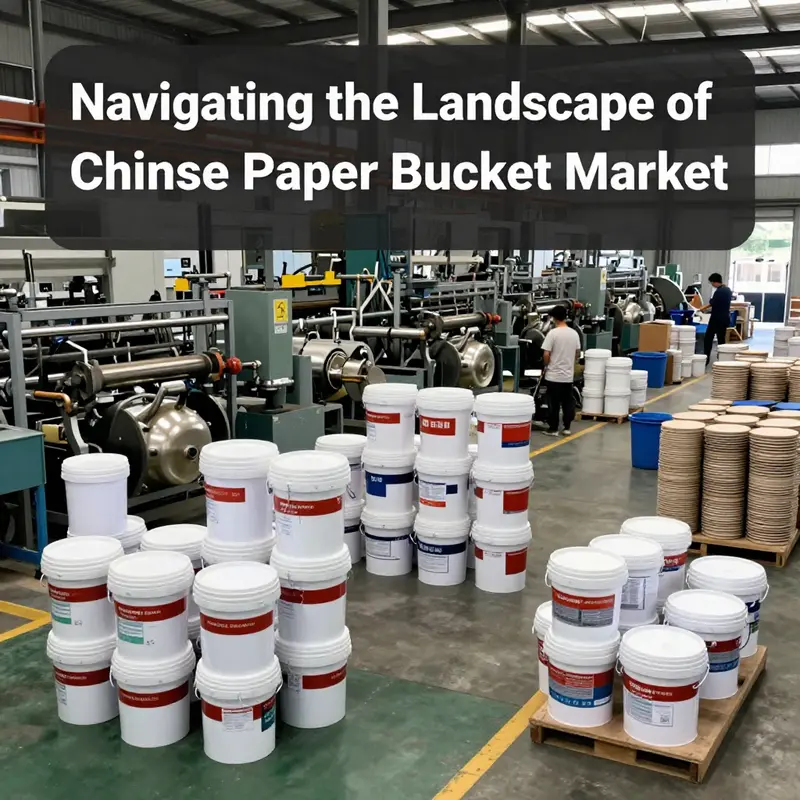
The Chinese paper bucket market in 2026 stands as a testament to how sustainability, regulation, and technology can reshape a traditional packaging niche into a dynamic, high-stakes sector. Once dominated by conventional designs reinforced with metal bands, the field has increasingly embraced fully paper-based architectures that reduce carbon footprints while preserving the ruggedness required for bulk transport. This evolution did not happen by chance. It is the product of a deliberate alignment between public policy, corporate strategy, and a growing appetite among end users for packaging that is lighter, recyclable, and traceable from source to shelf. As the market moves along this path, it reveals a broader story about China s packaging industry: a shift from simply meeting standards to redefining how those standards are achieved through material science, process engineering, and smarter system design. The result is a landscape in which higher-value solutions those that combine barrier performance, ease of recycling, and clear ESG benefits are increasingly priced not as vessels of compromise but as strategic assets for brands seeking responsible stewardship across global supply chains. In this sense, the chapter on market fundamentals becomes a narrative about value creation under constraint rather than a catalog of technical options.
The core drivers behind the 2026 dynamics are clear and mutually reinforcing. The national push toward carbon peaking and neutrality has elevated the cost and regulatory risk of plastic and metal packaging in many segments. Simultaneously, anti-plastic policies at both federal and provincial levels have catalyzed demand for alternatives that can fit within circular economy models. For end users, this translates into a reliable incentive to adopt paper buckets for a broad set of applications from bulk chemical transport to food, cosmetics, and pharmaceutical packaging where the balance of strength, weight, and recyclability matters. In practice, this means a growing share of the market now sits in three segments with distinct growth trajectories. The food and beverage sector has become the largest consumer, driven by the takeout and ready-to-eat economy. Its demand rests on the need for safe, food-grade packaging that can withstand mixed logistics while maintaining product integrity. The chemicals and industrial sector remains a steady, non-toxic, recyclable backbone for bulk shipments, where reliability and compliance with safety standards are non-negotiable. Finally, pharmaceuticals and cosmetics are expanding to embrace premium, certified, and traceable packaging that delivers barrier protection without compromising recyclability. Within this triad, the paper bucket is increasingly positioned not just as a container but as a platform for brand storytelling, product protection, and supply chain transparency. A subtle but critical implication is that customers now expect more than a cost-effective shell; they want a container that integrates into their ESG reporting and raw-material provenance programs. From this perspective, the shift toward smart packaging where materials, coatings, and even digital traceability work in concert appears as a natural extension of the market s evolving requirements.
Technology plays a central role in delivering the performance gains that convert regulatory compliance into competitive advantage. In materials science, researchers and manufacturers have advanced coatings that are bio-based and water-soluble, offering moisture and oil resistance without compromising recyclability. Coatings based on natural polymers and plant-derived additives enable papers to repel wet or oily contents, a crucial capability for multi-material applications. Structure engineering has benefited from dry-forming processes and fiber reinforcement, leading to stronger, more rigid vessels that resist deformation under load and during stacking. These innovations help achieve higher ring-crush strengths and improved dent resistance, enabling safe bulk handling across diverse transport conditions. The industry is also exploring functional integration, where technologies such as QR-coded traceability or carbon-footprint metrics are embedded into the container s lifecycle. For buyers who publish ESG disclosures, such features translate into demonstrable, auditable environmental performance. On the production floor, automation and digital management systems are transforming throughput, quality control, and waste reduction. Leading producers report capacity utilization well above the sector average, thanks to smarter scheduling, precision roll forming, and automated inspection regimes. This combination of material science and smart manufacturing is narrowing the historical gap between paper-based containers and traditional metal drums in terms of performance, cost, and reliability.
From a structural perspective, the market distinguishes between conventional iron-band paper buckets and newer, fully paper designs. The iron-band variants retain outer reinforcement through metal hoops and typically either a wooden or cardboard base. They remain prevalent in segments where traditional familiarity and established testing standards provide comfort to buyers. Yet, the fully paper designs now occupy a fast-growing space, driven by sustainability commitments and the desire to simplify end-of-life handling. These full-paper buckets eliminate metal bands and wooden bases, reducing weight and enabling simpler, cleaner recycling streams. They still must meet rigorous standards and tests, including side-pressure resistance and puncture performance, to ensure dependable performance in transit. For products that are highly sensitive to moisture or light such as certain food ingredients or cosmetics, the emphasis on inner linings or barrier layers remains strong. A stretch of the market now demands inner films or sophisticated laminates, which protect contents from moisture, odors, and light while preserving the overall recyclability of the packaging system. This is where customization plays a decisive role. Brands seek not only performance but also traceability, branding opportunities, and barrier configurations tailored to specific products. Companies that offer flexible design services and customization ranging from simple logos to full-color graphics are well positioned to win in premium segments. In a competitive sense, this confluence of performance, sustainability, and brand enablement creates a meaningful premium on high-value buckets, differentiating them from commoditized, low-end offerings.
Market structure in 2026 reveals a bifurcated landscape. On one side, there is overcapacity in low-end, standardized products, especially 200-liter general-purpose buckets. Price competition in this segment remains intense, compressing margins for manufacturers that attempt to broaden scale without investing in differentiation. On the other side, there is a growing, underserved demand for high-performance, specialized buckets with enhanced barrier properties and certifications suitable for food and medical-grade applications. This premium segment presents the most attractive opportunities for manufacturers capable of investing in material science, process control, and end-to-end compliance. The competitive dynamics are further shaped by industry consolidation. Larger players are pursuing vertical integration and smart manufacturing as ways to secure supply chains, while smaller operators carve out niches in customization, regional distribution, and short-run production. In such an environment, success hinges on a clear value proposition: durability and performance that align with green credentials, coupled with the ability to deliver on-time, traceable products at scale.
The practical implications for the market are multifaceted. For buyers, the trend toward premium, sustainable, and traceable packaging translates into longer-term procurement strategies and a willingness to pay for differentiated containers. It also means more stringent supplier selection criteria, with emphasis on material provenance, barrier performance, and recycling readiness. For producers, the implication is clear: invest in material science, automate where feasible, and pursue certifications that satisfy international buyers. The result is a market that can respond to both domestic demand and global export opportunities, especially in regions with robust environmental standards and demand for sustainable packaging solutions. The market s trajectory toward smart and circular packaging where products carry information about carbon footprint and recyclability, and where supply chains are more transparent appears poised to redefine competitive success in the years ahead. As with any rapidly evolving sector, the key practical truth remains simple: performance must be matched with responsibility, and responsibility must be verifiable across the entire lifecycle of the packaging container.
For readers seeking a practical orientation to related packaging segments, the broader category of paper packaging provides a useful lens into how these shifts are propagated through adjacent formats and markets. Explore the wider ecosystem here: paper-packaging. The chapter thus closes with a reminder that the paper bucket story is not only about material substitution; it is about rethinking how packaging can be a strategic lever for efficiency, sustainability, and resilience in supply chains that must operate under tight carbon and regulatory constraints. To that end, the sector s momentum in 2026 reflects a broad industry consensus: true circularity and product intelligence are not optional add-ons but essential features of the next generation of packaging, and China s paper bucket market sits at the center of that transformation.
External reference for broader context and standards governance can be found at international environmental management frameworks, which inform best practices for sustainable manufacturing and packaging. For further reading on environmental management standards, see https://www.iso.org/iso-14001-environmental-management.html.
From Fiber to Freight: Innovations in China’s Paper Bucket Market

This chapter examines how paper buckets are reshaping packaging in China. It covers design families, automation, sustainability, and regulatory drivers, highlighting four core bucket types: full-paper, composite, iron-hoop, and square/rectangular variants. It also notes the role of materials science, barrier technologies, and closed-loop processes in enabling greener logistics.
Forging Sustainability: The Leading Makers Behind China’s Paper Buckets and Their Global Reach
The Chinese paper bucket sector has evolved from a niche solution into a cornerstone of sustainable packaging, anchored by a handful of manufacturers who blend precision engineering with environmental discipline. What sets these companies apart is not merely the ability to produce a strong fiber drum, but the capacity to tailor the entire pipeline to meet exacting standards, from inner lining compatibility for sensitive contents to finish quality that stands up to international logistics. In this landscape, the leading players operate with a strategic mix of automation, material science, and compliance that allows them to serve industries as diverse as pharmaceuticals, food processing, cosmetics, and chemicals. The result is a network where innovation is measured not only by strength and puncture resistance but by how efficiently a product can be integrated into global supply chains while leaving a lighter environmental footprint.
Among the most prominent names is ZaoYang TianLi Packaging Industrial Co., Ltd., a benchmark in the full paper bucket customization sector in Central China. This company emphasizes premium eco-friendly materials and automated manufacturing processes to deliver custom solutions that meet stringent industry requirements. In sectors such as pharmaceuticals, food, and oil, TianLi’s approach reflects a growing expectation that packaging not only protects contents but also aligns with corporate commitments to sustainability. The emphasis on precision engineering is evident in how they balance form and function: a strong, leak-resistant body paired with designs that facilitate efficient stacking and loading, all while supporting traceability from raw material to finished bucket. Such capabilities are particularly relevant for applications where regulatory oversight is tight and where consistency across batches is non-negotiable.
Wuhan Xinyue Gongmao Co., Ltd. stands as a parallel example of scale and scope. Established in 2003, this company operates a facility spanning nearly 20,000 square meters, a size that enables broad experimentation with materials and processes. Their portfolio features paper containers, including paper cups and bowls, that rely on food-grade paper and water-based ink printing technology—an orientation that resonates with markets demanding cleanliness, odor control, and water-based sustainability credentials. The firm’s products have reached international brands and high-profile venues, underscoring how Chinese paper bucket manufacturers have matured into suppliers able to meet EU SGS standards and other global benchmarks. The multi-product capability, from cups to buckets, also highlights how suppliers can leverage shared components, such as inner linings and barrier films, to offer integrated packaging solutions that minimize risk for customers while maximizing recyclability.
In a different but equally telling example, ZaoYang Hualian Packaging Co., Ltd., established in 2007, anchors its reputation on consistent quality and reliable service. Located in ZaoYang’s Shadian Economic Development Zone, Hualian’s longevity signals a durable manufacturing base and a steady customer base that values dependable delivery as much as product performance. The breadth of their experience across varied industries—where stable supply chains are critical—illustrates how regional manufacturers contribute to national capabilities. Their continued presence also reflects the importance of ecosystem stability in China’s paper bucket sector, where new entrants must prove both capability and reliability to win long-term contracts.
Tangshan Caofeidian JianTong Paper Products Factory provides a different perspective within the same ecosystem. While not a large-scale producer of consumer-oriented buckets, JianTong specializes in specialized paper tube products, including fine paper tubes and corner tubes, serving niche industrial applications. This specialization underscores the sector’s layered supply chain: even as consumer-facing buckets gain attention for innovation and sustainability, there remains a robust demand for advanced components that require exact tolerances and tailored materials. The collaboration between component manufacturers like JianTong and bucket makers ensures the integrity of assembled packaging, especially for demanding contents that require precise interfaces, leak resistance, and controlled airflow or moisture barriers.
Beyond these named leaders, a broader set of suppliers demonstrates China’s capacity for customization and scale. Notable regional players and mid-size firms contribute to the diversity of offerings, from FSC-certified paper tubes to fully branded, printed buckets that support marketing goals as well as functional needs. The market also reflects a strong trend toward eco-friendly materials and barrier technologies, such as inner linings that provide moisture, odor, and light protection for sensitive products. Some suppliers emphasize direct factory pricing and quick customization cycles, a practical advantage for exporters who must meet tight timelines without compromising quality.
This environment is not only about production prowess; it is also about the machinery and processes that raise performance to new levels. Zaoyang Delizhi Intelligent Machinery Manufacturing Co., Ltd. has contributed machines and lines that incorporate spiral winding and precision edge rolling. These technologies address one of the industry’s most persistent weaknesses: leak-prone seams and inconsistent edge quality. Spiral winding creates a more uniform wall structure, distributing stress more evenly under side pressure, while precision edge rolling tightens the lid-and-body interface to resist both puncture and leakage during transit. In practical terms, this means a paper bucket can handle the rigors of industrial shipments with less risk of leakage, even when subjected to steep drops, vibrations, or stacking pressures. The ripple effect is clearer: better product integrity reduces waste, lowers claim rates for shippers, and expands the range of contents that can be safely packaged in fiber drums.
Material science remains at the heart of these advances. The conventional iron-band bucket, with its metal bands and wood or cardboard bases, still serves many sectors for its durability and proven performance. Yet the full-paper bucket—the more ambitious eco-friendly alternative—has grown from a niche to a viable mainstream option. Modern full-paper designs eliminate metal bands and wooden bases, using multi-layer kraft paper bonded with water-based adhesives. These designs deliver substantial advantages: a lower carbon footprint, easier recycling, and compatibility with incineration in facilities designed to handle fiber-based waste without toxic fumes. The performance targets for full-paper buckets have climbed, with industry specifications now including robust side-pressure resistance and puncture resistance that can meet or exceed demanding transport requirements. In practice, this means that the green option does not imply compromise on strength; instead, it signals a shift toward packaging that supports circular economy models while maintaining the reliability essential for industrial use.
The market’s forward trajectory is shaped by standards and international demand. Chinese buckets often meet national and export standards such as GB/T 14187-93 and SN/T 0270-93, which govern learning from and improving performance testing, appearance, and handling. Export markets, particularly in Europe and North America, increasingly require CE certification or equivalent compliance. In response, manufacturers invest in quality systems, lab testing, and supply chain transparency that reassure buyers about long-term performance and regulatory alignment. This is where the industry’s openness to customization becomes a strategic advantage. Companies tailor inner linings, barrier films, and printing to specific regulatory or brand requirements. They also offer bespoke graphic design and branding services, turning packaging itself into a marketing asset while preserving the functional integrity of the container.
For procurement teams and brand owners, the landscape of Chinese paper bucket manufacturers offers a compelling blend of scale, customization, and sustainability. Buyers can source modular components for integration into existing lines or opt for fully integrated, branded packaging solutions that range from standard 50-kilogram capacities to specialized configurations for niche contents. The ecosystem is deeply networked through major B2B platforms, where buyers compare capabilities, request samples, and negotiate lead times. A growing emphasis on sustainability means that more suppliers highlight FSC-certified papers, recyclable coatings, and bamboo or other renewable fiber inputs alongside performance credentials.
If you are surveying this field, it helps to view it within the broader spectrum of paper packaging, including tubes, boxes, and related products. The paper packaging category on leading supplier platforms offers a useful snapshot of how fiber-based containers are evolving in response to regulatory pressures, consumer expectations, and logistics demands. This interconnectedness supports a more holistic approach to packaging strategy, where a bucket is not an isolated item but part of a cohesive, sustainable packaging system that can be scaled globally. For further context about the broader landscape of packaging materials and supplier capabilities, explore the paper packaging category on a major supplier platform. https://cupbowlpack.com/product-category/paper-packaging/
External resource: https://www.myqiye.com/
Rising Momentum and Structural Shifts: China’s Paper Bucket Market, 2025–2026
China’s paper bucket market has emerged as a focal point of the packaging transition, where policy, sustainability mandates, and supply-chain efficiency converge to reshape how bulk contents are shipped and stored. In 2025 the market reached about 67 billion RMB, up from roughly 48 billion RMB in 2021, signaling a robust growth trajectory. The full-paper bucket segment led the expansion, with recyclability and lifecycle advantages driving demand in food, cosmetics, and chemicals. Regulatory action, including GB19270.4-2024, has anchored higher standards, improved traceability, and greater emphasis on end-of-life performance, accelerating automation and quality control across the value chain. Regional dynamics see the Yangtze River Delta dominating high-end production while the Pearl River Delta reinforces export capabilities, collectively pushing the ecosystem toward safer, greener, and more cost-stable solutions. Looking ahead, the market is projected to continue expanding at a steady pace into the late 2020s, supported by barrier technologies, lighter all-paper designs, and new concepts like packaging-as-a-service that integrate design, logistics, and recycling.
From Fiber to Function: Sustainable Innovations Shaping China’s Paper Bucket Design
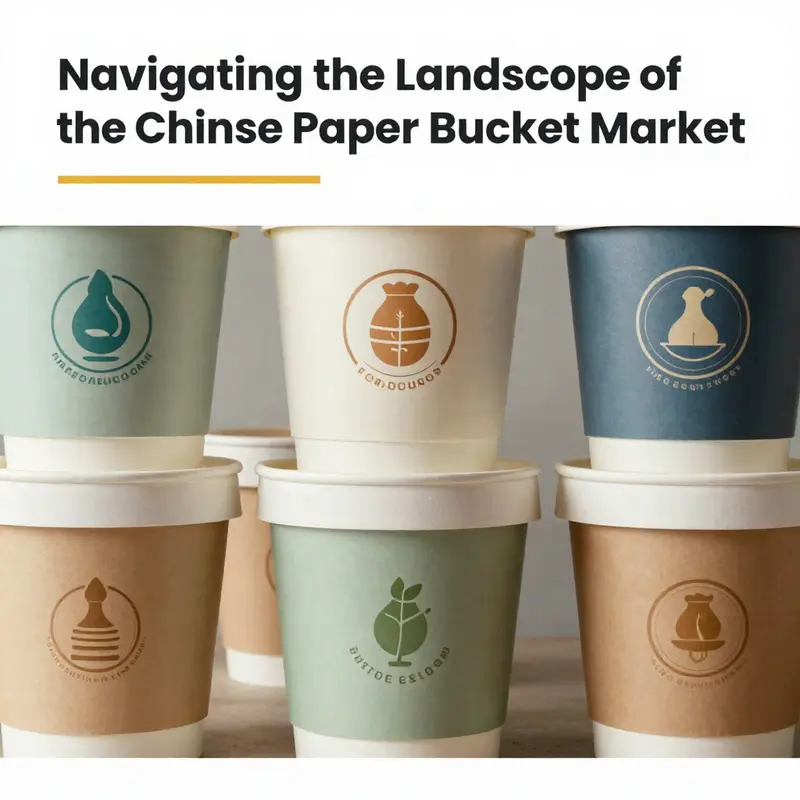
China has quietly become a crucible of sustainable packaging, where traditional containment needs meet cutting-edge material science and forward-looking production methods. The paper bucket, long a mainstay in the realm of fiber-based drums, has evolved from a low-cost bulk container into a strategic element of green logistics. This transformation is not merely about substituting wood and metal with paper; it is about reimagining how strength, barrier properties, and end-of-life pathways can coexist with lower energy use and higher recyclability. The broader packaging landscape in China is influenced by tightening environmental regulations, rising consumer demand for eco-friendly packaging, and the imperative to reduce total cost of ownership in shipping hazardous and non-hazardous goods alike. In this environment, paper buckets—constructed mainly from multi-layer kraft paper bonded with water-based adhesives—are engineered to provide the durability of their predecessors while offering a more sustainable lifecycle. The core structure, a paper cylinder body capped with a base and lid, can be reinforced in traditional form or reimagined in a fully paper design that foregoes metal bands altogether. Such designs are becoming especially common where circular economy principles and green certifications hold sway over procurement decisions. The shift is not simply aesthetic. It translates into measurable environmental gains and practical advantages for users who must balance regulatory compliance, product integrity, and supply chain resilience.
Key innovations in this space converge on a handful of practical ambitions: stronger walls without added mass, reliable leak containment, and simpler end-of-life processing. A central thread is the evolution of the production line itself. Modern paper bucket making machines are being reconfigured to optimize structural integrity while maximizing the use of recycled or responsibly sourced paper. This direction is driven by a 2025 technical overview that highlights spiral winding and precision edge rolling as core technologies. These refinements reduce weak points along seams and edges, producing containers that resist leaking under pressure and handling stress. The impact extends beyond performance; it also enables smaller businesses and prototype operations to cost-effectively produce low-volume, customized packaging with less waste. The practical upshot is a broader range of sizes, weights, and barrier configurations, all aligned with sustainability targets and regulatory expectations.
A second major axis of innovation is the progression from conventional iron-band buckets to fully paper designs. Traditional models with metal hoops at the top and bottom delivered dependable stacking strength and rigid form, suitable for a variety of industrial applications. Yet the environmental costs of metal components and wood bases have driven a concerted shift toward full-paper construction. In addition to eliminating metallic components, these eco-friendly buckets often replace wooden bases with paper-based equivalents, further shrinking their carbon footprint. Modern full-paper buckets still meet demanding standards of side pressure resistance and puncture resistance, with performance figures cited around 4,000 newtons of side pressure and puncture resilience exceeding 10 joules. These thresholds are not arbitrary; they reflect a targeted response to real-world transport conditions, including vibration, stacking, and exposure to temperature and humidity swings. The advantage is twofold: not only is the end product easier to recycle, but its production and disposal can be designed to avoid toxic emissions altogether when incinerated, a factor of growing importance in markets with stringent waste management rules.
Another layer of sophistication concerns the materials and inner protections that make bucketing qualify for sensitive applications. For foods and pharmaceuticals, an inner lining—be it a PE film, aluminum foil, or a barrier layer—helps block moisture, light, and odors that could compromise contents or trigger regulatory concerns. Inner barriers must be precisely controlled to maintain barrier performance without sacrificing recyclability. Customization, too, has moved from mere branding to functional differentiation. Manufacturers offer tailored inner linings, print-ready surfaces, and branded graphics that align with marketing and regulatory labeling. The ability to print on the outer shell without sacrificing barrier properties or recyclability further enhances the bucket’s appeal for high-value goods that demand premium presentation and traceability.
The production ecosystem that underpins these advances is as important as the innovations themselves. Chinese clusters in coastal and inland provinces have cultivated a dense ecosystem of suppliers, fabricators, and packaging experts who continually test new materials, adhesives, and form factors. The result is a dynamic supply chain capable of rapid prototyping and scale-up, with a clear trajectory toward higher integration of sustainability metrics into procurement decisions. Instead of relying on a single material solution, manufacturers explore combinations of recycled fibers, high-strength liner papers, and advanced water-based adhesives such as polyvinyl alcohol. This multidisciplinary approach supports a lifecycle that begins with responsibly sourced raw materials, proceeds through efficient manufacturing designed to minimize waste, and ends with recycling-friendly post-use pathways. In practice, this means that paper buckets can be designed with whole-chain environmental objectives in mind—from fiber sourcing to end-of-life handling—without compromising on the functional demands of chemical, pharmaceutical, food, electronics, and cosmetic shipments.
The regulatory and standards backdrop continues to shape design choices. In China, adherence to national standards and export inspection criteria—such as GB/T 14187-93 for quality and performance testing and SN/T 0270-93 for appearance and testing protocols—helps ensure that innovations do not outpace compliance. At the international level, compatibility with EU and other export standards broadens the market for Chinese paper buckets, especially when paired with certifications that reflect responsible manufacturing and safe handling of contents. This regulatory framework motivates manufacturers to pursue robust barrier strategies, reliable leak protection, and consistent dimensional stability, all while maintaining cost-efficient production processes. As sustainability becomes a baseline expectation rather than an add-on feature, the focus shifts toward optimizing the balance between performance, recyclability, and total lifecycle impact.
Beyond mechanical performance, the research community is actively pursuing design philosophies that borrow from nature. Bioinspired and damage-tolerant packaging concepts are gaining traction, with investigations into how natural structures—such as insect exoskeletons and plant tissues—offer lessons for stronger, lighter, and more resilient paper-based carriers. China sits at the forefront of this inquiry, coupling materials science with process engineering to develop packaging that performs as well as conventional plastics in demanding contexts, yet decomposes more safely after use. This line of inquiry dovetails with the broader push toward zero-waste and circular economy models, where the ultimate objective is to minimize residual waste and maximize recoverability. The practical implications for manufacturers are significant: by embracing bioinspired designs and damage-tolerant architectures, they can push the envelope of what is possible with paper while ensuring that end-of-life processing remains straightforward and environmentally preferable.
The market outlook for this sector remains compelling. Domestic demand for advanced paper bucket equipment grew at a notable pace in 2024, signaling confidence among users and investors that sustainable, high-performance packaging can be scaled. Export opportunities continue to widen as Chinese producers align with international standards and obtain certifications that reassure buyers about quality and compliance. The convergence of stronger design, smarter materials choices, and advanced manufacturing technologies is reshaping the competitive landscape. For buyers, this means a broader palette of packaging options that meet rigorous safety and environmental criteria, while for manufacturers, it means more opportunities to differentiate through performance, customization, and lifecycle stewardship. In this evolving context, the paper bucket is no longer a simple bulk container; it is a sophisticated, standards-aligned packaging solution that supports responsible logistics across diverse industries.
For readers seeking a deeper technical background on the machinery underpinning these advances, the broader literature on paper bucket making machines offers a wealth of detail. See the external reference for insights into key grades, structure, and application benefits: https://www.example.com/paper-bucket-machine-2025. In addition, industry practitioners can explore related topics in the paper packaging segment to locate further examples of sustainable design integration and end-use performance optimization. An internal resource that captures current thinking on the eco-friendly packaging landscape is the paper-packaging category discussed in industry-focused platforms, which highlights how companies structure packaging programs around material choices, barrier requirements, and branding imperatives. The synthesis of these perspectives—machine-driven improvements, material innovations, regulatory alignment, and lifecycle thinking—maps a practical path for manufacturers aiming to deliver paper buckets that are not only fit for purpose but also responsible by design. The trajectory suggests that, over the next few years, fully paper solutions will become more prevalent across sectors that manage complex contents, provided they continue to marry barrier performance with recyclability and cost efficiency. As attention to sustainability grows, so too will the demand for transparent performance data, consistent supply chains, and scalable production technologies that keep the appeal of paper buckets aligned with real-world logistics challenges and environmental expectations.
Final thoughts
The growth of the Chinese paper bucket market reflects broader trends toward sustainability and efficiency in packaging. Business owners must stay informed about the innovations and players in this space to tap into the thriving demand for eco-friendly solutions. By focusing on sustainability and leveraging key manufacturers’ capabilities, businesses can position themselves competitively within the market, ensuring long-term success in an increasingly environmentally conscious world.