
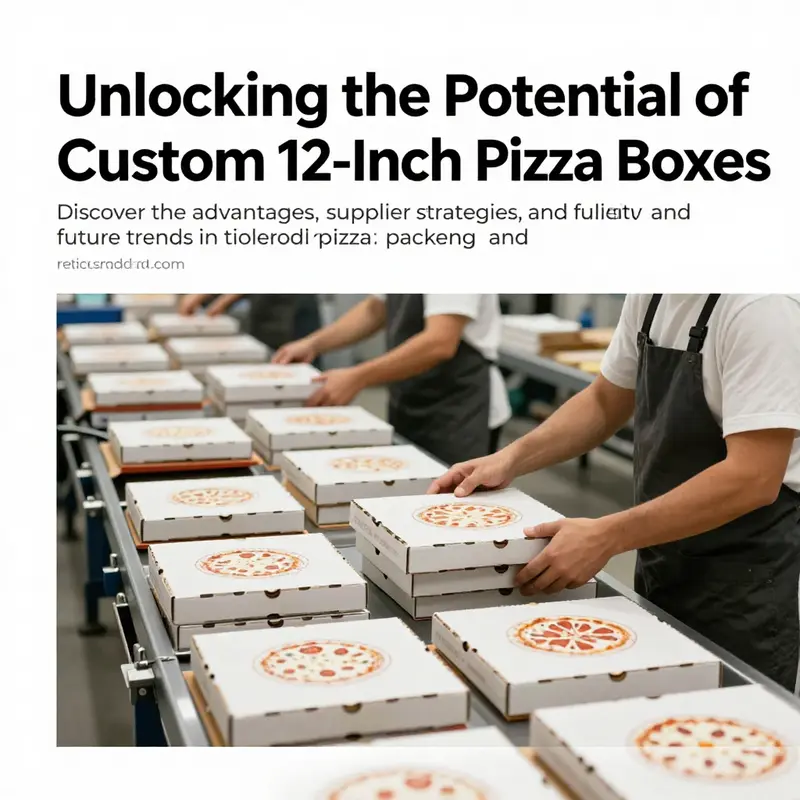
In today’s competitive food service landscape, the importance of efficient and brand-enhancing packaging cannot be overstated. Custom 12-inch pizza boxes play a crucial role in maintaining the integrity of pizza during transport while serving as a canvas for brand promotion. This article delves into the core features and benefits of these boxes, explores key supplier and procurement strategies, discusses essential considerations when selecting these products, and examines prevailing market trends and future directions. Each chapter will provide valuable insights for business owners looking to effectively utilize custom pizza boxes to elevate their brand and service.
The Quiet Power of the 12-Inch Custom Pizza Box: Designing Durability, Brand Identity, and Delivery Confidence
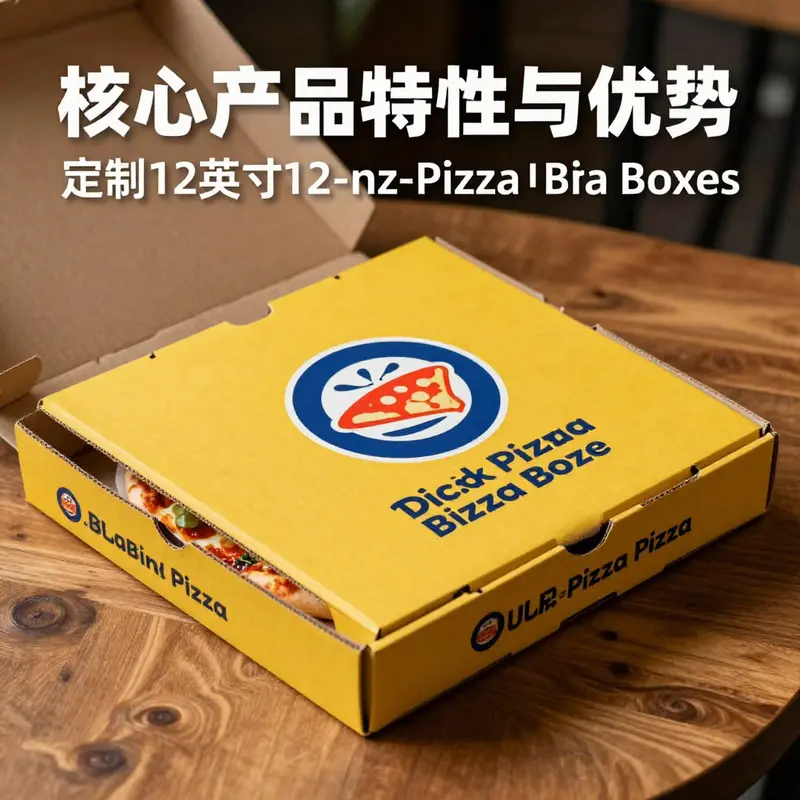
The 12-inch custom pizza box sits at a crossroads of practicality and perception. It is a piece of packaging that rarely makes headlines, yet it quietly governs how a slice travels from kitchen to customer, how it maintains heat and texture, and how a brand introduces itself to every hand that holds it. In the rhythm of a busy kitchen and the cadence of a delivery route, the box becomes more than a container; it is a stage for quality, a messenger of values, and a vehicle for consistency across a dining experience that customers often judge in a single moment. This chapter follows that logic, weaving together the dimensions of size, material science, design flexibility, sustainability, and supply chain realities into a cohesive account of why the 12-inch customized box matters so much to modern pizza operations.
The first pillar of its importance is the size itself. Twelve inches hits a sweet spot that aligns with most family portions while reducing waste and cost. It is generous enough to cradle a hot, well-cared-for pie without crowding the toppings, yet not so oversized that it invites excess air or complicates stacking in delivery bags. The geometry of a 12-inch box is inherently efficient: a single, well-proportioned carton contour can accommodate the perimeter structure of a standard round pie, along with a margin that deflects grease and moisture toward the interior of the carton rather than soaking into the outer surface. This equilibrium matters because the customer experience hinges on a balance between form and function. If a box is too small, the pizza risks squeeze marks, grease seepage, or a chilled crust from an overly snug fit. If it is too large, the crust cools faster, and the box appears as an overbuilt vessel that signals higher costs without corresponding value. In this sense, the 12-inch dimension is not merely a packaging choice; it is a design decision rooted in a deep understanding of consumer expectations and operational realities.
Yet size alone does not determine success. The real test lies in how the box performs under the heat, grease, and movement of a delivery cycle. The backbone of this performance is the material—high-strength corrugated cardboard that offers stiffness, load-bearing capacity, and a battle against the hazards of a long journey. Corrugated boards bring a layered resilience: an outer liner provides print surface and moisture resistance, a flute (the wavy middle layer) adds rigidity and cushioning, and an inner panel serves as a barrier against direct contact with hot food. A well-chosen grade is essential. It should resist buckling when stacked, stand up to the weight of multiple pies without collapsing, and maintain its integrity even when a heat-emitting container is placed on top. In practical terms, this translates into fewer damaged orders, less waste due to box failure, and a more consistent experience for customers who may order multiple pies for larger gatherings.
In addition to structural resilience, the packaging must stand up to oil and moisture challenges. Pizza is inherently greasy, and steam is a constant companion after the oven. The best custom boxes leverage coatings or treated surfaces that resist seepage and staining while preserving a clean, attractive appearance. The coating choice matters not just for aesthetics, but for practicality. A surface that repels oil helps keep the box readable for branding and messaging, which can be critical when a consumer glances at the box in a dimly lit corridor or in a rush at a doorstep. Importantly, these coatings should be food-safe and compatible with recycling streams, so the sustainability profile of the packaging remains intact from kitchen to curbside to compost or recycling bin, depending on local infrastructure. The moment a box fails in transit, it creates a cascade of negative signals—from ruined pizza to damaged brand impression. The durability of the box, therefore, touches both the operational and reputational strands of a food business.
Customization amplifies the box’s impact far beyond its protective role. Branding is not an adornment but a strategic instrument for differentiation in a crowded marketplace. The customization options range from bold, full-surface prints that carry a brand’s color palette and typographic language to more nuanced touches like metallic foils, embossed textures, or spot-gloss accents that catch the eye as the customer handles the package. A well-executed design does more than look appealing; it communicates a set of implicit promises about quality, care, and consistency. First-time customers who may be sampling a brand simply because the pizza tastes good can be swept into a longer relationship by the way the box presents itself. The packaging becomes a tactile extension of the product, reinforcing the restaurant’s values—whether those values emphasize artisanal craft, family-friendly convenience, or value-driven efficiency.
From a design perspective, the box is an opportunity to convey narrative without words. A brand’s identity can be communicated through a restrained color system, a distinctive logo treatment, or a signature pattern that unfolds across different sizes and formats. Consider the role of the box beyond the single pie: it may be used in social media moments, as a canvas for seasonal campaigns, or as a temporary display piece at a table, a carryout counter, or a regional promotion. The box can tell a story about the brand’s commitment to sustainability, locally sourced ingredients, or community involvement—narratives that resonate with customers long after the last bite is eaten. In this way, packaging becomes a catalyst for recall and word-of-mouth, turning the routine act of taking home a pizza into an opportunity for meaningful brand engagement.
Operationally, customization must balance vision with practicality. The foldable, stackable nature of the 12-inch box is designed for speed and simplicity in busy kitchens. A well-engineered design minimizes assembly time, reduces the cognitive load on staff, and lowers the probability of misfolding that could compromise the box’s structural integrity. A single-piece construction or an uncomplicated multi-panel layout can dramatically improve throughput during peak hours, when every second counts. In addition, ventilation considerations can be incorporated to address condensation issues that arise as hot pizza sits inside a closed package. Strategically placed vents or perforations can help regulate moisture without compromising the box’s hindrance to heat transfer or its visual appeal. The end effect is a packaging system that supports frontline staff, keeps pizza temperatures more stable, and preserves the best possible texture from oven to table.
Sustainability, increasingly a consumer criterion, threads through every design decision. The packaging industry has seen a shift toward recyclable and compostable materials, with an emphasis on post-consumer recycled content where feasible. For brands, this creates a compelling alignment with customer values: a package that communicates environmental stewardship at the moment of purchase and a structured path for end-of-life disposal. The practical implication is that manufacturers and buyers must navigate a mosaic of standards, certifications, and regional recycling capabilities. A packaging solution that claims sustainability should be transparent about the content, recyclability, and the actual environmental impact, including lifecycle considerations and end-of-life handling. When customers see a box that aligns with their own environmental commitments, the overall product experience acquires an additional layer of trust and resonance. In a marketplace where many touchpoints compete for attention, packaging that confidently embraces sustainability can become a decisive differentiator.
Cost efficiency is another meaningful axis of value. Packaging is not a one-off expense but a spectrum of trade-offs that accumulate across the business. Bulk customization can dramatically reduce unit costs, particularly when a brand commits to longer-term needs and predictable demand. At the same time, the Minimum Order Quantities (MOQs) and lead times must be managed in a way that fits inventory and cash-flow constraints. Advanced suppliers offer flexible options for varying box configurations, enabling brands to align packaging investment with seasonal demand without sacrificing quality or performance. The economics of customization, then, is not only about per-unit price but about total cost of ownership: storage costs, mis-pack rates, return on brand engagement, and the downstream benefits of consistent, high-quality packaging that supports repeat orders.
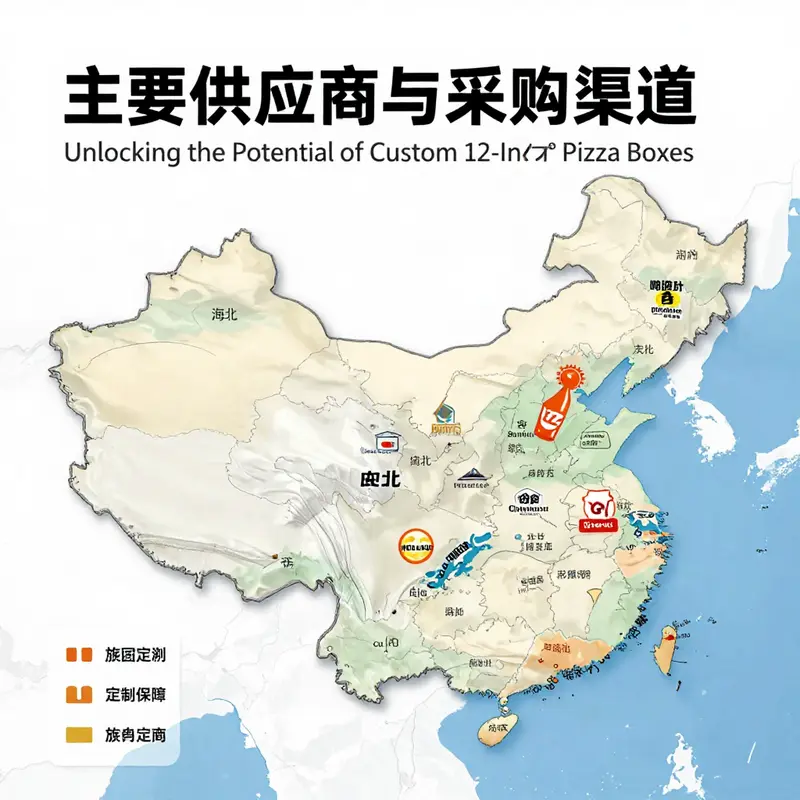
Beyond the technical and economic dimensions, packaging sourcing is a supply-chain discipline. The choice of supplier interacts with manufacturing clusters, logistics, and regulatory compliance. China remains a dominant hub for corrugated packaging due to its strong industrial ecosystem, scale, and efficiency. Within this landscape, regions such as Hebei, Shandong, and Guangdong bring different strengths to the table. Hebei’s proximity to major port facilities helps shorten sea-air handoffs and speeds up production-to-export timelines. Shandong stands out for its expertise in printing technology, enabling color accuracy and repeatability even at large volumes. Guangdong offers a blend of flexibility and responsiveness, supporting innovative design concepts and faster turnarounds for pilot runs or limited-edition campaigns. A brand evaluating suppliers can leverage these regional strengths to build a resilient supply chain that supports both steady growth and rapid adaptation to shifting market demands.
Buying packaged solutions is not just about the box itself. The procurement journey often involves navigating certifications and compliance that ensure the packaging is safe for contact with food and suitable for the markets where the product will be sold. In broad terms, the key considerations include alignment with food-contact regulations, environmental standards, and certifications that may be mandated or desired by distributors, retailers, or end customers. A robust supplier evaluation includes verifying that the materials meet relevant safety and environmental criteria, and that the supplier can provide documentation to support claims about recyclability, recyclability pathways, and any post-consumer content. These factors are integral to building consumer trust and avoiding regulatory or reputational risk in the long run. They also help to create a predictable supply chain that can scale with demand without sacrificing quality.
Given the breadth of considerations—size, durability, customization, sustainability, cost, and supply-chain resilience—the 12-inch customized pizza box emerges as a strategic asset rather than a passive container. Its design language communicates care, consistency, and modern sensibilities about the way food is produced, packaged, and shared. It invites a multisensory experience: the tactile feel of a textured surface, the visual punch of a brand mark, and the sensory cue of a warm, well-cared-for slice arriving at the table. Each of these cues reinforces the perception of quality and creates a coherent narrative that extends beyond the plate. In turn, this narrative underwrites a brand’s ability to convert first-time tasters into loyal customers, a goal that every pizza business shares regardless of its niche—and one that begins with the simple act of choosing the right box.
To practitioners and brand builders alike, the box is a canvas and a logic puzzle. The canvas is where color, typography, and imagery can harmonize with the menu’s story—whether that story emphasizes craft, speed, value, or community. The logic puzzle is the ongoing balancing act among cost, performance, and sustainability, a triad that demands ongoing attention as markets evolve and consumer expectations shift. The best practices emerge not from a single perfect design but from a disciplined process: define the core performance metrics (heat retention, moisture management, structural integrity), translate them into concrete design features (board grade, liner, coatings, venting), and align with supplier capabilities and regulatory standards. In practice, this means collaborating with packaging partners who can translate a brand’s vision into a physical object that performs reliably under real-world conditions. The relationship is ongoing: a supplier must be able to adapt to seasonal cycles, promotional campaigns, menu innovations, and fluctuations in packaging regulations, all while preserving the brand’s core identity.
The journey from concept to carton is anchored by concrete decision points. First is the alignment of the box’s architecture with the pizza’s geometry and the chosen branding strategy. A clean, legible brand mark on the lid, complemented by a subtle interior pattern or color cue, can lift the unboxing moment and improve recognition on social channels or customer reviews. Second is the material choice: a balance of stiffness, oil resistance, and printability that supports vibrant color reproduction while maintaining performance under heat and humidity. Third is the packaging’s environmental profile, which should reflect a genuine commitment to sustainability and be supported by credible certifications and documentation. Fourth is the fulfillment plan: MOQs, production lead times, and logistics that ensure on-time delivery and minimal stockouts. Each point requires cross-functional collaboration among product developers, design teams, procurement specialists, and operations leaders to arrive at a packaging solution that is not only technically sound but also commercially viable and emotionally engaging for customers.
For brands exploring supplier options, it helps to think in terms of capabilities rather than inputs alone. Look for partners who can translate design intent into scalable manufacturing, who can demonstrate color fidelity across large print runs, and who can provide evidence of environmental responsibility without compromising durability. The goal is a packaging ecosystem that remains lean and predictable while offering the flexibility to experiment with new looks during promotions or seasonal campaigns. In practical terms, this means requesting samples, validating print quality under intended lighting conditions, testing packaging with heat and moisture, and verifying compatibility with existing distribution channels and store layouts. It also means taking advantage of online resources that categorize and compare options efficiently. For brands seeking breadth within a single category, an accessible reference point for different packaging options can be a helpful guide to decision-making. See the paper boxes category for a consolidated view of packaging formats, sizes, and customization capabilities that can inform design choices while staying aligned with business goals. paper-boxes category.
As markets continue to evolve, the packaging strategy that helped a business grow in one season may need refinement in the next. The 12-inch custom pizza box embodies a philosophy of packaging that is both patient and adaptive: patient in its emphasis on materials, construction, and durability; adaptive in its capacity to accommodate evolving branding, seasonal themes, and shifting consumer expectations. The final effect is a packaging system that supports not only the product’s immediate function but also the longer arc of brand-building and customer loyalty. It becomes a cornerstone of a multi-channel strategy, helping to unify in-store, takeout, and delivery experiences under a coherent visual and tactile language. When designed and managed with care, the 12-inch box becomes a reliable ambassador for a brand’s promise, a steady facilitator of consistent quality, and a source of confidence for those who produce, transport, and enjoy the pizza.
External resource: For a broader perspective on sustainable packaging materials and industry practices, see this external resource: https://www.ecobag.com/custom-pizza-boxes
Routes, Regions, and Reliability: Sourcing Custom 12-Inch Pizza Boxes Through China’s Packaging Hubs
In the world of delivery and takeout, the 12-inch pizza box is more than a container; it is the first tangible handshake with a brand delivered to a customer’s doorstep. This chapter deepens the discussion of core product characteristics by focusing on how procurement choices shape durability, aesthetics, and sustainability when scale, consistency, and speed matter. When a restaurant group, a cloud kitchen, or a regional chain plans a menu that travels, the packaging must withstand heat, grease, and rough handling while delivering a coherent brand story. The decision to source these boxes from a country with a mature and expansive packaging ecosystem is not merely about price. It is about reliability, traceability, and the ability to align packaging with broader corporate values—responsibility, transparency, and a customer experience that begins with unboxing.
China has emerged as the world’s dominant sourcing ground for food-grade packaging, driven by a complete, co-located industrial chain that spans pulp and paper, corrugated production, printing, coatings, and finishing. The scale of production, the depth of supplier networks, and the proximity of lamination, conversion, and finishing services translate into competitive pricing, predictable lead times, and the ability to tailor packaging to brand precision at meaningful volumes. Yet the value goes beyond cost. It also encompasses the agility to navigate design iterations, the reliability of quality control across manufacturing batches, and the capacity to integrate sustainable practices as customer expectations tilt toward greener choices. In practice, buyers who succeed in this space do not merely buy a box; they manage a packaging system that harmonizes with product quality, marketing campaigns, and regulatory compliance across markets.
Within this landscape three regional clusters in China consistently shape procurement outcomes: Hebei, Guangdong, and the western provinces where eco-innovation and material science are advancing. Hebei’s industrial belt, buoyed by its proximity to major ports and dense packaging networks, stands out for large-scale, standardized production. The strength of this cluster lies in its ability to convert raw corrugated into finished, print-ready boxes at high volumes with reliable consistency. The advantage for large chains or platforms that require uniformity across hundreds or thousands of locations is not merely cost savings; it is a predictable supply rhythm. A procurement manager can plan inventory with greater confidence when the same box specifications can be produced in a single, integrated supply chain, with shared quality benchmarks and streamlined testing protocols. This logistical efficiency reduces the risk of mismatches in box dimensions, print alignment, or protective features that could otherwise disrupt a busy delivery window.
Guangdong, by contrast, is where customization and speed converge most vividly. The regional cluster excels in flexible production, short-run and mid-run projects, and high-fidelity color printing. In practice, this means brands can experiment with vivid branding, seasonal artwork, and dynamic promotions without sacrificing turn-around times. The capability to deliver full-color branding, accent finishes, and multilayer coatings supports campaigns that rely on eye-catching packaging to capture impulse orders or reinforce premium positioning. The emphasis here is less about mass production at the lowest unit cost and more about the value of rapid prototyping, lower risk when testing new designs, and the advantage of faster replenishment for campaigns that demand frequent refreshes. For a brand that uses limited-time menus, limited-edition toppings, or region-specific promotions, Guangdong’s flexibility translates into a tangible bottom-line impact because it shortens the cycle between concept and shelf-ready packaging.
In the western provinces, including the more remote manufacturing corridors, there is a growing emphasis on sustainability, material innovation, and compliance with global standards. This cluster is increasingly known for advancing eco-friendly compositions, such as recycled content boards, responsibly sourced coatings, and adhesives with lower volatile organic compound (VOC) profiles. For buyers who anchor procurement to long-term environmental commitments or to markets with strict labeling and end-of-life disposal requirements, this regional capability offers a critical path to alignment with corporate sustainability goals. While the western provinces may not yet match the sheer scale of the coastal engines, their rising capabilities complement the overall sourcing mix by introducing alternatives that can reduce risk, diversify supplier bases, and broaden options for green packaging configurations.
The procurement landscape is further shaped by how buyers connect with suppliers. On the ground, the most effective arrangements blend regional strengths with disciplined supplier management, rigorous quality control, and clear communication about expectations for print quality, barrier performance, and end-use conditions. A key driver is the ability to translate brand design into production-ready files that the factory can reproduce consistently across runs. This requires a common understanding of weight tolerance, crease geometry, sealing margins, and grease resistance. It also means selecting materials that perform under heat and oil exposure during transport and consumption. To that end, the industry has grown adept at offering a menu of options—from thicker corrugated boards that resist crushing, to inner liners that provide grease resistance, to coatings that help with moisture management and aesthetic enhancements like matte or gloss finishes, embossing, or hot stamping.
Printed branding on pizza boxes is far more than decoration; it communicates a promise of quality and can drive customer recall. For brands that depend on consistent color, vibrant imagery, and legible copy across thousands of units, color fidelity and print stability across batches become non-negotiable. The ability to deliver on-brand color across different production runs, while maintaining the same material feel and tactile quality, often governs supplier selection. The most capable suppliers in these clusters work with flexible plate or digital printing technologies that support a wide range of sizes—from smaller 6 or 8 inch formats up to 12 inches and beyond—without sacrificing accuracy. This is where the conversation shifts from box basic to brand-building tool, with packaging becoming an extension of the menu experience itself. It is also where the opportunity to integrate eco-conscious finishes becomes compelling. Buyers increasingly seek boxes that incorporate recycled fibers, responsibly sourced inks, and coatings that minimize environmental impact without surrendering print clarity or barrier performance.
The procurement decision is also shaped by the channels that connect buyers to suppliers. Platform-based marketplaces, often aggregating suppliers across the three regional hubs, provide access to a broad spectrum of options—from standard, stock configurations to fully customized, print-ready solutions. For an operator evaluating suppliers, the path typically begins with a code-switch from design to production readiness: designers supply artwork and technical files, and suppliers translate that into a printable, foldable, durable box. The minimum order quantities and lead times vary widely, reflecting the blend of scale and customization. In practice, buyers must balance the desire for rapid prototyping with the economics of larger runs. Strategic buyers often use a two-track approach: small-scale trials to validate performance and design integrity, followed by ramp-ups to larger volumes once the fit is confirmed. The test phase is crucial; it reveals whether the pairing of corrugated grade, internal lining, print process, and coating aligns with the brand’s quality thresholds and cost targets.
A cornerstone of successful sourcing is embracing the role of sustainability as a design constraint rather than a philosophical add-on. In many markets, customers expect packaging to be recyclable or compostable, and to meet food-contact safety requirements. The core standards to consider include compliance with food-contact regulations and certifications such as those governing the safety of paper and cardboard materials. In the sourcing playbook, it is prudent to verify that suppliers provide traceability for the raw materials and can furnish documentation that confirms conformity with applicable rules. Across markets, the push toward circularity means that packaging should be designed with end-of-life in mind, from the choice of board to the inks and adhesives used.
Branding and customization capabilities are not only about appearances; they are about the customer’s perception of the product’s value and the operational efficiency of the supply chain. The most effective procurement stories balance the scale advantages of Hebei’s manufacturing belt with the agility of Guangdong’s customization expertise and the sustainability-focused innovations of the western provinces. This triad offers a diversified, resilient sourcing strategy that can weather demand fluctuations, supply disruptions, and shifts in consumer preferences. In practical terms, this means selecting suppliers who can offer a broad range of sizes and finishes, while providing consistent performance across runs and seasons. It also means investing in design-to-production workflows that minimize rework, shorten lead times, and ensure that artwork files translate into accurate, repeatable prints on the chosen substrate.
From the buyer’s perspective, the path to procurement excellence begins with a clear view of needs: a specification sheet that captures dimensions, sealing methods, inner liners, and print requirements; a target performance profile that includes heat resistance, grease barrier, and stacking strength; and a sustainability brief that outlines preferred materials and end-of-life expectations. The regional clusters offer different kinds of strengths, and an efficient procurement strategy often leverages this mosaic rather than attempting to force a single solution. A practical approach is to engage multiple suppliers across clusters, maintaining an ongoing dialogue about performance, pricing, and lead times. This approach reduces risk, enriches the comparison data, and provides a more robust platform for negotiating terms that align with business realities such as seasonal peaks and promotional campaigns.
For teams responsible for packaging design and procurement, the opportunity to leverage the breadth of printing and finishing options should be viewed as a strategic asset. The pathway from design to finished product is increasingly digital: with CAD-guided artwork, color-managed proofs, and digital or no-plate printing processes that shorten iteration cycles. In regions where advanced printing capabilities are a core competency, brands can experiment with bold visuals, gradient tones, and special finishes that once required expensive run-length commitments. The result is not only improved shelf impact but also stronger brand recall on delivery and in-store experiences. The value proposition expands when packaging also integrates practical features, such as insulation layers that help preserve pizza quality during transit, or grease-repellent inner surfaces that reduce surface mess and improve food safety handling for delivery riders and customers alike.
The journey to sourcing excellence also involves practical steps for first-time buyers and seasoned purchasers alike. Initiate with a small-scale test run to compare several suppliers’ performance across dimensions like seal integrity, print resolution, and material feel. Assess the compatibility of each supplier’s processes with the brand’s visual identity and with the operational realities of your delivery network. When evaluating options, request samples that mimic actual orders—comprising the same sauces, toppings, and transport conditions—to ensure the box performs under real-world use. Review the packaging supplier’s quality control practices, including incoming material checks, in-process inspections, and post-production sampling. Confirm their capability to provide documentation for certifications and material safety data, as well as their willingness to support ongoing improvements or custom modifications as the brand evolves.
Incorporating a practical, design-conscious mindset into procurement decisions helps ensure the final packaging not only protects the product but also reinforces a consistent brand narrative. It is here that the potential of the internal resource hub for printing and finishing becomes most valuable. The chapter’s practical guidance is reinforced by the notion that packaging design should be treated as an extension of the menu itself. A color palette that harmonizes with the brand’s marketing campaigns, a typography system that remains legible across different box sizes, and a surface texture that conveys premium quality—all these details contribute to a cohesive customer experience from first glance to the moment of unboxing. For teams that want to explore these possibilities further, the resource hub Packaging Printing offers a concise catalog of printing capabilities, materials, and finishing options that can be layered into a brand’s packaging strategy.
As procurement teams navigate the complex landscape of suppliers and channels, the overarching lesson is straightforward: build a sourcing strategy that is regionally informed yet globally prudent. Leverage Hebei’s scale for reliability in core, high-volume runs; tap Guangdong’s speed and color prowess for brand-rich campaigns and frequent design changes; and explore western provinces’ sustainability innovations to align packaging with evolving regulatory and consumer expectations. The result is a packaging program that performs under pressure, protects the product, sustains brand integrity across markets, and supports growth through flexible manufacturing and responsive supply chains. In the next step of the article, we turn to the specific criteria that buyers use to evaluate suppliers and to make decisions that balance cost, quality, and delivery performance in a fast-moving industry where boxes travel as part of the brand’s promise.
External resource: https://www.alibaba.com
The Custom 12-Inch Pizza Box: Design Principles for Performance and Brand Impact

A 12-inch pizza box is more than a container; it is a performance envelope that protects heat, controls moisture, and communicates brand value from kitchen to customer. In this chapter we explore how material choice, structural design, and print strategy interact to deliver a reliable, scalable packaging solution for delivery and takeout. We discuss board grades, flute profiles, food-contact safety, and end-of-life considerations, and we show how designers balance cost with durability, brand storytelling, and operational constraints. Practical testing – from edge crush and stacking resilience to heat exposure and oil resistance – reveals how minor decisions in size tolerance, adhesive strategies, and surface coatings can influence slice quality and the customer experience. By connecting material science with packaging workflows and vendor capabilities, brands can make packaging choices that improve in-transit performance, reduce spoilage or damage, and reinforce trust with diners. The goal is a packaging system that preserves warmth, preserves appearance, and communicates a premium yet dependable impression at the moment of delivery.
品牌载体的进化:定制12英寸披萨盒在绿色创新与数字化浪潮中的未来
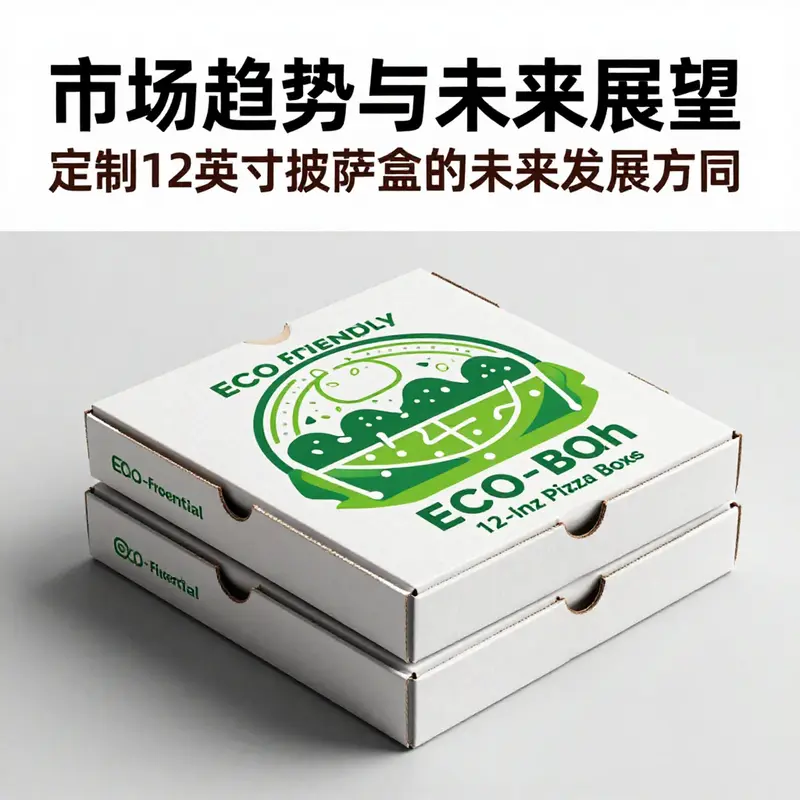
定制12英寸披萨盒正在把简单的包装升级为品牌资产的实战载体。它不仅承载披萨,更承载着环保承诺、品牌叙事与供应链韧性。夜幕降临,外卖车轮穿行在城市巷陌,盒盖上的纹理、颜色与印刷细节传达着品牌的态度,让消费者在第一时间感知“这是一个注重细节的品牌”。
在未来的市场图景中,三大方向正在塑造披萨盒的演进:一是环保材料的深化应用,植物纤维、可降解和可再生材料的选择不仅降低碳足迹,也为品牌树立绿色信任。二是个性化与品牌化设计的高度融合,数字印刷与快速打样让小批量、限定版和区域联名成为可能,盒面成为移动广告与信息载体。三是供应链的协同与柔性生产提升,通过端到端数字化、更紧密的供应商协作与更高效的物流,缩短从设计到门店的周期。
区域化生产与全球化需求之间的张力正在被逐步解构。中国作为全球最大的食品级包装基地,凭借完整产业集群和高效物流,能够在北方与沿海区域形成合理的生产与配送分工,支撑快速响应与成本控制。
采购与法规的要求也在提升:食品接触材料的认证、最低订购量(MOQ)与交货周期成为企业必须回答的关键问题。品牌方应选择具备完整认证体系的供应商,并以生命周期评估与回收路径为决策要点,确保可追溯性与环保承诺的可验证性。
在设计与实施层面,需将盒面信息的可读性、视觉统一性与用户情境结合起来。材料需兼顾强度与耐油性、热稳定性与回收友好性,印刷工艺需兼顾色彩一致性与可重复性。供应链协同则要求数据互联、统一质量标准与应急机制,以实现端到端的透明与弹性。
从品牌视角看,包装是无声的叙事者。绿色材料传递的承诺、个性化设计带来的情感连接、以及数字互动带来的参与感,三者共同铸就更具吸引力的消费场景。未来的研究与实践将推动零废弃生产、数据驱动的动态定制,以及更高效的全球供应链协同。
Final thoughts
In summary, custom 12-inch pizza boxes are more than just packaging; they are a strategic tool for branding and customer satisfaction. By understanding their features, exploring the supplier landscape, considering procurement factors, and staying ahead of market trends, business owners can optimize their packaging choices. Thus, engaging with reliable manufacturers and leveraging the right strategies allows businesses to enhance their service delivery, increase customer loyalty, and promote sustainability practices effectively.