
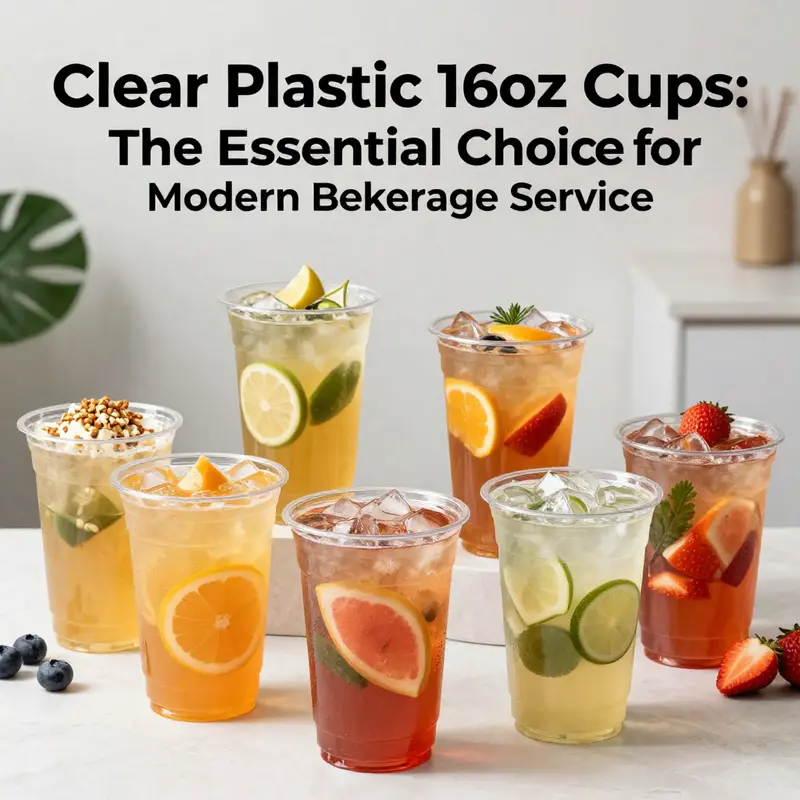
Clear plastic 16oz cups have emerged as a staple in beverage service, perfectly fitting the needs of bubble tea shops, restaurants, food trucks, and catering services. Their combination of clarity and durability makes them an ideal choice for a variety of cold drinks, enhancing both aesthetics and functionality. This article delves into the features and benefits of these cups, outlines customization possibilities, discusses their environmental impact, examines their diverse applications in food service, and provides a comparative analysis with other disposable options. Each chapter draws a full picture of how clear plastic 16oz cups can elevate service and customer satisfaction across various settings.
Clarity, Craft, and Convenience: The Case for Clear Plastic 16oz Cups in Modern Service
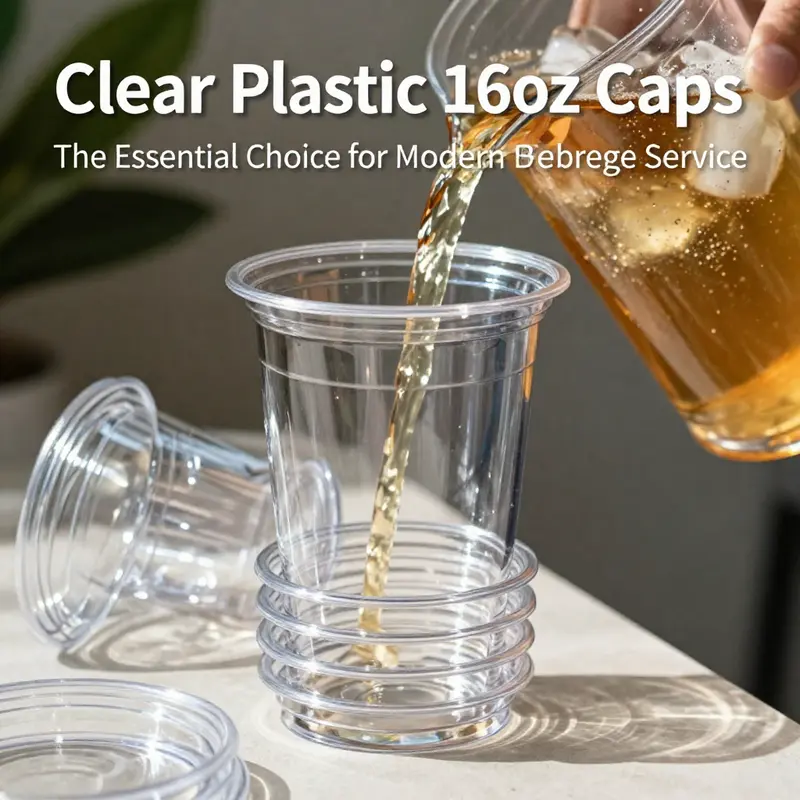
A glass can shatter, but a clear plastic 16oz cup rarely does, and that reliability matters as soon as a beverage begins its journey from counter to customer. In the busy rhythm of cafes, event catering, and quick-service venues, the cup is more than a container; it is a silent partner in presentation, inventory, and customer experience. The clarity of clear PET cups invites the eye to travel from the surface sheen of a shaken iced coffee to the subtle layer between foam and fruit pieces, a visual cue that signaling flavor and texture is about to be enjoyed. When a drink is layered—perhaps a subtle gradient of fruit, cream, and espresso—the transparency becomes a storytelling device, letting customers anticipate the taste before the first sip. This is not mere spectacle; it is practical clarity. Staff can quickly identify contents and monitor fill levels without lifting lids or turning the vessel, a small but meaningful efficiency in fast-paced service cultures where speed and accuracy matter in equal measure.
The backbone of these cups is a material story rooted in PET: a resin that yields high transparency, strength, and a light profile. The result is a cup that is shatterproof under normal handling, reducing the risk of breakage in crowded lines, on crowded tables, or during outdoor events. This durability translates into safer service compared with glass, particularly when beverages are handed off to customers who are on the move. While the standard 16oz format is designed with cold drinks in mind, there are heat-tolerant grades available that make a surprising range of beverages feasible in these cups, from iced coffees to hot tea froth and even certain hot desserts. The practical takeaway is that a single cup format can accommodate a spectrum of menu items, smoothing purchasing decisions for operators who value flexibility without sacrificing safety.
Beyond safety and versatility, the cups deliver a powerful storage and logistics advantage. A stackable design reduces the volume needed for storage and transport, with many models offering a stack-to-save solution that can cut space usage by up to thirty percent compared with non-stackable alternatives. In a kitchen or on a catering truck, space preservation is not a minor concern; it is a driver of efficiency and cost containment. This stacking feature also feeds into sustainability goals by enabling more efficient loading and fewer trips between warehouse and venue, thereby lowering fuel use and handling time. When lids are added—leak-proof, with sip openings that invite controlled drinking without removing the cap—the experience becomes cleaner and more confident for customers who crave portability. The lid and cup pairing becomes a seamless system, designed to minimize spills during transit and in crowded consumption environments.
Environmental considerations enter the conversation without dampening the practical benefits. Modern clear PET cups are recyclable and, increasingly, BPA-free, aligning with a growing consumer demand for safety and responsible disposal. The reuse of plastic in many facilities is complemented by the option of hybrid formulations that incorporate polylactic acid (PLA) or similar biobased components, offering biodegradable or compostable routes in some contexts. These options reflect a broader industry push toward sustainability while preserving the reliability and clarity that operators rely on. For many buyers, the question is not whether to choose PET cups, but which balance of recyclability, biodegradability, and cost suits their brand values and customer expectations. In practice, that balance often translates into a core choice: a clear, recyclable PET cup paired with a lid that completes the containment system for on-the-go consumption. Consumers increasingly expect packaging to be safe, clean, and environmentally responsible, and the PET cup’s recyclability is a meaningful answer when paired with responsible waste streams.
Aesthetic appeal and customization play a central role in bringing brands to life through cups. The smooth, cylindrical silhouette provides a generous canvas for branding, from subtle embossing to full-color logos and striking label inserts. The visual simplicity of a clear cup amplifies the impact of any printed design, making logos and color schemes pop against the liquid’s own hue. For events, promotions, and retail settings, this is not a mere decorative feature; it is a marketing tool that reaches customers in line, at the drive-through, and on social media posts where the cup appears in photos. The opportunity for customization extends beyond logos to include seasonal motifs, color palettes aligned with campaigns, and practical labels that convey flavors, ingredients, or dietary notes at a glance. A well-executed design can elevate a straightforward product into a memorable experience, a small but meaningful differentiator in a crowded marketplace. In practice, this means operators can coordinate their cup design with other packaging and point-of-sale materials to present a cohesive brand narrative.
The cups’ utility spans a broad spectrum of industrial applications. Restaurants, caterers, convenience stores, and event planners leverage the 16oz format for a consistent portion size and predictable service flow. The capacity is large enough to accommodate generous beverages while remaining manageable for consumption on the go. This standardization supports efficient inventory planning and uniform customer expectations, which in turn reduces confusion during peak hours and at large gatherings. For beverage menus that emphasize cold drinks—iced coffee, frappes, smoothies, fruit-infused waters—the clear cup acts as a transparent vehicle for the beverage’s identity. It mirrors the cool, crisp quality of the drink and mirrors guest expectations for a modern, quick-service experience. Even though the core use case favors cold beverages, the presence of heat-stable variants means operators can consider a few warm options when appropriate, expanding the cup’s utility while maintaining safety and performance.
Alongside these practical capabilities, the cups offer a strategic advantage for brand storytelling and customer engagement. In a world where packaging is a touchpoint that reinforces value, the cup becomes a canvas for narrative—an everyday item that communicates quality, cleanliness, and sophistication. For customers, the transparency invites curiosity: you can see the drink’s texture, see the gradient of a layered beverage, and gauge how much you have left without peeking through a lid or a straw. For operators, clear cups support quick visual inventory checks and easier monitoring of beverage flow from dispenser to cup, which reduces waste and improves consistency. The format also serves as a bridge to cross-promotional activities, such as blank-cup contests, limited-edition colors, or bundled promotions where the cup itself carries seasonal messaging that echoes the broader marketing campaign.
The discussion would be incomplete without acknowledging the language of sustainability that now accompanies every packaging decision. While no single solution fits every business, the clear PET cup offers a reliable, recyclable pathway that fits into established waste streams in many regions. The BPA-free attribute addresses safety concerns for both staff and customers, reinforcing trust in the service environment. And where a venue is pursuing deeper sustainability goals, the availability of PLA-based hybrids or other biodegradable options provides a route to reduce environmental impact without sacrificing the clarity or durability customers expect. The balance between convenience, cost, and environmental responsibility continues to shape procurement choices, guiding operators toward packaging that aligns with menu design, service style, and long-term brand promise.
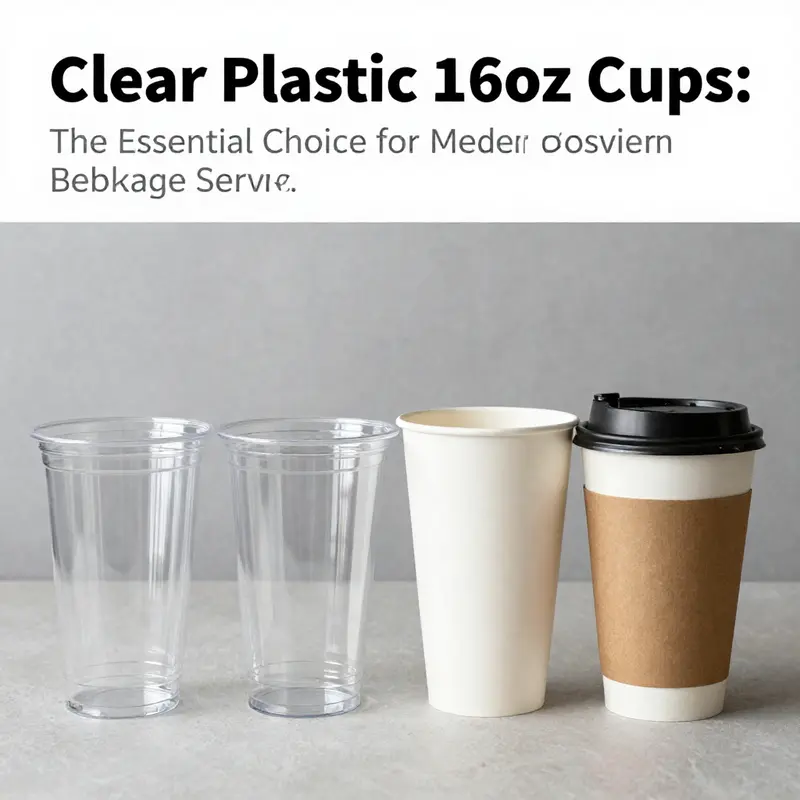
Branding, efficiency, and environmental stewardship converge most clearly when a venue considers how the cup interacts with the rest of the service ecosystem. The opportunity to pair the cup with matching lids, archival-grade labels, or branded sleeves—all while preserving the drink’s visual appeal—creates a coherent experience from moment of purchase to last sip. For teams seeking to explore branding beyond the beverage itself, there is a well-trodden path to extend the same design language to other packaging formats, including its related paper-based and Kraft options. This approach reinforces recognition and recall, turning a simple, clear container into a cornerstone of a brand’s edible and experiential narrative. For those curious about related options and to explore a broader range of customizable packaging, consider a resource that discusses eco-friendly printed-logo paper cups as part of an integrated merchandising strategy. eco-friendly printed-logo paper cup product.
As many operators know, choices around cups are never made in isolation. They ripple into order planning, storage space, staff training, and guest perception. The clear plastic 16oz cup, with its blend of clarity, strength, and adaptability, offers a dependable platform for serving a wide array of cold drinks while leaving room for thoughtful branding and careful sustainability planning. It supports a clean, efficient service flow and a visually appetizing presentation that can elevate ordinary beverage moments into memorable experiences. The cup’s quiet reliability—its transparent surface, its light yet sturdy body, its capacity to accept secure lids and precise fills—enables teams to focus on what matters most: delivering a consistent, high-quality guest experience, every time. For broader context on the material technology and specifications that underlie PET clear cups, see the following external resource, which provides a supplier perspective on 500ml PET plastic cups in clear form: https://www.alibaba.com/product-detail/500ml-PET-Plastic-Cups-16oz-Clear_1600294784112.html?spm=a2700.1.wish-list.1
Branding by the Cup: Elevating Clear Plastic 16oz Cups Through Thoughtful Customization
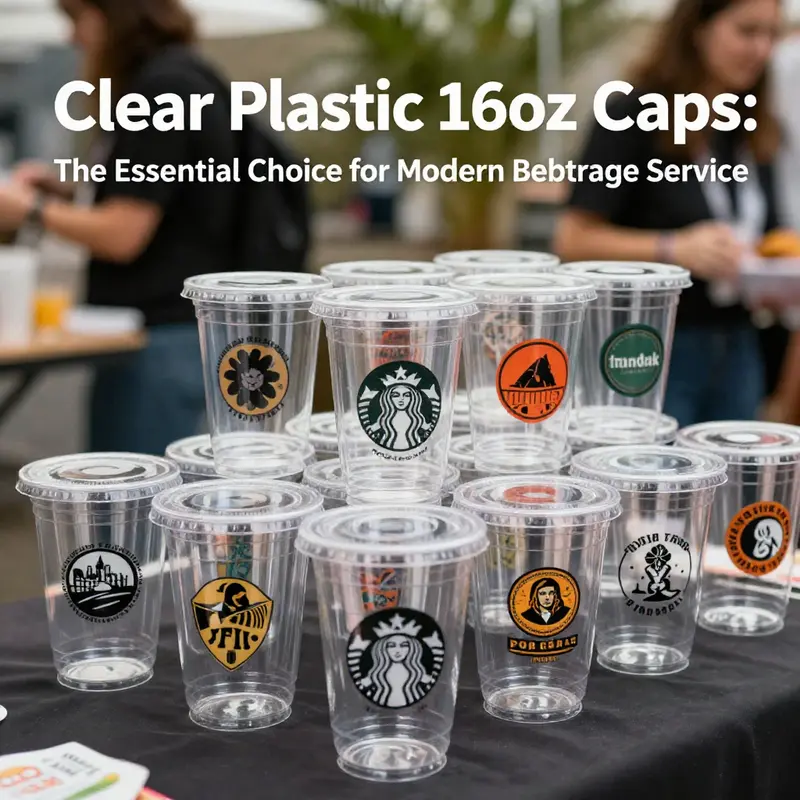
Clear plastic 16oz cups sit at the intersection of practicality and possibility. Their value starts with clarity—the way the cup showcases a beverage, the color of a straw, and the subtle sheen of the plastic when light passes through. But their true potential emerges when manufacturers and buyers treat them as canvases for branding, rather than as blank vessels. Customization turns a common tool of service into a portable marketing asset, capable of reinforcing identity, telling a story, and guiding consumer experience long after the last sip. The route from plain to branded is well-trodden, yet it remains surprisingly versatile. The most fundamental aspect is the logo and branding method. Whether a company applies a logo via screen printing, adheres printed labels, or uses direct molding techniques, the result is a cup that carries a recognizably consistent mark. Screen printing offers bold, durable graphics laid directly onto the cup surface, leveraging the cup’s high-clarity background to make the design pop. Label application introduces flexibility, allowing firms to switch artwork without retooling production lines, and it can be cost-effective for smaller campaigns or seasonal promotions. Direct molding, while more resource-intensive, yields a seamless integration of branding into the cup’s geometry, which can be valuable for higher-end events or premium product lines. Each method has implications for color integrity, durability, and cost, but all share a common advantage: the capacity to elevate a simple purchase into a branded experience that travels from cafe counter to a guest’s kitchen shelf. The communication on the cup becomes part of the consumer’s memory of the moment, a tactile reminder that a particular beverage came from a specific source. This is more than aesthetics; it drives recognition, recall, and a sense of consistency across channels.
Alongside logos, color and graphics broaden the creative spectrum. While the default is transparent clarity to showcase the beverage, customization can introduce colored inserts, tint finishes, or even full-color designs on the cup body or lid. Thematic palettes can align with a seasonal campaign, a wedding, a school function, or a product launch. For instance, a wedding reception might use a soft, coordinated color scheme across cups and lids, while a product launch could deploy bold, saturated hues that echo the campaign’s visual identity. Color strategy is not merely decoration; it communicates mood and intent at a glance and can cue specific behaviors—like choosing a signature drink or sharing a photograph on social media because the cup looks “designed.” The practical dimension is that color through the cup must remain stable through service conditions. This is where material science meets design: PET cups, known for top-tier transparency, are highly amenable to high-quality printing, ensuring that artwork remains sharp when viewed from any angle. PP cups, with their durability and chemical resistance, suit hot beverages and more rugged handling while still accommodating printed graphics. PLA cups offer a sustainability-forward option that does not force a trade-off in branding clarity. The material choice shapes what is feasible in color, print fidelity, and end-of-life considerations, guiding decisions that align with both brand goals and environmental values.
The packaging experience does not end with the body of the cup. Lids and straws can be integrated into the branding story to create a cohesive, branded experience. Lids can feature branded spouts, domed shapes, or flat tops with secure seals, while straws can be customized in color or material—paper or biodegradable variants are increasingly popular for audiences seeking greener options. Custom lids and straws harmonize with the cup’s graphics, completing a visual and tactile loop that reinforces the brand at every touchpoint. When a coffee shop or beverage brand coordinates color across cup, lid, and straw, the consumer perceives a deliberate, unified identity rather than a detached sequence of components. This integration is especially valuable in on-the-go contexts such as events, catering, and busy retail settings where consistency helps the brand stand out amid a bustling environment. The result is not merely a branded cup, but a branded experience that communicates care, quality, and attention to detail through synchronized design cues.
A closer look at materials highlights the nuances of customization options. PET cups lend themselves to high-clarity printing and detailed graphics, making them ideal for premium beverage campaigns where visibility of the beverage is as important as the branding itself. PP cups bring enhanced durability and heat resistance, enabling more ambitious graphic applications on cups intended for hot drinks and longer dwell times in customers’ hands. PLA cups, while offering an eco-conscious narrative, still support branded motifs with prints that reflect sustainability commitments, allowing brands to tell a story about their impact while maintaining visual appeal. The choice among these materials affects not just aesthetics, but also performance metrics such as print fidelity, water resistance, and temperature tolerance. It matters for a brand to harmonize material selection with its environmental rhetoric and with its intended use scenarios—from cold iced coffees at a sunny festival to hot teas inside a conference hall.
Beyond logos and color, shape variation and ergonomic design can amplify branding while improving handling and stacking efficiency. Some suppliers offer ergonomic grips, tapered sides, or slightly altered 16oz dimensions that enhance grip, reduce spill risk, and optimize stackability for storage and transport. The ergonomic considerations are not merely functional; they can be leveraged to reinforce a brand’s personality. A cup with a subtly angular profile may convey modernity and precision, while a rounded, comfortable contour might project approachability and warmth. In high-volume environments like restaurants and events, even subtle changes in cup geometry can translate into meaningful differences in throughput and customer satisfaction. When combined with branded lids and compatible straws, these forms create a cohesive, end-to-end display that communicates the brand’s values from the moment the drink is touched by the consumer.
For organizations seeking a complete design-and-production solution, OEM or ODM services offer end-to-end capabilities—from concept and prototyping to bulk production and quality control. In practice, this means that a single partner can guide the journey from initial sketches to a finished, branded cup that meets safety standards, color specifications, and regulatory requirements. The feasibility of scale becomes a strategic advantage, enabling brands to execute large campaigns without sacrificing design integrity. The customization journey also intersects with sustainability considerations, as suppliers increasingly offer options in PET, PP, and PLA aligned with environmental commitments and end-of-life preferences. The strategic takeaway is clear: customization is most effective when it aligns with the broader brand narrative and supply-chain realities, ensuring the cup acts as a reliable extension of the brand everywhere its customers go.
As customization options multiply, so do opportunities to integrate these cups into broader packaging ecosystems. The cup can anchor a cohesive brand message across drinkware and related packaging—lids, straws, sleeves, and even secondary containers—creating a unified experience that travels with the customer. This approach is especially potent for events, weddings, corporate functions, and promotional campaigns where every element is under brand control and designed to evoke a specific feeling. For readers exploring related packaging contexts, see this resource on clear plastic packaging combinations that pair pastry and dessert offerings with compatible containers in mixed-material systems: clear-plastic-combo-pastry-dessert-tiramisu-cake-food-container-packaging. The idea is not to force a rigid template but to provide a flexible framework for crafting a branded experience that remains practical, scalable, and aligned with sustainability goals.
Ultimately, customization of clear plastic 16oz cups is not a single feature but a coordinated strategy. Logos, colors, and graphic treatments set the visual tone, while lid and straw choices ensure a seamless, on-brand aesthetic through the entire serving experience. Material selection guides performance and print fidelity, and shape variation can enhance handling and storage efficiency without compromising branding impact. OEM/ODM pathways enable brands to iterate quickly and scale campaigns with consistent quality, while the broader packaging ecosystem invites brands to extend their identity beyond the glass and cup to a full, memorable consumer journey. When done thoughtfully, customization transforms a standard service item into a strategic asset—a portable ambassador that carries the brand message forward with every sip, at every event, and in every everyday moment that the cup accompanies a customer.
External resource: https://www.example.com/learning-clear-plastic-cups-logo
Clear in Appearance, Heavy on the Footprint: The Environmental Reality of 16oz Clear Plastic Cups
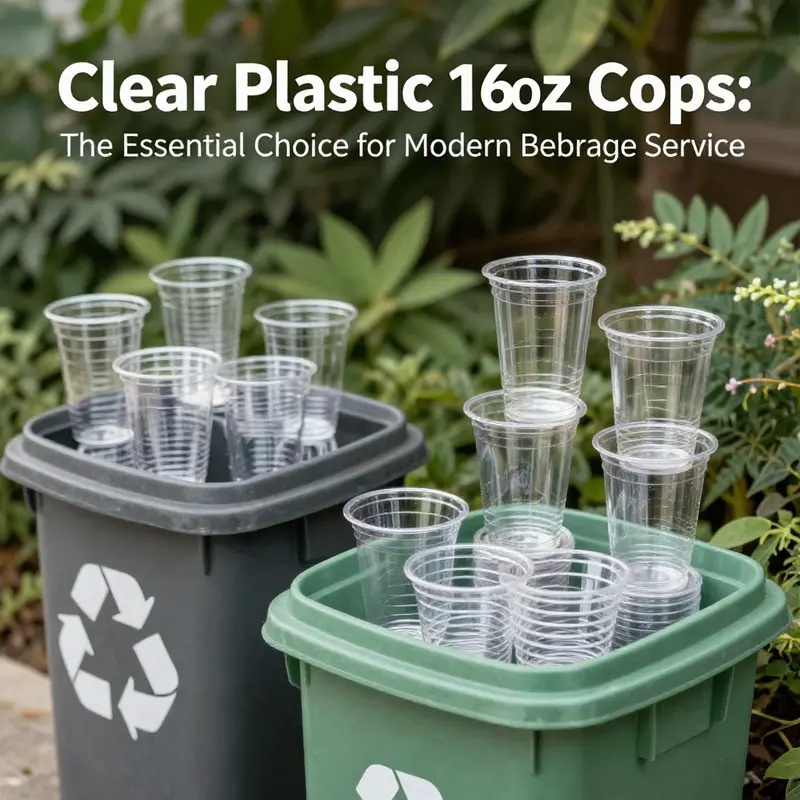
Clear plastic 16oz cups are a familiar sight in cafes, event halls, and quick-service restaurants. Their appeal lies in the way they showcase beverages—their transparency invites customers to assess color, texture, and layers, while the cups’ shatter-resistant design offers a practical, safer alternative to glass. Yet beneath the glass-clear surface lies a complex environmental story. These cups are typically made from petroleum-based plastics such as PET or polystyrene, materials derived from non-renewable fossil fuels whose extraction, refinement, and polymerization demand significant energy and contribute to greenhouse gas emissions. The same properties that make these cups so versatile—rigidity, clarity, and a snug lid fit—also drive a resource-intensive production chain. As a result, the allure of convenience interacts with a measurable ecological footprint across the product’s entire life cycle, from cradle to grave and beyond into the ecosystems where discarded cups sometimes end up.
The production stage sets the baseline for environmental impact. The energy required to mine, transport, and refine feedstocks, plus the energy intensities of polymer synthesis and extrusion, translates into meaningful greenhouse gas emissions. In addition, the structural design of many clear cups emphasizes stackability and transport efficiency, which can cut space requirements and fuel use in warehouses and during distribution. A 30 percent improvement in space efficiency, compared with non-stackable alternatives, is widely cited in industry analyses as a practical lever to reduce overall logistics emissions. Still, this advantage must be weighed against the upstream emissions tied to material production and the downstream realities of end-of-life management. The end result is a product whose clarity and convenience are tied to a chain of environmental costs that accumulate long after the last drink is poured.
When the cup has served its purpose, the next phase—disposal and waste management—becomes the most visible arena for environmental consequence. In many regions, conventional clear plastic cups do not enter recycling streams at a rate high enough to offset production. They are frequently diverted to landfills or become litter in streets and waterways, where they can persist for hundreds of years. During that long residence, fragments and microplastics dislodge from intact cups, migrating through soil and water and potentially entering food webs. The microplastics story is not just about fragments that look innocuous; it is about the continual release of tiny particles that can carry adsorbed chemicals and interact with living organisms in unpredictable ways. Analyses have highlighted how the manufacturing and post-use pathways of these cups can contribute to environmental contamination through both direct emissions and the fragmentation of materials that resist natural degradation.
A critical dimension of this chapter’s narrative is the emergence of biodegradable and compostable alternatives, particularly those rooted in polylactic acid (PLA). PLA cups, derived from renewable plant sources such as corn starch, promise a reduced long-term footprint by offering compostability under specific conditions. In theory, industrial composting can transform PLA into readily manageable, non-toxic end products rather than leaving persistent plastic fragments behind. In practice, however, these benefits hinge on access to appropriate composting infrastructure. PLA requires high temperatures and controlled moisture and microbial activity to break down efficiently. When such facilities are unavailable or underutilized, PLA cups may behave much like conventional plastics, failing to realize their intended environmental advantages. This nuance matters for planners and operators. As the research points out, the choice between a PET or PS cup and a PLA cup is not simply a material swap; it is a decision shaped by local waste streams, facility availability, and collection systems. The mismatch between disposal capabilities and product design can dilute or even negate the theoretical environmental gains.
Other eco-friendly solutions point toward broader packaging ecosystems rather than a single material replacement. Businesses increasingly explore mono-material designs that favor recyclability, or print and packaging innovations that align with existing municipal recycling streams. The broader idea is to keep materials in circulation for as long as possible, reducing the demand for virgin resources. In this context, the conversation about clear cups begins to intersect with expectations around end-of-life management, consumer participation, and municipal policy. The potential to combine sustainability with brand value is real, particularly when companies transparently communicate the environmental attributes of their cups and the proper disposal steps customers should follow. For those who want a tangible example of a broader packaging approach, there are PLA-coated packaging options that illustrate how renewable-origin materials can integrate with existing systems while maintaining functional performance. PLA-coated packaging options demonstrate how coatings and substrates can be designed to balance compostability with durability in a consumer-ready format.
The practical implication for operators is clear: product selection should be informed not only by performance and aesthetics but by the compatibility of chosen materials with local waste-management infrastructure. This means evaluating whether there are industrial composting facilities that can process PLA, or whether a switch to a recyclable mono-material cup aligns with current recycling streams. It also means recognizing that consumer behavior matters. Even the most well-designed ecological solution can falter if end users mix materials or discard cups improperly. Education, clear labeling, and convenient disposal options at the point of use become essential complements to any material decision. The lifecycle perspective also suggests that innovations in design, such as increasing the proportion of recyclable content, minimizing additives that hinder separation, or adopting simpler material matrices, can create meaningful improvements without sacrificing the clear, crisp presentation that customers expect from a 16oz cup.
From a business viewpoint, the environmental discussion is inseparable from the bottom line. The move toward more sustainable cups is not simply about meeting regulatory or consumer demand; it is about aligning procurement, operations, and packaging strategy with a longer-term vision of circularity. A key challenge remains the tension between convenience and responsibility. Single-use cups deliver speed and simplicity, but their environmental consequences require thoughtful responses. Retailers and event organizations that invest in waste-sorting infrastructure, partner with waste-management providers, and experiment with materials that fit local recovery systems can reduce leakage into the environment while preserving the customer experience. It is not about abandoning the clear cup altogether; it is about choosing the right path given context, facility capabilities, and local markets. The result can be a more coherent packaging story—one that preserves clarity and safety while increasingly aligning with sustainable waste-market principles.
For readers curious about the most practical avenues for moving toward more sustainable options, the conversation extends beyond material choice to encompass a broader approach. Consider how packaging decisions can reinforce responsible consumption without sacrificing the operational benefits of clear cups. When the goal is to reduce environmental harm, a combination of design for recyclability, alignment with composting or recycling infrastructure, and customer education forms a triad of actions that can yield tangible improvements. In places where industrial composting is available, PLA-based cups may offer a viable route, but only if the entire system is supportive—from collection to processing. Conversely, in regions lacking appropriate facilities, continuing to rely on conventional PET or PS options may perpetuate a problematic waste stream unless improvements in recycling infrastructure are enacted.
Ultimately, clear plastic 16oz cups remain a pragmatic solution for many service contexts. Their visual appeal and dependable performance are not inherently incompatible with environmental stewardship, but achieving that balance requires deliberate choices about materials, end-of-life management, and systemic waste handling. The question is not whether to use clear cups, but how to use them responsibly within the capabilities of a given community. The path forward lies in combining robust supply-chain decisions with accessible disposal options and honest communication about what happens after the beverage is finished. As stakeholders continue to collaborate—manufacturers, waste managers, municipalities, and consumers—the potential to minimize ecological impacts while preserving the benefits of clarity and convenience grows more feasible. For those exploring sustainable packaging options like PLA-coated designs, further information can be found in the linked resource above. For deeper analysis beyond the scope of this chapter, see the external resource at the end of this section: https://www.dongsu.com/blog/environmental-impact-of-plastic-cups.
Clear Clarity at Scale: 16oz PET Cups in Service, Speed, and Storytelling
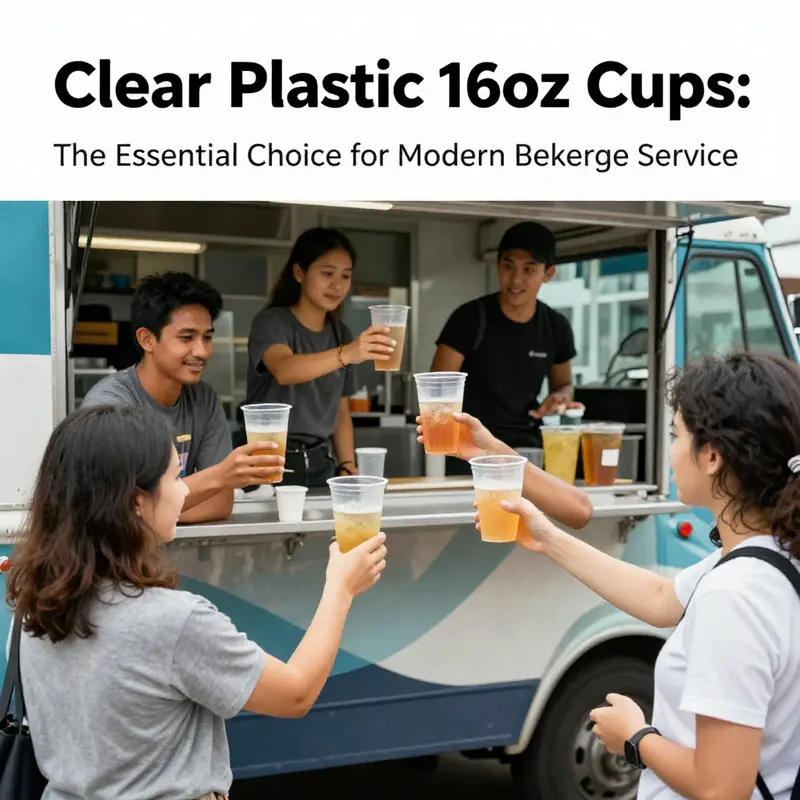
Clear plastic 16oz cups function as more than vessels; they are tools that blend geometry, materials, and front-of-house choreography into a seamless customer experience. Their transparency invites guests to evaluate a beverage by its appearance—the gradient of a layered smoothie, the hue of iced tea, or the crema atop a cold brew—before the first sip. In busy venues, that visual cue carries weight, signaling cleanliness, freshness, and quality. The cups, typically made from PET, deliver optical purity and shatter resistance while staying lighter than glass, making them a staple in quick-service restaurants, cafes, and events where speed and presentation must align with safety and efficiency. The design supports a streamlined workflow: a consistent 500 ml capacity, a diameter around 98 millimeters, and a shallow lip that encourages easy sipping while reducing spill risk during rapid handoffs. The geometry is tuned to optimize gripping comfort, stackability, and tray stability, matters when teams scale to high-volume service during peak hours or at events when seconds count.\n\nThe cold-drink focus is a deliberate advantage. They excel with beverages meant to stay cool longer, such as iced coffees, smoothies, and cold teas. The material’s cold-resilience helps prevent deformation, maintaining form whether a cup rests under heat lamps or is handed across the line to a traveler. In practice, this translates into fewer mid-service breakages and a reliable customer experience, especially with compatible, leak-proof lids sealing in the chill without sacrificing convenience. The stackable design adds efficiency: stacks compress the footprint, enabling more units to be stored in limited space and speeding restocks. When teams move from prep to pickup, the ability to prefill, cap, and box orders quickly becomes a tangible cost saver, particularly in operations handling hundreds of beverages per hour.\n\nFrom the perspective of meal prep and takeout, the scope widens beyond drinks. Clear 16oz cups double as practical containers for salads, sides, and portion-controlled meals where visual appeal adds perceived value. The transparency helps customers assess portion size and ingredients at a glance, supporting trust and satisfaction in carryout scenarios. In many kitchens, the same cup used for a drink may serve as a hygienic, disposable vessel for compact meals during catering or grab-and-go service. The hygienic benefits of disposable packaging—simplified cleanup, reduced dishwashing load, and minimized cross-contamination risk—also align with high-volume operations, outdoor events, or conferences where bulk service demands a reliable single-use solution.\n\nThe material spectrum behind clear 16oz cups informs performance, sustainability, and regulatory considerations. PET is common for clarity and resilience, but PP and PLA appear in the broader family to meet different goals and environmental commitments. The durability supports not only cold beverages but a range of contents, including dairy-based drinks and blended desserts, where the cup must withstand chilling and occasional light heat without losing shape or optical quality. With the right lid system, the cups become secure carriers of beverages on bicycles, buses, and walking routes, extending a restaurant’s brand reach to customers in transit.\n\nBranding and marketing benefit from the clarity of these cups. The transparent surface serves as a canvas for logos and color branding, turning each cup into a micro-advertisement that accompanies the guest through the dining journey. Branded cups reinforce recognition and set a tone for the guest experience, whether at a café counter, a festival booth, or a catered event. The opportunity for customization is not mere decoration; it is a path to continuity between product and presentation. In many venues, cups carry printed branding that mirrors the color palette of the menu and packaging, contributing to a cohesive visual narrative tying together beverage, food, and service.\n\nOperationally, the adoption of clear 16oz cups touches on storage efficiency, waste management, and labor dynamics. Because the cups are disposable, they enable kitchens to operate with a simpler cleanup routine after service bursts. This reduces downtime between service cycles and allows staff to reallocate time to front-of-house interactions, customization requests, or quality checks on the beverage line. The disposal-centric design should be paired with a robust recycling plan to meet expectations for environmental responsibility, while offering options that minimize material use without compromising performance. The discussion of materials invites consideration of sustainability beyond recycling—such as PLA-based or other compostable substitutes when appropriate to operation and to customer values.\n\nThe interplay between function and form—clarity, rigidity, and ease of handling—makes clear 16oz cups a flexible foundation for diverse service models. They suit the fast-paced rhythm of quick-service outlets and the deliberate pacing of full-service settings alike. They accommodate the visual storytelling of layered beverages and the upright presentation of chilled desserts, while delivering practical advantages in storage, transport, and cleanup. In the hands of a skilled operator, these cups support a smooth, predictable workflow that reduces bottlenecks and elevates the guest experience. The cup becomes more than a disposable item; it is a strategic instrument in customer satisfaction, brand presence, and operational efficiency.\n\nFor readers seeking a deeper dive into performance and industry applications, this chapter aligns with a broader reference that surveys 16 oz clear PET cups in depth. See the detailed guide here: https://www.alibaba.com/product-detail/16-Oz-Clear-Pet-Plastic-Cups-Guide_1600385294726.html. For a related internal view on branding-driven cup customization, explore a product page that demonstrates how logo and color printing extend brand identity onto single-use vessels: https://cupbowlpack.com/product/senang01-hot-sale-customized-disposable-single-wall-paper-ice-cream-cups-with-lid-eco-friendly-food-grade/. The focus remains on the core 16oz clear cup’s role in modern food service, its capacity to harmonize with lids and stacking systems, and its power to convey a clean, appetizing impression that supports both speed and storytelling on the restaurant floor.
null
null
Final thoughts
Clear plastic 16oz cups are not merely a trendy option; they represent a reliable, durable solution for beverage service in a multitude of settings. Their versatility, combined with the ability to customize for branding and an eco-conscious approach, ensures they meet the needs of today’s businesses. By understanding their features, customization possibilities, environmental implications, and broad applications, beverage chains, restaurants, food trucks, and corporate event planners can make informed choices that enhance both customer experience and operational efficiency.