
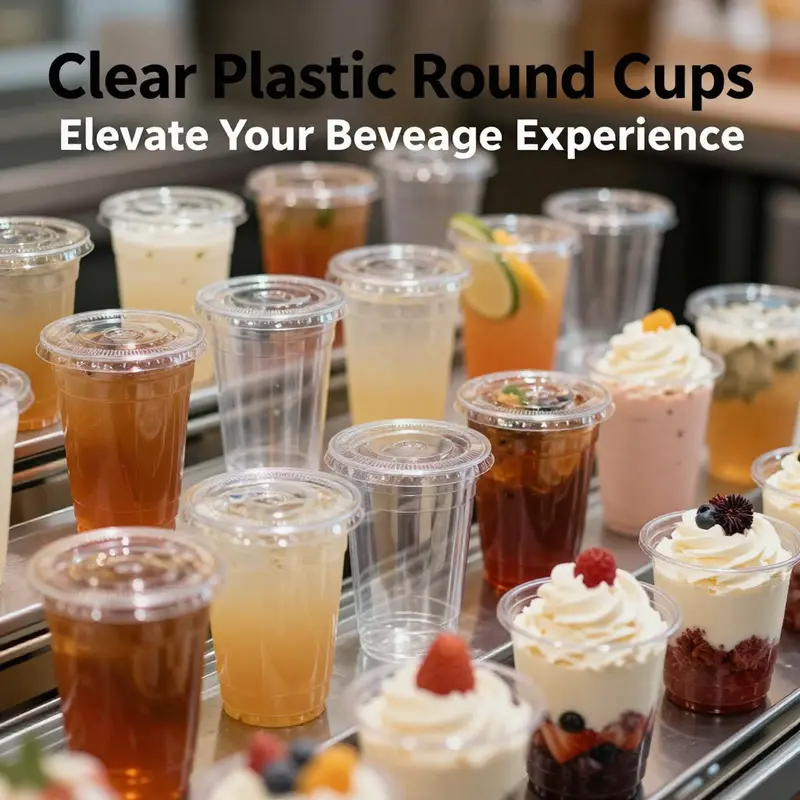
Clear plastic round cups are essential for enhancing customer satisfaction in the food and beverage industry. Their transparency and versatility make them a preferred choice among bubble tea shops, beverage chains, restaurants, food trucks, catering services, and event planners. In the following chapters, we will explore the materials that contribute to their popularity, the diverse designs available for different applications, customization options for branding, sourcing insights to help you find the right supplier, and the environmental considerations that make these cups a conscientious choice. Let’s delve into understanding how to effectively incorporate clear plastic round cups into your service offerings.
null
null
Clarity in Hand: Designing Clear Plastic Round Cups Across Sizes, Shapes, and Uses
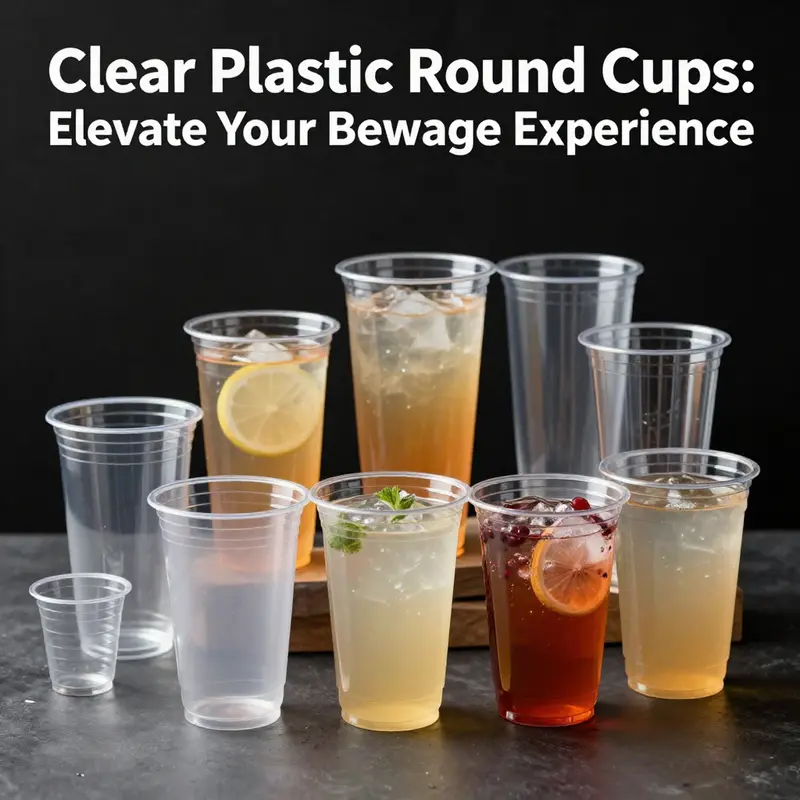
Clear plastic round cups have long been valued for their transparency, a feature that turns ordinary beverages into visual experiences. The glass-like clarity of PET and the light resilience of PP combine to make these cups more than containers; they are stage sets for color, texture, and aroma. The design variations chapter begins with a simple premise: size is never merely about capacity. In a busy cafe, the difference between a compact 210ml mini and a substantial 700ml grande is not just volume; it signals the moment of consumption. The smallest formats, often used as condiments or sampler portions, rely on compact geometry that minimizes material while still providing a credible seal with a tight-fitting lid. These diminutive cups are not always disposable after a single use; in some cases, their sturdiness lends itself to reuse in controlled contexts or serves as the backbone of promotional sampling programs that seek high visibility with limited waste.
Medium sizes—ranging from 255ml to 600ml—occupy the mainstream niche. They are the workhorses for beverages that require a bit more room for layered flavors or for cold teas and juices that demand a generous surface to showcase their hue. The round-bottom design helps stabilize the vessel on a flat service, a practical consideration for self-serve stations where the cup must rest on a coaster or a tray without tipping. In beverage settings that feature toppings or mix-ins, the interior geometry of the cup interfaces with the straw and the lid to keep contents neatly contained while remaining easy to sip. It is not incidental that many of these cups are paired with leak-proof lids or molded handles that improve grip and reduce incidental spills during transport.
Large-format cups, around 700ml, mirror consumer appetite for value and the desire for a visually striking presentation. In environments that celebrate shareable moments, a tall cup acts as a canvas for gradient blends and layered textures. The 700ml class serves both the eye and the hand: it invites longer sipping, supports social experiences, and presents a bold surface area for branding when transparency is valued as a marketing asset. When a beverage is poured into a clear vessel, the color architecture becomes part of the product narrative. A layered coffee or fruit smoothie becomes a living palette, appealing to customers who glimpse the cup from across a room and then savor the experience as warmth rises toward room temperature.
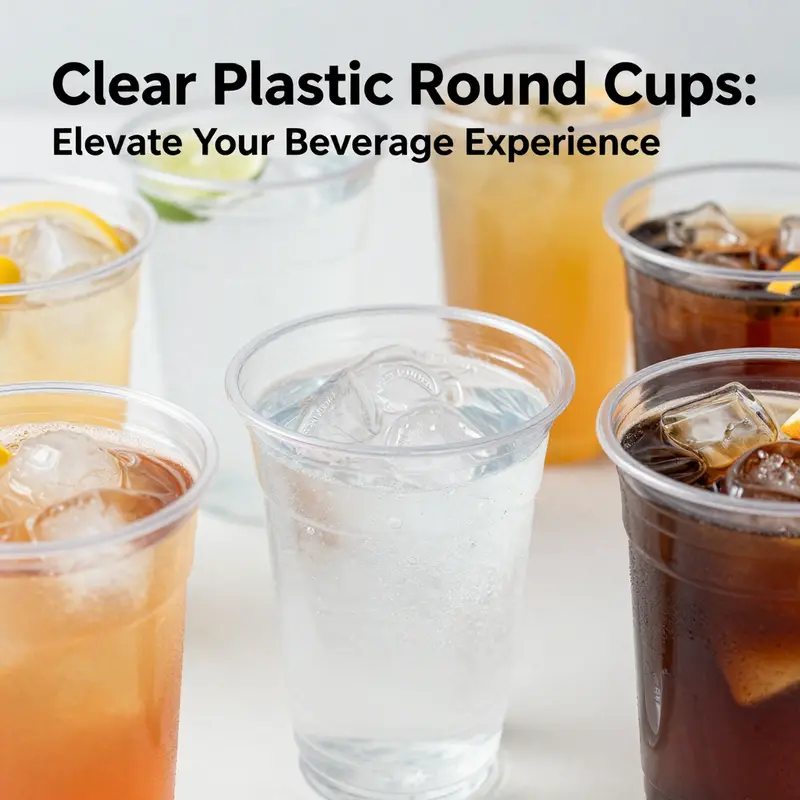
Materials drive both performance and purpose. PET is celebrated for its crystal clarity, high resistance to scratching, and excellent dimensional stability. It remains a top choice for showcasing desserts and beverages where the visual impression matters as much as the taste. Recycled PET adds an eco-friendly layer, aligning with environmental goals of operators who seek to minimize waste while preserving product appeal. On the other side of the spectrum, PP offers heat resistance that broadens the spectrum of acceptable contents, including hot liquids or sauces. PP cups can confidently contain heated beverages and even certain hot condiments, thanks to their higher softening point and robust lid designs. The lids themselves—whether flush with the rim or featuring a ribbed profile—play a crucial role in packaging performance. Ribbed lids, in particular, contribute to a secure seal, reducing leakage during transit and on crowded service counters where movement is constant and the risk of spills remains high.
The design vocabulary of clear plastic round cups is as varied as the occasions they serve. Beyond diameter and height, the contours tell a subtle story. Some cups lean toward a straight profile that reads as crisp and modern, while others adopt a gentle taper that reinforces a premium feel without sacrificing stackability. A subset features a U-shaped rim that improves grip, making one-handed handling feel natural in a bustling service environment. The bottom geometry—whether flat or slightly curved—affects stability when the cup sits on a surface, a minor but meaningful detail in a crowded lineup where dozens of cups migrate from counter to table in an hour. This attention to dimension translates into practical outcomes, from better dispensing in self-serve stations to more precise portion control when the cups are used for desserts like ice cream or fruit salads.
Branding through printing is a thread that runs through many design decisions. The clarity of the cup surface presents a ready-made advertising platform; printers can apply logos, colors, and even subtle textures using UV printing or screen printing. This creates a tangible link between product identity and the consumer experience, a dynamic often leveraged in promo events and themed offerings. For operators who want to extend branding to lid designs or even to molded handles, the category becomes a toolkit rather than a single-use vessel. The possibility of customizing with artwork invites operators to craft a consistent brand moment—one that can be seen from across the room and carried in someone’s hand. This is where the broader ecosystem—suppliers ready to provide customized logos on cups, plus accessories such as lids and sleeves—becomes a practical advantage for restaurants, cafes, and event vendors.
In the pursuit of a cohesive design language, brands increasingly seek ways to tailor cups without compromising performance. A key path is customization of printing and labeling. For brands seeking to reinforce identity through packaging, the ability to print directly on the cup has become a strategic asset. You can explore options such as Eco-friendly printed-logo paper cups with lid. This approach demonstrates how the surface becomes a marketing surface, turning every drink into a portable advertisement while maintaining the visual clarity that consumers expect from clear cups. The decision matrix for customization weighs ink adhesion, durability under cold temperatures, and the impact on recyclability, ensuring that branding efforts do not erode sustainability goals. The balance between a vivid logo and a transparent canvas is delicate, but when executed with care, it yields a packaging solution that communicates both taste and aesthetic in a single glance.
Across the supply chain, size, material, and feature sets intersect with practical constraints. A typical procurement path begins with choosing material and capacity that align with the intended use—whether it is a cold beverage service, a dessert cup lineup, or a condiment portion. Bulk packaging in packs of 50, 100, or even tens of thousands of pieces helps manage costs while supporting ongoing service demands. Operators often weigh the benefits of recyclable materials and the availability of biodegradable or compostable options, which increasingly appear as sustainable alternatives in the same family of clear plastic cups. Standards and certifications such as ISO or CE reassure buyers about safety and production quality, while the inclusion of recycled components or bio-based materials signals a commitment to incremental environmental improvement.
The evolving landscape also reflects how consumer behavior informs product design. There is a discernible push toward larger formats that accommodate generous beverages, a tendency that aligns with the social-media driven desire for shareable, photo-ready cups. Yet, the industry continues to support compact formats for airline service and promotional campaigns, where cost per unit and portability matter most. The tension between scale and intimacy—between the spectacle of a 700ml beverage and the practicality of a 210ml shot—drives a diverse catalog of sizes and shapes that can be tailored to specific experiences. In this sense, the clear plastic round cup becomes less of a disposable afterthought and more of a design system capable of delivering consistent performance, aesthetic appeal, and brand resonance across a spectrum of environments.
To connect these design choices with actual buying behavior, manufacturers and retailers increasingly emphasize the compatibility of cups with lids and seals. A ribbed, leak-proof lid can dramatically lower spill incidents in transit, especially for on-the-go consumption where a consumer carries a cup through crowded spaces. The interplay between cup geometry and lid geometry matters: a stable cup design paired with a well-fitted lid fosters confidence that the beverage remains secure from counter to car trunk. It also influences the user’s overall impression of product quality, because a well-ordered, tidy presentation supports the perception that the contents are premium. This is the practical payoff of investing in precise sizing and shaping: fewer disruptions, happier customers, and better operational efficiency.
For brands that want to explore every option, there are pathways to customization beyond core sizes and materials. Some manufacturers offer molded handles or labeling zones that accommodate brands without overshadowing the cup’s clarity. Others provide UV-printed logos directly on the cup surface, turning the container itself into a moving advertisement during a crowded service period. When a business weighs the trade-offs between plain, recyclable, and branded variants, it is important to consider the total cost of ownership, including convenience in warewashing, the risk of leakage, and the potential for reclaiming packaging in a circular economy.
In sum, the design variations of clear plastic round cups—spanning small to large capacities, a spectrum of materials, and a range of design features—are not isolated choices. They reflect a broader narrative about how packaging can amplify taste, elevate brand identity, and support sustainable, efficient operations. The cup serves as a versatile platform that communicates temperature, texture, and mood before the first sip. It holds within its transparent walls the promise of a reliable, visually engaging consumer experience that can be scaled across categories, from beverages to desserts to condiments. The subtle differences in diameter, curvature, and lid style ripple through the service chain, shaping decisions from menu design to store layout to marketing campaigns. In this light, clear plastic round cups are not just containers; they are design instruments that translate culinary intention into tangible, shareable moments.
For more practical sourcing and examples, consider exploring listings that showcase the breadth of options available, especially where customization is a core value. An external reference that captures the variety and appeal of clear plastic round cups in a contemporary context can be found here: https://www.amazon.com/dp/B0BZQKX3T8?th=1
We should also acknowledge how the supply ecosystem supports this versatility. Platforms that connect buyers with manufacturers frequently offer bulk pricing, sample programs, and clear specifications for each size and material. Some suppliers even provide free samples upon request, which can help operators evaluate clarity, thickness, and lid compatibility before making a larger commitment. The ability to preview options—perhaps with a few samples in several sizes—reduces risk and accelerates decision-making for busy teams that must respond to shifting customer preferences, seasonal menus, and new promotional campaigns.
In closing, the interplay of size, shape, material, and branding in clear plastic round cups demonstrates how packaging design functions as an input to the consumer experience. The cup’s transparency invites a viewer’s eye to rest on composition—the color, the layers, the sparkle of condensation—and helps guide the mouth to anticipate the sensation. The design choices become practical tools for achieving specific goals: stable transport, enticing presentation, and efficient, scalable service. This synthesis of performance and aesthetics, backed by a robust supply network and the flexibility to customize, ensures that clear plastic round cups will continue to adapt to evolving hospitality demands while remaining a reliable canvas for culinary expression.
Clear Impressions: The Art and Strategy of Branding Transparent Round Cups

Clear plastic round cups sit at a crossroads of function and form. Their transparency invites curiosity, making the drink or dessert inside visible to the eye before contact with the lips. In service design, this visibility becomes currency. The glass-like clarity communicates freshness, quality, and care. Yet clarity alone is not enough. Brands invest in customization to turn a simple cup into a mobile billboard, a tactile reminder, and a memorable experience. The chapter examines how branding and aesthetics are woven into the life of a clear plastic round cup, from printing methods and materials to practical considerations at events and in everyday use.
The core customization option is logo printing. Direct printing on the curved surface is possible with modern techniques. This approach creates a seamless surface where the logo follows the cup’s shape, turning a round vessel into a continuous display. The alternative is customized stickers or labels applied to the cup, offering flexibility and a quick path to changes or seasonal campaigns. Each method has implications for durability, legibility, and cost. Direct printing often requires more rigorous setup, but it yields a clean, integrated look. Stickers can be swapped out, enabling tiered promotions or event-specific branding without committing to a single design long term. For brands exploring the best fit, suppliers commonly offer both paths, and the choice depends on the brand’s tempo and the beverage environment. Some suppliers offer direct logo printing and customized stickers, such as the custom-logo eco-friendly disposable kraft cups, highlighting how a single design philosophy can adapt to different production realities.
Lids and straws extend branding beyond the cup body. Transparent cups pair well with lids that mirror the overall color story, while straws can be color-matched or printed with subtle branding. A ribbed or uniquely shaped lid can reinforce the cup’s design language and reassure customers about spill resistance. The lids themselves may carry brand marks or color accents that tie into the logo, reinforcing recognition from a distance. The combination of cup, lid, and straw creates a cohesive bundle that travels with the customer through the line, outdoors, and into the office or home.
Size variability is another pillar of customization. Clear plastic round cups span a broad spectrum, from condiment-sized containers to large serveware for cold drinks and desserts. For beverage campaigns, a consistent brand cue across multiple sizes matters. A familiar miniature dimension can become a stamp of reliability when the same logo in consistent colorways adorns all formats. Designers underscore this by preserving contrast and legibility across scale, ensuring that even a small logo remains vibrant when viewed at a distance or in a crowded feed.
Materials underpin the possibilities. PET is prized for its crystal clarity and rigidity. It shows off layered colors and the depth of a smoothie or dessert with minimal distortion. PP, by contrast, brings heat resistance to hot liquids and soups. It can tolerate a broader set of practical uses, including sauces or warm beverages, while still presenting a transparent surface that highlights branding. Both materials accommodate printing and labeling, but each interacts differently with adhesives, inks, and surface finishes. This is why the choice of material can influence the finish’s durability and the printed image’s longevity. In some offerings, a combination of recycled PET and clear labeling helps brands balance aesthetics with sustainability.
The production process also shapes the final look. Direct-printed cups require precise color matching and careful handling to prevent scratching or wear from repeated use. Screen printing or UV printing can achieve bold, high-contrast logos that stay readable when the cup is filled with dark beverages or vibrant smoothies. Label-based branding offers flexibility in color and finish and can be designed with reinforced adhesives and waterproof lamination to resist moisture. Label techniques can accommodate foil accents or matte textures for a premium feel, while direct printing often yields a cleaner surface free of seams that might distract from the beverage’s color and clarity.
Design considerations are essential, too. The curved surface demands thoughtful typography and scalable graphics. Logos designed for flat surfaces can falter on a cylinder, so designers optimize for wrap-around continuity, considering the cup’s seam and the lids’ alignment. Negative space becomes a crucial partner, letting the liquid’s color interact with the branding rather than competing with it. Color psychology matters as well; bold brand hues can pop against pale beverages, while softer palettes may convey luxury or wellness claims. The transparency amplifies storytelling: the cup becomes a stage for the drink, and branding acts as a supporting cast, guiding the consumer’s perception rather than overpowering the product.
From a business perspective, customization supports promotions, events, and seasonal campaigns. Clear plastic round cups transform from ordinary serveware into a marketing channel that travels beyond the counter. At trade shows, product launches, or fitness campaigns, a single cup design can unify various touchpoints—from sampling stations to take-away packaging—and create a consistent memory cue. The economy of scale matters here. Bulk packs of cups with branding options offer cost efficiencies that help foodservice operations maintain brand alignment across multiple outlets without sacrificing the clarity that consumers expect. In this context, the aesthetic value and practical function of the cup converge to support a broader brand strategy rather than merely decorate the product.
A practical pathway emerges when considering customization in real-world workflows. Many suppliers provide a menu of standard sizes with optional customization, enabling brands to advance from concept to production with relative speed. The process typically begins with a design brief and a sample, followed by production runs that may require a minimum order quantity. If a campaign is time-limited or a pilot, sticker labeling or removable decals can offer a fast route to market. If longevity and a premium impression are the goal, direct logo printing on PET or PP cups may be justified. The decision matrix often weighs durability, washability, and the expected lifespan of the cup in its use environment, whether it’s a self-serve station, a catered event, or a café display.
Sustainability foregrounds many modern branding decisions. For eco-conscious brands, recycled PET and biodegradable alternatives provide a pathway to align aesthetics with responsibility. The transparency of the cup enables consumers to assess product content and quality, reinforcing trust when the branding communicates sustainable values. Clear cups can be part of a circular packaging narrative when paired with recyclable lids and responsibly sourced inks. While the aspiration to be greener guides choices, it remains essential to verify certifications and sourcing claims, ensuring that the materials and processes comply with safety and environmental standards. Certifications such as ISO and CE, often mentioned in product catalogs, signal adherence to quality protocols. In practice, brands integrate sustainable options without compromising the vivid clarity that defines the cup.
Ultimately, the attractiveness of clear plastic round cups as branding canvases rests on balance. The most effective branding does not overwhelm, but rather amplifies the beverage’s appeal and clarifies the story the brand intends to tell. A well-crafted logo on a transparent surface can evoke freshness, simplicity, and modernity. It can also carry a sense of trust and reliability when paired with consistent packaging cues across a menu, a storefront, and social channels. The result is a sensory quotient that blends taste, sight, and touch into a coherent experience. This is not merely decoration but a modular component of brand architecture. For brands seeking to explore these possibilities, one approach is to start with direct-logo printing as a baseline, then test sticker labeling for flexible promotions, and finally layer in customized lids and straw branding for a complete, immersive experience. The workflow encourages experimentation while keeping the cup’s clarity as the star of the show.
To help those exploring this space, a few practical touchpoints are worth noting. A credible pathway is to browse suppliers that offer both logo printing and labeling options, ensuring alignment with brand goals, timelines, and budget. When evaluating proposals, consider the clarity of the logo against the cup’s curvature, the stability of the adhesive, and the finish’s resistance to moisture and abrasion. The best designs emerge when color and contrast are calibrated to the content inside the cup, not against the clear substrate itself. This is especially true for beverages with strong hues or layered visuals, where the branding should complement rather than compete with the drink’s color story. For brands that intend to scale, a modular approach—using a core logo across sizes and accents on lids or straws—produces a cohesive look without overwhelming the senses.
In closing, the custom path for clear plastic round cups is less about adding flourishes and more about tuning the interaction between product, brand, and consumer. The cup offers a transparent stage where content, branding, and experience meet. Readers will find in this space a spectrum of possibilities: bold identity realized through direct printing for premium campaigns, flexible identity shifts through labels for time-bound events, and a unified design language that travels from counter to street to table. The chapter’s focus on branding and aesthetics invites designers, marketers, and procurement teams to treat the cup as an extension of the brand’s voice. It is a small, practical medium with outsized potential to shape perceptions and accelerate loyalty, one clear, well-printed cup at a time.
For further reading and inspiration, see the external resource on logos and usage on clear cups. External resource: Logos and usage on clear cups.
null

null
Clear Choices: Sustainability, Recycling, and the Future of Transparent Plastic Cups
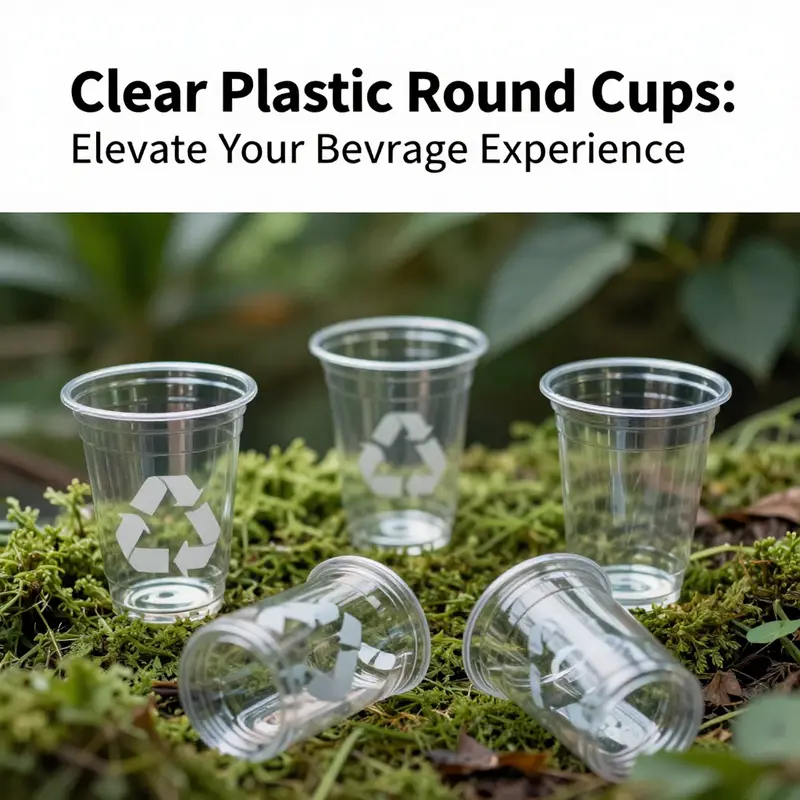
Clear plastic round cups carry a quiet power in modern packaging. Their transparency invites direct visual assessment of the beverage inside, a feature that can support branding and convenience but also raises questions about environmental trade-offs. This chapter traces the lifecycle of these cups from material selection to end-of-life, highlighting where design choices matter for sustainability and where the systems that handle waste matter even more. The goal is not to prescribe a single magic material but to illuminate how choices at every stage interact to shape real-world impacts on ecosystems, climate, and communities.
The most common clear cups rely on polystyrene (PS) or polyethylene terephthalate (PET). Both materials offer clarity, lightness, and adequate durability for busy service environments. Yet both are derived primarily from fossil feedstocks, and their persistence in the environment is a key concern. PS can fragment into small particles, while PET fragments can accumulate in landfills and, if mismanaged, in rivers and oceans. Even when recyclables in theory, the practical recovery of PET depends on local collection yields, separation efficiency, and consumer participation. Contamination and limited processing capacity can significantly reduce actual recycling rates, leaving many cups to end up in landfills or incinerators with variable energy outcomes.
Polypropylene (PP) is another frequent choice, prized for higher heat resistance and reusability in some contexts. PP cups can track hot beverages and sauces, and their lids can offer tighter seals. However, PP’s recyclability is highly dependent on local streams and sorting quality. Where robust recycling infrastructures exist, PP can be redirected into new products; where they do not, the same end-of-life challenges apply as with PS and PET. The sustainability value of PP thus hinges on system-level factors that govern what happens after disposal rather than on material properties alone.
A growing set of alternatives, including polylactic acid (PLA), prompt further nuance. PLA is plant-derived and marketed as compostable under industrial conditions, which could reduce long-term environmental harm when properly managed. But real-world decomposition is tied to the availability of industrial composting networks, correctly sorted streams, and consumer behavior. In settings without appropriate facilities, PLA can behave similarly to traditional plastics, delaying degradation and complicating waste streams. Life-cycle assessments of PLA versus conventional plastics reveal context-dependent results, underscoring that a greener option requires compatible waste-management infrastructure as well as thoughtful product design.
Beyond the material itself, the broader sustainability picture incorporates microplastics, climate impacts of production and transport, and the energy intensity of recycling and recovery processes. A circular vision for cups emphasizes reducing unnecessary consumption, improving recycling quality and access, and promoting designs that enable easier separation and reuse where appropriate. The path forward combines smarter material choices, investment in waste-management systems, and clear communications that help consumers participate correctly in the recovery process. It also invites brands and policymakers to collaborate on standards, labeling, and incentives that support circularity without sacrificing the benefits these cups provide in daily life.
Overall, the environmental story of transparent cups is not about absolutes but about networks of decisions. When material science, waste infrastructure, consumer behavior, and policy align, these cups can continue to meet demand while reducing ecological harm. Readers and practitioners can explore options for greener branding, improved disposal guidance, and partnerships that advance greater circularity. For further context on eco-friendly packaging options and disposal practices, see related resources that discuss best practices in sustainable cup design and end-of-life management: https://cupbowlpack.com/product/senang07-eco-friendly-printed-logo-buy-paper-cup-take-away-coffee-cup/.
Final thoughts
Clear plastic round cups serve a fundamental role in food service, offering functionality, aesthetic appeal, and customization for businesses. By understanding the materials, designs, and sourcing insights, as well as the importance of sustainability, you can enhance your beverage offerings while promoting your brand effectively. These cups not only elevate the customer experience but also align with eco-friendly practices, making them a smart choice for any food and beverage operation. Investing in quality clear plastic cups can transform how you serve your products and engage with your clientele.