
Introduction
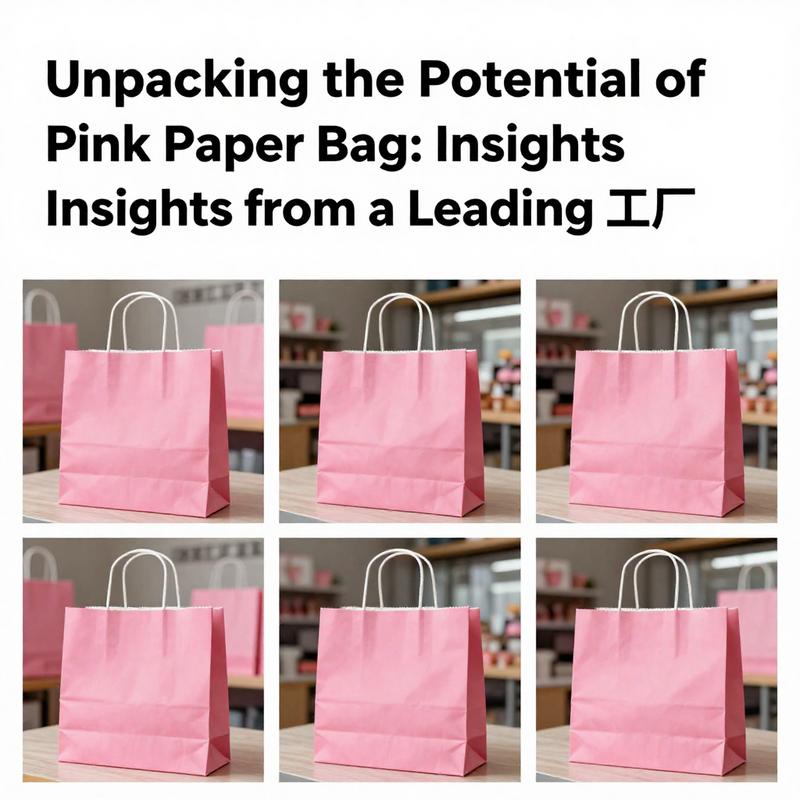
As the demand for unique and attractive packaging continues to grow, the pink paper bags factory in Guangdong, China emerges as a key player in this vibrant market. With its focus on B2B solutions, the factory not only meets the needs of businesses seeking eye-catching packaging options but also embraces sustainable practices. This article unfolds the intricacies of the factory’s operations, from its production techniques and customization capabilities to its contributions to local economies—all centered around the burgeoning trend of pink paper bags. Each chapter delves deeper into a specific facet of the factory’s offerings, providing a comprehensive understanding of how these pink paper bags cater to the evolving preferences of today’s consumers.
Tables of Contents
Chapter 1: Innovative Approaches to Manufacturing Pink Paper Bags
- Harnessing Cutting-Edge Technologies in the Production of Pink Paper Bags
- The Sustainable and Economic Ripple Effect of Production Techniques at the Pink Paper Bags Factory
Chapter 2: Understanding the Rising Popularity of Pink Paper Bags in a Sustainable Future
- Embracing Aesthetic Sustainability: The Demand Surge for Pink Paper Bags
- Embracing Personalization and Sustainability: The Driving Forces Behind Pink Paper Bag Popularity
Chapter 3: Innovative Customization Techniques and Sustainable Solutions in Pink Paper Bag Production
- Unveiling the Synergy of Customization and Sustainability in Pink Paper Bag Manufacturing
- Crafting a Greener Future: Sustainable Customization at the Pink Paper Bags Factory
Chapter 4: Transformative Effects of Pink Paper Bags Manufacturing on Local Economies
- How Pink Paper Bags Production Fuels Job Creation and Supply Chain Innovation
- Transformative Economic Growth and Sustainable Innovation from Pink Paper Bag Production
Chapter 1: Innovative Approaches to Manufacturing Pink Paper Bags
1. Harnessing Cutting-Edge Technologies in the Production of Pink Paper Bags
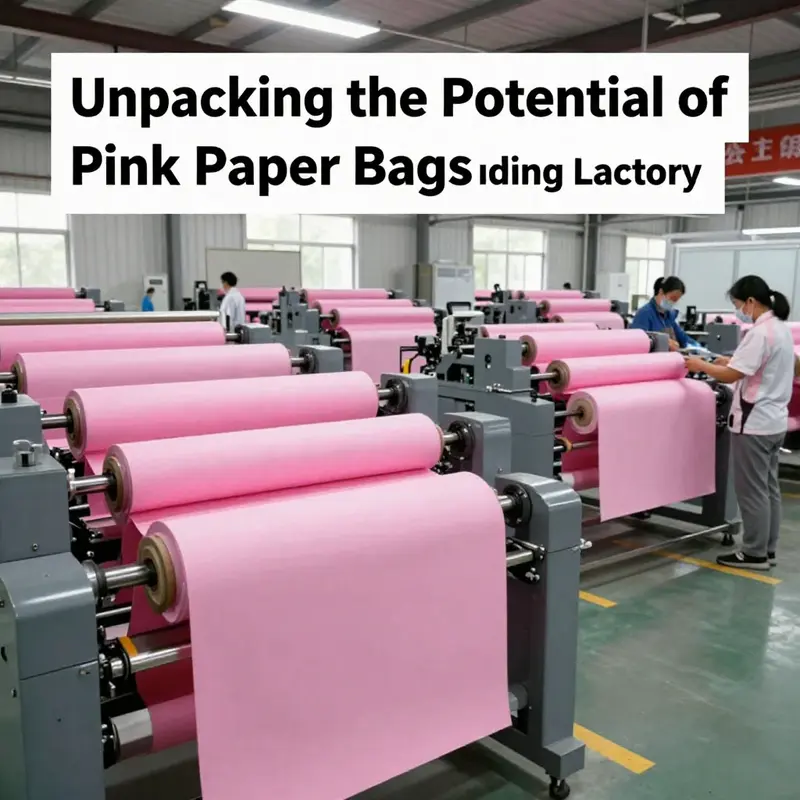
The Pink Paper Bags Factory, nestled in Yiwu, China, stands as a beacon of modern manufacturing practices, strategically embracing advanced technologies to enhance its production techniques. Covering an expanse of 6,600 square meters, the factory is outfitted with state-of-the-art production equipment and operated by a skilled workforce of over 200 experienced professionals. This synergy not only enables efficient management of large scale production but also ensures the delivery of high-quality products tailored to meet the dynamic needs of the market.
At the heart of this factory’s innovative approach is the seamless integration of design software with advanced production machinery. By utilizing Computer-Aided Design (CAD) tools and sophisticated graphic design applications, the factory is able to achieve rapid prototyping. This digital synergy allows designers to create intricate layouts and allows for real-time modifications, which drastically reduces lead times and mitigates potential errors from concept to final product. The outcome is a streamlined workflow that not only enhances design accuracy but also uplifts customer satisfaction by facilitating quicker responses to bespoke order requests.
Moreover, the implementation of smart manufacturing techniques is a crucial aspect of the Pink Paper Bags Factory’s operations. An increasing emphasis on automation complements traditional methods, positioning the factory within the broader context of Industry 4.0. Current research indicates that integrating intelligent systems into manufacturing processes not only boosts efficiency but also aligns with sustainability efforts. The factory’s machinery optimizes material utilization, thereby minimizing waste—a critical consideration given the growing demand for eco-friendly packaging solutions.
For instance, automation technologies such as programmable logic controllers (PLCs) and automated assembly lines aid in optimizing both production speed and product consistency. These innovations facilitate the factory’s ability to produce customized pink paper bags that cater to the specific aesthetic requirements of different retailers and brands. As businesses continue to seek unique and visually appealing packaging, the factory’s advanced approach ensures that it meets these diverse requests while upholding strict quality standards.
Beneath the surface of high-tech machinery and automated processes lies the factory’s commitment to continuous improvement and innovation. Employees are encouraged to engage in ongoing training programs, ensuring they are well-versed in the latest production techniques and technological advancements. This investment in human capital translates into a more efficient workforce capable of leveraging advanced tools effectively, thus enhancing overall productivity.
Moreover, as industry standards evolve, the Pink Paper Bags Factory remains vigilant in adopting new technologies that align with emerging consumer preferences. Recent trends have shown an unprecedented shift towards sustainable packaging alternatives, propelled by consumer demand for eco-friendly products. In response, the factory utilizes recycled materials and biodegradable options when producing pink paper bags. This conscious effort not only aligns with the factory’s operational goals but also resonates with consumers seeking environmentally responsible choices.
The operational impact of these advanced manufacturing technologies is multifaceted. With shorter design and production cycles, the factory achieves a more agile response to market shifts, allowing it to fulfill orders promptly without compromising quality. Businesses that partner with the Pink Paper Bags Factory benefit from a reliable supply chain that embodies flexibility and reliability—a crucial advantage in a market that thrives on trends and changing consumer demands.
Furthermore, the bespoke nature of the products manufactured—ranging from intricate designs to specific material requests—underscores the factory’s ability to provide tailored solutions. Whether catering to retail outlets looking to embody their brand identity through custom branding or responding to the gifting sector’s need for visually appealing packaging, the factory’s infrastructure is well-equipped to meet these unique demands. Such adaptability solidifies the factory’s reputation as a leader in the production of pink paper bags, showcasing its capacity to pivot in response to consumer insights and market research.
As time progresses, the factory continues to explore innovative practices that further enhance its operational framework. This includes optimizing the supply chain logistics to reduce delivery times and maximize customer satisfaction. Integrated inventory management systems remain crucial, with real-time analytics enabling informed decision-making. By monitoring production schedules more effectively and tracking raw materials usage, the factory strives to curtail excess inventories, aligning supply closely with demand.
The emphasis on technological integration is emblematic of the factory’s overarching strategy—not merely to keep pace with global packaging trends but to lead them. The commitment to applying advanced manufacturing techniques doesn’t solely benefit the factory; it translates into significant benefits for its partners. Retailers find themselves equipped with eye-catching and reliable packaging that appeals directly to the aesthetic preferences of their target audience. The ongoing collaboration between manufacturers, retailers, and consumers cultivates a cycle of innovation, fueling the factory’s continuous growth and success.
As a testament to its pioneering methods, the Pink Paper Bags Factory exemplifies how traditional paper bag manufacturing can be transformed through technology. By marrying smart manufacturing principles with an unwavering commitment to quality and sustainability, this factory illuminates the path for future enterprises in the packaging domain. It is in this delicate balance of advanced technology and human ingenuity that the factory thrives, empowering the market to embrace customized, aesthetically pleasing, and eco-friendly packaging solutions, ensuring it remains at the forefront of the ever-evolving landscape.
For businesses looking to elevate their packaging offerings, the factory stands as a key player worth considering. The commitment to advanced manufacturing not only aligns with modern consumer expectations but also reflects a broader shift towards responsible and thoughtful production practices in the packaging industry. This commitment to both technological innovation and sustainability remains vital in crafting packaging that speaks volumes in both form and function.
2. The Sustainable and Economic Ripple Effect of Production Techniques at the Pink Paper Bags Factory
In the bustling manufacturing landscape of Guangdong, China, the pink paper bags factory exemplifies the intersection of sustainability and economic impact through its innovative production techniques. As global consumer interest leans heavily toward environmentally responsible products, this factory stands at the forefront of revolutionizing packaging methods to embrace both ecological responsibility and market efficiency. The unique production processes not only satisfy the aesthetic demands of businesses seeking custom pink paper bags but also resonate with a larger movement toward sustainable solutions, ensuring both profitability and compliance with emerging environmental standards.
Key Sustainable Innovations
At the heart of the factory’s operations lies a commitment to sustainability, driven by key innovations in material and production technology. The use of recycled fibers has become a cornerstone of their approach, allowing the factory to reduce waste while providing high-quality packaging options. This methodology ensures that the sourcing of raw materials has a minimized carbon footprint, appealing to businesses focused on brand value that aligns with eco-friendly philosophies. Additionally, the incorporation of biodegradable coatings provides a significant advantage. These coatings protect the integrity of the paper bags while ensuring that once disposed of, they break down naturally, rather than contributing to the global waste crisis.
The factory also utilizes plant-based inks, eliminating harmful solvents and reducing overall toxicity in their products. This conscious choice illustrates a commitment not only to sustainability but to customer safety, winning over conscientious brands that prioritize consumer health. With these innovations, the factory positions itself as a leader in sustainable packaging solutions, attracting businesses that are increasingly demanding transparency and responsibility in their supply chains.
Economic Strategies and Market Dynamics
From an economic perspective, the pink paper bags factory in Guangdong operates within a strategic framework that promotes both efficiency and profitability. China’s manufacturing hubs, especially in regions like Guangdong, leverage regional specialization. This favorable environment is characterized by standardized supply chains and local access to premium materials. The factory benefits from low production costs, thanks in part to economies of scale, which allow them to offer competitive pricing without compromising quality. For example, by maintaining robust partnerships with local suppliers for both recycled materials and specialized inks, they can reduce lead times and production costs substantially.
Just as economically advantageous is the factory’s strategic positioning within a network of production sites. Consider the nearby Hebei Province, known for its numerous paper mills. This proximity not only lowers logistics costs but also enhances operational agility. For B2B clients who may place large-volume orders, such efficient sourcing is critical. By significantly reducing lead times—sometimes by up to 30% due to vertical integration—the factory assures their clients of timely deliveries while navigating an increasingly fluctuating market.
Moreover, the demand for customizations, such as precise Pantone color matching for pink shades, has opened doors for luxury brands to command higher margins on their products. This niche market creates room for innovation, allowing the factory to offer precision printing and finishing options like embossing or foil stamping. The appeal of luxury packaging in vibrant colors, such as pink, caters to a diverse clientele that includes boutiques, event planners, and themed retailers, further broadening the factory’s economic reach.
Creating a Circular Economy
The factory’s production techniques are not only designed for efficiency, but they also advocate for a circular economy model, which emphasizes the lifecycle of products and materials. Working alongside innovations aligned with circularity, companies like BOBST advocate for continuous improvement in processes that integrate recycling and reuse at every stage of production. This not only supports environmental objectives but empowers manufacturers like the pink paper bags factory to sustain their economic viability amidst rising operational costs.
In this context, the factory has adopted smart technologies to optimize its operations, effectively balancing sustainability with productivity. For instance, their inventory management systems help identify excess materials that can be recycled back into production, minimizing waste. This strategy not only reduces costs but enhances brand reputation by marketing products as genuinely more sustainable due to reduced resource use.
Collaborative Models for Sustainable Growth
Furthermore, the factory engages in collaborative models that involve sharing best practices within the industry and local community. By partnering with other producers and local governments, they influence broader adoption of sustainable practices across the manufacturing sector. Workshops and information exchanges create a ripple effect, encouraging smaller manufacturers to implement eco-friendly measures while benefiting from shared resources and knowledge.
This cooperative spirit is essential in a challenging economic environment, where shifting consumer expectations towards ‘greener’ products require rapid adaptation. The growing emphasis on sustainability is not only affecting production techniques within the factory but also inspiring a larger community response that aligns with global efforts for a better environment.
Conclusion
Ultimately, the operations of the pink paper bags factory in Guangdong illustrate a sophisticated interplay between sustainable practices and economic benefit. As the demand for eco-friendly packaging continues to soar, the factory’s commitment to innovation enables it to thrive in a competitive market while fulfilling a crucial role in promoting environmental stewardship. The strategic decisions made today not only strengthen its business but contribute to the evolution of packaging solutions that consumers increasingly expect. For businesses seeking to source sustainable packaging, the factory represents a beacon of eco-conscious manufacturing poised to meet the challenges and opportunities of the future.
For more insights into the broader trends towards sustainable packaging solutions, explore options available at Cofe-Cup.
Chapter 2: Understanding the Rising Popularity of Pink Paper Bags in a Sustainable Future
1. Embracing Aesthetic Sustainability: The Demand Surge for Pink Paper Bags
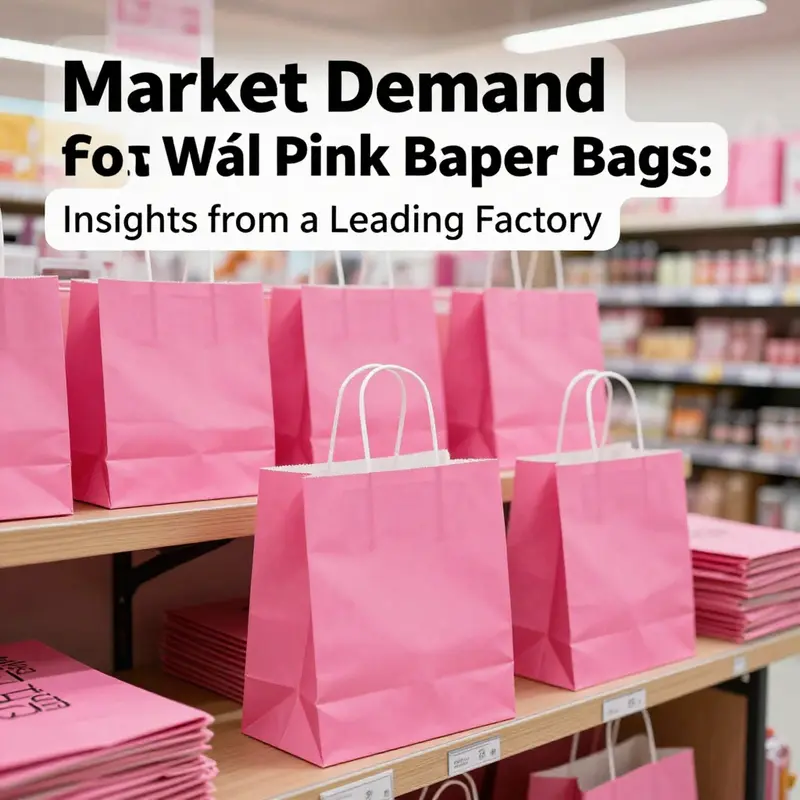
The surge in demand for pink paper bags is a captivating case study that intertwines evolving consumer preferences, environmental consciousness, and the cultural significance of color in packaging. As societies embrace more eco-sensitive practices, the aesthetics of packaging have not only retained their importance but have also evolved into a central selling point. In recent years, pink, a color often associated with charm, compassion, and warmth, has emerged as a standout choice in the retail and gifting sectors, radically transforming how brands present their products.
The pivot towards sustainable packaging solutions, particularly in regions with rapidly growing economies like China, is pivotal for understanding the upsurge in pink paper bags. As businesses endeavor to align with global sustainability directives, the necessity for eco-friendly materials takes center stage. Manufacturers are responding to this demand through conscientious production methods that champion biodegradable materials and recyclable alternatives. In this context, pink paper bags are no longer mere carriers; they symbolize brands’ commitment to responsible consumption.
A primary driver of this trend is revealed in consumer preferences that have evolved dramatically over the years. Research shows that during specific occasions—such as Valentine’s Day, Mother’s Day, and wedding seasons—demand peaks for customizable packaging that conveys affection and special significance. Pink paper bags, when adorned with unique designs and personal touches, such as customized logos or printed messages, become an essential element of gifting experiences. They not only serve as packaging but also form an integral part of their recipients’ special moments, thus enhancing the emotional weight of the gift itself.
To meet this demand, manufacturers are leveraging advanced material technologies. Pink paper bags offered by factories in regions like Guangdong, China, are produced using high-quality materials, such as 300gsm art paper, known for its robustness and durability. This durability ensures that the bags can be reused multiple times, stretching the value of their production and keeping sustainable practices at the forefront. Moreover, compliance with strict environmental standards, such as Extended Producer Responsibility (EPR) in Germany and France, signifies the bags’ alignment with globally recognized sustainability initiatives.
Customization options further amplify the appeal of pink paper bags. The ability to incorporate hot stamping, embossing, or even textured finishes allows brands to communicate their identities effectively while appealing to a wide array of customer demographics. Emotionally resonant branding takes center stage as companies begin to understand that consumer loyalty is heavily influenced by emotional connections; custom pink paper bags are an ideal medium for forging these connections. Emotional branding is no longer about sending mere marketing messages; it is about creating profound relationships between consumers and their products.
The luxury retail sector exemplifies this evolution, where packaging is meticulously curated to reflect brand identity while endorsing sustainability. High-end fashion brands and cosmetic companies are increasingly enforcing packaging that not only delivers aesthetic appeal but also prioritizes environmental responsibility. The increase in demand for pink paper bags in this sector confirms a shift where visual allure and eco-friendliness go hand in hand, compelling brands to innovate continuously and prioritize sustainable materials in their packaging strategies.
Emerging market trends underscore this narrative of eco-consciousness. Businesses are not just responding to consumer preferences; they are actively influencing them. Through strategic marketing campaigns that emphasize the importance of sustainability, many brands are successfully steering consumers towards conscious choices. In this new narrative, pink paper bags serve dual purposes: they are a fashionable choice and a responsible one, resonating with consumer desires for both beauty and integrity in their purchases.
The global landscape of manufacturing also plays a critical role in this trend’s growth. China, particularly Guangdong, has established itself as a cornerstone in the international supply chain for customizable, high-quality paper bags. Procurement professionals in the industry are increasingly recognizing the distinct advantages that come with working closely with local manufacturers. The accessibility to scalable production capabilities, specialized expertise, and the ability to achieve fast turnaround times means businesses can swiftly adapt to changing market demands without compromising on quality. As regions like Guangdong continue to bolster their manufacturing prowess, opportunities for partnerships in sustainability-driven practices will grow, ensuring that the market for pink paper bags remains robust and innovative.
In conclusion, the remarkable ascent of pink paper bags epitomizes a broader cultural transition where aesthetics meet sustainability. This phenomenon reflects an essential shift in how brands not only address consumer preferences but also how they embrace ecological responsibilities. As companies innovate and respond to this burgeoning demand, the intersections of design, eco-friendliness, and emotional sentimentality continue to redefine the landscape of packaging solutions. With manufacturers reporting a thriving market and consumers increasingly championing sustainability, the pink paper bags factory is not just serving a niche; it is at the forefront of a larger movement towards responsible consumption and aesthetically gratifying experiences.
By investing in sustainable choices, brands can leverage the emotive potential of pink paper bags to foster lasting consumer relationships while benefiting from aligning with prevalent market trends. Those interested in exploring these opportunities further can look into the comprehensive guidelines available at resources that detail customizable options for pink paper bags and innovative manufacturing techniques, ensuring that their offerings meet both market demand and environmental goals.
2. Embracing Personalization and Sustainability: The Driving Forces Behind Pink Paper Bag Popularity
The market for pink paper bags is rapidly evolving, fueled by a shifting landscape in consumer preferences that places an emphasis on customization, aesthetics, and environmental responsibility. As businesses across various sectors tap into the significance of packaging as a crucial facet of branding, pink paper bags have emerged as a preferred choice. The appeal of these bags strikes a chord with consumers seeking not only a practical solution for their purchases but also a visual and emotional connection to the brands they support.
The importance of customization in today’s retail environment cannot be overstated. In this age of personalization, companies are recognizing the need to differentiate themselves from competitors. Custom pink paper bags are a perfect canvas for businesses to unleash creative branding strategies. Retailers, particularly those in the beauty, fashion, and gift sectors, are embracing features like custom prints, embossed logos, and unique designs that reflect their brand identity. This approach allows them to engage consumers in a deeper way, transforming the unremarkable act of carrying a purchase into an extension of the consumer’s personal style and preferences. For instance, during special seasons such as Valentine’s Day, tailored bags featuring romantic motifs and slogans become vital marketing tools that encourage gifting and enhance customer loyalty.
Moreover, the operational logistics behind pink paper bags showcase the flexibility offered by manufacturers, particularly those based in regions like Guangdong, China. These factories specialize in facilitating a variety of customizable options to meet diverse business needs, ranging from low Minimum Order Quantities (MOQs) to advanced printing techniques. This accessibility allows even small businesses to capitalize on the trend without excessive upfront costs, making custom pink paper bags a viable solution across the marketplace.
An essential aspect driving the surge in demand for pink paper bags is the increasing consciousness regarding sustainability. Modern consumers are becoming more ethically driven, placing a considerable emphasis on eco-friendly practices in their purchasing decisions. The contemporary pink paper bag often utilizes materials that not only meet durability standards but also boast eco-friendly credentials. Utilization rates of 300gsm art paper, known for its sturdiness and ability to support loads while remaining fully recyclable and biodegradable, underscore this shift towards sustainable materials. As brands strive to present themselves as environmentally responsible, these paper bags serve dual purposes: facilitating effective packaging solutions while aligning with the growing consumer demand for sustainability.
The intersection of aesthetic appeal and eco-friendly materials also provides businesses with an opportunity to narrate compelling brand stories. By choosing vibrant pink hues for their packaging, brands draw attention and foster visual associations that resonate emotionally with consumers. This color symbolism, often linked to notions of love, femininity, and joy, positions pink paper bags as potent tools for gathering customer attention in retail environments. Consequently, businesses are not merely providing a product; they are delivering an experience that resonates with the consumer on a personal level.
Furthermore, the rise of digital marketplaces has changed the way businesses source custom packaging materials. Platforms like Alibaba have revolutionized access to suppliers, enabling enterprises to acquire personalized pink paper bags suited to their specific branding strategies with efficiency. Features such as reusable handles and options for luxury finishes like hot stamping are highly sought after, as these elements not only elevate the visual quality of the packaging but also signal a commitment to quality craftsmanship—a feature that consumers increasingly appreciate.
As we delve into the consumer psyche, one can observe a broader trend: the desire for brands to establish emotional connections with their audience. Today’s shoppers are more likely to champion brands that align with their values and reflect their identities. Pink paper bags, in their myriad designs and eco-conscious materials, provide that elusive ‘something special’ that consumers seek. By capturing attention through their playful colors, these bags evoke feelings of joy and celebration, turning an ordinary shopping experience into a memorable occasion. Ultimately, this emotional core is fostering brand loyalty that extends far beyond the transaction itself.
The marriage of sustainability and branding through pink paper bags also highlights strategic marketing insights. Businesses are recognizing that their packaging does not merely house products but serves as a crucial communication tool. When a customer encounters a beautifully designed pink paper bag, they are likely to associate the aesthetic with their overall experience of the product and brand. This environment of emotional engagement allows corporations to cultivate a loyal customer base that appreciates the thoughtfulness and creativity behind their purchases.
The implications of these developments are far-reaching. As the demand for pink paper bags continues to rise, businesses are being urged to innovate continuously. The focus is shifting towards identifying novel ways of integrating customization with sustainable practices while enhancing the emotional resonance of their products. With a landscape that increasingly values personal connections and collective responsibility, brands that embrace these trends stand to benefit significantly.
In conclusion, the flourishing market for pink paper bags illustrates a fascinating shift in consumer behavior that favors personalization, sustainability, and emotional branding. Companies can leverage these evolving preferences to create packaging that not only meets practical requirements but also connects with consumers on a deeper level. As businesses embark on this journey of exploration, the pink paper bags factory stands out as a critical partner in navigating this transformative landscape, ensuring that every bag tells its own story. Thus, as brands move forward, the promise of pink paper bags extends beyond mere packaging—it embodies a brand’s commitment to creativity, quality, and sustainability, fostering lasting relationships with consumers around the globe.
Chapter 3: Innovative Customization Techniques and Sustainable Solutions in Pink Paper Bag Production
1. Unveiling the Synergy of Customization and Sustainability in Pink Paper Bag Manufacturing
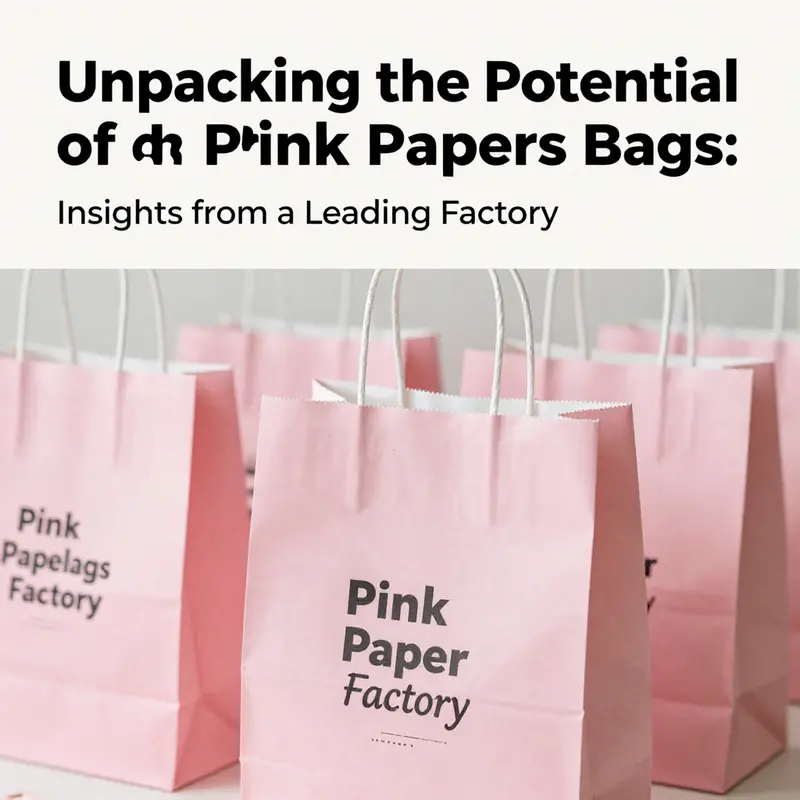
The Pink Paper Bags Factory is at the forefront of a fascinating intersection between personalization and environmental stewardship, achieving remarkable growth through a combination of technical innovations and sustainable practices. As consumer demand evolves, particularly for packaging that reflects unique branding and an eco-friendly ethos, this Guangdong-based factory exemplifies how modern manufacturing techniques can be aligned with sustainability goals to cater to the acute interests of businesses and consumers alike.
At the heart of this synergy lies advanced customization technologies that enable the factory to offer clients an array of options tailored to their specific needs. This includes not just simple color selection but sophisticated design capabilities that allow companies to craft a packaging experience that resonates with their brand identity. With the implementation of high-speed digital and gravure printing technologies, manufacturers can now achieve near-perfect color reproduction and detail, ensuring brand consistency across various products.
For instance, the technological advancement has empowered brands to utilize precise Pantone color matching, ensuring that their logo appears vibrant and true to their thematic essence, whether it is for promotional events or limited-edition releases. Moreover, the Polish surface treatment processes such as embossing and gold stamping enhance the tactile quality of these paper bags, resulting in a luxurious feel that appeals to the high-end market. By transforming packaging into a canvas for brand storytelling, the pink paper bags offered by this factory do more than just fulfill a functional role; they become instrumental in creating memorable consumer experiences.
Additionally, the factory embraces the concept of one-stop ODM/OEM services, which streamline the production process from initial design concepts to full-scale manufacturing, allowing clients to be actively involved at every stage. This collaboration fosters a deeper integration of branding into packaging solutions, resulting in bags that serve diverse purposes ranging from enticing gift packaging for holidays to stylish carriers for boutique store offerings. With this level of customization, pink paper bags transcend their traditional use as mere containers, becoming integral elements in a brand’s marketing and sales strategies.
Equally important to this innovative approach to customization is the commitment to sustainable production practices. Recognizing the growing consumer preference for eco-friendly packaging solutions, the factory has implemented numerous initiatives that prioritize environmental responsibility. Sustainable practices are not merely an add-on; they form the backbone of the factory’s operational philosophy. The use of recycled fibers as primary materials, complemented by biodegradable coatings and plant-based inks, significantly reduces the overall carbon footprint of each produced bag.
Such efforts align with global packaging regulations, particularly in regions with strict environmental guidelines. The factory’s best-selling products have been certified for compliance with the Extended Producer Responsibility (EPR) regulations prevalent in several European markets, including Germany and France. This compliance assures that the paper bags can be recycled efficiently at the end of their life cycle, thereby allowing brands to confidently market their products as environmentally friendly.
The logistical strategies deployed by the Pink Paper Bags Factory further enhance its sustainable agenda. By adopting a vertical integration approach, the facility integrates raw paper production and final package manufacturing in close geographical proximity. This configuration minimizes the distances that materials need to be transported, drastically cutting down transportation-related emissions and enhancing resource efficiency. Consequently, the streamlined supply chain reduces production lead times, enabling rapid market responsiveness while also limiting environmental impact. Such methods not only accelerate production cycles but demonstrate an innovative approach to managing resources thoughtfully.
Through these innovations, the factory has redefined the role of pink paper bags within the retail and packaging landscape. Gone are the days when functionality was the sole consideration for packaging; now, aesthetics, sustainability, and brand identity go hand-in-hand. Pink paper bags have evolved into powerful marketing tools, capturing consumer attention with their unique designs while reinforcing a commitment to eco-friendliness.
Moreover, these advancements resonate with the perceptive consumer who is increasingly aware of their purchasing choices and their associated environmental impacts. Offering a product that is not only visually appealing but also sustainable aligns with the modern consumer’s values, enhancing brand loyalty among target demographics. As such, the factory positions itself as more than just a manufacturer; it is a partner in the brand storytelling journey, delivered through visually striking and ecologically considerate products.
In summary, the Pink Paper Bags Factory is evolving into a model of how advancements in digital technology and a commitment to sustainability can form a powerful narrative of responsibility and innovation. The core competitiveness of these facilities lies in their ability to fuse customization capabilities with environmental considerations, all while crafting solutions that meet the dynamic needs of a diverse clientele. Thus, pink paper bags are no longer just about carrying products; they now carry forward messages of creativity and responsibility into the marketplace—evidence that packaging can contribute positively to branding while adhering to a sustainable ethos.
This factory’s guiding principles reflect a conscientious effort towards not only meeting current consumer expectations but also anticipating future trends that prioritize both individuality and ecological mindfulness in packaging design. As the industry progresses, the Pink Paper Bags Factory continues to lead in this crucial area, showcasing the viable melding of innovation and sustainability, paving the way for a more responsible manufacturing future.
For those exploring further sustainable packaging options, consider examining various projects highlighting eco-friendly and customizable solutions at senang custom eco-friendly packaging.
2. Crafting a Greener Future: Sustainable Customization at the Pink Paper Bags Factory
In the heart of Guangdong, a region renowned for its manufacturing prowess, the pink paper bags factory exemplifies a revolution in how packaging can be both beautiful and sustainable. As consumer preferences shift toward unique and aesthetically pleasing products, the demand for customized pink paper bags has surged. This transformation is not merely superficial; it reflects a deeper commitment to eco-friendly practices that align with the growing environmental consciousness across global markets. Companies and consumers alike are embracing packaging solutions that do not just serve their immediate needs but also resonate with their values of sustainability and corporate responsibility.
At the core of this factory’s operation is a pioneering approach to sustainable material innovation. Traditional ideas of packaging are rapidly evolving as manufacturers recognize the importance of using materials that minimize environmental impact. Many now utilize 100% recycled kraft paper sourced from certified forests, ensuring that their products are biodegradable, recyclable, and reusable. This commitment to using responsible materials resonates particularly well in markets such as Europe, where regulatory frameworks impose strict sustainability requirements. For instance, several suppliers in the region have secured certifications compliant with the Extended Producer Responsibility (EPR) regulations of Germany and France, clearly demonstrating their adherence to eco-friendly standards throughout the entire lifecycle of the product.
As part of this sustainable ethos, the factory has made significant strides in minimizing the use of toxic materials throughout its production process. By adopting plant-based dyes and water-based inks, which are increasingly replacing synthetic alternatives, the factory restricts toxic emissions not only in the manufacturing phase but also when the products reach disposal. This innovative approach showcases how industry leaders are challenging the status quo, reducing their carbon footprints while producing packaging that retains high aesthetic value.
Furthermore, the factory’s customization capabilities have advanced significantly, offering businesses a wide array of choices that extend beyond basic adjustments such as logo printing. Modern technologies allow for Pantone-specific color matching, ensuring that this vibrant pink shade precisely meets branding requirements for sectors that thrive on visual identity, like cosmetics and luxury retail. The available options include an impressive array of advanced finishing techniques such as hot stamping, embossing, and foil stamping, each adding a premium look to the bags while ensuring the materials remain environmentally friendly. This fusion of aesthetics and responsibility permits brands to convey their messages effectively without compromising their commitment to sustainability.
Addressing diverse market needs, factory suppliers in Guangdong and Zhejiang have emerged as leaders, equipped to handle mid-to-large volume orders with rapid digital and offset printing techniques. Their ability to deliver customizations quickly allows businesses to respond promptly to market demands while minimizing delays in delivering finished products to customers. In contrast, manufacturers in Jiangsu have carved out their niche by catering to high-end markets, offering meticulously crafted bags with rigid board construction and intricate designs. This variety of offerings illustrates how packaging can serve its functional purpose while simultaneously enhancing the unpackaging experience for consumers.
The factory’s dedication to customization doesn’t end with aesthetics. Sustainable practices are embedded into logistical operations, where some suppliers engage in vertical integration, which involves processing raw pulp into finished bags within a short radius. This operational model significantly reduces transportation emissions while shortening delivery lead times by up to 30%. Such efficiencies indicate that sustainability and operational effectiveness are not mutually exclusive; rather, they can enhance each other, creating a win-win scenario for both manufacturers and their customers.
Through these innovations, the pink paper bags factory emerges not just as a manufacturer, but as a force shaping the direction of consumer packaging. By committing to reduced environmental footprints and empowering brands with customizable solutions that echo their ethical values, the factory’s operations represent a broader trend in the sustainable packaging industry. It highlights a collective understanding that packaging is not merely a functional necessity but an integral component of a brand’s identity and sustainability story.
As a direct response to the evolving landscape of consumer expectations, businesses can find that the integration of sustainable principles into manufacturing does not compromise – it enhances. Brands that partner with suppliers who share their commitment to environmental responsibility are not just preserving the planet for future generations; they are also ensuring their relevance in a competitive market increasingly defined by conscious consumerism.
In conclusion, the pink paper bags factory stands at the intersection of two powerful currents: customization and sustainability. This synergy drives innovation in design and functionality, ensuring that every pink paper bag produced resonates with the values of brands and consumers alike. For those looking to lead in the sustainable packaging narrative, the options available offer not only aesthetic appeal but also a story worth sharing, one that encapsulates commitment, responsibility, and forward-thinking practices.
Chapter 4: Transformative Effects of Pink Paper Bags Manufacturing on Local Economies
1. How Pink Paper Bags Production Fuels Job Creation and Supply Chain Innovation
The production of pink paper bags, particularly from specialized manufacturing hubs such as those found in Guangdong and surrounding provinces in China, creates a profound economic ripple effect. This effect extends beyond merely providing packaging solutions for businesses; it nurtures job creation and fosters advancements in supply chain dynamics. The fascinating interplay between these factories and their local economies illustrates that the demand for visually appealing, environmentally friendly packaging does much more than meet consumer desires—it significantly uplifts surrounding communities and industries.
Employment Generation
At the core of the economic impact is the job creation fostered by these factories. The direct employment opportunities offered range from machine operators managing the numerous production lines to quality control specialists ensuring that every batch maintains the highest standards of excellence. Design personnel play a vital role in crafting the unique aesthetics that attract buyers, while logistics staff facilitate the efficient distribution of finished products.
Yet, the benefits extend beyond the immediate employment within the factories. The pink paper bags manufacturing ecosystem also stimulates significant indirect job creation in various supporting sectors. Industries such as pulp processing, printing, and transportation become intricately linked to factory operations. For instance, local pulp providers thrive as demand surges for the raw materials crucial for production. This interconnected employment structure ensures that as the pink paper bag factory grows, it also nurtures the wider employment landscape.
Supply Chain Dynamics
The operational model of these factories frequently showcases a high level of vertical integration, where multiple stages of the manufacturing process occur in close physical proximity. For example, the pulp preparation often happens mere kilometers from where the bags are produced, facilitating a rapid turnaround that can reduce lead times by nearly 30%. This geographical advantage not only improves operational efficiency but also enhances local supply chain responses to global demand spikes.
Being part of this integrated supply chain allows manufacturers to speedily adapt to trends and market changes. As consumers increasingly desire sustainable packaging options, the agile production capabilities of these hubs make them nimble players, ready to adjust inventories and production runs in real time. The resulting ability to meet global customer needs primes these factories for competitiveness in international markets—essential for surviving and thriving in today’s interconnected global economy.
Market Trends and Innovations
One of the prominent trends driving demand is the consumer shift towards eco-friendly packaging solutions. Pink paper bags made from sustainable brown kraft paper, enhanced through various dyeing methods, cater to this niche. Innovations such as biodegradable coatings and custom printing technologies have emerged as vital components of production. The collaboration between factories in Guangdong and regional partners in Fujian, notably cities like Fuzhou and Xiamen, has birthed remarkable logistical efficiencies. Here, proximity to major transportation ports facilitates the handling of large-volume orders while adhering to international standards for hues, textures, and design layouts.
Such regional concentration of resources and manufacturers establishes these areas as crucial players within the global sustainable packaging market. At the heart of this innovation is a commitment to quality and sustainability, complemented by rigorous adherence to certifications that reflect a factory’s dedication to environmentally responsible practices.
Production Capacity and Economic Resilience
The production capacities observed in Guangdong and Zhejiang provinces stand as a testament to the industry’s robustness. Capable of producing anywhere from 500,000 to over 5 million units monthly, these factories are dialed into fulfilling the high-volume requests from both domestic and international markets without sacrificing quality. The implementation of integrated production practices ensures a harmonious workflow that manifests in exemplary outputs.
Local economic resilience stands to gain tremendously from these operations. The interconnected networks fostered through the need for specialty components—such as biodegradable materials and eco-friendly ink formulations—result in a thriving community of small- and medium-sized enterprises (SMEs) that specialize in these niches. For instance, in growing markets like Kollam, India, the local demand for eco-conscious packaging has led businesses to increasingly depend on international suppliers, particularly those that can provide scalable, dependable solutions swiftly.
This symbiotic relationship induces a collaborative spirit among businesses, reinforcing operational transparencies and reliability. Major suppliers often report on-time delivery rates surpassing 97%. The reorder rates, often exceeding 20%, speak volumes about buyer satisfaction. Through these connections, the economic engagement is neither short-lived nor superficial, but rather denotes a robust partnership that harbors great potential for future growth.
Conclusion
In conclusion, the manufacturing of pink paper bags emerges as a genuine economic catalyst. It propels sustained employment growth, nurtures resilient supply chains, and sparks innovations driven by sustainability imperatives. Through production practices and the relationships cultivated with surrounding communities, the pink paper bags factory not only meets a burgeoning consumer demand but also positions itself as an integral player in shaping the economic futures of local industries. This scenario reflects the broader trends towards responsible consumption, identifying key manufacturing regions in China—and, increasingly, in various emerging markets—as indispensable nodes in the expansive network of the international green economy. The marketplace is not just about sales; it is about creating opportunities, connections, and pathways for doing business that benefit everyone involved. As such, the impact of these factories is profound, laying the groundwork for a sustainable and economically vibrant future through the art of packaging, where aesthetics meet responsibility in the dynamic dance of global commerce.
For companies looking to embrace attractive yet sustainable packaging options, efforts towards combining efficiency in production with creativity are key. To explore more eco-friendly packaging solutions, consider various options available on sustainable packaging platforms that cater to diverse production needs.
2. Transformative Economic Growth and Sustainable Innovation from Pink Paper Bag Production
The operations of the pink paper bags factory in Guangdong not only reflect a burgeoning niche in sustainable packaging but also illustrate its profound economic impact on surrounding local industries. Unlike traditional manufacturing that often relies on outdated processes, this factory incorporates modern practices that prioritize both profitability and ecological responsibility, paving the way for a more adaptive and resilient regional economy.
At the heart of this transformation lies the promise of job creation. Factories such as this have become pivotal in reducing unemployment rates within their locales. The comprehensive employment spectrum extends beyond just factory floor positions. Opportunities range from managerial roles overseeing production schedules to skilled jobs in digital printing and logistics. Each new job contributes to an economic uplift, instilling a sense of community and stability which reinforces the factory’s reputation as a responsible corporate citizen.
Moreover, pink paper bag production catalyzes ancillary industries, creating a ripple effect across various sectors. The demand for raw materials requires a robust supply chain that includes pulp processing plants, local transport services, and digital printing enterprises. Companies that supply these essential components experience growth and development as a result. For instance, businesses focused on sustainable materials are given the chance to flourish alongside their paper bag counterparts, further emphasizing a collaborative ecosystem that prioritizes local sustainability.
Another noteworthy contribution to the regional economy comes from the enhancement of export capabilities. Proximity to major trading ports such as Shenzhen facilitates smooth logistics and efficient shipping operations. This geographical advantage ensures that pink paper bags can be delivered quickly and cost-effectively to international markets, thus positioning the factory as a key player in global trade. By aligning with international sustainability trends, the factory increases its attractiveness to global buyers seeking eco-friendly packaging alternatives.
Production techniques at the pink paper bags factory leverage vertical integration, a business model that allows for greater efficiency. This approach, which brings raw material sourcing, production, and distribution under one roof, can reduce lead times by as much as 30%. Such efficiency not only streamlines operations but also impacts the bottom-line profitability of businesses linked to this manufacturing process. Consequently, as local suppliers reap benefits from enhanced production schedules, they themselves become more competitive within the global marketplace.
The rising demand for sustainable packaging has forged an innovative standard within the factory. This trend is marked by the adoption of eco-friendly practices that prioritize sustainable sourcing—response to consumer preferences that increasingly lean toward environmentally responsible brands. The factory’s utilization of certified brown kraft paper coated in soft pink dyes positions it within the broader narrative of sustainability. This creative interplay of aesthetics and responsibility enhances product appeal, bridging the gap between form and function.
Consumer preferences indicate a growing recognition that packaging is more than just a vessel for goods; it acts as a statement of values. As businesses pivot towards reducing plastic waste, the production of pink paper bags offers a stylish, minimalistic solution that allows retailers to communicate their commitment to environmental stewardship. Not only do these bags serve perishable goods, but they also resonate emotionally with consumers, enhancing brand loyalty as purchases become entwined with community values.
From a broader perspective, these manufacturing operations contribute to long-term economic growth. By embedding sustainable practices into their operational ethos, the pink paper bags factory lays the groundwork for enduring industrial progression. This focus on sustainability enhances regional resilience as it adapts to both market fluctuations and ecological considerations. As communities encounter challenges posed by climate change and economic pressures, industries built upon sustainable methodologies stand poised to thrive in increasingly uncertain environments.
Moreover, as global awareness of environmental issues continues to rise, the factory positions itself as a champion of sustainability within the packaging sector. This alignment with contemporary ethical standards not only attracts consumers but also garners respect from business partners and regulatory bodies. The willingness to adopt sustainable manufacturing processes not only enhances the factory’s reputation but also elevates China’s packaging industry as a leading force in green innovation globally.
In essence, the impact of the pink paper bags factory extends well beyond its production capabilities. It serves as a microcosm of how targeted industry operations can stimulate local economies, drive sustainable practices, and foster community resilience. The factory’s approach to production creates an intersection where local needs and global demands collide, shaping a new narrative around the economic potential of sustainable manufacturing. By embracing this model, other industries can glean valuable insights into how a commitment to eco-conscious practices can serve as a formidable catalyst for economic and social progress in the modern age.
Engagement with these manufacturing concepts presents an opportunity for businesses aiming to resonate with today’s conscious consumer. To delve further into sustainable material choices, a great starting point is exploring options such as customized eco-friendly packaging solutions, which allow companies to align their brand with the environmental aspirations of consumers.
Final thoughts
The pink paper bags factory in Guangdong exemplifies how innovative packaging meets growing consumer demands for style and sustainability. As explored in each chapter, the factory’s production techniques, attention to market trends, commitment to customization, and positive economic impact resonate deeply with business owners looking for reliable packaging solutions. By integrating these insights, businesses can make informed decisions that enhance their brand value and environmental responsibility, leading to increased customer satisfaction and loyalty.
Choose our reliable disposable tableware and packaging solutions for your business. We offer quality products that meet safety standards, with fast delivery and flexible options. Partner with us today to elevate your service – contact our team now for a tailored quote!
About us
We specialize in manufacturing and supplying disposable tableware, packaging paper, and boxes. With years of experience, we prioritize safety, durability, and eco-friendly practices. Our goal is to provide businesses with trusted, cost-effective solutions backed by responsive customer support.