
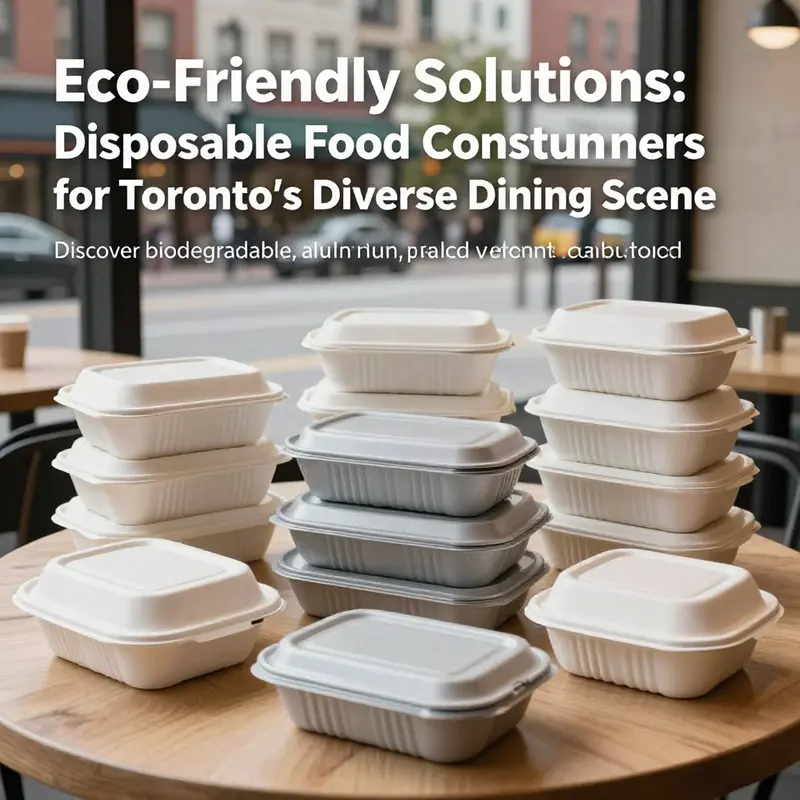
In Toronto’s bustling culinary landscape, the demand for reliable and eco-friendly disposable food containers is on the rise. Whether you run a bubble tea shop, manage a bustling restaurant, or operate a catering service, choosing the right containers can significantly enhance customer satisfaction while aligning with environmental goals. This article delves into various types of disposable food containers available in Toronto, examining their unique features and applications, making it easy for food service businesses to find the best solutions for their needs. Each chapter will provide valuable insights into biodegradable sugarcane containers, aluminum takeout options, versatile plastic storage containers, and rectangular food boxes, ensuring that you are well-informed when making these essential purchases.
From Bagasse to Toronto Tables: Biodegradable Sugarcane Meal Boxes and the City’s Drive Toward Cleaner Takeout
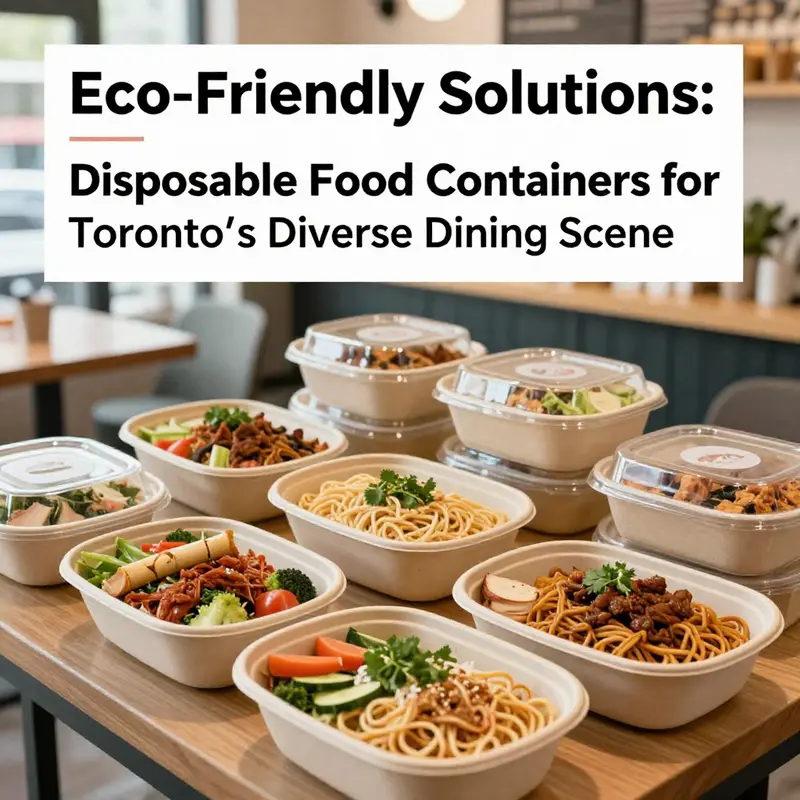
In the bustle of Toronto’s dining scene, where takeout and delivery have become a daily rhythm for residents and visitors alike, a quiet revolution is taking shape under the lid of a biodegradable sugarcane bagasse meal box. These containers are not just new packaging; they are a bridge between the needs of a vibrant food culture and the city’s ambitions to reduce plastic waste. Sugarcane bagasse, the fibrous residue left after extracting juice from sugarcane, serves as the primary raw material. It is blended with other plant fibers to form a robust, molded shell that can withstand the rigors of hot meals, oily sauces, and the jostling of last‑mile delivery. The result is a disposable container that offers water resistance, strength, and a pathway toward end‑of‑life options beyond landfilling. For Toronto operators seeking a practical, scalable alternative to traditional plastics, bagasse boxes present a compelling option that aligns with both customer expectations and municipal environmental goals.
What makes these containers viable goes beyond the raw material. The manufacturing approach is deliberately designed to maximize performance while minimizing environmental impact. By leveraging the inherent strength of plant fibers, the material exhibits excellent heat tolerance and oil resistance, making it suitable for hot dishes and heavy sauces without becoming soggy or leaky. The targeted heat tolerance—up to about 120°C (248°F)—ensures that many common takeout meals stay at their best from kitchen to curbside. This is not a brittle substitute; it is a sturdy, footprint‑conscious option that can handle the daily demands of a busy restaurant lineup and a demanding delivery network. The packaging is designed to be grease‑resistant and water‑resistant through food‑grade barrier additives that improve performance without compromising safety.
From the consumer’s perspective, the transition is also about safety and trust. The broader food safety framework for these containers emphasizes non‑toxicity, compliance with international food contact standards, and rigorous testing for heavy metals and leakage. In practical terms, that means operators can rely on a box that keeps sauces in place and meals free from contaminants, while still breaking down more readily than conventional plastics when properly disposed of in the right composting streams. The emphasis on safety and performance is essential in Toronto, where kitchens and food outlets must maintain high standards even as they pursue more sustainable packaging alternatives. A visible advantage is the potential for smoother branding around sustainability; when customers notice a container that performs well and leaves less residue behind, it reinforces a commitment to responsible choices without sacrificing convenience.
The environmental narrative around bagasse is grounded in measurable advantages. Life‑cycle assessments cited in industry analyses suggest that the carbon footprint of these fiber composites can be markedly lower than that of traditional plastic containers. In particular, reductions in carbon emissions are reported in the vicinity of 97 percent when compared to conventional plastic containers, and around 65 percent relative to paper products or conventional biodegradable plastics. These figures capture the broad advantage of substituting a petroleum‑based packaging stream with a plant‑based alternative that leverages agricultural byproducts rather than competing with food crops for dedicated land. Such reductions matter not just for a single restaurant, but for larger events, venues, and citywide takeout ecosystems that rely on scalable, low‑impact packaging options.
The production process itself can accommodate customization and scale while remaining true to its environmental aims. Manufacturers can blend bagasse fibers with bamboo or other natural fibers to tailor properties like rigidity, heat resistance, and thickness. This flexibility supports a range of container formats—from small, single‑meal boxes to larger, multi‑compartment options designed for family meals or catering orders. Importantly, the integration of food‑grade barrier additives is carefully managed to maintain safety and compliance while boosting grease resistance and leak prevention. In practice, a box can be engineered to perform across a spectrum of applications, whether it is used for a steaming hot noodle dish, a rich curry, or a cold salad with a delicate dressing. The goal is to deliver a consistent user experience from the moment the lid is closed to the moment the meal is enjoyed.
Toronto’s context adds a layer of urgency and opportunity to this packaging shift. The city has long pursued strategies to curb single‑use plastics and to promote materials that are more readily integrated into local waste management streams. A growing number of restaurants, cafés, and delivery platforms are exploring options that reduce environmental impact while preserving the conveniences that customers expect. The potential for bagasse containers in Toronto spans multiple channels: dine‑in takeout swaps, delivery orders from independent eateries to large chains, catered events, and even public sector or institutional use where waste minimization is a priority. Yet, as with any new material, success hinges on more than technical performance. It requires a robust local supply chain, clear guidance on disposal pathways, and the alignment of procurement practices with city policies and consumer expectations.
The question of supply and access is not merely theoretical. In practice, operators often begin by evaluating procurement routes that can deliver small to mid‑size orders and support customization without a long lead time. Digital marketplaces that connect buyers with manufacturers offer a practical pathway to trial runs and initial inventory for test periods. Suppliers—both large and small—tend to offer options for private labeling and design tweaks, enabling venues to maintain their branding while adopting a more sustainable packaging profile. For those in Toronto exploring these options, one practical route is to explore a packaging ecosystem that includes categories such as paper packaging and paper boxes alongside bagasse solutions. A useful touchpoint for widening your packaging horizons and discovering related, compatible products is the Paper Packaging category, which gathers a spectrum of compostable and recyclable options. This can be an effective way to compare materials, aesthetics, and price points without sacrificing environmental criteria. For a concise overview of related packaging categories, see the Paper Packaging resource.
Beyond the technical and logistical considerations, the local adoption of bagasse containers in Toronto is also a matter of cultural and policy alignment. The city’s sustainable development framework emphasizes reducing dependence on single‑use plastics and expanding the use of compostable and biodegradable materials where feasible. This aligns well with bagasse’s end‑of‑life potential when accompanied by appropriate composting infrastructure and consumer participation in recycling streams. Of course, the practical reality is that compostability depends on local facilities and consumer behavior. Some facilities can process bagasse products in municipal composting programs, while others may require specialized processing. This nuance underscores the importance of clear labeling, consumer education, and coordinated planning with waste management partners to ensure that a bagasse container does not end up in a landfill where it cannot fully degrade. Still, the trajectory is promising: as Toronto continues to refine its waste streams and as takeout volumes grow, there is a natural incentive to diversify packaging mixes toward materials with lower life‑cycle impacts.
As operators weigh options, the sourcing conversation inevitably touches on affordability and scale. Bagasse boxes often present a favorable cost profile for mid‑ to high‑volume orders, especially when a supplier can offer bulk pricing and reliable delivery timelines. For small orders, the opportunity to partner with manufacturers that support modular minimums or quick‑turn capabilities can be decisive. In this sense, platforms that connect buyers with a range of factories—while also permitting design customization—offer practical advantages for Toronto businesses evaluating a transition from conventional plastics. The combination of reduced environmental footprint, strong functional performance, and adaptable production models creates a compelling business case for bagasse containers in the city’s diverse food service landscape.
From a consumer engagement perspective, the choice of packaging can also support branding in meaningful ways. A container that communicates a clear narrative about sustainability—through material choice, messaging on the box, and visible end‑of‑life pathways—can resonate with customers who are increasingly attentive to the environmental footprint of their meals. In a city as culturally diverse and environmentally conscious as Toronto, packaging that tells a credible sustainability story has the potential to enhance loyalty while differentiating a venue in a competitive market. This is not simply a matter of getting people to opt for a bagasse box; it is about creating a consistent, authentic experience from the moment the order is placed to the moment the container is disposed of.
For those who want to explore the packaging spectrum and consider bagasse within a broader strategy, a practical step is to review related packaging categories and solutions. The internal ecosystem of packaging options offers a way to compare material families—paper, compostable plastics, and plant‑fiber composites—across factors such as heat tolerance, leak resistance, and end‑of‑life options. In particular, the paper packaging category can serve as a baseline for evaluating environmental performance and compatibility with local waste streams, while still allowing room for innovative fiber composites that push the sustainability envelope. You can learn more about related packaging categories here: Paper Packaging. In Toronto’s policy environment, this broader view helps ensure that a restaurant’s sustainability plan remains cohesive as it scales across channels and cities.
On the policy side, Toronto’s sustainability framework emphasizes the reduction of disposable plastics and the encouragement of materials with clearer end‑of‑life pathways. This aligns with the intrinsic advantages of bagasse packaging, especially when paired with appropriate consumer education and local recycling or composting options. The city’s ongoing initiatives provide a governance backdrop that makes the adoption of plant‑fiber containers a strategically sensible choice for many operators who aim to align with municipal ambitions while maintaining operational efficiency. The convergence of city policy, market readiness, and the evolving expectations of diners creates a favorable climate for bagasse containers to become more than a niche option; they can become part of a broader shift toward a circular economy in Toronto’s food service sector.
For further context on policy directions and sustainability initiatives in Toronto, see the city’s official sustainable planning resource. External link: https://www.toronto.ca/your-government/strategies-plans-initiatives/sustainable-toronto/
Rethinking the Takeout Tray: Toronto’s Aluminum Foil Disposable Containers and the City’s Sustainable Packaging Shift
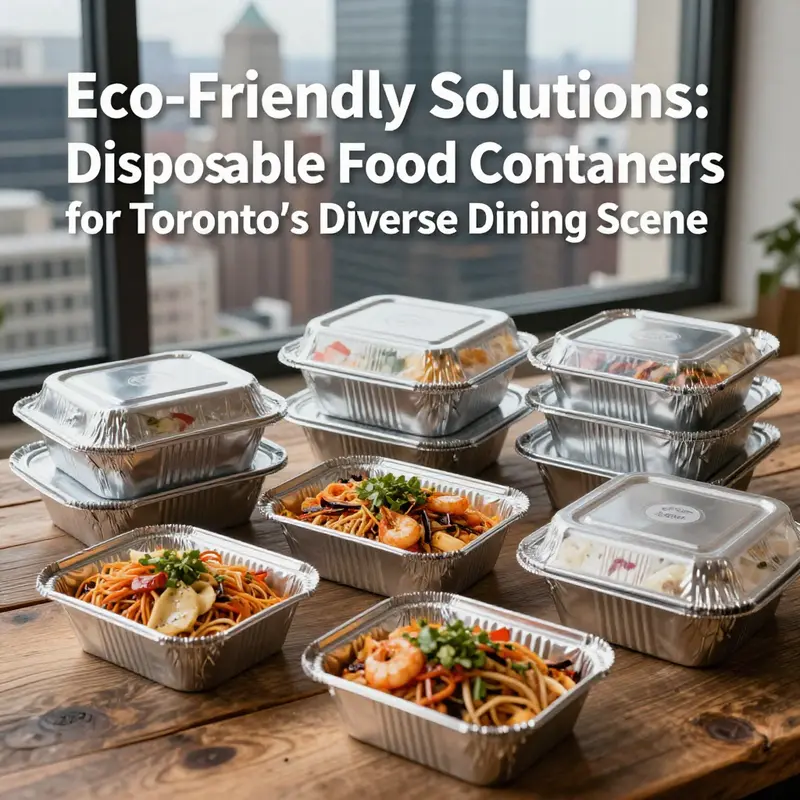
In the fast-evolving landscape of Toronto’s food service and delivery scene, the material choices for single-use containers are more than a matter of cost or convenience. They are a reflection of the city’s commitment to environmental responsibility, public health standards, and the practical realities of a dense urban market where tens of thousands of meals move each day from kitchens to doorsteps. Aluminum foil disposable containers have emerged as a significant option in this mix, not merely as a durable substitute for plastic or paper but as a packaging choice that aligns with growing regulatory expectations and consumer preferences for recyclability, heat tolerance, and food safety. The Toronto context amplifies both the opportunities and the challenges of deploying aluminum foil takeout solutions, and it provides a lens through which broader North American and global trends can be understood in practical, on-the-ground terms.
Market signals from North America and beyond indicate a robust expansion for aluminum foil packaging, driven by a combination of demand from the takeout sector and policy shifts aimed at reducing single-use plastics. A recent synthesis of global packaging dynamics places the aluminum foil segment of the market in a high-growth trajectory, with annual growth rates pushing into double digits as outside forces—such as online ordering popularity, improved recycling infrastructure, and a push toward higher-quality, heat-resistant packaging—converge. In Toronto, where the restaurant and food-delivery ecosystem is among the most active in the country, these macro trends translate into tangible daily needs: reliable performance under heat, strong barrier properties against moisture and odors, and a lifecycle that supports real recycling streams. Environmental considerations matter not only for the city’s dining patrons but also for the businesses that must demonstrate responsible sourcing, reduce waste, and maintain brand integrity in a crowded market. Aluminum foil containers, when selected and managed thoughtfully, offer a credible path to meeting those concerns while preserving the practical demands of busy kitchens and delivery operations.
The regulatory backdrop in Canada and in Ontario further shapes Toronto’s receptivity to aluminum foil options. Public policy has increasingly favored recyclable and reusable solutions over disposable plastics, a shift that is particularly pronounced in urban centers with high takeout volumes. The practical effect for restaurateurs and catering operators is a clearer preference for packaging that can be recycled through established municipal streams, has a predictable performance profile for hot foods, and does not impart foreign flavors or odors to meals. This alignment between policy and product capability helps explain why aluminum foil containers are gaining traction as a mainstream choice within the city’s competitive dining economy. The material’s intrinsic properties—high heat tolerance, resistance to oil and moisture, and the ability to retain shape under stress—complement Toronto’s demand for reliable, user-friendly containers that can be used for microwaving, freezing, and even light grilling where catering needs overlap with outdoor events or street-food contexts. While cost considerations inevitably arise, the value proposition of recyclability and reduced risk of leakage or deformation makes aluminum foil a compelling option for a city that prizes both performance and sustainability.
From a product design perspective, aluminum foil containers offer a balance of rigidity and flexibility that suits a broad range of cuisines and service formats. For hot dishes, the containers can maintain structural integrity long enough to bridge the gap between kitchen service and consumption, a critical factor in a city where takeout windows can add minutes of transit time. For oil-rich or high-moisture items, the foil’s barrier properties help preserve the meal’s quality and presentation, which matters for brand perception in a market where image and consistency are closely scrutinized by diners and reviewers alike. The ability to seal in flavor while minimizing the risk of leaks reduces the operational headaches that often accompany delivery, especially during peak hours or in adverse weather. These practical benefits are not merely technical accolades; they translate into tangible cost efficiencies for operators who must juggle labor, packaging, and transportation in a city noted for its congested logistics corridors.
Yet the Toronto environment also presents constraints that must be weighed when choosing aluminum foil containers. The upfront cost per unit is typically higher than some plastic or paper alternatives, and the decision often hinges on a comprehensive assessment of lifecycle costs, including waste handling, recycling eligibility, and potential brand advantages associated with a sustainable packaging story. In the city’s climate-conscious climate, the end-of-life option—whether a container is accepted by municipal recycling streams and whether the recycling rate for aluminum is high enough to justify the environmental math—plays a critical role in a restaurant’s procurement calculus. Businesses must ensure that their suppliers can provide containers that meet regulatory guidelines for food safety and that the packaging components can be consistently sourced at a scale that matches demand. To stay competitive, Toronto operators increasingly seek suppliers who can offer not only standard sizes but also customization options—perforations, vents, lids, branding, and even packaging efficiency improvements—that support branding and operational efficiency without compromising recyclability.
In practical terms, the sourcing journey for aluminum foil containers in Toronto often traverses a global supply network. Operators may rely on distributors who can bridge local needs with international manufacturing capabilities, ensuring that orders, even when large, arrive with predictable lead times and consistent quality. The procurement path can include a tiered approach: standard, widely available shapes for everyday use, paired with specialized designs for premium or event-driven catering. Importantly, the ability to order in relatively small quantities without prohibitive minimums can be a differentiator for smaller takeout businesses and pop-ups that populate the city’s vibrant food scene. This flexibility, coupled with the option for partial customization—such as embossing a logo or selecting a specific lid design—helps local brands articulate their sustainability commitments and maintain operational agility during seasonal surges.
A broader, domestic dimension also matters in Toronto’s packaging ecosystem. Local distributors, regional wholesalers, and in-city catering suppliers play a vital role in meeting immediate needs, offering shorter lead times and easier returns or exchanges than distant suppliers. The choice between importing directly or engaging a local partner often centers on total cost of ownership, the reliability of the recycling stream, and the willingness of the supplier to provide end-to-end support, from product selection to packaging design and compliance certification. In this context, the idea of a one-stop packaging collaborator—someone who can provide a portfolio of plastic, paper, and metal options along with guidance on how to maximize recycling and minimize waste—appeals to many Toronto operators seeking to streamline procurement while reinforcing a sustainability narrative that resonates with customers.
Recognizing the breadth of options beyond aluminum foil is also important. Within a diversified portfolio, a few operators may experiment with composites or alternative materials designed to balance cost, performance, and environmental impact. However, aluminum foil remains distinctly attractive where heat tolerance, leak resistance, and recyclability intersect with brand storytelling and regulatory alignment. The substitution calculus is not zero-sum; aluminum foil can co-exist with other packaging formats in a city with diverse dining formats, from fast-casual and delivery-focused concepts to high-end takeout experiences that demand premium presentation. For these reasons, Toronto’s market is less about a single winner and more about a spectrum of choices compatible with different food types, service models, and sustainability commitments.
The procurement conversation is inevitably tied to the broader narrative of supply chain responsiveness and customization. Local operators increasingly expect packaging partners who can translate food service needs into packaging design—whether that means shaping the geometry to maximize space on a delivery bag, selecting materials that play well with branding, or incorporating features such as microwave safety and leak resistance. In turn, manufacturers and distributors look for flexibility: the ability to accommodate small orders, to offer a range of sizes, and to adapt to seasonal shifts in demand without sacrificing quality or delivery timelines. A logical implication of this dynamic is the emergence of localized packaging ecosystems that blend global material capabilities with Toronto’s specific operational realities. In this context, the aluminum foil category can serve as a bridge between universal performance criteria and city-specific expectations around waste diversion and consumer health.
For readers who are exploring procurement options in more detail, one practical path is to consider the wider category of disposable dinnerware and tableware as it relates to a business’s branding and packaging strategy. A representative cataloging approach within this broader category can help teams evaluate how aluminum foil solutions fit alongside other disposables, enabling a coherent, on-brand, and sustainable takeout experience. This broader view is especially useful for new entrants to the Toronto market who must balance speed-to-market with long-term commitments to recycling streams and environmental stewardship. See more about the disposable dinnerware and tableware category here: disposable dinnerware and tableware.
Looking ahead, the Toronto market’s trajectory for aluminum foil disposable containers will continue to be shaped by policy evolution, consumer expectations, and the evolving economics of packaging disposal. The combination of strong heat resistance, reliable barrier properties, and recyclability forms a compelling value proposition for many operators. The city’s dense population, high dining frequency, and sophisticated food culture create a fertile ground for durable, recyclable packaging to become a norm rather than an exception. Operators who invest in a packaging strategy that prioritizes performance, recyclability, and brand alignment will likely find that aluminum foil containers not only meet the practical needs of takeout today but also reinforce a progressive, responsible image for tomorrow’s Toronto dining scene.
External resource for further reading on sustainability and aluminum foil packaging: https://www.glafri.org/
Transparency, Portioning, and Toronto Kitchens: The Enduring Role of Plastic Divided Food Storage Boxes
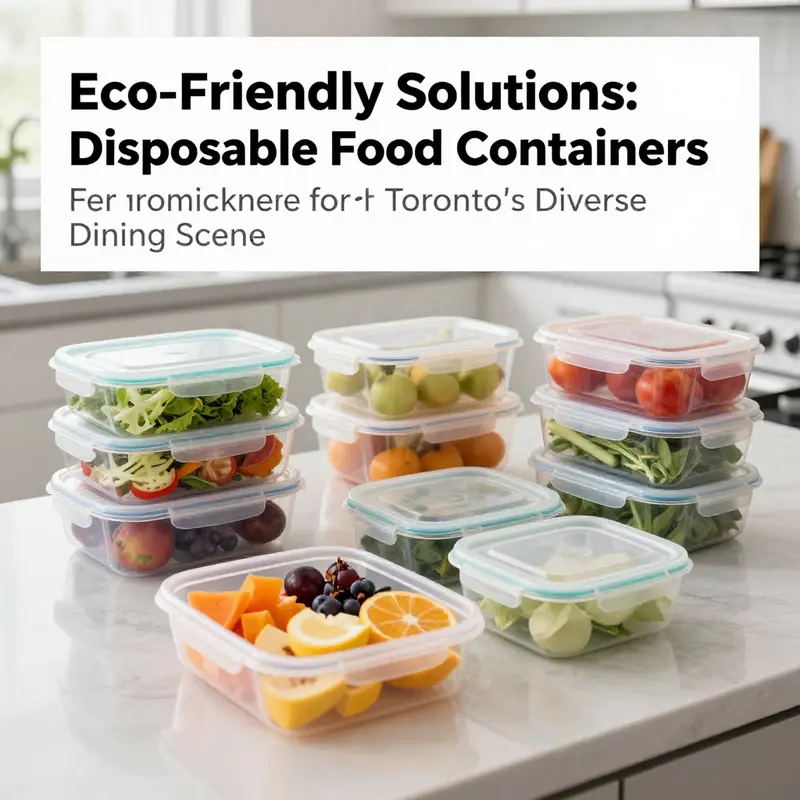
In Toronto, the rhythm of daily life often hinges on how efficiently a kitchen can move from raw ingredients to ready meals and neatly organized leftovers. The city’s climate—cold winters, variable springs, and a constant pace of work and study—behaves like a pressure cooker for storage solutions. Among the tools that quietly enable this efficiency are plastic divided food storage boxes. They are not flashy gadgets but practical workhorses that help families prepare meals, preserve freshness, and keep a busy fridge orderly. The story of these containers in Toronto mirrors broader trends in urban living: material choice shaped by performance, safety, and the push toward responsible consumption, even when convenience remains a top priority. The core value of a good divided box is simple: it separates, protects, and reveals. Separate compartments prevent cross-flavor muddling and texture damage, preserve the integrity of individual ingredients, and support portion control. In a city where people juggle school, work, commuting, and social activities, such precision saves time, reduces waste, and lowers the mental load of meal planning. Every morning rush can start with a glance into a transparent container and an accurate read on what’s inside, without the need to open multiple lids just to locate a single component. This combination of clarity and efficiency resonates with Toronto’s diverse households, from single professionals who prepare weekly meals to families who batch-cook on weekends to stock a week of lunches in advance.
The fundamental design of plastic divided containers is deliberately simple, yet it offers a bundle of features that align with modern food management. First, the segmentation itself is central. By carving a larger space into multiple compartments, the box becomes a compact sorting station. Meat, vegetables, fruits, sauces, or snacks can be kept separate, which reduces the risk of cross-contamination and preserves distinct flavors. This is especially important in a market like Toronto’s, where households frequently shop for fresh produce and plan meals around a weekly calendar rather than daily trips. compartmentalization also supports portion control, making it easier to prepare exact servings for busy mornings or post-work meals. When a container is used for meal prep, the ability to pre-portion different ingredients in a single box saves time during busy weekdays and discourages the temptation to overeat because a ready-made, correctly sized portion is visible and accessible.
Materials matter in this equation, and Toronto shoppers often encounter two reliable families: PET and food-grade polypropylene (PP). Both materials can offer high clarity, allowing the contents to be identified at a glance, which is particularly valuable in a crowded fridge or a packed lunch bag. Transparent plastic reduces the need to open boxes to check contents, thereby limiting temperature fluctuations that can hasten spoilage. In responsible kitchens, the emphasis extends beyond transparency to safety: boxes labeled as BPA-free and meeting recognized food-safety standards are preferred. Such assurances help residents feel confident that the containers do not leach unwanted substances into their meals during cold storage or reheating. In practice, this means choosing boxes that can withstand typical household use, including freezing for long-term storage and microwaving for quick reheats, while still being easy to clean and reuse. The practical tolerance to freezing temperatures and modest oven or microwave exposure makes these boxes versatile for Toronto’s seasonal meal planning, whether preparing a batch of dumplings for a winter week or portioning a summer berry mix for picnics and lunches.
Durability and seal performance are equally important in a city where groceries are earned through a budget and a schedule. A well-sealed lid, often with a snap-on mechanism or a gasket-type seal, creates a tight barrier against air and moisture. That seal helps preserve moisture content, prevent freezer burn on delicate items, and keep odors contained within the box—an advantage when organizing a crowded refrigerator or when transporting meals for work, school, or weekend activities. The sealing design also assists in maintaining the visual appeal of prepared foods, which matters for households that enjoy aesthetic presentation or sell pre-packaged items in small-scale settings such as local markets or community events. At the same time, a robust seal should not impede ease of use. People in Toronto frequently juggle multiple bags, transit delays, and the need to repackage leftovers for the next day. A lid that opens easily and closes firmly without excessive force supports daily routines and reduces the risk of spills on public transit or inside backpacks.
Another practical dimension is how these containers integrate into the broader ecosystem of kitchen storage. Stackability matters in small urban kitchens where every inch of counter and shelf counts. A design that nests or stacks neatly when empty or full helps maximize vertical space, which is especially valuable in apartments with compact layouts. The material choice often complements this feature: rigid yet lightweight plastics can endure repeated cycles of stacking and unstacking without losing shape. In Toronto households, an organized approach to fridge and freezer space translates into less food waste and better daily planning. It becomes easier to label containers, pre-calculate portions, and rotate stock, ensuring that perishables are used before they lose quality. Clarity, cumulative packaging, and modularity together form a simple system that makes everyday cooking and food management more predictable and less stressful.
The role of these containers extends into the city’s bustling supply channels as well. While many households source storage boxes from local retailers, a significant portion of demand for empty, reusable, divided containers in the Toronto area also travels through global marketplaces and wholesale platforms. The modular nature of the product means that a single family can start with a few boxes and gradually expand their set as needs evolve, a pattern that aligns with both budget considerations and the aspiration for longer-lasting, recyclable options. For small food businesses or community kitchens that operate on tight margins, the appeal is even stronger: the ability to purchase in bulk with a clear price-per-unit, while still retaining the option to reconfigure compartments for different menu items, becomes a practical advantage. The economics of these boxes often balance upfront cost with long-term savings from reduced waste, simplified inventory management, and improved portion control, all of which are meaningful in a city that prizes efficiency and sustainability.
In evaluating procurement strategies, many Toronto buyers consider both local and cross-border supply sources. Local wholesalers and restaurant-supply distributors can provide rapid delivery and easier returns, which matters when a batch needs to scale during peak seasons or catering events. At the same time, platforms that aggregate manufacturers from across the globe offer access to a wider range of sizes, materials, and sealing mechanisms, including options designed for higher durability or stricter sustainability criteria. It is common to see MOQs varying from modest to substantial, with price per box dropping as order quantities rise. In this context, the decision often hinges on a careful assessment of anticipated usage, storage space, and the preferred balance between reuse and recycling. For households, a few multipurpose boxes may suffice, but for a bakery, meal-prep service, or event organizer in Toronto, a larger, standardized set becomes a practical necessity.
Within this landscape, a careful examination of materials and manufacturing standards becomes essential. While PET and PP are common, the precise grade and treatment can influence heat resistance, dishwasher compatibility, and long-term resilience. Food-contact compliance standards, whether aligned with regional regulations or international benchmarks, provide reassurance that the containers perform safely throughout their life cycle—from filling and freezing to reheating and cleaning. The consumer’s confidence rests on visible cues: marks indicating temperature tolerance ranges, dishwasher safety, and BPA-free status. A Toronto consumer who understands these signals will naturally gravitate toward containers that promise consistent results, whether used daily for school lunches or weekly for bulk meal prep. The benefits extend to caregivers and educators who rely on predictable materials to teach organization, budgeting, and nutrition in households or classrooms that emphasize healthy eating habits.
The city’s cultural and culinary diversity adds another layer of relevance. Divided storage boxes adapt to a spectrum of eating patterns—from jarred sauces used in weekend cooking to pre-portioned ingredients for low-waste, plant-forward meals. The boxes’ transparency supports quick inspection, enabling cooks to monitor freshness and adjust plans with minimal disruption. In a cosmopolitan city like Toronto, wherein residents often intersect with food preparation in shared spaces—co-working kitchens, community centers, or apartment co-ops—the ability to present meals in neat, clearly labeled portions carries social as well as practical value. It signals respect for roommates, guests, and customers who may share a kitchen or a catered event. This behavioral texture helps explain why these containers have become a fixture in both homes and micro-enterprises that contribute to the city’s vibrant food culture.
From a sustainability angle, the appeal of reusable plastic divided boxes aligns with evolving attitudes toward waste reduction. Toronto households increasingly weigh the environmental impact of their kitchen tools, favoring durable, recyclable plastics over single-use disposables whenever feasible. The conversation around single-use plastics in Canada has grown more nuanced, with a shift toward reusables where practical and recyclable options where reusables are not feasible. Divided boxes offer a tangible pathway to reduce the daily avalanche of waste by replacing many disposable containers with a single, well-maintained set. Yet this transition also requires thoughtful care: proper washing, safe heating practices, and occasional replacement when the seal or structure begins to degrade. The resulting balance—durability, safety, and recyclability—speaks to Toronto’s evolving consumer expectations, where practicality and responsibility walk hand in hand.
For readers exploring how best to source these containers, one practical approach is to explore general-purpose packaging marketplaces that connect Toronto buyers with a range of manufacturers. When evaluating options, it helps to look for listings that emphasize food-grade materials, BPA-free construction, temperature tolerance, and reliable sealing. It is also wise to note shipping terms, minimum order quantities, and customization capabilities if branding or labeling is relevant to a business context. For those who wish to see how a broader ecosystem shapes the availability of such products, a useful reference is the storage containers category on a regional packaging website, which offers a snapshot of styles, capacities, and lid designs that resonate with Toronto shoppers and businesses alike. storage containers category provides a window into the range of options that can meet both home and commercial needs, from simple 1-compartment boxes to more elaborate multi-compartment configurations that echo the city’s appetite for order and efficiency. This link is a practical starting point for readers who want to compare features, materials, and prices without committing to a single supplier.
The trajectory of plastic divided food storage boxes in Toronto, then, is not merely a tale of a kitchen tool. It is a reflection of how urban living negotiates space, time, and safety in a climate that rewards preparedness and neatness. It reveals how materials science translates into everyday coping strategies—how the choice of a transparent, temperature-tolerant, well-sealed box can help a family keep produce fresh, a student pack a nutritious lunch, or a café streamline its grab-and-go service. The containers act as affordable, accessible bridges between raw ingredients and the diverse meals that define Toronto’s daily life. They enable healthy meal prep, reduce waste, support safe handling, and invite a broader conversation about how cities nurture practical, sustainable food practices in compact living spaces. As Toronto evolves, so too will the design and procurement landscapes of these indispensable kitchen tools, continuing to balance the demands of busy schedules with the values that guide conscious consumption.
External resource: https://www.hengxiangrong.com
Rectangular Takeout Boxes in Toronto’s Delivery Revolution: Shape, Speed, and Sustainable Service
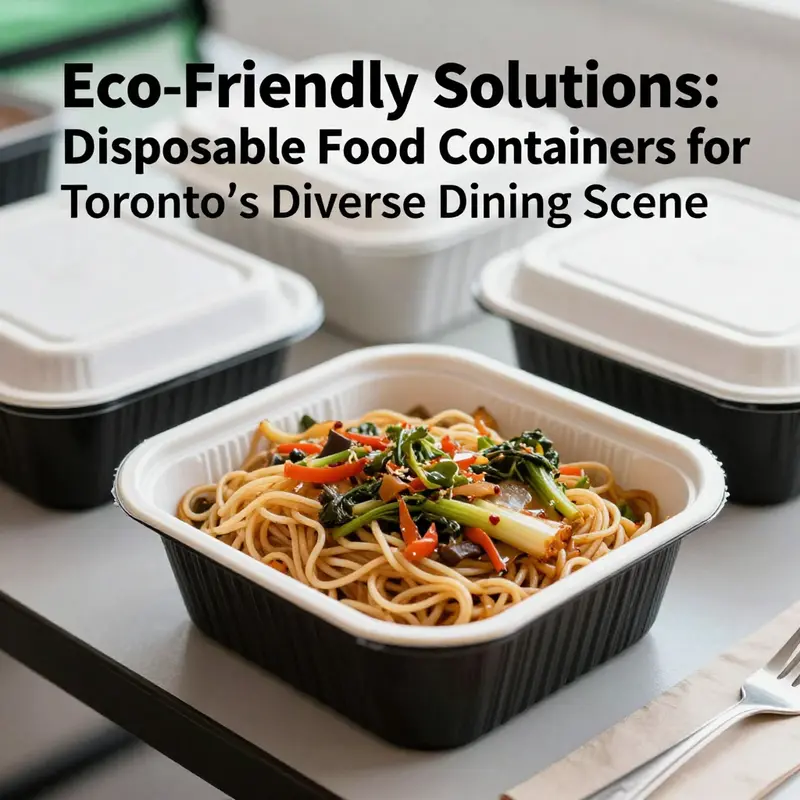
In Toronto, the rise of delivery as a dominant channel for food service has made packaging more than a mere container; it has become a critical component of the dining experience, operational efficiency, and even regulatory strategy. Among the various shapes and materials that fill the city’s courier and curbside lanes, the rectangular disposable takeout box stands out for its quiet reliability. It is not a flashy star but a steady workhorse whose geometry aligns with the rhythm of a city that orders, collects, and eats on the move. The rectangle is not incidental. Its flat sides, predictable angles, and consistent footprint fit neatly into prep lines, stack neatly on shelves, and translate into a smooth handoff from kitchen to rider to doorstep. In a market where speed translates to revenue and margins hinge on meeting peak demand without a hiccup, the practical advantages of rectangular boxes begin to accumulate quickly, layer by layer, order by order.
Operationally, the rectangle offers a discipline that other shapes often struggle to maintain. In a busy Toronto kitchen, space is at a premium; so is time. Rectangular containers enable more efficient batching and packing. They align with standard prep portions, allowing cooks to plan multi-item meals in uniform modules, which reduces the chance of miscounts or missing components. The upshot is a measurable improvement in order accuracy and packing speed, which matters when a restaurant faces queuing pressures during lunch rushes or late-evening surges. Moreover, the stacked geometry minimizes the risk of tipping or leaking during transit. A sealed lid, designed to nest within the rim, creates a reliable barrier against spills even on a bumpy ride along crowded streets or when a rider must dodge the city’s occasional winter slush. In a marketplace saturated with competitors, consistency in packaging translates into consistent dining experiences and repeat business, which is a subtle but powerful competitive advantage.
The consumer’s gaze often lingers on the packaging as a proxy for food quality and service reliability. In Toronto’s delivery culture, customers increasingly expect that what arrives at their door will be both intact and presentable. Rectangular boxes with clear walls or semi-transparent lids give diners a straightforward view of the meal without revealing every seam of the packaging. This transparency matters because it sustains appetite; when a customer can glimpse a neatly arranged meal, the anticipation rises. The box’s lid typically seals well enough to resist leakage during the ride, which reduces the anxiety of spillage and protects the perceived value of the meal. The dimensions of a standard rectangular box—carefully chosen to accommodate common portions—also support pre-assembly strategies in kitchens. When staff can pre-pack components in a uniform grid, fulfillment becomes more predictable, errors decline, and delivery times shorten. The result is a smoother chain from order placement to plate, a sequence that resonates with Toronto’s demand for quick, dependable service.
Sustainability and policy considerations are now inseparable from the choice of a rectangular takeout box. Creating packaging that holds up to heat and grease while meeting evolving environmental standards is a complex balancing act. In Canada, policy makers have begun to recalibrate the role of single-use plastics, pushing both industry and consumers toward materials that are recyclable or compostable where feasible. In this context, the rectangular takeout box becomes a platform for innovation. Its boxy form is particularly amenable to new fiber-based composites, plant-based polymers, or tighter recycling streams that can be implemented without sacrificing the integrity of hot foods or greasy sauces. The box’s flat surfaces and foldable geometry support the transition toward barriers and coatings that resist moisture and oil, while still enabling the end user to recover the packaging through established collection or composting channels. For restaurant operators, this means choosing box designs that not only meet the current regulatory baseline but also offer a clear path to future upgrades as technology and municipal programs mature. The urban appetite for eco-friendly choices is strong in Toronto, and the rectangle becomes a practical, scalable vehicle for that aspiration.
From a sourcing and procurement perspective, the rectangular takeout box sits at the intersection of supply efficiency and market demand. Toronto’s eateries rely on a diverse ecosystem of suppliers who can deliver reliable, consistent packaging at scale. The geometry of the box is not merely a design flavor; it is a strategic parameter that influences inventory planning, warehousing, and freight costs. Boxes that stack well and ship compactly reduce freight density, cutting down on transportation emissions and cost. In this realm, buyers increasingly favor suppliers who can demonstrate compatibility with Canada’s import guidelines, who can offer small-to-medium batch options for seasonal menus, and who can provide materials that align with the city’s sustainability goals. A practical approach to procurement emphasizes not only the price per unit but also lead times, minimum order quantities, and the supplier’s flexibility to tailor dimensions or coatings for different menu categories. The more predictable the packaging form, the easier it is to coordinate with cross-functional teams—from procurement and operations to marketing and sustainability reporting.
The conversation about packaging would be incomplete without acknowledging the broader ecosystem that Toronto participates in. A city of robust culinary diversity accommodates a wide spectrum of dining formats—from fast-casual bowls to refined bistros that rely on delivery for a portion of their revenue. Rectangular boxes must therefore be versatile enough to accommodate varied cuisines, sauces, and temperature profiles while staying within an operational envelope that keeps costs reasonable. The design challenge is to balance rigidity with adaptability: a container that protects a delicate noodle dish just as effectively as a hearty rice bowl, a curry, or a stir-fry. In practice, this means prioritizing materials and coatings that resist seepage, maintain heat, and present food in an appetizing way at the moment of arrival. It also means considering the box’s interior features—dividers, inserts, or compartmentalization may be essential for multi-item orders and for preserving the original composition of a meal during transit.
Beyond the kitchen and the rider’s route, the rectangle also interacts with how Toronto’s delivery culture continues to mature in the public mind. Consumers increasingly associate packaging quality with brand responsibility. When a box protects a meal and can be disposed of with minimal waste or returned through a structured program, it builds trust. It signals that the restaurant takes seriously the journey from farm to plate to doorstep. In neighborhoods across the city, this trust compounds with positive experiences in other service dimensions—speed, accuracy, courtesy—and the packaging becomes part of a holistic service narrative. As a result, the rectangle’s simplicity becomes its strength. It offers a familiar, dependable experience that customers can count on, an essential element as delivery channels become a larger share of revenue and as competition intensifies.
From a design and material science perspective, the rectangular box is also a canvas for experimentation. The form invites developers to explore coatings that reduce moisture transfer while preserving the box’s rigidity, or to incorporate clear panels that enhance appetite appeal without sacrificing strength. The material choices open doors to compostable alternatives sourced from plant fibers or to recyclable thermoplastics that fit into local waste streams. Toronto’s practitioners—chefs, operators, and supply chain managers—benefit from a packaging tier that is technical enough to meet performance needs yet flexible enough to adapt to changing regulations and consumer expectations. In a sense, the rectangle becomes a platform for responsible innovation, one that aligns the city’s appetites with a more sustainable industrial footprint.
Finally, the chapter of Toronto’s rectangular takeout boxes is not just about what happens inside the box; it is about how the box fits into a broader strategy. A restaurant’s choice of outer packaging, lid design, and containment features communicates a message about reliability and care. It aligns with the city’s identity as a delivery-forward market where speed must harmonize with safety, cleanliness, and environmental stewardship. This is a city that does not merely tolerate takeout; it optimizes it. And the rectangular takeout box—modest in appearance, precise in function—embodies that optimization. It is a reminder that in a bustling urban ecosystem, the shape of a container can reflect and reinforce the shape of a service: direct, dependable, and continually improving.
For practitioners who want to explore this topic further from a practical sourcing standpoint, one convenient reference path is to consider suppliers and formats that connect Canadian buyers with a broad range of packaging options. A widely used approach is to examine the disposable lunch box category within packaging catalogs that highlight options from basic, cost-efficient plastics to more sustainable alternatives. This channel can be particularly useful for small-to-medium orders or for pilot programs that test new materials before committing to larger volumes. In this context, the rectangle’s predictability becomes a strategic asset, enabling a test-and-scale approach that minimizes risk while enabling rapid iteration on packaging design, menu fit, and customer feedback. disposable lunch boxes can serve as a practical exemplar of how a broad category can be tailored to local needs, blending functionality with sustainability and cost controls. For readers seeking a macro view of global supplier ecosystems and how they intersect with Toronto’s market, an external resource offers a panoramic snapshot of packaging suppliers and product categories across borders: https://www.made-in-china.com/products-search?keyword=disposable+food+containers+Toronto. This external reference helps situate local decisions within a broader, international supply landscape and underscores the importance of alignment between procurement strategy and regulatory trajectories.
External resource: https://www.made-in-china.com/products-search?keyword=disposable+food+containers+Toronto
Final thoughts
As Toronto’s dining landscape continues to evolve, the importance of reliable, stylish, and eco-conscious disposable food containers cannot be overstated. From biodegradable sugarcane options to versatile aluminum foil and practical plastic storage solutions, each type plays a crucial role in enhancing dining experiences while supports environmental sustainability. Cater to the diverse needs of your food service establishment by choosing the right disposable containers that align with your brand values and operational demands, ensuring both customer satisfaction and ecological responsibility.