
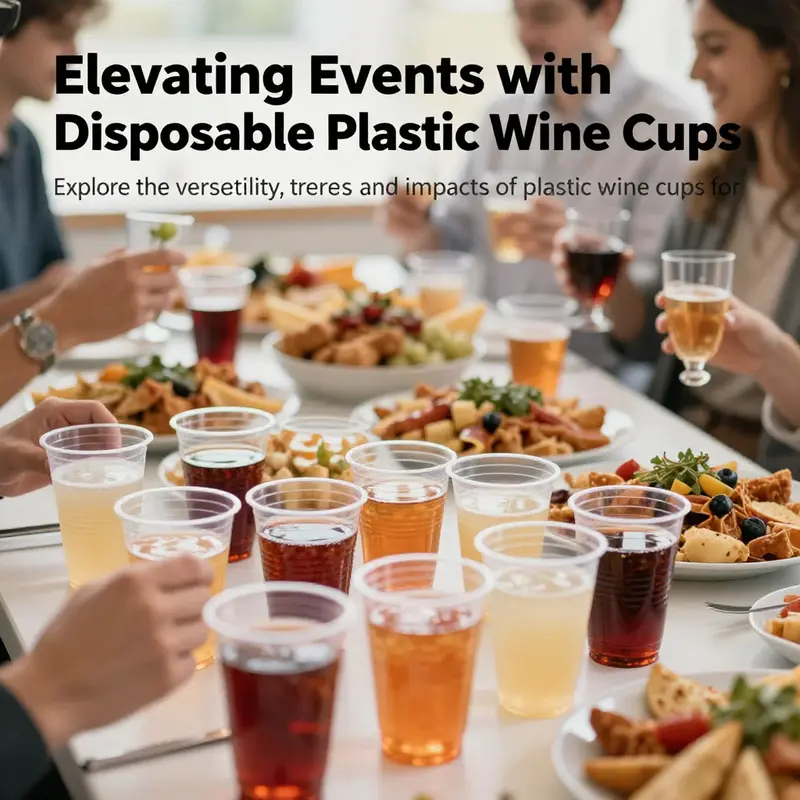
Disposable plastic wine cups have become indispensable in the beverage industry, particularly for businesses like bubble tea shops, restaurants, and catering services. These cups offer an appealing blend of functionality and aesthetics, making them ideal for events ranging from casual parties to elegant weddings. This article explores the material composition of these cups, market trends, their environmental impact, and consumer preferences. By the end, you’ll gain a well-rounded understanding of why disposable plastic wine cups can enhance your service offerings and sustainability practices.
From Composition to Pour: The Material Story Behind Disposable Plastic Wine Cups
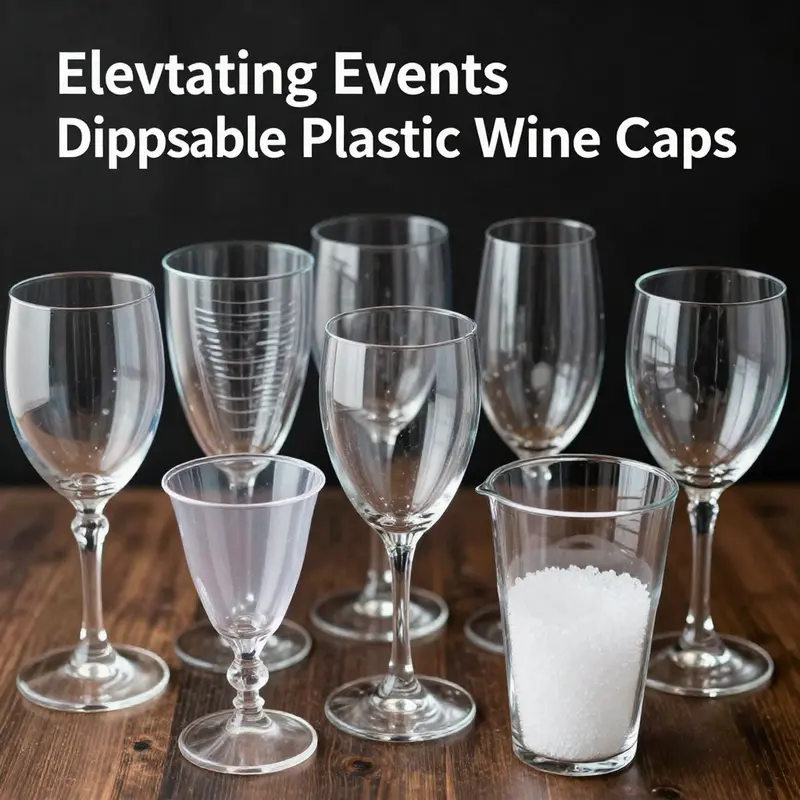
Every celebration has its quiet backbone, and in modern events that backbone often wears clear plastic. Disposable plastic wine cups are celebrated for their practicality and cost-effectiveness, but the real story runs much deeper than a simple transparent cup. The material composition of these cups determines how they perform under heat, how they interact with the drink, and how they ultimately impact the environment after the last toast is raised. When we trace the journey from resin to receptacle, we see a landscape of polymers that each bring a distinct blend of clarity, rigidity, safety, and practicality. Understanding these nuances helps illuminate why one cup is preferred for a summer wedding and another is avoided for a hot-spiced cocktail hour. It also reveals how material choices ripple through consumer safety, event planning, and environmental responsibility without demanding a single, universal answer. The material story is not just about chemistry; it is about the realities of everyday use, the constraints of manufacturing, and the trade-offs everyone from caterers to guests must navigate with each pour.
Polystyrene often appears as the most familiar member of the disposable cup family. Its crystallized clarity and low cost have made it a staple for cold beverages and light wines where a transparent, shatterproof cup is desirable. Yet, the allure of PS has a caveat that is hard to ignore in practical settings: heat resistance is limited. When PS cups encounter high temperatures or robust alcoholic beverages, the risk of chemical migration rises. Styrene, a constituent of PS, is a substance that many safety agencies classify as a potential hazard under certain conditions. In routine use, this translates to a precaution: PS cups perform well for chilled or mildly chilled wines and cocktails but are not ideal for hot liquids or strong spirits. For events that must accommodate a broad range of temperatures, the bottle-to-glass temperature dynamic becomes a decisive factor. In addition to heat sensitivity, PS cups can be relatively brittle, and while their stiffness helps maintain a elegant silhouette, it can also mean more jagged edges if mishandled during transport or stacking. This is not merely a materials nerd’s footnote; it’s a practical consideration that impacts staff handling, guest experience, and the visual impression of the service.
Polypropylene cups, in contrast, tend to strike a sturdier balance between safety and resilience. PP’s chemistry endows it with better heat resistance, chemical stability, and overall durability. In the real world, that translates to safer use with both cold and warm beverages without obvious degradation in form or function. PP can tolerate temperatures that would soften or deform PS, which makes it a safer default for wine and cocktails served at room temperature or slightly warmed during service. In practice, PP cups resist the kind of warping that can occur when cold drinks are poured into a cup that’s perched on a warm tabletop or under a sunny tent. The chemical resistance of PP also helps it withstand exposure to the diverse range of ingredients found in mixed drinks, including citrus acids and the alcohols common to wine-based cocktails. This resilience matters not just for safety, but for presentation: a cup that remains clear and stable makes a stronger visual impression, one that supports the perceived quality of the event. Importantly, PP is widely used in food packaging for its balance of performance and safety, and it is generally considered safer for single-use cups intended for wine and cocktails than some other plastics. While no material is entirely risk-free, the label on a PP cup will usually offer clearer guidance about intended use, temperature suitability, and whether the cup is rated for hot liquids or high-alcohol content. When the goal is to offer an option that can handle a wider range of beverages without special accommodations, PP often becomes the default choice for many event planners and suppliers. Those responsible for menu planning and service flow tend to appreciate the predictability that PP provides, particularly when timelines are tight and guests expect consistent performance from the moment they pick up a glass until the last pour is finished.
A third material, polycarbonate, historically offered outstanding clarity and durability. PC cups were once favored for their strong, glass-like appearance and impact resistance. However, concerns about bisphenol A (BPA), a chemical used in the production of PC, have led many jurisdictions to tighten or ban BPA in food-contact materials. This shift has cooled the former enthusiasm for PC in disposable drinkware, at least for uses that involve contact with beverages or food, especially where warmth or alcohol could exacerbate any material migration concerns. The result is a practical narrowing of PC’s presence in the disposable wine-cup market. In many markets, PC is simply less common now for single-use cups, replaced by safer, non-BPA alternatives that still deliver the clarity and strength customers expect. The narrative here is not about a single chemical hazard, but about how evolving safety standards, regulatory expectations, and consumer awareness steer material choices toward safer configurations without sacrificing the essential performance that events rely on.
Acrylonitrile Styrene, or SAN, occupies a middle ground between clarity and heat resistance. SAN cups can offer good optical properties and moderate temperature stability, which makes them suitable for certain disposable drinkware applications where high warmth or intense alcohol exposure is unlikely. The reality on the shelf is that SAN cups are often selected for light use or where a clear, crisp appearance is prioritized without venturing into the higher-heat realm. They are generally considered safe for short-term use with non-alcoholic beverages and milder alcoholic options, but for prolonged exposure to high-alcohol-content drinks or repeated reheating, SAN may not offer the same margin of safety as polypropylene. This positioning means SAN can fill a niche role in the spectrum of disposable cups, balancing cost, appearance, and performance in ways that PS and PC do not.
Acrylonitrile Butadiene Styrene, or ABS, brings durability and impact resistance, but it sits on the margins of food-contact applications due to concerns about chemical migration, particularly under heat or in contact with alcohol. While ABS can offer a sturdier, more resilient cup, its safety profile often makes it a less favored option for direct beverage contact in disposable cups. The practical effect is that ABS is less commonly chosen for wine or cocktail cups intended for single-use service, especially in markets with stringent safety expectations or higher standards for migration limits. The end result of these material dynamics is that the industry’s default choices tend to revolve around PS, SAN, and PP, with PC and ABS occupying narrower corners of the market where their particular properties—clarity, rigidity, or exceptional impact resistance—outweigh the safety and regulatory considerations.
Safety and labeling come to the foreground when evaluating material choices for wine and cocktails. The clear imperative is to match the cup material to the beverage’s temperature and alcohol content. The labeling often reflects this alignment by indicating whether a given cup is rated for hot liquids, whether it is BPA-free, and whether it is compatible with a certain temperature range. When serving wine or cocktails, the safest and most predictable approach is to select a polypropylene-based option, particularly for mixed drinks that may be stored briefly in coolers or served at ambient temperatures. This does not mean other plastics have no role. Instead, it means that the decision should be grounded in explicit product specifications and labeling rather than assumptions about a polymer’s appearance or price alone. The consequences of getting it wrong can range from a compromised guest experience to a tangible safety concern, especially in high-volume events where beverages travel quickly from service to guest.
The environmental thread woven through this topic adds another layer of complexity. Plastic cups are often criticized for their end-of-life impact, which turns the lens toward recyclability and waste management. PS cups, despite their recyclability, can be more challenging to process in mixed streams due to contamination and the presence of additives. PP cups, while also recyclable, frequently enjoy better end-of-life outcomes when collected in streams designed for plastics, thanks to more straightforward sorting and fewer additives that complicate recycling. Yet the reality remains stark: many disposable cups still end up in landfills or the environment, underscoring a persistent disconnect between recycling capability and actual disposal practices. The emergence of eco-conscious options—recyclable and compostable versions using plant-based plastics or water-based coatings—reflects industry responses to this tension. These alternatives aim to preserve the convenience and safety that events require while reducing the environmental footprint. They also signal a broader shift in consumer expectations, as guests increasingly look for choices that align with sustainability goals without sacrificing performance at the table. Even with improvements in recyclability and new bio-based materials, the scale of usage at events means that incremental gains in material science, waste infrastructure, and consumer behavior must all work in concert to reduce the overall footprint.
Choosing the right material for a disposable wine cup also intersects with practical realities on the event floor. Clarity and rigidity influence the perceived quality of the beverage and the overall aesthetic of the service. The glass-like transparency of PS can contribute to a visual polish that is attractive for formal settings, but its heat sensitivity and leaching concerns push many planners toward PP for multi-temperature service. Markets with strict safety standards may require BPA-free labeling and explicit confirmation that the cup is suitable for beverages with varying alcohol contents. In environments where guests expect reliable stacking, stacking strength, and resistance to minor impacts during transport, the stiffness of the cup matters, and PP often provides a sweet spot between performance and cost. For planners who want the look of glass without the fragility, clear PP cups with a high-clarity formulation can mimic the aesthetic while delivering practical resilience. The choice is rarely one-size-fits-all; it is a nuanced decision that weighs safety, performance, cost, and environmental considerations against the event’s unique demands.
Within this broader conversation, readers may also explore alternatives that depart from plastic altogether. If the goal is to minimize plastic content while maintaining convenience, paper-based or other biodegradable options may offer a different set of trade-offs, including moisture resistance, heat tolerance, and a different disposal profile. For readers curious about these alternatives, this deeper dive into non-plastic options can be found at this internal resource: disposable-single-wall-paper-cup-for-wine-and-soup-8oz-16oz-32oz-1000ml-with-lid. It highlights how even within a disposable-ware ecosystem, there are materials and design choices that shift the balance of performance, cost, and environmental impact.
Ultimately, the material composition of disposable plastic wine cups is a study in balancing competing priorities. For guests, the priority is a safe, clean, and enjoyable beverage experience. For event professionals, the priority expands to predictable performance, ease of service, and cost efficiency. For manufacturers, the priority includes safety compliance, supply stability, and the environmental footprint of both production and end-of-life management. Each polymer offers a different answer to these priorities, and the best choice depends on the beverage profile, the service setting, and the broader sustainability goals of the event. The plastic cup is not a neutral vessel; it is a carefully engineered interface between material science and social practice, a small yet telling instance of how modern consumption manages safety, convenience, and responsibility in a single, disposable gesture.
External resource: For a broad overview of polymer options used in disposable drinkware, including PP, PS, SAN, ABS, and PC, researchers and practitioners can consult resources that compare heat resistance, transparency, and migration risks across polymers. External perspectives help illuminate why certain materials endure in the market while others retreat in response to safety scrutiny and regulatory expectations. https://www.alibaba.com/product-detail/Disposable-Plastic-Wine-Cups-165ml-PP_1600384952753.html
Shifting Currents: Market Dynamics and Design Innovation in Disposable Plastic Wine Cups

The market for disposable plastic wine cups stands at a crossroads, pulled between the expectations of convenience and the rising demands for sustainability. Across weddings, corporate events, and casual receptions, these cups have become the workhorse of celebratory service, lauded for their shatterproof reliability, clarity, and cost-efficiency. Yet as 2026 unfolds, a more complex landscape emerges. Buyers, event planners, and hospitality brands are weighing the benefits of traditional petroleum-based plastics against a surge of compostable and biodegradable alternatives, anchored by evolving regulatory frameworks and consumer values that prize environmental responsibility as much as form and function. This tension shapes not only what ends up on the table, but how the entire category evolves in the years ahead. In this milieu, the market is less about a single product and more about a spectrum of materials, processes, and supply chains that together determine what is possible for disposable drinkware in the modern era.
At the heart of the appeal for disposable plastic wine cups is practical convenience. The absence of glass breakage translates into tangible cost savings for venues and planners. The lightweight nature of plastic reduces shipping weight, enables straightforward stacking and use, and eliminates the safety concerns associated with fragile stems in crowded reception halls. These advantages have sustained broad adoption even as consumers increasingly notice and question environmental footprints. The evolution of this segment, therefore, hinges on a careful balancing act: preserving the ease and reliability customers expect while offering viable pathways to reduce waste and minimize ecological impact.
Material choices remain central to that balance. Traditional disposable wine cups have leaned on clear, food-grade polymers that deliver a crisp, glass-like appearance while resisting impact. Polypropylene (PP) and polystyrene (PS) have long been favored for their clarity, rigidity, and compatibility with cold beverages. For many buyers, these properties translate into a predictable presentation—clear cups that showcase the color and aroma of the wine, paired with a sturdy rim and a comfortable grip. But as regulatory pressures tighten and consumer scrutiny sharpens, manufacturers are increasingly differentiating their offerings with new material families. Plant-derived polymers and certified compostable plastics are expanding the options for those who want to align packaging choices with sustainability goals. These materials, often certified to standards that support industrial composting or home composting where applicable, aim to maintain performance while reducing the long-term environmental burden. And yet, the performance gaps—especially with hot liquids or high-temperature safety—remain a practical hurdle in several market segments, where beverages may be served at room temperature for extended periods or alongside warm appetizers.
The sustainability narrative moves beyond the cup wall to the entire lifecycle. In regions with strict landfill regulations or ambitious recycling targets, compostable options are not merely preferred; they are increasingly mandated or subsidized. The industry is watching regulatory signals closely. In some markets, mandates and incentives are accelerating the adoption of plant-based and certified compostable products, while in others, the absence of comprehensive composting infrastructure slows transition. The result is a nuanced map: where disposal streams are robust and well-supported, compostable cups flourish; where recycling and material recovery systems are strongest, traditional PET or clear PP cups continue to be favored for their recyclability and established end-of-life streams. This divergence is not a sign of weakness but a reflection of a diverse global ecosystem in which a single solution cannot satisfy every region, stakeholder, or use case.
From a supply-chain perspective, China remains a dominant hub for the manufacture of disposable drinkware, leveraging dense ecosystems of injection molding, access to a broad range of food-grade polymers, and near-port logistics that can shorten delivery times for international buyers. Guangdong, Zhejiang, and Fujian host facilities with high production capacity and experience exporting to global markets, including large online marketplaces and hospitality brands that require consistent quality and safety assurances. Compliance plays a critical role here: a majority of active exporters maintain certifications aligned with food-contact safety standards such as FDA equivalents and EU regulations, which helps reduce barriers for buyers around the world. For event planners and hospitality operators, that precision in compliance translates into a smoother procurement process and less compliance risk when sourcing large quantities for complex events.
Design plays a surprising yet increasingly influential role in market dynamics. While the core function of cups remains unchanged, aesthetics have become a differentiator in a crowded field. Clear cups with premium finishes, including subtle gold-tone rims and understated logo branding, are widely sought for weddings and corporate events where presentation matters as much as practicality. The growing interest in customization aligns with broader shifts in the events industry toward branded experiences, where even a disposable cup can contribute to a cohesive visual narrative. Meanwhile, standard sizes—such as small 5-ounce and mid-range 7-ounce or 12-ounce formats—remain prevalent because they map cleanly to common wine pours and cocktail servings, enabling vendors to stock consistently while offering customers predictable performance.
Yet the conversation cannot ignore the realities of waste management and resource use. Even within a mature market, the environmental calculus remains complex. Recycling tends to be more feasible for some plastic streams than for others, especially when cups are coated or colored and embedded with branding elements. PET cups, with their clarity and rigidity, shine in cold-beverage applications but can complicate end-of-life recycling when mixed with other plastics or when films and sleeves are present. Compostable variants address end-of-life concerns for many buyers, but their value depends on local composting infrastructure and the ability to separate compostable cups from other waste streams. This is not merely a consumer preference issue; it influences procurement decisions, supplier partnerships, and even event budgets. As a result, buyers are increasingly asking suppliers for transparent material disclosures, certification numbers, and traceable supply-chain data that can help them justify sustainability claims to clients, sponsors, and attendees.
The purchasing landscape for disposable plastic wine cups mirrors broader shifts in the packaging and events industries. Online marketplaces and B2B platforms continue to democratize access to a wide range of formats, finishes, and price points, allowing buyers to compare options quickly and place large orders with predictable turnaround times. The scale economics of bulk buying are powerful, yet the price differential between traditional plastics and compostable alternatives can be a meaningful consideration for event budgets, especially for large weddings or multisite corporate programs. This tension has driven manufacturers to expand product lines, offering hybrids that combine classic clarity with more sustainable additives or surface treatments that improve recyclability or compostability without sacrificing the user experience. For buyers, the lesson is clear: success will depend on aligning material choice with event type, waste-management capabilities, and the expected lifecycle of the product in a given locale.
To illustrate how buyers navigate these trade-offs, consider the practical framework used by many planners and venues. They start with the event profile: guest count, beverage mix, service cadence, and whether the venue has on-site recycling or composting facilities. Next comes the environmental policy of the host organization or sponsor, which often dictates preferred material categories or certification requirements. Then comes the cost calculus: even when compostable cups offer a better end-of-life story, their unit price and the complexities of waste handling can shift the overall cost by a meaningful margin. Finally, the most subtle variable is aesthetics. In occasions where the presentation matters, the choice of rim treatment, cup clarity, and the ability to print logos become tangible expressions of brand or theme. In short, the market trend is not a single direction but a spectrum, with different buyers prioritizing different aspects of performance, cost, and sustainability.
This evolving landscape also presents substantial implications for suppliers and manufacturers. As demand grows for sustainable and certified options, product development priorities are shifting toward materials that can deliver reliable performance under a wider range of temperatures and beverage types while still meeting compostability or recyclability standards. The ability to demonstrate feedstock traceability, polymer composition, and end-of-life outcomes becomes a competitive advantage. In addition, brands are investing in design features that add perceived value without compromising recyclability, such as rims that resist chipping, improved stacking stability, and branding options that do not introduce contamination during recycling streams. The net effect is a more nuanced product catalog in which customers can choose from a broader set of performance profiles, each with its own sustainability narrative and cost structure.
For buyers seeking practical guidance amid this complexity, it helps to anchor decisions in three core considerations. First, material compatibility with the intended beverage and serving conditions is non-negotiable; hot liquids demand materials with high heat resistance and safe, stable compositions. Second, end-of-life pathways must be credible. A clear recycling stream or a verifiable composting process can materially influence the environmental impact of the purchase. Third, the supplier’s capability to provide documentation and certifications offers reassurance regarding safety and quality. When these pillars are aligned, the result is a disposable cup that meets performance expectations while contributing to broader sustainability goals—a combination increasingly demanded by event stakeholders and audiences alike.
As this chapter moves toward synthesis, it is important to acknowledge the broader context of external market signals. The growth trajectory for disposable beverage cups was forecast at an 8.3% annual rate from 2026 through 2033, suggesting strong long-term expansion potential even as the landscape becomes more complex. This forecast reflects not only the ongoing demand for convenient, shatterproof drinkware at events but also a growing willingness among manufacturers to diversify materials and extend end-of-life solutions. The market is thus characterized by resilience alongside adaptation: a core product category that remains indispensable for many settings, coupled with a rapid expansion of sustainable options and more rigorous safety and environmental standards. The result is a beverageware ecosystem that must balance the immediacy of event-day service with the slower, long-term work of waste reduction and material stewardship.
One lens through which to view this evolution is the access to reliable, standards-aligned supply. With a broad base of exporters maintaining safety certifications, buyers can source at scale with a reasonable expectation of compliance. This dynamic lowers entry barriers for small and mid-sized planners who require consistent supply without compromising on safety. It also supports the diversification of suppliers to meet regional preferences and regulatory requirements, which can buffer buyers against shocks in any single market. Still, such diversification does not remove the importance of due diligence. Buyers should continue to request test results, safety certifications, and material disclosures. They should also assess a supplier’s capacity to handle large-volume orders, maintain consistent quality across production batches, and deliver on time—an essential factor for coordinated events and multi-site programs.
For those curious about how choices in disposable drinkware relate to broader packaging ecosystems, consider the possibility of cross-material learning. Paper-based cups, for instance, sometimes share supplier networks with plastic drinkware, and innovations in surface coatings and barrier technologies can transfer across formats. When evaluating options, event professionals may weigh the benefits of traditional plastic cups against the emerging paper- or bagasse-based alternatives that promise different end-of-life profiles. This comparative thinking helps planners design programs that align with sponsor preferences, venue waste strategies, and guest expectations without compromising on the guest experience. It also opens avenues for branded experiences that can be executed with minimal environmental risk by leveraging supplier partnerships that emphasize safe materials and responsible disposal options.
To illustrate how a practical procurement decision might unfold, imagine a large wedding event spread across several venues. The planner would consider the beverage lineup, including reserve wines and mixed cocktails, and would map out the on-site waste stream, including the availability of composting or installed recycling facilities. They would also review the event’s branding palette and determine whether a clear cup with a subtle gold rim or a branded cup would best convey the event’s theme while staying within budget. In such a scenario, the ability to source a consistent, compliant product in bulk is indispensable. Yet the ultimate value rests on how well the cup integrates with the waste handling plan and the overall guest experience. When planners can articulate a credible end-of-life story for their disposables, they often find it easier to justify choices that enhance the event’s elegance without sacrificing responsibility.
For readers seeking a concrete point of comparison with related beverageware categories, a closely related discussion of disposable paper options offers useful context. See this related product page: disposable single-wall food-grade paper cup for wine and soup-8oz-16oz-32oz-1000ml-with-lid. While not identical in material or end-of-life considerations, the paper option highlights how suppliers approach barrier layering, printability, and certification across the broader disposable drinkware segment. It underscores that the discourse around sustainability is not siloed to one material but part of a broader conversation about how disposable serveware can be designed, certified, and managed across diverse usage contexts. For stakeholders who want to deepen their understanding of the supplier landscape, there is also a wider reference point in industry resources that map the bulk supply ecosystem for plastic drinkware and glassware alike, outlining how manufacturers, distributors, and retailers coordinate to meet seasonal demand and regulatory expectations.
External resource: For a broad, contemporary view of supplier dynamics and market intelligence in bulk plastic wine glass production, see the Strategic Sourcing guide on bulk plastic wine glasses supplier strategies and certifications. https://www.sourcingguide.com/bulk-plastic-wine-glasses-supplier-guide
Beyond the Toast: The Environmental Footprint of Disposable Plastic Wine Cups and What It Means for Our Celebrations
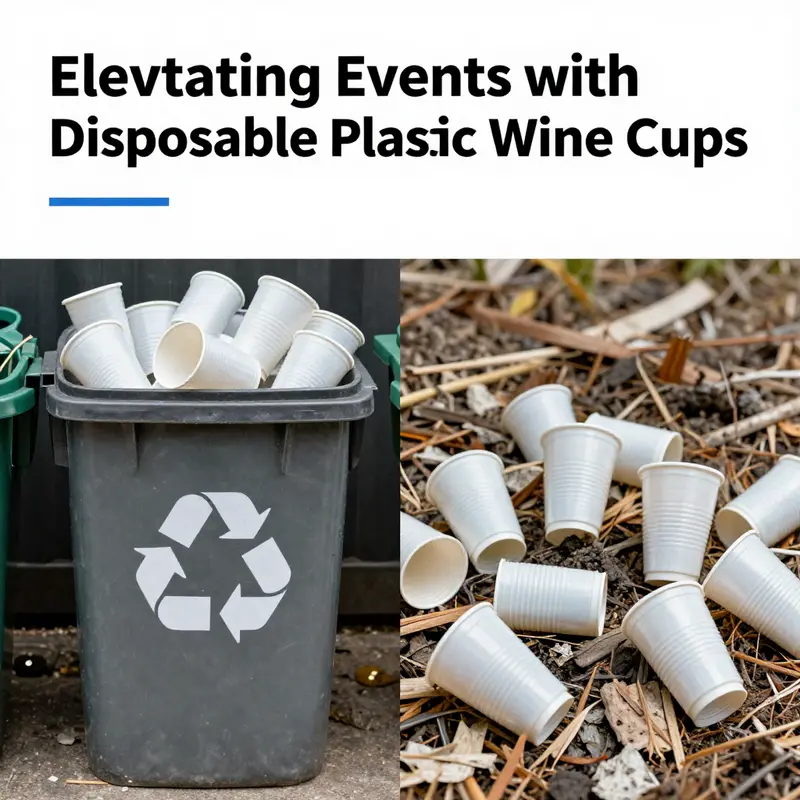
The moment is familiar: candles flicker, music swells, and the clink of glasses marks a celebration. In many modern gatherings, the unmistakable convenience of disposable plastic wine cups helps hosts manage flow, speed up cleanup, and reduce breakage under crowded skies of laughter and speech. Yet as planners and guests raise a toast, a less visible aftertaste travels with the plastic—and it lingers long after the last dance. The environmental footprint of disposable plastic wine cups is not a footnote in event planning but a thread that runs through the life cycle of these ordinary items, from the moment a host tosses a lid onto a cup to the moment the discarded cups enter a waste stream that ultimately feeds landfills, incinerators, or the uncertain edges of recycling facilities. Understanding that footprint requires peeling back the layers of material choice, disposal realities, and the sometimes contradictory signals that marketers send about eco-friendliness. It also invites a more nuanced conversation about what kind of celebrations we want to support and how we can align joy with responsibility without losing the spontaneity and simplicity that guests expect.
The first layer of this discussion centers on material science. Disposable wine cups are typically made from food-grade plastics such as polypropylene (PP) or polystyrene (PS). These polymers offer clarity, durability, and the resilience needed to hold both cold and warm beverages for a few hours without cracking or clouding. They are designed for single-use efficiency, a design choice that aligns with the event economy where speed and low upfront cost are prized. In many markets, these cups are marketed as BPA-free and safe enough for various temperatures, which reassures consumers worried about chemical exposure. The practical upshot is clear: PP and PS cups keep costs down and guest experiences predictable, which is why they remain dominant in large gatherings where dozens or hundreds of cups might be consumed in a single evening. The downside, however, is that these benefits come with a heavy environmental price tag once the party ends and the cups are discarded.
A growing body of literature questions the environmental “green” halo that some disposable cups carry. A key thread in the literature concerns bioplastics, especially polylactic acid (PLA), which is derived from renewable resources like corn starch. Many products in the disposable category have leaned on PLA as a marketing-friendly claim of compostability or reduced fossil fuel dependence. Yet the story is more complex than a simple substitution of one plastic for another. A 2025 study conducted in Germany evaluated PLA against traditional PP across multiple environmental impact categories, including greenhouse gas emissions and resource use. The study concluded that PLA did not demonstrate substantial environmental advantages over PP when the full life cycle was considered. In other words, the production, transport, and end-of-life handling of PLA often offset the emissions savings that might be expected from replacing fossil-based plastics with plant-based materials. This finding challenges a common assumption that biosourced materials automatically deliver superior ecological performance, and it invites a deeper look at where and how these materials actually thrive or falter.
End-of-life realities compound the PLA debate. PLA’s strength—its compostability—depends on industrial facilities that can maintain high temperatures and controlled conditions. In practice, such facilities are not universally available, and many PLA items end up mixed into conventional recycling streams or, worse, in landfills. When PLA materials reach standard waste treatment systems designed for conventional plastics, they may contaminate recycling streams or fail to degrade in a timely fashion. In landfills, PLA behaves like many other plastics: it tends to persist for long periods, slowly breaking down into smaller fragments rather than returning to the soil or atmosphere in a meaningful, environmentally beneficial way. This nuance matters because the presence of non-degradable plastics in landfills delays the opportunity for material recovery and complicates long-term waste management strategies.
Beyond the chemistry of these materials, recent watchdog reporting has raised concerns about the safety and labeling surrounding so-called natural or biodegradable disposable cups. A 2026 consumer watchdog assessment highlighted that some products marketed as natural or biodegradable contained carcinogenic substances at levels well above what is considered acceptable. This finding underscores a broader problem in the disposable cup market: labeling can be opaque, and the public may assume that “biodegradable” or “eco-friendly” guarantees a safer or more responsible option. It is a sobering reminder that environmental claims must be supported by transparent testing, robust standards, and credible certifications. In practical terms, this means that consumers and event organizers should scrutinize disposal options and invest in verifiable information about the actual performance of a product throughout its life cycle, from production to disposal, rather than trusting marketing labels alone.
If thePLA narrative challenges the assumption of universal benefit, what about the broader push toward sustainable alternatives? Reusable cups emerge as the most consistently environmentally sound option when used multiple times. They reduce the per-use impact derived from production and disposal, especially when the cups are durable, easy to clean, and integrated into a facility’s hygiene and waste management system. Reusables also offer the opportunity to elevate event aesthetics, particularly when multiple passes through a washing cycle can maintain a pristine appearance and avoid the cumulative waste associated with single-use items. Yet the switch to reusables is not a simple moral victory; it requires careful planning around hygiene, storage, transport, and energy use for washing. The water, electricity, and detergent demands of a busy venue must be weighed against the material and processing savings achieved by not generating waste at the source. In spaces without on-site dishwashing or reliable cleaning infrastructure, reusables can become a logistical challenge that erodes some of their environmental advantages if imperfectly implemented.
Against that backdrop, many event planners consider hybrid solutions: partially reusable systems with a limited number of disposables for peak moments, or compostable disposables that claim delicate environmental stewardship. In practice, even compostable plates and cups are not a panacea. Their compostability depends on the presence of industrial composting facilities that can reach and sustain the temperatures needed for rapid degradation. Without such facilities, these items behave similarly to conventional plastics in landfills, not breaking down as quickly as expected and potentially contaminating compost streams if not properly sorted. The result is a policy-relevant takeaway: the environmental benefits of alternatives like PLA or compostable plastics hinge less on the label and more on the surrounding infrastructure and consumer behavior. A system that encourages proper disposal, clear labeling, and accessible recycling or composting options will always outperform a product that promises eco credentials but depends on a fragile end-of-life network.
The issue of labeling and consumer understanding extends to the practical decision of which disposable option to choose for a given event. If an organizer must opt for disposables due to scale, density, or resource constraints, the emphasis should shift toward materials and disposal pathways that maximize recoverability and minimize contamination. This means selecting items that are widely accepted in local recycling streams, avoiding coatings or additive packages that complicate sorting, and providing clear instructions and separation bins to guide guests through responsible disposal. It also means recognizing that the simplest path to reducing harm is often the one that minimizes overall waste generation in the first place. When every guest has a clearly marked place to place used cups and lids, the probability of contamination and the burden on waste workers diminishes, and the environmental performance of the chosen disposable option improves accordingly.
In weighing the trade-offs, the role of consumer education cannot be overstated. The public often encounters a confusing array of terms—biodegradable, compostable, recyclable, PLA, PP, PS—and the environmental benefits hinge on an informed end user who can act appropriately. Without consistent labeling standards and universal expectations, households and event spaces alike struggle to separate products properly. This is where policy, industry standards, and practical guidance intersect. Clear, standardized labeling helps ensure that what goes into the recycling stream actually returns to the economy as a usable material, rather than becoming contamination that undermines the value of the entire recycling program. The bottom line is that reducing the footprint of disposable cups is not solely about choosing a better plastic; it is about choosing the right material for the specific end-of-life infrastructure available, communicating expectations, and aligning event practices with local waste management realities.
From the perspective of long-term resilience, one internal reflection for planners is to explore practical, high-visibility education about end-of-life options. For example, if a venue lacks industrial composting capacity, it becomes incumbent on organizers to avoid compostable options that would otherwise fail in the given context. Conversely, venues with robust recycling or composting capabilities can benefit from well-timed messaging that directs guests to appropriate disposal streams. In this way, the environmental performance of disposable cups becomes a shared responsibility among manufacturers, venues, and attendees, rather than a burden shouldered by one party alone. The celebratory moment—the toast—remains intact; the difference lies in the aftertaste left by the waste system and the choices that precede it.
To illustrate a broader horizon, consider the available alternatives and how they fit into different event contexts. Some eco-conscious solutions emphasize reusable beverageware with a high reuse rate, while others advocate for paper-based or plant-based disposables designed for optimized recycling or composting. Each path has its own set of prerequisites, strengths, and risks. A realistic takeaway for planners is to evaluate options through a systems lens: what happens to the cups after the party ends, how accessible are the end-of-life pathways, and what is the true, aggregated environmental cost when all stages are counted? In practice, this means moving beyond convenience toward a more holistic approach that accounts for supply chains, worker safety, energy and water use in cleaning processes, and the potential for material recovery. It also means retaining flexibility: if the event environment or community waste infrastructure changes, so too should the choice of cups and the disposal strategy.
In the spirit of better decision-making, consider the ways in which information about end-of-life pathways can be made more accessible. One approach is to integrate a simple, guest-friendly call to action on the event screens or signage that explains how to sort cups and lids, what can be recycled in the local stream, and whether composting is available. Another approach is to prioritize suppliers and products that demonstrate credible life-cycle assessments and transparent certifications. While no single solution fits every context, the thread that runs through all of these considerations is clear: the most effective way to reduce the environmental burden of disposable wine cups is to design events with the end in mind, and to ensure that the end is compatible with the local waste ecosystem.
As a practical reminder that the story is not merely about materials but about systems, it can be helpful to consider an alternative example from the broader disposable-ware landscape. The discussion around eco-friendly, paper-based, or plant-based options demonstrates how a seemingly greener choice can fail to deliver if the surrounding infrastructure is not prepared. For instance, while paper-based cups may appear to offer a more sustainable path, they still require careful sorting and processing to avoid undermining recycling streams or crowding landfills with non-degradable coatings. In this sense, the environmental calculus for disposable cups cannot rest on a single characteristic such as “biobased” or “compostable” alone. It demands an integrated view that accounts for production emissions, material efficiency, facility availability, guest behavior, and the economic viability of end-of-life management.
For readers exploring how to translate these insights into real-world practice, a useful reference point is the broader literature on food-service packaging and waste management. The current evidence base emphasizes that the biggest gains come from reusables and from enhancing the efficiency and effectiveness of end-of-life systems when disposables are used. In contexts where a switch to reusables is not feasible, selecting products with verifiable performance in local recycling or composting streams and investing in clear disposal guidance can still meaningfully reduce environmental harm. The goal is not to demonize disposables but to elevate the decisions that surround them, so that celebrations can be joyful without leaving an excessive footprint behind.
In sum, the environmental footprint of disposable plastic wine cups is a complex tapestry of material science, infrastructure readiness, consumer behavior, and regulatory oversight. The evidence suggests that while bioplastics and compostable options have a place, they do not automatically deliver superior environmental outcomes when life-cycle realities are fully accounted for. Reusables offer the strongest, most durable path to reducing waste, provided that hygiene and logistics are managed with care. When disposables are the only practical option, the preferred course is to choose products that align with accessible end-of-life options, back them with robust labeling and guest guidance, and continuously evaluate waste-management performance as part of the event planning process. The toast remains a symbol of connection; the environmental footprint behind it, however, invites a more deliberate and systemic approach to celebration. For those who wish to delve deeper into the science and debates surrounding these issues, the ScienceDirect study on environmental impact offers a rigorous, up-to-date perspective on where the advantages and limitations lie: https://www.sciencedirect.com/science/article/pii/S187661962500045X. To connect readers with practical alternatives and additional context within this site, you can explore the customized disposable single-wall paper ice-cream cups with lid as an example of how some eco-conscious options frame their products and end-of-life pathways. customized disposable single-wall paper ice-cream cups with lid.
Disposable Elegance on the Go: Understanding the Role of Plastic Wine Cups in Modern Event Experience

Plastic wine cups, at first glance, seem like a modest solution to a predictable problem: how to serve wine gracefully at events without risking the heartbreak of shattered glass. Yet beneath their transparent shells lies a careful fusion of practicality, aesthetics, and consumer psychology that has quietly reshaped how people host, attend, and remember gatherings. The disposable cup, once dismissed as a compromise, has evolved into a flexible tool that blends convenience with a sense of ceremony. Its appeal is not merely in its price or its lightness; it rests in how well it supports the social rituals around wine—pouring, sampling, toasting, and lingering over conversations—without demanding the same care or cleaning effort that glassware requires. In this sense, the modern disposable wine cup does not betray its purpose. It elevates it, by offering a canvas that can be both functional and visually reassuring, a vessel that can be as elegant as the moment demands and as practical as the logistics require.
The core of this evolution lies in materials and design. Typically crafted from food-grade plastics such as polypropylene or polystyrene, these cups prioritize clarity, strength, and a measured grip. They are engineered to resist cracking under normal transport stresses and to hold cold or room-temperature beverages without sweating excessively, which keeps tables neat and hands dry. Because concerns about health and safety have grown, many current designs are marketed as BPA-free, reinforcing the perception that disposables can be both convenient and responsible. While plastic is often framed as a less sustainable option, the narrative around these cups has shifted toward a more nuanced view of the lifecycle. For many events, the advantages in hygiene, ease of use, and rapid cleanup still trump the drawbacks, especially when the alternative is washing and returning glassware in a high-pressure service environment.
What matters to the consumer is less the raw material and more the experience the cup supports. The 7-ounce and 12-ounce capacities commonly available align with typical wine portions at receptions and parties, providing enough volume for a satisfying taste while keeping the vessel compact enough to handle en masse. Design features increasingly reflect a bid for “elegant disposable” status. A clear cup can be paired with a subtle metallic rim or a frosted exterior to evoke the look of crystal without the fragility. The idea is to deliver a sense of refinement that matches the occasion while preserving the practical benefits of disposability. In formal or semi-formal settings, hosts gravitate toward cups that visually read as premium, even as they remain disposable in practice. This juxtaposition—glamour on a budget, simplicity in cleanup—appears to satisfy a broad spectrum of guests, from those who linger at a reception to those who move quickly through a buffet line.
From a consumer preference standpoint, the trend toward elegant yet functional disposables has become a defining force. Market observations point to a growing interest in features that mitigate the everyday frustrations associated with wine service in non-traditional venues. Spill-proof or spill-resistant options, for instance, address the common anxiety of carrying a glass through a crowded room or a garden lawn where uneven footing might threaten a spill. Likewise, sweat-free exteriors play a significant role in keeping wine glasses and wine bottles comfortable to handle in hot festival lights or summer venues. For chilled wines, condensation can ruin the visual appeal of a table arrangement and dampen the dining experience. A cup with a smooth, sweat-proof exterior not only feels more comfortable in the hand but also contributes to a better aesthetic in photos and in-person impressions alike.
Durability during transport is another influential factor. Caterers and event planners value cups that endure the bumps and shifts of a busy day—from loading into cars to stacking in crates and moving along service corridors. A cup that resists warping or cracking when knocked against other serving ware or when tucked into a crowded cooler becomes a quiet asset in the backstage logistics of event management. In tandem with these physical considerations, designers are increasingly mindful of the way a cup communicates care for guests. The visual cues—crystal-clear clarity, a gleaming rim, a perfectly proportioned lip—signal a level of hospitality that extends beyond the beverage itself. This is where the language of disposable dinnerware converges with hospitality design: even in a disposable form, a cup can say, without words, that guests are seen, respected, and accommodated.
Another dimension shaping consumer behavior is the emergence of temperature-tolerant disposables. The traditional concern that plastic might not handle hot liquids well has given way to innovations that expand the scope of what a disposable cup can do. Double-wall insulation, sometimes achieved with a clever two-layer construction or a specialized polymer blend, helps beverages remain at their preferred temperature longer. Even when the wine is chilled, the outer surface remains comfortable to touch and does not condense moisture onto table linens. This kind of advancement matters in outdoor weddings, beachside receptions, or stadium events where environmental conditions are less predictable. The effect on guest satisfaction is subtle but real: people feel more at ease when their cup accommodates temperature shifts without compromising grip or aesthetics. In short, the evolution of the disposable wine cup mirrors a broader shift in consumer expectations for convenience without sacrificing presentation.
For professionals in the events industry, material composition translates into tangible decision criteria. Polypropylene, noted for its higher melting point and transparency, often stands up to longer service periods and occasional hot-fill needs while preserving clarity. Polystyrene, on the other hand, can deliver a crisper edge and a more rigid form that reads well on a tabletopscape or in photographs. The choice between these plastics is not purely technical; it is also about the story the host wants to tell. A sleek, crystal-clear cup with a delicate rim can be the unsung hero of a reception’s visual language, allowing the wine to take center stage rather than the vessel itself. Yet the economics of scale matter too. Disposable cups are, by design, designed for cost efficiency and broad availability, a feature that endears them to planners juggling dozens of moving pieces. The budget, the guest experience, and the timing of service converge in a decision that might seem small but has outsized influence on how a celebration feels to each attendee.
The environmental footprint of disposables remains a central conversation in contemporary consumption. Despite advances in materials science and recycling capabilities, many consumers still worry about landfills and the oceans. The newer generation of disposables is increasingly marketed with recyclable or compostable variants, including efforts to use plant-based plastics or coatings that are friendlier to waste streams. The trade-off, however, often centers on cost and practicality. Compostable cups, while appealing in theory for outdoor events, may require industrial composting facilities to meet real environmental benefits, and not all venues have access to such infrastructure. Recyclable designs depend on robust post-consumer collection and effective sorting; without these, the benefit tends to be limited. In the end, the conversation about eco-conscious disposables is shifting from whether disposables can be green to how an event can be organized so that the full lifecycle—from setup to cleanup and disposal—minimizes environmental impact. This means planners think more strategically about where to source cups, how to educate guests on disposal, and how to design service flows that reduce waste, all while maintaining the elegance and convenience guests expect from the occasion.
The professional lens adds another layer of nuance. For caterers, wedding designers, and venue managers, the right disposable cup is not a standalone product but a piece of a broader system. It intersects with glassware reserves, refrigeration strategies, transport logistics, and even weather contingency plans. A well-chosen cup complements the service model—whether it’s a buffet setting that requires quick replenishment or a seated reception where guests circulate with minimal disruption. Material choices influence how cups stack and transport, how they interact with lids and other accessories, and how staff can move efficiently without compromising service quality. In this light, the cup becomes a component of a seamless guest experience, a small but meaningful element that supports hospitality goals rather than merely filling a need. The modern disposable wine cup thus occupies a strategic space: it is not only about dispensing wine but about enabling the choreography of social interaction, movement, and memory-making at events.
As this chapter threads through the social, logistical, and environmental dimensions, a quiet trend emerges: the plastic wine cup has become a canvas for both design and function. It embodies a delicate balance between the ease of disposability and the aspiration for a more elevated event atmosphere. The texture and tone of the cup—clear, bright, with or without a rim, with a light grip or a smooth exterior—contribute to how guests perceive the beverage and the event’s overall tone. Even at a crowded cocktail hour, the right disposable cup can help guests feel comfortable and tended to, which in turn supports conversations, toasts, and the small rituals that linger in memory long after the last guest has departed.
What this means for future developments is both practical and aspirational. Designers will continue to explore ways to push the aesthetic envelope of disposables without sacrificing practicality. Expect more variations in rim design, clearer clarity, and improved grip textures that remain user-friendly for guests of all ages. Innovations in coatings and barrier properties could widen the temperature range and improve stain resistance, which matters for wine tastings and longer events. As sustainability remains a touchstone for many customers, the market will likely see more transparent communication about the environmental implications of different cup choices and more accessible options for responsible disposal. In this evolving landscape, the disposable plastic wine cup is not a lesser alternative; it is a dynamic component of modern hospitality, capable of guiding guests through moments of celebration with a balance of convenience, style, and care.
For readers who want to explore a practical example of how a disposable option can align with eco-conscious goals without sacrificing aesthetics, consider a family of products designed to blend plant-based or recyclable materials with a sleek, glass-like appearance. The idea is to offer a credible path toward sustainability that still respects the social rituals guests expect at weddings, anniversaries, and big gatherings. To deepen understanding of how such alternatives are presented to consumers and the trade-offs involved, one can examine how different materials perform in terms of heat resistance, clarity, and recyclability. A visit to a supplier’s catalog can illuminate the design logic behind the rims, the thickness of the walls, and the way the cup interacts with beverages of varying temperatures. This is not about replacing tradition with technocratic efficiency but about enhancing the moment through thoughtful material science and careful service design.
In summary, the disposable plastic wine cup has matured beyond its initial role as a convenience item. It now offers an aligned blend of elegance and practicality that supports modern event experiences. Consumer preferences trend toward cups that feel refined yet manageable, that reduce cleanup time without compromising presentation, and that acknowledge environmental concerns with transparent, responsible options. For professionals, the choice of cup becomes a strategic decision that integrates with service models, venue capabilities, and sustainability commitments. The result is a disposable cup that honors the social ritual of wine while embracing the realities of contemporary event logistics. As taste, texture, and temperature management continue to improve, these cups will remain central to how people celebrate—whether under chandeliers, on sunlit terraces, or in casual garden settings—delivering a small but meaningful sense of ceremony in every pour.
Final thoughts
The rising popularity of disposable plastic wine cups demonstrates their essential role in catering to modern consumer demands for convenience and style. By understanding their material composition, market trends, and environmental impacts, beverage businesses can better adapt to the evolving landscape. Embracing these versatile products not only enhances service offerings but also addresses sustainability challenges, making it easier to cater to both aesthetic preferences and eco-conscious choices in events and celebrations.