
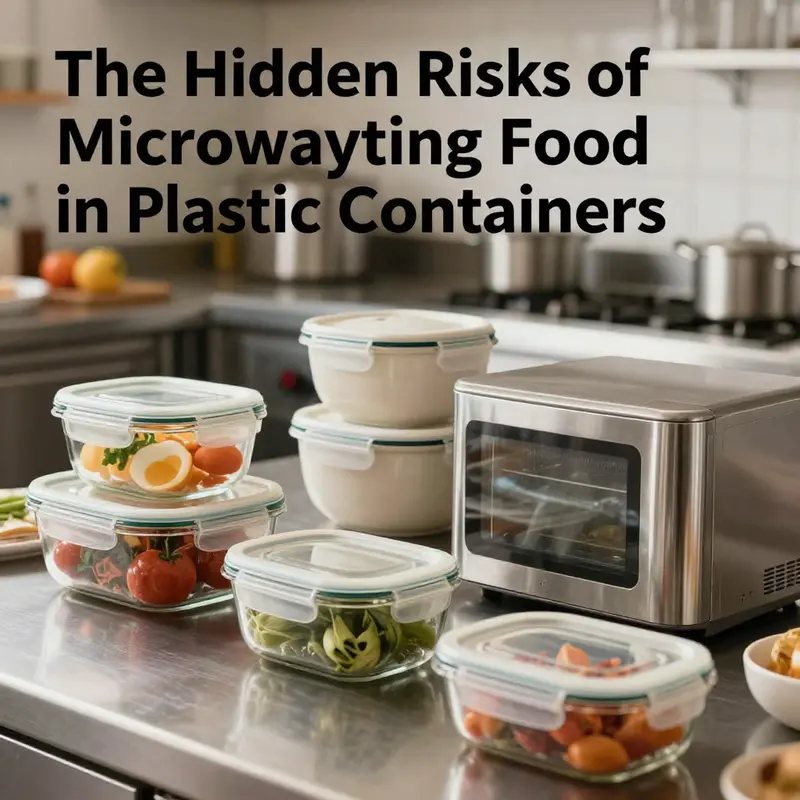
Microwaving food is a common practice in many establishments, from bubble tea shops to food trucks, providing quick service and convenience. However, many do not realize that using plastic containers in the microwave can expose customers and staff to significant health risks. This article delves into the dangers of microwaving food in plastic containers, the implications of microplastics, regulatory gaps in food safety concerning plastic use, and safe practices for heating food without the associated hazards. Understanding these issues is vital for businesses aiming to prioritize health and safety in their operations.
Heat, Plastic, and Small Particles: The Hidden Health Risks of Microwaving Food in Plastic Containers

A simple kitchen scene can hide a complex health question. You pop leftovers into a plastic container, press a quick warm, and within minutes the familiar hum of the microwave becomes a conduit not just for heat but for something far less visible. Microplastics and nanoplastics, tiny fragments that were once confined to polluted rivers and soil, may begin their journey from the container into the food. The lid seals, the timer ticks, and the meal returns to your plate. Yet the science behind this routine is crystal clear in its implications: heating in plastic is not a neutral act. It can alter the material in ways that shed microscopic particles and potentially release hazardous chemicals into the food you eat and, ultimately, into your body.
The evidence is not about a distant, hypothetical hazard. A body of research has begun to map the release of microplastics and nanoplastics when plastics are heated. A striking, widely cited finding shows that heating a plastic container in the microwave for just a short interval—three minutes—can release over 2 billion nano-plastic particles and 4 million micro-plastic particles per square centimeter. That release dwarfs what happens during refrigeration or room-temperature storage. And the release is not uniform; liquids such as water, milk, or acidic items like tomato sauces tend to shed more particles. The sheer scale of that release matters because these particles are so small they can slip past our defenses in the digestive tract and travel into the bloodstream.
From there, the implications extend beyond the moment of heating. Nanoparticles are so diminutive they can cross biological barriers that larger particles cannot. Studies in laboratory settings have demonstrated that these particles can enter the bloodstream and move into organs including the brain, heart, kidneys, and even the placenta. In organ systems that are critical for development, metabolism, and neural function, the potential for chronic exposure raises urgent questions about long-term health effects. The risk is not a single outcome but a spectrum of possibilities, from inflammatory responses to cellular stress and potential toxicity at the level of organ systems. While the field is still developing, the convergence of exposure data with clues from cellular studies points toward a precautionary takeaway: reducing unnecessary microplastic exposure is a prudent health measure.
What makes microwaving in plastic particularly problematic is the way heat interacts with the chemical makeup of many plastics. It is common to hear the phrase “microwave-safe” on a container, but that label does not guarantee freedom from chemical migration. The designation mainly signals that the plastic will not melt or warp under typical heating. It does not imply that the plastic will remain chemically inert when subjected to high heat, fatty foods, or acidic foods. In reality, heat can destabilize the molecular structure of polymers and related additives. When heated, certain plastics can release substances that migrate into the food. If the food is fatty or acidic, the extraction process can accelerate, carrying more compounds into your meal. The picture becomes more complex when you consider the diversity of plastics used in consumer packaging, each with its own set of additives and potential interactions with heat.
Among the chemicals of concern, Bisphenol A—BPA—has historically received the most attention. BPA is a building block in many plastics and in the linings of metal cans. Even though BPA has been phased out of many consumer products, especially those aimed at infants and young children, replacements such as BPA substitutes (like BPS or BPF) have entered the market. The concern is not simply about BPA alone but about the broader family of bisphenols and their structural relatives. These compounds can mimic estrogen in the body, potentially disrupting hormonal balance. Reproductive health, developmental outcomes in children, measures of obesity, and cancer risk have all been linked to exposure to these kinds of endocrine-disrupting compounds in various studies. The switch from BPA to alternatives does not guarantee a safer outcome; it shifts the risk to other bisphenols that may carry similar endocrine-disrupting properties.
Phthalates add another layer of complexity. Used to make plastics flexible, these additives likewise function as endocrine disruptors. They have been associated with reduced fertility and metabolic disturbances in some populations. The concern is not restricted to a particular age group; exposure can occur across the lifespan, with potential implications for reproductive health and weight regulation. The idea that a container labeled BPA-free automatically becomes a safe choice is, in this light, overly optimistic. Some products marketed as BPA-free or free of certain additives can still shed other hazardous substances under heat stress. A 2019 study published in a prominent endocrine-focused journal underscored this reality: alternative chemicals can exhibit comparable endocrine-disrupting properties to BPA, illustrating how “BPA-free” does not equate to risk-free.
Further complicating the risk landscape are PFAS, the so-called forever chemicals, sometimes present in grease-resistant coatings on takeout containers or in certain plastic wraps. PFAS are persistent in the environment and in the human body, and their presence in heated foods can contribute to long-term health concerns. While the science is still evolving, the combination of microplastic shedding and chemical migration creates a multi-pronged exposure scenario that is difficult to address with a single solution.
What should a consumer do in the face of this mosaic of risk? The most direct, practical approach centers on minimizing exposure by changing how we heat and store food. The recommendations are straightforward and repeatable, designed to be easy to adopt in everyday life. First, always transfer food from plastic containers into glass, ceramic, or stainless steel dishes before microwaving. This simple step targets the most controllable route of exposure: the heating environment itself. It avoids the interaction of heat with plastic polymers and the potential leaching of additives. Second, avoid using plastic wrap or bags for heating, especially those with unclear labeling or PVC concerns. In many cases, the wrap is designed for cleanliness and convenience, not for chemical stability under heat. The safest practice is to avoid exposing plastic wrap directly to food during heating unless the wrap is specifically designed and labeled for microwave use. Third, prefer reusable glass or metal containers for both storing and reheating meals. The stability of glass and metal under high heat reduces the likelihood that microplastics shed into the food, and it eases the mind of the person who prepares or shares meals with others.
Takeout and convenience meals introduce additional considerations. When possible, transfer takeout food to a safer container immediately rather than eating it directly from the packaging. The packaging around takeout is often designed for transport, not for repeated heating, and may include coatings or seals that are not stable under microwave conditions. This simple habit—moving the food into a safe vessel before reheating—reduces exposure during the most intense phase of heating. In households where containers are reused, carefully inspecting plastic containers for cracks, clouding, warping, or other signs of degradation is also a prudent habit. A compromised container is more likely to shed microplastics and to permit greater chemical migration when heated.
The logic behind these steps is not merely precautionary. It reflects a growing understanding that regulatory frameworks have historically focused on migration of chemicals under conditions meant to simulate storage or manufacturing scenarios. These regulations often do not measure microplastic release under heating, a gap that means a plastic container can be technically compliant yet still contribute to microplastic exposure when used in a microwave. The absence of microplastic metrics in food safety standards does not minimize the potential health impact; rather, it highlights a regulatory blind spot in a world where plastic packaging is ubiquitous and heating in plastic remains common. The tension between convenience and safety is not new, but the scale of microplastic shedding under microwave conditions elevates the stakes and reinforces why a cautious behavior pattern is warranted beyond the limits of current compliance standards.
In this context, the cultural and practical shift toward safer reheating methods becomes part of a larger conversation about how we design and use packaging. The preference for durable, reusable materials that withstand heat without releasing particles aligns with broader environmental and public health goals. Glass, ceramic, and stainless steel have a longer track record of stability in high heat and a lower propensity to shed microplastics or migrate additives under typical household use. These choices also intersect with climate and waste considerations, as many of these materials are more readily recycled or long-lasting than single-use plastics. The shift away from heating in plastic does not demand perfection at once; it invites incremental changes that reduce risk, protect developing bodies, and promote a more robust understanding of how routine kitchen practices intersect with long-term health.
Of course, consumer education alone cannot solve a systemic problem. For a consumer, the practical steps listed above are actionable and reproducible, but they sit within a broader ecosystem of packaging design, manufacturing choices, and regulatory oversight. The science suggests that even well-intentioned choices can still allow exposure, which is why the emphasis on safer reheating environments remains critical. It is not only about avoiding a hazard but also about redefining what we consider acceptable in our daily routines. If a simple action—transferring food to a safer vessel—can substantially lower microplastic exposure, then it deserves a place in the core habits of anyone who regularly uses a microwave.
To connect this discussion to real-world choices, consider the practical shift toward containers made from non-plastic materials for both storage and reheating. A growing segment of households and workplaces is adopting eco-friendly options such as kraft paper take-away bowls and other paper-based packaging for portions that require reheating. These materials, when used appropriately, can offer stability under heat, reduced risk of plastic-associated leaching, and a pathway to trash reduction when designed for recycling or composting where appropriate. For those exploring convenient yet safer reheating options, a shift toward such packaging can be a meaningful step. See one example of this packaging approach here: eco-friendly kraft paper disposable serving bowls.
Beyond individual choice, the chapter’s underlying message is that safety in the kitchen begins with an honest appraisal of daily rituals. The microwave offers speed and convenience, but it can also be a catalyst for microplastic shedding and chemical exposure when used with plastic. The balance between convenience and protection requires thought about the materials we trust with our food, especially when heat is involved. If you routinely reheat meals in plastic containers, it is worth experimenting with one small, attainable change at a time. Start by reheating one glass container of leftovers instead of a plastic one. Gradually expanding the practice over weeks can transform a habit into a reliable safeguard without sacrificing the sense of ease that microwaves provide.
In the context of broader public health, these practices matter because they minimize cumulative exposure. Microplastics are not a single-dose risk; they contribute to ongoing, low-level exposure that likely combines with other environmental sources. What we do in the kitchen—how we heat, what we store, and the containers we choose—adds to a body of exposure that researchers are only beginning to quantify in relation to health outcomes. The takeaway is not to pursue absolute perfection but to adopt a practical, evidence-informed standard: avoid heating food in plastic whenever possible, and when plastic cannot be avoided, choose plastics with the most stable behavior under heat or, better still, transition to safer materials for reheating.
Finally, this chapter reinforces a key message for readers who want to translate science into everyday action. The safest rule is simple and memorable: never microwave food in any plastic. The evidence around microplastic shedding and chemical migration under heat supports treating this rule as more than a caution; it becomes a practical guideline for reducing exposure to potential hazards. By prioritizing alternatives such as glass, ceramic, or stainless steel, and by embracing safer packaging options for takeout and meal prep, we align daily routines with the best available science. The cumulative effect of small, consistent choices can meaningfully reduce risk over a lifetime of meals, especially for children, pregnant people, and others who may be more vulnerable to endocrine disruptors and environmental pollutants.
For those seeking a broader perspective on packaging safety and up-to-date guidance, consult authoritative resources that summarize current evidence and regulatory viewpoints. While science continues to evolve, the core recommendation remains stable: minimize heating of food in plastic, favor safer materials, and stay informed about the latest research on microplastics and chemical migration. The kitchen is a place where small changes compound into meaningful health benefits, and each reheated meal is an opportunity to reinforce safer habits rather than simply chasing convenience.
External reference and further reading: For a concise, current overview of microwave safety in relation to packaging, including regulatory context and practical guidance, see the U.S. Food and Drug Administration’s guidance on Microwave Safety and Food Packaging. This resource provides a framework for understanding what labels mean and how heat interacts with packaging materials in real-world use. https://www.fda.gov/food/food-contact-materials-labeling/microwave-safety-food-packaging
Rethinking Microwave Habits and Plastic Containers

Microwaving food in plastic is more than a quick convenience; it is a heating process that can drive particle release and chemical migration. Heat can soften plastics and cause tiny particles to shed into the food, while additives may leach out and interact with biology. The concern spans microplastics, nanoscale particles, and endocrine disrupting compounds found in many plastics. Different materials such as PP, PS, and PET show different vulnerability to heat and to additives, and the level of exposure can rise with liquids or acidic foods. Practical guidance emphasizes safer alternatives: transfer meals from plastic to glass, ceramic, or stainless steel for heating; avoid heating damaged or worn containers; and keep a stash of heat stable, non plastic options for reheating. When takeout arrives in a plastic container, move the contents to a safe vessel before microwaving. The goal is to reduce particle shedding and chemical exposure while preserving the convenience of reheating meals. A broader approach includes minimizing plastic use for storage as well and selecting durable vessels that tolerate repeated heat. Ultimately the advice is pragmatic: never microwave food in a plastic container when feasible, and choose non plastic materials for heating whenever possible. For those who want to explore further, seek credible sources that summarize current findings on microplastics and microwaving. Simple habit changes, such as preheating in a glass bowl and washing containers properly after use, can add up to meaningful reductions in exposure over time.
Closing the Blind Spots: Regulatory Gaps in Plastic Containers and Microwave Use

A core truth underpins the issue of microwave safety for plastic containers: safety claims are only as good as the rules that govern the products and the tests that back them. Across many jurisdictions the safety architecture fails to fully capture how containers behave under real kitchen conditions, leaving a gap between what is tested and what is used every day. Studies have shown that heating plastic in a microwave can cause more than simple chemical migration; it can also shed micro and nanoplastics that may enter the food and potentially the body. Yet regulatory action often lags behind science, and standards for plastic contact materials remain fragmented and uneven. The result is a landscape where a container can pass static migration tests yet still release large numbers of particles when heated with common foods, fat content, and acidic sauces. Three broad gaps stand out. First, there is a lack of harmonized standards that cover the full range of materials used in contact with food during heating. BPA has been restricted in some contexts, but substitutes such as BPS and BPF are not uniformly regulated or adequately tested for real world conditions. Second, testing regimes frequently fail to reproduce repeated heating, complex food matrices, and long term use, which are exactly the scenarios that drive particle shedding and accelerated migration. Third, data and funding arrangements can skew the evidence base, slowing the translation of new findings into policy when industry interests or outdated studies dominate the literature. These gaps shape what families see at the grocery shelf and how manufacturers design products. They also create regulatory uncertainty for regulators who must balance innovation with protection. A practical response would rely on three coordinated pillars. Strengthening premarket review to require evaluation of particle shedding under realistic heating scenarios and multiple food types. Reframing labeling to clearly indicate the materials used, the heat conditions tested, and the observed safety outcomes. And adopting proactive postmarket oversight to monitor emerging substitutes and rapidly update standards as new evidence arrives. Public guidance should also emphasize safer practices, including transferring food from plastic to glass or ceramic for heating, avoiding wrap and bags not clearly labeled for high heat, and choosing packaging designed to minimize shedding. The broader aim is to reduce exposure without stifling material innovation. As research progresses regulators and the public must stay aligned through transparent data sharing, independent verification of claims, and a commitment to harmonized global standards that can keep pace with new materials and products. The path forward is neither straightforward nor quick, but a cautious, evidence driven approach can close the regulatory blind spots and help ensure that plastic containers serve their intended purpose without introducing unintended health risks. For readers seeking more context, see current reviews on chemical leaching and the regulatory considerations they raise, including multidisciplinary assessments and global perspectives. The discussion remains dynamic as new materials and formulations reach the market and as governments refine testing and labeling expectations.
Heat It Right: Safe Practices for Microwaving Food in Glass and Ceramic, Not Plastic

Microwave speed has reshaped how we eat, but speed sometimes masks a hidden cost. The convenience of reheating food in plastic containers has become so commonplace that many people never question what heat does to the plastics themselves. The clean simplicity of a quick zap can, in fact, carry a troubling load of tiny particles into our bodies. A 2023 study published in Environmental Science & Technology highlighted a stark reality: heating a plastic container in the microwave for just three minutes releases staggering numbers of micro- and nano-plastics per square centimeter—over 2 billion nano-plastic particles and about 4 million micro-plastic particles per square centimeter. The more liquid and acidic the contents, the more shedding occurs. This is not a distant theoretical risk; it is a measurable exposure pathway that can end up in the foods we eat and the drinks we drink when we heat them in plastic. The tiny scale of these particles makes them easy to overlook, yet their potential to travel from a heating container into the bloodstream, and even across the blood-brain barrier within a couple of hours, has raised concerns about long-term health effects. In many studies, these particles have been detected in human tissues and organs, including the brain and placenta, underscoring why the health implications feel personal and urgent. What makes this even more troubling is a regulatory gap: current food safety standards focus on chemical migration and hygiene in the context of packaging, but they still do not measure microplastic release during heating. A container marked as “safe” by existing standards might still shed a significant load of microplastics when exposed to heat. This disconnect between regulation and real-world exposure demands a careful, practical response in how we heat and store food from here on out.
To translate this science into safer everyday practice, the core recommendation remains straightforward: keep plastic out of the heating process whenever possible. The simplest and most protective approach is to transfer food from plastic containers into glass, ceramic, or stainless steel dishes before microwaving. This single shift can dramatically reduce the risk of microplastic shedding into your meal. It is not merely about banning plastic altogether in the kitchen; it is about rethinking the heating environment so that the container itself does not become a source of exposure. When in doubt, opt for non-plastic vessels that are specifically designed to withstand microwave heating without leaching into food.
The evidence, however, also points toward a nuanced set of safe practices that go beyond simply avoiding plastic. Non-plastic options—primarily glass and ceramic—offer robust safety profiles for microwaving and provide practical advantages in everyday cooking and reheating. Glass and ceramic containers, when properly chosen and used, heat foods evenly and do not release Chemicals or microplastics into the meal. They resist deformation and maintain structural integrity under heat, reducing the likelihood of spills or thermal accidents that may occur with other materials. When using glass, it is important to select microwave-safe glass that is free from metallic trim or decorative foils since these elements can cause sparking in the microwave. Likewise, ceramic dishes should have a smooth glaze and be clearly labeled as microwave-safe. Avoid ceramics with metallic paints or rims, or any visible cracks, since these can insulate heat unevenly or, in some cases, create hazards in the appliance.
The non-plastic routes are not just about personal safety; they also align with wiser, more sustainable kitchen habits. Glass and ceramic containers are reusable, more resistant to staining, and often more durable over time than disposable plastics. They reduce the need for repeated purchases of single-use plastics and lessen long-term environmental impact. For people who sometimes must use disposable options, paper-based products can offer a limited, but carefully managed, alternative. Plain, uncoated paper plates or towels labeled as microwave-safe can be used for short heating sessions, but these are not intended for extended cooking or high-heat tasks. They can ignite if overheated, and not all paper products stand up to the same heat or moisture exposure. Waxed papers and brown paper bags are generally unsuitable for microwaving. In practice, the safest choice remains shifting away from plastic and toward non-plastic vessels whenever possible, especially for reheating liquids like water or milk, where the risk of particle shedding can be amplified by the presence of moisture and acidity.
In the broader landscape of safety, a practical, broadly applicable set of guidelines can accompany the choice of container. First, always check for a microwave-safe label on any container you plan to use. The standard symbol—often a set of wavy lines—provides a quick, visual cue about suitability for heating. If there is any doubt about the container’s composition or its glaze or coating, err on the side of glass or ceramic. Second, consider how you cover your food during heating. A microwave-safe lid, plate, or parchment paper to vent steam helps prevent splatters and uneven heating, but never seal a container completely. A vent is essential to avoid pressure buildup and potential accidents. Third, begin with shorter heating intervals and increase gradually. The practice of micro-staging heating times ensures food heats more evenly and reduces the risk of dry spots, scorching, or overheating of the container itself. Finally, after heating, allow a brief resting period. Let the food stand for a minute or two; the heat redistributes internally, reducing the chance of a sudden, scalding release when you remove the dish from the microwave.
These practical steps matter because the safe choice is not merely about where the food ends up after microwaving; it is about the heating process itself. When you boil down the risk, plastic becomes a fragile intermediary through which heat transfers in ways that can shed micro- and nano-plastics. The evidence is clear enough to warrant a shift in common practice. The good news is that changing how you heat and store food does not require a massive lifestyle overhaul. It requires a simple pre-heating habit: choose glass or ceramic. If you must use a disposable option, seek paper-based alternatives designed for microwave use, but do so with the understanding that these are best for brief, moderate heating rather than long cooking sessions. In all cases, avoid metal containers, and never reheat in metal or containers with metallic trims that can spark or contaminate your meal.
From a consumer standpoint, it helps to be mindful of the entire lifecycle of the container you choose. Beyond the immediate heating session, consider the container’s durability, cleaning requirements, and the environmental footprint of the material. Reusable glass and ceramic vessels, while heavier, are often more cost-effective over time and align with a growing preference for waste reduction. A practical example can illustrate this: when reheating soup, a non-plastic, heat-resistant glass or ceramic bowl with a microwave-safe lid can offer a safer, more stable reheating experience than a disposable plastic container that may shed microplastics with heat. It also reduces the risk of chemical migration caused by the heat and the acidity of certain foods. In this way, the choice of container is both a personal health decision and an environmental consideration, linking individual kitchen habits to broader public health and sustainability goals.
For households seeking disposable non-plastic options that are microwave-friendly, there are alternatives in the realm of paper-based packaging designed for hot use. One such option is a disposable kraft-paper soup cup or bowl with a paper lid, which can provide convenient take-away and reheating capabilities without relying on plastic. These products illustrate a broader theme: the shift toward safer, non-plastic heating surfaces in fast-moving, convenient food contexts. The key is to select products with clear labeling indicating microwave compatibility and to use them within the recommended heating durations. An example of this kind of option can be seen in disposable kraft-paper containers that are marketed for microwave use, offering a practical compromise between convenience and safety. For readers seeking to explore these non-plastic options, a relevant example is a disposable kraft-paper soup cup with a paper lid designed for takeout and warming. This serves as a tangible reminder that even in the realm of convenience food, safer heating choices exist when plastic is set aside.
One potential barrier to adopting these practices is accessibility and habit. Many kitchens stock a mix of containers for different purposes, and the impulse to reuse whatever is at hand can feel convenient. Yet the choice to heat in glass or ceramic is a straightforward habit that can replace a string of risky decisions over time. In public settings—apparent in takeout food and restaurant-service situations—transferring food from its original plastic packaging into a safer container before heating remains a simple, practical precaution. This is especially true for acidic foods like tomato sauce or beverages that might create more aggressive shedding dynamics when heated in plastic. By repositioning the default from plastic to glass or ceramic, individuals reduce cumulative exposure risk, even when the same meal is reheated more than once.
The narrative around safety also requires attention to how information is communicated. A transparent, evidence-based approach helps people understand why a simple switch in containers can matter so much. The core message—never microwave food in any plastic—resonates when paired with clear, actionable steps: transfer to glass or ceramic, avoid plastic wraps or bags for heating, and choose reusable glass or metal containers for storage and reheating. When ordering takeout, the recommended practice is to transfer to a safer container before consuming. The goal is not to demonize plastic but to recognize that thermal exposure can transform ordinary plastics into a source of micro-plastic exposure. The safer choice is a combination of appropriate materials and mindful handling, paired with practical tools that support this safer routine in real kitchens.
In weaving this guidance into everyday life, it’s important to acknowledge that non-plastic options are not merely idealized concepts. They are practical, accessible choices that align with everyday cooking and eating patterns. By prioritizing glass and ceramic for microwaving, you can enjoy the speed and convenience of modern heating while reducing potential health risks associated with microplastics. The steps are straightforward, but the impact can be meaningful over time. The science underscores that microplastics are not just a distant environmental pollutant; they are a direct exposure pathway in daily routines, a reminder that what we heat matters as much as what we eat. The shift toward non-plastic heating surfaces is a prudent and proportionate response to that knowledge, empowering individuals to protect their health with simple, repeatable actions.
For readers who want a practical example of non-plastic options in action, consider non-plastic containers that emphasize safety and reusability. A glass or ceramic microwave-safe dish with a vented lid becomes a reliable workhorse in the kitchen, capable of handling sauces, soups, and leftovers with minimal risk of uneven heating or splatter. It also offers a durable, easy-clean solution that reduces the number of disposable plastic items entering the waste stream. A corresponding habit, such as gradually warming smaller portions rather than attempting a full reheating at once, helps maintain food quality and further minimizes exposure risk. The central takeaway remains clear: robust non-plastic heating surfaces, used thoughtfully, enable safer reheating without sacrificing the convenience that modern life demands.
To close this thread, the practical, science-informed narrative is simple: microplastics from microwaved plastics are a measurable hazard in a real-world setting. Protecting yourself and your family starts with a single, meaningful habit: heat with glass or ceramic. When plastic must be involved, keep it out of the heating process altogether by transferring food to a non-plastic vessel before microwaving. The everyday kitchen can be both fast and safe, and the best way to ensure that is to design heating routines around materials that do not shed microplastics under heat.
For readers curious about broader health and environmental considerations related to plastics, external resources provide useful context and ongoing updates on this topic. See the World Health Organization’s overview on plastics and the environment for a global health perspective on how plastics intersect with health and safety in everyday life. https://www.who.int/news-room/fact-sheets/detail/plastics-and-environment
Internal link note: For households exploring disposable non-plastic options that align with microwave use, you can refer to kraft-paper-based takeout containers that offer practical convenience without relying on plastic. See more at the following product discussion: senang05-disposable-kraft-paper-soup-cup-bowl-with-paper-lid-takeaway-lunch-packing-takeout-food-packaging-bucket.
Final thoughts
In summary, the significant risks associated with microwaving food in plastic containers cannot be overlooked. With microplastics now recognized as a health threat, especially in food service settings, it is imperative for restaurants, catering services, and event planners to adopt safer food handling practices. By prioritizing the use of glass, ceramic, or stainless steel containers, businesses can not only ensure the health of their customers but also cultivate a culture of safety and responsibility. Choose to make the switch today—your customers’ well-being depends on it.