
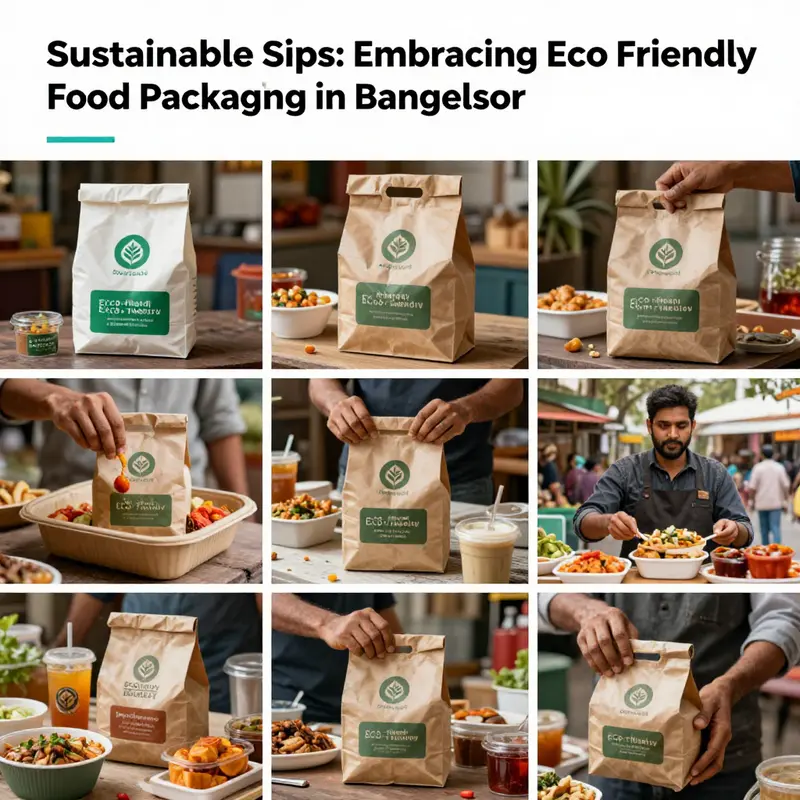
In Bangalore’s vibrant food and beverage landscape, the push for sustainable practices is reshaping the industry. As eco-conscious consumers increasingly prefer brands that promote green initiatives, food and beverage businesses are heeding the call. This shift not only addresses the environmental challenges posed by plastic packaging but also aligns brands with consumer expectations. This article delves into the trends and innovations within eco-friendly food packaging, investigating the materials driving this transformation, its economic implications, the regulatory framework supporting it, and the rising demand among consumers. Each chapter builds a comprehensive understanding of how businesses in Bangalore are adapting to eco-friendly packaging and the benefits they stand to gain.
From Green Packaging to Brand Identity: Bangalore’s Food Packaging Revolution
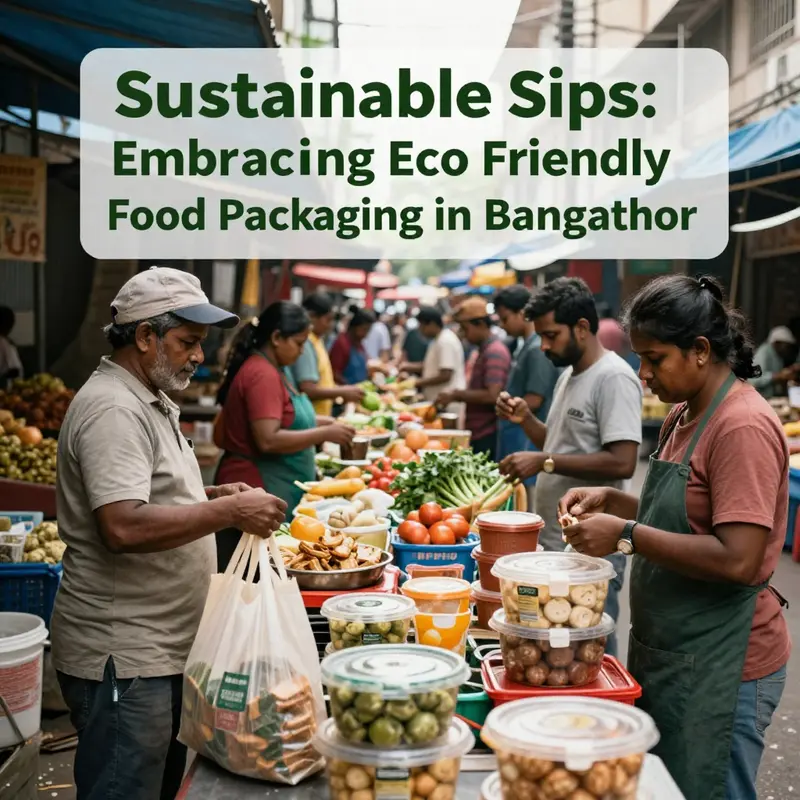
Bangalore, a city famed for its tech pulse and startup culture, is quietly rewriting the narrative of food packaging. As urban life densifies and consumer expectations grow taller, the city’s restaurants, cafés, and food-delivery platforms confront a shared challenge: how to protect taste and safety while reducing plastic waste and supporting a credible sustainability story. In response, a holistic shift is taking shape across the ecosystem. It blends material science, design ingenuity, and logistics discipline to deliver packaging that performs in real-world conditions—during hot weather, in transit, and at the point of disposal—without becoming a burden to the environment. Patrons are increasingly attuned to the lifecycle of what they choose to wrap their meals in, and businesses are sensing that sustainable packaging is not a mere afterthought but a strategic asset that reinforces brand values, operational reliability, and customer trust. This convergence is not theoretical; it is already visible in the way local players approach material choices, supply chains, and the aesthetics of packaging.
A central strand in Bangalore’s evolution is material innovation that aligns with practical demands. Local startups and research-minded manufacturers have begun to prioritize plant-based, compostable, and recyclable options that can withstand typical food service conditions. The emphasis is not only on breaking down after use but also on ensuring performance during service. Packaging that resists leakage, maintains heat, and protects delicate foods while meeting compostability or recyclability criteria is now treated as a baseline requirement rather than a premium feature. In this regard, the city is moving toward a model where the end-of-life scenario—whether industrial composting or curbside recycling—becomes a realistic option rather than a theoretical ideal. The objective is a credible circular economy in which waste streams are reimagined as inputs for new products, and where brands can publicly attest to the environmental merit of their packaging without compromising the customer experience.
This push toward sustainability is supported by a growing appetite for materials that can safely carry a brand message as well as a meal. The design conversation has shifted from purely functional wrappers to intelligent packaging concepts that communicate a commitment to the environment. The aesthetic proposition now includes branding that is visible and legible even when used in delivery contexts. In practical terms, this means packaging that offers customization opportunities—color, texture, print quality, and structural integrity—without sacrificing biodegradability or recyclability. The synergy between form and function is increasingly a differentiator for businesses seeking to stand out in a crowded market. Packaging is no longer just a barrier to transport; it becomes a canvas for storytelling, a tangible promise that a company’s operations are aligned with broader social and environmental expectations. The result is a more cohesive consumer experience where the packaging reinforces the food’s narrative and the brand’s ethics in a single, waste-conscious package.
The city’s current trajectory also reflects a strategic balance between homegrown innovation and the efficiencies of global supply chains. There is a clear recognition that local ingenuity can address specific waste challenges and urban logistics, while international manufacturing capabilities can deliver the scale and precision needed for broader rollout. In practice, this translates into a hybrid model: homegrown, circular solutions for the core waste challenges specific to Bangalore’s urban context, paired with globally sourced materials and processes that can guarantee consistent quality, supply stability, and cost competitiveness. Regions with established, vertically integrated production networks—especially in southern China—offer advantages in terms of raw material access, tooling, and streamlined production. The practical upshot is shorter lead times, tighter quality control, and the ability to align packaging supply with the fast pace of city living and the rising demand from both small eateries and large-scale foodservice brands. For Bangalore-based operators, this integration means they can access advanced packaging options without sacrificing speed to market, a critical factor in an industry driven by delivery windows and peak demand cycles.
An essential dimension of this transformation is the way packaging design intersects with branding and consumer perception. The modern eco-packaging paradigm in Bangalore is less about choosing between sustainability and style and more about delivering both in a single, coherent package. When a consumer chooses a take-out box or a coffee cup, they are often evaluating the package’s footprint as part of the brand’s credibility. Custom branding and printing, when done with materials that meet recognized environmental standards, can communicate a brand’s commitment while preserving the packaging’s functionality. This alignment between ecological responsibility and brand storytelling has become a powerful driver for investment in better packaging formats. The result is a landscape where packaging is not a disposable afterthought but a strategic interface that reinforces a company’s value proposition. For a city known for its innovation culture, this is a natural extension of the ethos that has defined Bangalore’s growth: practical, scalable solutions that also tell a powerful story about responsibility.
To ensure that these advances translate into durable, scalable practice, participants across the supply chain are increasingly prioritizing certifications and material performance benchmarks. Standards such as ASTM D6400 and EN 13432 provide critical reference points for compostability and biodegradability, while other tests focus on barrier properties, heat resistance, leakage, and shelf-life preservation. Meeting these criteria is not merely a regulatory box to tick; it is a signal to customers, partners, and regulators that the packaging can perform under the pressures of high-volume foodservice while delivering on environmental promises. In Bangalore’s market, this translates into a robust service ecosystem that not only supplies materials but also offers testing reports and certification documentation. The assurance these documents provide is essential for restaurants and delivery platforms that must maintain compliance with evolving municipal and national guidelines, particularly as urban authorities intensify efforts to curb single-use plastics and improve waste management infrastructure. The practical implication is a more transparent value chain in which customers can access reliable information about the packaging’s environmental attributes, and producers can justify pricing and performance through credible data.
But even with strong material science and thoughtful design, the transition is not without obstacles. The economics of eco-packaging—where sustainable materials sometimes command premium pricing or require different processing steps—poses a real challenge for price-sensitive segments of Bangalore’s bustling market. Businesses must weigh the long-term benefits of reduced waste and enhanced brand perception against short-term cost differentials. Another hurdle lies in the urban waste infrastructure: while industrial composting facilities and recycling streams are expanding, there is variation in coverage and capacity across neighborhoods. The result can be uneven downstream outcomes where a compostable wrapper might not end up in the right facility to realize its intended end-of-life benefits. This is precisely why the collaboration among manufacturers, packaging designers, waste management services, and city planners is critical. Only through coordinated programs—emphasizing collection, sorting, and end-use facilities—can the environmental advantages of eco-packaging be maximized in a dense urban environment like Bangalore. In this sense, the packaging transition becomes a shared responsibility, requiring consistent consumer education and reliable municipal support to deliver the promised ecological benefits.
A realistic view of Bangalore’s packaging future is therefore one that embraces a hybrid model: nurture local, circular, material solutions that respond to city-specific waste realities, while leveraging global manufacturing capabilities to deliver scalability, precision, and consistency. This model supports a dynamic where startups can pilot and iterate round after round of packaging concepts, and larger brands can deploy standardized, high-quality packaging at scale. The city’s demand for packaging that brings both function and fairness to the consumer experience reinforces the need for ongoing collaboration among material scientists, product designers, logistics experts, and policymakers. When these actors work in concert, packaging becomes a lever for reducing waste, supporting sustainable consumption, and enriching the customer journey.
In this evolving landscape, Bengaluru’s packaging ecosystem also acts as a bridge between local and global markets. On the ground, procurement teams and design studios increasingly seek flexible solutions that can be customized for different cuisine types, service models, and branding strategies while still adhering to environmental commitments. The goal is a dependable, end-to-end supply chain that can support every phase of a product’s life—from sourcing and manufacturing through distribution and end-of-life recovery. For consumers, this means more consistent experiences across street-food stalls, cafés, and gourmet eateries alike, with packaging that protects food quality and communicates a clear environmental ethos. For operators, it means more predictable costs, safer handling, and a storytelling medium that enhances loyalty. The outcome is a city where sustainable packaging is not merely an afterthought but a core capability—one that aligns with Bangalore’s reputation as a center of innovation, efficiency, and responsible growth.
To further illustrate how these ideas translate into practice, consider the broader market forces at work. The city’s demand for eco-conscious packaging reflects a global trend toward responsible consumption that respects both people and the planet. It also underscores the importance of a resilient supply chain that can adapt to shifting regulatory landscapes, evolving consumer preferences, and the realities of urban logistics. As Bangalore continues to build momentum in this space, the lessons learned here will filter into other Indian urban centers and beyond. The progress is incremental, but the direction is clear: sustainable packaging that is robust, brand-worthy, and economically viable will increasingly define how Bangalore and similar cities shape the future of food service.
For readers seeking further context on pioneering approaches to biodegradable packaging in India, a landmark example highlights how industry and environment intersect in tangible ways. This development points to the potential of scalable, plant-based solutions to deliver rapid end-of-life breakdown while preserving performance during use. Such cases illuminate the path toward a more circular economy that cities like Bangalore can pursue with confidence, aligning environmental objectives with business viability. External research and industry reporting continue to document these advancements, underscoring the importance of staying informed as regulations, markets, and consumer expectations evolve. See more about this broader movement in a widely cited industry account: The Hindu article on India’s first biodegradable food packaging startup in Bengaluru (https://www.thehindu.com/business/india-s-first-biodegradable-food-packaging-startup-sets-up-factory-in-bengaluru/article69452117.ece). For a concrete example of materials and design options within the current market, you can explore a representative product page that demonstrates how eco-conscious packaging can be customized to align with branding and end-of-life goals: eco-friendly printed-logo cups with lids (https://cupbowlpack.com/product/senang07-eco-friendly-printed-logo-paper-ice-cream-cups-with-lid-ice-cream-paper-bowl-paper-ice-cream-cups-with-lid/). Together, these references offer a window into the practical realities and ambitious possibilities that shape Bangalore’s journey toward sustainable, brand-affirming food packaging.
Shaping Bangalore’s Green Bites: Materials, Innovation, and Regulation in Eco-Friendly Food Packaging
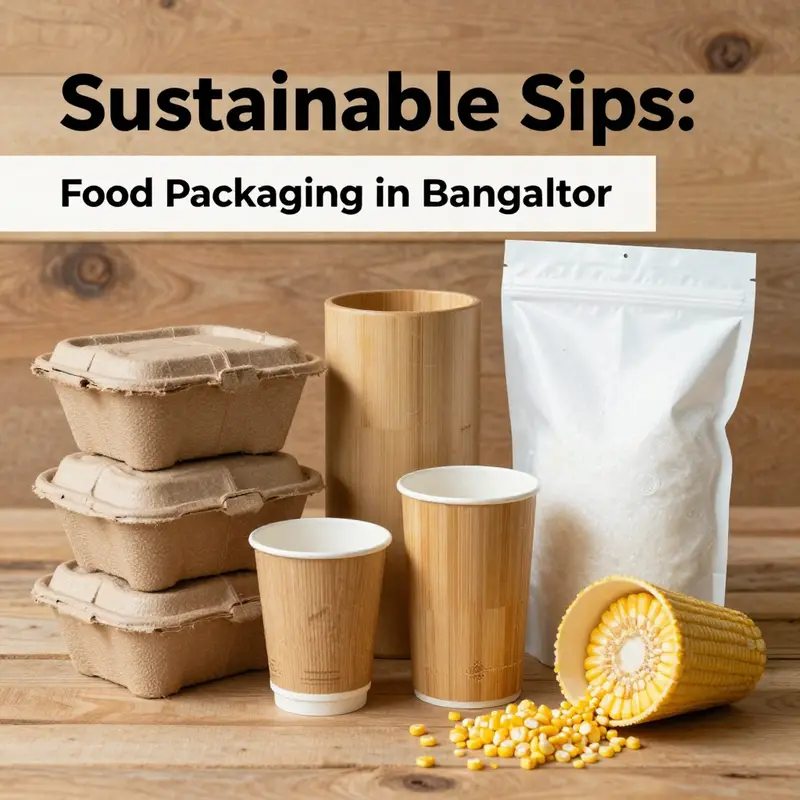
Bangalore stands at the intersection of culinary energy and environmental resolve. In a city where food culture thrives across street corners and upscale cafes, the packaging that travels with this vibrant food scene has begun to reflect a newer responsibility. Consumers increasingly scrutinize the life cycle of what carries their meals, and businesses—from casual eateries to organized retail—are responding with materials designed to protect freshness while returning to the earth rather than burdening it. The shift is visible in the materials themselves: bagasse from sugarcane, bamboo fibers, bioplastics derived from plant polymers, and recycled paper variants are no longer niche options. They are steadily becoming the default, especially in high-volume delivery ecosystems. This transition is not merely about replacing plastic with something more sustainable; it is about aligning a bustling urban economy with a circular approach that can be scaled, audited, and shared across diverse food contexts. The city’s existing logistics networks, which already emphasize efficiency and speed, are now being recalibrated to support a supply chain that prioritizes compostability, recyclability, and reduced environmental footprint while preserving the safety, taste, and presentation that customers expect.
One of the underlying drivers is the desire to mitigate plastic pollution without compromising on performance. Natural materials such as bagasse and bamboo fibers offer sturdy, heat-resistant properties suitable for takeaway meals, baked goods, and hot beverages. Bioplastics and plant-based films bring the promise of similar barrier performance to conventional plastics but with end-of-life options that favor composting or biodegradation under appropriate industrial conditions. Recycled paper, treated for moisture resistance where necessary, provides an option for packaging and labeling that keeps branding intact while signaling a commitment to sustainability. In practice, Bangalore’s packaging ecosystem is moving toward integrated solutions that pair material choices with design features—seal integrity to prevent leaks, barrier protection to preserve flavor and aroma, and surface capabilities for branding and consumer information—without sacrificing cost efficiency or supply reliability. The real-world implication is a packaging suite that supports a variety of formats: from hot-food containers and bakery boxes to coffee cups and snack trays—each optimized for performance and end-of-life outcomes.
Edible packaging has emerged as perhaps the most striking frontier among these innovations. Edible corn bowls, developed in the city’s research and pilot programs, exemplify a significant pivot toward waste-free design. Made from cornstarch-based materials, these bowls are not only biodegradable but also fully edible. They represent a bold step toward closing the loop by turning packaging into part of the meal itself. The appeal lies in reduced waste streams and the potential for simplifying disposal in scenarios with limited waste segregation. The concept draws cultural resonance from traditional Indian eating practices, where crêpe-like and crisp textures have long been part of breakfast and snack rituals. The edible option gained momentum around 2023 as vendors sought to distinguish themselves in crowded markets while offering a tangible, sensory reminder of stewardship. Yet the path to widespread adoption is tempered by practical considerations: pricing parity with existing disposables, consumer acceptance, regulatory clarity on food-contact safety, and the feasibility of manufacturing at scale. These are not small hurdles, but in Bangalore they are actively being addressed through pilot projects, collaboration with kitchens and vendors, and the gradual maturation of supply chains that can deliver materials, tooling, and testing reports in synchronized timelines.
Beyond edible solutions, plant-based films and bioplastics are expanding the palette of options available to packaging engineers and brand managers. These materials promise the familiar protective functions of conventional plastics—air and moisture barriers, structural integrity, and compatibility with microwaves or ovens—while offering pathways to compostability or biodegradability under appropriate conditions. They also open doors to material innovation that can align with regional flavors, textures, and branding strategies. In a city renowned for its adaptability and entrepreneurial energy, such innovations are not merely technical feats; they are signals of a broader shift toward responsible design thinking. The challenge remains translating laboratory performance to storefront reliability: ensuring consistent barrier properties, maintaining printability for local branding, and guaranteeing that end-of-life options align with municipal composting or recycling capabilities. The conversation in Bangalore thus weaves together material science, urban waste management, and consumer education to produce packaging that performs in the kitchen and respects the planet outside it.
Regulatory developments have sharpened the terms of this transition. In January 2026, government-backed proposals framed a clearer boundary for what can come into contact with food. A ban on per- and polyfluoroalkyl substances (PFAS) in food-contact materials and a prohibition on BPA and its derivatives in polycarbonate and epoxy resin-based packaging are aimed at reducing exposure to toxic chemicals and improving overall safety. These changes underscore a national commitment to safer, greener packaging standards that resonate with Bangalore’s own regulatory and business ecosystems. They also elevate the importance of materials testing and certification. In practice, companies are prioritizing products that can demonstrate compliance with established benchmarks such as recognized material testing reports and standard test protocols. For Bangalore’s packaging developers, this means integrating regulatory foresight into the earliest stages of product development, from material selection through to processing, sealing, and labeling. It is a shift from reactive compliance to proactive design, one that can sustain international partnerships and local manufacturing while preserving consumer trust.
The global discourse on edible films and recyclable substrates offers a useful lens through which to view Bangalore’s trajectory. Edible films based on milk protein, such as casein, and water-soluble films produced by specialized producers around the world have sparked interest as potential candidates for Indian fast-food chains and street vendors. The attraction is not merely novelty; these materials bring a set of attributes that align with Bangalore’s food culture and urban pace. High barrier properties against air and light can help preserve freshness for longer periods, while rapid biodegradability supports a more aggressive waste management agenda. The practical question becomes how to translate these concepts into reliable supply chains that can operate in the city’s varied environments—from air-conditioned restaurants to open-air street corners. The answer lies in careful localization: adapting formulations to regional humidity and temperature, validating performance across multiple use cases, and ensuring that disposal options are feasible in the city’s waste streams. The process requires collaboration among researchers, suppliers, regulators, and the end users who will rely on these materials daily.
The manufacturing and supply chain dimension of this narrative cannot be overlooked. Bangalore’s packaging ecosystem benefits from an integrated ecosystem of international and domestic suppliers who provide materials, testing capabilities, and end-to-end services. Production lines in nearby manufacturing hubs—sourcing from centers in southern China and neighboring regions—offer the volume and quality needed to support urban demand while maintaining competitive costs. The advantage of integrated supply chains is not limited to speed; it also supports consistency in performance and end-of-life outcomes. When a restaurant or a standalone retailer pivots toward green packaging, it seeks a package that travels well, keeps its contents pristine, and returns to the environment without becoming another waste stream to manage. In this context, the ability to secure materials, conduct proper testing, and arrange compliant logistics becomes a critical competitive differentiator. For Bangalore-based innovators, it is not enough to dream up a better box; they must coordinate design, manufacturing, certification, and distribution in a seamless, scalable system. The market is recognizing that sustainable packaging is a business model as much as a material choice, one that links product quality with societal value.
In this setting, a practical example of material choice and lifecycle thinking can be seen in the growing interest in bagasse-based options. Bagasse, a by-product of sugarcane processing, offers a compostable alternative with robust strength characteristics that suit takeaway contexts. These materials can be molded into bowls, trays, and containers that perform well in hot and moist conditions, while presenting a more favorable end-of-life trajectory than many conventional plastics. For readers curious about real-world options, a representative glimpse into bagasse-based lunch solutions can be explored through dedicated product pages such as bagasse-sugarcane-biodegradable-self-erecting-lunch-box-for-sushi-snacks-3-4-5-compartment-takeaway-food-tray-15g-30g-50g. This link illustrates how a single material family can be engineered to accommodate multiple compartments, leak resistance, and branding needs, while aligning with composting or anaerobic digestion pathways. It is a tangible reminder that design choices at the packaging level ripple through the entire dining experience, from the moment a dish is plated to the moment its container returns to the earth. The emphasis on one-stop service models that encompass material certification and logistics reflects a broader industry trend toward reducing friction in the green transition. Vendors and manufacturers increasingly offer end-to-end support so that restaurants, cloud kitchens, and retailers can shift away from plastic with confidence and speed.
The broader horizon for Bangalore is one of a growing hub for scalable, safe, and truly circular packaging solutions. Pilot programs and collaborative ventures between food businesses, recyclers, composting facilities, and municipal authorities are beginning to align the city’s infrastructure with new material ecosystems. The ambition is not merely to replace one contaminant with another; it is to close the loop. That means designing for compostability in environments that can realistically process organics, strengthening recycling streams for paper and bioplastics, and creating consumer education campaigns that help people separate streams effectively. Such a vision requires not only innovative materials but also governance, incentives, and the capacity to measure impact. In Bangalore, these elements are emerging in tandem with product innovations and regulatory readiness. The city’s distinctive blend of IT-enabled services, manufacturing capability, and dynamic street-food culture creates a fertile ground for experimentation and rapid learning. The outcome could be a model for other Indian cities, where policy alignment, industrial capability, and consumer expectations converge to accelerate the adoption of eco-friendly packaging at scale.
To stay grounded in practical realities, it is essential to acknowledge the role of formal standards and public guidance. Regulations in India aim to curb toxic chemical exposure and encourage safer packaging throughout the supply chain. This includes clear expectations for materials used in food contact, testing methodologies, and labeling that informs consumers about end-of-life options. As Bangalore’s packaging landscape evolves, so too will the norms that govern it. The goal is to cultivate a dependable ecosystem in which innovative packaging can thrive without compromising safety or environmental integrity. In this sense, Bangalore is not simply importing green ideas; it is adapting, testing, and refining them in ways that fit local cuisine, street commerce, and institutional procurement. The result is a more resilient food system where the packaging that protects a warm dosa or a spicy biryani can be as responsible as the dish itself.
For readers seeking further regulatory context, official guidance from national health and welfare authorities provides a foundational reference as packaging professionals navigate changing rules and evolving standards. This ongoing regulatory process underscores the necessity of robust documentation and transparent testing records. The city’s entrepreneurs, researchers, and policymakers appear united in a shared objective: to advance safe, sustainable packaging that supports public health, reduces environmental impact, and remains adaptable to a rapid pace of innovation. The path forward is iterative, drawing on lessons from edibles and films, drawing on global advances, and grounding them in the realities of Bangalore’s markets and waste streams. In this sense, the future of eco-friendly food packaging in Bangalore hinges on the balance between ambitious material science and pragmatic implementation, a balance that the city seems uniquely positioned to strike.
Green Ledger, Green City: The Economic Pulse of Eco‑Friendly Food Packaging in Bengaluru
Bengaluru’s evolution from a software hub to a beacon of sustainable urban living rests in part on a quiet, continual shift in the way food travels from kitchen to consumer. Eco‑friendly packaging is no longer a niche or a garnish on the sustainability menu; it is a central pillar of business models, supply chains, and city development strategies. The city’s appetite for durable, compostable, and recyclable packaging materials aligns with a broader vision of reducing plastic pollution while maintaining the reliability required by a city that moves with the speed of a startup ecosystem. In practical terms, this means a growing blend of natural materials—bagasse from sugarcane, bamboo fibers, corn‑starch derivatives, and recycled paper—designed to protect freshness, minimize leakage, and support brand storytelling without creating a heavier environmental footprint. The products themselves are increasingly versatile, tailored for take‑away meals, bakery items, and ready‑to‑eat dishes, yet they must also perform under the heat of a fast‑paced urban dining scene and the rigors of logistics networks stretching from street to central kitchen to consumer doorstep. As this chapter threads through economics, urban planning, and social responsibility, it becomes clear that Bengaluru’s packaging transition is transforming markets as much as it transforms waste streams.
The economics of this transition are not simple or uniform. On one axis, the shift creates demand for new materials and equipment, spurring innovation in product design and manufacturing processes. On another axis, it reshapes cost structures for restaurants, caterers, and retailers, who must weigh materials costs against savings in waste handling, regulatory compliance, and customer perception. Firms that can blend affordability with performance find themselves competing not only on price but on value delivered to customers and the city’s image. The conversation extends beyond the supermarket shelf to the factory floor, the waste processing plant, and the municipal planning table. In Bengaluru, this convergence is visible in how suppliers coordinate across borders and how local enterprises absorb global standards, enabling a more resilient urban economy that can absorb shocks while continuing to grow.
A notable dynamic is the integration of international production capability with local demand. Bengaluru’s buyers often source materials and packaging solutions that are certified for compostability and recyclability, aligning with international standards such as industrial compostability criteria and appropriate barrier properties for moisture and air. In practice, this creates a diversified supply chain that reduces dependency on a single material or supplier geography. It also allows Indian manufacturers to access advanced production lines and quality control practices that have been proven in other large markets. The resulting ecosystem is not a straight import‑to‑market channel; it is a collaborative network where local design, testing, and customization meet global processing expertise. This synergy shortens lead times, improves consistency, and makes sustainable packaging more accessible to a broader spectrum of food businesses.
Within this evolving market, a Bengaluru startup case helps illustrate the economic ripple effects. This enterprise has addressed a pressing urban challenge—plastic waste—by delivering affordable, biodegradable, spill‑proof, and heat‑safe packaging solutions. The technology behind these solutions enables relatively rapid degradation, with estimates describing a near‑complete reduction in residual pollution within a defined period. Such outcomes have tangible economic implications: reduced waste disposal costs for restaurants and vendors, lower long‑term liability around litter and pollution, and heightened customer trust in brands that visibly invest in environmental stewardship. When a city’s waste profile improves, municipal budgets can redirect funds toward infrastructure, clean‑energy initiatives, or green spaces, reinforcing sustainable urban development and enhancing the quality of life for residents.
The economic narrative here is not merely about end‑of‑life outcomes. It also encompasses job creation across the value chain. From materials research and product development to manufacturing, logistics, and compliance testing, new roles emerge that require different skill sets. Engineers, material scientists, quality assurance professionals, and packaging designers collaborate with supply chain specialists to ensure products perform under diverse conditions—from hot outdoor delivery hours to refrigerated transit. The employment impact extends beyond direct manufacturing roles. Service providers who assist with material certification, testing, and logistics planning contribute to a broader ecosystem that can support dozens of ancillary businesses. In a city known for its intellectual capital, such cross‑pollination between technology, sustainability, and design strengthens Bengaluru’s reputation as a hub for green entrepreneurship.
Importantly, consumer behavior is a powerful force in this economic transition. Demand for sustainable packaging is rising not only from regulatory expectations but also from a growing cohort of environmentally conscious buyers who equate green packaging with responsible brands. This shift influences how companies price, design, and market their offerings. In Bengaluru, where consumer preferences intersect with fast‑moving urban life, the ability to provide packaging that blends practicality with environmental responsibility can be a differentiator. For food service operators, this means a potential win in customer loyalty and repeat business, as diners increasingly expect visible commitments to sustainability. The economic payoff, then, is twofold: a more efficient, design‑forward packaging system and a stronger brand proposition built on environmental accountability.
Material innovation plays a leading role in shaping these outcomes. Bagasse, bamboo fibers, PLA, and recycled paper each offer a unique balance of cost, barrier properties, and end‑of‑life pathways. Bagasse, in particular, has gained traction in many markets because it can perform well in hot‑fill and leak‑resistant applications while presenting a compostable end‑of‑life option. Bamboo fibers bring natural strength and a reduced carbon footprint, appealing to brands seeking a premium, earth‑friendly image. Recycled paper provides versatility for printed branding and shields sensitive foods from moisture when paired with suitable coatings. The challenge remains to integrate these materials into scalable, cost‑effective supply chains that can meet the needs of a city that processes enormous volumes of food on a daily basis. This is where the interplay between local manufacturing capabilities and international production lines becomes most evident. The global supply network, with its precision testing regimes and standardized certifications, helps Bengaluru convert environmental ideals into practical, everyday packaging choices that restaurants and retailers can actually adopt.
A practical glimpse into the ecosystem is offered by a specific, scalable packaging approach that demonstrates how materials and design can align with both cost efficiency and performance. The concept centers on packaging that is not only biodegradable but also designed for reliable spill prevention and heat resistance, attributes essential for take‑away and delivery services. The packaging uses plant‑based fibers blended with barrier coatings that protect food integrity during transit. In addition, this approach emphasizes the potential for color and branding within sustainable constraints, enabling businesses to differentiate themselves visually while staying true to environmental commitments. Notably, such solutions often embody a modular, adaptable design that can be used across different food categories—hot soups, fresh bakery items, ready meals—without sacrificing functional performance. A key strategic takeaway for Bengaluru’s economic landscape is that material versatility reduces the risk of portfolio shrinkage for food service operators who would otherwise need multiple packaging streams for different products.
The role of policy and city planning cannot be overlooked in this arc. When municipal authorities encourage or require reductions in single‑use plastics, businesses respond by accelerating the adoption of eco‑friendly alternatives. Regulatory clarity reduces uncertainty for manufacturers and buyers alike. Incentives for meeting compostability standards, or for achieving higher recycling rates, can tilt the economics in favor of sustainable options. Beyond policy, Bengaluru’s urban development agenda increasingly recognizes the packaging transition as a component of a circular economy. Waste collection, segregation, and processing infrastructures are being reinforced to better handle compostable and recyclable streams. In this light, the packaging transition becomes part of a broader policy toolkit aimed at lowering pollution, conserving resources, and fostering a liveable urban environment. The economic effect is a city that can attract investment not only for packaging manufacturers but also for supporting services such as testing labs, design studios, and logistics platforms that specialize in sustainable flows.
The linkage between product design and city reputation matters. When a city is known for nurturing green entrepreneurship, it attracts investors who want to align with sustainable growth. This dynamic helps explain why capital is increasingly flowing toward packaging start‑ups and established SMEs that embrace circular models. The resulting capital influx supports research and development, enabling deeper collaborations across universities, research institutes, and industry partners. It also gives room for pilots and scale‑ups that test new materials, processing methods, and end‑of‑life solutions in real urban environments. In Bengaluru, the alignment of corporate responsibility with municipal goals creates a feedback loop: better packaging reduces waste, which lowers disposal costs and frees up funds for other urban improvements. Startups and established players alike learn to view packaging not merely as a cost center but as a strategic investment in the city’s long‑term resilience and competitiveness.
An explicit example of the kind of material flexibility driving this economy can be seen in the growing interest in plant‑fiber based containers, including bagasse‑based options that support a one‑stop, end‑to‑end packaging solution for food service. These materials enable quick adoption by vendors who operate on thin margins yet must meet rising consumer and regulatory expectations. To illustrate how the ecosystem communicates across the city, consider the following reference point: a packaging option described in the industry literature as a bagasse sugarcane biodegradable self‑erecting lunch box for sushi snacks demonstrates how packaging can combine functional form with sustainable disintegration. While not naming specific brands, the concept reflects an available class of products that Bengaluru vendors can consider—a versatile, multi‑compartment container with robust leakage resistance and compatibility with heat. A link to a practical example of this kind of packaging can be found here: bagasse-sugarcane-biodegradable-self-erecting-lunch-box-for-sushi-snacks.
In sum, the economic impact of eco‑friendly food packaging in Bengaluru is not a single outcome but a spectrum of changes that together reconfigure how the city produces, consumes, and recycles packaging. Innovation flows through the supply chain, creating jobs and new services while strengthening the city’s global standing as a center of sustainable technology and entrepreneurship. The transition helps reduce the environmental footprint of a city that is known for speed and efficiency, aligning growth with stewardship. It is a story of design meeting demand, of investors seeking responsible growth, and of a municipal framework that views waste as a resource rather than a burden. As Bengaluru continues to shape this narrative, the path forward will involve deeper collaboration—between materials science and culinary practice, between startups and regulators, and between city planners and residents who care about the air they breathe, the water they drink, and the world they leave behind.
External resource: https://www.livemint.com/industry/retail/bengaluru-startup-offers-affordable-eco-friendly-food-packaging-116547287392207.html
Policy to Plate: Bangalore’s Regulatory Drive Toward Eco-Friendly Food Packaging
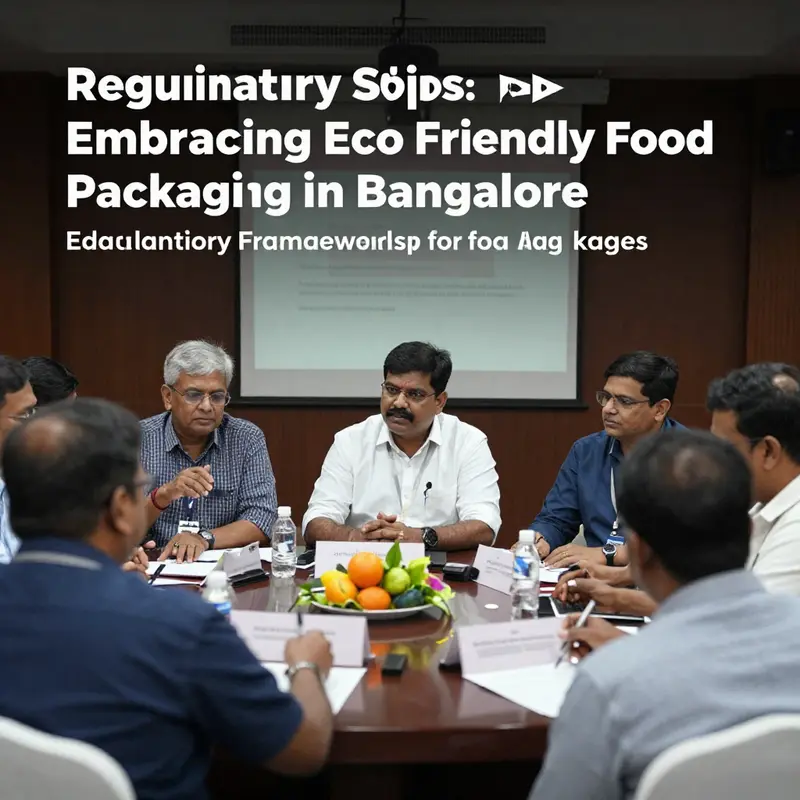
Bangalore, India’s tech and startup hub, is at a pivotal moment when policy, science, and street-level business practice converge on the question of how food is packaged and disposed. The regulatory framework that governs this space is no longer a distant backdrop but an active driver of how eateries, retailers, and manufacturers think about materials, processes, and end-of-life outcomes. The Food Safety and Standards (Packaging) First Amendment Regulations, 2025, which took effect in April 2025, crystallizes a national shift toward packaging that is safer for food and gentler on the environment. These amendments set stricter expectations for what materials can touch food, how they should perform as barriers against moisture and contaminants, and, critically, what happens to them after use. Biodegradability, recyclability, and the reduction of hazardous substances are no longer optional add-ons; they are regulatory imperatives that reshape procurement choices, production workflows, and even branding promises. For businesses in Bangalore, the implication is not merely compliance but a reorientation of how packaging contributes to a sustainable value proposition. In practical terms, this means a growing emphasis on compostable boxes, plant-based films, paper-based solutions, and packaging designed for controlled end-of-life processing. The amendment aligns with broader national strategies—such as the National Action Plan on Climate Change and the Plastic Waste Management Rules—while pushing the local ecosystem to accelerate innovation, certification, and scalable manufacturing that can meet stringent standards at a competitive cost. The new rules also signal to global suppliers that the Indian market is serious about green transitions, incentivizing partnerships with producers who can deliver compliant, scalable, and traceable packaging solutions under a common regulatory umbrella. This shift is especially consequential in Bangalore, where a dense network of restaurants, cloud kitchens, cafes, and e-commerce platforms demands reliable, fit-for-purpose packaging that aligns with both consumer expectations and regulatory guardrails. Beyond mere material choice, the regulations encourage a lifecycle mindset: packaging should be designed to minimize waste, maximize recyclability, and enable industrial composting where appropriate, while remaining robust enough to protect food integrity during transport and display. The policy language thus nudges the market toward standardized testing, clear labeling, and certifications that reduce ambiguity for buyers. Materials testing reports, adherence to recognized standards such as ASTM D6400 and EN 13432, and transparent declarations about compostability or recyclability become selling points in a market that has historically thrived on convenience and low cost. In this sense, policy acts as both a compass and a catalyst, guiding innovators toward solutions that can deliver performance without compromising environmental and public health objectives. Internally, Bangalore’s packaging ecosystem—comprising manufacturers, logistics providers, designers, and food-service operators—responds to this compass with an increasingly integrated approach. The push toward green alternatives dovetails with local preferences for high-quality, aesthetically pleasing packaging that can carry a brand story. Consumers in Bangalore and its neighborhoods are not passive recipients; they are discerning about sustainability claims and attentive to the life cycle of the products they use. This creates a fertile environment for packaging that is both technically robust and visually compelling, capable of protecting delicate pastries, coffee, hot meals, and ready-to-eat items while reinforcing a commitment to environmental stewardship. The regulatory signal therefore functions on multiple levels: it sets minimum standards, raises the bar for certification, and expands the market for compliant materials that can meet demanding performance criteria without relying on conventional plastics. It also compels a cross-border dimension to sourcing. As the amendment pushes manufacturers to demonstrate conformity with safety and environmental criteria, Bangalore’s buyers increasingly look toward integrated supply chains with reputable, certifiable partners who can provide end-to-end solutions—materials, testing, and logistics—under one roof. This is where the regional dynamics of manufacturing hubs in southern China become relevant. Integrated, vertically aligned supply chains in places like Suzhou and Guangzhou offer the capacity to produce eco-friendly packaging at scale, with standardized processes that align with Indian regulatory expectations. When a supplier can demonstrate consistent quality, rapid lead times, and cost-effectiveness while meeting biodegradability and recyclability criteria, Bangalore’s businesses gain a competitive edge in both price and reliability. Lead times can be shortened by up to a third relative to fragmented networks, enabling restaurants and retailers to transition away from plastics with less disruption to operations and consumer experience. The regulatory climate also nudges designers and engineers to rethink packaging architecture. It pushes for materials that balance barrier properties with environmental compatibility, for seal integrity that survives distribution without relying on petrochemical adhesives, and for form factors that reduce packaging volume without compromising usability. In practice, this means a thoughtful combination of bagasse or bamboo-derived substrates, PLA-based or other bio-based films, and paper-based laminates that can be composted industrially or recycled in established streams. The design conversation thus extends beyond aesthetics and leakage prevention to encompass the material science of sustainability, the logistics of circularity, and the storytelling value of transparency. These conversations frequently intersect with procurement strategies that seek one-stop solutions. Local businesses increasingly favor suppliers who can offer not only compliant packaging materials but also material certification, testing documentation, and regulatory guidance. One can imagine a holistic package: compliant raw materials, tested and certified against international and domestic standards, integrated manufacturing capabilities, and a logistics framework that aligns with city-level waste management practices. In this sense, the Bangalore market is maturing toward a standardized, defensible supply chain in which the conformity of packaging is as verifiable as the safety of the food it surrounds. The practical implications for operators are clear. They must evaluate packaging choices through the lens of compliance, lifecycle impact, and brand messaging. They must consider how a given packaging solution communicates environmental responsibility to customers while maintaining performance during handling, display, and transport. They must also build capabilities for testing and certification—whether through third-party laboratories or in-house facilities—so that every batch of packaging materials arrives with a clear, auditable trail of conformity. In doing so, businesses position themselves to meet consumer demand for green options and to thrive under a regulatory regime that rewards those who invest in sustainable, verifiable packaging. As regulatory expectations translate into corporate strategy, there is still room for innovation and entrepreneurship within Bangalore’s ecosystem. Partnerships with global suppliers, particularly those with robust testing and certification programs, can help local firms navigate the new rules while delivering scalable packaging solutions that satisfy both functional requirements and environmental commitments. The trend toward integrated supply chains supports this objective by reducing the friction typically associated with compliance across borders. A model approach emerges: establish a baseline of compliant materials, ensure a transparent chain of custody for certifications, and leverage a one-stop service model that bundles material supply with testing, labeling, and logistics. For instance, a packaging provider might offer a range of materials designed for different use cases, each with clear biodegradability or recyclability claims and a documented pathway to end-of-life processing. They may also provide branding opportunities that align with environmental narratives—without compromising the packaging’s regulatory standing. In practice, Bangalore’s businesses are discovering that regulatory compliance is not a barrier but a differentiator. It creates a credible platform for sustainable branding, supplier reliability, and customer trust. It also opens avenues for investment and collaboration, drawing interest from global players who see India as a growth market for green packaging solutions. The interplay of policy, market demand, and supply chain capability thus forms a powerful engine for change. As the city’s food ecosystem evolves, the regulatory framework will continue to shape decisions about materials, design, testing, and procurement, while consumer expectations will keep pushing the pace of innovation. The net effect is a marketplace where packaging is not an afterthought but a strategic component of food safety, environmental responsibility, and brand integrity. For businesses seeking practical pathways to this future, the path forward lies in aligning with standards, partnering with capable suppliers, and communicating truthfully about end-of-life options. The regulatory environment provides guardrails, but the real momentum comes from the people who design, produce, and use packaging that respects both people and the planet. If one were to look for a tangible starting point, it would be to explore packaging formats that are designed with compostability and recycling in mind—formats that protect food while enabling responsible disposal—paired with documentation that makes compliance straightforward. This is not merely compliance for compliance’s sake; it is a framework that enables Bangalore’s vibrant food culture to flourish within the boundaries of environmental stewardship and public health. To learn more about how such packaging can support branding and leakage prevention in practice, see this example of an eco-friendly kraft box packaging. eco-friendly kraft boat-shaped PLA-coated packaging. For readers seeking the official regulatory text and guidance, the Food Safety and Standards Authority of India provides the formal amendments and compliance resources. External resource: https://www.fssai.gov.in/News/2025-04-07-Food-Safety-and-Standards-(Packaging)-First-Amendment-Regulations-2025
Conscious Consumers, Green Packaging: The Bangalore Shift Toward Eco-Friendly Food Containers
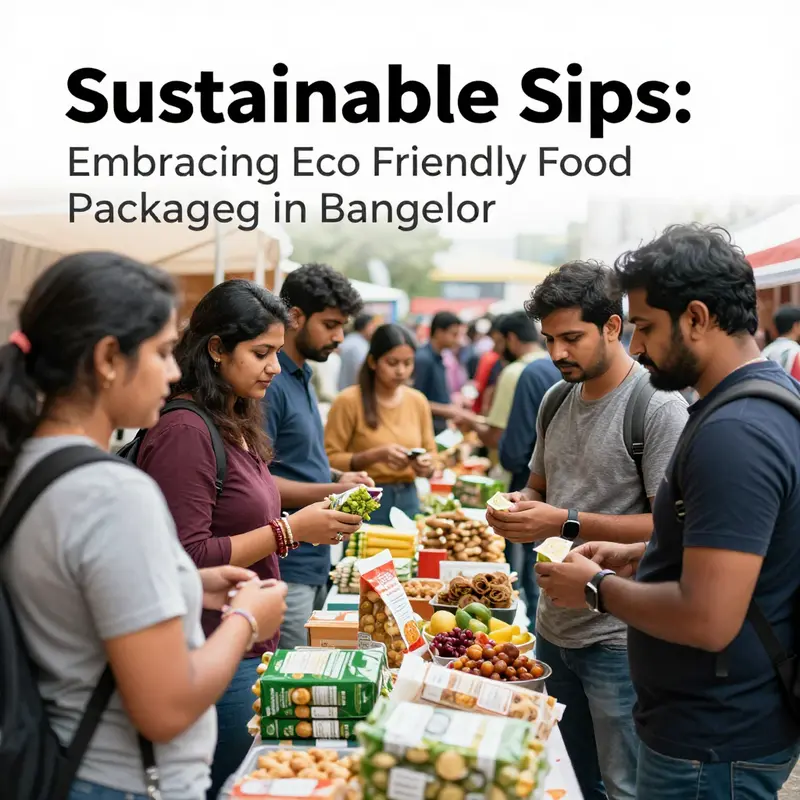
Bangalore is a city that moves as fast as its traffic, yet it carries a growing and steady commitment to the planet. In recent years, residents have begun to see plastic waste not as an inevitable byproduct of urban life but as a challenge that can be reduced, redesigned, and reused. This shift in mindset is not merely a mood; it is steering everyday choices in a way that reshapes how food moves from kitchen to curb and beyond. The conversation around eco-friendly food packaging in the city reflects a broader pattern: awareness is turning into demand, and demand is pushing supply chains toward materials and designs that honor both function and responsibility. The flavor of this change blends social concern with practical needs, creating a market where sustainability must coexist with reliability, affordability, and convenience.
Environmental impact awareness has become the entry point of this evolution. Bangalore’s residents increasingly talk about the footprint of single-use plastics in markets, offices, and homes. They understand that plastic, while convenient, often outlasts its usefulness in the environment and contributes to pollution that travels far beyond the immediate spill or litter. This awareness translates into an active search for alternatives—options that can protect food just as effectively but leave a gentler mark on the landscape once they have fulfilled their purpose. The result is a market where customers are more selective, and where packaging choices are scrutinized as part of a brand’s overall promise rather than treated as a mere afterthought. When customers begin to ask for compostable or biodegradable solutions, brands and retailers respond with greater transparency about materials, end-of-life options, and the environmental calculus behind each decision. This is not a trend seeded by a few enlightened consumers; it is a shared recalibration of what it means to package food in a city continually looking for lower carbon footprints and cleaner urban spaces. The willingness to seek alternatives—especially among the city’s younger, urban demographics—has become a signal that the market must listen and adapt.
Purchasing behavior in this changing landscape further underscores the durable link between awareness and action. A sizable portion of Bangalore’s shoppers now prefers brands that use biodegradable or compostable packaging, and many express readiness to pay a premium for materials that align with their values. This willingness is not merely theoretical. It manifests in real purchasing patterns where customers gravitate toward products that offer a clear narrative of sustainable sourcing, responsible manufacturing, and credible end-of-life pathways. The implication for retailers and food service operators is unambiguous: sustainability is becoming a value indicator equal in importance to taste, freshness, or price. In practical terms, this means packaging must deliver performance—seal integrity, leak resistance, barrier properties against moisture and odors, heat tolerance for hot meals or pastries, and compatibility with refrigerated or frozen storage—without compromising the environment. If a packaging solution can match or surpass conventional plastics on these fronts while remaining compostable or recyclable, it gains momentum in a market that still prizes convenience. A growing subset of consumers is also motivated by brands that provide clear, verifiable certifications and third-party testing data, reinforcing trust that the materials will behave as promised under real-world conditions.
Local innovators have risen to meet this demand with ingenuity that feels both practical and scalable. In Bengaluru’s startup ecosystem, several teams are experimenting with affordable, eco-friendly packaging options that do not force a difficult trade-off between performance and sustainability. For instance, there are developments in biodegradable, spill-proof, and heat-safe packaging capable of degrading up to 98% within 180 days. Such capabilities directly address a core consumer concern: the fear that green packaging will fail when items are hot, greasy, or stored for longer than expected. This alignment of environmental goals with functional reliability helps to remove a major barrier to adoption, allowing food businesses to switch from conventional plastics to greener solutions with confidence. When customers learn that green packaging can deliver the same level of protection as traditional options, their willingness to choose sustainable products grows, reinforcing the market signal that green choices are practical, not merely principled.
Education accompanies this shift. As more consumers become versed in the benefits of sustainable packaging, their expectations rise, not just about the materials but about integrity across the product’s lifecycle. Reduced plastic pollution is a widely understood outcome, yet the discussion now expands to include lower embodied carbon costs, improved end-of-life outcomes, and the social responsibilities of brands. The education piece matters because it underpins a broader belief that sustainability is not an optional add-on but a core parameter of quality. When people feel informed, they are more likely to support retailers who invest in credible materials testing, transparent supply chains, and clear messaging about how a packaging solution behaves after use. This educational cascade thus fuels a virtuous cycle: informed consumers demand better packaging, packaging providers innovate with better materials and designs, and retailers align their product assortments with the values their customers hold dear.
From a demographic perspective, the data point to a defining characteristic: younger, urban populations are driving the adoption of eco-friendly packaging. They are the most likely to evaluate a product through the lens of its packaging, to detail the life cycle of the materials used, and to seek brands that share their environmental commitments. This demographic behavior shapes how packaging solutions are marketed and what features are prioritized in design—such as barrier performance, print customization for branding, and practical considerations like leak-proof lids and heat resistance. Brands that deeply understand this audience can craft packaging that resonates with values and daily routines alike, ensuring that sustainability feels seamless and integrated rather than an add-on.
The consumer shift is also interwoven with the city’s broader supply ecosystem. The research landscape reveals that Bangalore’s packaging scene is underpinned by smart material choices and strategic collaborations that make green options viable at scale. Natural materials such as bagasse, bamboo fiber, plant-based polylactic acid (PLA), and recycled paper are commonly explored for their favorable environmental profiles and compatible end-of-life options. The emphasis on industrial compostability or home compostability aligns with local waste management realities, attempting to close the loop between consumption and regeneration. At the same time, the city is connected to global production networks that can deliver high-quality eco-friendly packaging on a reliable schedule. In particular, the ability to leverage integrated supply chains from major production hubs helps ensure that Bangalore-based food businesses can access sturdy, food-safe solutions without sacrificing efficiency or cost competitiveness. It is this combination of local inventive energy, credible environmental storytelling, and a pragmatic, scalable supply network that makes the Bangalore example distinctive.
As with any transition, there are practical considerations that shape a consumer’s willingness to embrace change. Packaging must protect food in transit, maintain temperature where required, and keep contents free from leaks and contamination. It must also support the brand’s storytelling—allowing for eye-catching branding that communicates ethics without compromising readability or usability. In this sense, the design challenge becomes a handshake between form and function: the fortitude of the material to withstand heat, moisture, and handling, and the clarity of branding to convey the message of sustainability. The evolving design philosophy in Bangalore favors modular, customizable solutions that can be tailored to different food categories—take-away meals, bakery items, beverages, and ready-to-eat products—while preserving a consistent environmental narrative. The market’s maturity is on display in the way these packaging systems can be adapted to various contexts, from busy street-front stalls to mid-scale restaurants and larger retail outlets, each requiring different volumes, sealing methods, and branding opportunities.
A central feature of this transition is the growing belief that sustainability can be achieved without compromising the operational realities of food service. The industry now increasingly embraces one-stop services that guide clients from material selection through product testing to logistical deployment. Such end-to-end support reduces the friction associated with switching from traditional plastics to greener options. It also helps ensure compliance with international standards for compostability and safety, while offering practical documentation that can reassure customers, regulators, and partners alike. This ecosystem thinking—where material science, testing, logistics, and branding come together in a coherent package—helps explain why Bangalore is becoming a reference point for eco-friendly food packaging in the region. When a city’s consumers expect action and its businesses deliver credible, well-supported solutions, the pathway to scale becomes clearer and more resilient.
To illustrate how these ideas translate into tangible choices, consider one example of branding and packaging design in the local market. A growing trend embraces packaging that seamlessly blends durability with ecological consideration, enabling brands to carry a message of responsibility without sacrificing user experience. In many cases, packaging is designed with the brand’s story in mind, offering options for customization while maintaining a clear sense of environmental integrity. For readers who want a sense of the practical, these developments are not merely conceptual. They represent real options that retailers can offer, with materials and designs that meet the demands of a busy city while honoring a commitment to the planet. A tangible example is the availability of eco-friendly, printed, logo-bearing paper cups and lids that combine branding with sustainable materials. For a representative example of this approach, see the option described as eco-friendly printed logo paper cups with lid. eco-friendly printed logo paper cups with lid. This kind of packaging demonstrates how a small design decision—introducing a branded green option—can reinforce a consumer’s sense of participating in a larger environmental effort.
As the dialogue between consumers and packaging evolves, it is essential to keep the broader context in view. Bangalore’s experience mirrors a global trend where sustainability is increasingly tied to business value. The city’s early adopters show that responsible packaging can go hand in hand with cost efficiency, customer satisfaction, and brand loyalty. The narrative of awareness becoming demand, and demand driving investment in better materials, better testing, and better end-of-life solutions, offers a robust blueprint for other cities facing similar challenges. The growing presence of local startups, supported by international supply networks, suggests that the market can scale responsibly without losing sight of performance and affordability. It is a model that blends aspiration with pragmatism, and it points toward a future in which eco-friendly packaging is not a niche choice but a standard expectation across the food sector in Bangalore and beyond.
External context and broader learning can be found in ongoing coverage of how startups are reshaping this shift, including global conversations about compostable materials, regulatory frameworks, and consumer education. For a broader perspective on how startups are shaping this shift, see the external resource: Bangalore startup article on biodegradable food packaging.
Final thoughts
As the demand for eco-friendly food packaging continues to rise in Bangalore, businesses that adapt quickly stand to gain a competitive edge. The transition not only promotes sustainability but also aligns with consumer values, fostering loyalty and brand recognition. Through innovative materials and a supportive regulatory framework, the path to eco-friendly packaging is clearer than ever, paving the way for a greener future in the food and beverage industry.