
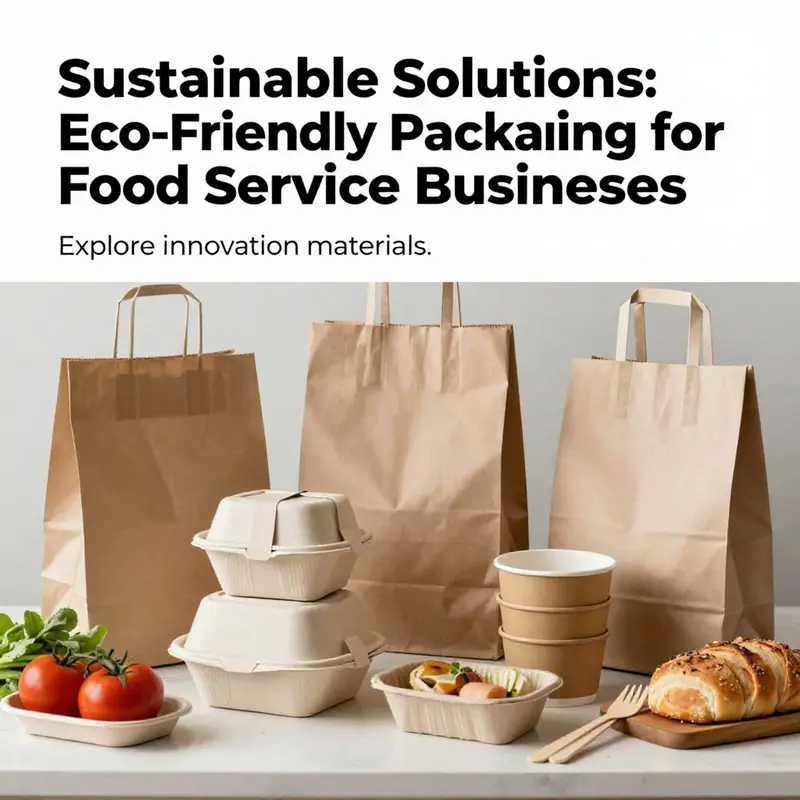
The shift towards sustainability has positioned eco-friendly food packaging as a pivotal element for businesses in the food service industry, including bubble tea shops, restaurants, food trucks, and catering services. As environmental concerns grow and consumers increasingly demand responsible choices, the exploration of innovative packaging materials has become paramount. This article dives into the realm of eco-friendly packaging, examining the innovative materials that are revolutionizing the packaging landscape, the regulations shaping industry practices, the economic advantages of adopting sustainable solutions, and the shifting consumer preferences driving this transformation. Each chapter offers insights that illuminate the path toward environmentally responsible packaging in the food sector.
Material Breakthroughs: How Next-Generation Substrates and Coatings Redefine Eco-Friendly Food Packaging
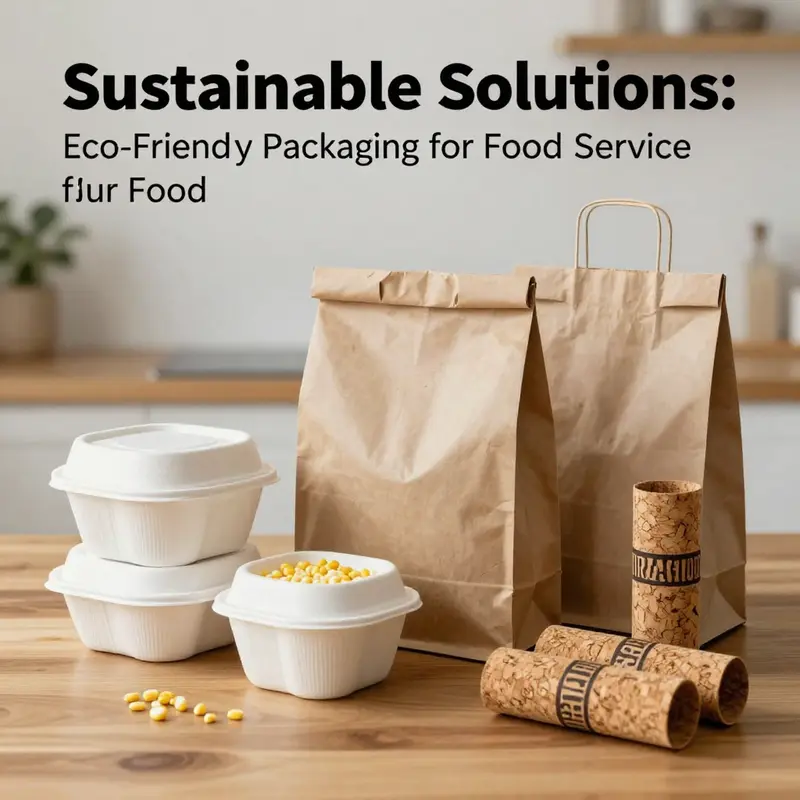
The landscape of food packaging is shifting from single-use plastics toward materials that combine performance with ecology. Innovation is not just about swapping polymers. It is about rethinking how substrates, coatings, and smart functions work together to protect food, preserve freshness, and close material loops. This chapter explores the most promising material advances—edible films, bioplastics, natural fibers, water-based oil-and-grease barriers, and active systems—and shows how they converge in real-world food packaging solutions.
Edible and compostable films open a new frontier. Made from food-grade ingredients such as cornstarch, cassava, and seaweed, these films act as both package and potential food component. They dissolve or biodegrade quickly and avoid plastic contamination in compost streams. Their barrier properties differ from conventional plastics, yet formulation advances produce strong moisture and oxygen resistance. The result is a viable option for dry snacks, single-portion sauces, and even fresh produce wraps. Because they originate from food-safe polymers, edible films also reduce disposal complexity in consumer settings, provided labeling is clear and guidance is available.
Bioplastics bridge familiarity and sustainability. Polylactic acid (PLA), polyhydroxyalkanoates (PHAs), and other bio-based polymers reduce fossil carbon footprints. When processed correctly, these materials match many mechanical properties of petroleum-based plastics. They can be extruded into films, thermoformed into trays, or printed as liners. The addition of nanomaterials and polymer blends has improved strength and barrier performance. These enhancements reduce the need for multilayer, mixed-material packaging and make recycling or industrial composting more practical. That said, end-of-life pathways must be clearly defined. Compostable certification, industrial versus home composting limits, and local waste infrastructure all affect whether bioplastics deliver real environmental benefits.
Natural fibers and agricultural residues reclaim waste streams. Bagasse, made from sugarcane pulp, performs well for bowls and clamshells. Cork, a sustainably harvested material, brings natural insulation and moisture resistance. Cellulose and paperboard remain staples, especially when combined with advanced coatings to meet oil-and-grease resistance and moisture control. These substrates are renewable and widely recyclable, provided coatings are compatible with recycling streams. Advances in coatings now allow water-based, oil-and-grease-resistant layers to be applied to paper and starch-based substrates without hindering fiber recycling. This makes kraft paper and molded fiber containers far more versatile for hot, greasy, and microwaveable foods.
Coatings deserve special attention. Historically, plastic laminates or fluorochemicals were used to keep moisture and grease from migrating through paper. Newer water-based O.G.R. (oil and grease resistant) coatings deliver similar protection without persistent chemicals. They bond well to paper, board, and starch-based materials. These coatings maintain food safety and allow the substrate to remain compostable or recyclable in many systems. Applying these coatings can transform ordinary kraft paper into a high-performance takeout container, microwaveable soup cup, or greaseproof wrapper. The shift toward water-based chemistries reduces volatile organic compounds and improves worker safety and plant emissions.
Functional packaging extends preservation beyond passive barriers. Active packaging and modified atmosphere packaging (MAP) control the internal environment, slowing microbial growth and oxidation. Small sachets, oxygen scavengers, or antimicrobial coatings can extend shelf life by days or weeks. Smart sensors embedded in films can indicate temperature abuse or spoilage. When combined with compostable substrates or bioplastic films, these active elements must be chosen for compatibility with end-of-life goals. Biodegradable antimicrobial agents and recyclable indicator labels allow active packaging to contribute to waste reduction instead of adding persistent contaminants.
Vacuum and high-barrier thermal solutions are also moving toward sustainability. Vacuum-sealed pouches have long preserved texture and flavor for prepared meals. New vacuum packaging techniques are being applied to films made from bioplastics or coated paper, reducing plastic use without compromising shelf life. For hot or oily foods, double-wall paper cups with eco-coatings maintain structural integrity while remaining largely fiber-based. Innovations in microwave-safe molded fiber and bagasse allow hot foods to be reheated safely, reducing the need for plastic trays or inert gas packaging.
Designing with circularity in mind changes material choices. Recycled kraft and mono-material constructions increase recycling rates. Packaging that minimizes material types—paper with a single, compatible coating, or a single polymer that is industrially compostable—simplifies recovery. Life-cycle thinking guides choices between a bioplastic that requires industrial composting and a fiber-based package that can be recycled in existing streams. Sourcing considerations also shape decisions. Cornstarch and sugarcane are renewable but compete with food uses when scaled unsustainably. Materials such as bagasse and cork use non-food residues or sustainably harvested sources, offering a lower land-use impact.
Real-world use cases reveal the trade-offs. For fast-food and takeaway, containers must tolerate grease, maintain warmth, and stack efficiently. Molded fiber clamshells and coated kraft bowls meet these needs while offering lower environmental impacts. For snacks and coffee, lightweight PLA-lined paper pouches maintain shelf life and reduce plastic mass. Salad bowls and soup cups benefit from water-based O.G.R. coatings on sturdy paperboard, giving grease resistance with improved compostability and recyclability. In retail, compostable films and active MAP keep freshness of baked goods and meats while reducing waste from spoiled items.
Supply chain and manufacturing capacity determine adoption speed. Material science can deliver lab-scale breakthroughs, but scalability depends on supply chains and processing compatibility. Extrusion, thermoforming, and print lines must adapt to new polymers and coatings. Investment in equipment and quality control ensures that bioplastics and paper-based options meet food-safety and shelf-life requirements at scale. Standards and certifications reduce market risk by clarifying compostability, biodegradability, and food safety claims.
Cost remains a practical constraint, but trends favor scale. As bioplastic production expands and paper-coating technologies mature, prices fall. Integrating recycled content and designing mono-materials reduces processing costs in recycling facilities. Long-term savings are attainable through reduced spoilage and improved brand value. Consumers increasingly choose sustainable packaging, creating commercial incentives for adoption. For companies, the calculation includes material costs, regulatory compliance, and waste-management fees, making sustainable materials commercially attractive in many regions.
Regulation and standards drive meaningful progress. Certifications for compostability and food safety create predictable frameworks. Clear labeling is essential so consumers know whether to recycle, compost, or dispose of packaging. Policy measures that restrict problematic chemicals and favor recyclable or compostable materials encourage industry-wide shifts. At the same time, harmonized standards for biodegradability and composting tests ensure that materials perform as advertised.
Implementation requires pragmatic testing. Barrier performance, grease resistance, microwave safety, and mechanical strength must be validated across real use conditions. Shelf-life studies and accelerated aging tests help compare new materials with conventional plastics. Pilot programs with targeted product lines reveal operational adjustments, such as different sealing temperatures for biopolymer films or changes to fill speeds for molded fiber containers. Continuous iteration between design and production yields packages that meet both sustainability goals and user expectations.
Designers and brand teams play a pivotal role. Packaging must communicate sustainability clearly, without greenwashing. Simple icons, QR codes linking to disposal guidance, and transparent sourcing statements help consumers take the correct action. At the same time, aesthetics and tactile quality matter. Natural textures, matte finishes, and the reassuring stiffness of well-made fiberboard contribute to perceived value while aligning with eco-conscious messages.
As the sector matures, hybrid strategies will dominate. Mono-material paperboard with a water-based barrier works for many hot and greasy foods. Edible or compostable films suit single-portion condiments and snacks. Active packaging and MAP reduce food waste, complementing substrate innovations. The combined effect reduces both packaging mass and food loss, multiplying environmental benefits.
For businesses converting to sustainable materials, the path is iterative. Start with high-volume SKUs and applications where infrastructure supports composting or recycling. Test coatings and substrates under production conditions. Collaborate with waste managers and certify claims. Monitor costs and consumer feedback, and scale where performance and economics align.
The future of eco-friendly food packaging hinges on material synergy. When edible films, bioplastics, natural fibers, water-based coatings, and active technologies are engineered together, they form packages that protect food, reduce waste, and fit into circular systems. This integrated approach balances performance, cost, and environmental outcomes, enabling food companies to move confidently away from single-use plastics while maintaining quality and consumer trust.
For practical examples of fiber-based containers suitable for takeout and catering, explore options for eco-friendly kraft paper bowls and lids that combine durability with compostable materials: https://cupbowlpack.com/product/senang05-eco-friendly-1000ml-noodle-soup-salad-bowl-kraft-paper-disposable-serving-bowl-with-lid-best-selling-product/.
For a technical overview of composition, structure, and performance in sustainable packaging materials, see this comprehensive review: https://www.mdpi.com/2306-5729/8/1/45
Law, Labels, and Lifecycle: How Regulation Shapes Eco-Friendly Food Packaging
Regulation as the Framework for Sustainable Packaging
Regulation determines what counts as sustainable in the food packaging world. Clear rules set the boundaries for materials, labels, and end-of-life handling. They decide which solutions are credible and which are greenwashing. When policies define compostability, recyclability, and food-safety standards, they steer design choices across the supply chain. This influence is not passive. Law sets incentives and constraints. It prompts investment in new coatings, biopolymers, and renewable substrates. It also forces companies to face real trade-offs between performance, cost, and environmental outcomes.
Standards and certifications are central to this system. To claim compostability, manufacturers now rely on recognized tests and certificates. International standards such as ASTM D6400 and EN 13432 provide measurable criteria for disintegration, biodegradation, and ecotoxicity. Packaging that passes those tests breaks down safely in industrial composting. Without such tests, a package marketed as compostable may not meet temperature, time, or fragmentation requirements. Regulations that reference these standards reduce consumer confusion. They limit deceptive marketing and level the playing field for brands that invest in legitimate sustainable solutions.
Regulation also differentiates between industrial and home compostability. Many bioplastics perform well under controlled industrial conditions. They may fail to degrade in a backyard heap. Laws that require explicit labeling for the intended disposal route protect consumers and waste operators. Clear claims ensure that materials go where they can be properly handled, improving recovery rates and preventing contamination in recycling streams.
Single-use plastic bans and recycled-content mandates are powerful tools for change. When jurisdictions ban particular items, manufacturers must pivot. Bans on certain plastic cutlery, straws, and foam containers have opened markets for alternatives such as plant-fiber bowls, cork clamshells, and bagasse trays. At the same time, rules that require recycled content create demand for post-consumer materials. Those rules support collection systems and investment in recycling technologies.
Extended Producer Responsibility (EPR) is becoming a global norm for packaging. Under EPR schemes, producers share the costs of collection and treatment of packaging waste. This shifts financial responsibility back to manufacturers and creates a direct incentive to design for circularity. Packaging that is lighter, easier to recycle, or compostable can reduce a producer’s fees. EPR also favors standardized, clearly labeled formats that waste managers can handle efficiently. When producers internalize end-of-life costs, they consider lifecycle impacts earlier in design.
Food safety and migration rules intersect with sustainability rules in important ways. Packaging for food has to protect health while meeting environmental aims. Regulations governing food-contact materials impose limits on chemical migration, barrier performance, and processing residues. This adds complexity for materials such as plant-based polymers and bio-based coatings. Innovators must demonstrate that oil- and grease-resistant coatings, for example, do not leach harmful substances into food. Meeting both environmental and food-safety standards takes robust testing. But regulation ensures that consumer protection is not sacrificed for sustainability claims.
Infrastructure and local policy matter as much as national law. A compostable cup will not biodegrade if municipal composting services do not exist. Regulations that build waste infrastructure, or that harmonize collection and sorting rules across regions, increase the chance that sustainable packaging is actually recovered. When legislation funds collection, composting, and recycling facilities, it closes the loop between product design and waste management. Conversely, policy that outpaces infrastructure risks creating consumer confusion and contamination in recycling streams.
Regulatory clarity reduces greenwashing and builds consumer trust. Standardized labeling and verification allow shoppers to make informed choices. A label backed by a recognized standard signals that a package meets certain environmental criteria. This transparency reduces the advantage of low-cost, high-impact products that falsely claim sustainability. It also allows retailers and foodservice operators to set procurement standards, creating market pull for verified materials like compostable paperboard or certified cork.
Regulations also provoke innovation. Rules that ban or restrict materials create pressure to develop substitutes. That pressure fuels research into new coatings, such as water-based oil-and-grease resistant technologies suitable for paper and starch substrates. It encourages development of composite materials that balance barrier properties, biodegradability, and recyclability. Financial incentives, grants, and procurement rules further accelerate adoption. When governments commit to buying sustainable packaging for public institutions, they create early markets for new solutions.
Yet regulation can create trade-offs and unintended consequences. Mandates for specific biobased content may increase demand for agricultural feedstocks. This raises concerns about land use and food competition. Policymakers must design rules that consider these risks. Encouraging second-generation feedstocks, agricultural residues, and sustainably harvested materials reduces pressure on food crops. Standards and certifications can require sourcing criteria, ensuring that raw materials support broader sustainability goals.
Harmonization across borders is another regulatory challenge. The food and packaging industries operate globally. Divergent rules create complexity and cost. A film accepted as compostable in one region might fail certification elsewhere. Harmonized standards reduce trade barriers and scale costs down. They make it easier for manufacturers to roll out sustainable solutions internationally. International cooperation on testing methods, labeling, and end-of-life definitions accelerates market adoption and reduces compliance burdens for businesses.
Small and medium enterprises (SMEs) often face higher relative compliance costs. Testing, certification, and new supply chains can be expensive. Policymakers aiming for broad adoption of sustainable packaging need to support SMEs with technical assistance, pooled testing facilities, and transition incentives. Doing so democratizes access to sustainable markets. It also prevents consolidation where only large players can afford to meet regulatory demands.
Regulation influences material choice in subtle ways. When disposal systems favor recycling, designers prioritize mono-material solutions and easily separable components. Where composting infrastructure is strong, compostable fibers and coatings can flourish. In regions with limited waste services, the most pragmatic approach may be to reduce packaging altogether or focus on reusable systems. Regulation thus nudges the industry toward context-appropriate solutions rather than one-size-fits-all answers.
Traceability and reporting requirements are rising. Laws increasingly demand data on material composition, recycled content percentages, and end-of-life outcomes. This reporting enables lifecycle assessments and more informed policymaking. It also gives consumers and buyers better visibility into environmental performance. Transparent supply chains reduce risks of fraud and enable targeted improvements across sourcing and manufacturing.
Finally, effective regulation recognizes the need for phased implementation and stakeholder engagement. Abrupt bans without transition periods can disrupt supply chains and raise costs without achieving intended environmental gains. Successful policy blends clear targets with timelines, technical guidance, and support mechanisms. It invites input from manufacturers, waste managers, retailers, and civil society. This collaborative approach produces pragmatic rules that accelerate real-world impact.
Regulation is not simply a constraint on industry. It is a tool to align market incentives with environmental goals. By defining standards, funding infrastructure, and creating accountability, law shapes which packaging solutions scale. It determines whether innovations like compostable paperboard, cork clamshells, or advanced water-based coatings become practical alternatives to conventional plastics. When regulation is coherent and well-implemented, it channels creativity into durable improvements in food packaging. It balances safety, functionality, and circularity to deliver sustainable outcomes.
For further reading on how European policy has driven these changes, see the European Commission’s treatment of single-use plastics and packaging rules: https://ec.europa.eu/environment/waste/plastic_waste.htm
For a practical example of an everyday sustainable option, consider sourcing alternatives such as brown kraft paper bags that meet food-grade and biodegradability standards. These types of products illustrate how regulation and market demand combine to create scalable choices for food service and retail. brown kraft paper bags
null

null
Reading the Market Pulse: How Consumers Shape Eco-Friendly Food Packaging
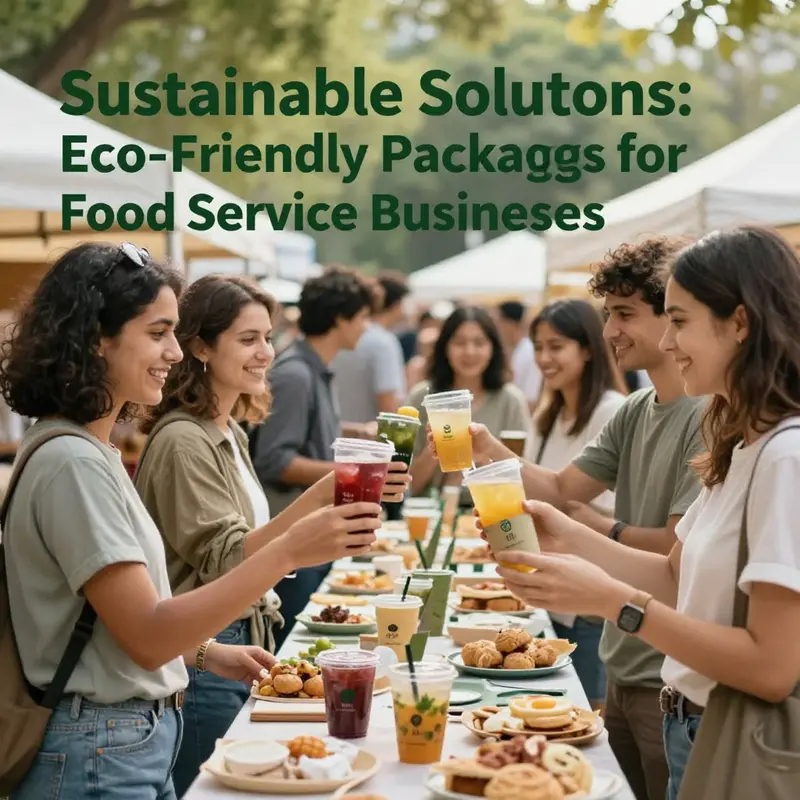
Consumer preferences for eco-friendly packaging in food show a nuanced balance between environmental impact, practicality, and clear information. Shoppers increasingly expect packaging to be recyclable, compostable where appropriate, and clearly labeled with credible certifications. Materials like glass and paperboard remain popular for perceptions of safety and recyclability, while advances in coatings and barrier technologies can expand the use of fiber-based packaging without compromising end-of-life outcomes. Biobased and forest-conserving options attract attention, but only when life cycle data and transparent sourcing are available. The most influential factor is trust: brands that tell a verifiable story with third-party verification and easy-to-understand icons tend to win consumer confidence and loyalty. In practice, this means packaging must not only perform on shelf and in use but also fit into existing recycling or composting streams, align with cost realities, and support a circular economy through responsible sourcing and clear end-of-life guidance.
Final thoughts
As the dialogue surrounding sustainability continues to gain momentum, eco-friendly packaging emerges as a key player in the food service industry. Businesses must not only adapt to innovative materials and the regulations that guide them but also recognize the economic benefits tied to eco-friendly practices while staying attuned to consumer preferences. Embracing sustainability is not merely a trend; it represents a commitment to a responsible future. Companies that prioritize eco-friendly packaging will not only meet consumer demand but also position themselves competitively in a market increasingly concerned with environmental footprints.