
Food-grade ISO tank containers serve as a crucial element for beverage and food service providers, ensuring the safe and compliant transport of liquid food products. From bubble tea shops to large beverage chains, understanding the benefits of these specialized tanks can significantly enhance operational efficiency. In the chapters that follow, we’ll explore the specifications and compliance requirements vital for food safety, the market pricing trends influencing your procurement strategy, reliable suppliers, and customization options tailored to your unique needs.
Guardians of the Global Food Chain: The Wholesale Landscape of Food-Grade ISO Tank Containers
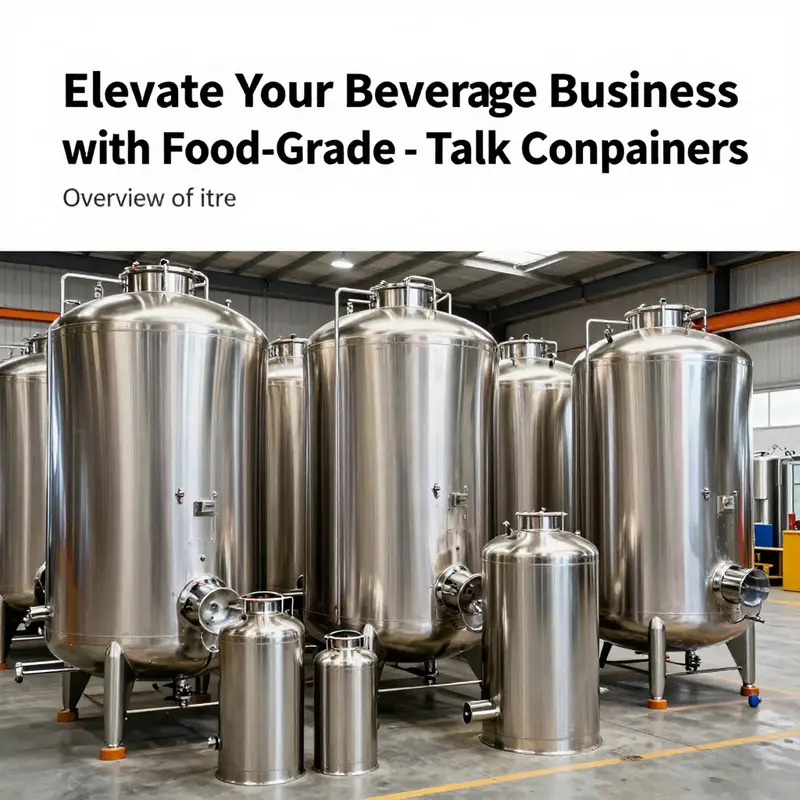
Food-grade ISO tank containers are more than just steel and seals; they are the backbone of bulk liquid food transport, enabling producers and distributors to move delicate commodities across oceans and continents with confidence. In the wholesale market, the decision to buy or rent these tanks hinges on a balance of material quality, hygienic design, capacity, and total cost of ownership. The chains that feed people every day rely on equipment that can resist corrosion, maintain product integrity, and be cleaned to a standard befitting consumables. The wholesale landscape is therefore not only about price per unit, but about the compatibility of a container with diverse products, climates, and regulatory regimes across regions.
These tanks are typically built from high-grade stainless steel, most often 304 or 316L, chosen for their corrosion resistance and cleanability. The choice between grades affects both cost and performance in aggressive food environments, such as those carrying edible oils with high acidity or sugar syrups that invite contamination if surfaces roughen. The interior surface is engineered to be smooth and sanitary, minimizing crevices where residues could linger. This smoothness is not cosmetic; it is a functional defense against microbial growth and cross-contamination. Compliance with international food safety standards means the interiors can meet the direct-contact requirements that allow them to be rinsed and sanitized with standard CIP (clean-in-place) processes found in food plants and logistics hubs.
Wholesale models typically present 20,000 liters for a standard 20-foot container and around 25,000 liters for larger 40-foot configurations. Some units may offer different linings, such as PE-lined interiors, to address chemical incompatibilities and sealing needs. Internal linings can extend the life of the tank when transporting certain products or when the product’s acidity or solvent content could affect the base metal. The rigs are equipped with robust fittings and fittings: valves, manhole connections, and pressure relief systems that help manage safe loading and unloading cycles, even during long multimodal journeys that combine sea, rail, and road transport. Because these tanks travel across borders and climates, the structure is designed to withstand pressure fluctuations and thermal variations without compromising sanitary conditions.
Certification is a critical determinant in wholesale decisions. A tank that bears FDA recognition ensures a product ready for direct contact with edible items. EHEDG certification reflects hygienic design principles and ease of cleaning, while HACCP alignment confirms that the product handling and cleaning processes meet risk-based safety criteria. For many buyers, ISO-related compliance signals quality and consistency across fleets and suppliers. Buyers should examine certificates and the facility’s maintenance records, because a tank is only as good as its last cleaning and inspection. Reputable manufacturers offer documentation that shows the tank has undergone cleaning validation, pressure testing, and leak testing before it ships. This documentation gives buyers confidence that the unit can be integrated into a traceable, compliant supply chain from day one.
Beyond standard configurations, there is a growing demand for customization that aligns with product-specific needs. Insulation options help preserve the integrity of temperature-sensitive inputs such as some dairy products and certain fruit juices. Specialized designs may include different valve configurations, tailored fittings, or branding opportunities for large producers and distributors seeking uniform fleets. Not all customization is about preserving product quality; some customers require tanks capable of carrying non-food but food-contact chemicals used in processing, such as sanitizing agents in certain formulations. In these cases, the interior lining and gasket materials must be chosen with care so that compatibility is assured and cleaning remains straightforward. The market supports swift delivery and flexible customization, reflecting the delicate balance between standardization for scale and modularity for product diversity.
As with any bulk packaging solution, environmental considerations play a central role in wholesale decisions. Food-grade ISO tanks are designed for reuse across dozens of cycles, dramatically reducing single-use packaging waste. Their long service life, ease of cleaning, and compatibility with multimodal transport help lower the total ecological footprint of a product line. Because the tanks can move from ship to rail to truck with minimal handling, logistics planners can streamline modal transfers and reduce overall emissions associated with each batch. This reusability, coupled with the smooth interior and sanitary fittings, translates into less downtime for cleaning and faster turnarounds at loading docks, which in turn supports more reliable delivery schedules for large-scale food producers.
The wholesale pricing landscape blends scale economics with product specifications. A standard 20-foot food-grade stainless steel ISO tank may be priced in a broad range, from roughly nine thousand to sixteen and a half thousand US dollars per unit, depending on the exact model, the level of customization, and the quantity purchased. For more specialized units fitted to handle acids, a 20-foot PE-lined version might sit in the eleven thousand eight hundred to sixteen thousand eight hundred dollar band. These prices reflect not only material costs but the value of certifications, the cost of complying with cross-border regulatory regimes, and the efficiency gains achieved through longer service life and reduced maintenance. Bulk orders typically unlock more favorable unit pricing, especially when fleets are planned to operate for years with predictable usage. Buyers should also factor in installation, spare fittings, and after-sales service when calculating the true cost of ownership.
In practice, the decision to adopt a wholesale fleet of food-grade ISO tanks is also a decision about reliability and supply chain resilience. The markets for liquid foods—edible oils, syrups, juices, and dairy products—depend on predictable delivery windows and consistent product integrity. The interior’s smooth surface and the liner configurations act as a first line of defense against contamination, enabling faster cleaning cycles and easier compliance checks. When a shipper needs to scale quickly to meet seasonal demand, the standardization of ISO tanks becomes a strategic advantage. With standardized dimensions and a global network of refurbishers and maintenance partners, fleets can be scaled up or down with relative ease, reducing the risk of production stoppages caused by packaging failures or sanitation issues. In turn, this reliability translates into cost savings that extend beyond the price tag on a single container.
For buyers navigating this wholesale landscape, several practical considerations matter. A thorough evaluation begins with the material grade, then moves to interior finishes and lining choices. A unit built from 316L stainless steel, for instance, can offer superior corrosion resistance in harsh environments, albeit at a higher upfront cost. The interior finish should be described in terms of roughness metrics and ease of cleaning, with CIP compatibility as an adopted standard. The lining choice should match the product’s chemical compatibility, life-cycle cost, and re-coating or replacement plans. Valves, vents, and safety devices should be inspected for leak resistance, accessibility, and compatibility with standard cleaning equipment. Buyers should request maintenance histories and the outcomes of any recent inspections. Finally, the environmental footprint of the tank, including its potential for end-of-life recycling, can be a deciding factor for forward-looking companies pursuing sustainable procurement.
To connect these ideas with the broader ecosystem of packaging and logistics, consider how container users approach ancillary needs. The wholesale world does not exist in isolation; it sits alongside other bulk packaging options, storage strategies, and supply chain optimization tools. For those who want to explore related packaging avenues, our site’s storage containers category offers a convenient portal to related equipment and accessories. This resource provides access to a range of solutions that complement bulk liquid transport and help ensure that a single fleet can coordinate both primary and secondary packaging needs. storage containers category.
External resource: https://www.fda.gov
From Specs to Compliance: Navigating Wholesale Food-Grade ISO Tank Containers
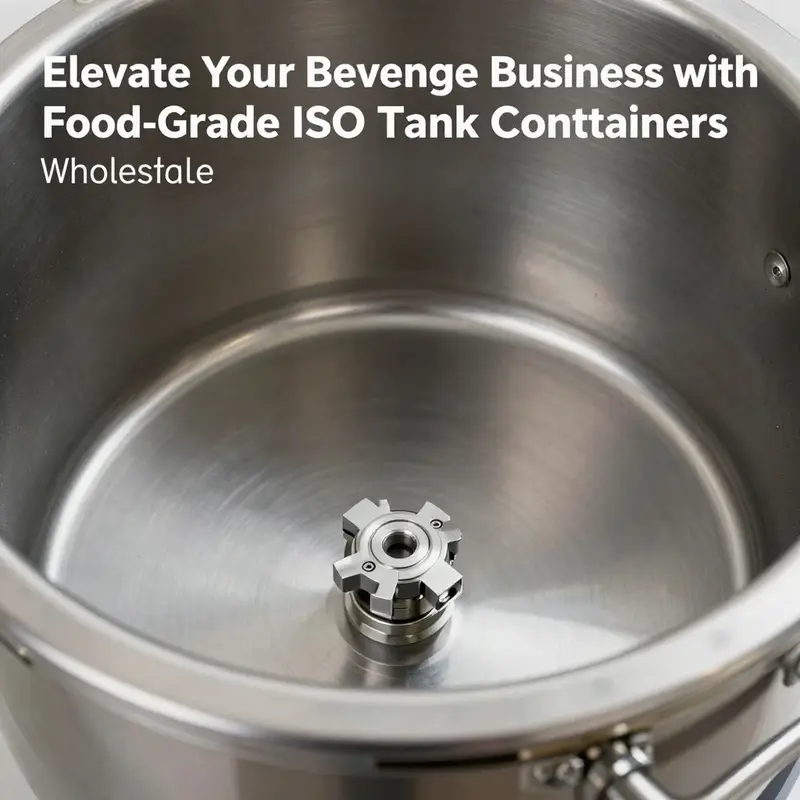
In wholesale procurement for food-grade liquid transport, the container is more than a vessel; it is a guarantee of purity, reliability, and regulatory conformity. Buyers enter a market where cost must be balanced against the risk of contamination, reputational exposure, and unwelcome delays at ports and borders. The value proposition of food-grade ISO tank containers rests on a carefully engineered combination of material science, sanitary design, and a web of international standards that governs every stage of use—from manufacturing through to handling, transport, and eventual reconditioning. A well-chosen container thus becomes a modular asset for a business’s cold chain, dairy supply, edible oil distribution, and a range of other sensitive liquids. To navigate this space effectively, buyers must translate the technical specifications into practical assurances of safety and performance, while also recognizing that wholesale markets reward consistency, traceability, and certification more than glamour or novelty.
At the core of any sound wholesale decision are the dimensions and the material built to endure the rough realities of multimodal logistics. Food-grade ISO tank containers are typically available in standard lengths of 20 feet and 40 feet, designed to fit the intermodal freight system without requiring transfers or re-packaging. The interior dimensions of a common 20-foot unit are around 6058 millimeters by 2438 millimeters by 2591 millimeters, a space engineered to maximize capacity while preserving the cleanliness and accessibility required for hygienic handling. The choice of material—stainless steel, most often SUS304 or SUS316—offers a dual promise: exceptional corrosion resistance and a skincare-like interior surface that minimizes sites where residues can cling or microbes can gain a foothold. This is particularly important when products range from edible oils to fruit juices and dairy liquids, each with its own chemical and microbial profile. Inside, many containers employ a sanitary, smooth surface with minimal crevices, and they can include a lining such as PTFE to provide chemical inertness, ease of cleaning, and added protection against interactions between the container and the product. The thickness of these linings typically sits in a narrow band around 25 to 50 micrometers, a tolerance that preserves the container’s durability while meeting hygiene standards.
The interplay between structural solidity and functional resilience extends to pressure and temperature management. Food-grade containers are designed to operate under pressure up to about 3 bar above atmospheric pressure, with hydrostatic test pressures around 4.5 bar to validate structural integrity under stress. This design margin is crucial for handling liquids that may be pumped, heated, or cooled during transit, and it supports the wide range of climates and altitudes encountered along global routes. Temperature control is another practical consideration; many models can be insulated or equipped with heating or cooling systems to stabilize product temperatures. For temperature-sensitive liquids—such as dairy products or certain fruit derivatives—this capability helps maintain quality, prevent microbial growth, and ensure consistency from the point of loading to discharge. Interiors that use PTFE linings or other food-safe materials add an extra layer of protection, enabling easier cleaning and reducing the risk of coating degradation or leaching. These features translate directly into lower lifecycle costs, fewer batch rejections, and greater confidence when negotiating long-term supply agreements in wholesale markets.
Beyond the physical build, the safety and compliance framework surrounding food-grade ISO tank containers is equally vital. The specification and verification of compliance are what separate a mere container from a trusted logistical partner. At the highest level, these containers must align with international design and testing standards that govern intermodal freight. ISO 1496/3 provides the cornerstone for design, testing, and marking of intermodal tanks, ensuring that the vessel’s form and function meet globally recognized criteria. Although some readers may think of safety as a maritime issue alone, the regulatory framework stretches across multiple transport modes. The IMDG Code, while focused on dangerous goods, also informs best practices for handling and containment of sensitive liquids under certain conditions. Road and rail transport in Europe are guided by ADR and RID, and the CSC convention ensures structural safety for shipping containers in general. Transports Internationaux Routiers (TIR) adds another layer for cross-border road movement, while the U.S. CFR Title 49 governs tank container operations within American regulatory space. Collectively, these standards create a lattice of requirements that manufacturers and buyers must navigate. They also influence the labeling, certification, and inspection regimes that buyers should demand from suppliers.
In the wholesale market, the reality of compliance translates into verifiable documentation that accompanies every batch or shipment. Reputable manufacturers or distributors typically provide certificates of conformity, material test reports, and, when appropriate, third-party inspection records. These documents serve not only as proof of compliance with ISO 1496/3 and related standards but also as evidence of traceability from raw material sources through to finished units. In practice, buyers should look for a robust trail of information: the steel grade (SUS304 or SUS316), the exact interior lining material and thickness, the surface finish quality, the presence of sanitary fittings, and the reliability of valves and access points designed for sanitary cleaning. When a wholesale purchase spans multiple units or batches, the ability to track each tank’s history becomes a strategic asset—reducing risk of non-compliance at inspection points and enabling smoother cross-border movements.
Price, of course, remains a practical consideration in wholesale decisions. The typical wholesale range for a basic food-grade stainless steel 20-foot ISO tank container falls around US$9,000 to US$16,500 per unit, depending on the model, capacity, and specific features. More specialized configurations that accommodate aggressive chemical environments or particular product needs may command higher price points, reflecting additional linings, coatings, or valve configurations. It is important to recognize that the market value in wholesale terms reflects not only the vessel’s raw materials but also the regulatory guard rails that the container must comply with and the ability of the seller to provide consistent after-sales support, spare parts, and reconditioning services. Buyers should be wary of price outliers that do not align with the expected certification packages or that cannot demonstrate complete traceability. A robust procurement approach couples price with a documented compliance package, ensuring that the container is not only capable of performing under normal conditions but remains conformant across its operational life.
A further layer of consideration for wholesale buyers is the scope for customization. Many manufacturers offer options to tailor interiors, linings, valve configurations, and even branding to meet product-specific needs. This flexibility can be a decisive factor when transporting liquids with particular chemical interactions or when product purity demands stricter hygiene standards. Custom linings, for example, might be selected to optimize resistance to specific acids, sugars, or dairy fats, while lining thickness and seal quality influence both cleaning efficacy and residue management. Such customization often entails trade-offs in cost and lead time, reinforcing the need for a clear planning horizon and an understanding of total cost of ownership across the container’s lifecycle. Having a well-defined technical specification brief—rooted in product chemistry and transport plan—helps ensure that the wholesale supplier’s offerings align with practical, on-the-ground requirements.
For wholesale buyers seeking a holistic sense of how these containers fit within broader packaging and logistics ecosystems, a practical touchpoint is to consider related storage and containment assets. A convenient starting point is the storage containers category, which encapsulates a spectrum of interrelated solutions designed to complement liquids handling and storage workflows. Exploring this broader category can illuminate how containers interact with downstream storage, transfer, and dispensing systems, enabling a more integrated approach to supply chain design. See the storage containers category for a sense of how containment assets can align with tank-based transport in a cohesive packaging and logistics strategy.
As buyers accumulate data from supplier questionnaires, inspection documents, and baseline performance tests, a disciplined evaluation emerges. The most reliable wholesale suppliers will stand behind their products with clear documentation, consistent material specifications, and demonstrable compliance with ISO, IMDG, ADR/RID, CSC, and related regimes. They will also be prepared to discuss the practical implications of design licenses and regulatory oversight—such as which national authorities grant manufacturing licenses for pressure vessels, and how such licensing translates into ongoing quality assurance and post-market surveillance. This depth of information is not merely academic. It shapes the confidence a buyer has in the container’s ability to perform across international routes, withstand cleaning and sanitizing cycles, and resist corrosion and contamination over years of use. When these factors converge, the wholesale choice is less about a single dimension and more about a harmonized system of safety, reliability, and regulatory alignment that supports a durable, compliant, and cost-effective logistics operation.
External resource: https://www.alibaba.com/product-detail/High-Quality-ISO-Food-Grade-20FT-40FT_1600724527289.html
Pricing at Scale: Navigating the Wholesale Market for Food-Grade ISO Tank Containers
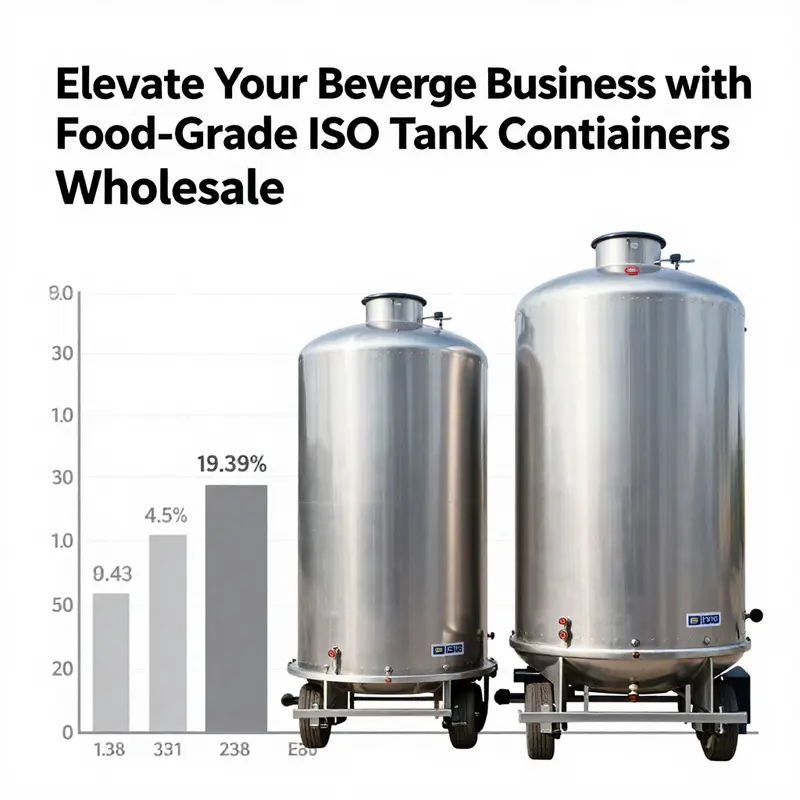
The wholesale pricing landscape for food-grade ISO tank containers sits at a crossroad where engineering discipline, regulatory compliance, and the economics of scale meet. These containers are built to transport and store liquids that require hygienic handling, such as edible oils, dairy derivatives, syrups, and fruit juices. They are constructed from stainless steel (typically 304 or 316), chosen for corrosion resistance and durability in demanding transport and cleaning cycles. Inside, smooth walls and sanitary fittings minimize residue and maximize cleanability. Many designs include interior linings such as PE or epoxy to safeguard product integrity and simplify sanitation. When buyers assess wholesale options, they weigh upfront price against long-term reliability across routes, customers, and regulatory environments. In a market built on repeatability and traceability, value hinges on durability, ease of maintenance, and assurance that the equipment meets food safety standards across borders and washing regimes.
The essence of value is a system that supports a safe, efficient, and scalable supply chain. A container’s lifecycle performance matters as much as its nominal capacity. Features such as heating coils extend the range of liquids that can be handled, while robust sanitary fittings reduce downtime during cleaning and maintenance. A typical wholesale package includes a warranty—often around one year for core components—that signals the manufacturer’s confidence in long-term performance. For operators with high throughput or strict delivery windows, improvements in surface smoothness, corrosion resistance, and quick-clean capabilities translate into gains in uptime and product quality. Price tells part of the story, but the best value emerges from a balance of material quality, manufacturing tolerances, interior treatment, and compliance with food safety standards.
The most telling current trend is that scale matters. As of early 2026, a new 20-foot stainless steel food-grade ISO tank container with a design pressure of four bar and a twenty-five-year lifespan is typically priced at roughly fifteen thousand dollars for orders in the five-to-nine unit range. When quantity rises to ten or more units, the per-unit price tends to fall to about fourteen thousand five hundred dollars. This reflects economies of scale in manufacturing, production planning, and resource allocation for larger commitments. It also marks a decision point for buyers: committing to larger volumes upfront can improve unit economics while preserving flexibility to adjust procurement schedules as needed. For organizations anticipating growth or seasonal fluctuations, staggered orders and longer-term supply arrangements can smooth the cost curve and stabilize access to assets critical to maintaining production and distribution.
Yet price is not the sole determinant. Customization continues to shape wholesale dynamics. Buyers seek finishes—ranging from nonstandard colors to branding-ready aesthetics—that help fleets stand out or align with corporate identity. Others require bespoke interior coatings to meet specific product chemistries or more aggressive cleaning cycles. The choice of lining, whether standard or enhanced, can influence performance and maintenance costs. Heavier coatings may offer improved resistance but add to upfront investment and can affect long-term resale value. Valve configurations, venting, and fittings tailored to a product’s flow profile are common, as are provisions for automation and monitoring systems. Customization turns a generic transport solution into a tailored asset that delivers lower risk and higher process efficiency, but it also expands the price envelope and may affect future compatibility with fleets or refurbishing programs.
The market context for these containers is expanding with rising demand for hygienic, reusable transport solutions in the global food and beverage sector. The market is projected to climb from around $230 million in 2024 to more than $410 million by 2031. Several forces drive this growth: sanitary handling and regulatory compliance across borders; integration into cold and ambient chain operations requiring reliable insulation, temperature management, and predictable performance; and a shift toward sustainable logistics that reduces single-use packaging. Higher-quality equipment commands a premium but offers lower total cost of ownership through durability, easier sanitation, and regulatory alignment.
From a planning perspective, procurement teams benefit from a disciplined specification process and a clear sense of price-to-value. Baseline performance—interior smoothness, corrosion resistance, lining type, and sanitary fittings—defines sanitation and product compatibility. Understanding design pressure and implied service life links capital expenditure with maintenance budgets and refurbishment cycles. Certifications such as FDA-compliant surfaces and HACCP-aligned processes provide a framework for risk management and market access. While premium materials and stricter standards raise the sticker price, reductions in contamination risk, streamlined sanitation routines, and regulatory assurance can justify the investment, especially for high-value liquids or cross-border operations. Sensible procurement also considers supplier reliability, lead times, and after-sales service. These elements support a durable, scalable asset base rather than a one-off purchase.
In practice, price and value intersect with the broader ecosystem of packaging and storage. For professionals who orchestrate end-to-end liquid handling—from packing to warehouse storage—understanding how a transport asset interacts with downstream infrastructure is essential. The same logic that governs a container’s design and certification informs how it fits into the warehouse, how it interfaces with handling equipment, and how cleanability aligns with cleaning regimes. For readers seeking external context, an external resource provides practical insight into live market procurement scenarios. External resource: https://www.alibaba.com/product-detail/20FT-Stainless-Steel-Food-Grade-Tank-Container_1600578571149.html
Navigating the Wholesale Landscape for Food-Grade ISO Tank Containers: Sourcing, Standards, and Supply Chain
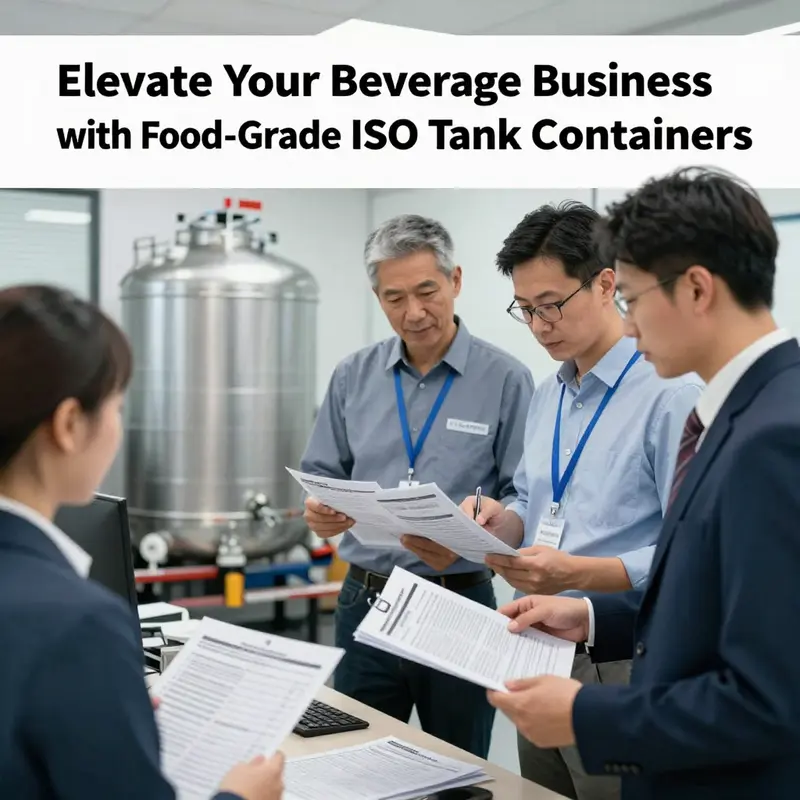
Sourcing food-grade ISO tank containers at wholesale scales sits at the intersection of logistics engineering, regulatory compliance, and supplier reliability. For buyers—manufacturers, distributors, and transport operators—the goal is not merely to acquire containers but to secure a steady, traceable flow of equipment that can protect product integrity from the first mile to the last. The wholesale market is characterized by a spectrum of options, from direct factory orders that emphasize customization and long lead times to marketplaces that aggregate multiple manufacturers under one interface, offering a breadth of capacities, configurations, and price points. In this landscape, the decision often hinges on a balance between cost, compliance, and the ability to align supply with demand in volatile commodity markets. A practical way to frame this balance is to view the procurement journey through three interlocking lenses: product quality and safety, supplier capability and risk, and total cost of ownership across the container’s lifecycle. When buyers start with these lenses, they can translate high-level safety certifications and material specs into concrete sourcing decisions that hold up in audits, inspections, and operating cycles.
At the core of product quality is the material and the interior environment of the container. Food-grade ISO tanks are typically constructed from high-quality stainless steel, with interior surfaces finished to minimize zones where residues could accumulate and where cleaning may be difficult. The interior linings, when present, play a critical role in maintaining product integrity and preventing contamination. Linings can include polyethylene or epoxy coatings, chosen to match the chemistry of the liquids being transported. For edible oils, syrups, dairy products, fruit juices, and other sensitive liquids, the emphasis is on smooth welds, sanitary fittings, and a surface finish that supports hygienic cleaning. The design also includes valves and fittings that enable clean transfer and reliable sampling without introducing contamination risk. While the basic engineering remains consistent, the willingness of suppliers to adapt linings, fittings, and even branding to meet customer specifications marks a meaningful point of differentiation in wholesale sourcing.
Beyond the stainless steel shell and interior linings, the broader market offers a range of configurations designed to address different product profiles and regulatory environments. In some cases, buyers seek standard, fully inert tanks for non-corrosive liquids, while in other cases, they require specialized linings to handle acidic or reactive products. The price spectrum reflects these differences. A typical wholesale range for a standard food-grade stainless steel container begins in the mid-range, while more specialized, heavily lined or chemical-compatible variants command higher price points. The quoted figures in wholesale discussions often fall between US$9,000 and US$16,500 per unit, depending on capacity, lining, and compliance features. For truly specialized demands, such as tanks with robust acid resistance or enhanced cleaning in place capabilities, the incremental costs can push higher, as buyers weigh the added protection against the total lifecycle cost.
Certification and verification are the other pillars that undergird trust in wholesale sourcing. Reputable suppliers back their offerings with certifications that demonstrate compliance with food-safety and hygienic handling standards. Commonly cited attestations include FDA approvals, EHEDG hygiene certifications, and HACCP-based process controls. These certifications provide a framework for auditing, validation, and ongoing maintenance that can simplify due diligence for buyers who must demonstrate compliance to customers, regulators, or internal quality teams. In practical terms, certifications translate into documented material compliance, approved cleaning regimes, and traceable manufacturing records. They also imply robust supplier quality management, which is essential when orders scale up or when customers demand consistent performance across multiple batches and lots.
The sourcing pathways themselves shape the risk and resilience of wholesale programs. Direct suppliers and manufacturers—especially those based in regions with advanced steel fabrication ecosystems—offer deep customization and the possibility of long-term partnerships. They can tailor linings, valve configurations, and branding to fit a buyer’s product portfolio and service model. However, this path often comes with longer lead times, higher minimum order quantities, and more intricate logistics planning. In contrast, sourcing platforms and marketplaces provide breadth and speed. They aggregate a wide array of factories, enabling buyers to compare capacities, lead times, certifications, and price points in a single interface. The trade-off is that verification can be more complex, and the onus is heavier on the buyer to validate each supplier’s certifications and quality systems. The marketplace model also opens doors to a more dynamic procurement approach, where buyers can alternate between multiple suppliers to hedge against supply disruption or to negotiate favorable pricing through competition.
For buyers navigating wholesale purchases, a practical discipline is to align supplier selection with risk tolerance, product complexity, and regional logistics. A robust supplier evaluation often begins with a formal checklist that encompasses certification validity, traceability of materials, and the presence of clean-in-place (CIP) and post-use cleaning records. The interior finish and any linings should be documented with specifications that specify chemical compatibility, anticipated cleaning agents, and the expected service life under the buyer’s product slate. The valve arrangement and connection standards are not cosmetic details; they affect transfer efficiency, cross-contamination risk, and uptime. A supplier’s willingness to provide engineering drawings, material certifications, and test records signals a mature quality process that reduces the likelihood of surprises during audits or inspections.
Market dynamics further shape wholesale choices. In a global trade environment, currency fluctuations, freight costs, and regional availability all influence total cost. Buyers often weigh the benefits of establishing a regional supply approach—reducing lead times and simplifying service visits—against the potential price advantages of sourcing from distant manufacturers. In either case, the ability to coordinate maintenance, retrofits, and testing with a trusted partner becomes a strategic advantage. As with any capital asset, the total cost of ownership extends well beyond the initial purchase price. Cleaning cycles, liner replacements, valve refurbishments, and periodic pressure tests all contribute to lifetime costs that may rival or exceed the upfront investment. A supplier who can articulate a clear maintenance roadmap, backed by documented testing and service history, delivers more value in a wholesale deployment plan than a lower upfront price alone.
A subtle but important thread in wholesale sourcing is the breadth of product types available to meet different liquids and volumes. Standard stainless steel tanks serve many markets, particularly where product stability, short-term storage, or straightforward transfer needs drive the requirement. Yet the market also accommodates specialized, lined tanks that address corrosive or sensitive liquids, including certain cleaning agents or reactive chemicals encountered in adjacent industries. In some instances, buyers consider alternative transport solutions, such as flexitanks, which offer a different cost and risk profile for high-volume, lower-frequency shipments. Flexitanks are not a universal substitute for rigid ISO tanks, but they can deliver cost efficiencies in specific use cases by reducing fixed container costs and enabling flexible packaging. The choice between rigid and flexible options should be driven by product compatibility, regulatory constraints, and the expected turnaround cycle.
From a sourcing perspective, the role of platforms like major online marketplaces is to demystify the landscape by providing visible parameters for capacity, lining, and certifications. Buyers can filter offerings by essential criteria and request documentation to confirm compliance. The ability to compare multiple suppliers in parallel accelerates decision-making, but it also elevates the responsibility to perform due diligence on each candidate’s quality management system, factory capabilities, and after-sales support. In this sense, wholesale procurement is less about chasing a single best price and more about constructing a resilient network of suppliers who can scale with demand, deliver consistent product quality, and uphold rigorous standards across the supply chain.
To anchor these considerations, it is useful to reflect on the practical steps a buyer can take when moving from intent to contract. Start with a clear product profile that includes required capacity, intended liquids, and any necessary linings or fittings. Next, verify certifications with current documentation, request third-party test certificates, and assess a supplier’s history of compliance breaches, if any. Ask for manufacturing and inspection records, surface finishes, and cleaning protocols to be validated by your own quality team or third-party auditors. Determine lead times and minimum order quantities that align with inventory planning and seasonal demand. Finally, evaluate the total cost of ownership, including maintenance, liners, and potential retrofits, to ensure a stable financial model across multiple shipments and product cycles.
In practice, many buyers begin their supplier search with a blend of direct outreach to manufacturers for tailored quotes and a broader scan of the wholesale marketplace for competitive options. The direct path can yield deeper customization and more predictable supply, while the marketplace approach can reveal a wider range of configurations and pricing that help calibrate expectations. Either path benefits from a disciplined documentation package: current certifications, material specifications, quality management policies, and a transparent record of testing and commissioning. When combined with a supplier that demonstrates reliability in lead times, after-sales service, and flexibility to adjust to shifting product demands, wholesale sourcing begins to feel like a controlled process rather than a jump into a single transaction.
For readers seeking a practical entry point into related packaging categories that complement bulk liquid transport, the storage containers category offers a useful context for understanding how physical infrastructure supports a broader supply chain. This link provides a gateway to related packaging and containment options that can inform decisions about cross-functional compatibility, warehousing, and port-side handling: storage containers.
External resource for standards and safety guidance can further augment a buyer’s due-diligence process. For ongoing regulatory alignment and hygiene best practices, refer to authoritative public resources such as FDA food safety materials. This external reference complements the certifications discussed above and helps ensure that wholesale sourcing remains aligned with evolving safety expectations: https://www.fda.gov/food
Tailored Pathways for Safe, Efficient Liquid Food Transport: Customization in Wholesale Food-Grade ISO Tank Containers
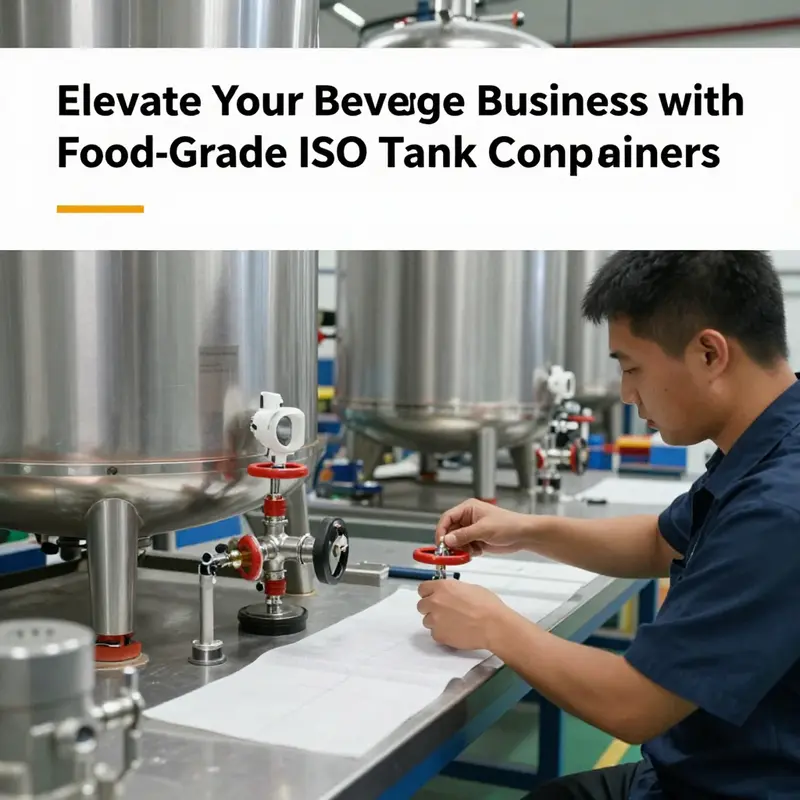
In the wholesale market for food-grade ISO tank containers, customization is not a luxury but a practical backbone that translates a standard asset into a reliable link in a complex food supply chain. Buyers span dairy cooperatives, edible oil distributors, fruit juice manufacturers, and contract logistics providers who must balance safe storage with efficient, compliant transport. The resulting containers are not mere metal boxes; they are purpose-built platforms designed to protect product integrity from point of origin to point of sale. This demand for tailored solutions has driven a mature ecosystem where capacity, material choices, interior finishes, and auxiliary features are negotiated as part of one integrated package. The story of customization in wholesale food-grade ISO tanks begins with the most fundamental question: what product will occupy the tank and under what conditions will it travel?\n\nCapacity is often the first axis of customization, and even though the industry commonly standardizes on 20-foot and 40-foot configurations, suppliers accommodate a spectrum of volumes that go beyond the canonical footprints. In practice, this means variants such as 24 cubic meters, 25 cubic meters, or 26 cubic meters of usable capacity can be specified to align with a customer’s loading patterns, terminal restrictions, and fleet utilization. The mathematics of capacity touches more than space; it touches flow rates in a cold chain, truck or rail legs, and the time a product spends in transit. A larger internal volume may be paired with more generous discharge clearance, or with a specific valve arrangement that optimizes emptying for viscous fruit syrups or dairy concentrates. Yet capacity customization cannot operate in a vacuum. It invariably interacts with material choices and the interior geometry that governs how easily a product can be cleaned, inspected, and sanitized between batches. The interior becomes a critical determinant of total cost of ownership because a well-matched capacity reduces handling steps, minimizes product loss, and speeds up turnaround in busy terminals.\n\nMaterial selection in these capsules matters as much as the products they carry. The most common food-grade substrates are stainless steels that offer strength and corrosion resistance, with thickness and alloy grades selected to withstand both routine wear and occasional aggressive substances. In many wholesale arrangements, the base plate and shell use high-grade stainless steel—often variants like SUS304 for general use or SUS316 when exposure to chlorides or more corrosive environments is anticipated. A key design choice is whether to pursue a single-wall, double-wall, or even triple-wall configuration. Each option trades off weight, insulation, and cleaning convenience. For liquid foods that demand temperature control or energy efficiency, insulation becomes a pivotal factor. A custom build may incorporate enhanced insulation thickness or a specialized lining system that reduces heat transfer and maintains product temperature more consistently during long hauls. The choice of wall structure also informs how the vessel handles pressure variations, vapors, and potential residue after discharge, which in turn shapes cleaning protocols and sanitization cycles across fleets.\n\nInterior surface treatment is another critical axis of customization. To meet stringent sanitary expectations, interior surfaces are polished to a smooth finish that minimizes crevices and eliminates dead zones where bacteria or residues could hide. In practice, this might mean meticulous mirror polishing of interior walls and careful shaping around welds so transitions are rounded rather than abrupt. Some customers require curved transitions or seamless junctions to reduce sanitary risk; these design details become a meaningful differentiator in a market where hygiene is non-negotiable. In addition to surface finish, lining choices add another layer of customization. A range of coatings and linings—such as food-grade polymer linings or epoxy-based interior coatings—can be selected to resist particular product interactions, control pH effects, or facilitate cleaning with sanitizers. For instance, liquids with acid content might prompt a different lining strategy than dairy products, where fat content and emulsification behavior influence how the tank surfaces interact with the product. The lining choice, in combination with wall thickness and surface smoothness, defines a hygienic profile that directly impacts conformity to market standards and the ease of passing external audits in various geographies.\n\nAccessories and functional configurations are where customization becomes tangible in day-to-day operations. Temperature control is a frequent requirement, especially for products like milk, chocolate solutions, or certain fruit preparations. Customers may opt for built-in heating or cooling mechanisms, such as heat exchangers, insulated panels, or circulating coils, to keep consignments within precise temperature bands. The integration of a heating coil or a cooling circuit must be planned with the port and terminal layout in mind, ensuring that this feature can be serviced at typical unloading points without complicating the transfer process. Insulation levels, door seals, and venting capacity are coordinated to maintain product quality during multimodal transport and to minimize energy usage while preserving sanitary conditions. Valves and piping are not afterthoughts but integral components that shape the efficiency of loading, unloading, and cross-docking. A customized bundle may include a specific assortment of inlet and outlet valves, drain valves optimized for thorough discharge, and vent configurations calibrated to prevent moisture buildup while ensuring safe atmospheric balance during pressure changes in transit. In some designs, the layout of hoses and the arrangement of fittings are adapted to the customer’s terminal equipment, enabling faster, cleaner transitions between legs of the voyage.\n\nOperational interfaces and instrumentation are equally important. Many operators want space for monitoring devices such as pressure gauges, temperature sensors, and liquid-level indicators that can be connected to their existing data networks. In a tailored approach, suppliers reserve instrument ports and provide mounting zones so customers can retrofit or upgrade sensing technologies without compromising the vessel’s sanitary integrity. This forward-looking customization proves its value when fleet-wide monitoring becomes the standard practice for quality assurance and traceability. The result is a container that not only ships product safely but also communicates its status in real time to the user’s control tower, enabling proactive decision-making in response to unexpected delays, weather disruptions, or quality excursions. A broader capability set often accompanies such instrumentation, including pre-wired harnesses, standardized electrical interfaces, and plug-and-play sensor modules designed to shorten installation times and reduce field labor costs.\n\nFrom a regulatory standpoint, customization in wholesale food-grade ISO tanks is anchored in ensuring compliance rather than chasing it after the fact. Suppliers typically provide documentation for a spectrum of standards and certifications that validate food safety and quality management throughout the supply chain. While the exact acronyms and regimes differ by market, the underlying exception is that a fully customized tank bears explicit proof of safety, traceability, and cleanliness. In practice, this means that even a single customized unit can be accompanied by a tailored package of compliance evidence, labeling strategies, and maintenance protocols that align with the customer’s target markets. The end result is a container that not only meets internal quality goals but also reduces the burden on customers when they need to demonstrate compliance to auditors or customs authorities. This alignment of product, process, and certification is what makes customization not merely cosmetic but a strategic investment in reliability and market access.\n\nPrice considerations in wholesale customization reflect the complexity of these decisions. The base cost of a food-grade ISO tank can span a broad range, influenced by capacity, material choices, coatings, insulation, and added features. As a general guide, standard configurations sit near the lower end, while more specialized builds—with multi-layer walls, advanced linings, integrated temperature control, and bespoke valve configurations—move toward the upper end of the spectrum. Buyers often weigh the upfront premium against ongoing savings from reduced cleaning cycles, faster unloading, lower risk of contamination, and smoother compliance pathways. For many buyers, the real value of customization is realized not in a single purchase but across a lifecycle that includes multiple shipments, shared maintenance routines, and standardized terminal procedures. The wholesale marketplace thus rewards flexibility and a clear articulation of needs, because a well-defined customization brief minimizes change orders, shortens lead times, and improves the predictability of total cost of ownership.\n\nIn practice, a smooth customization journey hinges on collaboration. A supplier will begin with a detailed intake that maps product type, temperature regime, shelf life, and cleaning protocols. From there, engineering teams sketch a design that harmonizes volume targets with sanitary requirements and installation constraints at loading and unloading sites. As concepts mature into firm specifications, a customer gains visibility into the specific benefits of each option—how a thicker wall influences heat dissipation, or how a particular lining reduces residue formation after discharge. This iterative process is not about adding features for feature’s sake; it is about building a cohesive, unit-level solution that integrates with a customer’s broader logistics strategy. When executed well, customization produces a tank that behaves like a modular component of a larger system, capable of being deployed across multiple routes with consistent performance. The result is a wholesale market where buyers expect not just a container, but a complete package: capacity that matches demand, materials that ensure safety, surfaces and linings that uphold hygiene, and accessories that synchronize with the customer’s terminal ecosystem.\n\nTo illustrate how this translates in practice, consider the role of a well-chosen internal layout and a thoughtfully placed access point. A site that prioritizes ease of cleaning may prefer a design in which manholes, hatches, and pipe runs are positioned to minimize cross-contamination risk and to simplify sanitization routines. In such a configuration, vendors might designate customizable access points to align with the customer’s standard operating procedures and to harmonize with existing cleaning agents. The emphasis on cleanability, in turn, reduces downtime during routine maintenance and helps sustain quality through repeated cycles of loading and discharge. In this light, customization becomes a disciplined discipline rather than a collection of add-ons. It shapes how a tank integrates with a customer’s workflow, optimizes resource utilization, and preserves product integrity from first mile to last mile.\n\nAs a practical touchstone for ongoing learning and benchmarking, a relevant online resource category can provide broader context on packaging and storage considerations for wholesale operations. For readers seeking more context on how packaging categories relate to storage and handling practices, explore the storage containers section of industry-focused packaging resources. This reference helps connect the dots between container design choices and the downstream handling workflows that determine efficiency and safety in real-world distribution.\n\nExternal resource and further reading: https://www.alibaba.com/product-detail/ISO-Food-Grade-Tank-Container-Suitable-for-Milk_1600738835275.html?spm=a2700.18577127.0.0.7c5b1a5fYkZyKt
Final thoughts
Food-grade ISO tank containers are invaluable assets for beverage and food service businesses looking to optimize their operations. By ensuring safe transport and compliance with industry standards, these containers not only protect the integrity of your products but also enhance your brand’s reputation. As you explore the various suppliers and customization options discussed, remember the importance of choosing a container that meets the unique needs of your business. Invest wisely in food-grade ISO tanks to elevate your service quality and operational efficiency.