
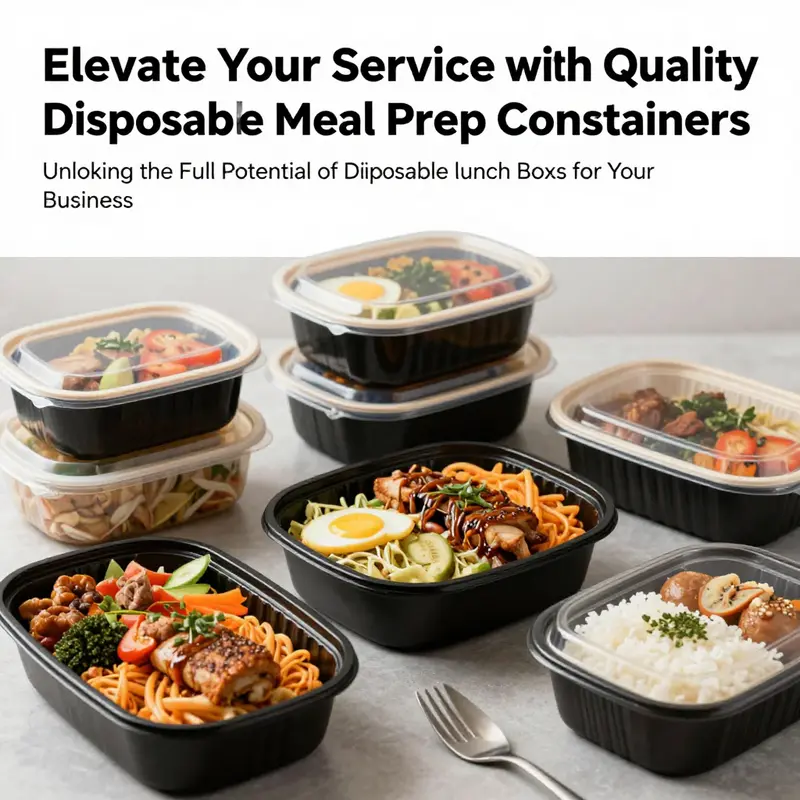
In the rapidly evolving hospitality industry, disposable meal prep containers are transforming how businesses operate—from bubble tea shops to catering services. These containers not only enhance food safety and convenience but also adhere to eco-friendly standards, meeting the rising consumer demand for sustainable practices. This article delves into the practical advantages, diverse applications, and market trends surrounding disposable lunch boxes, offering valuable insights for beverage chains, restaurants, catering firms, and corporate teams looking to elevate their food service. Each chapter will guide you through essential product features, key applications, sourcing channels, sustainability considerations, and practical tips for choosing high-quality containers tailored to your business needs.
Core Features and Technological Advances in Disposable Lunch Boxes: Safety, Convenience, and Sustainability
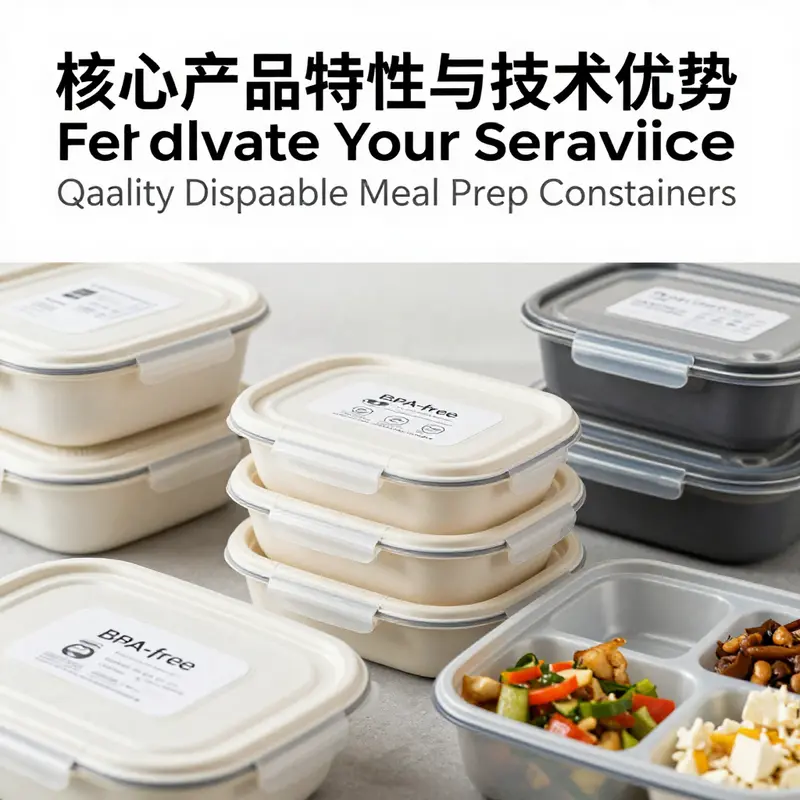
The chapter explores how core features and technological advances in disposable lunch boxes are shaping the way people prepare, transport, and enjoy meals beyond the kitchen. At the heart of this evolution is a balance among material choice, engineering for safety, and a growing commitment to reducing environmental impact. The modern disposable meal-prep container is no longer a simple, cheap receptacle for single use; it has become an engineered system designed to protect food quality, reduce waste, and simplify daily routines for a broad spectrum of users, from office workers to families managing busy schedules and outdoor enthusiasts packing meals on the move.
Safety is a fundamental pillar, involving the use of food-grade materials meeting recognized standards for packaging and contact with consumables. Polypropylene is often preferred due to its stability, heat resistance, and chemical inertness. Emphasis on BPA-free materials reflects a commitment to health-conscious consumers and institutions. Some containers incorporate coatings or laminates that serve as moisture and grease barriers while preserving food sensory properties. A food-grade polymer interior with lamination ensures waterproofing and oil resistance, keeping containers dry outside even as they hold liquids or rich sauces inside.
Heating and storage performance are central design considerations. Many disposable lunch boxes tolerate temperatures from freezing to about 100 degrees Celsius, enabling direct microwave reheating without transferring food to another dish or risking container failure. Leak-resistant lids employing ribbed or latch-style mechanisms with precise seals protect against spills during transport, especially for liquid-rich meals.
Internal architecture varies from single to multi-compartment designs, addressing portion control and nutrition planning. Partitioned options support balanced meals aligned with dietary goals, and lid features like locking mechanisms, finger grips, and stacking aids enhance daily usability. These design choices improve convenience, reduce spill risk, and support healthy eating habits.
Sustainability is a key theme, moving beyond plastic waste to considerations of recyclability, compostability, and renewable materials. Conventional polymers like polypropylene and PET remain common due to recyclability, while biodegradable alternatives using corn starch, polylactic acid (PLA), or bagasse fiber offer compostable options under industrial conditions. Material choice depends on local waste infrastructure, shaping a market trend toward transparency and environmental responsibility.
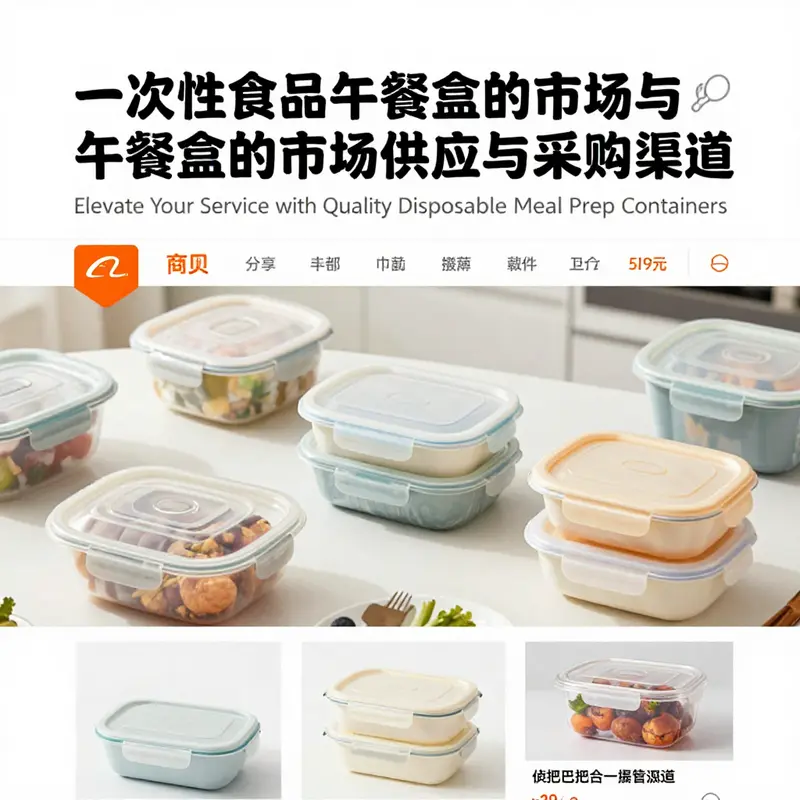
Branding and customization enable disposable lunch boxes to integrate into corporate and consumer ecosystems. Color, branding, and nutritional labeling enhance recognition and align packaging with organizational policies or diet programs. Production centers, particularly in China, supply a range of container capacities available on online marketplaces, allowing bulk purchases with specifications for dimensions, printing, and certifications. Trade assurances help buyers manage risk and ensure compliance.
Purchasing decisions balance cost, performance, and environmental impact. Sealed, leak-resistant lids combined with microwave-compatible materials offer convenience and safety attractive to individuals and organizations. Bulk buying can reduce unit costs, while consistent quality in material integrity and moisture control is essential for meal protection from preparation through consumption.
Designers continually refine structure and material science to deliver durable lids, stable seals, and reliable interior coatings that protect food, preserve texture and flavor, and minimize leakage. The trend toward compostable or bio-based materials aligns convenience with environmental stewardship. This reflects a shift from disposable mindsets toward packaging supporting health, programmatic needs, and responsible resource use.
A practical example includes microwave-safe containers with secure closures and multi-compartment sections promoting portion control. Materials range from recyclable plastics to plant-based alternatives, responding to consumer expectations and waste management realities. Customizable packaging maintains safety and performance standards, serving as an interface between food preparation and convenient consumption.
Procurement platforms facilitate bulk orders with standardized specs, brand customization, labeling, and packaging configurations. This scalable supply chain adapts to diverse demand scenarios, from corporate meal programs to educational nutrition initiatives and event catering. The fusion of packaging performance, safety, and environmental mindfulness elevates meal packing to a deliberate, responsible choice.
Innovations include paper- and starch-based materials combined with plastic coatings to achieve moisture resistance and greener lifecycles. Such material blends meet safety, performance, and environmental criteria amid evolving regulations and consumer expectations. A recent industry study (2025) offers deeper analysis of market size, supply chains, and drivers shaping the disposable lunch box sector. For further details, see https://www.hjinfo.com/report/49862.html and examples of kraft-paper laminated containers designed for moisture resistance at https://cupbowlpack.com/product/senang-kraft-paper-octagonal-bowl-1200ml-waterproof-eco-friendly-disposable-salad-bowl-for-snack-cookie-warm-cold-food-pet-lid/.
Carrying Convenience: How Disposable Lunch Boxes Shape the Mainstream Food Economy

The rise of disposable lunch boxes and other single-use meal prep containers has quietly rewritten how people eat, work, travel, and gather. These containers do more than hold food; they encode a workflow that moves meals from kitchen to consumer with speed, safety, and a studied balance of practicality and nutrition. In markets that demand both reliability and flexibility, the everyday lunch box becomes a hinge—connecting home kitchens, workplaces, schools, and outdoor spaces with a portable, predictable, and hygienic food experience. The story of these containers is not a single invention but a series of design choices woven into countless meals, from a carefully portioned gym lunch to a curbside dinner delivered in the rain. To see why they have become mainstream, it helps to trace the strands of safety, versatility, and environmental awareness that thread through modern meals and the people who prepare, transport, and eat them.
First, the core promise of safety and performance anchors almost every choice. Food-grade materials, often certified to international standards, are selected to endure the heat of microwaves or ovens and to maintain integrity during transport. The most common plastics used are chosen for their stability, resistance to moisture, and inertness when in contact with hot foods. A growing subset of containers proudly states BPA-free construction, signaling to consumers that the packaging is designed to minimize endocrine-disrupting concerns while still delivering on convenience. A key implication here is not merely avoiding a single chemical but delivering a lifecycle that respects both health and practical use. In many markets, this translates into a packaging that can handle direct heating in a microwave, or at least in some cases, direct oven use in a way that minimizes transfers and mess. A well-engineered seal keeps soups and sauces from escaping, which matters for both the buyer’s peace of mind and the seller’s reliability in delivery chains.
The design language of these containers also emphasizes modularity and portion control. Many options come with layered or segmented wells—three compartments or four—so a protein source can stay separate from grains and vegetables. This attention to nutritional balance is not incidental; it speaks to how people want to manage calories, macro balance, and appetite in a single, portable unit. For fitness enthusiasts and health-conscious diners, a single container can encourage a measured approach to meals across a full week, which in turn reduces waste and supports consistent dietary habits. When a lid snaps shut with a secure fit, the risk of leakage during transit drops dramatically. In urban environments where rideshares, bicycles, or public transit can introduce jolts, this reliability becomes not a luxury but a necessity.
The conversation about mainstream usage would be incomplete without acknowledging the broad sectors that rely on these containers day in and day out. In the realm of food delivery, these containers act as the interface between kitchen and doorstep. They must preserve temperature, maintain form, and project a clean, professional image through sturdy construction and clear labeling. The proliferation of online ordering has amplified this role: a consumer in a city can receive a hot lunch, a cold salad, or a comforting soup in a packaging system designed to protect quality from the moment the order is placed to the moment it is unwrapped at the table. The scale of this application sector is immense; for many reasons, it remains a primary driver of innovation in packaging, including improved leak resistance, better stacking stability for transport fleets, and compatibility with a range of storage temperatures.
Beyond food delivery, institutional settings such as cafeterias, schools, hospitals, and corporate dining rooms rely on disposable containers to reconcile speed with hygiene. In fast-paced environments, the ability to distribute meals quickly and safely is essential. These containers enable kitchens to portion meals in advance, minimize cross-contamination risk, and simplify cleanup by eliminating the need for large fleets of reusable ware that require washing and sanitizing. In many cases, they streamline logistics by supporting grab-and-go service models, so a line worker can prepare and hand off meals with minimal touchpoints, reducing contact time and increasing throughput. The simple act of isolating meals into individual portions can also support dietary customization for different groups—children who require lighter options, adults with higher protein needs, or patients with restricted ingredients—while preserving a cohesive service standard.
Outdoor events and everyday portability form another axis of mainstream adoption. Picnic planning, street fairs, or a quick meal between meetings all benefit from containers that are lightweight, leak-proof, and easy to dispose of when the occasion ends. The ability to carry a hot or cold dish without a bulky thermos or multiple bowls makes these containers a natural choice for people who value convenience over the long haul of a busy day. Even in travel or camping scenarios, the no-cleanup promise is compelling: food can be enjoyed without a sink nearby, and the packaging can be responsibly discarded or recycled in appropriate facilities. In this way, disposable meal prep containers support sociable, on-the-go lifestyles without demanding ritual maintenance from the user.
There is also social and cultural value in how these systems shape gatherings. At home, family members can prepare meals ahead of time and share the responsibility of portioning and distribution. Friends planning a potluck can rely on containerized portions to facilitate equal sharing and reduce the friction of dishing out food across a crowd. In such moments, the packaging crosses from a mere container to a facilitator of social ease, letting people focus on the enjoyment of food and company rather than on cleanup. The same logic translates to semi-formal events—meetups, club activities, or informal celebrations—where the container’s perceived reliability and neat presentation contribute to the overall experience of hospitality.
Crucially, the ongoing evolution of these containers threads sustainability into mainstream usage. The industry’s tension between convenience and environmental impact has driven a spectrum of material choices and end-of-life options. Recyclable polymers such as certain forms of polypropylene and PET are widely used, offering a familiar pathway for post-use recovery. At the same time, the emergence of bio-based and compostable options, often made from starch-based materials or polylactic acid (PLA), signals a willingness to align portability and safety with responsible disposal in appropriate facilities. Consumers increasingly seek products that maximize recyclability or industrial compostability, and this demand nudges manufacturers to optimize designs for easier separation, labeling, and processing in recycling streams. The shift toward sustainability does not simply add a green sheen; it reframes how containers are selected based on the intended use, the local waste infrastructure, and a growing awareness of lifecycle impacts.
The practical realities of sourcing and procurement also color the mainstream narrative. Across global markets, manufacturers headquartered in major hubs supply a wide array of options, from simple single-compartment boxes to multi-compartment configurations in varying sizes. Buyers seeking bulk efficiency gain from standardized dimensions, predictable performance, and clear safety credentials. They want assurances that the materials meet recognized safety benchmarks and that the packaging can withstand the temperature ranges associated with reheating or short-term storage. The tradeoffs are real: thicker walls can improve heat retention and durability but add weight and cost; clear labeling and transparent lids support product presentation and consumer confidence but may require more robust sealing to prevent leakage. In this context, the most successful products deliver a clear balance of performance, cost, and practicality, with design features that align with real-world workflows—from kitchen to courier to consumer.
Incorporating these containers into everyday practice also shapes consumer expectations about convenience and hygiene. The rise of self-prepared meals and wellness-focused eating habits means more households prepare meals in advance, portion them thoughtfully, and transport them in an organized, predictable manner. This habit strengthens the value proposition of the disposable lunch box: it is not merely a tray but an integrated tool for portion control, temperature management, and portion visibility. The portioning logic—protein, grains, and vegetables—finds a practical ally in the container’s internal layout, guiding how meals can be balanced over time. In this way, the container becomes part of a broader ecosystem that includes meal planning, nutritional awareness, and mindful consumption.
One practical note about the practicalities of use is worth highlighting. For any consumer relying on these containers, the small details matter: the reliability of the seal, the capacity to withstand reheating, and the ease with which the lid can be opened without spillage. A well-designed container minimizes the number of steps needed to reheat and serve, which is a subtle but meaningful efficiency gain in a world where every minute counts. Packaging designers therefore pay attention to ribbed seals, hinge strength, and compatibility with a spectrum of heating methods. The best designs also recognize that not all meals are meant to be heated; some are best enjoyed cold, and those users require lids that preserve crisp textures and prevent condensation from blurring flavors. The point is not to chase a single ideal but to anticipate a plurality of use cases and deliver a robust, adaptable product.
From a consumer education standpoint, transparency around materials and safety certifications reinforces trust. Clear labeling about microwave suitability, heat resistance, and recyclability helps shoppers make informed choices aligned with their values and routines. When a container proclaims a BPA-free construction and a microwave-friendly design, buyers are empowered to integrate that packaging into a plan for a balanced meal, whether it travels to a desk, a classroom, or a campsite. The packaging thus supports a consumer’s day not as a barrier between food and person but as a facilitator of a healthier, more efficient feeding pattern.
To illustrate how these considerations translate into real-world options, imagine a practical example often seen in takeout and catering contexts. A disposable kraft paper takeaway box with a clear lid demonstrates how packaging can balance visibility of contents with sturdy protection. This type of container makes it easy for a customer to identify the meal at a glance while safely preserving the dish during transport. It embodies the core values described above: safety, leak resistance, portion-friendly design, and an approachable presentation that still respects environmental considerations through recyclable or compostable variants. For readers who want to explore practical choices in this domain, a representative option that aligns with these attributes can be viewed here: Disposable Kraft Paper Takeaway Box with Clear Lid. The link serves as a tangible example of how mainstream packaging assets translate into everyday meals.
Finally, while the everyday benefits are clear, the broader implication of disposable containers in a modern food economy is their ability to scale with changing consumption patterns. As online ordering, hybrid work environments, and social dining evolve, these containers provide a reliable backbone for a lean, flexible food system. They support a culture of convenience without sacrificing safety, nutrition, or dignity in handling food across countless hands and environments. The mainstream adoption of these containers thus reflects a pragmatic design philosophy: prioritize safety, enable versatile use, support efficient distribution, and respect environmental constraints. In doing so, they help reframe the act of eating from a fixed, location-bound ritual into a portable, adaptable experience that fits into the rhythms of contemporary life.
External resource: For a regulatory perspective on food-contact materials and safety standards that influence how these containers are designed and marketed, see the U.S. Food and Drug Administration’s guidance on food-contact packaging and materials at https://www.fda.gov/food/packaging-labeling-food-safety/food-contact-materials
null
null
From Convenience to Consciousness: The Green Trajectory of Disposable Lunch Boxes and the Reimagined Practice of Meal Prep
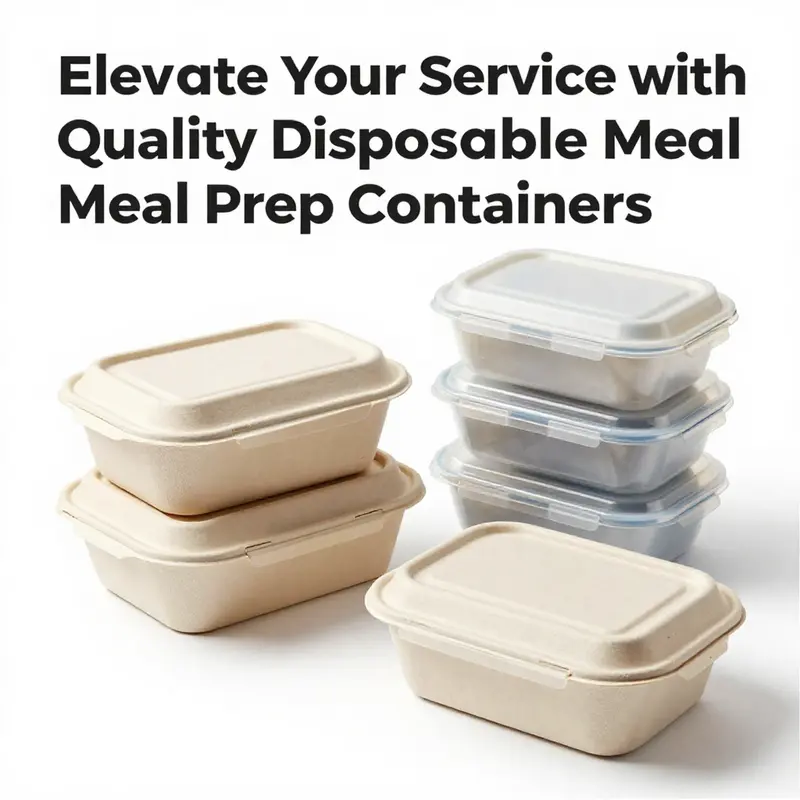
The landscape surrounding disposable lunch boxes and meal-prep containers is shifting under a core tension: the appetite for effortless, on-the-go dining versus the imperative to minimize environmental impact. What began as a simple packaging solution for takeout has evolved into a broader conversation about materials, end-of-life pathways, and the responsibilities of brands, suppliers, and consumers. This chapter traces how sustainable development has moved from a niche concern to a driving force shaping product design, supply chains, and everyday eating habits. The narrative is not only about what a container can hold, but about how its life cycle, from sourcing to disposal, aligns with broader goals of resource stewardship, public health, and transparent accountability. The result is a more resilient category that seeks to balance convenience with stewardship, ensuring that the lunch box remains a helpful tool rather than a persistent environmental burden.
Material choices stand at the forefront of this transformation. Traditional plastics, once celebrated for their lightness and low cost, are increasingly viewed through the lens of long-term ecological cost. The shift toward bio-based and renewable materials marks a meaningful departure from single-use plastics that accumulate in landfills or contribute to marine debris. Polylactic acid (PLA), bagasse-derived papers, starch-based polymers, and other bio-based options are expanding the design space for disposable containers. These materials borrow from renewable feedstocks such as corn, sugarcane, or agricultural residues, and many are designed to perform comparably to conventional plastics in terms of heat tolerance, barrier properties, and leak resistance. Yet the transition is nuanced. Bio-based does not automatically mean compostable in a home setting, and not all bio-based polymers offer the same performance under microwaving, oil resistance, or hot-fill conditions. As a result, researchers and manufacturers are investing in advances such as nano-coatings, multilayer composites, and surface treatments that improve heat stability and moisture barriers while preserving recyclability. The interaction between material science and regulatory standards remains central; materials that meet essential safety benchmarks—like ensuring no harmful substances migrate into food during heating—are nonnegotiable foundations for consumer trust. In practice, this means adopting certifications and communicating them clearly: BPA-free labeling, FDA-aligned or equivalent food-contact approvals, and transparent declarations about recyclability or industrial compostability help users make safer, more informed choices.
The sustainability conversation also encompasses how containers are designed for end-of-life in a world of diverse waste streams. Green options increasingly favor closed-loop thinking: not just creating a product that can be discarded, but establishing an ecosystem that can recover and repurpose the container after use. Some programs leverage deposits, buy-back schemes, or brand-led recycling initiatives that incentivize consumers to return packaging for cleaning, reprocessing, or repurposing. When a lunch box is designed for easy disassembly, the attachment of lids, seals, and labeling inks is considered alongside the recyclability or compostability of each component. This holistic approach reduces the likelihood of contamination in recycling streams and extends the value captured from the materials. The practical upshot is a reduction in litter and waste volume, but it also means supply chains must integrate better sorting, clearer labeling, and more robust post-consumer processing infrastructure. Consumers, armed with more accurate information about disposal, can participate more effectively in recycling and composting programs, reinforcing a virtuous cycle of reuse and recovery.
Another pillar of the green trajectory is the integration of digital tools and data to enhance transparency and accountability. Smart packaging concepts, once the realm of speculative design, are becoming increasingly tangible. Temperature sensors, time-temperature indicators, and even NFC chips embedded in some containers allow brands and users to monitor the journey of a meal from factory floor to consumer hands. This pushes the conversation beyond the question of safety toward questions about origin and environmental cost. In parallel, blockchain-based traceability can illuminate the origins of raw materials, the energy footprint of production, and the performance of end-of-life recovery programs. For informed consumers, such data translates into a more credible story about sustainability claims, enabling comparisons that go beyond price or appearance. From a brand perspective, digital traceability can support policy compliance, help optimize logistics, and unlock new partnerships with waste management actors who are eager to incorporate packaging streams into circular models.
The scope of application for disposable containers continues to widen, reflecting shifting consumer needs and new service models. While fast-casual and takeout remain core markets, the demand for versatile, nutritionally balanced meals delivered in reliable, leak-proof packaging has grown in corporate cafeterias, healthcare facilities, schools, and outdoor and hospitality settings. The changes in usage patterns drive improvements in multi-compartment designs that facilitate portion control and balanced meals, a feature particularly valued by fitness enthusiasts, parents managing family nutrition, and catering operations seeking consistency. In response, manufacturers are exploring barrier technologies that stand up to sauces and oils while remaining compatible with microwave reheating, a critical requirement for many users who rely on heat-and-serve convenience. Equally important is the push to minimize complexity: simpler, recyclable or compostable components that perform consistently under real-world conditions reduce waste and avoid the confusion that can lead to improper disposal.
To align procurement with these evolving expectations, the sourcing landscape has also adapted. Buyers increasingly favor suppliers capable of offering environmentally responsible options at scale, with clear certifications and reliable supply. Even as cost pressures persist, the premium on sustainable performance is growing. In this environment, buyers may request a suite of options—single-, dual-, triple-, or quadruple-compartment designs, various capacities, and the ability to customize branding or nutrition labeling—while insisting on materials with credible environmental credentials. The sourcing process is not only about selecting the right material but about cultivating partnerships that share a commitment to waste reduction and responsible manufacturing. In practical terms, this often means engaging with suppliers who can demonstrate traceability, quality assurance, and a track record of reducing the carbon footprint across their operations. The goal is to create a dependable supply chain that supports sustainable meal-prep routines rather than introducing new inefficiencies or waste streams.
A discreet but powerful driver of responsible packaging is the integration of digital tools and data to enhance transparency and accountability. Smart packaging concepts, once the realm of speculative design, are becoming increasingly tangible. Temperature sensors, time-temperature indicators, and even NFC chips embedded in some containers allow brands and users to monitor the journey of a meal from factory floor to consumer hands. This pushes the conversation beyond the question of safety toward questions about origin and environmental cost. In parallel, blockchain-based traceability can illuminate the origins of raw materials, the energy footprint of production, and the performance of end-of-life recovery programs. For informed consumers, such data translates into a more credible story about sustainability claims, enabling comparisons that go beyond price or appearance. From a brand perspective, digital traceability can support policy compliance, help optimize logistics, and unlock new partnerships with waste management actors who are eager to incorporate packaging streams into circular models. For readers who want to translate these trends into practice, consider how a practical, eco-friendly kraft-paper-based option can illustrate many of these principles. Such a design emphasizes renewability, compatibility with recycling streams, and intuitive end-of-life handling, while offering the practical advantages of light weight and sturdy performance. Access to credible product information, such as certifications, material declarations, and end-of-life guidance, empowers purchasers to compare options with greater confidence and advocate for better systems within their own organizations. It is through these interconnected choices that disposable meal-prep containers can evolve from a simple convenience into a meaningful instrument of sustainable living.
To anchor these considerations in practical terms, there is growing emphasis on lifecycle thinking in the packaging sector. A holistic assessment weighs raw-material extraction, production energy, distribution emissions, use-phase performance, and end-of-life outcomes. The lifecycle perspective makes visible the trade-offs involved in selecting a given material or design and encourages choices that minimize total environmental impact. It also invites stakeholders to invest in infrastructure and partnerships that enable recoverability, such as community composting networks, standardized labeling schemes, and cooperative waste streams that can absorb and repurpose discarded containers. The momentum is toward a future where meal-prep routines are as much about responsible consumption as about speed and convenience.
Incorporating these trends into everyday practice means choosing containers that deliver safety, reliability, and environmental benefits without sacrificing the ease of use that users expect. For readers who plan to source or design disposable meal-prep solutions, the guiding question becomes whether this container enables a cleaner, fairer loop from purchase to return and reuse. The answer lies in material choices that meet food-safety standards while enabling recyclability or compostability, combined with packaging architectures that minimize waste, support recycling or composting, and enable meaningful consumer education. It is a multifaceted pursuit, but one that aligns well with the wider mandate of sustainable living: make the responsible choice easier, more visible, and intrinsically linked to daily routines.
When considering a tangible example within this framework, a kraft-paper-based option can demonstrate how form, function, and sustainability converge. A design that emphasizes renewability and robust end-of-life handling—paired with clear disposal guidance and the potential for industrial composting where available—illustrates the practical realization of broader trends. It is not merely about choosing a container but about committing to a system in which packaging materials are valued as resources rather than as waste. In this sense, the lunch box becomes part of a regenerative loop that includes producers, waste managers, and consumers working together toward measurable environmental outcomes.
For readers seeking a concrete reference point that embodies these principles, consider exploring an internally sourced option that emphasizes eco-friendly kraft-paper construction and transparent disposal guidance. This example helps translate high-level sustainability concepts into tangible product attributes and procurement criteria. You can learn more about such a design through this resource: https://cupbowlpack.com/product/senang-1200ml-heavy-duty-eco-friendly-disposable-waterproof-kraft-paper-octagonal-bowl-with-lid-for-snack-candy-pet-food/. The link demonstrates how a well-structured design can deliver durability, user convenience, and environmental benefits in a single package.
The broader implications extend into policy, industry standards, and consumer behavior. As governments and organizations tighten regulations on single-use plastics and push for greater circularity, the packaging sector must respond with data-driven, verifiable practices. Companies that invest in credible certifications, clear labeling, and robust recovery partnerships will be better positioned to meet evolving rules while delivering value to customers. Consumers, in turn, are increasingly receptive to information about material composition, end-of-life options, and the social and environmental footprints of their purchases. In this way, sustainable packaging becomes a shared project across design, manufacturing, logistics, waste management, and consumer education. The payoff is not only environmental: it is the creation of a more resilient supply chain, a clearer value proposition for brands, and a more responsible routine for households that want both nourishment and stewardship in their everyday meals.
For a broader context on packaging sustainability and waste-management principles, external resources provide deeper exploration of how materials, markets, and policy intersect. These insights help frame the practical decisions discussed here and illuminate the path toward more sustainable outcomes in the disposable meal-prep segment. External resource: https://www.epa.gov/smm/sustainable-management-materials-packaging-waste
null
null
Final thoughts
Disposable meal prep containers are not just a convenience; they represent a vital component in modern food service businesses. By understanding their key features, practical applications, and sustainable options, shops and service providers can enhance customer satisfaction while aligning with eco-friendly practices. As consumer awareness regarding safety and sustainability increases, investing in quality disposable containers can foster a positive brand image and drive customer loyalty. Adopting these containers into your operations could significantly improve efficiency, service delivery, and environmental impact.