
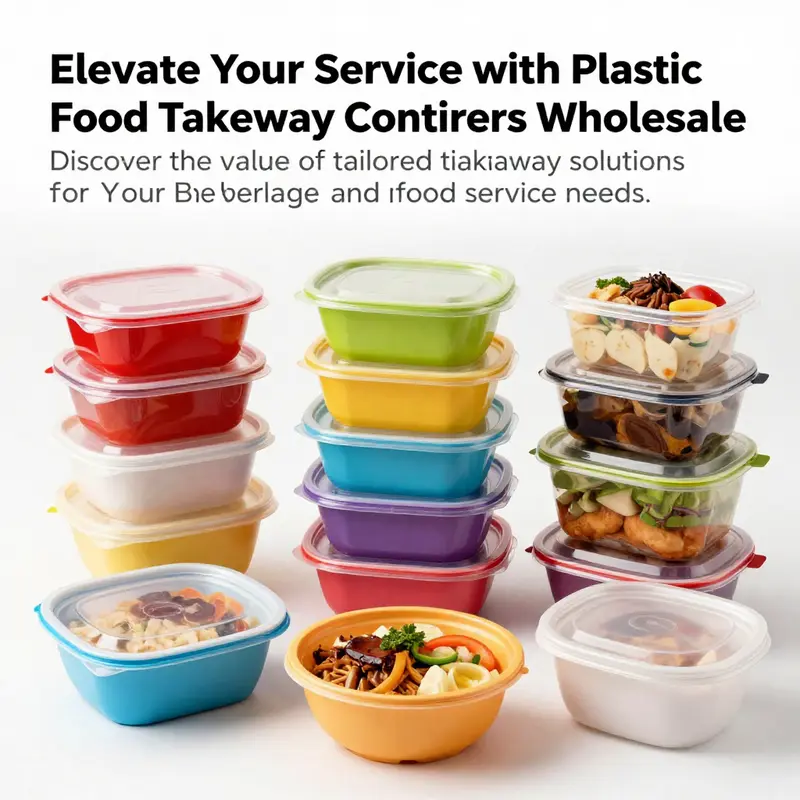
Plastic food takeaway containers have become integral in the food service industry. With the rising demand for streamlined solutions, establishments like Bubble Tea Shops, Restaurants, Food Trucks, and Event Services increasingly rely on these containers to enhance service flexibility and meet customer needs. This article navigates through the composition and material properties, design features, common applications, and pricing insights of wholesale plastic food takeaway containers, ensuring you are well-equipped to optimize your operations and meet customer expectations.
null

null
The DNA of Convenience: Core Materials, Design, and Safety in Wholesale Plastic Takeaway Containers
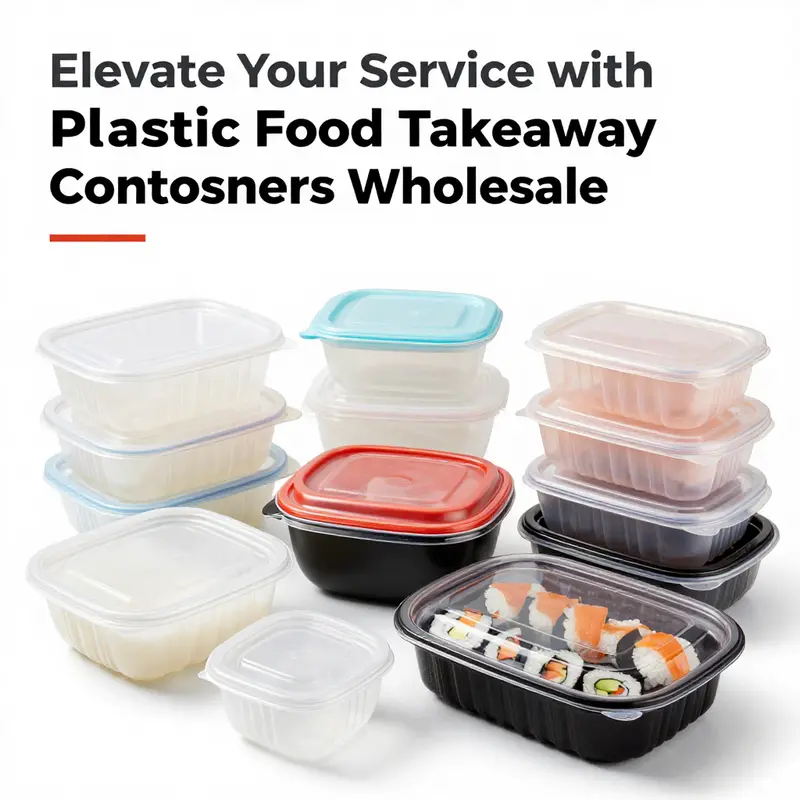
The wholesale landscape for plastic food takeaway containers is best understood as a living system where material science, ergonomics, and regulatory fidelity converge to deliver reliability at scale. These containers are not simply vessels; they are the interface between a chef’s hands and a customer’s most immediate dining experience. In wholesale terms, they must balance several imperatives at once: withstand the rigors of high-volume operations, protect taste and texture, preserve safety across transit, and align with evolving environmental expectations. The result is a spectrum of choices—selected materials, precise design features, and manufacturing processes—that collectively determine a container’s performance, value, and appeal to a brand’s promise of quality and consistency. At the heart of this spectrum lie three core materials—polypropylene (PP), polystyrene (PS), and polyethylene terephthalate (PET)—each offering distinct advantages and tradeoffs that wholesale buyers weigh against the specifics of their menus, delivery channels, and sustainability goals.
Polypropylene stands out as the workhorse for hot and microwavable applications. Its heat tolerance, often cited around 130°C, makes PP a practical choice for containers that may transition from kitchen to microwave or hot holding without compromising structure. Beyond heat, PP brings resilience: it resists impact and many common chemicals, a feature that reduces denting, cracking, and leakage during busy shifts, stacking in crowded delivery bags, or rough handling on door-to-door routes. The clarity of PP variants supports visibility of the contents, a factor that enhances consumer confidence as meals travel, while the material’s recyclability aligns with a growing preference for circular packaging. For many wholesalers, PP is the baseline against which other options are measured because it reliably bridges safety, performance, and cost.
Polystyrene, meanwhile, is prized for its bright clarity and rigid feel. When the culinary story hinges on presentation—glycemic color, crisp-edged sushi displays, or dessert layers—the transparency and rigidity of PS create an attractive showcase. PS has outstanding rigidity at room and cool temperatures, making it ideal for cold foods that benefit from a sharp, consistent appearance. Yet heat tolerance remains a constraint; once temperatures rise toward the upper limits of 75°C, or when acidic or fatty foods interact with certain PS formulations, questions about safety and material migration become salient. Those considerations have pushed many buyers to reserve PS for specific segments, such as cold or chilled offerings, where its advantages in display and stiffness can be leveraged without crossing into reheating contexts. The safety conversation around PS is also evolving as regulators and researchers scrutinize potential leaching under high-heat or prolonged contact with hot, acidic, or fatty foods. In wholesale practice, PS is often chosen for its value proposition in display-driven applications, paired with careful packaging to keep it away from heat and aggressive handling in transport.
PET introduces a different balance of strength and temperature performance. Known for robust resistance to both hot and cold conditions, PET variants can sustain longer cold-chain scenarios or modest hot holding, depending on the formulation. This yields a container that performs consistently through the lifecycle of a delivery, from prep line to customer doorstep, with less risk of deformation under pressure. PET’s mechanical strength makes it well-suited to multi-use or higher-clarity needs where visibility must remain sharp across transit time. Wholesalers consider PET when a menu demands more demanding temperature excursions or when the overall cost-to-performance ratio favors a tougher, clearer profile over single-use simplicity. The upshot is that no single material rules them all; instead, buyers align material choices with the temperature profile of the food, the visual merchandising goals, and the logistical realities of their delivery ecosystems.
Sustainable and bio-based variants are no longer fringe options but central to many procurement strategies. Sugarcane bagasse, cornstarch-based bioplastics, and other recyclable or compostable formulations are increasingly folded into wholesale catalogs to address regulatory pressures and evolving consumer expectations. The shift toward recyclable or compostable options does not abolish performance considerations; rather, it reframes them. In many cases, a retailer or caterer will choose a PP or PET base for reliability, then layer in a biodegradable additive or a certified recyclable variant to meet waste-stream objectives. The result is a more diverse menu of choices that allows operators to balance durability, heat resistance, and disposal pathways with brand values. The environmental dimension—once an afterthought—now shapes the design and sourcing strategy at the wholesale level, influencing packaging development, supplier selection, and even marketing narratives around sustainability.
From a design standpoint, the best wholesale containers converge form and function in ways that reduce friction across the order-to-delivery cycle. A core feature is fundamental but often overlooked: food-grade certification and safety compliance. Reputable suppliers align containers with established safety standards—national and international—that govern the materials’ safety in contact with food. This means formulations free from harmful additives, industrial fillers, or recycled materials that could migrate into meals. It also means traceable supply chains, documented testing, and transparent declarations about material composition. In practice, this translates into containers that not only meet regulatory benchmarks but also earn consumer trust through visible assurances and reliable performance.
Transparency of the contents is another deliberate design choice that wholesalers leverage to improve hygiene and user experience. Clear lids and transparent sidewalls enable quick content verification, a practical advantage for fast-service operations and multi-pack deliveries where customers may receive multiple items. This visibility supports contamination checks and helps staff confirm correct orders without opening containers, thereby preserving temperature and preventing unnecessary exposure. Yet transparency must be balanced with privacy and branding requirements; some operators favor partially opaque bodies with transparent lids, a configuration that maintains visual appeal while protecting the integrity of the product’s appearance throughout transit.
Sealability and leak resistance sit at the core of any container’s practical value. Leaks can undermine confidence, cause messes in transit, and trigger waste. For liquids and saucy meals, a tight-fitting lid is essential. In wholesale catalogs, you’ll encounter designs that feature snap-on closures, push-button seals, or ribbed lids that pair with groove-and-lip bodies to minimize leakage. The feasibility of a leak-resistant seal also hinges on the mating surface’s precision and the teaching of users to close correctly. Wholesale suppliers recognize this dynamic and invest in tolerance control during molding and sealing tests to ensure that each unit performs well under real-world handling and transportation conditions. A reliable seal translates into fewer customer complaints, lower product claims, and a smoother delivery experience—each factor that long-term buyers weigh when comparing supplier quality and pricing.
Ergonomics and versatility emerge in the shapes and sizes available in wholesale portfolios. Containers range from compact round and square forms to rectangular and multi-compartment bento-style configurations. Capacity options typically span hundreds of milliliters to well over a liter, reflecting both individual servings and family-style or multi-item meals. The inclusion of multiple compartments in some designs is a strategic choice to support diverse meal components while minimizing the need for separate packaging. Coupled with ergonomic features such as easy-grip rims, smooth interior corners that reduce residue buildup, and stack-friendly profiles that maximize warehouse and transport efficiency, these design decisions help streamline operations for kitchens, delivery teams, and front-line staff. The net effect is a packaging ecosystem that can accommodate everything from simple noodle bowls to more complex, layered meals while preserving product integrity and consumer satisfaction.
Durability and integrity during handling are not incidental. Vibration, compression, and temperature fluctuations during transit can test even the best containers. Wholesale-grade plastics are engineered to resist cracking, deformation, and surface imperfections that could compromise containment or aesthetics. The manufacturing process—often performed in high-volume, controlled environments—emphasizes consistency in wall thickness, uniform wall geometry, and defect control. Quality control measures range from in-line inspection to post-mproduction sampling, ensuring buds, bubbles, or uneven thickness do not escape into the supply chain. A well-made container will retain its shape during stacking and loading, protect contents from contamination, and preserve the sensory qualities of the food it carries. In combination, these durability attributes reduce breakage, returns, and waste, all of which have meaningful cost and sustainability implications for wholesale buyers and their customers.
Ease of use and disposal has grown in importance as waste-reduction and circular economy strategies mature. While many containers are designed for single-use convenience, the market now presents a spectrum of end-of-life options. Recyclability remains a straightforward path in many jurisdictions when the container is composed of a single resin and free of non-recyclable coatings or contaminants. Biodegradable or compostable options add an insurance policy for waste streams that cannot be recycled, although they often require specific industrial facilities to achieve the intended disposal outcomes. Wholesale buyers weigh the trade-offs between convenience, cost, and environmental responsibility, seeking packaging that aligns with their waste-management capabilities and regulatory requirements. The broader supply ecosystem—manufacturers, recyclers, and waste processors—must coordinate to ensure the packaging choices do not end up as stray litter but rather reenter the materials loop where feasible.
Quality control is the backbone that ensures the theoretical benefits described above translate into reliable, repeatable performance. Premium suppliers implement rigorous processes to eliminate odors, discoloration, or visible defects and to guarantee uniform thickness and precise lid-fitting tolerances. Clean-room conditions or similarly controlled environments often underpin the most demanding product lines, underscoring a commitment to purity and consumer safety. For buyers, these cues—production discipline, rigorous testing, and consistent performance—are as important as material type. They signal a supplier’s capacity to scale, maintain quality across batches, and support long-term procurement strategies that hinge on predictable pricing and dependable availability.
Pricing and supplier dynamics in the wholesale plastic container market are ultimately driven by volume, lead times, and the degree of customization required. The economics of plastic packaging reward bulk orders, with price breaks that enable even small brands to achieve meaningful per-unit savings as volumes rise. For example, orders of tens of thousands to hundreds of thousands of pieces can reduce unit costs substantially, enabling operators to maintain tight margins on high-volume menu items. In parallel, suppliers with direct factory pricing and broad production capacity can offer competitive terms, including flexible payment arrangements, to help buyers manage cash flow during peak seasons or promotional campaigns. This scale is not merely about savings; it also ensures resilience. When holidays or promotional drives deplete stock, a well-integrated supply chain built around high-capacity manufacturers and dependable distribution channels prevents gaps in service that can undermine a brand’s reliability and customer trust.
As buyers navigate these choices, a nuanced balance emerges between performance, cost, and sustainability. It is common to see a blended approach: PP for hot items and general use due to its heat resistance and cost efficiency; PS for cold items where presentation matters; and PET or advanced recyclable variants for mixed-use or higher-end display requirements. The environmental conversation—driven by regulatory expectations and consumer sentiment—pushes suppliers to offer additional options that support recyclability and compostability without sacrificing the core strengths of the container. In practice, this means procurement teams must evaluate not only the material in isolation but the entire packaging system: the lid design, the seal mechanism, the compatibility with their food types, and the end-of-life pathway for waste streams. The aim is to deliver a seamless customer experience while preserving brand integrity and operational efficiency.
For those seeking concrete signals of market readiness, consider how wholesale buyers leverage related packaging formats. While the core focus remains plastic takeaway containers, the broader ecosystem shows a parallel interest in compatible accessories and variants—lids, seals, and compatible multi-compartment configurations—that augment the utility and adaptability of a container across different menu formats. In this sense, the design language of wholesale plastic packaging becomes a dialogue between the kitchen, the courier, and the consumer, a conversation about how each link in the chain can preserve quality, enhance safety, and reinforce brand storytelling through packaging choices. The ambition is not merely to ship meals, but to deliver a consistently reliable experience that reinforces trust with every order.
To illustrate the breadth of practical options within a wholesale catalog, consider the range of complementary packaging elements operators may encounter. A kraft paper salad bowl with PP lid can be a descriptive example of how a venue might diversify its offerings while retaining a lean, recyclable, or reusable end-of-life stream. Such a pairing demonstrates how operators can tailor packaging to specific menu sectors—salads, noodles, desserts, or bowls with multiple components—without sacrificing the core advantages of plastic-based containment in terms of barrier performance, moisture control, and ease of handling. The choice is never about a single container in isolation; it is about a cohesive packaging system that yields efficiency, safety, and a positive consumer perception.
As the wholesale market evolves in response to rigorous safety scrutiny and heightened environmental expectations, buyers benefit from the increasing transparency around material composition, testing standards, and lifecycle performance. The conversation now extends beyond a simple price-per-piece calculation to include risk management, regulatory alignment, and long-term brand value. The wholesale decision, therefore, becomes a strategic one: selecting material families, seating designs, and end-of-life options that collectively deliver safe food, durable packaging, and responsible waste practices in a dynamic, high-volume environment. For practitioners who manage supply chains, the payoff is clear. The right container supports faster service, reduces waste, protects food integrity, and strengthens the trust customers place in a brand’s commitment to quality and responsibility. The wholesale journey, thus, is a careful calibration of chemistry, engineering, and logistics—an integrated approach that translates kitchen craft into reliable, scalable packaging outcomes.
For readers seeking a concrete gateway into the broader packaging ecosystem, a practical example of how wholesale packaging choices translate into real-world options can be found in catalog entries describing multi-format containers, including those with PP lids for diverse food types. This example underscores the idea that a single packaging decision can unlock improvements across preparation, transport, and consumer satisfaction, while also enabling a brand to reflect its values through packaging aesthetics and performance. By embracing a holistic view of material properties, design features, and end-of-life considerations, wholesale buyers can design packaging strategies that are not only cost-effective but also resilient, adaptable, and aligned with evolving food service paradigms.
The Quiet Engines of Service: How Wholesale Plastic Takeaway Containers Shape Modern Food Logistics and Market Demand
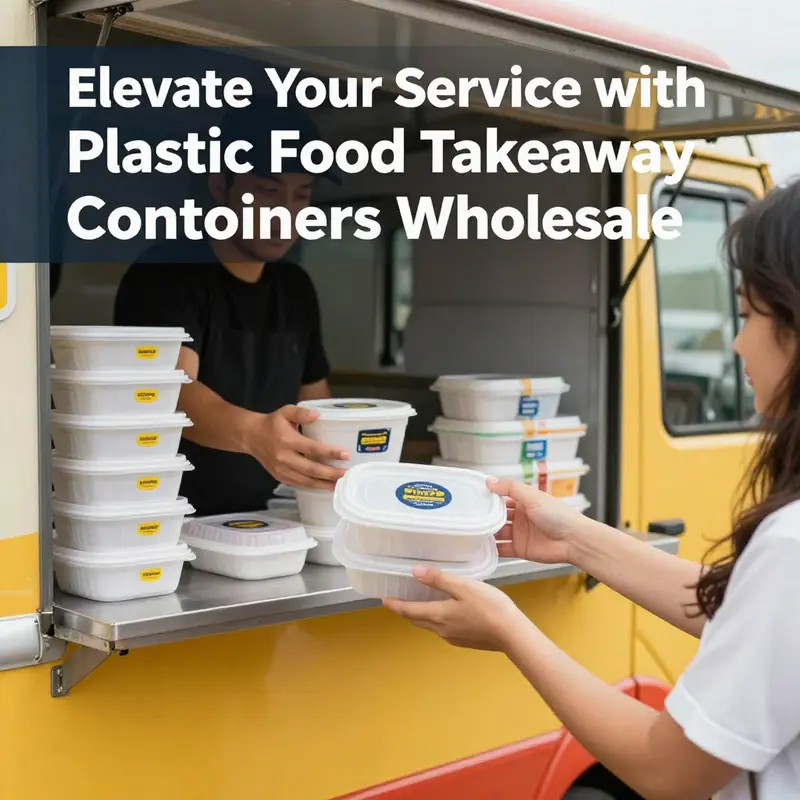
Behind every quick meal, behind every curbside pickup and doorstep delivery, there is a quiet engineering system that makes the meal arrive intact, hygienic, and ready to enjoy. Wholesale plastic takeaway containers are not the glamour of the menu or the flash of a branded storefront; they are the logistical spine of a food service world that prizes speed, safety, and consistency. When a restaurant dispatches a hundred or a hundred thousand meals in a single day, the containers are the unsung workhorses that control portion size, protect flavor, preserve temperature, and support brands even before a customer lifts the lid. The story of these containers is a story about scale. They must perform reliably across settings—from the high-volume dance of fast-food lines to the deliberate precision of meal-prep kitchens, from the mobility of food trucks to the controlled environments of catering corridors. In bulk, the containers become a procurement calculus: a balance of material science, design, cost, and sustainability, all tuned to the tempo of a modern food economy that moves quickly and travels far. As the market evolves, wholesale plastic takeaway containers mirror a broader shift in food service: the move toward standardized, dependable packaging that can withstand handling, stacking, freezing, reheating, and re-serving at scale without compromising safety or presentation. To understand the industrial uses and market demand is to see how packaging choices ripple through operations, influence customer perception, and shape competitive strategy. The most common industrial uses emerge with clarity when we trace the journeys of meals from kitchen to customer, and in doing so we reveal how design choices align with operational needs. In fast-food and quick-service environments, the imperative is speed without sacrificing hygiene. Containers arrive in an array of formats—classic rectangular and round basins, clamshells, and multi-compartment designs—that accommodate everything from sandwiches and salads to hot soups and saucy entrées. The presence of a reliable lid, a leak-resistant seal, and a form that stacks efficiently during storage and transport translates directly into fewer spillages and less waste. In meal-prep services, where meals are portioned in advance for delivery windows, the containers must be durable enough to endure refrigeration and, in many cases, microwave reheating. A container that can be reheated without warping, while preserving moisture and texture, reduces the need for repackaging or customer complaints. The catering sector extends these requirements to larger formats and multi-compartment solutions that keep components separated yet visually appealing. In the world of food delivery platforms, where hands-off transfer between kitchen and courier is standard, robust packaging becomes a guarantor of quality. A temperature-stable container with a secure seal facilitates the transit of hot, cold, and mixed items, while clarity through a transparent lid helps both the restaurant staff and the customer quickly verify contents without opening, reducing the risk of contamination and unnecessary exposure. Convenience stores, convenience-focused micro-fulfillment centers, and pop-up markets also rely on a steady supply of packaging that can accommodate ready-to-eat items on a shelf, in a bag, or in a carryout tote. The common thread across these settings is not a single feature but an integrated design philosophy: containers must be light enough to lower logistics costs, strong enough to resist crushing and leakage, adaptable to different foods, and pliable enough to allow efficient throughput in busy service lines. In practice, this translates into a spectrum of sizes—from compact 8-ounce cups and bowls up to 32-ounce containers—paired with a range of shapes that include round, rectangular, and clamshell forms. The choice between single-compartment and multi-compartment configurations often determines how a restaurant presents a given meal. A bento-style container, with multiple sections, can preserve the integrity of components such as sauces, salads, and dry sides, while a single-compartment design may favor compactness and simplicity for fast-paced operations. The transparency of lids is not merely a convenience; it is a hygiene and efficiency feature. When a customer can see the contents without opening the container, the risk of cross-contamination drops and the decision process becomes faster at the point of sale. In addition to practicality, there is an aesthetic dimension to wholesale packaging. Visualization matters: a clean, uncluttered exterior, legible branding applied with minimal disruption to the packaging’s functional surface, and a design that highlights the food inside all contribute to perceived quality. Customization is a common feature of wholesale deals, enabling operators to align packaging with brand identity while maintaining the performance that logistics require. The materials that underpin these designs deserve careful attention. Polypropylene (PP) is widely favored for its balance of strength, heat resistance, and recyclability. It can endure moderate reheating and resist fatigue through repeated handling and stacking, which makes it particularly suitable for meals that customers reheat at home or in microwaves. Polystyrene (PS), with its clarity and rigidity, often serves applications where the container itself is a visual showcase for the dish—fresh sushi, vibrant salads, and other visually appealing items benefit from the material’s optical properties. Polyethylene terephthalate (PET) adds another dimension of performance with strong temperature resistance, especially for items that may face temperature fluctuations during transit. Yet alongside these traditional plastics, there is growing attention to sustainable and renewable alternatives. Biodegradable variants, including those derived from polylactic acid (PLA) and other plant-based feedstocks, are increasingly present in wholesale discussions, reflecting a shift toward eco-conscious packaging even as cost and performance considerations continue to influence adoption. The market dynamics reflect this tension: scale, price, and performance must be balanced with evolving consumer expectations and regulatory landscapes. Market demand for plastic takeaway containers has witnessed robust growth as the food service ecosystem expands and delivery remains a dominant channel. Global market analyses place the value of plastic food containers in the tens of billions of dollars, with growth through 2030 driven by the same forces that propel the food service industry: convenience, speed, and the universal need to keep meals safe and appealing during transit. In major consumer markets, domestic demand has surged as single-use packaging cultures have matured into sophisticated wholesale ecosystems that support large-volume orders. China, for example, has shown rapid expansion in single-use plastic food packaging, underlining how crucial these containers are to efficient food distribution in dense urban centers and a broad network of restaurants and retailers. This growth underscores a straightforward truth: when demand spikes—whether due to a holiday rush, a promotional campaign, or a seasonal cycle—the supply chain turns to bulk procurement to stabilize prices and ensure continuity. The economies of scale in wholesale packaging are real. For large orders, price per piece can fall dramatically, creating a compelling case for bulk purchasing. Consider the arithmetic of scale: for a 12-ounce container offered in high-volume batches, unit costs can drop to well under a nickel per piece; multi-compartment bento boxes, sold in the thousands to tens of thousands, achieve competitive pricing through streamlined molding, standardized tooling, and efficient production planning. The economics extend beyond the container itself. The ability to source matching lids, seals, and accessories in bulk reduces the total cost of ownership for a restaurant or catering business. It also supports more consistent packaging across multiple menu items, reinforcing brand integrity. In practice, wholesale buyers weigh material performance against cost. PP remains a mainstay for hot meals and microwavable options because it resists heat without significant warping. PS is advantageous when visual appeal matters, especially for cold dishes that benefit from a crisp, transparent presentation. PET’s strength lies in both cold and hot contexts, reinforcing confidence across temperature extremes. To address environmental concerns, manufacturers are increasingly offering recyclable and compostable variants, alongside recycled-content formulations. The development path often involves a careful assessment of end-of-life options and the regulatory framework governing packaging in different regions. Against this backdrop, the role of customization becomes a strategic lever. Brands can imprint logos, add color accents, or adjust lid designs to create a consistent, recognizable package that travels across the entire service pipeline. The ability to tailor packaging for bulk orders provides a tangible advantage for operators seeking to differentiate in a crowded market while maintaining the practical attributes that logistics demand. A practical implication of these dynamics lies in the interplay between demand and supply. Seasonal spikes—such as those around holidays or promotional campaigns—can quickly deplete stock, highlighting the importance of planning for continuous replenishment and the value of bulk contracts. In this context, suppliers emphasize not only raw material quality and process consistency but also lead times, production capacity, and payment terms, all of which shape a buyer’s ability to scale operations smoothly. For buyers, this translates into a disciplined approach to inventory: maintaining safety stock of core formats, aligning orders with production schedules, and coordinating with manufacturers to ensure that a mix of sizes and configurations is available to support a diverse menu and shifting consumer preferences. The market also rewards flexibility. The most successful wholesale partnerships in this space couple a broad product taxonomy with dependable supply chain reliability. Even as traditional plastics remain the backbone of wholesale packaging, the door remains open for innovations in barrier technology, moisture control, and shelf-life preservation that complement the performance requirements of modern meals. The consequence is a packaging ecosystem that supports not only operational efficiency but also brand strategy. In a world where customers examine packaging as part of the dining experience, the container is a silent ambassador for safety and quality. A customer who opens a well-sealed, clearly labeled container is more likely to trust the meal inside and feel confident choosing the same brand again. This is not merely about function; it is about experience. The market reality is nuanced. While the long-term trajectory points to continued demand, it also carries with it heightened scrutiny around environmental impact and end-of-life management. Sustainable packaging strategies—whether through recyclability, reuse, or compostable materials—are increasingly integrated into bulk procurement decisions. Businesses understand that packaging choices influence brand reputation, regulatory compliance, and consumer sentiment, and they weigh these considerations alongside cost and performance. The wholesale market thus embodies a convergence of engineering, economics, and ethics. It requires a precise alignment of material properties with use-case demands, a disciplined approach to manufacturing and quality assurance, and a responsive procurement strategy that can adapt to flux in demand and evolving environmental expectations. The numbers behind market size and growth paint a compelling picture. The global plastic food container market has reached substantial scale and continues to expand as more meals move through takeout, delivery, and tray-by-tray service models. In this context, decision-makers increasingly view packaging as a strategic asset. The choice of material, the design of the container, and the culture of sustainability all contribute to a product that not only safeguards food but also reinforces brand values and operational resilience. For readers seeking broader context on market trends and forecasts, a leading external resource provides a comprehensive synthesis of material, application, and regional dynamics that shape this industry. External resource: https://www.grandviewresearch.com/industry-analysis/plastic-food-container-market. In sum, wholesale plastic takeaway containers are indispensable to the modern food economy. They enable rapid service, protect quality during transit, and support a cohesive brand experience across channels. They do so while balancing performance with cost and, increasingly, environmental responsibility. The result is a packaging landscape that continues to evolve, advancing new materials, smarter designs, and scalable production models that empower operators to serve more meals, more reliably, and at scale.
Pricing, Prototypes, and Partners: Navigating the Wholesale Ecosystem of Plastic Takeaway Containers

The wholesale market for plastic takeaway containers operates as a living, dynamic system where price signals encode more than the sticker price. They reflect material science choices, design complexity, scale capabilities, and the ability of suppliers to deliver reliably at speed. For buyers serving networks of restaurants, food trucks, caterers, and retail chains, the challenge is not simply to minimize per‑unit cost. It is to balance cost with lead times, quality consistency, and the practical realities of a supply chain that must respond to seasonal spikes and promotional campaigns. In early 2026, a pricing cluster commonly appears in the $9.99–$25.69 range for bulk packs such as 50‑pack meal‑prep containers. This band often marks a sweet spot where mid‑tier performance, reasonable heating tolerance, and dependable mass production converge. It is not a fixed ceiling, though; it is a reflection of the broader value equation that vendors and buyers negotiate daily. Cheaper options exist at lower unit costs, but they frequently come with higher minimum order quantities, thinner tolerances, or reduced service levels that can complicate scaling across a multi‑location operation. On the other side of the spectrum, premium configurations with multiple compartments, enhanced leak resistance, and branding opportunities push prices higher, but they can deliver meaningful reductions in spillage, faster packing lines, and stronger consumer trust—business outcomes that often justify the extra investment for brands pursuing differentiation and efficiency.
Material choice stands at the core of these cost-versus-performance decisions. PP, PS, and PET each bring distinct strengths to the table. PP consistently earns its keep for everyday hot‑hold and microwavable meals, thanks to its toughness, chemical resistance, and heat tolerance. PET’s strength lies in its balance of durability and barrier properties, along with a level of clarity that helps showcase food during transit. PS remains common in certain insulation-focused or rigid formats, but its limitations—less microwave safety assurance and potential odor absorption—mean buyers sometimes hedge their bets by steering toward PP or PET for core product lines. The market is also moving toward recyclable or biodegradable variants that incorporate bio‑based fibers or sugarcane residues. These materials align with sustainability goals and can resonate with consumer values, though they often carry higher upfront costs and different processing needs. Each material family therefore carries a price gravity shaped by base resin costs, molding complexity, barrier performance requirements, and end‑of‑life considerations. The right choice depends on the food type, the expected shelf life, and the distribution channel.
Design features have become increasingly central to wholesale value, not merely as brand signals but as operational enablers. Containers range from simple round or rectangular shapes to clamshells and multi‑compartment formats that support portion control and menu variety. Clear lids remain a practical asset for quick visual checks of contents, reducing the need to open containers at service points and thereby limiting contamination risk. Secure seals and locking mechanisms are essential when transporting saucy dishes or liquids; without reliable closures, the cost of replacement units and the risk of spoilage rise quickly. Customization—color, logos, embossing, and print—has transitioned from a luxury to a normal expectation for many operators seeking to reinforce brand presence across delivery channels. Yet customization comes with its own cost mathematics: higher minimums, longer lead times, and more intricate quality controls. The result is a spectrum of options, where buyers match the level of customization to the brand strategy and the operation’s scale, while still maintaining strict tolerances for consistent performance in busy kitchens and over long delivery routes.
Beyond price and design, the credibility and capacity of suppliers often determine the ultimate value a buyer receives. The most capable partners bring three interlocking capabilities into one bundle: in‑house mold development with rapid prototyping, scalable production capacity, and comprehensive service support. The mold development cycle is a particularly telling indicator of a supplier’s agility. When a vendor can complete new or revised molds within roughly 15–25 days and accompanies this with trial runs and engineering checks, the risk of misalignment between specification and finished product drops substantially. This speed to market matters more than ever in a market where menus and formats shift with seasons, promotional windows, or regional preferences. Full service goes beyond tooling; it includes color matching, logo embossing, and high‑fidelity graphic printing that ensures a cohesive look across hundreds of thousands of units. In a multi‑location network, these capabilities shrink the risk of discrepancies from batch to batch and simplify vendor management.
Scale is the other essential axis. Major manufacturing ecosystems in Asia have built up enormous capacities—units in the billions per year—combined with robust logistics that can meet tight timelines. The ability to produce at such scale translates into favorable unit economics when demand is predictable and contract terms are favorable. Payment terms—ranging from sight terms to more structured arrangements—help buyers manage cash flow in line with revenue streams, a practical consideration for chains that must synchronize packaging purchases with weekly or monthly sales cycles. The combination of manufacturing scale, reliable delivery, and transparent financial terms can convert a marginal unit price advantage into meaningful bottom-line impact through reduced stockouts and lower holding costs.
Price references, while instructive, must be interpreted through a wider lens that includes quality, consistency, and regulatory compliance. For example, basic 12‑ounce containers can fall into lower price bands at substantial MOQs, such as 50,000 units or more, reflecting economies of scale in material usage and mold amortization. Bento‑style boxes with multiple compartments often command a modest premium, roughly in the $0.11–$0.13 per unit range at modest orders (around 5,000 units), due to added geometry and sealing requirements. Sushi‑tray formats, depending on size and surface finishes, may present a broader spread—from roughly $0.08 to $0.39 per unit at higher MOQs. Those price bands illustrate the practical reality that incremental design changes and additional features carry disproportionate cost consequences as orders scale. They also underscore why longer‑term supplier relationships, with stable demand forecasts and joint planning, consistently yield more predictable pricing and smoother onboarding for new packaging programs.
The supplier assessment framework for wholesale buyers should include more than price. Market maturity, technical capacity, and regulatory compliance across the lifecycle of a packaging program are equally crucial. A credible supplier will demonstrate a track record of consistent quality across batches, provide traceable test data, and maintain documentation that substantiates safety claims. They will also offer in‑house testing and compliance workflows that generate the necessary migration, thermal stability, and mechanical performance data in accessible formats for audits and internal reviews. In markets with stringent safety and environmental expectations, buyers increasingly favor partners who can supply third‑party certifications or independent lab reports, aligning packaging choices with corporate sustainability narratives and consumer expectations. While the specific certification marks vary by region and program, the core idea is clear: packaging that is safer, more sustainable, and tested under realistic use conditions commands greater long‑term trust and can justify price premia when tied to performance and brand integrity.
The strategic takeaway for wholesale buyers is pragmatic: price alone never tells the full story. The best value comes from a well‑structured supplier relationship that combines competitive pricing with reliability, scale, and compliance confidence. It means negotiating for terms that protect continuity—lead times, defect allowances, and acceptance criteria—while ensuring access to branding and testing support as needed. It also means building a supplier portfolio that includes diverse capabilities and is aligned with the brand’s risk tolerance and growth trajectory. For brands planning expansion or diversification, the emphasis on in‑house mold capacity, rapid prototyping, and end‑to‑end service can be as decisive as the per‑unit price in determining long‑term procurement success.
In practice, buyers who master this balance position themselves to weather demand volatility and supply disruptions without sacrificing quality. They recognize that packaging is a frontline element of the customer experience and a driver of operational efficiency. They track not only cost per piece but the total cost of ownership—how packaging affects spoilage, handling time, and customer satisfaction across the delivery journey. They appreciate that a reliable supplier ecosystem reduces the friction of onboarding new packaging lines, introduces fewer delays during peak periods, and supports brand consistency across markets. And they keep an eye on emerging packaging paradigms—whether alternative materials or innovations in barrier performance—that may shift the price-performance curve in the years ahead.
For readers interested in seeing how these dynamics translate into real-world choices, consider a case where a brand contends with a demand spike during a holiday campaign. The decision becomes a question of whether to lock in a stable, slightly higher per‑unit cost with a supplier known for rapid prototyping, color accuracy, and thorough compliance data, or to chase the lowest quoted price and risk supply gaps. The equation is rarely black and white, but the framework above provides a durable guide: price within a competitive band, but anchored by supplier credibility, material suitability, regulatory alignment, and the flexibility to scale. In this sense, the wholesale market for plastic takeaway containers is less about chasing the lowest ticket price and more about cultivating the right partnerships that consistently deliver value, resilience, and confidence to a business model built on speed, convenience, and dependable service.
For readers who want to glimpse adjacent packaging options and broader supply options, a practical example from the sustainability side can illuminate how these decisions unfold in practice. A disposable kraft paper cup line with a lid, widely used as an alternative or complement to plastic containers, demonstrates how packaging choices can align with both environmental goals and service requirements. If readers want to explore this kind of option further, they can find detailed product information through a related resource that highlights durability, printability, and usability in real-world service contexts: disposable kraft paper soup cup with lid.
To ground these insights in current market data, buyers can consult external pricing repositories that track unit costs, MOQs, and packaging specifications for wholesale containers. While not naming specific platforms in this discussion, these data sources illustrate how the most competitive bids emerge when price, capability, and compliance align. They also help procurement teams anticipate market shifts, plan capacity, and structure negotiations that protect both price and continuity. External resource: https://www.alibaba.com/product-detail/In-Stock-Plastic-Takeaway-Food-Containers_1600587778222.html
Final thoughts
Understanding the nuances of plastic food takeaway containers is vital for businesses in the food and beverage sectors. By selecting the right materials, designs, and suppliers, you can enhance customer satisfaction and streamline your service delivery. With the insights provided across various aspects of wholesale takeaway containers, your establishment can confidently navigate this essential market.