

Microplastics have infiltrated our food systems, raising significant concerns for businesses in the food and beverage industry. This pollution affects various food items, raising health and safety issues that beverage chains, restaurants, food trucks, catering services, and corporate procurement teams must recognize. As we delve into key categories of food—including tea, rice, bottled water, salt, and produce—we’ll explore the sources of microplastic contamination, the mechanisms behind these concerns, and actionable insights for minimizing risk and ensuring consumer safety. By understanding which foods are most impacted, businesses can better navigate this growing challenge.
From Tea to Table: Tracing Plastic Contamination Across Everyday Foods
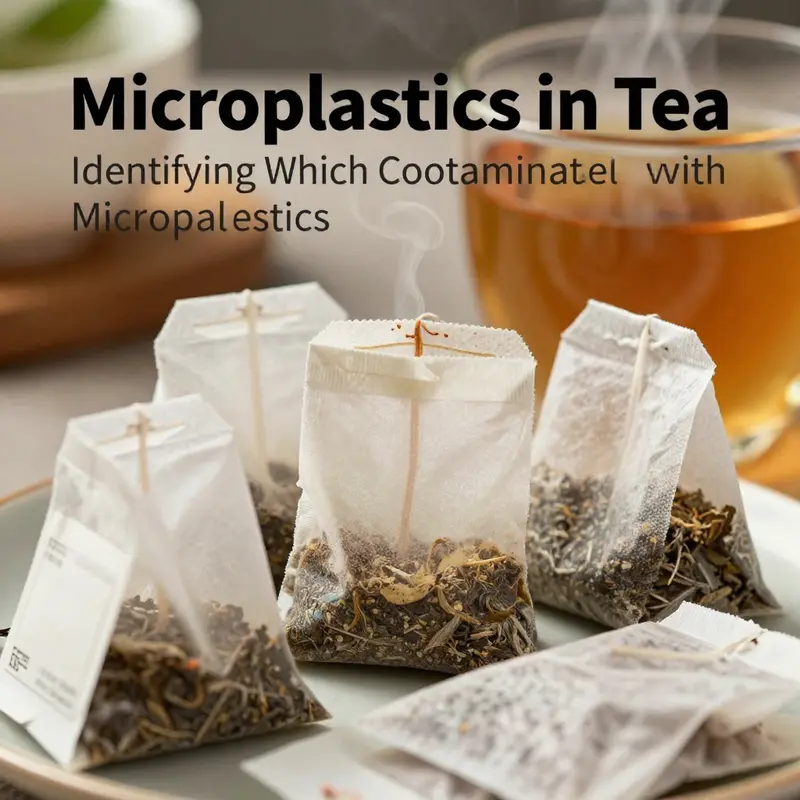
Microplastics have become a ubiquitous contaminant in the global food chain, and the daily rituals most people rely on can unintentionally contribute to exposure. Tea, consumed by millions each day, sits at a troubling crossroads: a comforting ritual that also serves as a reliable entry point for microplastics into the body. In a 2025 study, researchers used Schweizer’s reagent for cellulose/plastic separation to examine tea bags designed for use in teapots. The result was striking: every tested bag contained plastic fibers, released into hot water during steeping. The fabrics used for many nonwoven tea-bag materials incorporated polymers such as polyester, polyethylene, and polypropylene. When boiling water contacts these materials, fibers, fragments, and nanoplastics can detach and migrate into the brew. This is not a hypothetical threat but a real pathway of exposure that begins each day with a familiar cuppa. The implications extend beyond a single commodity; they illuminate how consumer habits intersect with packaging choices to shape the broader risk landscape of food safety in an era of pervasive plastic pollution.
If tea exposes a hidden facet of the problem, other foods reveal the spectrum of routes by which plastic infiltrates our meals. Contamination travels through irrigation water, polluted soil, and the residuals of processing and packaging. Rice serves as a prime example: modern farming environments often introduce microplastics through water and soils contaminated by plastic debris. Studies of rice batches have shown measurable microplastic burdens that can be mitigated, to an extent, by washing. Reductions of roughly twenty to forty percent have been observed in some cases, suggesting that kitchen practices can meaningfully lower dietary intake. Salt provides another sobering indicator of the reach of plastic across food systems. In various salt types, including sea salts and land-based salts, microplastics appear with varying concentrations. Himalayan pink salt, in particular, has drawn attention for relatively high detected levels, underscoring how environmental pollution can enter seemingly pristine pantry staples through multiple routes.
Produce, especially root vegetables, also reveals how plastics travel from soil to supper plate. Carrots, potatoes, beets, and other tubers can accumulate microplastics in their outer layers and, in some circumstances, within tissues themselves. The pathway is not limited to soil contact; irrigation water can carry microscopic plastic fragments that are subsequently absorbed or scattered onto edible portions. Even foods that seem distant from the sea, such as certain plant-based proteins and other highly processed items, show instances of microplastic contamination. Honey has emerged as another exposure route, though scientists are still defining how microplastics arrive in honeybees’ foraging landscapes and how much of the contaminant ends up in honey sold for consumption. The evidence base is still evolving, but the pattern is clear: microplastics are not confined to a single food group; they appear across diverse matrices, suggesting that exposure is a product of cumulative contact with plastics at many stages of the food chain.
Fresh seafood provides perhaps the most direct link to oceanic plastic pollution. Marine ecosystems have absorbed enormous quantities of plastic waste, and microplastics concentrate in seafood through ingestion by plankton and small organisms that become prey for larger species. The burden tends to be higher in bottom-dwelling species such as clams and oysters, where sediments act as a reservoir for plastics and where organisms spend more time in contact with contaminated substrates. Processed seafood adds another layer of complexity. Breaded shrimp, cod sticks, and other ready-to-eat or ready-to-cook products may incorporate microplastics through multiple points of the supply chain, including processing equipment, packaging materials, and coatings used in the manufacturing process. This broadens the exposure pathway beyond environment alone and into the realm of food processing and commercial distribution.
The overarching pattern is one of a steep contamination gradient tied to processing intensity and packaging design. Highly processed foods often exhibit higher microplastic loads, a finding that points to the cumulative impact of manufacturing steps, mechanical handling, and the presence of plastic-derived materials in the final products. Yet the data do not imply that all processed foods are equally risky or that natural foods are free of plastics. Rather, the evidence indicates that processing and packaging practices elevate the potential for contamination, while environmental pollution provides a steady baseline of microplastics entering the food chain. This layered reality demands a shift in both consumer behavior and industrial practice, as well as more robust monitoring and transparent reporting to help individuals make informed choices.
For households seeking practical means to reduce exposure, several grounded strategies emerge. In the context of tea, choosing loose-leaf varieties rather than tea bags can eliminate the direct transfer of bag-derived plastics into the brew. When time allows, brewing with metal or glass infusers offers additional protection against plastic fragments that might otherwise leach into hot water. These approaches align with a broader principle: minimize unnecessary contact between food and synthetic packaging during preparation. It is equally important to scrutinize packaging claims with a cautious eye, recognizing that terms like eco-friendly or biodegradable may refer to specific components or conditions that do not automatically translate to reduced contamination risk in real-world settings. A careful balance between convenience, safety, and environmental responsibility becomes the guiding framework for daily decisions.
Beyond tea, several kitchen practices can meaningfully reduce microplastic exposure. While rice washing is not a guaranteed safeguard against all contamination, it consistently lowers detectable levels in many samples, making it a practical starting point for home cooks aiming to reduce intake. When salt is part of the meal, selecting sources with lower processing intensity or those produced in less polluted environments can help, although this remains a geographically dependent variable. Root vegetables deserve particular attention: washing, peeling, and thorough rinsing can remove surface-bound particles, albeit with limited impact on potential internal uptake in deeper tissues where plastics have migrated. In the realm of seafood and processed foods, consumers have less control at the production level, but mindful choices—favoring products with transparent supply chains, shorter processing sequences, and minimal packaging—can contribute to reducing exposure. The reality is that individuals operate within a landscape shaped by industrial practices, public infrastructure, and regulatory frameworks; personal choices, while meaningful, are just one piece of a broader puzzle.
The broader message is not alarmism but awareness. Microplastics in food are a symptom of a planetary-scale problem: plastics permeate soil, water, air, and the countless interfaces where food is produced, packaged, transported, and prepared. Addressing this requires a dual approach: underway improvements within households and a structural reform of how plastics are produced, used, and managed. On the consumer side, advocacy for transparent testing and labeling can help demystify risk. On the industry side, redesigning packaging to reduce shedding under heat, adopting safer materials, and tightening quality controls during processing can steadily shrink the contamination footprint. Policymakers, researchers, and producers must collaborate to build food systems that minimize exposure while still delivering nourishing, affordable meals.
For readers seeking a concrete, practical route to reducing exposure in daily life, consider a shift toward packaging-free or plastic-free options where feasible. A simple example is choosing plastic-free paper cups for beverages and avoiding poly-coated or plastic-containing vessels in the kitchen. See this example page for plastic-free, single-wall craft paper cups that are designed to be used without plastic coatings in everyday settings. plastic-free paper cups.
Ultimately, the concern about microplastics in food is not a verdict about a single item but a signal about the pervasiveness of plastic in modern life. The tea-study findings underscore how even the most ordinary daily rituals can contribute to cumulative exposure. As scientists expand the evidence base, consumers gain tools to reduce intake, and industry and regulators gain incentives to transform packaging, processing, and farming practices toward safer, more sustainable food systems. The journey toward safer consumption requires patience, vigilance, and a willingness to reexamine assumptions about what makes a product truly safe or sustainable. While the immediate health implications of microplastics remain an active field of inquiry, the precautionary approach—minimizing unnecessary plastic contact, supporting transparent research, and advocating for responsible manufacturing—offers a practical path forward.
External resource: https://www.sciencedirect.com/science/article/pii/S004896972500143X
Rice, Water, and Plastic: Tracing the Hidden Contaminants from Irrigation to the Dinner Table

Microplastics have inserted themselves into many corners of our food system, from seas to soils to the processing line. In rice, a staple for billions, the path from field to fork is mediated by the water that nourishes the crop. Irrigation practices don’t just determine yield and grain texture; they influence how much plastic particulate can migrate into the grain. When laboratories examine fields that rely on reclaimed water or flood irrigation, they find a telling pattern: the method of delivering water shapes both plant physiology and contaminant exposure. The discussion around irrigation choices is not only about water use efficiency or crop economics; it is also about a systems view of food safety. If irrigation water carries microplastics, those particles can become part of the soil environment, interact with plant roots, and ultimately appear in harvested grain. While the science is still evolving, the connections between how we water crops and what ends up on plates are increasingly evident, especially for a crop as widely consumed as rice.
Across recent studies, intermittent irrigation has emerged as a promising strategy for conserving water while maintaining productivity. In one line of research, intermittent irrigation increased rice yield by about 7.6 percent compared with traditional flood irrigation. That gain highlights how a shift in water management can bolster production in water-scarce regions without sacrificing output. Yet the same body of work also points to a trade-off in grain quality. While yields rose, the brown rice rate declined by a small margin, roughly 0.7 percent, and the chalky grain rate rose substantially—about 45 percent higher than in flood-irrigated systems. The implication is clear: extending the intervals between wetting events can alter the physical characteristics of the grain, which, in turn, can influence milling, cooking behavior, and consumer perception. This tug-of-war between quantity and quality is central to understanding how irrigation choices ripple through to food safety concerns, because grain texture and integrity can affect how tightly any surface-associated contaminants, including microplastics, bind to the grain or persist through processing.
Beyond the water regime itself, the adoption of water-saving technologies—alternate wetting and drying, and subsurface drip irrigation—offers a pathway to sustain yields under drier conditions. These methods have demonstrated success in maintaining crop growth even as total water input declines. They also tend to alter leaf physiology, with measurements showing increased chlorophyll content, a sign of maintained or even enhanced photosynthetic efficiency. However, some of these technologies may limit certain growth aspects, such as plant height, relative to fully flooded conditions. The practical takeaway is that the choice of irrigation system does not occur in isolation; it interacts with nutrient management, planting density, and timing to shape both economic returns and agronomic performance. In studies examining how irrigation interacts with nitrogen management and sowing practices, daily irrigation regimes generally produced higher yields, especially when younger seedlings (around 32 days old) were used at lower planting densities. The benefits, however, tapered off with older seedlings or denser stands, underscoring the importance of tailoring irrigation to the specific agronomic package in use. These nuanced results are particularly relevant for regions pursuing sustainable intensification, where water scarcity and soil health are pressing concerns.
What does this mean for microplastics in rice and, more broadly, for our understanding of which foods contain plastic? The pathways of contaminant entry are not limited to air or packaging; they extend into the very beds and streams that nourish crops. If irrigation water is contaminated with microplastics—whether from urban runoff, wastewater reuse, or polluted surface water—those particles can settle in soil matrices and interact with plant roots. Root vegetables famously accumulate particles from contaminated soils, but rice grown in microplastic-laden paddies is also a candidate for internal exposure, especially given the close contact between grain, soil, and irrigation water during its growth. Importantly, washing and preparation practices can mitigate some of this burden. In the case of rice, studies have shown that washing before cooking can reduce microplastic content by about 20 to 40 percent, offering a practical consumer-level mitigation while broader systemic controls are pursued.
The intertwining of irrigation strategy and contaminant exposure also resonates with a broader truth: plastics permeate many stages of the food system, from the field to the table to take-home packaging. The same shift toward water-saving irrigation that supports sustainable production could, if not carefully managed, intersect with plastic cycles in soil, water, and crop matrices. This is why discussions about safer, more sustainable farming must acknowledge not only nutrient and water flows but also the distribution and fate of microplastics in agroecosystems. As researchers continue to map the relative contributions of irrigation, soil type, and local pollution to the plastic load in staple crops, consumers can take pragmatic steps, such as thorough rinsing and cooking practices, to reduce exposure from rice and other commonly contaminated foods.
To connect these farming dynamics with everyday choices, consider the broader implications for how we approach packaging and food safety in retail and households. The same line of inquiry that questions how irrigation regimes influence rice grain quality and yield also invites a closer look at packaging decisions and the materials that come into contact with food at every stage of the supply chain. For readers navigating this landscape, a tangible example of how packaging choices can influence exposure is the adoption of eco-friendly, non-plastic containment options in food service, such as sturdy kraft-based containers designed to minimize plastic contact while preserving safety and usability. kraft-paper-octagonal-bowl-1200ml-waterproof-eco-friendly-disposable-salad-bowl-with-lid embodies a shift toward alternatives that reduce single-use plastic leakage into the environment and, consequently, into the food chain. The ripple effect of irrigation research is thus not merely agronomic; it touches the entire ecosystem surrounding rice—from soil and water quality to processing, packaging, and consumer behavior.
In sum, irrigation choices matter well beyond water budgets and crop yield. They shape the soil’s exposure to microplastics, influence grain characteristics that may affect how easily plastics adhere to or embed in kernels, and interact with fertilizer practices to modulate plant uptake pathways. The practical implication for policymakers, farmers, and consumers is a call for integrated management: optimize water-saving and nutrient use in ways that also minimize contaminant introduction and accumulation in food crops. Consumers, meanwhile, benefit from informed preparation practices that reduce microplastic exposure, such as thorough washing and cooking of rice. As research progresses, the aim is to harmonize agricultural productivity with food safety, ensuring that rice and other staples reach tables with the lowest possible plastic burden while maintaining affordability and nutritional value.
External resource for further reading: https://www.researchgate.net/publication/398308950ImpactofReclaimedWaterIrrigationonRiceYieldsandQuality
Bottled Water and the Invisible Plastic You Drink: Packaging as a Primary Source
Bottled water is often seen as a clean, safe option. Yet research shows it can be a significant source of microplastic exposure. For many people, bottled water is a daily habit. That repeated use makes even small amounts of contamination meaningful. Studies now suggest the packaging itself often contributes more microplastics than the source water. Understanding how plastics enter a bottle and how they persist raises practical questions about food safety, regulation, and consumer choices.
The pathways for microplastics in bottled water begin long before the cap is removed. Raw water used to fill bottles can carry particles from surface runoff, wastewater discharges, and airborne deposition. But the act of bottling and the nature of bottle materials multiply the problem. Most common bottles use polyethylene terephthalate (PET) or other plastic polymers. These materials are lightweight and cheap. They are also prone to physical wear and chemical breakdown. Heat, mechanical stress, and age accelerate that degradation. When bottles are exposed to heat during transport or storage, the polymer matrix can weaken. That leads to microscopic fragments shedding into the liquid.
Mechanical stress is another major factor. Filling machines, conveyor belts, handling, and repeated squeezing create friction. That friction generates tiny particles that detach from the internal surfaces. Even opening and resealing a bottle can create enough movement to release fragments. Older bottles may harbor more microplastics because cumulative wear and sun exposure create more weak points. Some studies link higher particle counts to bottles stored for long periods or shipped through hot climates. The takeaway is clear: the bottle is not an inert container. It interacts dynamically with the liquid it holds.
Quantifying contamination has produced unsettling numbers. Average counts reported in surveys are high. One review found an average of 314 microplastic particles per liter in bottled water. Other reports recorded extreme values, sometimes surpassing 10,000 particles per liter for certain brands or lots. Those variations reflect different testing methods, detection limits, and handling protocols. They also point to the sporadic nature of contamination. A single batch exposed to high heat or rough handling can contain far more particles than another. Still, even moderate levels become important when multiplied by frequent consumption.
The health implications are still being investigated. Microplastics can carry additives, pigments, and adsorbed pollutants on their surfaces. When ingested, particles may interact with the gut lining, transport chemicals, or translocate to other tissues. Toxicological studies in animals show inflammatory responses to some particle types. But human data remain limited. Regulators treat bottled water as food. Food safety frameworks currently focus on microbial and chemical hazards. They rarely include standardized measures for microplastics. That regulatory gap leaves consumers uncertain and producers without clear compliance targets.
Addressing the problem requires action at multiple levels. On the manufacturing side, improved materials and sealing methods can reduce particle shedding. Bottles manufactured to tighter tolerances, with smoother internal surfaces, and less propensity to fragment would help. Innovations in alternative packaging matter too. Refillable systems using glass or stainless steel minimize single-use plastic contact. When disposable options are needed, well-designed paper-based containers can be an alternative. For situations that require disposability, consider a plastic-free single-wall craft paper food-grade disposable cup as a lower-plastic option.
Transport and storage practice also matter. Keeping bottles cool during transit reduces thermal degradation. Gentle handling and reduced mechanical agitation at bottling plants limit frictional wear. Even small operational changes can reduce the number of microplastics shed during manufacturing and distribution. Regular audits of bottling machinery and better clean-room practices can lower contamination introduced during filling.
Monitoring and testing are fundamental. Standardized sampling methods would improve comparability across studies and produce clearer data for regulators. Right now, labs use different filtration thresholds, detection techniques, and contamination controls. Some methods miss smaller nanoplastics entirely. Others may overcount because of procedural contamination. An agreed-upon protocol for sampling, handling, and analysis would help. It would also enable the development of permissible limits, if policymakers choose that route.
Regulatory frameworks must evolve. Recognizing bottled water as a vector for microplastics implies new testing requirements. Food safety authorities could set baseline monitoring standards and require reporting. They might mandate labeling that informs consumers about microplastic testing. Such transparency would pressure suppliers to adopt cleaner processes. At the same time, regulators should balance feasibility and public benefit. Wholesale bans on plastic bottles are unrealistic in many regions. But phased requirements for improved materials and refill infrastructure could be effective.
Consumers can reduce exposure through informed choices. Opt for refillable containers made from glass or stainless steel when possible. Store bottled water out of direct sunlight and avoid leaving bottles in hot cars. If you must use disposable bottles, transfer water to a nonplastic cup before drinking. That simple step reduces contact between lips and bottle rims, where higher concentrations of fragments can occur. For events or short-term needs, look for low-plastic disposables and alternatives that offer minimal polymer contact.
Community-level solutions play a role too. Public water infrastructure improvements reduce reliance on bottled water. Where tap water is safe and accessible, consumers have little need for packaged water. In areas where tap supply is unreliable, municipal refill stations and community treatment systems can provide safer, low-waste options. Educational campaigns about storage and handling practices reduce avoidable contamination.
Finally, research must continue. Longitudinal studies tracking microplastic accumulation from dietary sources will clarify long-term health risks. Better toxicology data will inform exposure limits. Interdisciplinary work that spans materials science, epidemiology, and supply-chain management will be most effective. Until stronger evidence and regulation arrive, treating bottled water as a potential microplastic source leads to pragmatic decisions: reduce single-use plastic use, improve storage, favor refillable containers, and demand transparent testing from suppliers.
For a comprehensive review of the scientific evidence on microplastics in bottled water, see the 2023 study that first characterized these contaminants in commercially bottled products. This peer-reviewed analysis is a key resource for researchers and policymakers seeking reliable, methodical data: https://www.sciencedirect.com/science/article/pii/S1352231023004879
Salt and the Silent Contaminant: Tracing Plastic Through Our Pantry and Plate
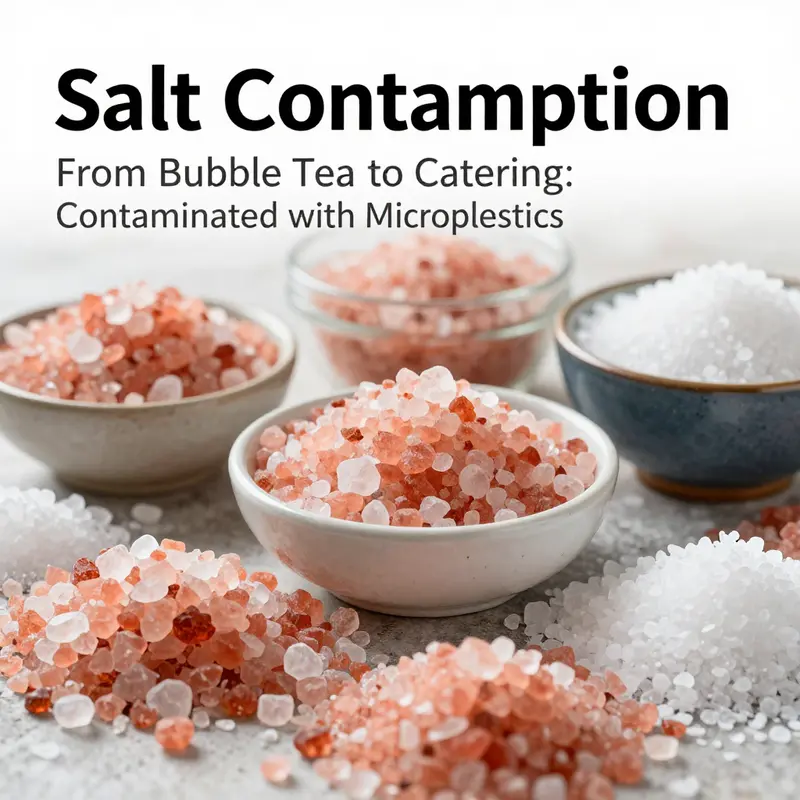
Salt and the Silent Contaminant: a seemingly ordinary staple that under modern conditions carries a hidden burden. When we reach for the salt shaker, we are not merely adding flavor; we are also inviting microplastics into our meals. The research around salt contamination makes a stark case: microplastics are not confined to obvious culprits like packaged snacks or seafood. They have insinuated themselves into the pantry, the salt box, and the kitchen grinding mechanism, turning a daily habit into a potential exposure pathway. The breadth of this issue is matched by the quiet precision with which microplastics travel—from distant polluted seas to the grains of salt that household budgets rely on. The narrative around salt is not about error or singular failures; it is about a pervasive chain of events that begins in polluted environments and ends in our kitchens, underscoring the broader question of how plastics traverse food systems.
To understand why salt bears microplastics, it helps to map both the source and the route. Studies consistently show that unrefined sea salts, Himalayan pink salt, and black salt tend to exhibit higher microplastic content. The guiding logic is straightforward: these varieties derive, directly or indirectly, from environments where marine pollution is a persistent force. Seawater carries microplastics that can become embedded in salts at multiple stages—during extraction, processing, and drying. When salts are not subjected to thorough purification, what was once a distant pollutant can become part of the salt you shake onto your potatoes or into your soup. Conversely, refined table salt, which undergoes additional purification steps, typically shows lower microplastic levels. The distinction is not a moral judgment on consumer choice but a practical map of where exposures are more or less likely to occur depending on processing.
Yet refinement is not a panacea. The contamination chain also travels through the very tools we use in the kitchen. A striking finding is that even everyday grinding of salt can release microplastics if the grinder’s components are plastic. In one set of experiments, grinding a tiny amount of salt released thousands of microplastic particles. The numbers are disconcerting: grinding as little as 0.1 grams of salt could release up to several thousand microplastics, with figures reported around the six- to eight-thousand range in certain conditions. This is not a problem isolated to industrial packaging; it is a problem that can arise right at the point of use, where plastic grinders can act as a source of contamination simply through routine operation. The implication is clear: exposure is not limited to the salt’s origin but can be amplified by the tools and containers that accompany it in daily life.
This layered reality invites practical response. If the aim is to minimize exposure, a combination of choice and method matters. Prefer refined salt when possible, especially if you are unsure about the processing history of a particular salt. When grinding is necessary, consider replacing plastic grinders with ceramic or metal options, and keep salt in non-plastic containers. The storage environment, too, matters: glass or metal canisters can reduce the risk of leaching or microplastic shedding compared with plastic jars, particularly under humidity or temperature fluctuations in a busy kitchen. The cumulative effect of these choices is not merely about reducing a single measure of risk; it is about shaping the kitchen as a barrier against microplastic ingress across multiple points of contact.
In articulating a broader strategy, it helps to view packaging and handling as a continuum rather than separate stages. Packaging can influence the amount of microplastic that migrates into salt during storage, transport, and even dispensing. A practical reminder is that many common packaging forms rely on plastics that can shed microplastics under stress. The chain from sea to shaker thus involves the sea, the mine or harvest site, the processing plant, the packaging line, and the home kitchen. Each link offers a potential intervention. For example, a shift toward packaging that uses less plastic or materials with lower shedding potential can reduce the baseline exposure entering households. While no single intervention will eliminate microplastics entirely, a combination of refined salt, non-plastic grinding options, and careful storage can meaningfully lower daily intake.
The salt story also echoes a broader reality documented in the study of microplastics across foods. Salt is not an isolated case but part of a continuum in which soil, irrigation water, and environmental contamination introduce plastics into the food chain. Root vegetables and cereal grains, for instance, can absorb microplastics from polluted soils and water sources, while seafood reflects the heavy marine burden of plastic pollution. The pattern is not random but systemic, tracing a path from polluted landscapes into the utensils we trust to deliver flavor and nutrition. In other words, the concern about salt aligns with concerns about a wide array of foods—each with its own route of contamination and its own set of practical mitigations.
The broader implications extend beyond individual households. If refined salts offer a safer option, policy and industry standards could encourage purification steps that reduce microplastic content before products reach store shelves. Meanwhile, consumer education can empower people to make deliberate choices about grinding methods and storage practices. These are not dramatic, revolutionary changes but measured shifts that, when multiplied across households, could alter the scale of exposure. In this sense, salt—though small in volume per use—presents a meaningful entry point for people seeking to understand and manage microplastic exposure within daily diets. The chapter on salt thus anchors a larger conversation about food safety in a world saturated with plastics, while also offering actionable steps for individuals to take ownership of their own exposure.
For readers wondering how to translate these insights into everyday habits, a simple rule of thumb can guide practice: whenever possible, opt for refined salt, minimize the use of plastic dispensing tools, and store salt in non-plastic containers away from heat and direct sunlight. If you must use a grinder, select a non-plastic mechanism, and clean the grinder regularly to prevent residue buildup that might harbor microplastics. These choices, ordinary in their execution, can contribute to a broader cultural shift toward reducing microplastic contamination in the kitchen. They reflect a growing recognition that the home environment is not a passive recipient of pollution but an arena in which informed decisions can reduce risk.
The discussion of salt also points toward collaborative solutions. Researchers emphasize the need for better waste management, reduced reliance on disposable plastics, and more stringent controls on environmental pollutants that enter water and soil. In turn, the food industry and retailers can play a role by ensuring that processing and packaging minimize shedding, supporting safer handling practices, and offering consumers clearly labeled options regarding salt purity and packaging materials. The intersection of science, consumer choice, and policy creates a multi-layered response to a problem that cannot be solved by a single action. It requires attention to the small, routine decisions we make at home and the larger systemic changes that shape the pollution landscape.
To connect this chapter with the wider discourse on food and plastic, consider the broader implications for everyday cooking and meal preparation. The potential presence of microplastics in salt sits alongside microplastics detected in tea bags, rice, freshwater and bottled waters, honey, fruits and vegetables, and various seafood products. The mosaic of these findings underscores a central truth: plastic pollution has integrated itself into many domains of food, and combating it will demand both personal vigilance and collective action. The salt example crystallizes a key takeaway: microplastic exposure is not solely a function of where food comes from, but also how it is handled, stored, and prepared in our homes. This perspective invites readers to reframe questions of safety around not just origin, but process, packaging, and kitchen practice.
External reading and further exploration can deepen understanding of these dynamics. For a broader overview of how to reduce intake of microplastics in foods, see this external resource: https://www.dailymirror.co.uk/news/health/health-foods-containing-microplastics-how-reduce-25649252. And for those curious about packaging and its role in exposure, some packaging options emphasize non-plastic or reduced-plastic alternatives that align with safer kitchen practices, such as eco-friendly kraft packaging options.
In closing, salt’s contamination narrative is a microcosm of a larger environmental health challenge. It reminds us that the foods we reach for daily are not isolated from the textures of modern pollution but are deeply connected to the choices we make in harvest, processing, storage, and preparation. The path forward blends informed consumer habits with practical design shifts in packaging and handling. Through small, deliberate changes in how we select, grind, and store salt, we contribute to a safer food system and a less plastic-saturated kitchen. The salt story thus becomes both a warning and a guide, inviting readers to participate in a broader conversation about plastic in our plates—one that starts with a grain of salt and extends to the full spectrum of what we eat.
From Soil to Salad: How Fruits and Vegetables Come to Contain Plastic

From Soil to Salad: How Fruits and Vegetables Come to Contain Plastic
Fruits and vegetables were once thought safe from synthetic contaminants. Recent research shows otherwise. Microplastics and even nanoplastics now occur throughout the food chain, and produce is no exception. These tiny particles arrive by multiple routes. They travel in irrigation water, lodge in polluted soils, fall from the air, and infiltrate packaging and handling systems. The result is that what appears fresh and natural may carry invisible fragments of plastic into the meal.
Studies sampling everyday produce reveal a clear pattern. Analyses that included carrots, lettuce, broccoli, potatoes, apples, and pears found microplastics in every sample. Root crops and fruits with textured skins often showed higher particle counts. One investigation singled out apples and carrots as having notably high concentrations among common produce. Those findings align with the fact that root vegetables sit in direct contact with contaminated soils for long periods. They also often grow where microplastic-laden amendments, like treated biosolids, may have been applied.
Plants interact with plastics in two basic ways: external contamination and internal uptake. External contamination happens when particles settle on leaves, stick to skins, or cling to roots. These deposits are easy to imagine: dust in the air, splashes from irrigation, or fragments spread during harvest. External particles are partly removable by washing. Internal uptake is harder to detect and more concerning. Recent experiments demonstrate that particles small enough—often below one micrometer—can enter root cracks and travel into vascular tissue. Once inside, those particles can move with water and nutrients toward leaves, stems, and edible tissues. This translocation challenges earlier assumptions that plant tissues block all synthetic particles.
The physical properties of plastic fragments determine their behavior. Larger particles tend to adhere to surfaces or remain in the rhizosphere, the soil zone around roots. Very small fragments, however, can pass through root pores or follow natural fissures created as roots grow. Soil structure, moisture, and root damage all affect uptake. Soils rich in organic matter may bind some particles, while compacted or degraded soils may allow deeper penetration. Irrigation water carries microplastics too. Rivers, groundwater, and reclaimed water used for agriculture have been found to contain particles at varying concentrations. When that water wets a field, it distributes plastics where crops will access them.
Airborne deposition adds a different vector. Microplastics released from tires, textiles, and urban sources become aerosolized. They travel on the wind and settle onto open fields and tree canopies. Produce grown in exposed conditions can carry atmospheric particles on their surfaces. Rain can wash aerosol particles off leaves and into the soil, creating a cycle between air and ground.
Packaging and handling introduce further risk. Plastic films, trays, and lids are ubiquitous in modern food distribution. During packing and transport, friction, heat, and mechanical stress can shed fragments. Even packaging solutions marketed as paper-based sometimes include plastic liners or plastic lids. Single-use containers with plastic components can be sources of contamination during retail display or takeaway. For example, disposable salad bowls that pair a paper base with a polypropylene lid illustrate how a product can appear eco-friendly while still introducing plastic at the point of sale. These mixed materials complicate efforts to avoid exposure because the visible surface may mask hidden plastic layers.
Processed steps also matter. Washing, peeling, and cooking can reduce surface contamination. However, internalized particles cannot be removed by surface cleaning. Some preparation methods may redistribute rather than remove microplastics—for instance, blending or juicing can break larger particles into smaller fragments and distribute them within the food. Conversely, peeling and blanching can lower surface numbers. But these steps are not universally effective and come with trade-offs, such as nutrient loss or changes in texture.
Measuring microplastics in produce is technically challenging. Analytical methods differ in sensitivity and specificity. Visual sorting and spectroscopy can detect and identify fragments above certain sizes. Detecting nanoplastics, or particles below a micron, requires advanced techniques and strict contamination controls. Because plastics are ubiquitous, lab contamination is a real problem. Careful protocols, blanks, and replicates are necessary to distinguish genuine sample content from airborne or lab-supplied plastic.
Health implications remain an active area of research. The scientific community has not yet reached consensus on the long-term effects of dietary micro- and nanoplastic exposure. Laboratory studies on animals show inflammatory responses and cellular stress at high doses. The concern grows when particles contain chemical additives or sorbed pollutants. Plastics can carry persistent organic pollutants and heavy metals on their surfaces. When particles reach internal tissues, they may act as vectors for those chemicals. But translating laboratory exposures to the low-level, chronic exposures humans experience through diet is complex. Epidemiological evidence is still emerging.
Given uncertainty, practical steps focus on exposure reduction. Start with soil and water controls at the source. Farmers can limit the use of contaminated amendments and monitor irrigation water quality. Urban planners can reduce airborne microplastic emissions by managing road runoff and textile waste. At the individual level, thorough rinsing of produce helps remove surface particles. For root vegetables, scrubbing is useful. Peeling can reduce external counts, though some nutrients reside in peels. Buying loose produce instead of heavily packaged items reduces the chance of packaging-related shedding. When using takeaway or convenience options, prefer truly plastic-free packaging or containers without plastic liners. For those interested, the recyclability and lid composition of containers matter; a combined paper base with a polypropylene lid can still be a source of microplastics, so inspect packaging materials when possible. A relevant example of such packaging is the recyclable kraft paper salad bowl with PP lid.
Growing methods also influence contamination. Controlled-environment agriculture, like greenhouses and many hydroponic systems, can reduce exposure to airborne deposition. They also allow water quality management. However, greenhouse operations sometimes use plastic films extensively, which may introduce other contamination sources if degraded on-site. Organic certification does not automatically guarantee plastic-free production. It addresses certain inputs but not airborne or irrigation-derived plastics.
Long-term solutions require systemic change. Improving waste management and reducing plastic use upstream will limit new inputs into soils and waters. Better filters and treatment for wastewater and irrigation water can cut particle loads. Agricultural standards that monitor and limit microplastic levels in biosolids and compost would help. For consumers, informed choices and small changes in preparation can lower dietary intake. For researchers and regulators, harmonized measurement standards are essential to compare studies and set evidence-based limits.
The emerging picture is clear: fruits and vegetables can and do contain plastic. The levels vary by crop, growing practice, and post-harvest handling. Some contamination is removable; some is not. Until environmental and supply-chain sources are addressed, plastic particles will remain a component of many diets. Awareness, both among growers and consumers, is the first step toward reducing exposure and protecting health.
Micro- and nano-plastics in edible fruit and vegetables. The first diet
Final thoughts
Awareness of microplastic contamination in food is crucial for the hospitality and food service industries. As evidenced by the findings presented in this article, common foods like tea, rice, bottled water, salt, and various fruits and vegetables are susceptible to this growing problem. Businesses can adopt proactive measures, such as sourcing materials carefully, opting for safer packaging options, and revising preparation methods, to minimize their risks and enhance customer safety. By taking these steps, hospitality providers can not only protect consumers but also position themselves as leaders in sustainability and health-conscious practices.