

In the competitive landscape of food services, ensuring food safety and quality is non-negotiable. IPL plastic food containers stand out as a reliable choice for Bubble Tea shops, restaurants, food trucks, and catering services. These containers not only adhere to stringent safety standards but also feature innovative designs that enhance functionality. As consumer preferences shift towards sustainability, understanding the environmental impact of packaging becomes essential. This article will explore the safety standards of IPL plastic containers, their design functionality, environmental considerations, and the latest market trends, ensuring you have a comprehensive guide to making informed choices for your food service operations.
Safety Boundaries in IPL Plastic Food Containers: Understanding Standards, Labels, and Everyday Use

The quiet architecture that keeps the food you slide from the fridge to your plate both safe and convenient rests in standards written long before a consumer unseals a container. For IPL plastic food containers, as with any direct-contact packaging, safety is less a matter of luck and more a disciplined alignment of materials, performance under expected conditions, and transparent communication to users. In kitchens, laboratories, and production lines alike, the rules are designed to limit what moves from the container into the food, and they shape how manufacturers test, label, and market their products. This is not a single, isolated set of requirements but a system that balances technical migration limits, material behavior, and practical usability. When a consumer flips open a box of leftovers, they are indirectly operating inside those boundaries whether they know it or not. The effectiveness of these standards, and the trust they engender, hinges on robust regulation, clear labeling, and informed use in real-world settings.
The backbone of this regulatory landscape in many markets—especially for plastic food contact materials—rests on a national framework that choreographs which substances are allowed, what migration levels are tolerable, and how a product communicates its safety to the consumer. In the Chinese regulatory environment, the State Administration for Market Regulation (SAMR) oversees food contact materials and the standards that govern them. Within this framework, the essential standard for plastic food containers is GB 4806.7-2023, titled the Food Safety National Standard for Plastic Materials and Articles in Contact with Food. This standard is the formal language that defines how materials such as polyethylene (PE), polypropylene (PP), polystyrene (PS), and other plastics treated for direct food contact behave under typical use. It is not a mere checklist; it is a careful mapping of how these materials might interact with a variety of foods under different conditions—refrigeration, freezing, heating, and even long-term storage. The aim is to limit the migration of substances from the packaging into the food, thus reducing potential exposure to consumers and preserving the integrity of food itself. The standard sets quantitative ceilings for total migration, a cumulative measure of all substances that can diffuse from the container into the food, and it places particular emphasis on the presence of heavy metals and some chemical substances that have raised health concerns in the past. In particular, it addresses restrictions around compounds such as bisphenol A (BPA) and phthalates, ensuring they do not migrate into food at unsafe levels, especially when containers are heated or come into contact with acidic or fatty foods. The emphasis on migration is not only about the absolute levels of any single substance; it is about the dynamic interplay between material composition, processing, and use scenarios that a consumer might encounter in daily life and in more demanding commercial contexts.
Labeling and traceability form another crucial pillar of safety in this ecosystem. A plastic food container must clearly indicate that it is intended for food contact, often summarized as a designation like “food contact use” or “food packaging use.” Along with this designation, the packaging must bear essential identification and safety marks that enable verification of compliance and accountability. In the SAMR and broader regulatory practice, labels commonly include a production license mark (QS) and the current industrial product production license code (SC). These marks function as a seal of regulatory compliance and provide a pathway for inspectors and consumers to trace the product back to its manufacturing controls and standard conformance. The label typically carries product name, material type, manufacturer details, production date, and the specific standard it adheres to (for example, GB 4806.7-2023). This level of labeling is not a mere bureaucratic flourish; it is a practical tool for consumers to differentiate between food-grade plastics and other, non-food-grade materials that could pose risks if used for storage or microwave heating. The clarity of labeling becomes particularly important in households and food-service environments where containers are repurposed, washed, heated, and reused across multiple meal occasions.
In daily practice, these standards translate into concrete terms that influence how people select containers and how they use them. PP containers, for instance, are widely regarded as safe for microwave heating under typical conditions. The thermomechanical profile of PP—its stability at moderate temperatures, resistance to deformation, and relatively low risk of migrating substances when used as intended—makes it a common choice for reheating and serving hot foods. By contrast, PE and PS containers may present higher risks if exposed to high temperatures or prolonged heating. These materials can behave differently under heat, and their migratory profiles can shift in the presence of fatty or acidic foods. The safety message, then, is not just about choosing a material but about choosing the right use scenario for that material. Microwave heating guidelines, if provided by the manufacturer, are a direct signal about the tested and approved use case. In many instances, following those guidelines is a practical way to stay within safe migration limits while maintaining food quality and container integrity. The everyday user benefits from this clarity, because it reduces the guesswork about whether a given container will withstand the heat of a leftover meal or whether a batch of soup stored in a particular plastic tub might become a source of unwanted chemical exposure.
But regulatory achievement is never a static victory. It must adapt to evolving science, new materials, and changing consumer patterns. For manufacturers, this means ongoing validation and transparent documentation. It also means that packaging—while often perceived as a mere wrapper for food—appears as a legally accountable component of the food system. When a brand markets a plastic container for direct contact with food, it is, in effect, selling a product that carries a public health obligation. Compliance testing typically includes evaluating total migration under a range of conditions that simulate real-use scenarios: contact with different temperatures, exposure to acidic or fatty foods, and the repeated cycles of cooling, freezing, and reheating that many households perform. Heavy metals and restricted substances are tested to ensure that even trace amounts stay far below acceptable thresholds. The testing regime can also extend to migration studies that mimic the effects of long-term storage or repeated cleaning in dishwashers, because dishwashing cycles can subject packaging to repeated thermal stress and chemical exposure.
From a consumer perspective, the practical implications of these standards are visible in the packaging itself. The labeling system, which includes the food-contact designation, safety marks, production details, and the standard reference, provides a visible assurance that the container has been evaluated for the kinds of use scenarios common in a home or a food-service kitchen. It also creates a traceable paper trail for post-market surveillance and recalls if a problem arises. This is not merely legal compliance; it is a mechanism for promoting confidence that containers will perform as expected, even when used in less-than-ideal conditions, such as a crowded dishwasher or a microwave that runs a bit hotter than the user anticipated. In practice, many households quickly learn that the safe use of a plastic container depends on several simple, repeatable rules: avoid heating in damaged containers, avoid reusing single-use plastics beyond their design life, and follow manufacturer guidance on microwave use and dishwasher compatibility.
Beyond the strictly material and labeling considerations, the conversation about safety standards intersects with broader choices about packaging ecosystems. The debate often includes questions about the relative safety of different packaging media, the environmental implications of single-use plastics, and the ways in which consumer habits shape demand for new designs. In this context, even as the market for IPL plastic food containers remains strong in homes and institutions alike, there is growing consideration of alternatives and hybrids that aim to balance safety with environmental stewardship. In parallel with the plastic options, packaging designers explore paper-based or other composite solutions that may offer advantages in certain applications. For instance, some food packaging categories employ kraft paper-based bowls or containers with PET lids that provide a different balance of barrier properties, reuse potential, and end-of-life considerations. When describing this kind of packaging, it becomes natural to present it alongside IPL plastic options, not as a threat but as part of a broader spectrum of packaging choices that still must meet safety and labeling standards. In this light, a practical example becomes instructive: a kraft-paper octagonal bowl with a PET lid, designed to be lightweight, relatively barrier-efficient, and visually distinct from plastic containers, can illustrate how the market segments various materials while still operating under the same regulatory umbrella. kraft-paper octagonal bowl with PET lid. The reference underscores a broader point: safety standards do not exist in a vacuum, but they apply across a spectrum of packaging technologies, each with its own performance profile and intended use pattern.
From a policy and practice standpoint, the pathway from standard to shelf involves several layers. First, manufacturers design materials and processes to satisfy migration limits and to withstand the mechanical and chemical environments expected in their target markets. This design phase requires material scientists to select polymers and additives that work within the migration thresholds and to anticipate how the packaging might be exposed to heat, acidity, fats, and repeated washing. Second, the production phase must implement process controls that ensure consistency in material composition, surface finishes, and seal integrity. Third, the packaging must carry labeling that communicates essential information to users and enables traceability for regulators and health authorities. The end user, in turn, benefits from a reasonable predictability about how a container behaves when filled with hot soup, refrigerated for a week, or microwaved for a quick meal. The safety chain thus links product design, regulatory compliance, consumer education, and practical use in a continuous loop that aims to minimize risk while maximizing convenience.
This holistic view is particularly important for a chapter focused on IPL plastic food containers because the brand perception often hinges on the perceived safety of the product as it travels from factory floors to family tables. Consumers want assurance that the container will not compromise the food’s safety when used as intended. They also want clarity on the conditions under which the container can be heated, washed, or reused without triggering unsafe migration. The regulatory framework, including GB 4806.7-2023 and SAMR’s guidance, provides that assurance by setting measurable standards and by requiring explicit labeling. In practice, this means that when you pick a plastic container for daily use, you are selecting a product that has been through a defined sequence of checks and that bears information enabling you to use it safely. And when you encounter a container with a label indicating compliance, you are not merely reading a compliance sticker; you are reading a promise that the product was evaluated for its intended function within a defined safety envelope.
The broader takeaway is that safety standards for IPL plastic food containers are not abstract railings around a marketplace. They are practical guardrails that translate scientific understanding into everyday actions. They guide how materials are selected, how products are tested, how labels are crafted, and how consumers interpret what they see on a package. The result is a packaging ecosystem that supports safe food storage, easy preparation, and reliable performance across households and commercial kitchens alike. It is a system that requires ongoing attention to evolving science, to regulatory updates, and to the ever-changing contexts in which food travels from container to plate. As you move through the broader article, consider not only the materials a container is made from but also the standards that govern them, the labeling that documents safety, and the responsible practices that keep meals safe, whether they are prepared at home or in a bustling food service operation. The dialogue between material science, regulatory oversight, and consumer behavior is what ultimately sustains trust in IPL plastic food containers and in the meals they help to deliver.
External resource for further reading: https://www.samr.gov.cn/xxgk/zwgk/jgxx/tzgg/202602/t20260212_395959.html
Sealed Clarity and Stacked Efficiency: The Design and Functionality of Modern Plastic Food Containers
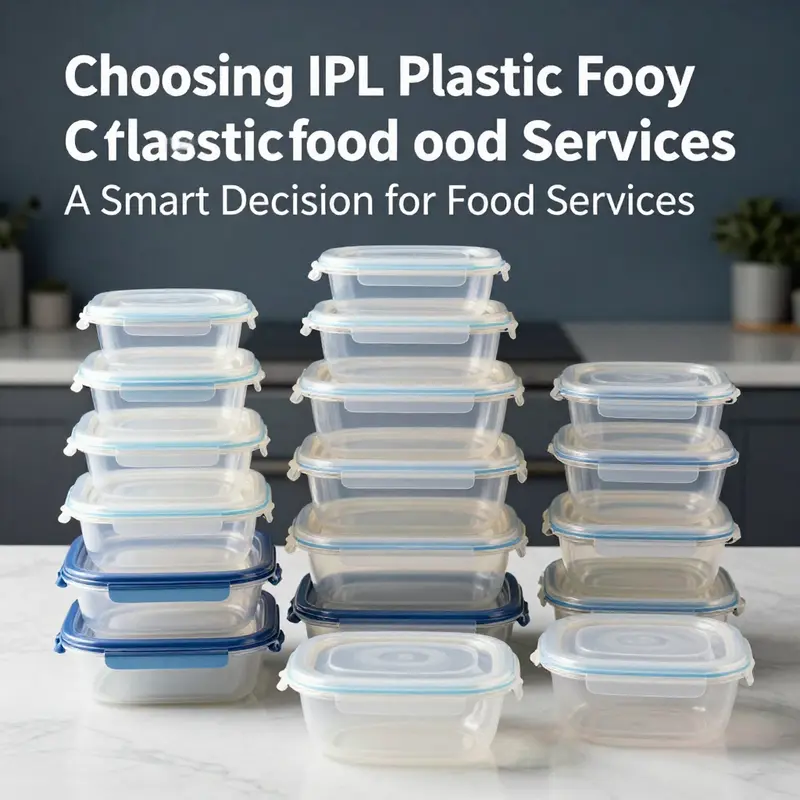
Within kitchens and supply chains, plastic food containers are not merely vessels; they embody a design logic that blends material science with everyday use. The aim is to store, transport, reheat, and present food with minimal waste and maximal hygiene. In such containers, form and function are inseparable. The most widely used base polymers for these applications—polypropylene and in some cases PET—are chosen because they deliver durability, safe interaction with food, and consistent performance across a range of temperatures and handling scenarios. These materials are typically selected to comply with safety standards set by authorities like the FDA or NSF, which reassures operators that they can trust in the integrity of the packaging as it touches the meal that will later reach a customer’s table.
In practice, the choice of material drives more than just stiffness or clarity. PP offers a reliable balance of rigidity and flexibility, with good resistance to heat and chemical attack. It can withstand the mild heat of a reheating cycle and the cool shock of a refrigerator, which makes it a versatile workhorse for containers used in homes and small businesses. PET contributes another crucial set of properties: exceptional strength, excellent transparency, and a barrier effect that helps limit moisture transfer. When combined with well-designed lids and seals, these polymers create a system that keeps foods fresher longer while still allowing staff and families to monitor content at a glance.
The lid, often treated as the centerpiece of the design, is where technical nuance and practical reality meet. Modern lid systems employ secure snap-fit or locking mechanisms that create an airtight seal. A true seal is more than a perk; it minimizes air exposure that speeds the degradation of flavors and textures. It also reduces the likelihood of leaks during transit or while tipped in a crowded fridge or a delivery bag. In commercial settings, lids with locking features help ensure that meals stay contained during busy service periods, a property that reduces waste and protects the integrity of sauces and gravies. Some models add tamper-evident features, which provide an extra layer of assurance for meal prep services, cafeterias, and catering operations where multiple hands may handle the same batch of food.
Transparency is another hallmark that shapes how these containers are used day-to-day. A clear body reduces the cognitive load on kitchen staff and household users alike. No longer must someone open several containers to identify a dish; instead, a quick visual check reveals contents and even portion sizes. This transparency supports safer handling and more accurate inventory management, especially in settings where dozens of containers of different meals must be tracked without a lot of paperwork. In high-volume environments, transparency also translates into fewer mislabeled trays and fewer opened containers, which in turn helps curb waste.
The space front is often overlooked, but it matters as much as any hinge or seal. The flat profiles and interlocking edges are intentional choices designed to maximize shelf and fridge real estate. Containers are engineered to stack securely, with lids and bases aligning to avoid wobble and misalignment. This stacking capability reduces the space required to store large quantities of meals or ingredients in a freezer or pantry, a practical benefit for food banks, school cafeterias, and catering outfits that juggle variable demand. The ability to nest empty units also contributes to efficient shipping and handling in wholesale scenarios, where every cubic meter of crate space translates into measurable savings.
Versatility is the umbrella term that covers how these containers perform across different processes. A growing portion of everyday containers are described as microwave-safe, freezer-safe, and dishwasher-safe. The compatibility with reheating and cleaning cycles is a product of both material selection and lid design. For reheating, many users rely on vented or partially removable lids that relieve pressure buildup and prevent splatter. The microwave claim is most robust when the container is used in accordance with the manufacturer’s guidelines, including whether the lid should be vented or removed entirely during heating. Freezer performance hinges on a stable, non-cracking body that resists the stress of low temperatures and rapid temperature shifts. Dishwasher compatibility simplifies post-use sanitation, an important consideration for busy households and high-volume kitchens where repeated cleaning is a routine. Still, operators must respect care instructions, for example avoiding abrasive cycles on lids or avoiding exposure to conditions that could degrade seals.
Safety considerations are central to the value proposition of these containers. BPA-free formulations and non-toxic additives address global concerns about chemical migration into food. The emphasis on consumer safety is not only about current regulations but also about the expectations of users who want packaging to be inert, stable, and reliable across many cycles of use. The safety profile is supported by certifications that confirm compliance with food contact standards. In practice, this means a packaging system designed to minimize risk while maximizing practicality for daily culinary routines.
From a functional perspective, the containers serve three interlocking purposes: they protect the quality of the food, improve workflow efficiency, and uphold hygiene standards in modern handling environments. The first objective—preserving food quality—stems from the combination of a tight seal, the barrier properties of the chosen polymers, and the visibility of the contents. By minimizing air ingress and moisture loss, these vessels help maintain texture and flavor consistency from storage to plate. The second objective—workflow efficiency—draws on predictable sizing and robust lids that prevent leaks and spills during transport. A kitchen or catering operation can move multiple meals in a single trip without worrying about product damage or cross-contact. The third objective—hygiene—relies on cleanability and durability. Materials that resist staining and odor, combined with lids that withstand repeated washing, reduce the risk of contamination through residual residues or improper cleaning.
Beyond their individual parts, these containers function as integrated systems. They support hygiene by reducing the number of open handling steps and by enabling straightforward cleaning routines in dishwashers or industrial washing lines. In restaurants and delis, consistent geometry and tight lids reduce mispackaging and shrink-sleeve mislabels during busy hours. In home kitchens, the same principles translate into less waste, easier meal prep, and clearer organization in the fridge.
The space and shape of modern containers are not incidental. A shallow, wide design can improve access to contents in a crowded fridge, while a deeper, taller form is ideal for stacking in a catering crate. The geometry also influences how heat and moisture move inside the container, affecting how flavors mingle or stay separate. For manufacturers, predicting these dynamics means testing models under real-life conditions—simulating the varied rhythms of a family dinner, a school lunch line, or a catering event. The goal is to deliver a shape that feels familiar and reliable, even after repeated cycles of use and cleaning.
The synergy between visibility, seal integrity, and stackability is not accidental either. When staff can quickly identify a meal, safely transport it, and return it to storage without losing space, the entire operation becomes more economical and less error prone. The resulting operational clarity feeds into better food safety practices because fewer disorganized containers mean fewer chances for cross-contact and temperature abuse. In households, this clarity translates into fewer mysteries in the back of the fridge and a more predictable reheating process, which in turn reduces the likelihood of waste from forgotten leftovers.
A practical illustration helps crystallize these ideas. Consider a standard one-liter container that holds a balanced portion of vegetables and grain. Its lid locks firmly, creating a seal that remains air-tight through a day in the cooler and during a brief ride in a grocery bag. The container body is transparent, so staff or family members can confirm the contents without opening the lid. When the time comes to reheat, a vented lid or removal allows steam to escape, minimizing the risk of splatter and preserving texture. If the meal needs to be frozen first, the rigid walls resist cracking from cold and maintain shape after thawing. If the container is not going to be used again immediately, its flat profile stacks neatly in a cupboard or on a shelf, with other units nesting easily inside one another to save space.
For readers who want to connect these ideas to a concrete example in the product landscape, see senang05-food-grade-500-750-1000ml-take-away-bowl-with-lids-packing-food-single-wall-fast-food-salad-bowls. This page demonstrates how a compact, food-grade container can embody the design principles discussed here, delivering practical benefits in diverse settings from takeout to home meal prep. The example shows the power of a well-rounded design: a clear body, a robust locking lid, and a shape that makes efficient use of space in pantry and transport contexts.
The broader takeaway is that the best containers balance several constraints at once: they resist heat and moisture without warping, maintain a clean surface that resists staining, and provide a clear view of contents to support quick decision-making. They also align with the realities of how food travels from kitchen to consumer, whether that journey is short and local or longer and more complex. In doing so, they become more than containers; they function as enablers of safer handling, more precise inventory, and less waste across the entire food system. In this sense, the modern plastic food container is a small but essential piece of infrastructure—an artifact of design that quietly supports the tempo of daily eating while upholding the highest standards for safety and efficiency.
To close the thread, the essential attributes—material robustness, airtight lid systems, transparent bodies, space-efficient geometries, and versatileHeat and cleaning compatibility—cohere into a packaging solution that speaks to both everyday cooks and professional operators. It is not about a single product or brand; it is about a design language that respects the realities of how food is stored, moved, heated, and served. The best designs anticipate human workflows and environmental variability, delivering reliability that people can trust when they choose a container for a meal they care about. In that sense, these containers stand as a durable compromise between performance and practicality, continually evolving as new materials and manufacturing innovations emerge to meet the demands of modern food culture.
External resource:
For an overview of how agencies regulate these materials, see the FDA resource on food contact materials. FDA Food Contact Materials
Beyond Convenience: The Environmental Footprint of IPL Plastic Food Containers
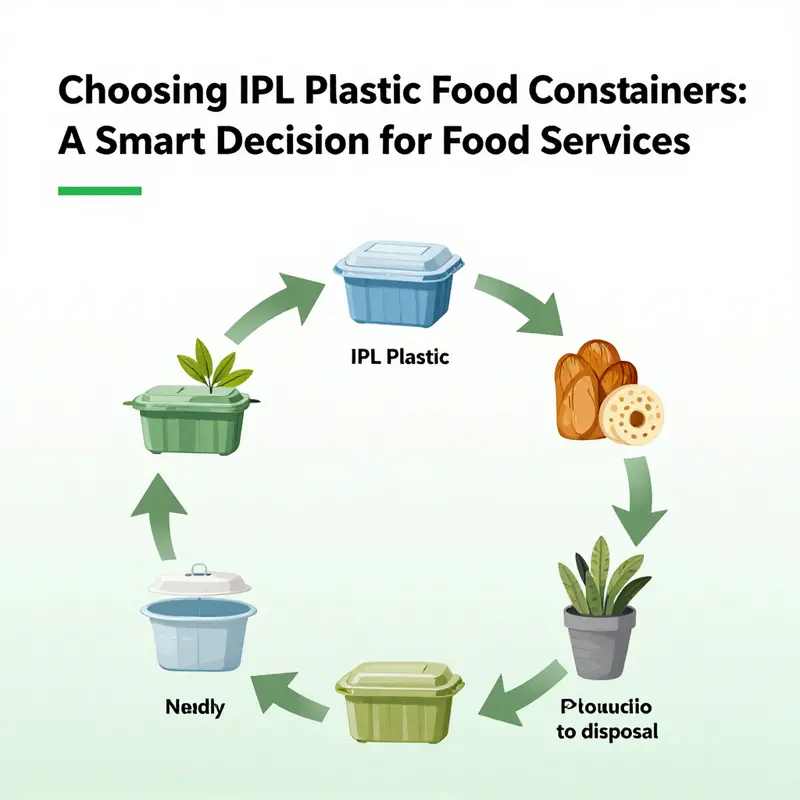
A concise lifecycle perspective of IPL plastic food containers shows how material choices (PP, HDPE, and PS) influence energy use, emissions, and end-of-life behavior. Production consumes energy and fossil resources; use-phase benefits exist but may be undermined by single-use designs and cleaning requirements; end-of-life outcomes depend on recycling infrastructure and contamination challenges. The comparison with paper-based alternatives reveals tradeoffs in moisture barriers, heat tolerance, and recyclability. Meaningful progress requires recycled-content materials, design-for-recycling, take-back programs, and transparent, third-party lifecycle data to align packaging choices with environmental goals.
Between Innovation and Sustainability: Market Trends and Consumer Preferences Shaping Reusable Plastic Food Containers

The market for reusable plastic food containers is expanding steadily, driven by a rising awareness of environmental sustainability and a global shift away from single-use packaging. In the broader ecosystem of food storage, households, retailers, and food-service operations increasingly seek durable, leak-proof, and space-efficient solutions that can perform across several stages of handling—from storage in the refrigerator to preparation, transport, and even reheating. By 2032, the market is projected to reach well over sixty billion dollars, with a compound annual growth rate hovering around five percent. Those numbers signal more than appetite for convenience; they reflect a strategic move toward long-term value, where consumers look for products that can withstand frequent use, are safe for food contact, and align with a more circular approach to packaging material streams. This transition is reshaping how manufacturers design containers, how retailers present them, and how consumers perceive the lifecycle of everyday food-storage gear.
At the heart of consumer behavior is a careful balancing act among functionality, safety, and sustainability. Functionality remains the most immediate driver: devices must be leak-proof, stackable, and simple to use in daily meal routines. Families juggling school and work rely on containers that seal tightly to prevent leaks in bags and lunchboxes, while office workers and students appreciate containers that fit neatly into standard lunch totes and compact kitchen cabinets. Yet functionality alone cannot sustain long-term growth. Consumers are increasingly scrutinizing safety profiles, looking for materials that are free from controversial additives and that perform reliably in the heat of a microwave or the cool of a freezer. Bioburden concerns and perceived chemical exposure have elevated the demand for BPA-free formulations and for materials that can claim demonstrable compliance with recognized food-contact standards. In this sense, safety translates beyond a single property into a broader narrative of trust: consumers want to know that containers will not impart odors or flavors, will not degrade with repeated washing, and will maintain their integrity after repeated cycles in a dishwasher or microwave.
Sustainability is now a central compass for decision-making, influencing both product development and purchasing choices. Consumers want transparency about the life cycle of their containers, from raw material sourcing through end-of-life options. They favor products that are designed for durability and reuse, with clear signals about recyclability, repairability, and the potential for disassembly at the end of a useful life. Brands that articulate a credible sustainability story—whether through recycled-content inputs, reduced packaging in manufacturing, or partnerships that support recycling streams—enjoy heightened appeal. This shift is not merely about reducing plastic; it is about rethinking packaging as a durable utility with a mitigated environmental footprint, capable of serving households across generations of meals without becoming a waste stream after a single use. The tension between convenience and responsibility has thus become a defining characteristic of consumer demand in the reusable plastic container space.
From a materials perspective, polypropylene and high-density polyethylene remain the two workhorse polymers that underpin most reusable containers designed for food contact. PP offers a balance of rigidity, clarity, and heat resistance that suits a wide array of shapes and lid mechanisms. HDPE, with its impact resistance and chemical stability, tends to perform well in more rugged, high-use environments and in products that require thicker walls or stronger seals. These foundational materials support a broad portfolio of shapes—from compact, stackable square formats to tall, cylindrical options—each engineered to optimize refrigerator, freezer, and pantry organization. The design vocabulary centers on a few core attributes: durability to withstand repeated cycles, chemical inertness to preserve flavor and odor, and compatibility with household appliances like microwaves and dishwashers where applicable. In parallel, advancements in molding technology and process control have allowed manufacturers to reduce material usage without compromising performance. Thin-wall injection molding, for instance, can lower resin consumption and weight while maintaining lid seal integrity, a development with meaningful implications for energy use during production and for the end-user’s long-term savings.
Design thinking in this category increasingly converges on two interwoven objectives: maximizing space efficiency and ensuring longevity. Shape language tends toward rectangular and modular geometries that align with standard refrigerator shelving and freezer racks, enabling households to organize meals and ingredients with greater predictability. Stackability is not a merely aesthetic preference; it minimizes bulk during storage, reduces accidental tipping, and contributes to a cleaner kitchen environment. The lid remains a focal point of design, with mechanisms that combine tight-seal gaskets and simple locking clips or twist-to-seal systems. Consumers equate robust lids with leak resistance and durability, a correlation that directly affects perceived product value. Clear or translucent walls remain popular because they enable quick visual checks of contents, reducing the need to open containers and lose cold air or heat in the process. However, material science and design must be harmonized with safety standards so that transparency does not compromise the integrity of the interface with food or the long-term stability of the polymer under repeated heating and washing cycles.
A fundamental thread in the consumer narrative is the credible communication of safety and sustainability. Brands that can clearly articulate how their containers perform across common use cases—refrigeration, freezing, microwaving, and washing—tend to stand out. This communication often extends beyond basic claims to include third-party certifications and transparent labeling. Certifications and standards, including food-contact compliance and, where relevant, recognized safety attestations, build consumer trust even when the product is not the most affordable option. In practice, this means a continued emphasis on materials that resist staining, odors, and flavor transfer, as well as on the long-term durability of hinges, latches, and seals after repeated cycles. Consumers increasingly expect to see a narrative about how products are sourced, the recyclability of input and output streams, and the durability that reduces the total number of containers needed per household over time. In short, consumer preference is evolving from “Is this container convenient?” to “Is this container responsible, durable, and trustworthy over the long haul?”
The street-level impact of these shifts ripples through three primary channels: product development, retail presentation, and consumer education. For product developers, the challenge is to balance performance with sustainability, delivering multi-functional products that remain affordable while standing up to frequent handling. The most competitive offerings combine leak resistance with user-friendly access, and include clear indications of microwave compatibility and dishwasher safety. From a retail perspective, packaging and display must reinforce the container’s value proposition. Transparent or at least visible packaging that demonstrates sturdiness, ease of use, and a robust lid system can influence a shopper’s perception at the shelf or online image. In digital storefronts, the ability to showcase interior layout, lid closure and stacking behavior through accurate imagery and descriptive copy is essential. Finally, consumer education continues to be critical. Clear supply-chain storytelling—about materials, recycling options, and the practical realities of reusing containers in daily life—helps foster a culture of informed choice and longer product lifespans.
This broader market dynamic is not isolated to households. In the retail and food-service sectors, the move toward reusable systems aligns with sustainability goals, cost containment, and efficiency gains. When a food-service operation uses durable, reusable containers for take-out and catering, it can reduce waste, lower disposal costs, and streamline kitchen workflows. The advantage goes beyond the direct savings; it also communicates a sustainability commitment to customers who value responsible practices. Those advantages become more pronounced as consumers bring their own containers to the office or seek reliable options for meal-prep and batch cooking at home. In both contexts, the durability and hygienic performance of the container contribute to a perception of quality and professionalism, reinforcing brand reputation across multiple touchpoints.
Among the industry players driving these developments—though not named here for brand-neutral discussion—the focus remains on innovation, safety, and sustainability. The strategic emphasis on innovation involves refining wall thickness, lid geometry, and gasket materials to maintain seal integrity even after hundreds of cycles. Quality assurance is equally essential, with rigorous testing protocols that measure heat resistance, chemical stability, and mechanical durability. Equally important is sustainability messaging that resonates with consumers who demand transparency about material sourcing and lifecycle impacts. The aim is not merely to produce a product that lasts; it is to cultivate a product that survives the lifecycle in a way that minimizes harm to the environment while delivering practical value in everyday use.
To illustrate how packaging design choices intersect with sustainability narratives, consider a packaging case study that explores longevity, disassembly, and recyclability across materials. This example demonstrates how design decisions influence the post-consumer pathway, including the ease with which components can be separated for recycling and the extent to which the container can be reused before reaching the end of its service life. For readers curious about this broader landscape of packaging options beyond traditional plastics, this example provides a lens into how designers balance form, function, and environmental stewardship across diverse product categories. See the detailed discussion here: senang03-in-stock-new-design-salad-rectangle-takeaway-kraft-paper-octagonal-box-with-lid. While the material differs, the underlying questions about durability, usability, and end-of-life considerations remain central to any conversation about reusable systems in food storage.
In pursuing deeper market intelligence, industry observers consistently point to the importance of credible, data-backed forecasting that captures regional variations and shifting consumer preferences. The global trajectory toward reusable containers reflects a confluence of factors: rising urbanization, convenience-driven lifestyles, environmental regulations, and heightened consumer literacy about packaging waste. In many regions, these forces interact with a durable goods mindset, where households invest in products designed to endure years of typical household use rather than a single season of reliance. As a result, brands that invest in modular designs, material optimization, and supply-chain resilience are well-positioned to capture share across categories—from home storage to meal-prep ecosystems to professional catering operations.
For scholars and practitioners analyzing this space, the takeaway is clear: consumer preferences are moving toward products that deliver practical benefits without compromising safety or environmental responsibility. The market will continue to reward containers that combine leak-proof performance, compatibility with common appliances, and a transparent, credible sustainability story. Yet the path forward will require ongoing innovation in materials science, process engineering, and communication strategies that translate complex lifecycle considerations into relatable consumer benefits. In this sense, the evolution of reusable plastic food containers is less a single redesign and more a continuous conversation among designers, manufacturers, retailers, and shoppers about how to store, reuse, and ultimately recycle the meals that sustain daily life.
To close this reflection, consider the broader context of industry research and forecasts that document the growth and evolution of reusable plastic containers. The indicators point toward a market that values durability and practicality as core drivers of demand while also elevating standards for safety, environmental responsibility, and lifecycle thinking. As consumer expectations evolve, producers will remain focused on delivering products that not only meet but exceed the daily needs of households and businesses, transforming food storage from a disposable habit into a durable, repeatable, and increasingly sustainable practice. For a comprehensive view of market forecasts and regional trends, see the external resource linked below, which highlights how reusable plastic containers are positioned within the broader packaging ecosystem: https://www.marketsandmarkets.com/Market-Reports/reusable-plastic-containers-market-1745.html.
In sum, the trajectory of reusable plastic food containers is defined by a blend of practical performance and principled sustainability. The winner in this space will be the option that best marries a confident user experience—leak-proof, microwave-ready, dishwasher-safe, and visibly safe—with a credible, verifiable commitment to environmental stewardship and responsible material use. As consumer education grows and standards tighten, containers that deliver measurable benefits across usage cycles will continue to shape households, workplaces, and food-service operations alike, reinforcing the central idea that durable storage can be both convenient and conscientious.
Final thoughts
Selecting the right packaging for your food service operation is crucial for both safety and efficiency. IPL plastic food containers provide a solution that meets high safety standards while also offering a range of designs and functions that cater to different food service needs. As businesses strive to adopt more sustainable practices, understanding the environmental impact of these containers will enhance their brand image and appeal to eco-conscious consumers. By keeping abreast of market trends and consumer preferences, food service businesses can make proactive decisions that benefit their operations and their customers.