
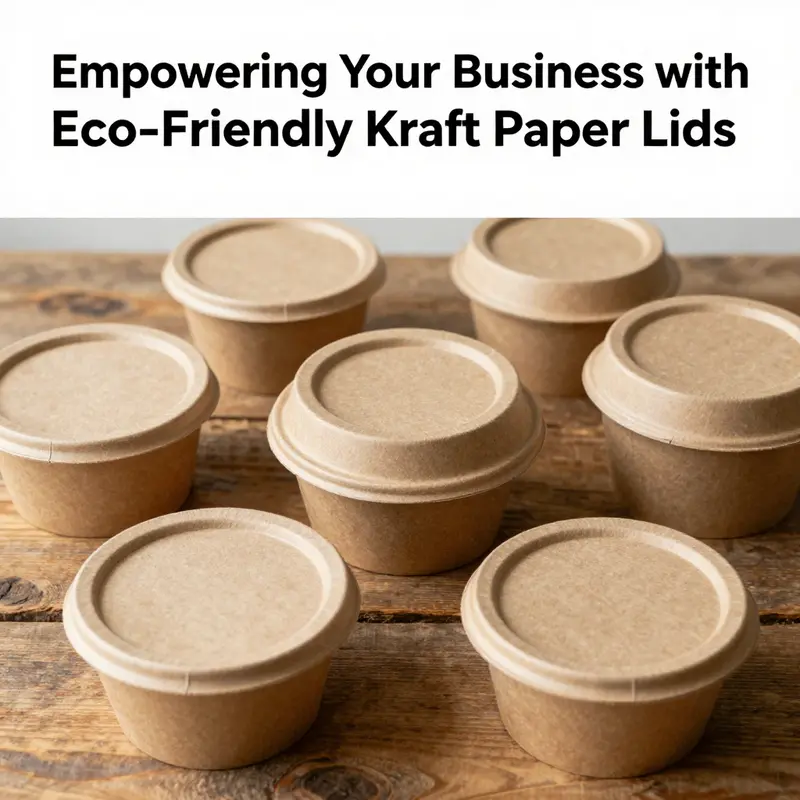
In an era increasingly defined by sustainability and responsible consumerism, kraft paper lids have emerged as a practical and environmentally friendly packaging solution for businesses in food service and retail. Made from unbleached, sustainable kraft paper, these lids offer an eco-conscious alternative to traditional plastic and foam lids, appealing to an ever-growing market of environmentally aware consumers. This article will explore the sustainable features of kraft paper lids, their innovative design aspects, customization and branding opportunities, diverse applications in food service, and the latest trends and innovations in manufacturing. Each chapter provides an in-depth look at how these lids can enhance your brand’s commitment to sustainability while meeting operational needs.
The Eco-Friendly Transformations of Kraft Paper Lids: A Closer Look at Sustainability
Sustainability in packaging has become a cornerstone of modern commerce, with consumers increasingly favoring brands that prioritize environmental responsibility. Amidst this growing awareness, kraft paper lids have emerged as star players in the quest for eco-friendly alternatives to traditional plastic and foam packaging. Made from unbleached, sustainably sourced kraft paper, these lids are not just functional but also embody a commitment to environmental stewardship, combining practicality with sustainability to meet the needs of eco-conscious consumers.
One of the standout attributes of kraft paper lids is their biodegradability. Unlike plastic lids that persist in the environment for decades, kraft paper lids break down naturally when exposed to composting conditions. This decomposition reduces landfill waste, resulting in a significantly smaller long-term environmental impact. When disposed of properly, these lids can return to the earth, nourishing the soil rather than contributing to pollution. Their ability to decompose within two to four months in industrial composting facilities is a powerful argument for businesses looking to diminish their ecological footprint.
The sourcing of kraft paper also contributes to its sustainability credentials. Typically derived from renewable wood pulp gathered from sustainably managed forests, the production of kraft paper is rooted in a philosophy of responsible forestry. This renewable material source ensures that the raw materials are replenished, fostering a more balanced relationship between industry and nature. Unlike petroleum-based plastics, which require the extraction of non-renewable resources, kraft paper is part of a cyclical model that promotes the sustainable use of natural resources, benefiting both the economy and the environment.
When considering the broader concept of recycling, kraft paper stands out for its compatibility with circular economy principles. Standard kraft paper lids are recyclable in most paper recycling streams, allowing them to be processed and repurposed rather than discarded. However, it is important to note that this recyclability can be complicated by the presence of composite layers or coatings, which may render the material mix unsuitable for standard recycling processes. Thus, while kraft paper lids demonstrate high potential for recycling, ensuring clear recycling guidelines for consumers becomes essential for maximizing their lifecycle benefits.
In addition to being environmentally friendly, kraft paper lids are produced with noteworthy efficiency. The manufacturing process requires less energy and water compared to synthetic alternatives, significantly lowering the carbon emissions associated with their production. This reduced resource consumption not only aligns with sustainability goals but also reflects a growing trend among manufacturers who are keen to lessen their environmental impacts. In an age where climate change mitigation is a paramount concern, such production efficiencies can make a sizable difference.
Kraft paper lids do more than just contribute to sustainability; they also play a crucial role in product preservation. Their design often includes features like vented designs that help to regulate moisture and heat, thus extending the shelf life of the food items they cover. By reducing condensation and fostering a controlled environment around the contents, these lids ensure that hot food retains its quality without succumbing to steam build-up. For cold items like ice cream or salads, kraft lids maintain integrity against temperature fluctuations, offering a versatile solution that can cater to both hot and cold foods. Their performance in food preservation not only benefits consumers but also helps businesses minimize waste, aligning profit motives with eco-friendly practices.
The visual appeal of kraft paper lids also deserves recognition. Their natural aesthetic not only appeals to environmentally conscious consumers but can significantly enhance a brand’s image. Crafting a product or service narrative around sustainability resonates strongly with today’s socially-aware shoppers. The rustic, earthy look of kraft paper evokes a connection to nature, making products more visually attractive. This visual identity can be further enhanced through customization, allowing businesses to imprint their logos and branding on the lids. Such branding efforts reinforce consumer engagement, prompting social media sharing and user-generated content that amplifies a brand’s eco-friendly story.
While the inherent qualities of kraft paper lids make them a remarkable alternative to plastic, it is important to consider their lifecycle comprehensively. The sustainability of kraft paper is contingent upon responsible manufacturing practices and effective consumer disposal. Some variants of kraft paper lids with composite layers—including plastic films or adhesives—may undermine their biodegradability and recyclability. Therefore, while the attributes of kraft paper are largely in favor of uncovering a more sustainable future, a critical view of product design and disposal methods remains essential for maintaining ecological integrity.
In summary, the sustainable features of kraft paper lids make them a formidable alternative in the evolving landscape of packaging. Their biodegradability, renewable sourcing, and energy-efficient production processes underline a commitment to environmental balance. As brands increasingly align with eco-conscious values and as consumers demand transparency and responsibility, kraft paper lids will likely continue to gain traction. They represent not just a shift away from traditional packaging materials but a broader movement towards greener consumption and sustainable practices. For businesses, investing in kraft paper lids provides an opportunity to participate in this vital ecological dialogue while reinforcing a positive brand image that resonates with environmentally aware consumers. For more detailed insights into the technical specifications and sustainable performance of kraft paper lids, you can explore additional resources from organizations committed to sustainable packaging practices. For more information, visit the Sustainable Packaging Alliance.
Harnessing Functional Design: Exploring the Versatile World of Kraft Paper Lids

Kraft paper lids epitomize an engaging blend of function and form within sustainable packaging solutions. Evolving from mere protective covers into essential design elements, these lids cater to a diverse range of applications, providing both practical benefits and aesthetic value. As consumer consciousness around eco-friendly practices increasingly influences purchasing decisions, the importance of understanding the functional design aspects of kraft paper lids cannot be understated. Not only do these lids deliver on their promise of functionality, but they also enhance the overall experience through a commitment to sustainability and creativity.
At the core of the kraft paper lid’s design is its structural integrity. Crafted from durable materials such as thick corrugated or solid bleached sulfate (SBS) kraft paperboard, these lids are engineered to withstand the rigors of shipping and handling. Their robustness ensures that food items, whether piping hot soups or chilled desserts, remain safe and unspoiled until they reach the consumer. This attribute is particularly crucial in commercial settings where the preservation of quality is paramount. Incorporating kraft paper lids into packaging strategies for gift items or food service not only protects the contents but also integrates seamlessly with branding and marketing efforts. Their size and form factor are designed to fit snugly with various container types, reducing the risk of spillage or leaks, thus amplifying the practical appeal of these eco-friendly alternatives.
Moreover, the element of product visibility is becoming paramount, especially when these lids are paired with transparent components such as plastic windows. This design feature allows potential customers to experience a glimpse of the contents without compromising the integrity of the package. Visuals play a significant role in consumer behavior, making clear packaging an important aspect of marketing, particularly in sectors like cosmetics and gourmet foods. With clear lids revealing vibrant colors and textures, brands can create a delightful unboxing experience that not only resonates with consumers but also enhances purchase intent. Kraft paper lids, when harmonized with clear windows, deliver an effective combination of functionality and visual appeal, encapsulating the allure of the surface while protecting the treasures within.
Attachment mechanisms also greatly influence the user experience. The design of how lids secure to their containers, whether through tabs, vents, or simple snug fits, can drastically impact a product’s usability. Rigid kraft boxes, for instance, permit a more secure connection that reduces the risk of a lid being misplaced—convenient for products needing repeated access, like pantry items or restaurant takeout. Similarly, maintaining the integrity of the seal in kraft paper lids ensures that freshness is preserved, whether the product is intended for immediate enjoyment or future consumption.
When it comes to branding and marketing, kraft paper lids stand out as versatile canvases. Their surface can be easily customized with various colors, designs, and logos, turning a simple packaging solution into a potent marketing tool. Businesses increasingly leverage customizable kraft paper lids to promote their brand identities, creating a cohesive aesthetic that resonates across diverse customer bases. The tactile nature of kraft paper, combined with printed branding, encourages social media sharing—a testament to modern consumer behavior where visually appealing packaging can have a significant impact on brand recognition. Such strategic branding solidifies the relationship between product and consumer, fostering loyalty and repeated patronage.
Sustainability remains a cornerstone of kraft paper lid design. Sourced from renewable resources, kraft paper is inherently biodegradable and recyclable. This offers a compelling narrative for consumers increasingly prioritizing environmental responsibility in their purchasing behaviors. Companies can align their packaging with eco-friendly practices by opting for kraft paper lids, showcasing their commitment to sustainability. By employing minimal or compostable materials, such as plant-based coatings, brands not only enhance their value proposition but also contribute to reducing plastic waste in the environment. This alignment of product design with ecological ethics reflects a broader societal movement towards greener practices across various industries.
In the food service sector, the versatility of kraft paper lids further extends to fitting both hot and cold food items. Innovative designs include vented options to manage steam buildup, which is essential in hot food packaging, ensuring that consumers enjoy dishes at their best. Additionally, many lids are equipped to withstand freezing temperatures, thus extending their utility for food storage and preparation. This multifunctionality highlights the flexibility of kraft paper lids, setting them apart from traditional plastic or foam counterparts.
As we observe the growing trend toward sustainability in packaging, understanding the functional design aspects of kraft paper lids becomes increasingly relevant. Their blend of structural integrity, product visibility, user-friendly attachment mechanisms, customizable branding opportunities, and commitment to ecological sustainability establishes kraft paper lids as essential elements in contemporary packaging solutions. In a landscape where consumer preferences lean heavily towards environmentally responsible options, these lids not only fulfill practical needs but also echo the values of modern society.
The future of packaging undoubtedly points towards solutions that serve both consumer demands and environmental conservation. Kraft paper lids, with their environmentally friendly materials and innovative designs, embody this future. They stand as more than mere protective layers, playing a crucial role in packaging’s evolution—a journey towards harmonizing functionality with sustainable practices and consumer engagement.
For further details on sustainable packaging options and comprehensive insights into kraft paper materials, you may explore Paper and Packaging for a broader understanding of the industry.
Elevating Your Brand with Custom Kraft Paper Lids: The Sustainable Choice
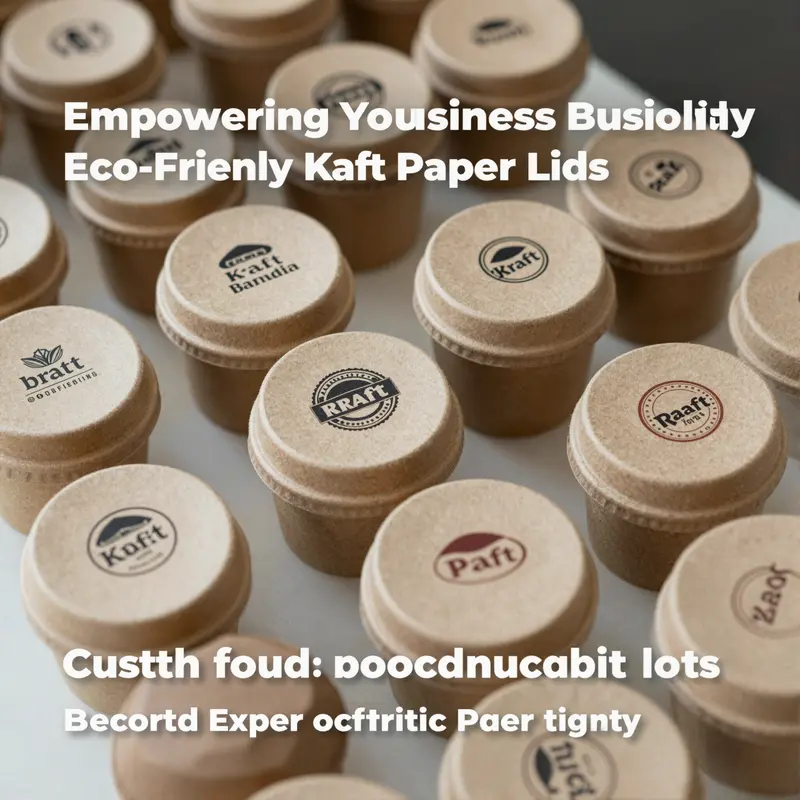
In the contemporary marketplace, where sustainability and visual identity play pivotal roles, kraft paper lids have emerged as a favorite among businesses looking to enhance brand visibility while embracing eco-friendly practices. The versatility and customizable nature of these lids make them an exceptional packaging solution for various applications, especially in the food service and retail sectors. This chapter explores how kraft paper lids can effectively contribute to your branding strategy, highlighting their aesthetic appeal, sustainability, and the numerous customization possibilities that cater to both consumer preferences and brand messaging.
The Power of Customization
Kraft paper lids offer an impressive range of customization features that allow businesses to express their unique identities while aligning with modern consumers’ increasing demand for sustainable packaging solutions. For instance, the option for full-color printing provides brands the opportunity to create vibrant, eye-catching designs that can distinguish their products on crowded shelves or busy café counters. Coupled with techniques such as embossing and foiling, these lids can achieve a tactile quality that adds to their premium supermarket or café feel. Such features elevate mere packaging into a compelling marketing tool, one that resonates deeply with consumers searching for authenticity and appeal in their choices.
Additionally, various coating options—either matte or glossy—can be applied to customize the final appearance of the lids. A matte finish tends to convey a more rustic, understated charm, whereas a glossy finish catches the eye and suggests a modern look. These finishing touches not only support brand aesthetics but also reinforce the overall product perception, leading to a more profound consumer engagement.
Sustainability: A Core Value
Another quintessential aspect to consider is the sustainability angle. Kraft paper lids are manufactured from unbleached, sustainably sourced materials, making them fully recyclable and biodegradable. In an era where consumers are becoming savvier about the environmental impact of their choices, opting for kraft paper lids allows brands to position themselves as responsible and eco-conscious. This isn’t just a shift in aesthetic; it’s a testament to a company’s values and a core component of its brand identity.
The environmental benefits of kraft paper extend beyond their disposability. By choosing to package products in these eco-friendly materials, businesses signal to their customers that they prioritize sustainability—a value that increasingly drives purchasing decisions. Consumers today tend to favor brands that reflect their own commitment to environmental responsibility. As such, incorporating kraft paper lids into product offerings can enhance brand loyalty and attract a dedicated customer base that values eco-innovation.
Amplifying Brand Visibility Through Aesthetic Appeal
Kraft paper lids naturally boast a rustic aesthetic that appeals to those seeking authenticity in their product choices. By utilizing customizable kraft paper lids, brands can instill a sense of craftsmanship and care into their packaging that resonates with today’s discerning consumers. Well-designed lids not only protect food but also serve a dual role as a canvas for branding. The visual appeal of packaging strongly influences consumer behavior; therefore, kraft paper lids serve an essential function in enticing potential buyers.
The tactile experience of kraft paper, combined with striking printed designs and finishes, can lead to stronger social media engagement as consumers share images of aesthetically appealing products online. Visually compelling packaging is more likely to be photographed and featured across social platforms, organically expanding a brand’s reach without additional marketing expenditures. This encourages grassroots marketing strategies where satisfied customers become brand ambassadors simply by sharing their experiences and preferences on social media.
Practical Applications and Business Cases
While the advantages of kraft paper lids in terms of branding and sustainability are clear, their functionality in food service is equally impressive. Various businesses—from bakeries and coffee shops to restaurants and catering services—can utilize these lids effectively. For instance, known for their robust features, kraft paper lids can be tailored to suit different needs:
- Cafés can design lids for their coffee cups, prominently featuring the café logo along with vibrant colors that reflect the ambiance of the establishment. This not only enhances customer experience but also reinforces brand identity at a critical point of sale.
- Food service businesses, with a myriad of menu options, can benefit from custom branded bowl lids that help customers quickly associate a specific design with their favorite meals, creating a lasting impression.
A notable example worth mentioning is the integration of World Centric Paper Lids for Bowls within the product ranges of various restaurants. These lids are fully compostable within months and, when branded with unique designs or messages, reinforce a restaurant’s commitment to sustainable practices while enhancing customer loyalty through superior brand recognition.
Conclusion
From vibrant full-color prints that signal a modern aesthetic to the rustic charm inherent in unbleached kraft, these lids offer brands a myriad of options for customization. The integration of these custom elements not only strengthens marketing efforts but also aligns with consumer preferences for sustainable, aesthetically pleasing packaging. As businesses continue to fold sustainability into their brand narratives, kraft paper lids stand out as an indispensable tool in achieving eco-conscious goals while enhancing brand visibility and consumer engagement.
For businesses looking to explore the depth of customization offered by kraft paper lids, the packaging industry showcases numerous options designed specifically for food service, retail, and beyond. Investing in branded sustainable packaging solutions not only reflects a company’s values but also cultivates a loyal base of environmentally conscious consumers eager to support brands that mirror their principles. For those interested in diverse packaging options, check out more on related products and sustainable packaging solutions.
For further insights on the customizable aspects of kraft paper lids, take a look at this insightful article on kraft paper lid customization.
Kraft Paper Lids: Enhancing Sustainability and Functionality in Food Service
Kraft paper lids have emerged as a cornerstone of sustainable packaging solutions in the food service industry, seamlessly combining eco-friendliness with practicality. As businesses across the sector strive to minimize their environmental impact, these lids offer a multitude of applications that cater to both consumer demands and operational efficiency. Crafted from unbleached, sustainably sourced kraft paper, these lids stand as a biodegradable alternative to their plastic counterparts, inviting businesses and consumers alike to make responsible choices without compromising on functionality.
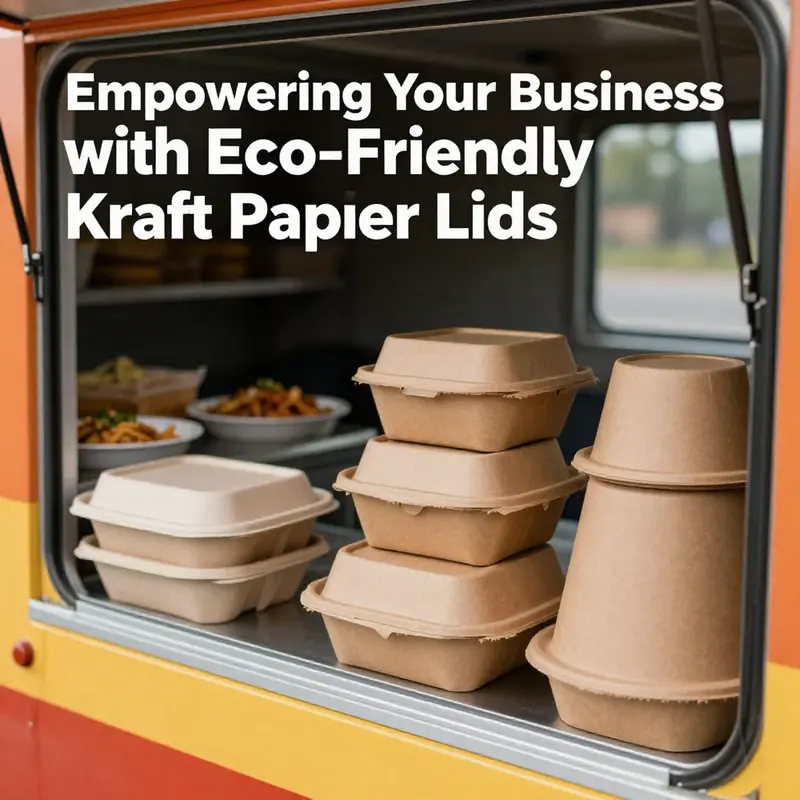
One of the primary applications of kraft paper lids is in the serving of hot and cold food items. They are designed to accommodate a diverse range of menu offerings, from hearty soups and stews to chilled desserts like ice cream and frozen yogurt. Their robust structure ensures that they maintain thermal integrity, preventing spills and leaks during transport. For food trucks, cafes, and restaurants, this capability is crucial as it enhances the customer experience by providing secure, reliable packaging. Imagine a busy lunch hour where a customer orders a takeout bowl of piping hot soup, knowing the lid will keep everything in place on their journey. This aspect significantly contributes to the growing consumer preference for takeout dining and meal prep services.
Moreover, kraft paper lids embody a commitment to eco-friendly packaging solutions. Being part of a 100% biodegradable and compostable packaging system, they resonate well with the ethos of green-certified restaurants and sustainable cafes. They are typically manufactured using sustainably sourced paperboard that often features petroleum-free PLA (polylactic acid) liners, enabling them to meet stringent environmental standards. This alignment with sustainability is particularly attractive to consumers who prioritize environmentally responsible practices when choosing where to eat.
Further enhancing their appeal, many kraft paper lids are microwave and freezer safe. This versatile feature allows consumers to reheat or store food in the same container, greatly simplifying meal preparation and reducing waste. Customers are more likely to opt for food containers that support their busy lifestyles, where convenience and functionality are paramount. Whether it’s warming some leftover soup for lunch at work or freezing homemade portions for later, kraft paper lids deliver the practicality needed in today’s fast-paced world.
Another noteworthy characteristic of kraft paper lids is their innovative ventilation designs. These vented lids are pivotal for maintaining food quality, especially for hot foods like soups and stews, as they allow steam to escape while still creating an effective seal. This design prevents condensation buildup, minimizing the risk of soggy food and preserving the intended texture and flavor of the meal. In restaurants that thrive on customer satisfaction, such details can elevate the overall dining experience and reduce complaints about food quality.
The commercial landscape benefits greatly from the opportunity to customize kraft paper lids. Many suppliers offer printing options that allow businesses to showcase their branding, logos, and marketing messages directly on the lids. This not only enhances visibility and customer recognition but also creates a cohesive brand experience from food packaging to food delivery. For cafes and eateries, these lids serve as an additional marketing canvas, amplifying their identity while aligning with the sustainable focus that sets them apart in a crowded market.
When considering food safety, compliance with regulations is non-negotiable. Kraft paper lids meet safety standards required for direct contact with dry and semi-dry food items, making them suitable for diverse establishments ranging from bakeries to fast-casual dining venues. The confidence that comes with using certified packaging enables entrepreneurs to focus on what they do best—creating delicious food—while knowing they adhere to necessary health regulations.
Kraft paper lids not only address consumer desires but also align with long-term business efficiency. The shift toward sustainable packaging is not merely a trend; it is a deliberate move towards responsible stewardship of the planet. As consumers become increasingly aware of environmental issues—like plastic pollution and climate change—they are more inclined to support businesses that share their values. The adaptability of kraft paper lids positions them as a vital asset in the toolkit of food service operators aiming to reduce waste.
In summary, the application of kraft paper lids extends beyond mere functionality; they serve as a conduit for restaurants and food service establishments to express their commitment to sustainability while delivering high-quality customer experiences. Their applications in hot and cold food service, coupled with their environmentally friendly composition, make them a favored choice across the industry. As businesses continue to embrace eco-conscious practices and consumers seek more sustainable options, kraft paper lids are poised to play an integral role in the future of food packaging.
For additional insights on sourcing kraft paper lids and understanding the technical specifications, you can explore verified supplier listings that provide information on products compliant with standards such as FSC, CE, and RoHS. A wonderful resource for specific details is available at Alibaba.com, which connects buyers with certified manufacturers that promote sustainability in their offerings.
Kraft paper lids represent an evolution in food service packaging, showcasing that sustainability and functionality can coexist harmoniously in today’s conscientious market.
Sustainable Innovation in the Kraft Paper Lid Market: Trends and Future Directions
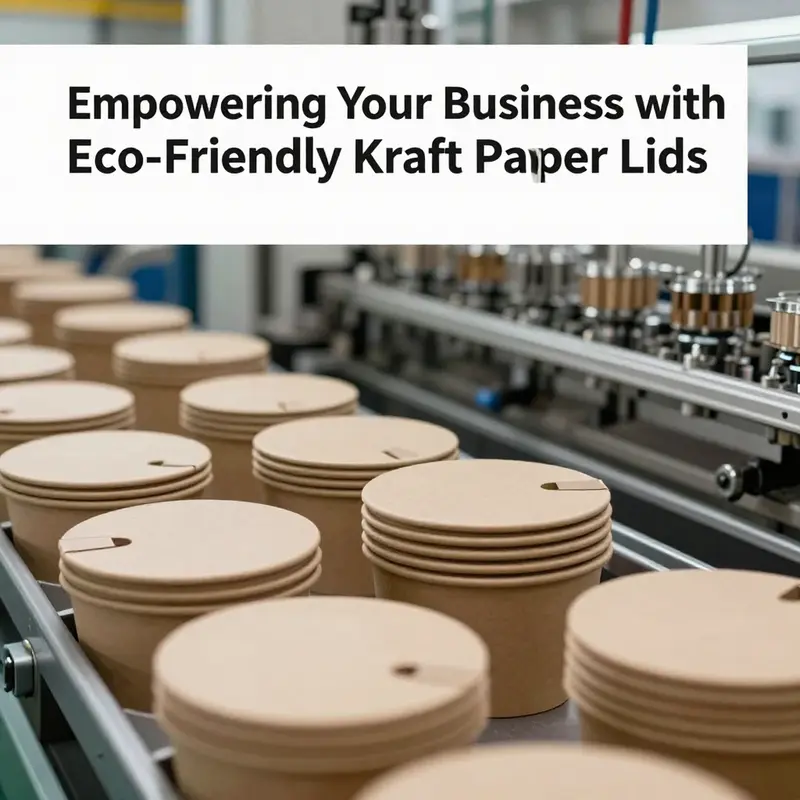
The kraft paper lids market is witnessing an unprecedented surge, a direct reflection of the global shift toward sustainable packaging solutions. This momentum is significantly transforming multiple industries, especially food service, retail, and e-commerce, where brand perception heavily leans on environmental responsibility. With the market for kraft paper expected to reach an estimated value of USD 20.8 billion by 2026, it’s clear that both manufacturers and consumers are embracing eco-friendly choices more than ever before.
At the forefront of this trend are the functional design features incorporated into kraft paper lids. Innovations cater not just to aesthetics but to enhancing the usability and durability of the products. For instance, the introduction of vented designs helps combat condensation buildup in hot food containers, ensuring that customers receive their orders in pristine condition—be it a steaming bowl of soup or a takeout box of warm pasta. Moreover, lids are being designed with detachable or hinged features that allow for easy access, addressing consumer demand for practicality. These designs protect the contents effectively while presenting an elegant appearance that speaks volumes about quality, particularly in high-end markets where presentation is paramount.
In terms of aesthetics, the blending of kraft paper’s rustic charm with modern design elements is carving a new niche within the market. Clear plastic windows placed strategically on kraft boxes and lids provide consumers the opportunity to glimpse the product inside, thus enhancing the overall unboxing experience. By marrying natural materials with see-through elements, manufacturers are appealing to consumers’ desires for transparency and authenticity, encouraging impulsive buying decisions that can lead to increased sales.
Customization is another significant trend shaping the kraft paper lid landscape. Brands today are increasingly seeking ways to distinguish themselves from the competition, and packaging plays a crucial role in this objective. Manufacturers now offer extensive opportunities for bespoke printing, enabling businesses to showcase their logos, promotional messages, and designs that resonate with their target audience. This customization not only helps with brand recognition but also reinforces a brand’s commitment to sustainability. Even eco-conscious consumers are tricked into perceiving these unique, tailored kraft products as premium offerings—effectively marrying the concepts of luxury and sustainability.
Additionally, sustainability has pushed manufacturers to explore new material compositions and production methods that meet contemporary performance standards without sacrificing environmental values. The integration of bio-liners made from plant-based materials, for example, not only enhances moisture barrier properties but also ensures that kraft lids remain compostable within a short timeframe. Such innovations are vital in addressing past criticisms, wherein lid separation during storage or transport would lead to immense operational losses in commercial settings. By improving durability and fit, manufacturers are enhancing customer satisfaction while mitigating waste—a dual benefit that aligns perfectly with current market demands.
As projections reveal, the kraft paper for protective packaging market is anticipated to reach USD 1.46 billion by 2025, illustrating a burgeoning reliance on kraft-based materials for various functions, including bulk shipping and internal storage. This growth trajectory is fueled primarily by stricter sustainability regulations and a pronounced shift in consumer preferences towards eco-friendly packaging alternatives. Companies that invest in scalable, efficient processes will not only be able to maintain performance quartiles but also cater to an increasingly environmentally conscious consumer base.
Various players in the industry are also exploring hybrid solutions that incorporate elements of both kraft paper and plastics to leverage the advantages of both materials. Although traditional plastics remain a concern due to their environmental impact, innovative approaches can help balance performance with sustainability initiatives. By utilizing kraft paper’s biodegradable properties while integrating elements that enhance functionality, businesses can craft products that are both responsible and effective.
Furthermore, public awareness campaigns and educational initiatives surrounding sustainability are propelling the movement toward kraft products. With consumers more informed about waste management and environmental implications of packaging choices, the preference for biodegradable options is solidified. The synergy created between consumer education and innovative packaging solutions is fostering a new era of shopping habits that prioritize ecological integrity.
In terms of distribution, the trend towards direct-to-consumer sales channels further supports kraft paper lid adoption. E-commerce platforms are becoming increasingly significant, as they allow brands to convey their sustainability messages directly to consumers. This connection emphasizes transparency, allowing consumers to engage with brands that share their values. The increasing number of brands that prominently feature their use of kraft after plastic bans is helping to revolutionize market perceptions— packaging no longer serves just a functional purpose but also communicates a brand’s identity and purpose.
As the future unfolds, the kraft paper services market is expected to continue evolving. With projections underway for further advancements in technology and design approaches in kraft manufacturing, the scope for innovation remains vast. Sustainable practices will likely expand beyond simple materials, crossing into supply chain efficiencies and life cycle assessments that encompass a product’s entire journey from production to post-consumer waste management.
In conclusion, the kraft paper lid market is set on a dynamic path characterized by sustainability-driven innovations, functional developments, and enhanced marketing opportunities. Manufacturers who strategically harness these trends will not only help reduce environmental footprints but also drive profitability through heightened consumer engagement. As society collectively shifts towards a greener future, the kraft paper lid is poised to maintain its relevance and appeal as an eco-friendly packaging solution that meets both current demands and future aspirations. For further insights into the technical details and applications of kraft paper products, the comprehensive resource available at Understanding Kraft Paper Bowl Lid Wholesale: Technical Details, Material Grades, and Industrial Uses can be consulted.
Final thoughts
Incorporating kraft paper lids into your packaging strategy not only elevates your brand’s sustainability profile but also meets the practical demands of modern food service. Their eco-friendly attributes, combined with innovative design and customization options, make them a compelling choice for businesses committed to environmental responsibility and quality service. As consumer preferences shift further towards sustainable practices, embracing kraft paper lids signals a forward-thinking approach that aligns with both operational efficacy and consumer values. As industry trends evolve, staying informed and adaptable will position your business advantageously in a competitive marketplace.