
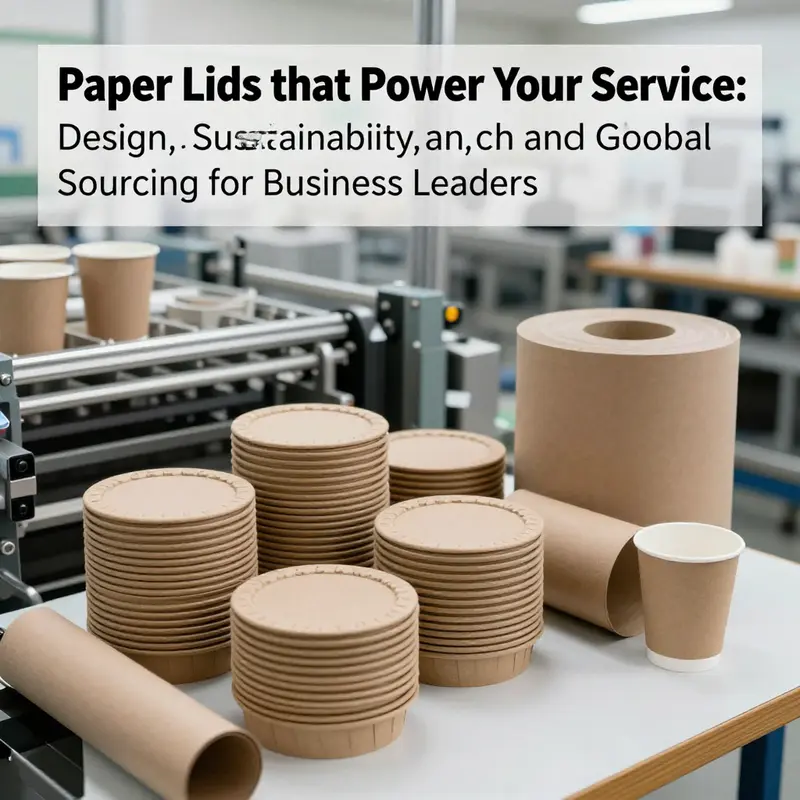
A paper lid may be a small piece of your packaging, but its role is outsized in how customers experience your brand, how you protect contents, and how you meet cost and regulatory demands. Paper lids determine spill prevention, temperature retention, and sanitation from the moment a drink or meal leaves the kitchen to the moment it is enjoyed by the consumer. For business owners, the lid is a lever for reliability, cost control, and sustainability that interacts with cup design, coating technologies, and end-of-life streams. This article couples technical insights with practical business considerations, showing how material choices, sealing capabilities, lifecycle impacts, market forces, and regulatory trends converge in a single, everyday component. Across five chapters, you will find a structured view of how lid technology affects performance, how design decisions balance safety and usability, how sustainability drives material and recycling strategies, how market dynamics shape pricing and supply reliability, and how policy and societal expectations influence long‑term planning. By weaving these perspectives together, you will gain a holistic view of how to select lid solutions that align with safety, customer experience, and responsible growth.
Beyond the Seal: A Cohesive View of Paper Lid Technologies, Materials, and Sustainable Pathways
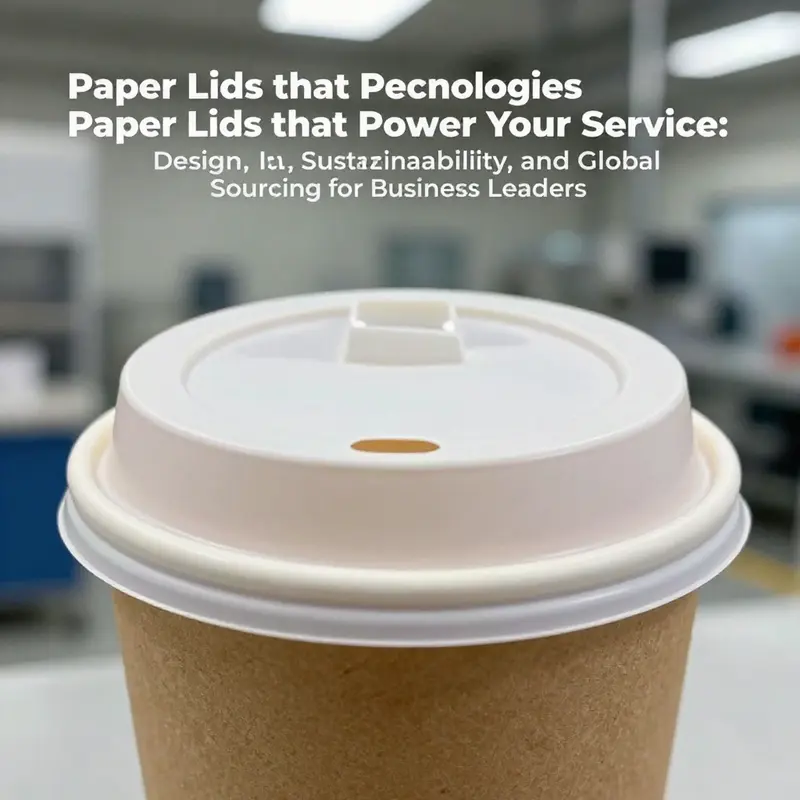
Paper lids occupy a deceptively central role in the modern packaging ecosystem. They are not merely a plastic substitute but a carefully engineered interface between a container and the consumer. The lid must seal, protect, and preserve, yet also disengage gracefully when opened. It must resist the heat of hot beverages, stand up to the rigors of transport, and align with ambitious sustainability standards. In this chapter, we move through the material choices, design logic, and performance imperatives that shape paper lids, weaving together the science of materials with the pragmatics of manufacturing and end-of-life realities. The story begins with what the lid is made from and why those choices matter, then traces how those choices influence every downstream facet—from seal integrity to branding, from production throughput to recyclability, and from regulatory compliance to consumer experience. In doing so, the discussion remains anchored to the broader topic of paper lids, while highlighting how smart design can reconcile seemingly conflicting goals: barrier performance and recyclability, heat resistance and compostability, cost control and sustainability reporting.
The foundation of any lid is its base material. Paperboard grades such as folding boxboard and lighter solid bleached grades supply the rigidity needed for a stable seal area and for predictable folding patterns. The thickness and density of the base determine how sharply the rim holds its form under heat and handling, how well the seal perimeter can accommodate variances in cup tolerances, and how the lid accepts printing and branding. But the base alone is rarely sufficient to meet the full spectrum of performance expectations. To achieve moisture resistance, heat-seal capability, and barrier characteristics, coatings and laminates are employed. A thin polyethylene coating is a classic choice for moisture barriers and seal initiation, offering a straightforward path to heat sealing with many cup rims. Where higher performance is required, multilayer laminates with layers of polypropylene, PET, or nylon provide more robust barrier properties but can complicate recyclability. The adoption of biobased or compostable coatings—such as PLA, PBAT, or PHA—illustrates a decisive shift toward sustainability, yet each option carries its own trade-offs in barrier strength, heat resistance, and life-cycle impact. The challenge is to balance these factors so that a lid can perform reliably in contact with hot liquids while remaining compatible with recycling streams and, where possible, composting protocols.
Behind these material selections lies an intricate system of barriers and interfaces. The paper lid must resist water ingress and oil migration while maintaining the integrity of the heat seal. Hydrophobic wax or starch-based surface coatings can deliver quick drive to a hydrophobic surface, aiding release and sealing behavior, but their compatibility with recycling streams depends on how they interact with other materials in the lid and the container. Gas and aroma barriers—where needed for shelf stability of certain beverages—are often achieved with vapor barrier polymers like EVOH in multilayer stacks. These layers protect volatile compounds and preserve flavor, yet they also complicate the downstream separation of materials. In response, designers sometimes pursue mono-material architectures that simplify recycling, even if that means accepting a somewhat narrower barrier profile. The adhesive system also plays a quiet but decisive role. Food-contact compliant adhesives must secure the lid during use while avoiding unwanted migration or delamination. As coatings and laminates evolve, so too do the adhesive chemistries that pair with them, requiring careful compatibility testing and supplier collaboration.
Additives and surface-modifying technologies broaden the toolbox for lid designers. Microfibrillated cellulose, nanocellulose, and other stiffening agents can boost rigidity without adding weight, helping the lid resist deformation during stacking and shipment. Surface-active agents and tailored surface chemistries improve printability and ink adhesion, ensuring that branding remains legible on the run through production lines and in consumer hands. Surface energy and wettability become practical levers for achieving reliable seal formation and clean peel behavior under various beverage temperatures. In tandem with these enhancements, the tactile experience—the feel of the lid along the rim, the resistance to opening when hot, and the ease of tearing a tamper-evident feature—contributes to perceived quality and trust. The quest for the right balance is ongoing and highly context dependent, because different beverage categories, cup materials, and environmental conditions push the lid toward different sweet spots.
From a design perspective, paper lids come in integrated and modular forms. An integrated lid can be folded or creased to become a spill-resistant surface, while a separate lid type relies on a separate ring or cap that snaps, lifts, or peels away. Tamper-evident features—breakable bands, visible seals, or distinctive perforations—provide consumer assurance and improve pack integrity in transit. The geometry around the rim, the overhang, and relief features mirrors turndown tolerances of cups and cups’ rims, ensuring a snug fit without interference with drinking ergonomics. The aesthetics—the printed artwork, color fidelity, and gloss—interact with consumer perception and marketing outcomes. High-quality printing demands careful attention to ink adhesion, surface energy, and the chemistry of coatings that support both vibrant graphics and safe contact with food and beverages. In practice, this means a lid must be designed as a single functional package that harmonizes material science, mechanical engineering, and brand storytelling.
Manufacturing those lids is a choreography of processes that begins with sheet formation and lamination and ends with forming, cutting, and assembly. The base sheets are prepared, laminated, and coated in sequences tailored to the required end-use properties. The forming stage shapes the lid geometry, while die-cutting and scoring create the recognizable lid pattern with creases that enable the required folding or opening action. Heat sealing to cup rims is a critical junction in the production line, demanding precise temperature control and compatible coatings. When multi-material laminates are used, the lamination sequence must prevent delamination during thermal exposure, perimeters must retain adhesion after surface treatment, and the final product must meet dimensional tolerances across large production runs. Quality control spans dimensional stability, seal integrity, optical readability of printed graphics, and defect assessment. Inline checks catch misfolds, coating anomalies, or seal weaknesses before the lid advances to packaging and distribution.
But performance cannot be judged by seal strength alone. Barrier properties—how a lid resists water vapor, oil migration, and aroma loss—are just as critical for maintaining product quality during shelf life and transport. WVTR values matter for hot beverages, where rapid moisture gain can undermine both seal performance and consumer experience. Cobb tests shed light on surface absorption and wettability, while oil resistance tests reveal how greases interact with the lid’s surface under typical consumer conditions. Thermal properties govern how a lid behaves when exposed to hot cup contents. A lid that softens or migrates materials under typical serving temperatures risks seal integrity and safety concerns. Surface chemistry, including ink adhesion and gloss stability, affects not only branding but also the long-term appearance as a lid endures humidity, light exposure, and repeated handling.
Sustainability and end-of-life considerations frame the broader value proposition of paper lids. Recyclability remains a pivotal concern because coatings and laminates can complicate fiber reclamation. Mono-material designs, water-based coatings, and simplified laminates have emerged as strategies to keep lids within paper streams. Competing demands—barrier performance, heat resistance, and compostability—illuminate the trade-offs that packaging teams confront. Life cycle assessment (LCA) insights emphasize not just the material choice but the entire ecosystem: resin suppliers, coating suppliers, converting plants, and end-of-life facilities. For brands and manufacturers pursuing the circular economy, the lid becomes a design problem with real-world consequences across collection, sorting, and recycling efficiency. Regulatory considerations add further layers of complexity, with migration limits for coatings and adhesives, batch traceability requirements, and region-specific compliance paths that influence material selection and labeling strategies.
In practice, solving these intertwined challenges requires a disciplined design framework and collaborative supplier relationships. Designers must weigh the benefits of barrier performance against the realities of recycling streams, choosing architectures that can be widely accepted by local waste management infrastructure. Innovations such as smart or responsive lids—capable of indicating heat exposure or preserving aroma with novel barrier layers—offer tantalizing possibilities, but they must be aligned with standard testing methods and regulatory expectations. The path forward is not about chasing a single ideal solution but about crafting adaptable, evidence-based designs that can be tuned to different cups, beverages, and markets while maintaining clarity for consumers about what happens to the lid after use. The chapter’s synthesis suggests a guiding principle: optimal paper lid design emerges from the alignment of material properties, manufacturing feasibility, consumer experience, and end-of-life realities, all underpinned by transparent standards and cross-sector collaboration.
For readers seeking a concrete connection to industry practice, a closer look at packaging printing and related branding considerations can be productive. A focused exploration of how graphics, color fidelity, and surface textures influence consumer perception on paper lids can be found at the Packaging Printing category, where manufacturers and converters discuss best practices for surface preparation, ink compatibility, and print durability in contact with food-grade coatings. This linkage underscores how material science and aesthetic design converge to deliver lids that perform reliably and look appealing in stores and homes. In summary, paper lid technology sits at the intersection of chemistry, mechanics, and consumer psychology, with sustainability as the compass guiding ongoing innovation. The optimal lid integrates a calibrated set of materials, a resilient yet efficient manufacturing process, and a thoughtful approach to lifecycle management that respects both the product and the planet.
External reference for industry context and practical specifications: https://www.paperlid.com
Anchor link to related packaging insights: You can explore more about packaging printing techniques here: https://cupbowlpack.com/product-category/packaging-printing/
Beyond the Seal: Designing Paper Lids for Sealing, Temperature, and Safety in Modern Packaging
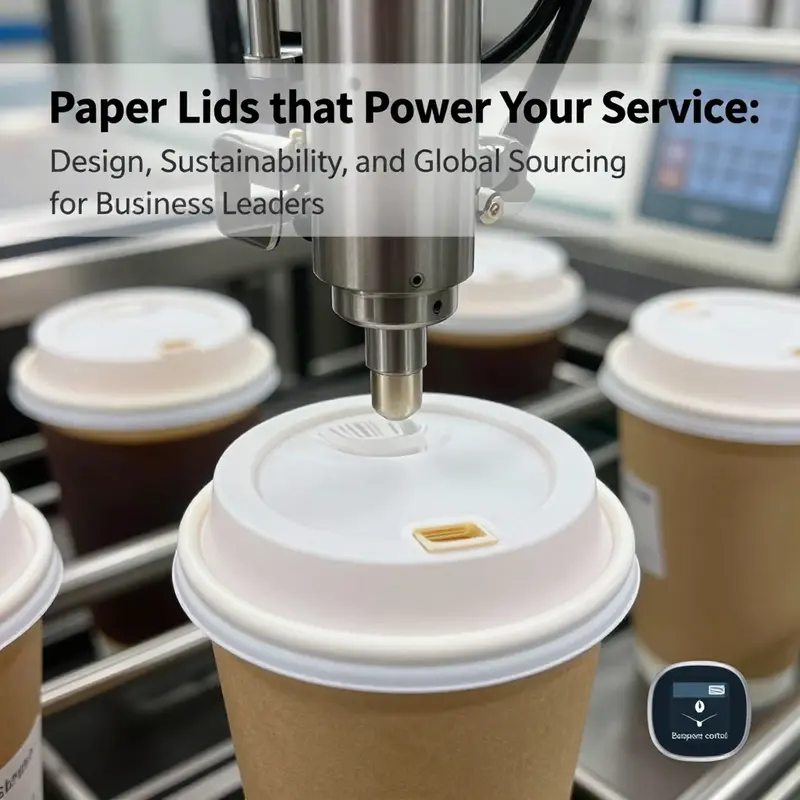
A paper lid is more than a thin surface that closes a cup, box, or vessel. It is the final stage of a carefully orchestrated system that protects, preserves, and communicates. When a consumer lifts a lid, they do not simply access contents; they encounter a compact blend of engineering, material science, and everyday practicality. The lid’s promise rests on a delicate balance between sealing performance, temperature management, and safety. The best designs treat the lid as a holistic component, one that must perform under varied conditions—from the moment heat seals the bond to the instant a hand reaches for a steaming cup in a crowded café or delivery pickup. In this way, the lid becomes a statement about product quality and the care taken to safeguard both the material inside and the person who handles it.
At the heart of lid design lies a core trio of objectives: airtight sealing, sensible temperature control, and unwavering safety. Each objective informs the others in a dynamic dance. Sealing must be robust enough to resist leaks during transport and to maintain freshness. Temperature control requires materials and layers that slow heat transfer without making the lid a cumbersome barrier to use. Safety considerations pervade every decision, from choosing food-grade substrates to ensuring openings are easy to handle and free from sharp edges. In essence, the lid must deliver a dependable barrier while remaining intuitive to operate, even for first-time users or in high-stress service environments.
Turning first to sealing, heat-sealed paper lids have become a central solution for hot or semi-solid products. A common approach involves a biopolymer layer, such as polylactic acid, that bonds to the container under heat and pressure, forming an airtight barrier. This bond is more than a temporary seal; it becomes part of the container’s integrity during transit. The choice of substrate and coating is critical. Paper provides renewability and a certain rigidity, but it must cooperate with coatings that resist moisture and oxygen ingress. The industry increasingly favors coatings that support compostability or recyclability, aligning with broader sustainability goals without sacrificing barrier performance. In practical terms, this means a lid that can stand up to the damp heat of a hot beverage while still offering a clear barrier to both aroma and microbial intrusion. The aim is to minimize migration of unwanted substances and to ensure that any coatings remain non-toxic at typical serving temperatures.
This emphasis on barrier properties also highlights a broader design philosophy. The lid is not a standalone film; it is an integrated system that interacts with the cup, the cap, and the environment. The inner surfaces may be designed to form a tight seal with the cup lip, while the outer surface must resist scuffing and keep branding legible under various lighting and handling conditions. The seal’s integrity contributes to consumer trust, signaling tamper evidence and product safety. In many designs, peelable or resealable configurations offer versatility for products that require portioning or extended consumption. Yet for hot products, a heat-sealed lid or a peel-and-reseal variant must still guarantee that the primary seal remains intact until the consumer breaks it, all while presenting an easy opening experience.
From a temperature-control perspective, lids must slow heat transfer while maintaining structural integrity. Hot-fill and ready-to-serve products demand insulation strategies that keep the hands safe and the product stable. Multi-layer configurations often incorporate insulating layers and barrier materials, potentially including heat-resistant coatings or thin metallic foils that help manage heat flow. The challenge is to keep the lid light and easy to handle while preventing deformation, which could compromise the seal or create a burn hazard. Venting presents another layer of complexity. In some cases, controlled venting is introduced to relieve pressure that builds up as liquids expand or gases escape during heating. The venting must be balanced so it does not undercut the seal’s impermeability, which requires careful engineering of the vent mechanism and material choice. The outcome is a lid that supports quality—hot products stay hot, while the external surface remains manageable for the consumer to touch without risk of burns.
Safety is the overarching responsibility that threads through both sealing and temperature control. Physical safety involves easy-opening features, ergonomic lid geometry, and avoidance of sharp or irregular edges that could cause injury during opening or disposal. Designers consider the hand’s path, the angle of removal, and the force a user must apply. The material itself must be food-safe, with regulatory compliance that minimizes chemical migration. The lid’s chemical safety is not limited to how it interacts with the food but also how it behaves when heated or chilled. Heat-sealed lids, for instance, must remain stable and non-toxic under heat exposure, ensuring that no harmful compounds migrate into the contents or onto the user’s hands. Tamper-evidence is another critical element. Visible indicators of prior opening protect consumers from tampered products while still allowing for a smooth user experience. The best tamper-evident features are intuitive and not obscure, so customers can quickly confirm the product’s integrity without frustration at the point of service.
In practical terms, the real-world application of these principles can be seen in sectors such as ready-to-eat meals and instant-food categories. Heat-seal paper lids are widely discussed in these contexts because they offer a combination of performance and sustainability. A PLA or analogous biopolymer layer can bond with the cup under heat and pressure to create an airtight interface that preserves texture and aroma while facilitating a compost-friendly disposal path in appropriate facilities. This approach aligns with a growing demand for renewable resources and environmentally friendly coatings, which are increasingly designed to be compatible with industrial composting streams. The industry’s emphasis on sustainability does not merely reflect consumer preference; it is shaping standards for material selection, coating chemistry, and end-of-life considerations. Open references in this field point to the importance of not only how a lid seals and insulates but also how it fits within a circular economy framework that includes recyclability, compostability, and reduced carbon footprint.
The design implications of this integrated view are substantial. When selecting a sealing method, product type and storage conditions must guide the choice between peelable, resealable, or heat-sealed configurations. The lid’s multi-layer structure must address both barrier properties and temperature needs without becoming a burden to the user. Coatings and substrates should harmonize with regulatory safety standards while promoting sustainability goals. A user-centric approach to safety means easy-open features, ergonomic handling, and minimal risk of sharp exposure during opening or disposal. Tamper evidence should be embedded in a way that consumers intuitively recognize, preserving trust without complicating the opening process. Venting, where used, requires precise calibration to maintain seal integrity while preventing pressure-related issues that could compromise the product’s quality.
For practitioners, these considerations translate into practical design guidelines. It is essential to tailor the sealing method to specific product types, storage conditions, and consumer workflows. Engineers should consider multi-layer configurations that optimize moisture and oxygen barriers, heat resistance, and insulation in a coordinated fashion. The coatings and substrates selected must support sustainability intents—whether through biodegradability, recyclability, or compatibility with composting streams—while remaining compliant with food-contact safety standards. User safety should shape every dimension of the lid’s geometry, from the ease of removal to the absence of rough edges and the clear visibility of tamper-indicating features. Venting must be deployed judiciously, balancing the need to vent with the imperative to preserve the primary seal during transit.
In terms of knowledge sharing and ongoing learning, the chapter’s approach highlights the value of open-access standards and cross-industry case studies. The broader literature maps material behavior under thermal stress, migration principles for coatings, and performance criteria for heat-seal interfaces. For readers who want to explore, a concise overview of lid categories and related design considerations can be found through industry resources that catalog the different configurations and their typical use scenarios. In addition, the discussion of heat-seal lids for instant meals demonstrates how environmental goals intersect with engineering feasibility, offering a blueprint for innovation that respects both performance and sustainability.
To maintain a connected narrative across chapters, imagine a future chapter that translates these principles into a concrete design brief for a hot-fill lid. The brief would detail a multi-layer construction that achieves an airtight seal with a PLA-based bonding layer, a lightweight outer shell designed for ergonomic handling, and an inner surface engineered for clean release from the cup lip. It would specify a venting strategy that activates only under abnormal pressure, a tamper-evidence feature that is obvious yet non-intrusive to use, and a coating system that supports recyclability or compostability without compromising barrier properties. It would also outline testing protocols for seal strength, burst pressure, heat resistance, and migration limits, ensuring the design meets international safety standards while remaining adaptable to varying regulatory environments. In the meantime, practitioners can consult practical resources and product-category guides, such as the Lids page linked here, to ground their work in current industry practice and to connect with suppliers and manufacturers who share a commitment to safety, performance, and sustainability.
For readers seeking a concise entry point into lid categories and their implications for product design, the following resource offers a helpful overview aligned with the discussion here: Lids. This link provides a gateway to a catalog of lid types, enabling designers and procurement teams to compare configurations and material choices in a practical, industry-relevant way while keeping sustainability and safety front and center. As the packaging landscape evolves, the lid remains a quiet, critical ambassador of quality—an everyday device that quietly ensures product integrity, user safety, and environmental responsibility. The lid’s story is one of balancing competing demands with a disciplined, evidence-driven approach that respects both the consumer and the planet.
External resource for further reference: https://www.paperlid.com
Chapter 3: Sealing Sustainability—Biobased Paper Lids, Heat, and Circular Futures in Instant Noodle Packaging
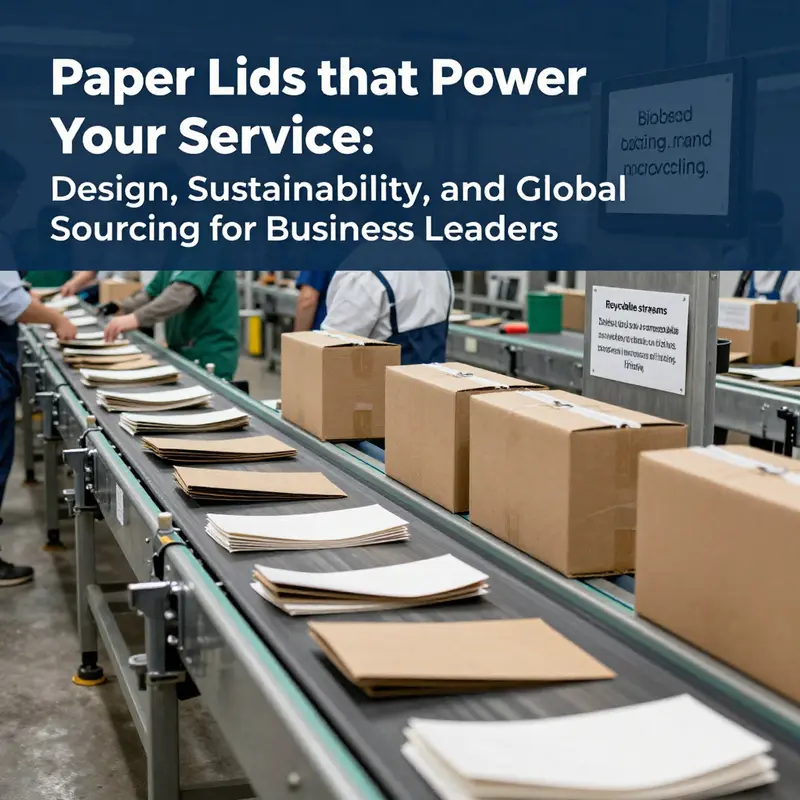
This chapter traces how paper lids with biobased coatings enable safe, convenient meals while advancing circular economy goals. It explains the role of biopolymers such as PLA, heat-sealing performance, and end-of-life options, including composting and recycling, within the constraints of real waste streams. The discussion also considers labeling, consumer guidance, and the integration of lid design with cups, coatings, and packaging systems to minimize environmental impact.
Capillaries of Coverage: Navigating the Global Paper Lid Market and Its Supply Chains
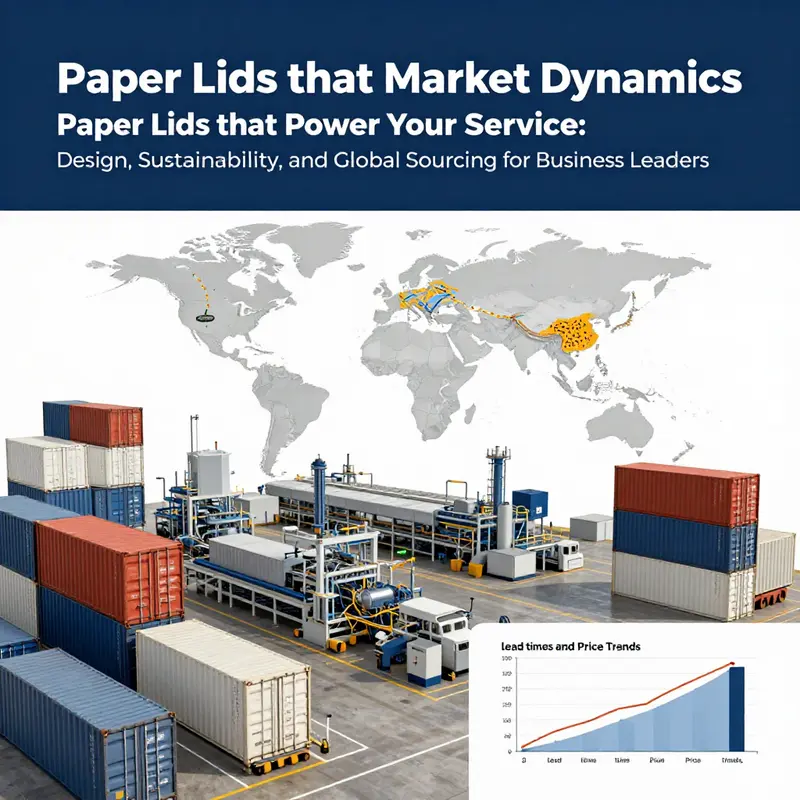
Paper lids are more than a simple cap. They are a crucial node in a sprawling packaging ecosystem that channels demand from coffee rituals to takeout meals, and from refrigerated ingredients to on-the-go snacking. A well-crafted lid does more than seal; it preserves hygiene, curbs spills, and, in many cases, contributes to thermal retention and product freshness. In a world where packaging decisions ripple through sustainability goals and cost structures, the paper lid emerges as a quiet, efficient arbiter of value. The surface of a cup or a container may be small, but the implications of how it is closed extend far beyond the moment of use. The mechanism by which a lid fits, the materials that form its coating, and the heat resistance it offers become a dialogue between consumer expectations and industrial capability. As research into this niche reveals, the lid is not a trivial add-on but a strategic component in the modern packaging stack, tied to material science, manufacturing efficiency, and the evolving demands of a global market that prizes both performance and responsibility.
The demand dynamics for paper lids flow from several converging streams. The growth of limited-contact dining, the expansion of takeout and delivery services, and the surge in premium beverages all elevate the need for reliable, spill-resistant closures. At the same time, consumer awareness about waste and recyclability pushes manufacturers toward design choices that favor minimal environmental impact. This tension between performance and sustainability has catalyzed a shift in lid design toward semi-bio-based materials, coatings that facilitate recycling, and coatings that improve heat retention without compromising recyclability. In practice, this means choosing substrates such as kraft paper or other paper-based composites paired with carefully engineered coatings that balance barrier properties with end-of-life considerations. The result is a lid that not only fits securely but also aligns with evolving regulatory and corporate sustainability targets.
The economics of paper lid production rest on a delicate balance of material inputs, equipment capability, and process efficiency. The supply chain for lids sits at the intersection of pulp and paper mills, coating facilities, forming and sealing machinery, and downstream converters who assemble lids into packaging lines. Material selection matters: the outer paperboard or film face must sustain heat exposure and resist deformation, while coatings must meet both barrier performance and recyclability criteria. In this context, the regional clustering of manufacturing activities can produce meaningful advantages. Major production ecosystems in Asia, particularly in parts of China, benefit from established clusters that integrate raw material processing, coating application, and lid-forming machinery within close proximity. This clustering yields tangible gains: unit costs can decline by roughly eight to twelve percent, and production lead times can shorten by as much as twenty percent when logistics and supplier ecosystems are tightly coupled. These efficiencies are not automatic; they arise from years of supplier specialization, standardized tooling, and the ability to coordinate multiple steps within a single regional corridor.
What makes the regional dynamics especially interesting is how clusters translate into resilience and risk management. Concentration in a single geographic area, even one with deep capabilities and abundant supplier networks, introduces systemic vulnerability. Geopolitical tensions, trade policy shifts, or localized disruptions can propagate through the value chain, amplifying volatility in input costs and delivery timelines. For paper lids, supply chain risk is not merely about raw material availability; it is about the entire sequence—from kraft paper mills and coating facilities to molders, printers, and automation lines that enable fast setup and retooling. The interconnected nature of these networks means that a disruption in one hub can echo across regions, affecting final packaging solutions and even consumer pricing through contingency costs. The strategic implication for managers is clear: resilience requires more than higher inventory or safety stock. It calls for deliberate diversification, visibility, and the ability to reconfigure capacity in response to evolving shocks.
From a geopolitical perspective, the dynamics of the paper lid market are inseparable from the broader currents in global value chains. The sector sits at a crossroad where regional specialization meets global demand. When one region experiences pressure, the effect reverberates through the supply chain, influencing the availability of components, coatings, and even the machinery required to produce lids at scale. This reality underscores the importance of implementing robust supplier performance data and pricing intelligence. Companies that can track supplier reliability, lead times, and cost trajectories across multiple regions are better positioned to anticipate shifts and adjust procurement strategies before disruptions take root. In practice, this means adopting a data-driven approach to supplier selection, performance scoring, and scenario planning that can weigh the trade-offs between cost, lead time, and risk exposure.
To manage these complexities, many practitioners turn to forward-looking tools and methods that illuminate the shadowed corners of supply networks. Market-based auction models, for instance, can reveal how price signals propagate through interconnected inputs and how the structure of demand affects bidding behavior. Simulation-based approaches offer a sandbox to stress-test scenarios—ranging from supplier failures to sudden shifts in demand—and to optimize inventory programs and capacity allocation during periods of volatility. These analytical techniques do not replace human judgment; they amplify it by surfacing trade-offs that might otherwise go unrecognized in day-to-day decision making. In the current inflationary context, where GVC dynamics are increasingly shaped by multi-regional supply patterns and rapid demand changes, such tools become essential for maintaining competitiveness while preserving cash flow and service levels.
The practical implications of these insights sit squarely in the hands of managers who must translate macro trends into operational realities. First, agility becomes a core capability. Flexible production planning, the ability to reallocate capacity quickly, and the readiness to switch suppliers or regions without derailing schedules are not luxuries but prerequisites for staying in step with a fast-moving market. Second, transparency across the supply chain emerges as a strategic asset. End-to-end visibility—down to the supplier and batch level—allows firms to monitor evolving costs, lead times, and quality issues, enabling proactive responses rather than reactive firefighting. Third, data and simulations must inform procurement and manufacturing decisions. Companies should invest in demand forecasting, supplier risk scoring, and scenario planning that integrates market intelligence with operational planning. Fourth, regional diversification, while potentially reducing the efficiency gains from clustering, can cushion the impact of region-specific disruptions. The challenge is to balance the benefits of clustering with the resilience that diversification affords, creating a supply network that can adapt without sacrificing too much on cost or lead time.
In the context of the broader article, these dynamics illuminate how a seemingly modest closure component carries outsized influence over the sustainability, cost structure, and reliability of packaging systems. The lid’s role extends beyond closure to influence product stability during transport, consumer experience at the point of use, and the overall lifecycle impact of the packaging ecosystem. As manufacturers experiment with bio-based substrates and recyclable coatings, the paper lid becomes a living indicator of how packaging science evolves in step with environmental expectations and regulatory frameworks. The push toward biodegradable or easily separable coatings aligns with circular economy principles, but it also demands new process capabilities and quality controls. The consequence is a continuous loop of innovation: substrate development, coating chemistry, application technologies, and end-of-life handling must co-evolve to ensure that lids meet performance targets without compromising recyclability or adding burdens to downstream recycling streams. This is where the industry’s most successful players demonstrate leadership: by weaving together R&D insight, supplier collaboration, and scalable manufacturing to deliver lids that perform reliably while helping brands meet their sustainability commitments.
For practitioners seeking concrete steps, the answer lies in building a holistic view of the lid supply chain that spans materials science, equipment capability, and market intelligence. Begin with a map of the major inputs and the firms that provide them, from base paper grades to barrier coatings and the automation components used in lid forming and sealing. Invest in supplier risk assessment that evaluates not only price and capacity but also the reliability of delivery, quality consistency, and the supplier’s own exposure to regional shocks. Use scenario planning to stress-test the impact of a disruption in any node—whether a regional port closure, a sudden tariff change, or a spike in raw material costs—and then craft a response playbook that includes alternate suppliers, nearshoring options, and dynamic inventory policies. Leverage simulations that model the flow of information and goods through the network, enabling proactive adjustments to procurement and manufacturing scheduling. And keep a watchful eye on the environmental dimension, evaluating materials and coatings not only for heat performance and barrier efficiency but also for recyclability, compostability, and compatibility with recycling streams at scale. In this way, a paper lid becomes a lever for operational excellence and sustainability, rather than a mere afterthought in the packaging equation.
Within the broader discussion of the industry, a practical, ongoing reference point is the disposable lids category, which captures the end-to-end flow from material sourcing to final use. For readers exploring related packaging categories or seeking a direct pathway to supplier landscapes, a convenient entry point can be found in the disposable lids section of the packaging market catalog. This resource offers a window into the kinds of tooling, automation, and material choices that define contemporary lid production, illustrating how firms translate technical capability into scalable, repeatable closure solutions. By examining what is optimized in the lid segment, readers can extrapolate the trade-offs and design decisions that shape the entire packaging chain. The lid is not isolated; it is a lens through which to view the interdependencies of material science, manufacturing efficiency, and global trade.
As this chapter ties the threads together, it becomes evident that paper lids sit at a nexus where efficiency, resilience, and environmental responsibility converge. The market dynamics are not only influenced by the costs of paper and coatings but also by the orchestration of regional ecosystems, the stability of input markets, and the capacity to pivot in the face of disruption. The expert practitioner recognizes that success hinges on integrating insights across supply chain analytics, production engineering, and sustainability strategy. In practice, this means developing robust supplier relationships, building agile production platforms, and adopting advanced analytical tools that illuminate risk while guiding strategic investments. It means acknowledging the value of regional clusters without becoming captive to them, and it means embracing the flexibility to reconfigure the network as conditions evolve. In the end, the paper lid is a small but mighty emblem of how modern packaging industries must think about value, risk, and responsibility as an integrated whole.
External reference: For a deeper look at supplier ecosystems and machine-level dynamics within paper lid production, see the detailed industry overview at the Global Sourcing Guide’s paper lid machine suppliers resource. https://www.global-sourcing-guide.com/paper-lid-machine-suppliers/
Paper Lid at the Crossroads: Navigating Society, Geopolitics, and Regulation in a Sustainable Era

A paper lid may seem a modest hinge in the large machinery of modern consumption, yet it sits at a decisive intersection where societal values, geopolitical shifts, and regulatory guardrails converge. The lid’s primary job is simple enough: shield the contents from contamination, prevent spills, and offer a degree of insulation. But when we examine its role through the broad lens of sustainability, the lid reveals a much more complex story about how materials choices ripple through markets, communities, and laws. In this chapter, the narrative threads of society, geopolitics, and regulation braid together to illuminate why a seemingly small packaging component matters for the future of waste, product safety, and global commerce. The lens is not merely technical; it is ethical, strategic, and regulatory in equal measure, and it invites a holistic view of how paper lids are designed, sourced, and used across diverse markets.
Societal expectations around packaging have evolved from basic functionality to a demand for measurable environmental integrity. Consumers increasingly associate paper with stewardship because it is perceived as renewable and more amenable to end-of-life recovery than plastics. Yet perception does not automatically translate into performance across a product’s entire life cycle. The sustainability of a paper lid hinges on how responsibly the pulp is sourced, how the coating and adhesives are formulated, and what happens after use. Transparent lifecycle information matters as much as the face value of a green badge. Certifications that verify sustainable forestry, pulp provenance, and responsible manufacturing processes help bridge the gap between aspiration and verifiable impact. Without credible data, the eco-friendly rhetoric around paper lids risks devolving into a marketing placeholder rather than a genuine lever for ecological improvement.
A cautionary analogy helps untangle this complexity. The rise of artificial lawns, for instance, provides a useful, if unsettling, parallel. Synthetic grass can imitate the look of a natural lawn, yet it removes essential ecological benefits and relies on materials that may endure for decades. In packaging, the hazard lies not in the material itself but in the absence of lifecycle discipline. A paper lid that is labeled green yet reliant on nonrenewable energy, opaque sourcing, or coatings that hinder recyclability may disappoint stakeholders who expect a truly circular outcome. This tension pushes producers toward transparent, verifiable environmental benefits—sourcing certified sustainable pulp, reducing chemical additives that complicate recycling streams, and designing coatings that enable end-of-life separation or compostability where feasible. In practice, achieving this balance requires a careful alignment of supply chain incentives, consumer education, and robust measurement frameworks that can withstand scrutiny from NGOs, regulators, and investors alike. The societal expectation today is not merely for greener labels but for traceable, verifiable environmental gains that contribute to public ecological well-being over the long term.
Geopolitically, the dust under the lid thickens. The raw materials that feed paper lids — pulp and other forest products — travel through intricate, globe-spanning supply chains that are highly sensitive to political shifts, trade policies, and regulatory divergence. Tariffs, export controls, and geopolitical alignments can alter the cost and availability of pulp, which in turn influences the price and reliability of paper lids in different regions. In times of heightened tension, nations may lean toward domestic production or impose licensing barriers that disrupt smooth cross-border flows. For manufacturers serving multiple markets, divergent environmental standards and chemical restrictions create a fragmented regulatory terrain. What is considered acceptable in one country may be restricted or prohibited in another, requiring different formulations for coatings, barrier layers, or additives. This regulatory patchwork raises the stakes for supply chain resilience and compels firms to pursue diversified sourcing, modular design approaches, and flexible manufacturing capabilities that can adapt to shifting policies without compromising safety or performance.
Another geopolitical layer involves chemical additives such as PFAS, which have drawn increasing regulatory attention due to concerns about persistence and potential health effects. Jurisdictions differ in their tolerances for fluorinated compounds and in how they label or ban certain substances used to impart grease resistance or moisture barriers. The result is a landscape where product design must anticipate a mosaic of future restrictions rather than a single, uniform standard. This uncertainty encourages early-stage teams to invest in alternative chemistries, bio-based coatings, or barrier technologies that improve recyclability while maintaining food safety and consumer expectations. In addition, manufacturers must navigate environmental regulations that govern waste reduction, carbon footprints, and the recycled content mandates that increasingly appear in public procurement frameworks and private sector commitments. The geopolitical risk here is not merely about import costs; it is about regulatory compatibility across markets and the ability to move quickly when new rules emerge. A robust strategy looks for redundancy in supply, a portfolio of materials with comparable performance under varying conditions, and a proactive approach to regulatory intelligence that tracks not only current rules but anticipated shifts.
Regulatory considerations for paper lids are anchored in safety and environmental stewardship, yet they operate within a broader framework that guides the calibration of risk and protection. In the United States, for instance, food contact materials must meet standards designed to protect consumer health. Compliance is not a static box to check but a dynamic process that requires ongoing evaluation as new substances appear in formulations and as testing methods evolve. The concern around PFAS speaks to this dynamic: regulators scrutinize these substances for persistence and potential health implications, spurring bans or stringent limitations in many jurisdictions. The regulatory framework, in essence, asks a practical question: what level of protection is appropriate given the current scientific evidence, the societal values at stake, and the feasibility of achieving safer alternatives? The WTO concept of the Appropriate Level of Protection (ALOP) helps regulators strike that balance. It accepts that zero risk is rarely attainable and instead emphasizes risk-informed standards supported by credible science and feasible implementation. In the paper lid domain, ALOP translates into standards that are rigorous enough to ensure safety and environmental integrity while remaining achievable within diverse economic contexts. This is the core of a modern, sensible regulatory posture characterized by transparency, continuous improvement, and measurable outcomes.
For manufacturers, the regulatory landscape translates into concrete actions. It requires not only compliance with current rules but proactive governance around testing, supplier qualification, and product stewardship. A lifecycle perspective becomes essential: tracing material inputs, monitoring end-of-life pathways, and quantifying environmental impacts collectively inform design choices that are robust across markets. Lifecycle assessment tools help quantify emissions, energy use, and waste generation associated with different lid architectures, enabling informed decisions about coatings, printing inks, and barrier layers. In parallel, supply chain diligence becomes a strategic capability. Diversified sourcing for pulp, alternative fiber streams, and possible post-consumer recycled fibers can dampen exposure to regional shocks. The push toward recyclable or compostable lids, where waste management infrastructure supports such outcomes, requires close collaboration with recyclers and waste managers to align product design with feasible recovery streams. In practice, this means open communication with customers and regulators about the intended end-of-life path, the composition of the lid, and any potential trade-offs between performance and recyclability. The resulting approach is not simply compliance-driven but risk-informed, with a clear recognition that societal expectations, geopolitical realities, and regulatory standards co-create the business environment in which paper lids must succeed.
Design and material choices thus embody a delicate equilibrium. On one side, there is the pragmatic need for performance: the lid must seal effectively, resist heat and moisture, and protect against leaks during transport or the occasional mishap of a hurried consumer. On the other, there is a commitment to environmental accountability: choosing fibers from responsibly managed sources, minimizing non-recyclable coatings, and ensuring that any additives do not compromise recyclability or safety. The interplay is not a trade-off but a spectrum where innovation can deliver both safer materials and more efficient end-of-life management. The path forward invites a creative, cross-disciplinary approach that draws on forestry certification, polymer science, waste-management logistics, and consumer education. For instance, the adoption of bio-based or biodegradable coatings can enhance compostability in appropriate facilities, while reformulations may improve recyclability within established paper streams. Yet such innovations must be validated through rigorous testing and transparent reporting so that stakeholders can trust the claimed benefits rather than rely on superficial branding.
As this chapter unfolds, it becomes clear that the success of paper lids in the modern marketplace rests on more than technical performance. It depends on a coherent alignment of societal values, geopolitical stability, and regulatory prudence. The strongest outcomes arise when companies actively manage their environmental footprint, stay nimble in the face of policy change, and embed safety into every stage of the product life cycle. This holistic mindset turns a simple lid into a case study in responsible innovation, where the design is as much about trust and accountability as about sealing a cup or a box. The reader can see how a single component, when viewed through these three lenses, reveals a disciplined approach to sustainability that is replicable across packaging domains and adaptable to future materials and waste-management ecosystems.
For readers seeking a practical touchstone amid this broader landscape, the internal reference to the Lids product category provides a gateway to a spectrum of lid designs and materials that illustrate how a brand can balance performance with recoverability. See the Lids product category for examples of how different coatings and structures influence recyclability and barrier properties in real-world settings. This chapter keeps the focus on the bigger picture while acknowledging that concrete product choices matter in everyday procurement and use. As markets converge toward common expectations around safety, transparency, and environmental responsibility, a well-conceived paper lid becomes not a disposable afterthought but a visible articulation of a company’s commitment to sustainable practice and responsible governance. The journey from material choice to end-of-life recovery is not a straight line; it is a dynamic system shaped by consumer values, policy signals, and the evolving science of packaging.
Those who chart this course well will find opportunities to align supply chains with sustainable procurement goals, invest in more resilient sourcing networks, and communicate clearly about the real benefits and limits of paper lids. They will also recognize that the regulatory and societal context is not a fixed backdrop but a living framework that requires ongoing attention and adaptation. In that sense, the chapter’s core insight is simple and powerful: paper lids are more than a packaging accessory; they are a strategic node where environmental stewardship, global interdependence, and public policy intersect. By treating this node with rigor and foresight, the industry can advance packaging solutions that honor safety, protect ecosystems, and support a more resilient and trustworthy marketplace.
External resource for regulatory and societal context: FDA guidance on food contact materials can provide a foundational reference for safety standards and ongoing regulatory developments related to paper lids.
External link: https://www.fda.gov/food/food-contact-materials
Final thoughts
In a world of competing priorities, paper lids stand at the intersection of safety, customer experience, and sustainability. Their material choices determine barrier performance and heat tolerance; design decisions govern sealing reliability and user safety; end-of-life considerations shape corporate responsibility and brand perception. Market dynamics, from raw-material costs to global logistics, determine price and lead times, while regulatory and societal expectations steer how lids are sourced, labeled, and disposed of. By aligning material science with practical design and proactive sustainability planning, business owners can reduce risk, improve service consistency, and meet evolving policy requirements. The lid is not just a cap—it is a lever for safer service, better margins, and a stronger commitment to responsible growth.