
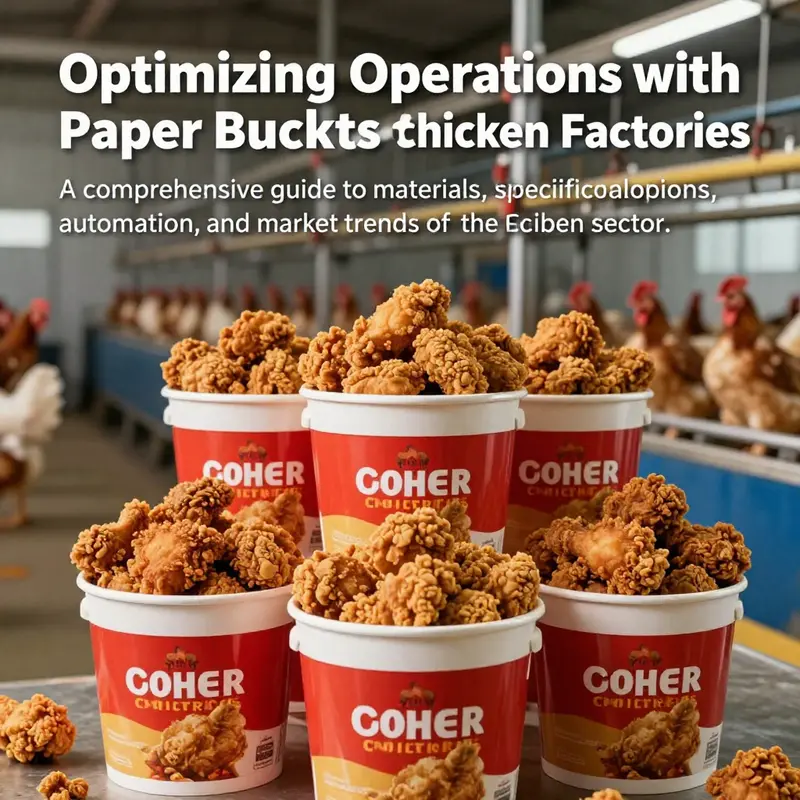
Paper buckets play a vital role in the chicken processing and packaging industry, particularly as consumer demand for convenience and safety rises. For business owners, understanding the nuances of paper bucket solutions can significantly impact production efficiency and brand image. This article delves into essential elements such as the materials and safety standards of paper buckets, their varying capacities and specifications, the benefits of customization, the automation equipment used in production, and current market trends, providing a holistic understanding required for informed decision-making.
From Kraft to Kitchen: The Materials and Safety Standards Behind Paper Buckets for Chicken Factories
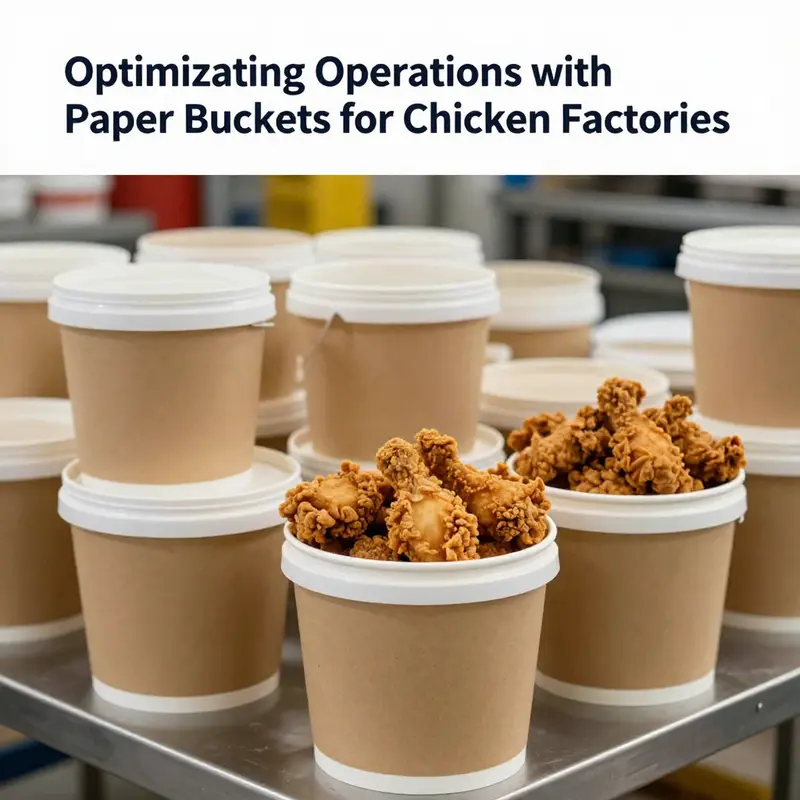
In the high-volume world of poultry processing and distribution, the paper bucket is more than a simple container. It is a carefully engineered barrier between heat, grease, and hygiene, a vessel that travels from central kitchens to fast service tables while preserving texture, flavor, and safety. For chicken factories, the material stack and the safety standards embedded in that stack are as critical as any recipe or processing line. The industrial demand for paper buckets drives a convergence of strength, barrier performance, and regulatory compliance. When a batch of crispy wings or fried drumettes leaves a central kitchen, the bucket must resist leakage, maintain structural integrity under moisture and impact, and minimize the migration of any substances into the food. This is not merely a matter of keeping grease at bay; it is a test of materials science, process engineering, and sustainability wrapped into a single, disposable package. The modern bucket is thus a product of deliberate choices about base substrate, coatings, inks, adhesives, and sealants, all tailored to environments where hot oil and high throughput meet the rigors of transport and consumer expectations.
At the core of the bucket is a thick, rigid paperboard substrate. This substrate provides the essential stiffness that allows the bucket to stand upright on conveyance belts and service lines without collapsing under weight. The classic design relies on a multi-ply structure that balances rigidity with cost efficiency. The interior and exterior surfaces are usually treated with barrier layers that resist grease and moisture. These barriers may be achieved through coatings or laminates, often based on waterborne polymers or other food-safe films. The aim is to create a smooth, impermeable surface that resists oil so it does not seep through the walls and contaminate the surrounding packaging or the product itself. The coatings are chosen not only for their impermeability but also for their compatibility with the printing process, which speaks to the broader need for brand consistency across a fleet of locations. In practical terms, a bucket should remain visually appealing even after exposure to steam and heat during takeout or hold times while not compromising the integrity of the food inside.
The safety story is inseparable from this material story. For a container that handles hot, greasy, or semi-wet foods, the regulatory framework surrounding food contact materials is essential. The adhesives that bond folds, the inks that print logos, and the barrier coatings that line the interior and exterior must be non-toxic and designed to minimize migration into the food. In many markets, this means adherence to food-contact regulations that require low migration, stable performance under heat, and compatibility with fatty foods. The emphasis on non-toxic, FDA-compliant or regionally equivalent adhesives and inks is not a bureaucratic formality; it is a practical safeguard against unwanted substances entering the product that will grace a consumer’s plate. Temperature is a critical factor here as well. The packaging must perform when fresh from a fryer or grill and be resilient during the high-temperature stages of serving, packing, and delivery. Materials are chosen to resist these conditions without degrading into a risk that could compromise safety or taste.
Sustainability weaves through these choices as well, signaling a shift in how the industry views single-use packaging. Many suppliers offer eco-friendly options that align with consumer and brand expectations for environmental stewardship. Recycled fibers, responsibly sourced pulp, and moisture-resistant coatings that enable recycling are among the strategic options manufacturers consider. Yet sustainability is not merely about using recycled content; it also concerns end-of-life handling, recyclability of the barrier layers, and the overall carbon footprint of the manufacturing process. The barrier systems must balance performance with recyclability, a challenging equilibrium because coatings and laminates—while excellent at keeping grease out—can complicate downstream recycling streams. The industry is steering toward coatings and inks formulated to minimize residue and to facilitate separation in sorting facilities. In practice, this means a bucket that protects its contents while giving it a better chance of being diverted into appropriate recycling streams after use, even as it remains a robust carrier in hot, oily conditions. The sustainability narrative, therefore, sits alongside material and safety considerations, shaping choices about fiber origin, coating chemistry, and process efficiency.
For manufacturers, the decision space around materials extends into the production line itself. The forming and finishing of paper buckets is deeply tied to automation and throughput, particularly in regions with dense manufacturing ecosystems. Modern production lines blend semi-automatic and fully automatic machinery to achieve scale without sacrificing customization. A typical setup may employ automatic folding and sealing for consistent wall geometry, while human operators handle loading, quality checks, and occasional format adjustments to meet a client’s exact specifications. The automation spectrum—ranging from fully automated to semi-automated configurations—offers a practical balance between speed, capital cost, and flexibility. This balance is essential for centers that serve large fast-food brands with strict co-branding and size standardization demands, as well as for mid-sized facilities that require customization without sacrificing efficiency.
An important facet of this landscape is the ability to customize. The core materials, the barrier system, and the printing are all points of customization that enable a factory to project its brand identity while maintaining protective functions. Logos, promotional graphics, and packaging copy can be integrated on the outer surface, while the interior barrier is optimized to resist heat and grease. The upshot is a cohesive, on-brand packaging experience that helps drive consistency across a distribution network and supports the restaurant’s consumer-facing narrative. This is where the broader category of paper packaging—encompassing substrates, barrier systems, and printing methods—plays a pivotal role in shaping how a chicken factory communicates quality and reliability at scale. The landscape of industrial packaging shapes how buckets perform in a fast‑food workflow and how producers balance performance with cost and efficiency. The industry continues to evolve with advances in barrier materials and inks that push for better print quality while reducing migration risk. In day-to-day operations, reliability means predictable performance across shifts, fleets, and market regions.
In practical terms, the integration of materials science, safety compliance, and manufacturing efficiency translates into a chain of decisions with real-world consequences. The selection of paperboard grade must account for the mechanical load carried during transport and the potential for deformation when stacked or nested. The barrier system must prevent oil from saturating the paper structure while not compromising the ability to print legible branding and instructional copy. Adhesives used at corners and seams must withstand heat and moisture encountered during cleaning cycles in a busy kitchen. Inks used for branding should yield clear, durable images that resist grease splatter and occasional abrasion from handling, while remaining chemically inert in contact with hot food. All these factors converge on a single truth: performance and safety emerge from deliberate material choices as much as from manufacturing prowess.
The production ecosystem supporting these choices is mature in regions with well-developed packaging industries. A robust supplier network provides materials and machine technologies that enable scale. The ongoing development of high-precision forming, folding, and sealing equipment supports both the standardization demanded by large chains and the adaptability required by smaller players with evolving branding needs. In a market where time-to-market for a new packaging concept matters, the ability to quickly translate a design into a reliable, repeatable bucket becomes a competitive edge. The market rewards those who combine rigorous material science with disciplined process engineering, delivering a product that is safe, strong, and adaptable to a wide range of service contexts.
As the industry continues to evolve, the narrative of paper buckets for chicken factories is unlikely to remain static. Advances in barrier chemistry may yield layers that resist higher temperatures and greases, while enabling easier recycling or composting. The challenge will be to maintain a cost structure that supports the scale of modern chicken factories, where every percentage point of efficiency translates into lower costs and better service for global brands. The drive toward transparency and safety will also push for more rigorous testing and validation, ensuring that every bucket in a delivery chain not only meets a brand promise but also aligns with evolving regulatory expectations. In this view, the paper bucket becomes a living platform for packaging innovation—one that must endure the demands of speed, the scrutiny of safety, and the conscience of sustainability as it carries the story of chicken from factory to fork.
Beyond the Fryer: Capacity, Material Intelligence, and Brand Identity in Paper Buckets for Large-Scale Chicken Kitchens
The paper bucket used in a chicken factory’s takeout and distribution workflow is more than a container. It is a carefully engineered interface between a hot, oil-laden product and a consumer experience that travels from central kitchen to curbside pickup or home delivery. In large-scale operations, the bucket must perform under pressure: it needs to hold a reliable portion, resist oil and moisture, maintain heat, protect the packaging content during transit, and support a brand story that travels with every order. The design and manufacturing choices behind these industrial papery vessels—often taken for granted by customers arriving with a handful of crispy pieces—reveal a fusion of practicality, food safety, and marketing strategy that underpins the efficiency of modern chicken logistics. In this space, capacity and specifications are not peripheral details; they shape line speeds, packaging costs, waste streams, and the very texture of the consumer’s impression when the lid opens and steam escapes with a familiar, comforting aroma.
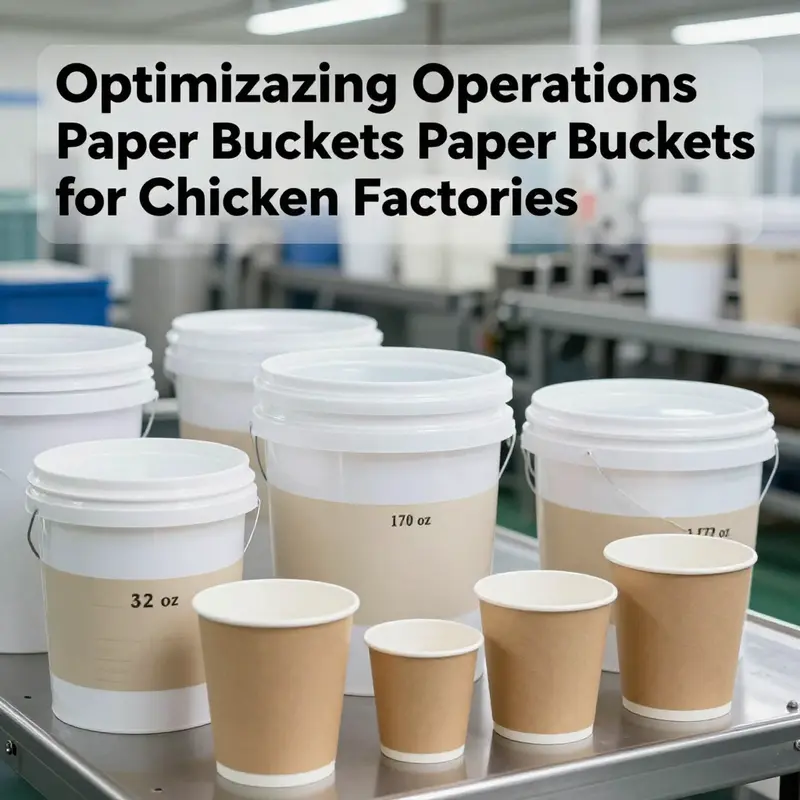
Capacity in this context is more than a numeric value. It is a signal about throughput, packaging efficiency, and the flexibility of the supply chain to respond to fluctuating demand. Across markets, factory-grade paper buckets come in a spectrum of sizes designed to align with different eating occasions and distribution patterns. A typical scale begins with a compact 32-ounce capacity, well suited for individual meals or promotional bundles that emphasize portion control and pricing clarity. In a different tier, a 64-ounce bucket serves family-sized portions, where the extra volume translates directly into fewer packing steps per order and a smoother process on high-volume lines. Beyond these two anchor sizes, producers offer a ladder of larger options—53, 64, 85, 130, 150, and 170 ounces—each step up in capacity is paired with careful considerations around weight, stacking stability, and the constraints of downstream logistics. These larger buckets are particularly advantageous for central kitchens and regional distribution centers that need to batch meals for bulk delivery or for venues with high takeout demand, where the goal is to maximize throughput without sacrificing hot quality or presentation.
The material science behind these containers is where the chapter begins to reveal its practical core. Industrial paper buckets are typically built from single-wall craft paper, a material chosen for its balance of strength, weight, and recyclability. The paper is often treated to deliver food-grade safety while delivering a performance envelope that copes with the rigors of hot foods. Oil resistance is achieved not by a single magic layer but by a combination of paper selection, internal coatings, and the adhesive profile used in assembly. The result is a container that can hold hot fried products for a transit window without soaking through, while also avoiding the migration of oils that could compromise the printing or the consumer experience. Water resistance is equally critical because condensation can degrade the exterior graphics and weaken the seal over time. High-temperature tolerance matters too, as these buckets frequently begin their journey when the contents are still steaming and may ride through climate variation in delivery vehicles.
These material features interface directly with brand presentation. The outer surface of industrial paper buckets often carries a vivid printed design achieved through flexo printing. The print not only communicates the product inside but also reinforces the brand’s identity during the fleeting moments when the consumer holds the bucket, peers at the branding, and forms a memory tied to the meal. The customization options offered by suppliers typically allow customers to imprint a logo, color schemes, and even packaging copy that speaks to safety, flavor, or sustainability messaging. In a competitive takeout landscape, such customization becomes a differentiator: it makes the product instantly recognizable and can convey trust about freshness and quality at a glance. The interplay of capacity, material, and print is no mere trifecta; it is the backbone of how a chicken-focused operation scales its packaging in ways that harmonize with a uniform cooking process, a precise portioning system, and a coherent market presence.
Geometry and manufacturing are the quiet engineers behind these capabilities. On the factory floor, specialized forming machines shape the buckets with high precision to ensure consistent wall thickness, accurate folds, and tight, reliable seams. The production line may present in different configurations depending on output goals: fully automatic systems can achieve rapid, continuous production with minimal human intervention, while semi-automatic lines strike a balance between speed and flexibility. In many plants, semi-automatic workcells combine automated folding and sealing with controlled human input to handle variations in cup-wall thickness and lid fit, which matters when optimizing for downtime and maintenance costs. The upshot is a manufacturing ecosystem that can ramp up or down as orders shift, with a predictable quality standard across thousands of cartons and millions of buckets. This is essential for large brands that require steady supply compatibility with the central kitchen’s cooking tempo and the downstream distribution cadence.
Sourcing dynamics for paper buckets are framed by scale and relationship length. For a chicken facility seeking reliability, a common question concerns minimum order quantities and the logistics of reordering. The industry typically negotiates MOQs around stock availability and customization scope, with a practical floor that often lands near 50 cartons for customized orders. This threshold reflects the realities of tooling changes, color-matching, and branding decisions, while still offering enough flexibility to serve mid-sized producers and regional distributors. The ability to source in bulk, maintain stable pricing, and ensure on-time delivery reduces the risk of production delays that could cascade into line stoppages or customer dissatisfaction at peak hours. In addition to the direct supplier relationships, the market provides expansive digital marketplaces where manufacturers present a spectrum of options—from material thickness and wall durability to lid types and printing capabilities. These platforms enable buyers to compare features quickly, request samples, and validate performance in accelerated trials that simulate the hot, oily, and mobile realities of chicken takeout.
The potential for customization is especially powerful when it aligns with a brand’s strategic goals. A factory that operates its own line of fried chicken products can embed brand elements through high-fidelity printing, enabling consistent color and messaging across packaging. The right combination of branding and functionality can improve consumer recognition, build trust in product quality, and reinforce the perception of a well-run operation. When a bucket bears a cohesive graphic program, it becomes a portable advertisement that travels from kitchen to customer, preserving a sense of occasion even in the simplest takeaway moment. This marketing value, while subtle, compounds with the functional design to make the packaging an integral asset in the factory’s overall value chain.
From a logistical viewpoint, the dimensions of the packaging ecosystem matter just as much as the bucket’s capacity. Standard carton dimensions—such as those commonly used for bulk shipment—are tuned to fit neatly into warehouse racks, pallets, and loading docks. A typical carton might measure around 37.0 cm by 46.0 cm by 58.0 cm, with a gross weight near 8.0 kilograms per package. These specifications are not arbitrary; they reflect a careful calibration of efficiency in storage, stacking stability for transport, and compatibility with automated handling equipment that handles large volumes during peak season. The packaging system’s optimization, therefore, extends from the bucket’s internal chemistry to the carton-level logistics choreography, a sequence that keeps line speeds high and waste low. The consistency of these standards across shipments also simplifies forecasting and planning for regional distribution centers that rely on predictable payloads to keep delivery windows intact.
The practical implications of capacity and specifications radiate through every touchpoint of production and service. For the factory floor, the choice of bucket size and material translates into throughput rates, waste management decisions, and the complexity of equipment maintenance. A larger bucket increases the potential packaging output per batch, but it may also require more robust sealing and a marginally heavier supply chain. Conversely, smaller sizes can improve per-unit handling but may generate more units per order, increasing carton counts and the associated processing steps. The material’s oil resistance and heat tolerance interact with the cooking cycle and the fronthouse or back-of-house handling, informing how the product is moved between kettles, fryers, and packaging lines. In distribution, the sturdiness of the bucket’s exterior and the reliability of the lid directly affect the risk of leaks during transit and the likelihood of consumer dissatisfaction upon arrival. The message carried by the packaging—clarity of claim, reassurance about safety, and alignment with sustainability goals—reinforces the quality narrative that brands seek to project in the crowded takeout market.
To ground these reflections in practical sourcing and design logic, consider the role of category resources that summarize the breadth of options available to manufacturers. In the broader ecosystem, one can explore the paper packaging category to compare how different suppliers approach material choices, printing techniques, and customization capabilities. This reference point helps buyers align their internal requirements with supplier capabilities, ensuring that the selected bucket configuration integrates smoothly with existing cooking processes and distribution plans. For example, the category page can illuminate how a given thickness of material might balance cost with durability, or how a specific lid design could complement automated line workflows without compromising seal integrity. See the paper packaging category for a concise overview of these design choices and supplier options.
In sum, the capacity and specifications of paper buckets for chicken factories are not only about containing food. They are about enabling a high-speed, high-safety, highly brand-aware operation that can scale with demand while preserving quality from fry kettles to customer doorsteps. The combination of capacity choices, robust material performance, precise manufacturing, and thoughtful customization creates a packaging system that supports the entire operational narrative. It is a reminder that even the most seemingly mundane component—the bucket holding the hot, crispy product—plays a pivotal role in shaping the efficiency, sustainability, and perception of the modern poultry food service ecosystem. With a careful alignment of sizes, materials, and branding, factories can deliver consistent experiences to diners and maintain a disciplined supply chain that meets the pressures of volume without compromising safety or integrity.
External reference: https://www.alibaba.com/product-detail/Wholesale-Food-Grade-Fried-Chicken-Buckets_1600522448415.html
From Function to Brand: Custom Paper Buckets in Chicken Packaging
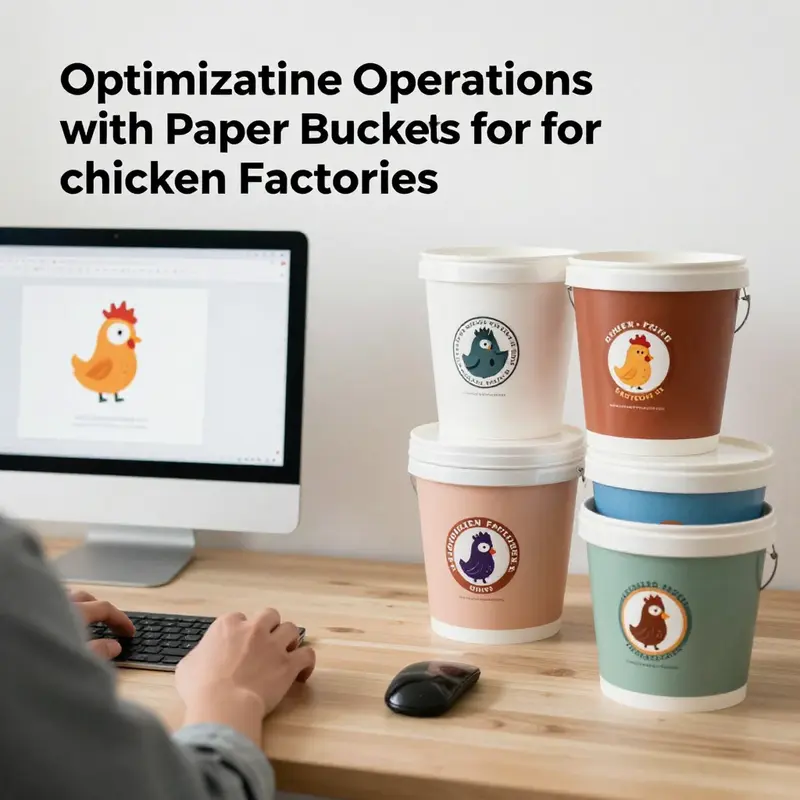
In the world of chicken processing and distribution, packaging is hardly a mere afterthought. The bucket that carries fried delights from central kitchens to regional depots and finally to customers is increasingly seen as a live extension of the brand itself. Custom paper buckets marry practical performance with deliberate branding, turning a functional container into a canvas that communicates safety, reliability, and personality. The move toward customization reflects a broader shift in consumer expectations: packaging should protect the food, be easy to handle in high‑volume operations, and reinforce a company’s promise of quality. In this context, customization is not vanity; it is a strategic asset that aligns operational efficiency with market differentiation, delivering clarity to the customer while supporting the factory’s throughput and safety standards.
Materials and safety sit at the heart of this evolution. Industrial grade packaging for fried chicken commonly relies on high quality kraft or recycled fiber papers that meet stringent food contact standards. The emphasis is twofold: first, the material must resist oil and moisture so that the bucket remains sturdy during hot service; second, it must tolerate heat without releasing undesirable substances or transferring off flavors. To achieve this, suppliers often employ water‑based inks and sealants that minimize chemical migration while preserving print vibrancy. A crucial detail is the alignment with regulatory guidelines for food contact, such as certifications indicating compliance with approved food packaging practices. This attention to safety has a direct impact on consumer trust, quietly reinforcing a brand’s commitment to protecting both frontline workers and end customers.
The range of bucket sizes available for chicken factories speaks to the scale and variety of modern operations. Standard capacities extend well beyond the familiar takeout tin, expanding to 32 ounces, 53 ounces, 64 ounces, and even larger formats like 85, 130, 150, and 170 ounces. Large volumes demand sturdy construction with dependable sealing to prevent leaks when taking hot items through a busy service line or into a delivery bag. The size spectrum also reflects menu breadth and service strategy: different outlets may require multiple options for single‑item orders, mixed platters, or family portions. This versatility is a key enabler for centralized kitchens and regional hubs that manage high throughput while maintaining consistent portioning and presentation.
Customization features go far beyond simply slapping a logo on the bucket. The most compelling packages provide a cohesive set of branding elements that can be integrated into the form, print, and even the bucket’s physical design. Brand colors, promotional imagery, and packaging copy can be printed directly onto the bucket surfaces, creating a seamless experience from pickup to consumption. For brands seeking a more tactile form of differentiation, embossing can add texture and depth to the branding without altering the surface print. Structural design can also be tailored to improve usability on busy lines: optional handles for easy carrying, secure lids to reduce spillage during transport, and even reinforced rims or venting features to address heat management and consumer comfort. The end result is a packaging solution that functions reliably in the fast pace of a chicken processing facility while projecting a consistent and memorable brand story to customers.
Printing methods are a central thread in this customization tapestry. Flexo printing is a common workhorse here, offering the efficiency and flexibility needed for large runs and color‑accurate branding. When the aim is to convey premium quality or to create a distinctive tactile impression, embossing adds a deft layer of texture that catches the light and invites touch, enhancing shelf appeal in a crowded market. The choice between printing techniques often balances cost, throughput, and the desired visual effect. In practice, many facilities pursue a hybrid approach: a base print that guarantees legibility and color fidelity, paired with selective embossing for key branding cues. The result is a packaging identity that reads clearly on a conveyor line, scans well in delivery apps, and remains legible under the oil and heat that characterize fried chicken service.
Material type and sustainability are inseparable considerations in modern customization. Recycled kraft papers assured for food contact are frequently preferred for both environmental and performance reasons. Certifications such as FDA‑recognized food contact standards provide a safety net for manufacturers worried about oil transfer, moisture ingress, and heat stability. In addition to safety, the sustainability story matters to consumers and partners alike. Recyclability and the potential for post‑consumer reuse are increasingly integrated into the design process. The visual language of sustainability—earth tones, minimal waste, and clear recycling instructions—can be woven into the branding through color palettes and printing messages, reinforcing a responsible image that resonates with a growing segment of eco‑mensitive customers.
The benefits of customization extend beyond brand perception. A well‑crafted custom bucket supports marketing initiatives by delivering consistent brand cues across delivery, takeout, and in‑store experiences. When a bucket carries a strong, legible logo and a unified color scheme, it becomes a portable advertisement for the brand, reinforcing recognition at every touchpoint. For operators, uniform branding reduces the cognitive load in a high‑velocity service environment. Staff can quickly identify the correct bucket and match it to the order flow, while customers experience a coherent, trustworthy impression from the moment they glimpse the packaging. Custom design can also facilitate cross‑marketing opportunities by incorporating promotional messages for limited time offers or loyalty programs, turning a simple container into a conduit for customer engagement.
A practical path to customization often involves collaboration with manufacturers who can translate brand standards into printable specifications. The process typically begins with precise dielines and material tests to ensure that logo placement, color matching, and text legibility hold up under real service conditions. The design language—whether bold and high‑contrast or warm and textured—must be resilient to the realities of a busy kitchen: heat, oil splatter, and frequent handling. Printing requirements may demand color management to maintain fidelity across batches, while embossing or molding features require tolerances that align with the bucket’s geometry. This synergy between design intent and production capability is what transforms a concept into a reliable, scalable packaging solution that can travel from a central kitchen to thousands of points of sale.
The journey from blueprint to throughput is underpinned by automation in the production line. Modern paper bucket factories deploy specialized forming machines, with configurations that range from fully automated to semi‑automatic systems. Fully automated lines optimize speed and consistency, systematically folding, sealing, and stacking buckets with minimal human intervention. Semi‑automatic lines, by contrast, balance automation with workforce flexibility, proving advantageous for mid‑volume production where customization demands frequent changes in graphics or sizes. In both cases, the equipment is engineered to handle oil‑resistant coatings, water‑based inks, and robust seals that keep the contents secure during high‑temperature transport. The emphasis is on reducing bottlenecks while maintaining the integrity of branding across large orders, ensuring that customization does not become a liability in a high‑demand environment.
In practice, sourcing and supplier engagement form a critical piece of the customization story. For buyers, the path to reliable partners often traverses industry platforms that specialize in industrial packaging equipment and Custom Eco‑Friendly paper bucket offerings. These channels provide a spectrum of options: from bulk ordering with scalable MOQs and sample programs to design services that help translate brand guidelines into production files. A practical advantage of these platforms is the ability to compare materials, finishes, and printing capabilities side by side, enabling faster decision making under tight timelines. At the same time, buyers should evaluate total cost of ownership, including not only unit price but also the cost of customization, lead times, and potential impact on line efficiency. The right supplier becomes a co‑producer, helping to align packaging design with factory constraints and delivery schedules while safeguarding compliance with food safety standards.
The versatility of paper buckets is a defining feature for multi‑product brands that operate across fried chicken, sandwiches, snacks, and even non‑food items such as gift packaging or promotional giveaways. Custom buckets can be tailored to different product lines, creating a visual taxonomy that guides customers through a diversified menu without confusion. This versatility is complemented by the material science that underpins performance, with durable coatings and oil barriers designed to maintain moisture control and crispness in the product. A well executed design preserves the intended texture and taste by minimizing contact with oils and ensuring the container does not degrade during heat exposure. In this sense, customization is not just about aesthetics; it is about preserving the customer experience from kitchen to consumer, a chain of trust that begins with a deliberate packaging choice.
Sustainability considerations, while sometimes viewed as a secondary concern, increasingly shape the customization dialogue. Packaging designers and factory managers explore options that reduce waste, improve recyclability, and optimize the lifecycle of the bucket. For example, choosing materials that balance stiffness with light weight can lower transport energy while maintaining performance. Clear labeling about recycling pathways supports post‑consumer disposal, which in turn reinforces the brand’s environmental commitments. This alignment between packaging performance, consumer expectations, and corporate sustainability goals is where customization becomes a strategic framework rather than a one‑off design exercise. In short, a customized bucket is a tangible expression of operational discipline, branding clarity, and environmental responsibility.
To illustrate how these concepts come together in real world decision making, imagine a factory that seeks a cohesive, scalable packaging solution across multiple product lines and markets. The design brief would prioritize oil resistance, heat tolerance, and strong, legible branding on a wide size range. It would specify food contact safety certifications and a printing plan that includes a base color system and optional embossing accents for select lines. The production pathway would align with an automation plan that supports rapid order changes without sacrificing throughput. And the supplier engagement strategy would emphasize MOQs that accommodate both bulk orders and pilot runs, along with samples that allow preproduction testing for print fidelity and structural integrity. In this scenario, customization becomes the engine that coordinates materials science, brand strategy, and manufacturing operations toward a single goal: delivering a dependable, visually cohesive, and market‑ready packaging solution at scale.
For readers seeking a concrete starting point in this journey, the path often begins with understanding the available packaging printing options and how they influence the final look and feel of the bucket. A concise map of the choices—material selection, print method, surface finish, and embossing opportunities—helps teams translate brand guidelines into production files with confidence. You can explore this topic further through a resource that aggregates packaging printing options, providing a practical reference as you begin to formalize specs for your next batch of custom buckets. packaging printing options.
As a closing thought, the promise of customization in paper buckets for chicken packaging lies not only in the vivid logos or the tactile impression of embossing. It lies in the confidence a brand gains when every bucket, from the central kitchen to the delivery bag, speaks with a consistent voice, upholds safety and performance, and reinforces a positive customer experience. When factories invest in materials that resist oil and heat, when printing methods capture brand integrity with durability, and when designs are tailored to real operational needs, the packaging becomes more than a container. It becomes a functional extension of the process, a neutral, reliable stage on which the quality of the product is communicated before the first bite. That is the essence of customization in this space: turning a practical tool into an instrument of trust and growth for a chicken‑focused supply chain.
External reference: For a broader view of supplier options and concrete product examples, see this external resource: https://www.alibaba.com/product-detail/Custom-Eco-Friendly-64oz-170oz-Take-Away_1600598929662.html
Beneath the Lid: Production, Automation, and the Rise of Paper Buckets in Modern Chicken Processing
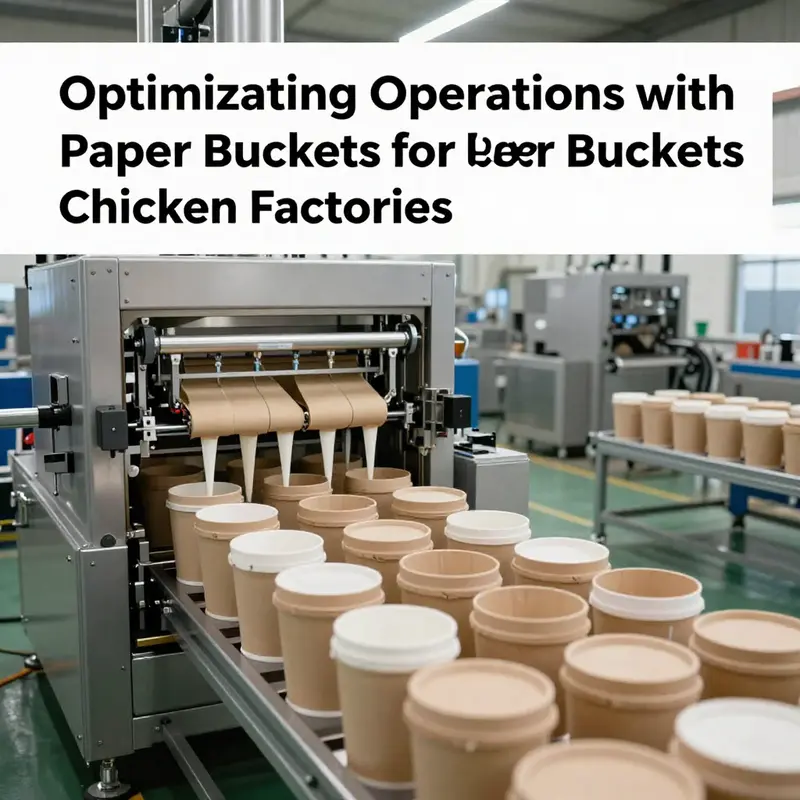
In large scale chicken processing facilities, the packaging stage functions as both the final checkpoint and a bridge between production and distribution. The paper bucket chosen for fried or coated poultry must do more than hold its contents; it must withstand heat, resist oil, and maintain form through the long routes from central kitchens to frontline takeaway counters. The modern factory treats the bucket as a critical element of the cold chain and the hot chain alike, a disposable yet indispensable part of the consumer experience. The drive toward higher throughput, tighter process control, and greater branding clarity has redefined what a packaging container should be, turning the bucket from a simple vessel into a highly engineered component of the overall system. As production lines push toward speed and precision, the bucket itself becomes a reflection of what the facility can achieve in materials science, mechanical engineering, and quality assurance. The result is a production philosophy that emphasizes reliability, repeatability, and a clear pathway from raw sheet to finished container, with each step aligned to safety standards and environmental responsibilities.
Material selection sits at the heart of this philosophy. Industrial paper buckets used in the chicken industry are typically crafted from high-grade food friendly papers such as kraft or recycled fiber stock, chosen for strength, stiffness, and compatibility with downstream printing and sealing processes. The substrate is treated to create a barrier that resists oil seepage and moisture while remaining pliable enough to endure the rigors of stacking, transport, and the rigors of hot oil frying environments. The inks employed are usually water-based and formulated to minimize any migration of substances into the food. This attention to material science is not a cosmetic preference; it translates into tangible safety margins, reduced leakage, and predictable performance from batch to batch. In a sector where speed is king, the chemistry of the sheet must also tolerate rapid converting, from large sheets being fed into high-speed presses to the final folding and sealing operations that shape a bucket with a three-dimensional body. The environmental footprint of the substrate matters too. Kraft and recycled options that are fully recyclable or compostable align with shifting regulations and consumer expectations for responsible packaging. The trend toward lighter weight, yet stronger, structures helps reduce energy consumption in transport and lowers overall carbon emissions while preserving the integrity of the packaging in transit and during service.
Capacity and scale have a decisive influence on how a packaging line is engineered. Factory demand for paper buckets in this space spans a spectrum of sizes, with standard volumes designed to accommodate varied serving formats. Buckets in the range of tens of ounces up to well over a hundred ounces are common, enabling both bulk takeout and portioned meals. Large capacity buckets support bulk distribution at central kitchens, where pallets of prepared poultry are prepared for regional or national networks, while smaller, more ergonomic sizes suit in-store pickup and delivery hubs. The modularity of these lines matters as well; equipment and workflow can be tuned to meet seasonal fluctuations in demand, promotional campaigns, or variability in regional menus. When a plant contemplates its production mix, it weighs not only the nominal capacity of a bucket but the entire line around it: sheet unwinding and coating, printing, die cutting, forming, sealing, and stack handling. Each stage must synchronize to maintain continuous operation and minimize downtime. The economics of scale come into sharp relief here, because small gains in cycle time, material yield, or waste reduction compound into meaningful savings when multiplied across millions of units per year. In this context, the bucket is not a passive wrapper but an active contributor to throughput, footprint, and cost structure.
Customization is a distinguishing feature that elevates industrial paper buckets from generic packaging. Many chicken processing facilities operate under private brand programs or the demands of major distribution networks that require branded visuals, specific messaging, and tailored dimensions. The ability to print high-clarity logos, promotional graphics, and legal or labeling information directly onto the bucket translates into a stronger brand presence and better shelf recognition in crowded markets. Beyond cosmetic branding, customization often extends to functional adaptations such as adjusting the bucket body shape, lip profile, or stacking features to optimize automated handling and reduce tear-outs during packing and transport. This degree of customization is supported by a manufacturing ecosystem that blends flexible tooling with robust process control. In practice, the line may use advanced flexographic presses capable of delivering vivid color with multiple passes, combined with precise die-cutting and folding equipment that transform sheets into rugged, oven-safe containers. The result is a packaging stream that can mirror a brand story while maintaining the strict performance metrics required by high-volume fry operations. The interplay between branding and functionality underscores a broader trend in industrial packaging: packaging decisions are increasingly strategic, with suppliers offering design services that frame the bucket as a touchpoint in the consumer experience rather than a disposable afterthought. Integrated design thinking helps align print quality, structural integrity, and process efficiency, ensuring that the final product meets regulatory expectations and brand standards without compromising speed or reliability. The ability to tailor materials, prints, shapes, and sealing methods in concert with production timing is what enables a chicken factory to sustain a competitive edge in a market that prizes both consistency and customization.
Behind the scenes, the production and automation equipment powering these buckets is a carefully choreographed network of machines that balance speed, precision, and hygiene. High-speed coating machines apply protective layers that guard against internal oil penetration and external moisture, extending the bucket’s life during handling and serving. The print stage is typically driven by high-capacity flexographic platforms, often described as 9-color soft printing presses in industry parlance. These systems enable the full spectrum of branding possibilities, from bold hues to subtle gradients, while maintaining accuracy across long runs. The die-cutting and high-speed segmentation equipment then shapes the sheet into the bucket geometry with tight tolerances. The forming stage follows, where automatic vertical box forming machines glue and fold the material, creating a robust three-dimensional container that does not rely on metal hoops or wooden bases, thus enhancing recyclability and simplifying end-of-life processing. A fully automated or semi-automated sequence can then complete the assembly, including edge rolling and final inspection procedures that ensure each bucket meets size and strength specifications. Inline quality control is an essential component of this setup. Modern lines feature integrated sensors and testing modules that monitor dimensions, weight, and seam integrity in real time. Some facilities even incorporate self-testing capabilities or small laboratory segments within the line to verify print consistency, barrier performance, and adhesion strength as the buckets move through the system. This level of automation supports rates that exceed brisk thresholds, often surpassing 130 units per hour on state-of-the-art lines, a pace that aligns with the scale of contemporary takeout demand. The combination of high throughput and rigorous quality checks reduces the likelihood of defects entering downstream distribution, strengthening traceability and consumer confidence. In practice, this means fewer stoppages, less rework, and a more predictable plan for maintenance windows and shift staffing.
The environmental and market context surrounding these automated bucket lines further reinforces their importance. The packaging sector is actively responding to calls for sustainability and recyclability, with paper bucketing solutions increasingly crafted from kraft or recycled fibers designed to be fully recyclable and, where appropriate, biodegradable. This environmental alignment dovetails with regulatory expectations in many export markets that emphasize end-of-life disposability and reduced packaging footprints. From a logistical perspective, the reduced weight of paper buckets contributes to lower transportation emissions, amplifying the environmental advantages of shifting to paper-based containers. Companies are also seeking reductions in material waste on the production floor, with inline cutting optimization, smarter nesting of diel patterns, and accuracy-driven material usage reporting that cut scrap. All of these trends converge to form a more resilient and responsible packaging system for chicken processing facilities, one that supports higher volumes while simultaneously addressing circular economy goals. The broader industry interest in sustainable packaging intersects with the economic reality that efficient, automated lines deliver lower unit costs over time, helping facilities justify the upfront investments in modern equipment and maintenance programs. As regulators and customers alike demand greater accountability, the packaging line becomes a visible expression of a plant image that values quality, safety, and stewardship.
On the practical side of operations, the choice of equipment and the layout of the line must harmonize with other plant processes. The bucket line cannot exist in isolation; it must integrate with material handling, fryer throughput, and cold chain logistics. For this reason, many plants design these lines with modularity in mind, enabling incremental upgrades without dismantling larger sections of the facility. Maintenance strategies emphasize preventative care, remote diagnostics, and rapid parts replacement to keep output consistent. Energy efficiency also features prominently; the cooling and drying stages are optimized to minimize power usage, while drive systems and servo motors are tuned for smooth acceleration and predictable wear patterns. Operators benefit from real-time data dashboards that provide visibility into throughput, defect rates, and line uptime, fueling continuous improvement. The operational philosophy here is not simply to produce more buckets but to produce smarter buckets—containers that perform reliably, look compelling on the shelf, and fit seamlessly into a fast-moving food service ecosystem.
For those seeking a closer look at the machinery and process capabilities behind such packaging lines, industry analyses point toward established equipment categories that underpin these systems. A current example of the kind of comprehensive capability these lines require can be found in packaging printing equipment resources, which detail the integration of high-speed coating, multi-color flexography, and precision cutting within cohesive, end-to-end workflows. This reference helps illuminate how a single facility can move from raw sheet to finished bucket with minimal manual intervention, while preserving the strict control standards essential in food packaging. A broader perspective on production line innovations and case studies is available in technical resources that discuss the full scope of automation in paper container manufacturing. By examining these sources, designers and plant managers gain insight into best practices for aligning material selection, process control, and throughput goals with brand requirements and regulatory expectations.
Internal reference for further reading on packaging workflow and printing capabilities can be found here: packaging printing equipment.
External reference to industry equipment providers and real-world case analyses offers additional context on how modern lines are configured for large throughput, recyclability, and flexible customization: https://www.delizhi.com.cn
Stacks of Safety: Designing Scalable Paper Buckets for Modern Chicken Factories
The paper bucket has emerged as more than a simple container in the chicken-processing ecosystem. In large-scale factories that feed central kitchens and regional distribution hubs, the packaging choice carries weight well beyond the shelf. It must endure the rigors of high-volume throughput, resist the oil and moisture typical of fried products, and present a brand story with clarity and cleanliness. The evolution of these industrial paper buckets mirrors a broader shift in food packaging: the demand for hygienic, sustainable, and customizable solutions that can be deployed at scale without slowing production lines. When the heart of the operation beats at the pace of automated forming, sealing, and case-packing, the packaging must keep pace without compromising safety or performance. In this context, the contemporary paper bucket for a chicken factory is a carefully engineered tool, balancing material science, printability, and manufacturing efficiency with the strategic needs of a broad foodservice network.
Material choice sits at the core of this balance. Industrial-grade paper buckets are typically realized from high-spec food-grade kraft paper or recycled fiberboard, selected for their strength-to-weight ratio and favorable printing surface. The critical requirement is a formulation that resists oil seepage and moisture migration while remaining stable under temperature variations typical of hot-fill or hot-delivery scenarios. Manufacturers have developed coatings and barrier layers that work in concert with an outer printing layer to maintain product integrity. Wax-based or wax-like coatings are commonly employed to improve moisture resistance without sacrificing the tactile, paper-like feel that customers associate with sustainability. Importantly, these solutions are designed to be compatible with water-based inks, which reduce volatile organic compound emissions and support safer production environments. This combination of materials and finishes forms the backbone of a bucket that can hold up through a delivery cycle that may include frying lines, hot storage, and cold-chain handoffs, all while preserving a crisp, legible brand imprint.
The dimensioning of these buckets is another facet of their industrial utility. Production facilities require a spectrum of sizes to accommodate different stages of the distribution chain and varying menu formats. Common sizes span from the compact 32-ounce option, through mid-range 53- and 64-ounce buckets, to larger capacities such as 85, 130, 150, and up to 170 ounces. These capacities align with batch processing realities and the typical load handed to drivers or placed into centralized take-out channels. Large volumes reduce the number of bucket changes on a line, lower handling times, and diminish the frequency of changeovers between product types. Yet, every size must maintain the same fundamental performance characteristics: robust sealing against leaks, reliable heat and oil resistance, and a surface that tolerates a long service life in a fast-paced, sometimes harsh, distribution environment.
Alongside standardization, customization remains a pillar of the packaging strategy for chicken factories. Brand parity across millions of units during peak periods demands both consistency and flexibility. Suppliers offer a spectrum of customization options, from high-definition logos and promotional imagery to packaging copy and color schemes. In some cases, the design team might request adjustments to the bucket’s shape or dimensions to optimize grip, stacking efficiency, or display analytics at the point of sale. This dual emphasis on standardization and customization presents a productive tension: standard forms optimize tooling and throughput, while customized graphics unlock brand differentiation and consumer recall in a crowded market. A well-managed customization program uses modular artwork libraries and templated production recipes so that unique branding can be integrated without destabilizing the automation line. The result is a packaging system that speaks with one voice across hundreds of outlets yet can still carry distinct regional or brand narratives where needed.
The stories carried by these buckets do not end at aesthetics. The safety and regulatory landscape governing industrial food packaging has grown increasingly rigorous. In production environments, regulators and auditors demand proof of compliance with food-safety standards. The packaging itself is designed not only to be safe for contact with fried products but also to support traceability throughout the supply chain. For many operators, this means batch-level documentation that confirms materials meet regulatory expectations, and that coatings or inks do not introduce unwanted contaminants. Cleaning and sanitization protocols for bucket handling—especially in high-volume central kitchens—are built into line planning, with care taken to ensure that coatings do not degrade under repeated exposure to cleaners and process temperatures. The emphasis on safety extends to the packaging’s role in preventing contamination during storage, transit, and on-site handling. A transparent system that can provide batch-level information, where necessary, helps bolsters brand trust among retailers, distributors, and end customers who increasingly expect to see a clean, auditable supply chain.
The conversation about sustainability has become central to the choice of paper buckets. Consumers and regulators alike demand packaging that minimizes environmental impact without sacrificing performance. Paper, by its very nature, offers advantages in recyclability and compostability, but industry realities require nuanced approaches. A growing trend involves wax-coated paper boxes that maintain moisture control while preserving recyclable pathways. These designs are particularly attractive for fresh or frozen chicken products in supermarket environments, where product integrity and shelf-life concerns are paramount. The use of sustainable fibers, reduced reliance on non-renewable coatings, and process optimizations that lower energy use on forming lines are all part of a broader trajectory toward green packaging. The packaging subfield is increasingly measured not only by how well a bucket performs but also by how gracefully it contributes to a circular economy while meeting the logistical demands of large, dispersed networks.
The supplier landscape for paper buckets has also evolved. Inland provinces have become notable hubs of capability and cost efficiency, offering compelling competitive alternatives to traditional coastal manufacturing clusters. For buyers, this dispersion can translate into shorter lead times and more favorable pricing, provided suppliers demonstrate sufficient maturity, compliance, and transparency. When evaluating potential partners, operations teams look beyond price to assess the supplier’s operational maturity and process discipline, the depth and robustness of their compliance with food-safety standards, and their willingness to share clear information about materials and production steps. This transparency matters especially for markets with special dietary or religious considerations, where Halal certification by recognized authorities becomes a non-negotiable criterion for certain product lines. Such certifications, when present, signal a supplier’s ability to navigate rigorous supply-chain requirements and maintain product integrity through to the finished bucket.
As the market grows, suppliers increasingly emphasize not just the physical bucket but the entire packaging ecosystem. Batch-specific lab reports that verify the absence of pathogens and unwanted histamine levels are becoming more common in supplier disclosures. This level of documentation supports end-to-end trust and simplifies due-diligence tasks for manufacturers, distributors, and retailers who seek verifiable assurances. The value of transparency is twofold: it reduces the risk of recalls and audit findings, and it strengthens a company’s brand credibility in an environment where food safety is scrutinized at every step of the value chain. In parallel, innovation continues to unfold in the form of design enhancements that improve usability for warehouse and kitchen staff, such as easier stacking arrangements, improved grip textures, and integrated labeling zones that enable faster inventory checks while maintaining a clean presentation on delivery trays and in storage.
To understand how these shifts translate into practical decisions on the factory floor, consider the way these buckets are produced. Modern paper bucket forming lines may be fully automated or semi-automatic, depending on the scale of production and the cost structure. Fully automated lines offer the highest throughput, consistent fold lines, and sealed joints that reduce leakage risk. Semi-automatic lines, meanwhile, balance material handling with precision forming, often enabled by human supervision at critical stages such as lid placement, edge sealing, and stack loading. The choice between these configurations is shaped by production volumes, lead-time requirements, and the breadth of SKUs the plant must support. In factories that must rapidly switch between product lines or display high variability in bucket sizes, a modular automation approach can deliver the most resilience, enabling operators to retool quickly without sacrificing reliability.
The conversational arc surrounding paper buckets in chicken factories is, at its core, a conversation about synergy. Material science, process engineering, regulatory compliance, and brand strategy converge in a single packaging solution that must perform under pressure, communicate clearly, and align with sustainability goals. The capacity to customize while maintaining throughput, to provide transparent safety data while reducing environmental impact, and to leverage supplier ecosystems that span inland production hubs—all of these elements shape how a modern chicken-processing network deploys its paper bucket strategy. The practical upshot is a packaging framework that supports smoother central kitchen operations, simplifies distribution planning, and strengthens consumer confidence with every delivered order. The paper bucket becomes more than a container; it is a carefully designed interface between the product, the brand, and the system that moves food from processing lines to moments of consumption.
For readers seeking a practical entry point into the landscape of paper buckets and their broader packaging context, the broader category of paper packaging offers a foundational reference. See the paper-packaging category for design guidelines, material options, and compatibility considerations that inform bucket development and assortment planning. This resource helps teams align on what matters most when choosing an industrial container for high-volume chicken products, from surface printability to barrier performance and end-of-life considerations. As the market continues to evolve toward greater transparency and sustainability, those who closely track both supplier capabilities and regulatory expectations will be best positioned to translate packaging choices into measurable improvements in efficiency, safety, and brand resonance across the distribution network. The journey from raw material to final delivery is intricate, but with careful selection and ongoing collaboration across design, manufacturing, and quality assurance, paper buckets can support a robust, scalable, and responsible packaging ecosystem for modern chicken factories.
External resources can provide deeper insight into verified manufacturers, pricing, and the latest industry standards. For a broader synthesis of supplier dynamics and product validation, see the external reference at https://www.example.com/paper-bucket-suppliers-chicken-industry.
Final thoughts
Understanding the intricacies of paper buckets is essential for chicken factory business owners aiming to enhance their operational efficiency and brand appeal. From the materials used to stringent safety standards, and from versatile capacities to bespoke customization options, each aspect plays a pivotal role in ensuring that your chicken products are packaged both safely and attractively. With the right production equipment and awareness of market trends, you can align with industry demands and elevate your business’s success in the competitive food landscape.