
Introduction
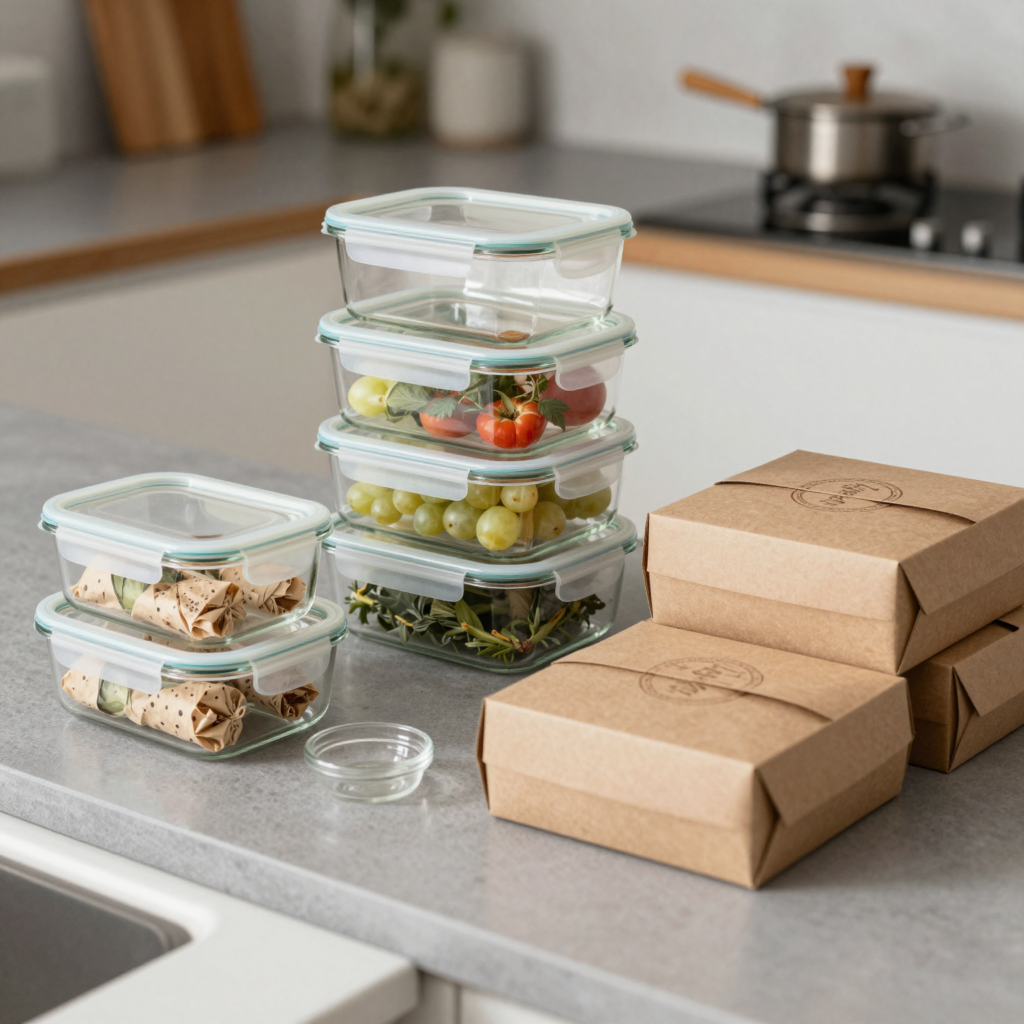
In recent years, Australia’s struggle with plastic waste has reached critical levels, and the food service industry stands at the forefront of this environmental crisis. In 2023, approximately 3.6 million tonnes of packaging waste was generated in Australia, with plastic accounting for about 1.4 million tonnes. Alarmingly, only 19% of this plastic waste was recycled, highlighting the pressing need for effective action as we move towards a target of 70% recycling by 2025. The repercussions of continuing our dependency on plastic food containers extend beyond environmental concerns, significantly impacting businesses seeking to align with the growing consumer demand for sustainability.
Innovative alternatives to plastic packaging are not just beneficial for the planet; they also offer myriad advantages for businesses in the food service sector. According to recent studies, adopting eco-friendly packaging can enhance brand reputation and attract a loyal customer base. It has been found that over 50% of consumers are willing to pay more for sustainable products, and a significant number would choose brands based on their environmentally-friendly practices. Transitioning to non-plastic food containers can lead to cost savings in the long run, as sustainable materials often provide superior durability and protection, thereby reducing damage during transport and minimizing waste. Furthermore, by aligning with stringent regulations and increasing consumer expectations, businesses can achieve competitive advantages in a crowded market.
As Australian businesses continue to navigate these realities, the transition to sustainable packaging solutions-such as paper containers and biodegradable materials-becomes essential not only for environmental stewardship but also for enhanced profitability and brand loyalty. Explore how eco-friendly packaging options can revolutionize your food service operation and contribute to a cleaner, brighter future for all.
Benefits of Non-Plastic Food Containers
Switching to non-plastic food containers not only aligns with environmental responsibility but also promotes safety and caters to consumers’ preferences. Here are key benefits that make non-plastic containers a preferable choice for food businesses:
-
Environmental Impact:
-
Reducing Plastic Waste: Non-plastic containers, such as those made from glass or stainless steel, significantly reduce plastic waste. A 2024 study by the Ellen MacArthur Foundation indicated that transitioning to reusable non-plastic containers could decrease household plastic consumption by up to 70% annually.
-
Infinitely Recyclable: These materials can be recycled without quality loss, making them sustainable options. For instance, glass can be recycled endlessly, whereas most plastics degrade after one cycle.
-
Safety:
-
No Chemical Leaching: Non-plastic containers do not leach harmful chemicals such as BPA or phthalates into food. Research has shown that repeated use and heat can cause plastic containers to release microplastics and toxic additives, which can disrupt hormonal balance and cause health issues. In contrast, glass and metal remain inert, ensuring food safety even during reheating.
-
Durability: Glass and stainless steel containers are sturdier and more long-lasting compared to their plastic counterparts, providing better protection for food during transportation.
-
Customer Preferences:
-
Sustainable Choices: Recent consumer trends show that 78% of shoppers now actively seek out products packaged in sustainable materials, reflecting a clear preference for eco-friendly options. This trend is particularly strong among younger consumers.
-
Willingness to Pay More: Approximately 65% of respondents expressed a willingness to pay a premium for eco-friendly packaging, which indicates the strong market demand for sustainable alternatives. Non-plastic containers enhance brand reputation, portraying businesses as more socially responsible.
-
Customization and Aesthetic Appeal:
-
Many non-plastic containers offer options for customization, which enhances branding opportunities. Visually appealing and environmentally friendly packaging captures consumer attention and encourages impulse purchases.
Non-plastic food containers are not only a responsible choice but also a strategic business decision that aligns with modern consumer expectations. For businesses in the food industry, adopting these containers can improve sustainability, promote customer trust, and ensure food safety.
For more options on sustainable packaging solutions, check out our selection of paper packaging products and discover eco-friendly disposable dinnerware.
Comparing Non-Plastic Food Containers in Australia
As businesses in Australia shift towards sustainable options, non-plastic food containers are becoming increasingly popular across various sectors, including bubble tea shops, restaurants, food trucks, and catering services. Below is a comparison of different types of non-plastic food containers available in Australia, highlighting their materials, uses, and benefits.
| Container Type | Material | Common Uses | Key Benefits |
|---|---|---|---|
| Bamboo | Bamboo | Takeaway containers, lunch boxes | Sustainable, naturally biodegradable, lightweight |
| Glass | Tempered Glass | Meal prep, storage, baking | Durable, reusable, does not retain odors |
| Bioplastic | Cornstarch, Cassava | Disposable containers, packaging | Compostable, reduces plastic waste |
| Molded Pulp | Recycled Paper | Takeaway trays, food delivery | Recycling-friendly, suitable for hot foods |
| Sugarcane Bagasse | Sugarcane Residue | Catering, fast food | Biodegradable, strong, and resistant to grease |
Benefits of Using Non-Plastic Food Containers
- Environmental Impact: Non-plastic containers significantly lower plastic pollution and contribute positively to environmental sustainability.
- Health Considerations: Materials such as glass and bamboo do not leach harmful chemicals, making them safer for food storage.
- Consumer Preference: Many consumers prefer businesses that utilize eco-friendly packaging, often enhancing brand loyalty and customer satisfaction.
For businesses looking to integrate sustainable food packaging into their operations, various options can be explored through reliable sources. Check out these paper packaging options to discover more ways to make your food service sustainable.
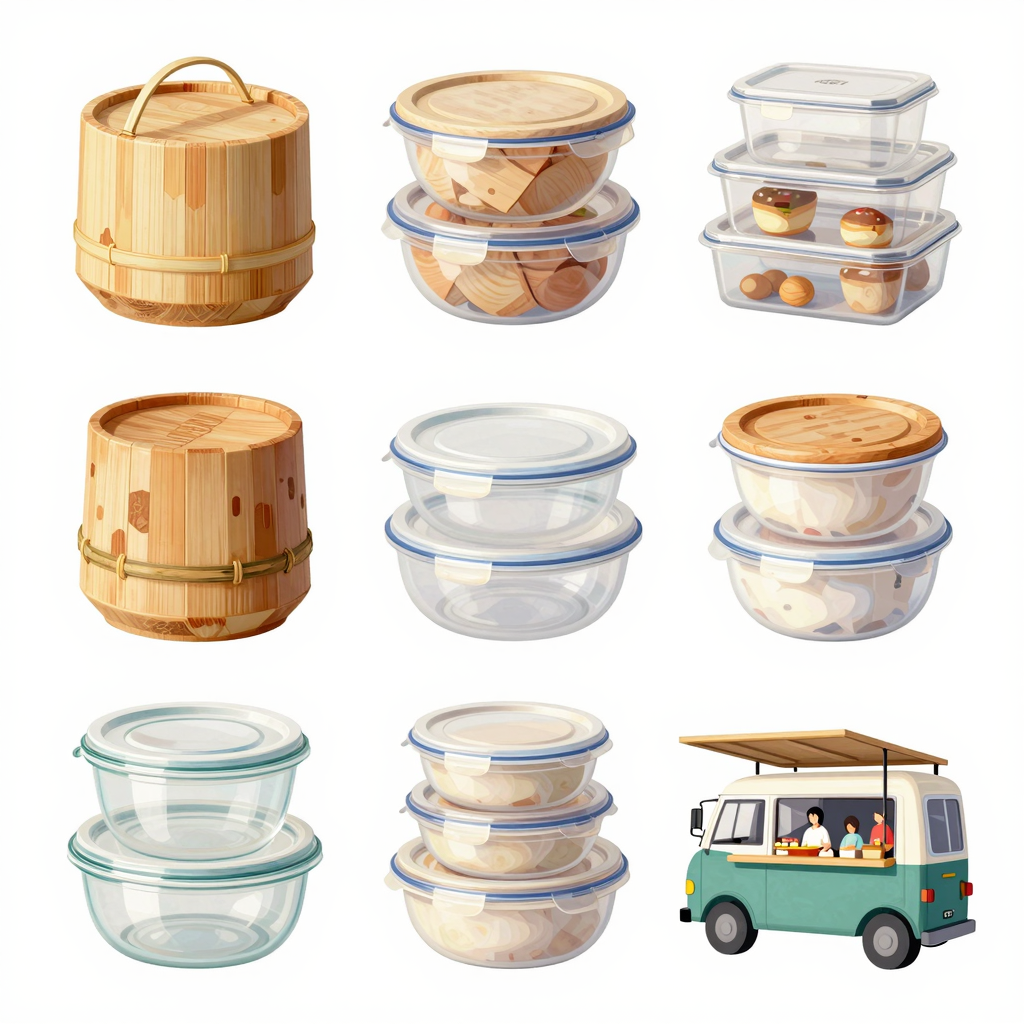
In conclusion, choosing the right non-plastic food containers can greatly benefit your business while aligning with eco-friendly practices. Make the switch today for a greener future!
Compliance and Safety Standards for Non-Plastic Food Containers in Australia
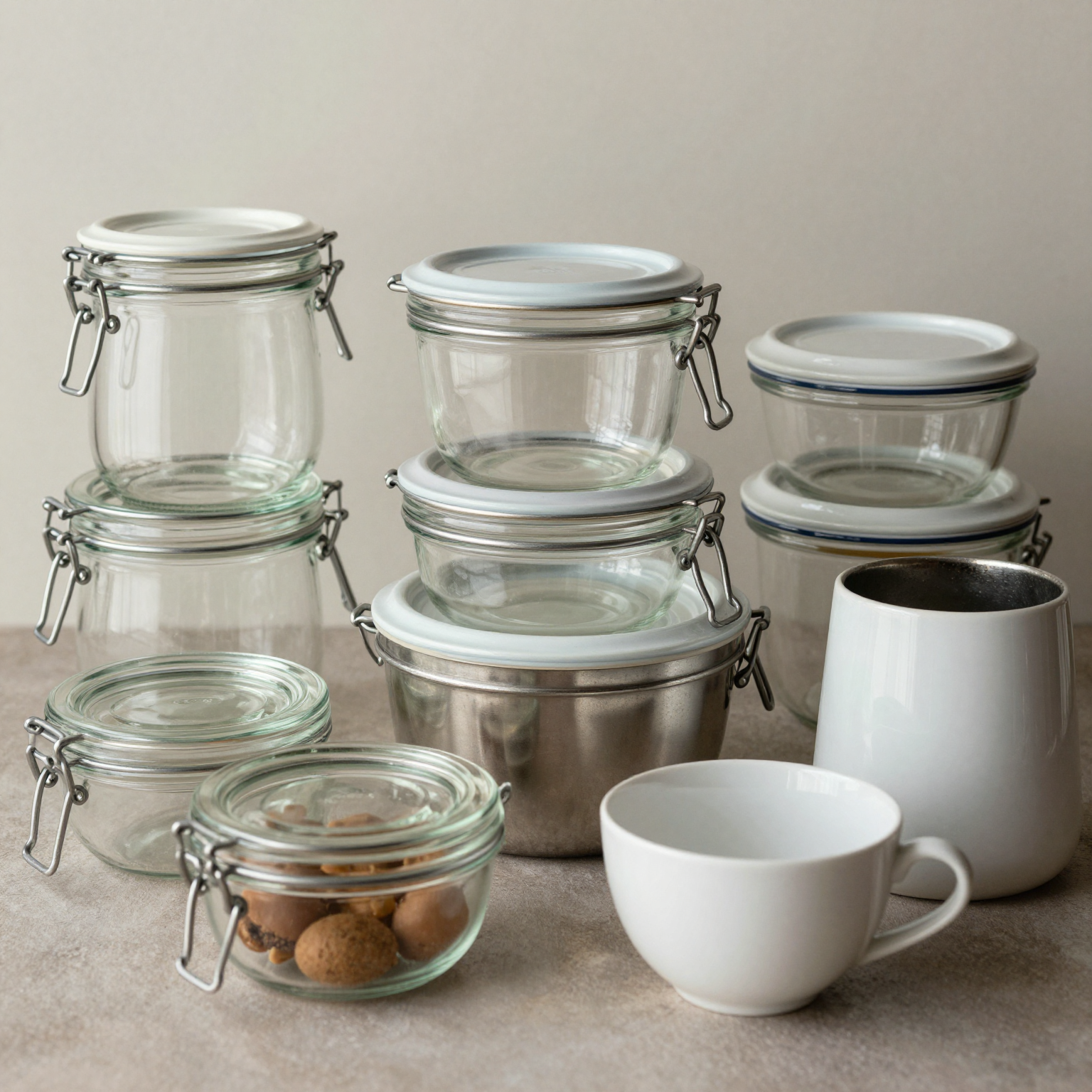
When it comes to non-plastic food containers, ensuring compliance with safety standards and regulations in Australia is paramount. These standards are designed to guarantee the safety of food contact materials, helping to reassure customers that the products they purchase avoid harmful substances and meet health guidelines.
Key Standards and Regulations
Australia has implemented several key standards that non-plastic food containers must adhere to, primarily governed by the Australian Food Standards Code. Here are some of the critical components:
-
AS 2070:1999 – Food Contact Materials and Articles: This standard outlines the safety requirements for materials that come into contact with food. It specifically includes guidelines for materials like metal, ceramic, and glass containers, emphasizing the importance of migration tests to ensure materials do not leach harmful substances into food. For instance, it indicates permissible limits for heavy metals like lead and cadmium. You can learn more about AS 2070 here.
-
Food Safety Regulations: According to the Department of Agriculture, Fisheries and Forestry (DAFF), all non-plastic food containers must undergo rigorous testing to determine the leaching of harmful elements such as lead and cadmium, as well as ensure that ceramic glazes do not contain these toxic materials. Food safety is closely monitored through both state and federal regulations, ensuring comprehensive oversight on all food packaging materials.
-
Environmental Compliance: The Australian government is also focused on minimizing environmental impact through regulations stipulated in the National Plastics Plan. This plan mandates that all food contact materials must be recyclable, reusable, or compostable, thereby encouraging sustainability in packaging choices.
Certifications Required
To further solidify customer trust, non-plastic food container manufacturers often seek third-party certifications that validate the compliance of their products with these standards. Certifications may include:
- NSF International Certification: This certification covers a variety of materials and tests containers for safety and performance.
- FDA Approval: While primarily applicable in the United States, having FDA approval can enhance product credibility for export markets.
- Australian Standards Certification: Products that meet AS certification signify adherence to Australian standards, reassuring local consumers.
Reassuring Customers
For businesses, particularly within the food and beverage sector like bubble tea shops and catering services, prioritizing compliance and safety standards not only safeguards public health but also serves as a marketing advantage. When you showcase compliance certifications, it indicates to customers that you care about their safety and the quality of the food they consume.
Products that meet these stringent regulations tend to gain a competitive edge in the market, as consumers today are increasingly health-conscious and environmentally aware. Therefore, investing in compliant non-plastic food containers aligns both with consumer demands and regulatory expectations.
In conclusion, the array of safety standards and certifications associated with non-plastic food containers in Australia not only guarantees product safety but also enhances customer confidence. Switching to compliant options is not just a regulatory necessity; it’s a smart business strategy.
User Adoption of Non-Plastic Food Containers in Australia
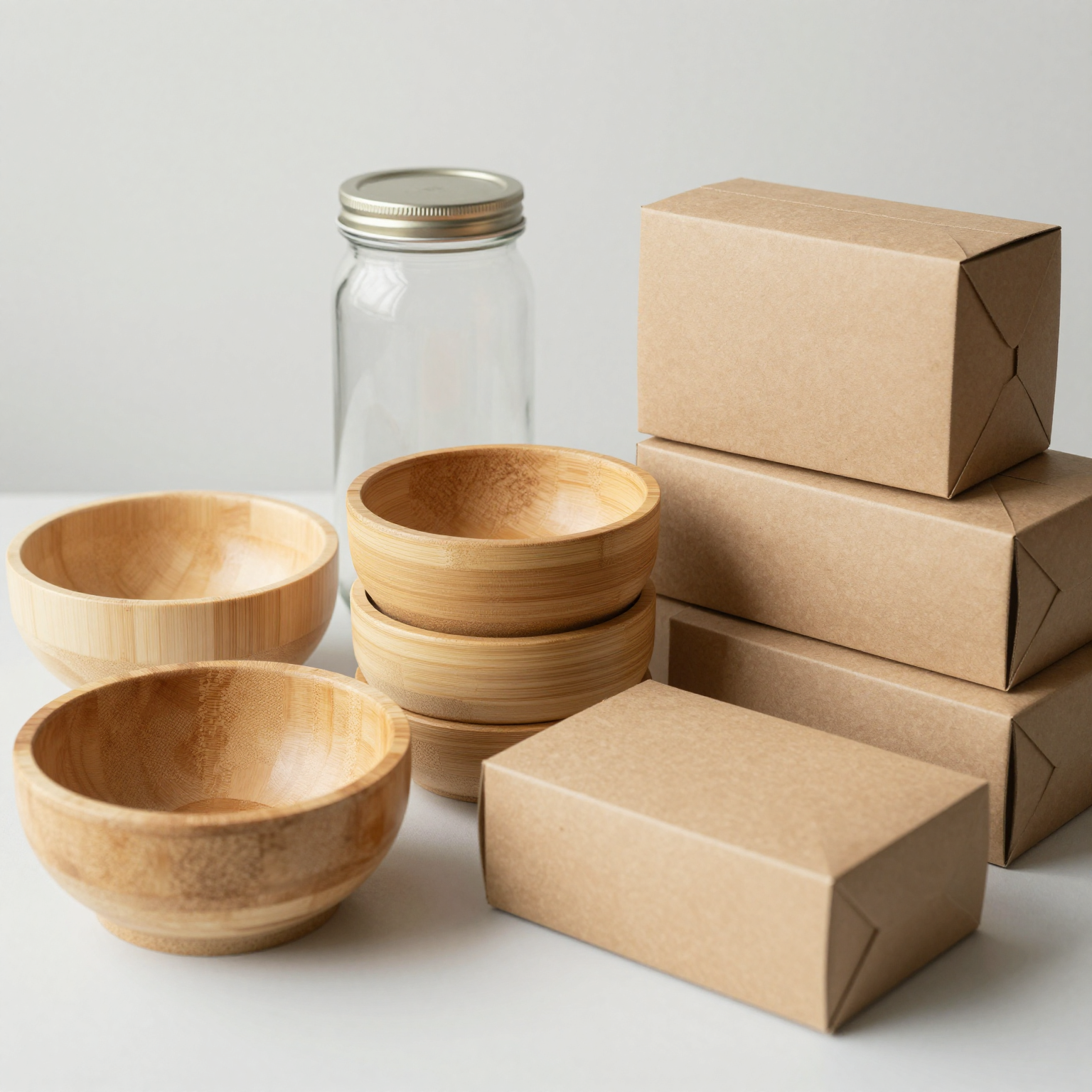
With growing environmental concerns and increasing regulations against the use of plastics, Australia is witnessing a significant shift in food service businesses’ packaging choices. Recent trends indicate that non-plastic food containers are becoming increasingly popular among various enterprises in the food sector, including restaurants, catering services, and food trucks.
Adoption Rates and Market Insights
According to the National Restaurant Association of Australia (NRAA), in 2023, 68% of Australian restaurants reported having made the switch to non-plastic food containers, a rise from 42% in 2021. This remarkable increase signifies an enhancing consumer preference for sustainable practices, compelling food service providers to adapt. A variety of alternatives have gained traction, including:
- Molded fiber products (made from sugarcane or bamboo)
- Paperboard containers
- Plant-based compostable films
The shift is driven by strong consumer demand, with a survey indicating 73% of customers are more likely to choose restaurants that offer eco-friendly packaging. This demand resonates particularly well with younger demographics who are more conscious about sustainability.
Government Regulations Driving Change
Furthermore, the Australian government has implemented stringent regulations to phase out single-use plastics, as per the “Problem Plastics National Roadmap.” Measures include the impending prohibition of several plastic items, such as foam containers and plastic cutlery. Although specific adoption statistics for workforces engaging in non-plastic alternatives were limited, these policies encourage widespread acceptance of sustainable packaging in local businesses.
Sales Trends in Compounding Alternatives
The market for compostable food packaging has also seen substantial growth. Retailers recorded a 45% increase in sales of compostable takeaway packaging in 2023, compared to the previous year. Major retailers, including Coles and Woolworths, have been phasing out plastic trays, opting instead for more environmentally friendly solutions.
| Year | Restaurant Adoption Rate (%) |
|---|---|
| 2021 | 42 |
| 2022 | 55 |
| 2023 | 68 |
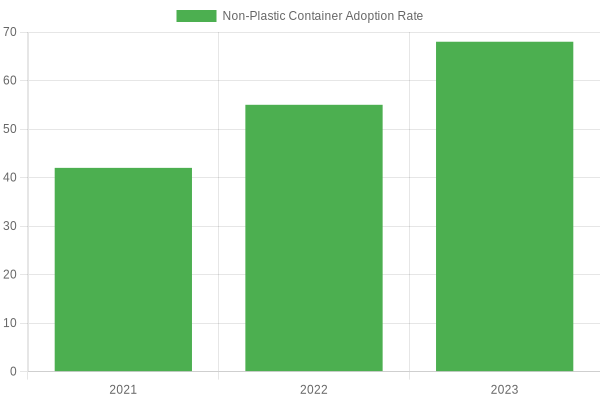
Adoption Rate of Non-Plastic Food Containers in Australia (2021-2023)
However, several challenges persist, especially regarding the higher costs related to adopting non-plastic options, which can be up to 30% more expensive than traditional packaging. Additionally, inconsistent availability of composting facilities outside major urban areas limits growth.
Conclusion
The drive towards non-plastic food containers in Australia’s food service industry highlights a pivotal trend shaped by regulatory frameworks and consumer preferences. As sustainability becomes the norm rather than the exception, businesses continuing to refine their packaging strategies will likely benefit from both customer loyalty and compliance with environmental standards. Regular updates and industry reports suggest that this momentum will only increase, making sustainable practices not just a market asset but a foundational expectation for future operations. For those in the food service industry, now is a compelling time to explore options like compostable packaging and paper food containers as they consider future strategies.
Transitioning to non-plastic food containers has been a game-changer for many Australian businesses. Here are a few testimonials and case studies that highlight the positive impact of this shift:
1. Perth-based Café Chain
A prominent café chain in Perth made the switch to plant-based takeout boxes, resulting in a remarkable 30% increase in repeat customers. They attributed this growth to enhanced customer satisfaction, with patrons appreciating both the quality of the compostable containers and the brand’s commitment to sustainability. As a proud café owner remarked, “Our customers love knowing they’re part of the solution, not the problem. Switching to non-plastic containers was one of the best decisions we made.” Learn more about sustainable packaging options.
2. GreenBox Australia’s Zero-Waste Takeaway Initiative
GreenBox Australia partnered with over 200 independent restaurants across Sydney, Melbourne, and Brisbane, implementing a zero-waste initiative that involved the use of 100% compostable containers made from sugarcane bagasse and bamboo. Feedback from their post-purchase surveys revealed an impressive 92% customer satisfaction rating regarding container quality and sustainability. One restaurant owner shared, “Our customers appreciate the eco-friendly packaging; it enhances their dining experience and their loyalty to our brand.” Check out more eco-friendly containers.
3. Urban Consumer Testimonials
A Deloitte report on consumer sentiment indicated that 76% of Australians prefer food delivered in non-plastic packaging, with 68% willing to pay more for sustainable options. Urban consumers have expressed a sense of pride in dining at establishments that prioritize eco-friendly practices. One consumer noted, “Seeing compostable packaging at my favorite lunch spot gives me a sense of contribution toward a healthier planet. It’s not just food; it’s a choice for sustainability.”
4. The Guardian’s Feature on Eco-Friendly Choices
In a recent feature, The Guardian collected stories from Australians who illustrate their preference for businesses using non-plastic food containers. A mother in Adelaide shared her commitment to supporting local cafes embracing eco-friendly practices, revealing how it aligns with her family’s values. “Choosing cafes that use biodegradable packaging is important to me. I feel like I’m making a difference with every meal.” This sentiment echoes across demographics, reinforcing the growing demand for non-plastic options in the food service industry.
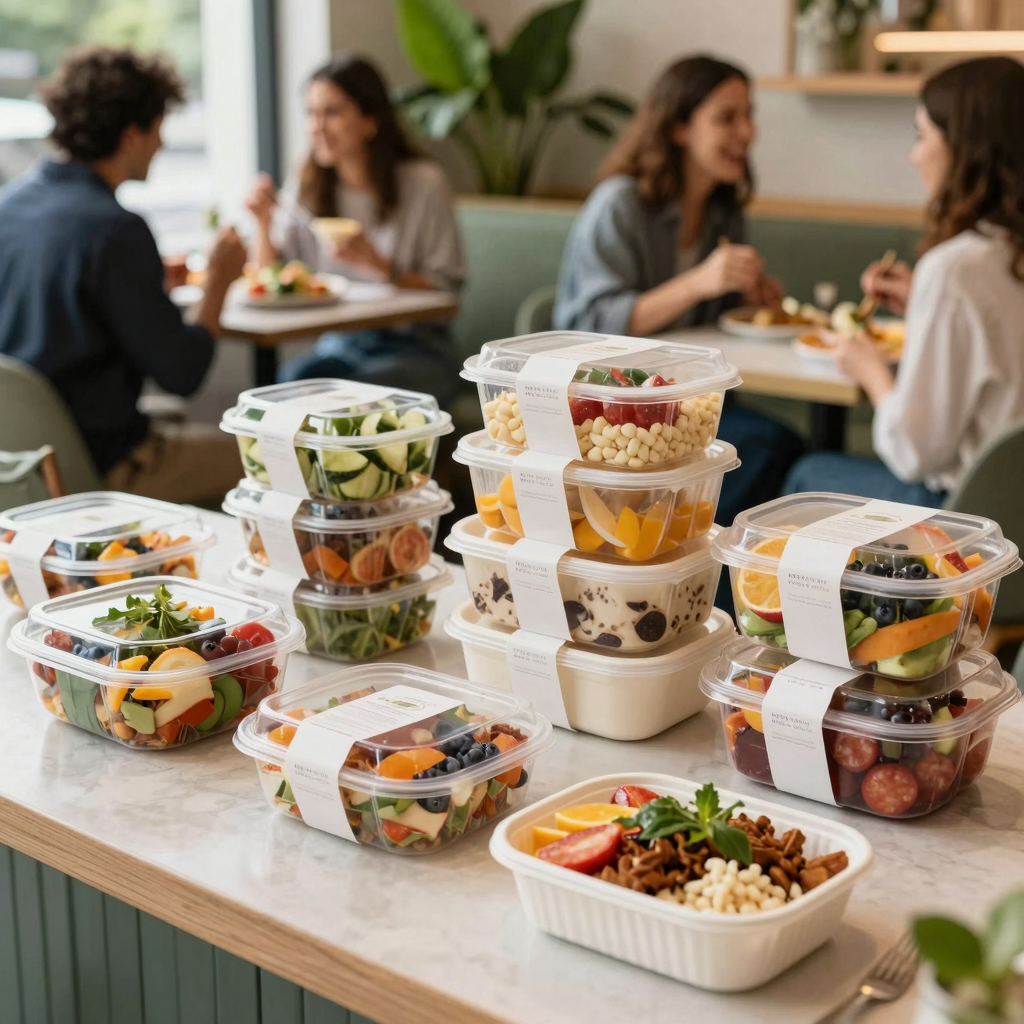
The testimonials and case studies showcase the significant advantages that businesses can gain by transitioning to non-plastic food containers. Not only do they appeal to the environmentally conscious consumer, but they also foster a powerful sense of loyalty and community support. For more options, explore our extensive range of paper packaging.
Growth of Non-Plastic Container Sales in Australia
The market for non-plastic food containers in Australia has been experiencing significant growth in recent years, driven by increasing consumer awareness about environmental sustainability and legislative changes. This trend is particularly notable since the introduction of Australia’s nationwide ban on single-use plastics in July 2022. Here’s an overview of the growth trends based on available data:
Yearly Growth Overview
| Year | Non-Plastic Food Container Sales Growth (%) | Key Drivers |
|---|---|---|
| 2021 | 4% | Early environmental awareness, pilot bans in major cities |
| 2022 | 8% | Expansion of plastic bans, increased consumer demand for sustainable options |
| 2023 | 12% | Nationwide plastic ban implementation, strong public advocacy, and policy enforcement |
Key Indicators
- Increased Demand: Sales of non-plastic food containers grew 12% in 2023, outpacing the overall food packaging market, indicating a robust shift in consumer preferences toward sustainable options.
- Legislative Impact: The Australian government’s initiatives, including the ban on single-use plastics, have accelerated the market transition towards alternatives like paper, bamboo, and bioplastics.
- Market Trends: Major retailers and food service providers are increasingly committing to using sustainable packaging materials.
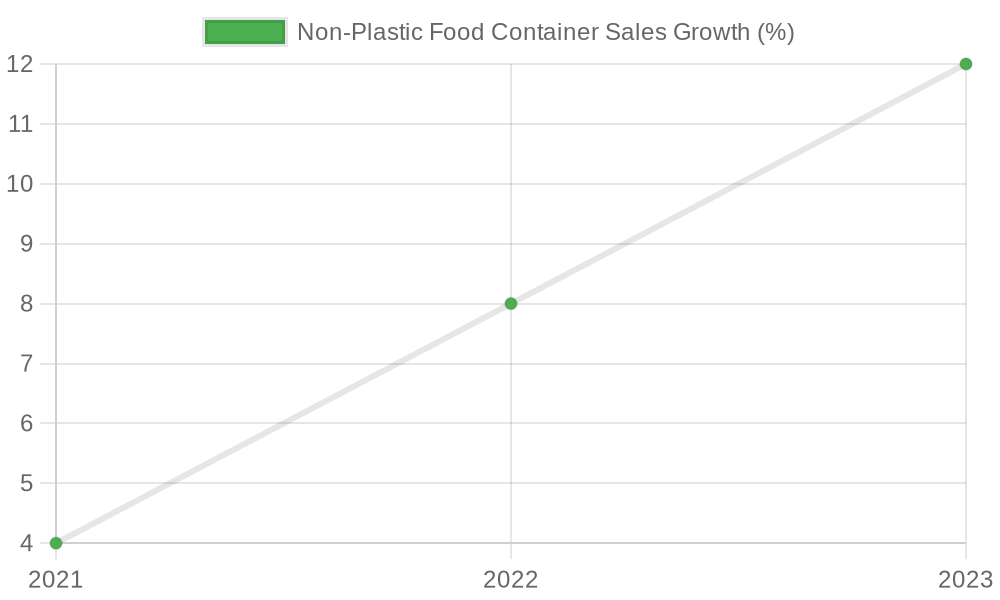
In conclusion, the future of non-plastic food container sales in Australia looks promising, with ongoing trends in sustainability and government support fostering further growth. Businesses in the food industry, from restaurants to catering services, can leverage this shift to meet consumer demands while contributing to environmental stewardship. For a deeper dive into sustainable packaging options, you can explore our range in paper packaging and disposable tableware.
Conclusion: Embrace a Greener Future with Non-Plastic Food Containers
In today’s eco-conscious world, the shift towards non-plastic food containers is not just a trend; it is a vital step toward a sustainable future. For businesses in the food and beverage industry-from bubble tea shops to catering services-the advantages of opting for biodegradable and recyclable packaging are numerous. Not only do these containers help reduce environmental impact, but they also appeal to a growing demographic of consumers who prioritize sustainability.
Choosing non-plastic food containers can enhance your brand’s image, attract environmentally-aware customers, and even open avenues for regulatory compliance as governments take a firmer stance against single-use plastics. In Australia, consumers are actively seeking businesses that demonstrate a commitment to sustainability, and integrating non-plastic packaging into your operations can significantly bolster your reputation and customer loyalty.
At Cofe Cup, we understand the unique demands of your business, whether you run a bustling restaurant or a mobile food truck. We provide a range of tailored solutions to meet your packaging needs, from biodegradable paper cups to eco-friendly food containers. Our products are not only practical and stylish but also designed to uphold your commitment to an eco-friendly business model.
Don’t miss out on the opportunity to make a positive change for the planet while simultaneously meeting your operational needs. Contact us today for a consultation! Our team is ready to assist you with fast delivery and customized solutions that suit your specific requirements. Together, we can create a smarter, more sustainable future for your business and our environment!
Common Misconceptions About Non-Plastic Containers
When it comes to non-plastic food containers, such as glass or stainless steel, several myths persist. Understanding these misconceptions can help you make informed choices for your restaurant, food truck, or catering service. Here are some common myths debunked:
-
Myth: Non-plastic containers are always safe.
Many believe that glass and stainless steel are completely free from health risks. However, certain types of glass may contain harmful materials in their glazes, and lower-grade stainless steel can leach metals under specific conditions, such as exposure to acidic foods. -
Myth: Labels like ‘BPA-free’ guarantee safety.
Some consumers think that BPA-free means no health risks at all. In reality, BPA alternatives like BPS or BPF may still pose health concerns. It’s crucial to choose high-quality, food-grade materials and check certifications to examine safety levels. -
Myth: Non-plastic equals eco-friendly.
While non-plastic options may seem more environmentally friendly, not all materials are sustainable or safe. Ceramic containers, for instance, can have lead-based coatings. It’s essential to prioritize quality and reputation over superficial labels. -
Myth: All non-plastic containers are microwave safe.
Many assume glass is automatically microwaveable; however, only containers labeled as microwave-safe can be used without risk. Using unapproved materials may result in food contamination or container damage.
In contrast, the benefits of non-plastic food containers are significant:
- Durability: Non-plastic containers resist breaking down and can manage repetitive washing in dishwashers.
- Chemical Resistance: They do not release harmful chemicals under heating or when coming into contact with acidic foods.
- Better Sealing: These containers often provide superior airtight sealing, keeping your food fresh longer.
Thus, choosing high-quality non-plastic food containers can enhance safety and sustainability for your food service operations. If you’re looking for packaging that aligns with these principles, check out options available for paper packaging or disposable tableware.