
Old Bag of Nails has established itself as a staple in American cuisine, particularly for those seeking delightful pub-style takeout. This article delves into the dynamics of Old Bag of Nails’ takeout service, presenting an overview of its operations, menu highlights, and authentic customer experiences. Whether you’re a food truck operator or an event planner, understanding the intricacies of their takeout service will illuminate how this restaurant chain can enhance your culinary offerings. Join us as we explore the essence of Old Bag of Nails takeout through detailed insights across three chapters.
Old Bag of Nails Takeout: Service, Taste, and the Pub Classics Going Mobile
The ritual of a good pub meal does not end at the door of the dining room. For many fans, the option to order Old Bag of Nails takeout preserves the comfort of familiar flavors while offering the flexibility that modern schedules demand. This chapter delves into the takeout service as a living practice, not a mere transaction, and it threads together the texture of what customers experience when they choose to bring the pub’s hearty, American-style fare home or to the office. Takeout has become more than a convenience; it is a test of a restaurant’s discipline in cooking, packing, and communicating with guests who are not seated in a booth but still expect the same standard of care. Old Bag of Nails, with locations including Westerville and Pickerington, Ohio, has built a reputation around this balance between quality and portability. What emerges is a composite view: the meals promised on the menu, the way they travel, the reliability of preparation, and the occasional friction that can arise when service meets the rhythm of a busy kitchen.
In practice, many patrons report a late lunch or early dinner loop in which a Gaylord Burger, paired with a Loaded Chili & Cornbread daily special, becomes a reliable duo for a satisfying break in the day. The customer anecdote about receiving a large, flavorful order, prepared exactly as requested and cooked well, is not merely a compliment to a chef’s skill. It is a window into the expectations that a takeout audience carries: generous portions that travel without losing essential textures, sauces, or heat, and a degree of precision in cooking that avoids overcooking or under-seasoning in transit. The description of “large and flavorful” portions is more than a sensory note; it signals an operational cadence that prioritizes portion control and consistent flavor profiles even when the environment shifts from a dine-in table to a takeout bag. The reported success of a well-done preparation in a takeout context underscores the kitchen’s ability to translate the dining room’s standards into a mobile format. This translation matters because the core comfort of Old Bag of Nails—its pub-style, hearty American fare—depends on the balance of savory, smoky notes and comforting textures that diners have come to expect from a sit-down experience.
Beyond the intimate details of taste and portion, the takeout process itself is a story of logistics and care that quietly shapes every customer’s impression. While the reviews do not lay bare a blueprint of pickup windows, online ordering interfaces, or packaging configurations, the consistent praise for food quality suggests a robust system for order accuracy and handling. When a dish is described as being prepared “exactly as requested,” that is a testament to the kitchen’s attention to order accuracy—a quality that travels through the pick-up counter and into the bag. It is also a reminder that takeout is a coupled act of cooking and packaging: a hot, well-seasoned plate must be kept hot, sauces must remain contained, and solid items need to resist shifting into the wrong compartments. In this sense, the physical experience of the takeout bag becomes part of the meal’s identity. While a critic’s remark about a delay—where staff seemed to ignore customers for about 30 minutes—illustrates how service timing can color a customer’s entire perception, it also becomes a data point about the complexity of restaurant workflows. The takeaway is not to generalize an isolated incident but to acknowledge that timeliness is a crucial dimension of the takeout experience, especially in a setting where the kitchen must balance multiple orders, some of which are time-sensitive if customers are on a lunch break or trying to catch a particular train.
Packaging and cleanliness, often implicit in takeout reviews, form the quiet backbone of the sustenance that arrives at a guest’s doorstep. A restaurant’s reputation for clean premises and clean restrooms is not simply about appearance; it is a proxy for the overall standards that likely carry into the takeout operations. When customers observe a well-maintained dining environment, they gain an assurance that the same discipline will extend to how meals are prepared and packed. For Old Bag of Nails, this inferred standard aligns with the reported positive sentiment about food quality and portion integrity. The absence of complaints about burnt or crumbly elements in a takeout order, in particular, points to a kitchen that exercises a careful hand in timing and temperature control, so that a burger remains juicy, a chili holds its body, and a cornbread retains its crumbly charm rather than turning to dryness or sogginess in transit. The combination of generous portions, direct cooking-to-order precision, and a generally reliable takeout experience has become the quiet virtue of Old Bag of Nails’ mobile dining option.
Yet no service narrative is complete without acknowledging friction. A 30-minute pause at the counter can alter a guest’s perception of value, especially when the expectation is to solve hunger with speed and reliability. The tension between a customer’s need for promptness and the kitchen’s demand for accuracy is a common thread in many takeout ecosystems. In the case of Old Bag of Nails, the content of that single critical review invites a broader reflection on how takeout operations can be reinforced through clear messaging, proactive communication, and flexible accommodation. Perhaps a guest who experiences a delay will be reassured by timely updates, an estimated pickup time, or a quick follow-up by staff to confirm the order’s status. In other words, a negative experience becomes an opportunity to demonstrate service recovery and to restore trust, reinforcing the idea that takeout is more than a transaction; it is an ongoing relationship with guests who value consistency and transparency as much as taste.
From a practical standpoint, the information available about Old Bag of Nails’ takeout emphasizes that hours and ordering methods may vary by location and are subject to change. The most reliable approach for a prospective patron is direct contact with the chosen outlet or a visit to the official site to confirm hours, pickup windows, and any special daily offerings. The absence of uniform, publicly released takeout particulars across locations makes the personal connection between guest and counter staff more critical. In this sense, takeout becomes a local conversation—an exchange that depends on the staff’s knowledge, the kitchen’s rhythm, and the guest’s anticipation of what the day’s menu holds. A late lunch, for instance, can hinge on whether a daily special like Loaded Chili & Cornbread is still available and whether the Gaylord Burger’s cook-time aligns with a careful, well-timed pickup. The practice of confirming order specifics directly with a location—before venturing out or earlier in the week—helps safeguard against miscommunications that can lead to unsatisfactory experiences. It also enhances the guest’s sense of control, turning a potentially haphazard process into a predictable, repeatable pattern of satisfaction.
A broader reflection on Old Bag of Nails takeout is thus not solely about the food, but about the choreography behind it. The restaurant’s identity—rooted in pub-style meals, a sense of warmth, and a familiarity that invites a familiar appetite—translates to the takeout counter as a promise that the core experience travels with the dish. The fish and chips, a classic benchmark for any pub kitchen, have earned commendations even when ordered to-go, suggesting that the batter’s light crisp, the fish’s moisture, and the potato’s heartiness can withstand the journey without compromise. The burger and chili combinations, described as robust and comforting, illustrate how well-executed to-go meals can capture the essence of the in-house dining mood: convivial, unpretentious, and satisfying. These qualities—how meals travel, how they are packed, and how accurately orders are fulfilled—are the silent cues that enable patrons to carry the pub’s atmosphere with them, even when they are not seated among ferns, wood tones, and the low hum of a dining room.
The practical takeaway for readers who are navigating Old Bag of Nails takeout is that no single feature alone guarantees a flawless experience. Instead, a constellation of factors—meal integrity, portion size, packaging, and the staff’s responsiveness—collectively shapes satisfaction. The menu elements mentioned in customer anecdotes—Gaylord Burger and Loaded Chili & Cornbread—are more than just dishes; they act as touchstones for taste memory. When a guest orders a late lunch or a casual dinner through takeout, these dishes buffer the day’s stresses with familiar flavors that arrive in generous portions. The positive notes about how the order is prepared—without burnt edges, without crumbling breading, and with enough heat retention to satisfy the appetite en route—underscore the kitchen’s ability to translate the pub’s culinary voice into a portable format that can be enjoyed at a desk, in a car, or in a living room. On the other hand, the one critical Yelp review serves as a cautionary counterpoint that keeps the community honest. It reminds patrons that a takeout experience is not guaranteed by reputation alone but is animated by real-time execution. The best approach for a diner who wants a consistently good takeout experience is a blend of planning and communication: call ahead, confirm the day’s offerings, and arrive with a flexible window for pickup. As with many neighborhood spots, the human element—the person at the counter, the cook on the line, the person who brings the order to the car—often determines the final impression more than any menu description can.
For readers who are exploring how to integrate takeout into their weekly routines, Old Bag of Nails serves as a useful case study in balancing appetite with practicality. The chain’s takeout approach—situated in the heart of pub-style cooking—demonstrates that it is possible to maintain the soul of a dining room experience while delivering it through a different channel. The palpable takeaway is not simply that good food travels well, but that customers value reliability and clarity in the process as much as they value taste. The takeaway service becomes a platform where the kitchen’s discipline—timing, temperature, and texture—meets the guest’s need for efficiency and comfort. In a world where takeout is increasingly the norm, Old Bag of Nails’ approach suggests that a strong, consistent product paired with transparent, responsive service can create a durable, repeatable experience. The emphasis remains on ensuring that each component of the takeout chain—cooking, packaging, pickup, and timing—operates in concert, preserving the pub’s essence while meeting the modern demand for convenience.
To illustrate a small but meaningful dimension of the takeout experience, consider the packaging choices that accompany a meal. A robust, well-sealed container can sustain heat, control moisture, and reduce spillage, making the difference between a meal that feels like a hurried takeaway and one that feels thoughtfully prepared for transport. In the broader industry narrative, packaging matters not simply as an accessory but as a factor that preserves quality. A practical example is the use of eco-friendly, heat-retaining containers designed to keep dishes like chili, burgers, and battered items at the right temperature for longer. The reference to a durable, eco-conscious container option—such as a kraft-based, waterproof, octagonal vessel—highlights how a restaurant can align culinary excellence with responsible packaging. Such considerations speak to a modern diner’s dual expectations: a satisfying hot meal that respects the environment and a takeaway experience that mirrors the care you would expect from dining in. In this sense, the takeout service becomes an extension of the restaurant’s philosophy rather than a separate afterthought, reinforcing the idea that good food deserves to travel well.
As this chapter advances, the broader text will continue to place Old Bag of Nails within the evolving landscape of takeout dining. The restaurant’s ability to deliver generous portions, consistent flavor, and careful preparation while navigating the unknowns of pickup logistics offers a lens into how traditional pub fare adapts to a fast-casual reality. The story is not a single verdict but a mosaic of experiences that emphasize taste, reliability, and the human elements that connect kitchen and customer across distances. For readers who seek practical guidance, the lesson is straightforward: verify hours, confirm your order, and consider the value of planning ahead when a favorite daily special is at stake. And when packaging is discussed, remember that the right container does not merely hold heat; it preserves the memory of the meal itself—the comfort of the first bite and the satisfaction of a well-earned break from the day.
Internal link to packaging options illustrates a tangible facet of the takeout experience. Packaging choices, when aligned with a restaurant’s culinary voice, can reinforce the quality guests expect. For readers who are curious about eco-friendly, take-away-ready containers used in the industry, a representative example is available at this packaging resource: senang-kraft-paper-octagonal-bowl-1200ml-waterproof-eco-friendly-disposable-salad-bowl-for-snack-cookie-warm-cold-food-pet-lid. Exploring such options helps connect taste with responsible warehousing and delivery, a synergy that supports both customer satisfaction and environmental considerations. In the larger arc of the article, this connection between flavor and form—how the food is packaged and carried—becomes a critical dimension of how modern takeout sustains the public’s appetite for comforting, familiar meals.
As Old Bag of Nails continues to navigate takeout in the years ahead, guests can expect a repeatable pattern: familiar pub flavors delivered with the care that characterizes the dine-in experience, tempered by the realities of a busy kitchen and the logistics of transport. For those seeking the most current details on hours, ordering options, and any potential service issues, direct contact with the chosen location or a look at the restaurant’s official site remains the best practice. The overall assessment remains positive: Old Bag of Nails takeout is a reliable choice for patrons looking for quality meals that travel well, with the occasional caveat that service pace and consistency can vary by moment and location. The chain’s ongoing ability to marry substantial portions with solid flavor in a takeout format continues to position it as a dependable option for those craving pub-style comfort, conveniently to-go.
External resource: https://www.fda.gov/food/buy-store-serve-safe-food
Old Bag of Nails Takeout Unpacked: A Pub-Style Menu You Can Grab on the Go
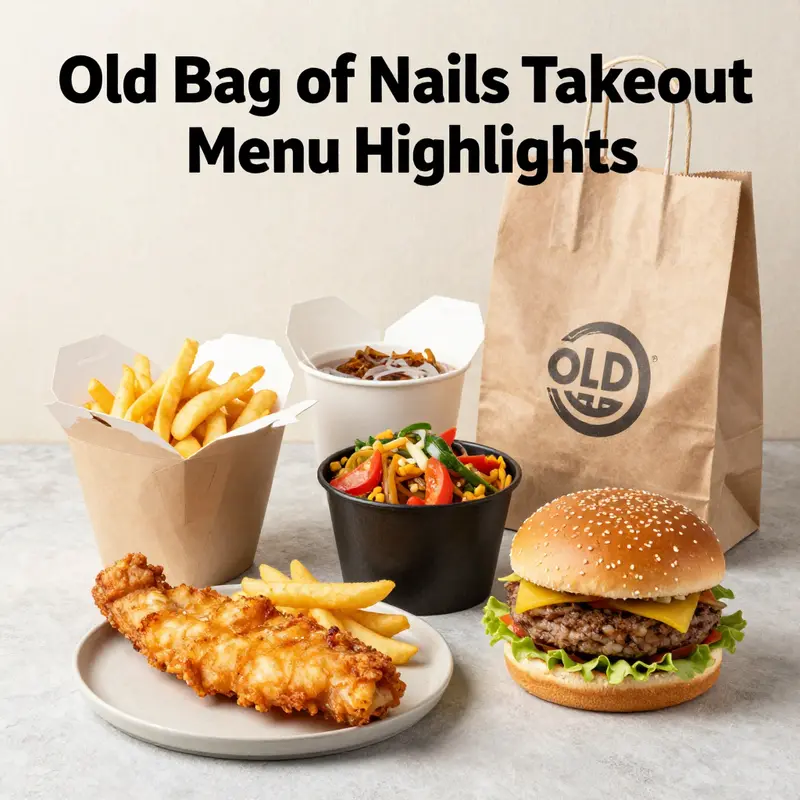
The aroma of a busy kitchen, the clink of glass, and the soft hum of chatter at a neighborhood staple—these are the sounds that accompany Old Bag of Nails when you decide to pick up a meal rather than dine in. The chain has built a reputation on a distinctly American pub-inspired menu, one that translates seamlessly to takeout without losing the heart and character that many patrons love when they step through the door for a seat at the bar. In communities like Westerville and Pickerington, Ohio, the takeout experience mirrors the dine-in vibe in spirit even as it shifts toward efficiency and convenience. You arrive, you present your name or order number, and within moments the order rests in its bag, ready to travel to the next stop in your day. The process is designed to respect busy schedules while preserving the essence of what makes this pub-style place feel both familiar and reliable. It’s not merely about the food; it’s about the assurance that what you crave can be ready when you need it, and that it will still feel like a meal you earned rather than a quick grab on the run.
What stands out in the takeout arena is the consistency that has become a hallmark of the experience. Across locations, the kitchen emphasizes items that travel well, yet do not compromise on taste or texture. The takeout menu is a curated snapshot of the same kitchen craft that patrons talk about after a meal in the dining room. The emphasis remains on robust, familiar flavors that carry well in a bag, accompanied by straightforward sides and sauces that respect the cook’s plan while allowing the diner to enjoy a complete, satisfying plate once the container is opened at home or at the office. In practice, that means robust burgers, warming chili, and seafood plates that hold their own when transferred from plate to takeout container to plate again. It also means a predictable rhythm: order, a brief wait as the kitchen assembles the plate with care, a neatly packaged bundle designed to arrive hot and fresh, and a quick, efficient pick-up that minimizes time spent in line or at the counter.
A central pillar of the takeout experience is the burger, the kind of large, well-seasoned patty that speaks to a pub’s heart: meat-forward, cooked to order, and held together by a sturdy bun that won’t collapse under heat and some saucing. The best of these burgers arrive exactly as ordered—whether you want it medium rare or well done—yet they do not become dry or crumbly in transit. The result is a sandwich that satisfies a craving for something indulgent yet straightforward, a reminder of days spent at the bar with friends, a plate that can be shared or savored in solitude while the television drifts through a sport or a news channel. The culinary philosophy behind the takeout burger is not about reinventing the wheel; it’s about maintaining the wheel’s reliability while ensuring the travel from kitchen to home doesn’t dull the experience. The bun remains sturdy enough to hold toppings without sogging; the beef maintains its juiciness; and the bite carries a balance of char and seasoning that makes each mouthful satisfying, even after a brief rest in a takeout bag.
The daily special that surfaces as a standout for takeout is a chili and cornbread combination—a hearty, warming option that suits the season and the mood of a quick meal with depth. The chili is rich, with a blend of spices that lend complexity without overpowering the dish’s core character. It’s a comfort-focused choice designed to fill a plate while preserving the integrity of the sauce in transit. The cornbread, freshly baked and lightly sweet, provides a generous companion that absorbs some of the chili’s heat and spices while adding a crumbly texture that contrasts with the chili’s smoothness. The pairing works well because it respects the practical needs of takeout: a substantial, self-contained meal that travels well and reheats with little loss of moisture or flavor. It’s the kind of daily special that becomes a dependable option during a busy week, offering nourishment and satisfaction without requiring elaborate assembly at home. The dish’s presence on the takeout menu highlights how a pub-style kitchen can provide home-meal comfort in a format that travels efficiently and maintains its character from kitchen to kitchen table.
Of course, seafood remains a defining thread in the takeout narrative. The fish platter and its close cousin, classic fish and chips, are frequently cited by regulars for their consistent freshness and thoughtful accompaniments. An optimal takeout iteration keeps the fish tender and flaky, with a light, crisp exterior that travels without losing its appeal. The accompanying tartar sauce is tangy enough to brighten the dish, the slaw offers a cool, crisp counterpoint, and the fries or chips maintain their structure, providing a pleasing contrast between soft interior and crisp exterior. The success of these dishes in takeout form rests on timing and packaging, two elements that remind diners that the kitchen understands how heat and texture evolve once the container is sealed and carried away. When a takeout order arrives within a reasonable window, the experience resonates with that sense of anticipation that comes with a carefully prepared plate—a reminder that the restaurant values not only the moment of cooking but also the moment of consumption elsewhere.
The broader seafood repertoire at takeout includes items like fish-centric sandwiches, fish tacos, and a shrimp-forward option that evokes the casual, coastal energy of a pub menu. These dishes translate well to pickup because they combine familiar flavors with textures that remain interesting after travel. A well-assembled fish sandwich arrives with the fish (lightly breaded or grilled, depending on the preparation) perched on a sturdy roll, dressed with crisp toppings that survive the journey and offer a coherent bite when you finally sit down with your plate. The fish tacos, similarly, rely on a balance of protein and toppings that are resilient in a takeout container, with a touch of heat from a sauce or seasoning that wakes up the senses without becoming overpowering on the road. The shrimp Po Boy, with its meld of seafood and dressing on a crisp crust, exemplifies how a pub kitchen can craft a sandwich that feels indulgent but still approachable for takeout, delivering a satisfying meal that doesn’t demand a long, lingering meal at the table. The Caesar salad, included as a lighter option, demonstrates that the takeout menu also respects guests who want something that feels fresh and crisp, with a dressing that travels well enough to keep the greens from wilting too quickly. It’s a reminder that the menu’s range maintains interest across moods: from heartier, heavier fare to lighter, more refreshing choices that still carry the pub’s signature flavor profile.
Beyond the specific dishes, the successful takeout experience at Old Bag of Nails rests on a few practical commitments. The kitchen’s discipline around mise en place translates into consistent portion sizes, minimal variance from one pickup to the next, and the ability to provide reliable heat and texture upon arrival. The takeout packaging, while often overlooked, plays a crucial role. A sturdy container system—one that can withstand the rigors of transit, protect sauces from leaks, and maintain the intended temperature for a reasonable window—ensures that a meal bought for convenience still tastes like the intentional, cook-driven product it is. The dining room’s energy—friendly staff, clean surroundings, and efficient service—often mirrors that same energy at pickup windows. Customers frequently report that the staff’s warmth and attentiveness continue to shine in the takeout process, with the added benefit of a predictable, timely experience. In a world where meals traveled in disposable containers can feel anonymous, the consistency of Old Bag of Nails’ takeout offerings helps create a sense of reliability that diners can count on when the day’s schedule requires a quick, comforting meal.
Pricing, of course, matters in takeout, and the menu’s value proposition is framed by reasonable costs that make this option accessible to a broad audience. The pricing strategy is not about being the cheapest in town; it’s about delivering a satisfying meal that aligns with the quality diners expect from a pub kitchen. The portions are ample enough to feel like a complete meal, while the options for sides and sauces allow for a personalized takeout experience without turning a simple pickup into a multi-item gamble. The result is a balanced equation: a menu that feels hearty and generous, prepared with consistency, and offered with an approachable price point that makes it easier to choose takeout on a routine basis rather than just as a rare treat.
For anyone seeking the most current menu items, prices, and availability, the reliable move is to contact the restaurant directly or check the official site. This approach is particularly important for takeout, where daily specials and limited-time offerings can shift with the week’s rhythm or with changes in supply. The strengths of the takeout program lie in its ability to retain the essence of a pub kitchen while adapting to the practical realities of carryout. The result is a dining experience that feels both comforting and efficient—a reliable option for a meal that satisfies, fits into a busy day, and still captures the spirit of a neighborhood gathering place that many patrons have come to trust.
In reflecting on the takeout journey, it becomes clear that the success is not simply about the plate on the table or the bag at the door. It’s about the care that goes into translating a dine-in identity into a takeout experience: the textural contrasts that survive transport, the boldness of flavors that remain recognizable, and the sense of hospitality that travels with the order. It’s about treating takeout as an extension of the restaurant’s philosophy rather than a separate category. It’s about the feeling that a meal grabbed on the go can still feel like a finish line reached after a day’s work, an invitation to unwind, and a reminder that good pub-style cooking is designed to be shared in any mode that suits the moment. As with many long-standing eateries that have weathered shifting dining trends, Old Bag of Nails embodies a philosophy that values consistency, warmth, and a practical approach to meals that travel. The takeaway is simple: when you need a satisfying, well-prepared meal that nods to traditional pub flavors while accommodating the realities of today’s busy life, takeout from this chain remains a dependable choice that often delivers more than a quick bite. The proof is not just in the menu’s breadth but in the steady testimony of regulars who continue to choose it for lunch, dinner, and those moments when a warm, flavorful plate is exactly what the moment calls for.
For readers who want the freshest snapshot of what’s available and the most accurate details about takeout timing, a direct check with the restaurant is always best. The mix of familiar favorites and occasional specials means that the takeout menu is not static; it evolves with demand, seasonality, and the ongoing work of keeping every dish at the high standard that has earned the chain its positive reputation. That normal cycle—an alternation between beloved staples and welcome novelties—ensures that the takeout experience remains inviting, even as the kitchen shifts to meet new challenges and guest expectations. In short, Old Bag of Nails’ takeout practice is less a simple transfer of food from kitchen to bag and more a careful orchestration of flavor, texture, and timing that honors both the diner’s needs and the pub’s culinary identity.
As you consider your next takeout order from Old Bag of Nails, consider not only what you crave but how the meal will travel. The chain’s takeout approach shows that it is possible to preserve the essence of a pub dining experience in a format that respects modern rhythms. It demonstrates that the choice to pick up a plate and bring it home can be a small ceremony—one that invites you to savor the same warmth, the same flavor profiles, and the same sense of place you would experience if you sat at the bar. With options that span hearty burgers, warming chili, and seafood-forward plates, the takeout menu provides a spectrum of comfort and satisfaction that can adapt to a variety of occasions: a quick lunch, a weekend dinner, or a casual gathering with friends or family. In this way, Old Bag of Nails continues to fulfill its role as a neighborhood hub of familiar flavors and friendly service, now extended beyond the dining room into the realm of takeout with the same care, consistency, and pub-inspired charm that patrons have come to expect.
For those who want to see how the menu translates to the plate before they call or walk in, the experience remains anchored by a few dependable cues. The kitchen’s approach to flavor ensures that even conceptually simple dishes carry depth: a well-seasoned patty, a chili that lingers on the palate with warmth, a crisp piece of seafood that remains tender inside, or a sandwich that holds together during transit and still offers the satisfying bite of quality ingredients. The takeaway journey is not about sacrificing character for convenience; it’s about preserving the integrity of the kitchen’s craft while delivering the ease that today’s diners require. In that sense, Old Bag of Nails’ takeout options function as a bridge between two dining modalities—two ways of enjoying good food in a setting that values community and consistency. The result is a takeout experience that feels as welcome as a neighborhood staple, delivering flavor, value, and a sense of place with every order.
To explore more about the current takeout options, menus, and hours, readers should consult the restaurant directly, as offerings can shift with location and season. This direct line to the source ensures the most accurate information and helps readers plan their next visit or pickup with confidence. In the broader landscape of takeout dining, the Old Bag of Nails approach stands out for its emphasis on familiar, well-executed dishes that travel well and still deliver a satisfying pub-meal experience in a bag. The result is a practical, comforting option that feels both local and dependable, an option that can fit into a busy day without sacrificing the pleasures of a well-prepared, thoughtfully presented plate.
For those particularly interested in the practicalities surrounding takeout packaging, the industry has increasingly leaned toward solutions that combine function with sustainability. One example of the growing emphasis on responsible takeout design is the availability of eco-friendly packaging options that are designed to be sturdy, leak-resistant, and compostable where possible. These packaging choices reflect a broader shift in consumer expectations and restaurant practices, underscoring the idea that takeout can be both convenient and considerate of the environment. This trend, while not unique to a single chain, is part of a wider movement within the industry that values the integrity of a dish from kitchen to home, including how it is transported and stored during transit. The connection between culinary craft and packaging science becomes especially evident when considering items that travel well, such as hearty burgers, chili with cornbread, and seafood plates, which rely on packaging that preserves heat, texture, and moisture without compromising safety or flavor. Consumers who prioritize sustainability in their takeout choices will find that restaurants increasingly offer options designed to meet those expectations, alongside the comfort of familiar flavors. In this evolving landscape, Old Bag of Nails’ takeout strategy aligns with a broader commitment to quality and reliability that goes beyond flavor alone.
In closing, the takeout chapter of Old Bag of Nails—though anchored in the reliable, pub-inspired kitchen that fans know—invites a deeper appreciation of how a restaurant translates dine-in experiences into takeout success. It’s about recognizing the care that goes into selecting, preparing, and packaging dishes that stand up to transport while remaining faithful to the kitchen’s original intent. It’s about the satisfaction of a well-made burger, the warmth of a comforting chili, and the crisp, fresh notes of seafood that arrive just as intended. It’s about service that remains friendly and efficient, even at the takeout counter, and about a consistent, value-driven approach that keeps patrons coming back for more. And it’s about a reminder that, in the end, a plate carried home from a neighborhood pub can feel like a small victory—a moment of pause, a moment of nourishment, and a reminder that good food, properly prepared and thoughtfully packaged, travels well.
For the most up-to-date information on menu items, prices, and availability, please visit the official site. This resource is the best way to confirm current offerings, hours, and any daily specials that may influence a takeout order. As the dining landscape continues to adapt to changing consumer needs, Old Bag of Nails remains a dependable option for those seeking a satisfying, well-executed pub-style meal on the go. More details and the latest updates can be found at the restaurant’s official site: https://www.oldbagofnails.com.
Internal link reference for readers exploring packaging options: eco-friendly kraft takeout packaging.
External resource: For the broader context of how dine-out and takeout trends intersect with traditional pub menus, see the official restaurant site for current information: https://www.oldbagofnails.com
Old Bag of Nails Takeout Chronicles: Flavor, Feedback, and a Patchwork of Branches
The takeout window at Old Bag of Nails feels like a small harbor in a sea of road-worn travelers, a place where the clatter of plates and the hum of conversation settle into a rhythm that feels almost like a familiar song. The chain has carved a niche in American pub-style dining, and its takeout service has become a lifeline for busy families, weary motorists, and professionals who crave a comforting meal without the need to sit in a booth and linger. The story of this takeout experience is not a single narrative but a tapestry woven from stops that span towns and traffic patterns, a mosaic shaped by the pace of each location and the people who run the kitchen and the front of house. Taken together, these moments illuminate how takeout in a pub setting works when the doors are open, when the menu is familiar, and when the routine of ordering and receiving a meal unfolds with a particular kind of hospitality that is both consistent and unpredictable across branches.
For many diners, the takeaway impulse has become less about convenience and more about ritual. A late lunch pulled off the highway, a dinner break while navigating weekend chores, or a quiet weekday meal when the kitchen seems a little brighter than usual—these are the scenarios in which Old Bag of Nails often shines. The menu, designed around pub-style American comfort, invites choices that translate well to takeout: burgers that fill the hand, bowls and bowls of heartier fare, and a lineup of sides that travel without losing their character. A traveler who paused for a late lunch in a Hilliard stop discovered how a chain’s ability to deliver a big, flavorful bite can transform a lengthy drive into something almost celebratory. The burger that arrived was described by the diner as substantial, robust, and cooked to request—well done, but not burned or crumbly—a testament to the kitchen’s care for timing and temperature. The accompanying chili and cornbread, presented as part of a daily special, complemented the main course and offered a contrast that many takeout meals struggle to achieve. In this small act—the packing, the steam escaping from the container, the moment the lid is removed—the restaurant conveys something essential about its approach to takeout: they want the experience to feel as complete as possible, even when the eater is not sharing the same dining room.
The takeaway experience is as much about the space as it is about the plate. The cleanliness of the dining area and the restrooms becomes a reflection of how the brand cares for its customers from the moment they step inside to the moment they walk out with a bag in hand. A visitor who made a late stop in Hilliard left with a sense that the overall atmosphere extended beyond the table. The servers’ friendliness, the neatness of the space, and the clarity of the counter process all contribute to a perception of reliability. When a customer believes the place will be clean and well run, the bar for takeout quality rises. The same person noted the large portion sizes and the confident, well-prepared flavors that traveled well, reinforcing the idea that takeout can stand on its own when the kitchen translates a fresh, well-seasoned kitchen into a container that preserves the integrity of the dish. In the end, takeout is not a second-best version of a dine-in experience; it is an extension of it, designed for meals that travel but still speak the language of comfort and care.
Yet the tale of Old Bag of Nails takeout is not a uniform one. A chorus of voices, gathered from reviews and direct observations, reveals a spectrum of experiences that cluster around a few predictable patterns and a handful of outliers. On the positive side, there are stories of warmth, efficiency, and consistent, satisfying fare. A Yelp reader highlighted the decor, the service, and the beer being exceptionally cold, pointing to a consistency in the social and sensory environment that accompanies the meal. The same review drew attention to a staff member named Mary who was described as fabulous, a small detail that matters in a service economy where small gestures—friendly greetings, timely refills, a quick glance to confirm a to-go order—often define whether a takeaway feels thoughtfully delivered or merely utilitarian. This blend of food quality, service demeanor, and the overall ambiance translates into a dependable takeaway experience for many patrons, especially those who return for repeat visits and who associate the brand with a sense of reliability, even when their plans shift or a long drive is involved.
Takeout success also hinges on the particulars of the menu and how well it translates to containers. Pub-style fare, when properly packaged, is surprisingly forgiving and forgiving is the crucial word here. A well-constructed burger can travel well if wrapped with a barrier to moisture and a crust that remains intact. A hearty chili, when paired with a sturdy side like cornbread, travels often without losing its warmth. Descriptions from regulars emphasize the practical balance of flavor and packaging: the dish remains flavorful, the texture retains its intended character, and the container design supports a meal that travels without demanding awkward rearrangements or a kitchen-table rearrangement at the other end of the experience. This is where the internal design of the takeaway—how the meal is boxed, how heat is retained, how cutlery and napkins are tucked into the bag—becomes as important as the recipe itself. When those elements align, the takeout experience becomes a quiet, reliable pleasure rather than a compromise.
But the map of takeout sentiment across locations is not flat. There are tensions that surface in reviews from Marysville and Columbus that remind readers that takeout is a live system with real people and real constraints. A Tripadvisor post from April 2021 described Marysville as a location with “horrible” customer service, a stark contrast to the otherwise positive threads that weave through other branches. Another review from the Columbus location spoke of slow ordering and delays in delivering food and drinks, with the critic noting a perceived lack of concern from the staff—even though the food, when it did arrive, was hot and appetizing. These notes are not mere outliers; they signal the volatile reality of multi-location operations where staffing levels, kitchen pace, and local management styles all play a decisive role in the tempo of service. What these divergent experiences share is a common thread: takeout is a joint venture between kitchen execution and the front-of-house rhythm. If either side of that equation strains, the entire meal can lose its shine, even when the recipe remains robust.
In reflecting on these mixed experiences, one sees that the takeout story of Old Bag of Nails is not simply a ledger of good and bad meals. It is a case study in how a relatively standardized menu interacts with a network of physical spaces and people who interpret a brand’s ethos in different ways. The chain’s core promise—hearty, American pub fare with a sense of warmth—has staying power, especially when the kitchen and service teams can coordinate to deliver that promise with consistency. The positive anecdotes speak to a real strength: a capacity to preserve flavor and character through the process of packaging and transit, and to do so in a way that feels personal. The negative anecdotes, meanwhile, expose the fragility of that system: a few poorly timed tickets, a busy shift, or a miscommunication can ripple into a customer’s sense of care and attentiveness. Taken together, these stories underscore one of the central truths about takeout in any multi-location restaurant: reliability is a practice, not a promise, and it must be earned anew in every location, every shift, and every order.
In the middle ground between praise and critique lies a practical path for patrons who want to maximize their chances of a satisfying takeout experience at Old Bag of Nails. First, timing matters. The chain’s overall hours may vary by location and season, and takeout windows can be shorter or longer depending on the day’s pace. It is wise to call ahead or check the latest posted hours before driving to a location, or to place an order with clear expectations about pickup times. Second, the ordering method matters. For some diners, the direct conversation with a staff member ensures that special requests are understood and captured accurately. For others, the online interface or a phone call provides a more efficient path to confirm details and prevent miscommunication in the kitchen. Third, the packaging matters. A well-sealed bag, a clean container, and a thoughtful arrangement of items—where sauces aren’t leaking, where utensils and napkins are accounted for—make the difference between a meal that travels well and one that arrives looking a bit battle-worn. The practicalities of packaging are sometimes the unsung protagonists of a successful takeout experience, and the right container can preserve moisture, temperature, and texture so that the eater enjoys the dish as the chef intended.
Within this framework, one can also consider the cultural and social layer of Old Bag of Nails’ takeout identity. The chain’s public-facing persona—informal, welcoming, and grounded in the conviviality of a neighborhood pub—translates into a takeout ethos that aims to reproduce that sense of hospitality beyond four walls. In many ways, takeout becomes a way of extending the barroom’s warmth to the kitchen’s precision, a balancing act that requires both heart and method. The positive notes about the menu’s breadth—the variety that encourages a traveler to choose something distinct or a family to pick a shared platter—highlight how the brand leverages its core strengths to create a takeout-friendly menu. A customer who stops for a late lunch often lauds the range of options and the speed with which a larger meal can be assembled, a practical benefit when time is limited and appetite is not. The sense of a reliable path home or toward the next leg of a journey—knowing that a well-prepared, satisfying meal awaits in a bag—becomes a form of comfort, something that may seem simple but proves meaningful when miles accumulate and fatigue grows.
As we trace these experiences, the importance of cross-location consistency becomes clear. The chain’s ability to deliver a similar level of food quality and service across towns is a measure of its organizational strength. Yet, the stories also remind us that consistency is a moving target, affected by the density of patrons, the cadence of staff, and the day’s specific pressures. A single, well-retained staff member, like the mentioned Mary who contributed to a positive experience, can become a touchstone for customers who rely on that impression to decide whether to return during a next drive or a next family night. The power of a name, a kind word, or a simple gesture should not be underestimated in the calculus of takeout satisfaction. These human elements—paired with the tangible elements of a burger’s sear, a chili’s depth, and a cornbread’s crumbly sweetness—cohere into a narrative that’s quite different from the sterile experience of ordering a dish meant to be assembled at home. In that sense, the Old Bag of Nails takeout story is less about a menu and more about a relationship among the diner, the staff, and the physical act of containerized dining.
The chapter closes by recognizing that takeout, in the context of a pub-style menu, is a modern ritual that fits into the rhythms of contemporary life. People want the comfort of familiar flavors, the feel of a place that has character, and the assurance that a meal can arrive hot, intact, and ready to be enjoyed fully. Old Bag of Nails, by many accounts, offers a workable path to that goal, even as it navigates the challenges of scale and regional variation. For some patrons, the experience will be flawless and memorable; for others, it may fall short on a particular day or at a particular location. The stories gathered from travelers, regulars, and reviews all contribute to a larger understanding: takeout success for a regional chain rests on a combination of well-executed recipes, consistent but flexible service, and packaging that honors the food’s integrity from kitchen to kitchen counter to front door. It is a balance of craft and care, a continual adjustment in response to demand, and a reminder that the best takeaway experiences weave together flavor, temperature, pacing, and personality into a meal that feels complete no matter where the eater is.
For readers who want to go deeper into the packaging and design aspects that accompany a takeout meal, consider the evolving language of containers and lids that keep soups warm without sacrificing the integrity of a crisp crust. A particular design approach to takeout boxes—one that uses sturdy Kraft paper with clear lids and a geometry that reduces spillage—offers a tangible example of how form supports function in the takeout ecosystem. The small details—the snap of a lid, the taped seam that keeps moisture in, the spacing that prevents the chili from soaking into the bread—are not flashy but essential. They are the unglamorous but reliable features that allow a diner to trust that the next bite will be as satisfying as the first. This is the underlying promise of Old Bag of Nails takeout: a steady, unpretentious delivery of flavor and warmth that makes the long drive or the busy evening a little easier to manage. While the chain continues to adapt to local realities, the throughline remains intact: takeout is a bridge between kitchen craft and commuter life, a portable version of the pub experience that invites people to pause, savor, and continue their journey with the same sense of comfort they would expect from dining in.
To illustrate the practical side of this narrative, consider how a diner can navigate the variability between branches. If a traveler knows the Columbus location has occasionally struggled with speed during peak hours, they might plan ahead by calling in the order or choosing a non-peak window for pickup. If another guest encounters a Marysville location that has a reputation for slower service, they may opt for a different branch or place a larger emphasis on the ordering clarity to ensure the kitchen receives a precise request. The recurring takeaway is that the chain’s existences across different cities creates a network of experiences that can feel cohesive to some and divergent to others. This does not undermine the overall value of the brand; instead, it highlights the need for a mindful approach to takeout: seek the options and times that align with your expectations, and stay aware that the anticipation of a reliably comforting meal is often the result of both the kitchen’s skill and the staff’s attentiveness on a given day.
As a final reflection, this chapter invites readers to recognize that the takeout journey with Old Bag of Nails is less about a single plate and more about the tapestry of moments that surround the bag. It is about the way a late lunch on a long drive can become a pause that refreshes the body and the spirit, how a meal can offer a sense of place even when miles separate you from the dining room, and how feedback—whether glowing or critical—helps the chain refine its practice. The good days and the challenging days both contribute to a richer understanding of what it means to eat well on the go, to honor a recipe, and to respect the people who prepare, package, and pass the meals across the counter. In the end, Old Bag of Nails takeout is not merely a convenient solution to hunger; it is a small, stubborn pledge to deliver warmth, flavor, and a sense of belonging to travelers and locals alike, one bag at a time. For those who pursue that pledge, the grocery-store of options becomes a little less crowded, and the road ahead feels a touch more inviting. And if a moment feels worth revisiting, the memory of a well-timed, well-packed meal becomes a quiet reminder that good food, even when it is taken away, can still feel like a homecoming.
Internal reference for readers who are curious about container design and takeout packaging that complements meals like these can be found in this design-focused resource: new design salad rectangle takeaway kraft paper octagonal box with lid. This link offers a concrete example of how packaging works to preserve the integrity of meals that travel, echoing the everyday choices that influence how a takeaway meal lands on a dinner table. For readers seeking external perspectives and broader consumer feedback about Old Bag of Nails’ takeout experiences, external reviews provide a public window into how these moments play out across diverse locations and times. See the broader consumer landscape at https://www.yelp.com/biz/old-bag-of-nails.
Final thoughts
In summary, Old Bag of Nails takeout illustrates a remarkable union of service quality and culinary excellence. With timely service and a diverse menu that caters to various tastes, it is a reliable option for food enthusiasts and event planners alike. By exploring their takeout offerings, you can elevate your catering needs or simply enjoy a delightful meal at home. Whether for a casual gathering or a sophisticated event, Old Bag of Nails stands out as a premier choice for quality takeout service.