
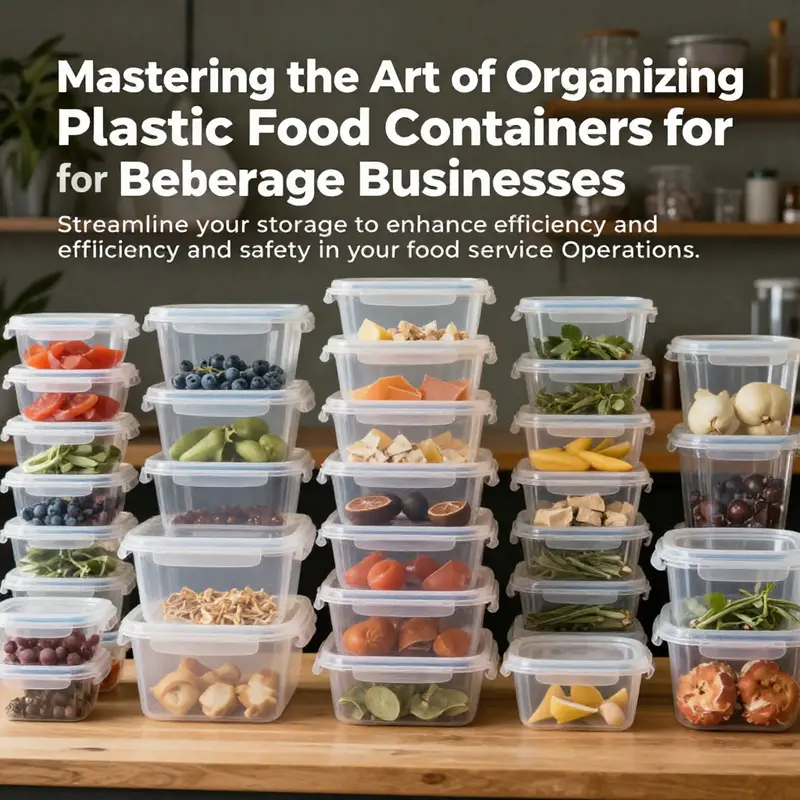
Maintaining an organized inventory of plastic food containers is critical for beverage establishments like bubble tea shops, restaurants, and food trucks. Efficient organization not only saves time but also ensures food safety and enhances overall operational efficiency. This guide will walk you through a comprehensive process tailored for your business, starting with assessment and purification of containers, followed by material sorting, organizing by size and shape, and optimizing your storage space. Each step will empower you to create a functional and tidy environment, tailored to meet the unique needs of your enterprise.
Clearing the Clutter: Assessing and Purging for a Safer Plastic Container System
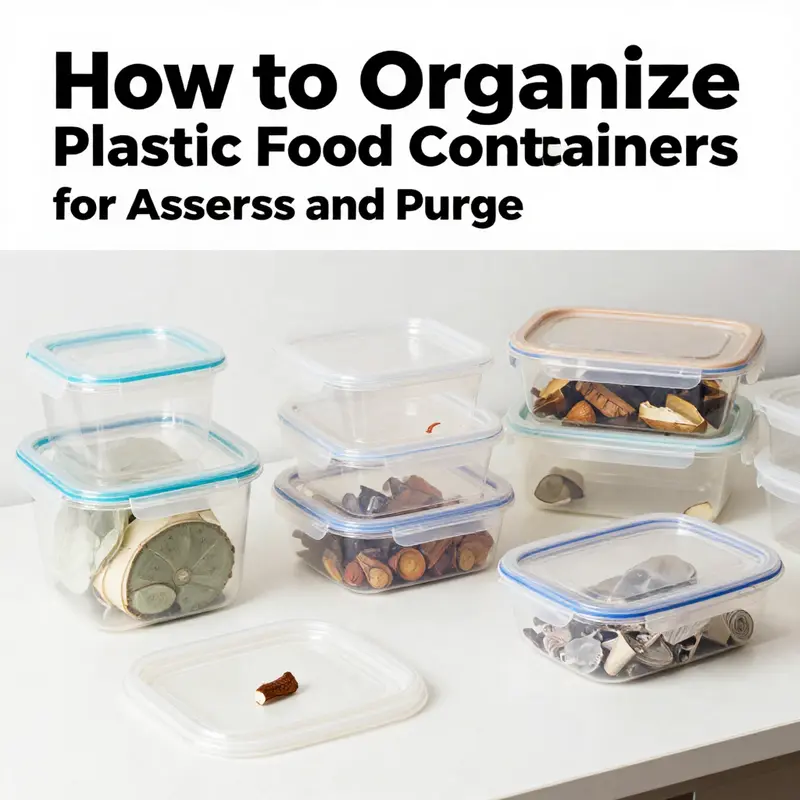
Organizing plastic food containers begins with a moment of pause and honest evaluation. Before you can impose any order on your collection, you must assess the condition and safety of each container to guarantee that your food storage methods remain both functional and secure. This chapter guides you through the first essential steps of removing, examining, and purging outdated or damaged containers, setting the stage for a system that works effectively in your kitchen.
Begin by removing all your containers from cabinets, pantries, and drawers. Place every container on a large, clean surface. This clearing process may feel overwhelming at first, but it is a crucial act of liberation. You now have an unobstructed view of everything you own. In this state, each container is free to reveal its story of wear and use.
As you work through your collection, inspect each container with care. Look for signs of cracks, chips, and scratches. Note any obvious warping or discoloration. Each of these signs is a warning that the container may no longer serve its purpose safely. Old containers sometimes harbor micro-cracks that are not immediately visible. Such wear can lead to contamination or breakage over time. As you inspect, ask yourself if a particular container maintains its structural integrity and clarity from use.
A container with even a minor defect may become a serious hazard. Cracks and chips create places for bacteria to thrive. Over time, these flaws can affect food quality. A container that has lost its crisp transparency may have reached the end of its life. Remember that food safety relies on reliable storage that does not inadvertently compromise the food it holds.
Discard any container that is damaged beyond repair. Ensure that any container missing its crucial lid is also removed from your system. A container without a lid can never offer the same protection as one with a secure seal. In some cases, you might be tempted to keep a container that only exhibits superficial flaws. Yet, the fundamental characteristic of a food storage container is its ability to protect and secure its contents. When that capability is under question, it is safer to dispose of it.
In addition to visible damage, consider the age of your containers. Those produced before 2010 might contain substances like BPA, a chemical associated with potential health risks. Even if the plastic appears intact, its molecular structure might have changed over time. Prolonged use leads to chemical degradation. Such containers may gradually lose resilience and could eventually leach harmful compounds. The safe practice is to part ways with these older items.
Once the removal is complete, sort through what remains. Create separate piles for safe containers and those that should be replaced. As part of sorting, consider the type of plastic each container is made from. Examine the bottom of every container for recycling codes. Certain codes such as 1, 2, 4, and 5 generally indicate plastics that are considered safe for repeated food storage. Containers marked with other codes may be prone to chemical leaching, especially when exposed to heat or acidic foods.
This detailed sorting is not simply about discarding the faulty; it is also about acknowledging which containers will reliably carry your food day after day. Group together containers based on their type and intended use. Set aside those that are microwave-safe, freezer-safe, or meant strictly for dry goods. This categorization respects the unique requirements of different environments. The smallest containers can be allocated for snacks, while larger ones may be indispensable for meal prepping. A proper sort lays the groundwork for an efficient organization system.
As you move from assessing to sorting, it is important to reflect on your daily use. How often do you pack lunch? Do you prepare meals in advance or occasionally store snacks? Answering these questions helps to reveal an ideal collection size. It is better to have fewer, high-quality containers than to maintain a sprawling, unorganized stockpile. Consider the convenience of having well-matched sets that were selected with life’s routines in mind.
During this review process, you might encounter containers that have served faithfully for years. Even if a container appears to be in working order, its longevity can be a marker of underlying issues. With repeated use and frequent washing, plastic can degrade imperceptibly. The accumulation of tiny abrasions from hand-washing or dishwasher use subtly reduces the reliability of the plastic. Decide if the historical reliability of the container outweighs the modern need for assurance that every piece is safe. In many cases, opting for a new container is the best investment in your health and your organizational system.
If you remain uncertain about whether to keep a container, consider its intended use. For high-risk applications such as reheating or storing acidic foods, err on the side of caution. Use only those containers that are in peak condition for tasks that will subject them to higher levels of stress. For milder tasks such as dry storage or brief cooling in a refrigerator, you might allow a container that shows only minor signs of wear. However, this analytical approach requires honest self-assessment. Over time, strict standards build a habit of safety and organization that pays dividends in peace of mind and effective space management.
After discarding and sorting comes the next phase: preparing for long-term storage. Now that you have refined your collection, it is time to plan the physical organization of the containers. Creating a systematic layout benefits not only your space but also your workflow. Begin by grouping containers by size and shape. Large containers should be kept together, while smaller ones are bundled separately. This sense of order reduces the daily stress of fumbling in a cluttered drawer.
Consider stacking your containers vertically instead of piling lids and containers haphazardly. This vertical arrangement not only saves space but also eliminates the chaos of mismatched covers. When containers are stored one atop another, you can quickly identify the one that suits your present need. Some may prefer using clear storage bins to segregate similar items neatly. A bin that holds medium-sized containers, for instance, streamlines your retrieval process. Similarly, a designated space for lids — perhaps a small drawer organizer — prevents them from becoming lost or mixed up.
To build on these initial steps, integrate your newly purged collection into your existing kitchen organization system. Utilize drawer dividers or pull-out organizers to ensure that even within a single cabinet, each container has its rightful place. If you have cabinets with lazy Susans, consider positioning your containers in a rotational order that makes every item accessible with a simple turn. Organizing is not just a static achievement; it is a dynamic system that adapts to your evolving needs.
The act of purging is more than just a cleaning step—it is a declaration of intent. By choosing to discard damaged, outdated, or unsafe containers, you reinforce your commitment to a hygienic, efficient kitchen environment. The process encourages you to view each item critically, weighing its usefulness against the potential risk it poses for food contamination. The right containers not only protect food but also help maintain the kitchen’s overall sense of order and tranquility.
Each container that passes inspection becomes a reliable tool in your daily food prep routines. With careful assessment and thoughtful purging, you simultaneously enhance the safety of your food and the clarity of your storage spaces. For those who intend to adopt eco-friendly options in the future, now also is the time to integrate innovative choices. For instance, some enthusiasts might explore alternatives that focus on sustainability and safety. Consider exploring a range of eco-conscious products, such as durable food-grade bowls or containers with verified non-toxic materials. You may find additional guidance on such innovative storage solutions at this resource for eco-friendly take-away bowls eco-friendly take-away bowls.
Updating your collection has multiple benefits. It helps maintain the excellent condition of your remaining containers and encourages you to stay vigilant about future wear and tear. Regular inspection should become a scheduled task. Every few months, remove your containers and repeat the above inspection steps. Daily use naturally wears on plastic, and this periodic review prevents small issues from escalating into larger hazards. Moreover, a fresh, organized collection of containers contributes to an overall positive environment in your kitchen. There is a hidden satisfaction that comes with knowing each tool is good for its intended purpose.
When you have purged your collection and assembled a group of containers that meet your criteria, take time to calibrate your storage strategy. Reassess the layout of your cabinets and drawers. Think about how often you access each type of container. For instance, frequently used items should be stored in the most accessible locations. Larger, less frequently used containers might find a home on higher shelves or in a storage area reserved for seasonal use. By aligning physical placement with frequency of use, you banish the clutter of misplacement.
An organized kitchen is not built overnight. It is forged by many small, deliberate actions that, taken together, yield long-lasting benefits. The initial step of assessing and purging permits you to see both the potential and the liabilities in your current setup. With each container that is discarded, you clear space not only physically, but also mentally. A clean space invites creative solutions and reduces the burden of daily decision-making. You are then free to focus on implementing a system that works effortlessly in concert with your habits.
Taking care to wash your containers properly is another important element of long-term organization. After each use, wash your containers with warm, soapy water. Use a soft sponge to avoid scratches that may compromise the surface. Avoid abrasive scrubbers that might damage the plastic. In addition, refrain from placing containers in very hot water or in the dishwasher if the label advises against it. The constant cycle of washing can accelerate the breakdown of plastics if not managed with proper care. Establish a washing routine that prolongs the lifespan of your containers.
Beyond day-to-day cleaning habits, the careful storage of lids commands special attention. Lids can easily become misplaced or damaged if stored loosely. Instead, store lids together in a compartment that ensures easy pairing when needed. Consider investing a small tray or organizer dedicated solely to lids. This method not only protects the lids from getting deformed but also minimizes the search time when you need a matching lid.
In the realm of plastic food container organization, precision is key. Each step—from clearing surfaces and scrutinizing damage to sorting by size, plastic type, and intended function—plays a vital role. When every container meets a standard of safety and functionality, your kitchen becomes a model of efficiency. Additionally, this rigorous process helps reduce environmental impact. By purging outdated or compromised containers, you reduce the risk of purchasing excessive, redundant replacements. The thoughtful curation of your container collection thus serves both a practical and an ecological purpose.
Sustainability is an underlying theme that completes the circle of effective organization. As you organize, consider the future of your collection and how your environment might benefit from more responsible choices. The act of purging ignites the opportunity to replace disposable items with durable, safe alternatives. It encourages you to keep an eye on material quality and to embrace products made with rigorous safety standards. This organized approach not only improves food safety but also contributes to a healthier overall ecosystem.
It is helpful to schedule a periodic review of your plastic container inventory. Every six months or so, remove your containers and re-examine them closely for signs of stress or fading. In doing so, you can preemptively remove items that might soon pose risks. This ongoing initiative ensures that your set remains current, safe, and suitable for everyday use. A few extra minutes spent every few months can greatly enhance your long-term kitchen organization and safety.
The benefits of a thorough initial purge extend far beyond the moment of cleaning. A well-organized assortment of durable and safe plastic containers lays the foundation for efficiency in meal planning, food preparation, and storage longevity. Fewer broken or mismatched containers mean less time wasted searching for the right tool and more time enjoying well-prepared meals alongside the comfort that comes from knowing your food is stored safely.
In summary, the assessment and purging steps are critical for setting up a highly effective storage system. You must remove all containers, evaluate them with a keen sense for safety, and discard those that show signs of damage or aging. This step-by-step scrutiny not only enhances the safety of your stored food but paves the way for the next phase in organization. An environment that is clean and systematically arranged promotes best practices and encourages a habit of continual review and renewal.
Adopt a persistent mindset. Every container kept should pass a strict safety check. This discipline protects both your health and your time. Over time, establishing routines for assessment and purification builds a resilient organization system that stands up to daily challenges.
For further insight on safe plastic use and storage best practices, please refer to the guidelines available at the FDA official website. This external resource provides valuable information to support your efforts in maintaining a kitchen that is both safe and efficient.
By committing to these assessment and purging steps, you invest in a future where your kitchen is not just a place for cooking, but an organized space devoted to health and functionality. Each container that is preserved meets strict criteria, offering reliability for meal prep and lasting durability. The act of clearing the clutter is transformative—it offers clarity and educates you on the importance of regular maintenance. With a refined set of containers, your subsequent organizational tasks become far simpler and more effective.
Through dedicated observation and decisive action, your plastic container collection transforms from a random assortment into a carefully curated set of essentials. The clarity gained from this process reaps rewards every time you open a cabinet and easily find the container you need. Integrating safety, practicality, and an eco-friendly mindset into your organization strategy ensures that each decision contributes to your overall quality of life.
In conclusion, the journey to an organized kitchen begins with a detailed assessment process. By methodically examining and purging your plastic food containers, you champion both safety and efficiency. This chapter emphasizes the critical importance of starting with a clear inventory, discarding items that no longer serve you, and making informed choices based on safety standards and usage needs. With consistent care and periodic re-evaluation, your system remains robust and risk-free.
Embrace these introductory steps wholeheartedly and witness a transformation in the way your kitchen operates. There is a quiet satisfaction in knowing that every container on your shelf is not only safe and secure, but also perfectly aligned with your culinary routines. This newfound order is a testament to your commitment to health, organization, and mindful consumption of resources.
Every container retained after this meticulous process is a testament to quality and reliability. The careful purging and subsequent sorting allow you to reclaim both space and mental clarity. Each container now stands as a small pillar in the foundation of a well-organized space dedicated to safe food storage. The ongoing effort to maintain this system is key to ensuring that your kitchen remains a haven of order and safety for years to come.
Mastering Material Identification and Use-Based Sorting for Safer, Streamlined Plastic Food Container Organization
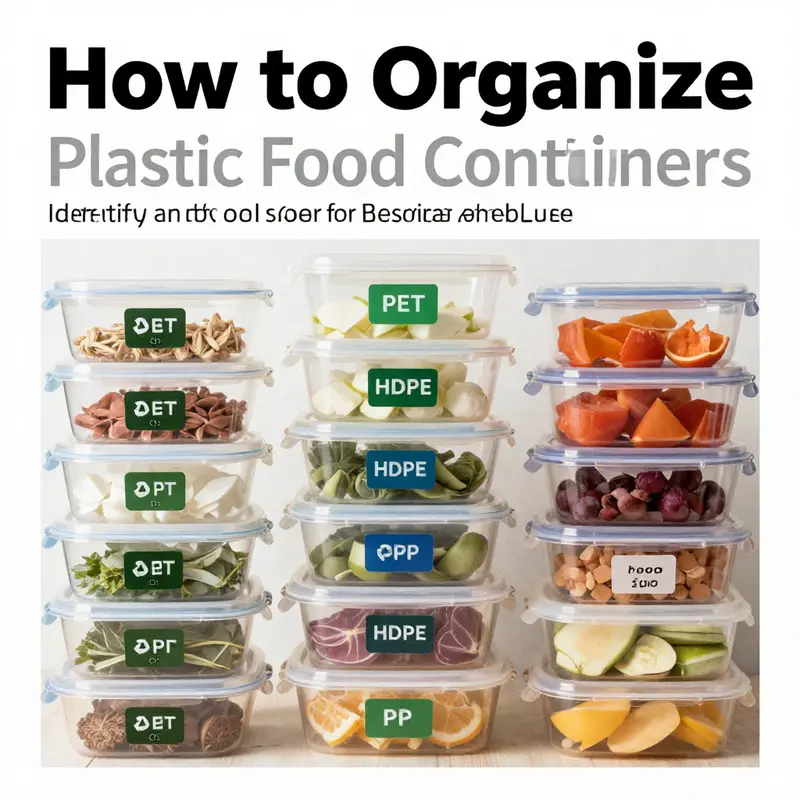
Organizing plastic food containers is not simply about tidying up your storage space; it is a thoughtful and essential process that begins with a deep understanding of the materials you are dealing with and how each container is intended to be used. In today’s kitchens, where efficiency and food safety are paramount, recognizing the subtle but crucial differences in plastic types enables you to make informed decisions regarding which containers to keep, how to store them effectively, and which ones may need to be repurposed or discarded. When you begin by examining the recycling codes on the bottoms of each container, you are taking the first significant step toward ensuring that the plastic you use in your food storage is safe, durable, and appropriate for the conditions of your daily culinary routines.
A thorough examination of each container should start on a clean surface where all pieces are laid out together. This initial step is about both assessment and curation, allowing you to identify any containers that have reached the end of their shelf life—whether they are cracked, discolored, missing their accompanying lids, or have an unpleasant odor despite repeated cleaning attempts. It is not uncommon to find that many of these containers have been silently compromised; sometimes a container’s structural integrity or chemical composition can deteriorate over time. Identifying these flaws early on not only protects your food from potential contamination but also helps streamline the overall organization process by weeding out items that no longer serve a proper function.
Once you have pruned the collection to include only those containers that maintain their food-grade quality, the next pivotal step is to meticulously read and understand the recycling symbols typically found on the bottom. These symbols, usually a number encased in a recycling triangle, denote the type of plastic used and, by extension, provide a clear guide to its safe applications. For instance, containers marked with #5, representing polypropylene (PP), are known for their resistance to heat as well as their durability in both microwave and dishwasher environments. With the assurance that these containers can support both preparation and storage functions, it becomes simpler to assign them roles in your kitchen. In contrast, you may encounter containers labeled as #2 (HDPE), which are more commonly associated with non-food products like cleaning items. These may not be ideal for direct contact with food, so taking care to set aside or repurpose them is crucial.
Understanding the specific nuances of recycling codes is more than just an academic exercise. It directly impacts kitchen safety. For example, those containers with a #7 designation—often a catch-all category that can include plastics like polycarbonate (PC)—might pose health risks if used for heating food, due to the potential for chemical leaching when exposed to high temperatures or acidic conditions. By consistently referring to the printed codes, you create a safety protocol that ensures only the most stable and intended items are used for food storage or reheating purposes. In this way, careful sorting by material unlocks a more secure environment for food handling and prevents inadvertent exposure to chemical contaminants.
After you have successfully identified the material types, the next step is to sort the containers not only by the safety of their plastic composition but also by their designated use cases. This means grouping items that are safe for use in the microwave, refrigerator, or freezer, and even categorizing those suited for dry goods storage. For instance, containers that are explicitly labeled as microwave-safe—and made from reliable materials such as #5 PP—should be kept together to ensure they are easily accessible when you plan to heat leftovers or other available meals. Similarly, containers intended for refrigeration typically do not require the same level of heat resistance, but they do demand a secure seal to prevent odors from mingling between stored items.
Assigning specific roles to containers according to their use maximizes the efficiency of your kitchen organization. By categorizing items for freezer use, you not only maintain the integrity of the plastic—which may become brittle in extremely low temperatures—but also avoid the accidental mixing of containers that are meant for rapid temperature changes with those best suited for room temperature or refrigerated storage. The grouping of containers by functional use also extends to how you manage dry goods. Storing items like pasta, rice, or flour in sturdy, opaque containers permits a more controlled environment, reducing the risk of pest invasions and preserving the freshness of these staple ingredients. Equally, repurposing older or slightly compromised containers for non-food storage solutions, such as organizing craft supplies or office items, ensures that every plastic piece finds its best-suited role rather than simply cluttering away valuable space.
While sorting by material and purpose is the baseline of your organizational system, the physical arrangement of the containers within your kitchen is equally important. After categorizing the items, arrange them by size and shape so that larger containers naturally occupy one section of your storage space and smaller items are grouped separately. This kind of spatial organization not only saves time when searching for the perfect container for your needs but also contributes to a visually appealing, streamlined aesthetic in your kitchen drawers or on your shelves. It might be tempting to stack one container on top of another arbitrarily; however, a thoughtful arrangement that factors in the ease of access along with the compatibility of container shapes can significantly enhance your overall experience in preparing and storing food. In a well-organized kitchen, every container has a defined place, eliminating the frustration of hunting for a specific piece when you’re in the middle of meal preparation.
Consider the benefits of consolidating your plastic container system with alternative storage solutions designed to mitigate clutter further. For example, using clear storage bins or dedicated countertop organizers can offer an added layer of convenience. By placing similarly sized containers into uniform storage units, your kitchen not only becomes more organized but also feels more spacious. The visual continuity provided by these bins means that you can quickly identify the right container for any task, minimizing the need to repeatedly scour your cabinets. Moreover, tools like drawer organizers and lazy Susans are excellent for deep cabinets where accessibility can otherwise be an issue. These methods transform the often chaotic task of container sorting into a structured system where every item is strategically placed for optimal efficiency.
The process of material identification and use-based sorting does not end with the initial organization. Maintaining this order requires ongoing vigilance and a commitment to regular inspection. After each use, containers should be promptly and thoroughly cleaned using warm, soapy water and a soft sponge, which prevents scratching the surface and preserves the container’s integrity. Regular inspections for signs of wear—such as small cracks, discoloration, or even residue buildup—are crucial to ensure that each container remains safe for food storage. It goes without saying that any container showing significant deterioration should be replaced immediately, not only to maintain the effectiveness of your organizational system but also to safeguard against the risk of chemical leaching, which poses a serious health hazard.
Establishing a maintenance routine for your sorted plastic containers is as vital as the initial organizational effort. By taking a few moments each week to inspect and clean your containers, you prevent the slow and silent degradation that can compromise not just your food but your overall kitchen hygiene. This routine maintenance is also a practical opportunity to re-assess your storage needs and methods. Perhaps you’ll discover that your current arrangement no longer adequately accommodates a newly expanded set of containers, or that certain items have shifted in their designated use—maybe a container once used exclusively for dry goods is now being repurposed for leftovers. In such cases, a periodic review and reorganization can breathe new life into your system, keeping your space both functional and efficient.
The importance of identifying plastic types and sorting them by their intended use extends into broad considerations regarding environmental impact. With heightened awareness about plastic waste and the benefits of recycling, your organized system can be seen as a proactive solution to reduce unnecessary waste. By disposing of compromised items responsibly, and by ensuring that the containers you do use remain safe and effective for their purpose, you contribute to a cycle of sustainability. Emphasizing the longevity of well-maintained containers also reduces the frequency with which new plastics need to be purchased, thereby slightly easing the overall environmental burden. In this way, an organized storage system is not only a matter of kitchen efficiency but also a step towards wider environmental stewardship.
In practice, achieving a flawless organizational method involves a blend of initial careful sorting and sustained, thoughtful management over time. Begin by grouping containers that are perfectly suited to their intended functions, such as those safe for microwave use or those reliable enough for freezing. Remember that containers showing any signs of damage should be removed immediately to prevent them from contaminating more useful items or compromising the safety of your stored food. Be mindful that certain plastics, particularly those with ambiguous recycling codes like #7, require extra caution. Only use containers whose performance has been verified by the manufacturer and whose safety has been affirmed by trusted guidelines available through resources such as the external resource provided at the end of this chapter. When in doubt, it is often better to replace outdated items with newer, safer alternatives.
Moreover, effective organization involves both categorizing and controlling the physical presentation of your containers. This process can be likened to curating an efficient system in which every container, every lid, and every space has been optimally allocated. Imagine if your kitchen storage resembled a well-planned assembly line: each section dedicated to a specific task, whether it be for storing leftovers, preparing fresh meals, or repurposing containers for non-food items. Such a system not only elevates the functionality of your space but also reduces the time and energy wasted in disorganization. In fact, the shift from random stacking to an intentional design is often transformative, as it aligns your physical environment with a mental state of preparedness and gratitude for a clutter-free kitchen.
Among the key strategies is to stack containers in a manner that minimizes the loss of lids—a common challenge in many households. Instead of stacking lids haphazardly on top of each other or separately from their corresponding containers, make a habit of pairing them immediately after cleaning. This simple act prevents the frustration of having containers without lids and reinforces a pattern of disciplined organization. Additionally, if you are considering alternatives to plastic, you might explore options like glass containers, which, while often more expensive initially, offer an elegant solution that avoids many of the safety issues associated with plastic. In fact, exploring alternatives such as glass can be part of a broader strategy to improve the sustainability of your kitchen, embracing both safety and environmental consciousness. For those interested in verifying practical examples of food-grade plastic management, you may find useful details in discussions on food-grade plastic containers, where the focus is on durability, safety, and ease of use in everyday settings.
The journey of organizing plastic food containers through material identification and use-based sorting is as rewarding as it is meticulous. It requires not only a keen eye for detail and a steady hand to maintain cleanliness, but also a thoughtful commitment to safety and efficiency. Over time, the habit of routinely checking the integrity of each container, ensuring that the correct type of plastic is used for the appropriate function, and keeping your storage areas neat can culminate in a kitchen environment that exudes calm order and reliability. Every glance at a well-organized cabinet reinforces the satisfaction of knowing that even something as simple as plastic containers holds the potential to influence the overall harmony of your culinary space.
In conclusion, the routine of identifying materials, sorting diligently by intended use, and maintaining an ongoing organizational system is a multifaceted process that transforms your kitchen into a space where safety, convenience, and environmental responsibility intersect. By investing in these practices, you enable yourself to work more effectively, save time on everyday meal preparation, and reduce the dangers associated with mismatched or deteriorating containers. The thoughtful organization of your food storage can be seen as part of a larger lifestyle choice—one that embraces not only indoor efficiency but also a mindful respect for health and sustainability. For further insights on safety and alternative storage solutions, the guidelines from trusted organizations can be reviewed at House Digest on Glass vs. Plastic Containers, which provide complementary perspectives on how transitioning away from plastic might also enhance your overall approach to container organization and safety.
By weaving together detailed material assessments, functional sorting, and regular maintenance, you create an organizational blueprint that is both practical and forward-thinking. The consistent application of these strategies empowers you to manage not just the physical clutter in your kitchen but also the uncertainties that come with misusing or overusing substandard plastic. Each container placed with care signifies a commitment to a lifestyle that values quality in every aspect—from the food that nourishes the body to the organizational methods that support everyday living. In this way, the process of identifying and sorting plastic food containers becomes a cherished ritual, one that echoes long after the dishes have been cleared and the kitchen lights have dimmed.
Ultimately, the art and science of plastic container organization is a dynamic practice, one that adapts to the evolving needs of your kitchen environment. Whether you are enjoying a quiet morning preparing a new recipe or hosting a gathering that demands efficiency and cheer, a well-organized collection of food storage containers is an indispensable element of your culinary arsenal. As you continue to refine your approach to sorting and maintaining these everyday tools, you are not only ensuring the longevity of your kitchen supplies but also fostering a space where health, safety, and practicality go hand in hand. Embrace the journey of organization, and let each carefully sorted container remind you of the balance between mindful consumption, environmental responsibility, and the joy of a clutter-free home.
Streamlining Your Kitchen: Mastering the Art of Organizing Plastic Food Containers by Size and Shape
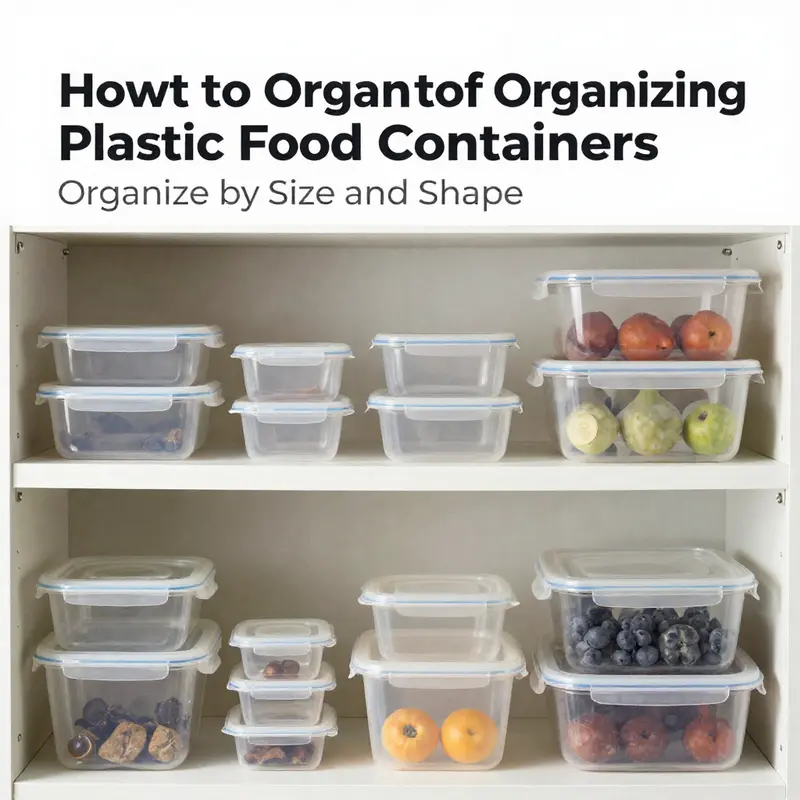
A well-organized kitchen starts with a clear system for all items, and organizing your plastic food containers by size and shape is a brilliant strategy to achieve this. In this chapter, we explore a methodical yet creative approach that emphasizes grouping containers based on their physical attributes. The process not only declutters the space but also enhances your daily culinary routines by making the right container easy to find and use. By engaging in this method, you transform a common storage problem into a streamlined, efficient system that radiates order and simplicity.
Begin with a complete reset of your storage areas. Pull out every plastic food container from your cupboards, drawers, and under-cabinet spaces. This comprehensive collection process is the foundation of your organizational journey. With all containers in sight, you are empowered to evaluate each piece carefully. As you inspect, set aside containers that show any signs of damage, discoloration, or a missing lid. Even those that carry lingering odors should be removed. This early step ensures you are only working with safe, functional containers that are worth organizing. It is a cleansing ritual that symbolizes your commitment to a neat and effective storage solution.
Once the unwanted containers have been purged, the next phase involves sorting the remaining units by size. It is essential to recognize that containers come in various dimensions, each suited to a specific function. Small containers often accommodate pockets of leftovers or condiments, medium ones are ideal for meal preps and daily servings, and large containers serve well for bulky items such as salads or fruits. Begin by laying the containers on a large, clean surface—ideally a countertop or table. Create distinct piles for small, medium, and large sizes. This visual segregation provides clarity and makes subsequent steps more manageable. The simplicity of this grouping minimizes stress while maximizing the functional use of your kitchen space.
The next element to consider is shape. Organizing by shape further enhances the storage efficiency. Rectangular or square containers tend to nest perfectly when stacked, making them an excellent choice for both vertical shelving and drawer storage. Their form allows minimal wasted space and creates a uniform appearance that is both practical and aesthetically pleasing. On the other hand, round containers may not stack as neatly but can be thoughtfully arranged in shallow drawers or on open shelves. Organizing by shape often involves a creative process where you can experiment with different store arrangements; for instance, you might choose an alternating pattern of shapes on a shelf to balance functionality with a visually engaging display.
Beyond just grouping by size and shape, the overall goal is to maximize every available inch of your storage space. Consider every nook and cranny in your kitchen. Vertical storage, often underutilized, plays a critical role here. Many kitchens have deep cabinets that extend upward, and by stacking containers vertically, you free up horizontal space. Use shelf dividers or clear uniform bins to maintain the distinction between groupings. For example, a clear container can designate a section for small round containers, while another can be devoted to rectangular ones. This method not only keeps everything in order but also makes retrieving a container a simple, quick task. With everything clearly labeled and neatly arranged, you no longer waste time rummaging through a cluttered drawer.
An important aspect of this method is that it encourages a habit of periodic evaluation and maintenance. Organization is not a one-time project; it is an ongoing process. Regularly inspect your plastic containers to ensure that none are showing signs of wear or degradation, such as scratches or color changes that might indicate potential chemical issues. If a container’s condition declines, it is best to remove it from your collection immediately. This preventative measure protects your food and maintains a high standard of safety and cleanliness in your kitchen. Establishing a routine check-up, perhaps once every few months, ensures that your system remains intact and that your organizational strategy continues to serve you well over time.
The benefits of sorting plastic food containers by size and shape extend beyond mere aesthetics. With a clearly delineated system, every container finds its designated spot, which effectively reduces the clutter within your kitchen. This orderliness translates into faster meal preparations and a more enjoyable cooking experience since you no longer have to waste time searching for the right container. The system cultivates a mindset of organization and mindfulness. Each container has its proper place, and this clear structure makes it easier to determine what you already own, potentially reducing the need to purchase duplicates or unnecessary items in the future.
As you progress in setting up your system, think creatively about maximizing the available space. For example, integrating drawer organizers, pull-out trays, and lazy Susans within your cabinets can further enhance functionality. These tools allow you to take full advantage of your kitchen’s layout. Lazy Susans, placed at the back of deep cabinets, ensure that you can easily access containers without having to reach deep into a pile. Alternatively, drawer organizers can create multiple compartments within a single drawer, allowing you to separate container groups even further. These adjunct storage solutions reaffirm that effective organization is as much about strategic planning as it is about the containers themselves.
Once your containers are sorted and the space is optimized, it is crucial to integrate cleaning into your routine. Washing containers immediately after use is the best practice to prolong their lifespan and maintain transparency. Use warm, soapy water and a soft sponge to gently clean the surfaces, ensuring you remove all food residues without scratching the plastic. This immediate post-use routine not only prevents stains and odors from setting in but also means that when it comes time to reorganize, you are only dealing with items that are in fresh, usable condition. The process of cleaning and then returning the container to its designated spot reinforces the organizational system and creates a feedback loop of cleanliness and order.
In practice, many find that this method of organization instills a quieter, more mindful energy in the kitchen. With every container in its place, there is less stress, and the overall environment becomes calmer. The kitchen evolves into a space that invites creativity and a relaxed pace of cooking rather than a frantic scramble to find a missing lid or a container that no longer fits the purpose. The satisfaction of knowing exactly where everything is stored enhances both daily usability and long-term storage solutions. With a system based on size and shape, your plastic food containers transcend their role as mere storage items, becoming active components of your kitchen’s overall design and functionality.
During the reorganization process, it can be valuable to experiment with alternative grouping methods. While size and shape are the primary criteria, you can also consider the frequency of use as a secondary factor. Containers that you use daily might deserve a more accessible location compared to those reserved for occasional use. In some kitchens, a designated area for frequently used containers—such as near the stove or prep area—can further streamline cooking processes. This dual categorization by size/shape and usage frequency creates a system that is both intuitive and efficient. It is a layered approach where primary sorting groups by container dimensions and secondary organization ensures that everyday items are always within easy reach.
In addition to physical organization, the principles of this method can extend to fostering better habits in your daily routines. Embracing this systematic approach often inspires individuals to review other areas of their home, promoting a comprehensive attitude toward organization. Kitchen organization, especially when focused on something as mundane yet integral as plastic food containers, can have a ripple effect, encouraging similar methodologies in organizing other household items. It teaches the value of simplicity and minimalism—doing away with the redundant to make space for what is necessary and functional. Over time, this subtle shift in mindset brings about a more disciplined lifestyle. The act of organizing becomes more than a chore; it evolves into a form of mindful living, where each decision reflects clarity and intention.
Sometimes, the journey to organization leads to discovering innovative storage solutions on the market. For instance, you may find that clear, uniform storage bins can make an enormous difference in keeping containers visible and accessible, as well as protecting them from dust and accidental spills. One useful resource to explore for innovative container solutions is this selection of eco-friendly container options. Although this resource is tailored toward sustainable products, the underlying philosophy of utilizing smart, space-saving designs is relevant to any effort towards better organization. By integrating these ideas, you can customize your storage system to not only serve functional purposes but also to reflect personal tastes and environmental considerations.
Maintaining this system requires discipline and consistency. Consider placing a reminder in your kitchen to perform a quick review of your stored containers every few weeks. When you commit to such routine check-ins, any misplacement or accumulation of unused containers is quickly addressed. This proactive behavior prevents small problems from snowballing into significant disorganization. Additionally, once you see the positive change an organized kitchen brings to your day-to-day life, you will find that maintaining order becomes a habit rather than a recurring challenge. The beauty of this system lies in its simplicity—it only requires a commitment to regular care, and in return, you enjoy a tidy, inviting space that enhances your cooking experience and overall quality of life.
For those who are new to the idea of organizing everyday kitchen items by physical attributes, this chapter serves as a detailed blueprint. The approach is not merely about aesthetics or space optimization; it is a lifestyle improvement strategy that builds on mindfulness and purposeful living. As each container finds its rightful place, you not only reclaim lost time from searching but also embrace an environment that supports culinary creativity and efficiency. This method turns the kitchen—a space traditionally associated with chaos and clutter—into a well-ordered hub of productivity.
The strategy of grouping plastic food containers by size and shape harnesses both elegance and practicality. It reduces the cognitive load of having to remember where things are and creates a visual representation of order that is satisfying and empowering. Every time you open your cabinet and see neatly aligned stacks arranged by clear criteria, you experience a small victory in the battle against household clutter. The process, while detailed, is accessible and can be modified to suit individual needs. Moreover, the principles outlined in this chapter can be applied universally across various storage challenges, making them a valuable addition to your home management toolkit.
Ultimately, your journey toward a well-organized kitchen is marked by continuous improvement and adaptability. As trends and your own usage patterns change over time, so too might your organizational needs. Remaining flexible and open to tweaking the system ensures that your method always evolves alongside your lifestyle. The sustained benefits of such an approach include not only a more efficient workspace but also the satisfaction of living in an environment where every item, down to the humble plastic food container, has its designated role. For more insights into safe and effective plastic usage and additional organizational ideas, you might find further details in this comprehensive external resource: House Digest’s guide for safe plastic use.
Each step of this method builds toward a coherent, streamlined system that not only organizes your plastic food containers but also invites you to evaluate and improve the overall functionality of your home. The result is a kitchen that is both visually appealing and supremely functional, where everyday tasks become easier, and the cluttered mess of bygone days is replaced by order, simplicity, and efficiency. In mastering the art of organizing plastic food containers by size and shape, you embrace a lifelong journey toward minimalism and mindful storage—a journey that pays dividends in daily convenience and tranquility throughout your home.
Maximizing Kitchen Efficiency: Smart Storage Solutions for Plastic Food Containers
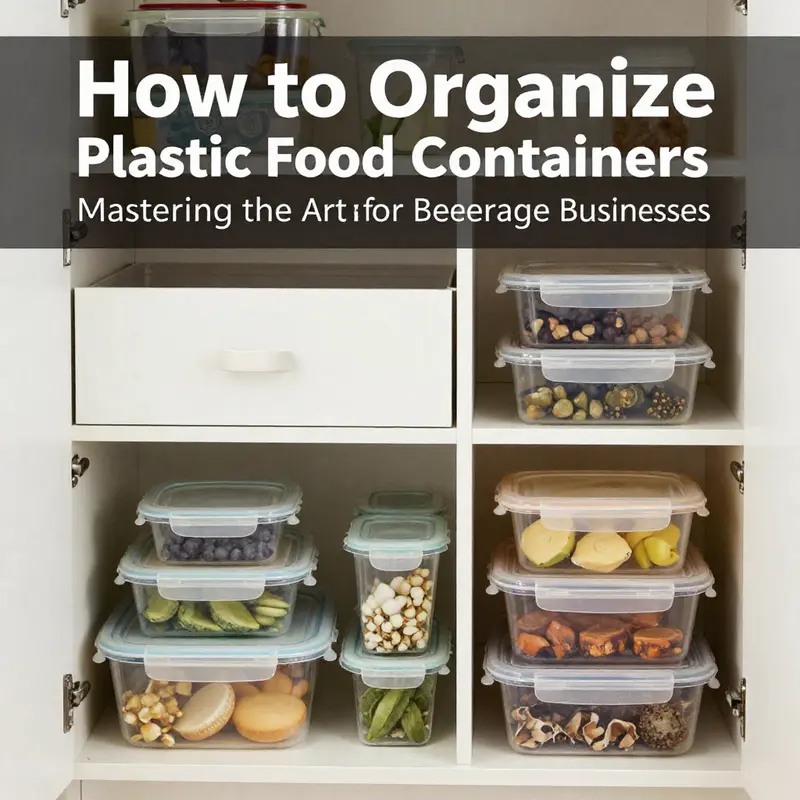
Organizing your plastic food containers is not just about tidying up a cluttered kitchen; it is about creating a system that enhances your daily cooking routine and maximizes your available space. When you begin by carefully sorting through your collection, you lay the foundation for a system that not only looks neat but also supports smarter kitchen practices. The process demands attention to detail, from discarding damaged pieces to segregating containers by function and size, and each step contributes to a cohesive and effective storage solution.
The journey toward an optimally organized kitchen starts with an honest evaluation of your existing collection. Lay out each container on a spacious, clean surface, and take a moment to inspect them one by one. In this initial phase, the goal is to segregate containers that are no longer of use. Damaged pieces—with cracks, chips, or discoloration—can harbor bacteria or compromise the quality of stored foods. Equally important is the discarding of containers missing lids or those that have absorbed persistent odors; these items only contribute to clutter and inefficiency. By purging these unwanted items, you ensure that only safe and functional containers find a place in your organized system.
Once you have curated a selection of containers that meet your safety and utility standards, the next step is to analyze them based on their core characteristics. Many plastic containers have recycling codes stamped on their bases that indicate the type of plastic used. Codes such as #1, #2, #4, and #5 are generally recognized as safe for food storage, whereas #3 and #6 should be avoided, especially when the containers are used for heated or acidic foods. This categorization is not merely a detail for those with a keen eye; it is a necessary measure to ensure the health and safety of your food storage practices. Knowing which containers are safe allows you to confidently use them for daily food storage without worrying about chemical leaching or other safety concerns.
With a refined collection in hand, the next natural progression is to group the containers by their intended use. Some containers are ideal for storing leftovers in the refrigerator, others are designed for the freezer, and yet others are best used for dry goods in your pantry. Creating separate piles based on these functions makes it much easier to retrieve the appropriate container when the need arises. This method of classification also extends beyond food storage. Containers designed for bulk items or even non-food supplies can find a new purpose once they are removed from the congested network of mixed-use items. In fact, some containers might be better repurposed for storing craft supplies, tools, or even for organizing small items around your home, thereby enhancing the efficiency of multiple spaces simultaneously.
A critical consideration as you set up your new system is to pay careful attention to the size and shape of your containers. It is common to find that containers vary widely in dimensions, and stacking mismatched items can compromise the neatness of your storage. Group similar sizes together—large, medium, and small—and find a designated spot for every category. For instance, large containers are best stored on lower shelves where their weight does not pose a risk, while smaller containers can be cleverly arranged in designated bins or drawers to avoid the chaos that often accompanies a random pile. In kitchens where space is at a premium, vertical storage becomes a game-changer. Rather than piling containers haphazardly or stacking lids separately where they can easily get lost, arrange your containers vertically. Not only does this save counter and cabinet space, but it also makes it visually apparent which container is at a given position, thereby reducing the time spent rummaging for the right lid or box.
One innovative solution to consolidate your plastic container system is to employ clear, stackable bins. These bins serve multiple purposes: they keep similar-sized containers together, ensure that containers do not shift around and become disorganized, and make it easier to see what is contained within each bin at a glance. Imagine opening a drawer and immediately spotting an array of neatly grouped containers that serve specific functions—be it leftovers, dry goods, or ready-to-cook meals. This method minimizes frustration and the constant retrieval errors that occur when you cannot quickly locate the correct container. Moreover, by incorporating these clear bins, your space gets a streamlined, uniform appearance, which further enhances the overall organization of your kitchen.
Vertical storage techniques go hand in hand with smart categorization. In smaller kitchens where counter space is limited, every inch matters. Use vertical racks or even adjustable shelving units to maximize every available inch of space. Container stacking—when done carefully with sturdy, well-designed pieces—can transform an overcrowded cabinet into an efficient storage hub. Many households now opt for various vertical organizers, such as pull-out drawer systems or lazy Susans, which not only simplify access to every container but also add an element of modern design to the kitchen. A lazy Susan placed at the back of a cabinet, for example, can transform a deep, hard-to-access shelf into a neatly rotated display of well-organized food containers, each waiting to be used at just a spin away.
In addition to the physical methods of organization, it is crucial to institute a routine maintenance system. Even the best set-up can become disorganized over time if regular upkeep is neglected. After each use, make it a habit to wash containers with warm, soapy water and inspect them for any signs of wear or damage. Quick attention to minor issues can prevent larger problems from developing, such as chemical leaching from scratched or compromised plastic. A periodic check on the overall condition of your containers ensures that the system remains safe and that your kitchen continues to operate with optimal efficiency. Moreover, routine cleaning discourages the accumulation of residue or odors that might prompt the use of an unsuitable container for food storage.
Organized storage systems frequently benefit from the adoption of a unified system, particularly if your current array of plastic containers spans multiple designs, colors, and materials. When containers are mismatched or appear worn out, the clutter not only creates a visual distraction but can also lead to functional frustrations. In such cases, replacing your existing assortment with a cohesive set—a set that might even extend beyond plastic to include durable, reusable materials—can be a transformative choice. For example, a selection of food grade, clear containers with matching lids not only offers superior durability and clarity in function but also bestows your kitchen with an air of uniform sophistication. If you are looking to transition toward a unified system, consider the benefits of food grade bins that are engineered to withstand the rigors of daily use. One practical recommendation is to explore options like a well-designed food grade take-away bowl. By choosing products that are not only visually appealing but also engineered for high performance, you streamline your storage process and build a more robust system that stands the test of time. For additional details on efficient container options, you might consider exploring the offerings available through this link: food grade take-away bowl.
The path to a streamlined container organization extends beyond just sorting and stacking. The space in your kitchen is finite, and making optimal use of every nook and cranny involves creative thinking. For kitchens with limited cabinet space, consider repurposing non-traditional areas, such as unused corners or the back of pantry doors, to serve as additional storage zones. Adding small, adjustable racks or even magnetic container holders can make a significant difference. These extras ensure that every available inch is utilized effectively, tying the entire system together into one cohesive, user-friendly unit.
Another level of efficiency in organizing plastic food containers revolves around categorization based on the mode of use. For example, containers intended for microwave use should be kept separate from those designed for refrigerator storage or freezer-safe uses. This level of segregation minimizes the chances of accidentally subjecting a container to conditions it was not designed to handle, such as placing a non-microwave-safe container in the microwave. Likewise, containers that are especially meant for dry goods can be grouped together in specific pantry zones, which not only aids in efficiency but also in preventing cross-contamination of food types and flavors. In busy households, where time is of the essence, being able to quickly identify the appropriate container type directly translates into increased productivity and a less stressful cooking environment.
Taking a holistic view of your storage system means considering the lifecycle of your plastic containers. Beyond initial organization, you must remain vigilant about the state of your containers. Daily or weekly checks allow you to quickly spot items that have begun to degrade, whether through scratches or discoloration. Over time, well-used plastics, even those initially deemed safe, can begin to exhibit signs of wear that compromise their integrity and functionality. This proactive approach not only safeguards your nutritional health by avoiding containers prone to chemical leaching but also prevents clutter from accumulating in neglected corners of your storage system.
In the broader scope of kitchen organization, setting aside a dedicated area solely for food storage containers brings numerous benefits. This approach creates a centralized hub of functionality and ensures that your plastic containers are kept separate from the larger, messier array of kitchen utensils and appliances. A designated shelf or drawer allows you to quickly inventory your containers, assess which ones are in need of cleaning or repair, and even plan for future purchases. With a structured space, the routine becomes almost instinctive, turning what once was a chaotic scramble into a methodical procedure that supports the overall flow of your kitchen activities.
Practical organization does not end with mere physical arrangement; a well-devised plan incorporates forward-thinking solutions that allow for growth and evolution. As your cooking habits or storage needs change over time, your organizational system must be flexible enough to accommodate these shifts. Containers may gradually be repurposed, making way for newer models or alternative storage solutions such as glass or eco-friendly materials. Repurposing old or damaged containers for non-food related storage can also be a clever strategy, freeing up valuable space for items that truly need to be kept in pristine condition. Every time you repurpose a container, you reinforce the notion that organization is a dynamic process, one that evolves with your lifestyle and needs.
Even the smallest improvements in organization can have cascading benefits. For instance, using clear, labeled bins not only helps you see the contents at a glance but also allows for a more efficient cleaning routine. With everything in its proper place, you avoid the frustration of having to dig through disorganized heaps. This streamlined method saves time, reduces stress during meal preparations, and even makes it easier to spot when an item is missing or has been displaced. As the organized system takes shape, every aspect of your kitchen benefits from the heightened sense of order.
Creative ideas can further enhance the functionality of your storage system. Rather than confining all plastic containers to a single area, consider integrating them into your kitchen decor. For example, a wall-mounted organizer can serve as both a decorative element and a practical solution, ensuring that your frequently used containers are always within reach. The idea is to merge form and function; an organized kitchen not only looks attractive but also significantly reduces the time spent searching for the right container during busy cooking hours. When your storage solution is both practical and visually appealing, it reinforces healthy habits and continual maintenance, reinforcing the discipline needed to keep your kitchen orderly over time.
It is essential to recognize that the process of organizing your plastic food containers is not a one-time event but an ongoing journey. Maintaining this system requires periodic reviews and adjustments. A monthly check is beneficial, during which you can remove any container that may have fallen into disrepair, update your inventory, and reorganize as necessary to reflect current needs. As family routines shift or as your culinary pursuits expand, the organizational system must be revisited and refined. This cyclical process ensures that your containers remain a benefit to your daily routine rather than becoming an extra source of clutter or frustration.
Finally, a key element to sustaining an organized environment is the commitment to long-term change. By adopting a mindset that values both organization and efficiency, you create habits that support a cleaner, more productive living space. Each time you step into your kitchen and see a neatly arranged array of containers, it reinforces the discipline behind the system you have built. A well-organized kitchen can also inspire healthier cooking habits and contribute to an overall improvement in your quality of life. Small efforts lead to significant improvements, and a thoughtful approach to organizing plastic food containers represents only one aspect of a broader commitment to an orderly home.
For those who seek to stay informed and ensure that all practices related to food storage are safe and reliable, it is worthwhile to consult additional expert opinions and official guidance. Experts recommend regularly reviewing safety guidelines and best practices to keep abreast of changes in food-grade materials and storage recommendations. To explore further advice on safe usage and potential alternatives to traditional plastic storage, a visit to the FDA official guidelines can provide additional insights and detailed regulatory advice.
In summary, the transformation of a cluttered plastic container collection into a smart, efficient storage system involves a meticulous process of evaluation, segregation, and creative spatial optimization. From purging worn-out containers to segregating safe materials, and from vertical stacking to the utilization of clear, stackable bins, every step consolidates to build a cohesive, user-friendly system that serves both functional and aesthetic purposes. It is through these small, methodical changes—from assigning each container its rightful place to ensuring regular maintenance and future-proofing your approach—that your kitchen environment evolves into a space that is as beautiful as it is efficient.
Final thoughts
By approaching the organization of plastic food containers with a structured method, you can significantly boost the productivity and safety of your beverage business. From thoughtful assessment and purging to methodical sorting and space optimization, each chapter builds a foundation for a clear and efficient workspace tailored to your needs. Ultimately, these practices will not only enhance operational efficiency but also promote an environment that prioritizes food safety and ease of access.