
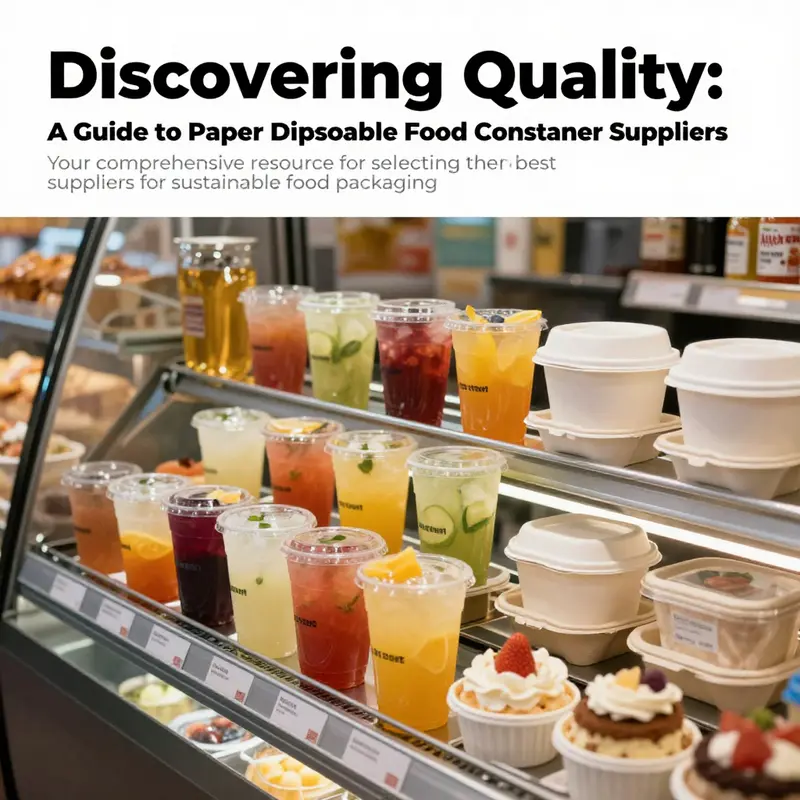
In the vibrant world of food service and catering, the demand for paper disposable food containers is on the rise. Shops like bubble tea venues, restaurants, food trucks, and catering services depend on these products to not only hold their exquisite offerings but also align with increasing environmental standards. This article embarks on an in-depth exploration of the paper disposable food container supplier landscape in China, focusing on market dynamics, selection criteria, and global demand trends. Each chapter will provide valuable insights, ensuring your buying decisions are informed and effective.
绿色转型中的供应链脉动:走进中国纸制一次性食品容器供应商市场
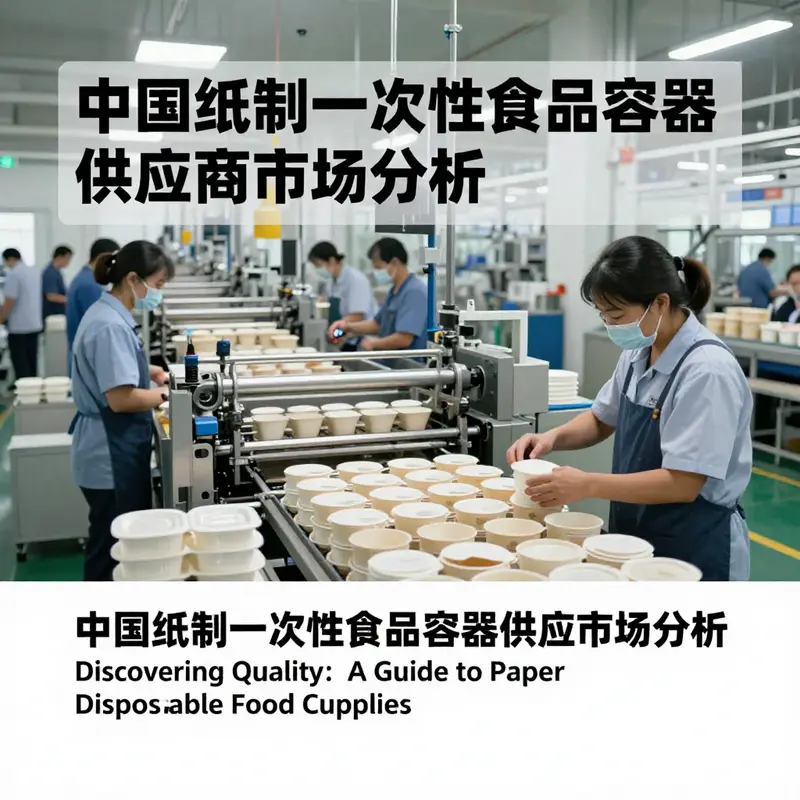
中国纸制一次性食品容器的市场图景正在以更高的效率、更清晰的环境定位以及更智能的生产与供应链管理为特征进行再造。这个过程并非单一维度的扩张,而是一场结构性变革,既体现在产能的地理集聚与技术升级,也体现在法规、消费偏好与全球化市场对可持续包装的协同推动之中。行业的核心在于把需求端的外卖、快餐等高频使用场景与材料端的绿色转型、并轨回收体系对接起来。正是在这样的背景下,中国成为全球纸制一次性食品容器供应链的关键节点,其产能布局、技术前沿、认证体系以及对全球市场的适应性,正在重新定义行业的竞争边界。市场增长的驱动并非来自单一因素,而是多重力量的叠加——需求端的扩张、技术端的突破、政策端的约束,以及消费端对可持续选择的不断强化。以往人们习惯把“环保”看作市场的附属属性,如今它已成为企业战略的内核之一,而这一转变也逐渐转化为对供应链全程的要求:材料可持续、制造过程低排放、产品设计便于回收、以及信息化管理带来的全生命周期透明度。这样的趋势对传统生产模式提出了挑战,也为真正具备综合竞争力的企业带来前所未有的机会。
市场规模与增长态势的衡量往往在多维度之间跳跃。公开研究显示,2024年中国一次性餐盒的综合销量达到约849亿个,其中纸浆餐盒作为可降解材料的代表,成为增速的核心驱动力。尽管纸制容器的独立市场规模数据尚未完全统一,相关行业报告显示,2023年我国纸和纸板制容器制造行业规模以上企业完成营业收入2682.57亿元,同比增长5.46%。基于当前对高质量、可持续包装的持续需求,业内普遍预计到2025年纸板容器的市场规模有望突破1000亿元,年复合增长率保持在10%以上。这一数字不仅凸显行业的宏大体量,也反映出整个包装体系在向更绿色、可控的方向转型的路径与速度。放眼全球,纸浆基容器的增长同样显示出结构性活力。全球一次性医用纸浆容器市场被普遍视为另一端的增长引擎,预计从2025年的115.2亿美元增长至2032年的162.8亿美元,复合年增长率约4.42%。这一全球趋势印证了以纸为原料的可降解与生物基包装在市场的广泛认可,尽管应用场景和法规框架存在差异,但对可降解材料的需求正在全球范围内形成共振。
在这样的大势下,环保政策与消费升级共同塑造了市场的结构性动因。国家层面的“双碳”目标与逐步升级的禁塑令,为不可降解塑料餐具设定了刚性约束,促使传统塑料行业加快转型,或将产能向更清洁的替代材料倾斜。与此同时,居民消费水平的提升与健康环保意识的普及,使消费者对包装材料的环保属性与可回收性提出更高要求。纸制容器因其天然、可再生和可降解的特性,在外卖、快餐等高频使用场景中,逐渐获得更广泛的接受与偏好。企业若能在原材料选择、制造工艺、设计创新和回收闭环方面形成整体性解决方案,就能在竞争中获得明显的优势。
产业链的完整性是判断一个市场是否具备长期竞争力的关键。纸制一次性食品容器的产业链可以分成上游原材料、中游制造、下游应用与回收再利用四个环节。上游原材料包括甘蔗渣、竹材、小麦秸秆等农林废弃物,以及木浆、竹浆等原材料来源。材料的可持续性是行业绿色发展的基础,只有在原料获取、加工、运输和能耗等环节实现综合优化,才能真正降低全生命周期的环境足迹。中游制造环节以模压成型为主,通过高精度模具与连续化生产线实现大规模生产,同时引入纳米涂层、复合结构等工艺,以提升耐热性、抗油性及防水性能。过去纸制容器在耐热、高温和防渗方面存在短板,但通过涂层技术和结构设计的改良,这些短板正逐步被弥合,纸制容器在油脂、汤汁和热餐的承载方面正逐步接近塑料制品的表现。下游应用方面,外卖、快餐、茶饮、糖果和生鲜等领域的快速扩张,为容器设计带来多样化的功能需求,如耐油、防渗、耐热、便携、可堆叠以及二次使用的便利性。回收与再利用环节不仅关乎材料回收率,更直接影响品牌声誉与生命周期成本。回收体系的建立需要跨行业协调,包括物流分拣、回收企业的接入、再制造工艺的提升以及政府监管的激励与标准制定。
区域层面对供应链的影响也尤为显著。广东、福建、山东等省份汇聚了大规模的纸制容器生产与研发能力,形成了成熟的产业集群。广东以广州、东莞等地为核心,具备从原材料采购到成品包装的一体化生产能力,形成了完整的产供销协同网络;福建泉州以纸板与模压纤维包装著称,擅长定制化外卖盒、咖啡杯等产品,提供灵活的小批量定制与快速响应能力;山东则以稳定的质量和高效的物流著称,众多工厂支持OEM/ODM模式,为品牌方提供私有化设计与生产。这样的区域格局不仅能降低运输成本、缩短交期,还能通过区域化的创新协作加速新材料和新工艺的落地验证。
在采购与供应方面,平台化市场的出现极大地丰富了选择的广度。以阿里巴巴国际站为例,当前平台上可供选择的纸制一次性食品容器产品数量极为丰富,涵盖多个尺寸、形状与功能需求。对买家而言,这意味着可以在同一平台上完成从材料选择、结构设计到表面印刷、认证资质与起订量的多维筛选。对供应商而言,平台提供的覆盖面也促使其不断提升产品参数透明度、检测合规性与交付能力,以满足全球市场对质量和可追溯性的要求。采购方在筛选时,通常会重点关注是否具备SGS、CIQ等第三方检测报告,以确保产品符合食品安全标准(如FDA、EU 1935/2004等)的要求;也会考量样品与打样服务,以在正式下单前验证材质、印刷效果与结构设计的可行性。生产周期方面,首次订单的交期通常在20–30天,随后的订单若规模相对稳定且工艺较为成熟,交期可缩短至7–15天,具体取决于订单规模与是否涉及复杂印刷。支付方式方面,T/T(定金30%,尾款70%)或即期信用证是主流,既保障买卖双方的权益,也为跨境交易提供了相对安全的支付环境。
在更广阔的行业语境中,环保政策与消费升级催生了对绿色供应链的系统性追求。对企业而言,达到合规不仅是应对监管的需要,也是获取市场信任和拓展国际市场的关键。品牌与制造商正在通过提升材料端的可持续性、优化工艺能耗与废弃物管理、建立回收利用闭环来增强竞争力。越来越多的企业将可持续性嵌入到设计阶段,通过“以旧换新”计划、再造循环利用与材料创新来降低全生命周期成本,并在消费者端建立可验证的碳足迹与透明溯源。对于投资者与政策制定者而言,关注的焦点不再是单一的产量与价格,而是企业对绿色原料的投入、对先进生产工艺的掌握、以及对回收体系的参与程度。只有那些能够实现材料、制造与回收的全链条协同,并积极采用数字化与智能化手段的企业,才能在未来市场的高墙中占据领先地位。
在技术前沿的推动下,智能化与数字化已成为行业升级的关键因素。生产端,智能工厂通过实时数据分析优化工艺参数、减少能耗、提升良率,进而实现降本增效。消费端,未来的纸制容器可能集成温度传感、物联网传感或简易的数字标识,以提升用户体验和品牌透明度。区块链溯源的应用使消费者能够在包装上扫描得到碳足迹、材料来源与回收信息,增强信任感并提升品牌的社会责任形象。这些创新共同推动了行业向“材料—制造—信息”一体化的生态体系演进。
结论性地看,中国纸制一次性食品容器供应商市场正处在一个以绿色转型为核心目标的高增长阶段。未来的成功者将是那些能够有效整合绿色原料、掌握先进制造技术、建立高效回收闭环、并敢于拥抱智能化与数字化的企业。对投资者而言,关注点在于核心技术能力、品牌影响力以及可持续发展战略的完整性;对供应链参与者而言,提升认证透明度、加强跨区域协同、优化物流与信息流,将成为降本增效、提升市场份额的关键。正如行业数据所示,纸制包装在全球范围内的增长潜力仍然强劲,但要实现更广泛的市场接纳,必须在设计阶段就将环境成本最小化、在生产端实现资源高效利用、在使用周期末端建立高效回收通道。只有这样,纸制一次性食品容器才能真正与塑料等传统材料在环境友好性、经济性与功能性三方面形成新的平衡,为全球食品服务行业的可持续发展提供稳健的材料解决方案。
在这条发展轨迹上,某些实际的市场案例已显示出方向性信号。以区域性供给侧集群为例,广东、福建、山东等地的协同创新与服务化能力正在逐步提升,利润来源不再仅限于单一产品的批量生产,而是在更广的价值链中实现纵向整合——从原材料选择、模具设计、印刷工艺到后期的包装回收服务,形成更完整的商业模型。为企业在全球市场中保持竞争力,关键在于对供应链各环节的细致打磨、对法规变化的前瞻性应对以及对新材料与新工艺的持续投入。与此同时,企业需要通过培训、信息化管理、以及透明的认证体系来提升客户信任度,从而在全球采购网络中获得稳定的订单与长期合作关系。
在实践层面,若需提升供应商选择的效率与可信度,建议在阿里巴巴等平台上启用“绿色供应商”或“认证”标签,关注第三方检测报告的覆盖范围与深度,并要求提供工厂实地视频或远程验厂报告,以提升交易的可信度。对于企业品牌方而言,建立符合国际与区域性法规的全链条合规体系,配合可追溯的碳足迹披露,将成为未来市场竞争的核心要素。最终,行业的演进将以一个更清晰的分工格局与更高效的协同机制为标志:材料创新驱动制造升级,制造水平提升推动设计极致化,回收体系完善实现资源循环,数字化工具带来不可替代的透明度与协同能力。如此,纸制一次性食品容器才能在全球食品服务行业的快速发展中保持可持续的增长动力。
此外,值得关注的是,行业正在逐步形成更多的标准化与区域协作框架,以实现跨区域的资源共享与风险分散。这种趋势将有助于提升供应链的韧性,确保在原料价格波动、运输成本变化或突发事件时,企业能够维持稳定的交付水平和产品质量。对于市场参与者而言,构建稳健的供应链并不只是为了降低成本,更是为了在多变的全球环境中保持可靠的供货能力、确保合规性并增强对最终消费者的信任。
为了让读者更直观地理解这一生态系统的运作方式,可以把实际的包装选择看作绿色转型的一环。设计师与采购方在选择纸制容器时,需要综合考虑材料的可持续性、结构设计的效率、印刷工艺的环境影响以及回收端的处理能力。一个简短的例子便是,当企业在餐盒或碗类容器的功能需求中考虑耐油、耐热、易堆叠、便携性等因素时,往往需要在材料与涂层之间做出平衡。此类平衡对供应商提出了更高的技术要求,也推动了材料科学与表面工程领域的持续创新。正是在这样的综合考量中,像一种更低环境足迹的包装选项逐步成为主流,而非单一的成本驱动决定。对于行业观察者而言,关注点应聚焦于材料创新、制造工艺优化、以及回收体系的落地效果,因为这三者共同决定了一个包装解决方案在全球市场中的真实可持续性与竞争力。
在接下来的章节中,读者将看到如何将这种宏观市场分析与具体采购策略结合起来,形成一套既符合企业目标、又符合可持续发展要求的供应链路径。通过理解区域产业集群的协同效应、掌握认证与合规的要点、以及利用数字化工具提升透明度与效率,企业可以在竞争激烈的纸制容器市场中找到更稳健的增长路径。为进一步了解一个具体的内部采购案例,可以参考一个以 kraft paper 为核心材料、具备良好防渗与保鲜性能的容器设计方向。该方向体现了行业对“实用性、可回收性与经济性并重”的一致追求,亦反映出中国供应链在全球市场中的适应性与创造力。
内部链接(示例):在进一步了解材料与设计的综合平衡时,可以参考一类实际应用导向的包装选项,具体链接文本为 kraft paper octagonal bowl with lid,链接地址为 https://cupbowlpack.com/product/senang-kraft-paper-octagonal-bowl-1200ml-waterproof-eco-friendly-disposable-salad-bowl-for-snack-cookie-warm-cold-food-pet-lid/ ,此类产品在外观、容量与密封性之间的折中,恰好体现了纸制容器在高频使用场景中的应用趋势。
在选择纸制一次性食品容器供应商时的关键权衡:安全、质量与可持续性的整合视角
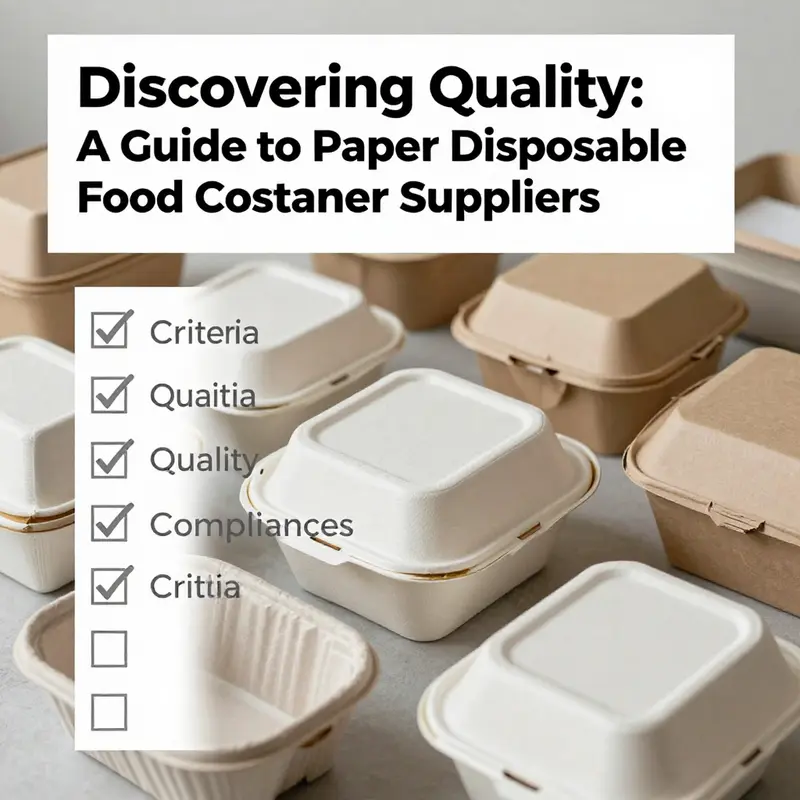
在全球范围内,纸制一次性食品容器的需求持续增长,驱动着供应链从原材料选择到成品设计的全方位优化。作为采购方,企业要在海量供应商、千差万别的材料性能、以及日益严苛的法规之间找到平衡点。这一平衡并非简单的价格对比或单一认证的简单叠加,而是一种跨领域的综合判断:安全性、材料与结构的稳定性、生产能力与供货可靠性、定制化能力与创新水平,以及服务、售后与成本效益。把握这些要素,意味着在面对市场波动、跨境合规要求和消费者对可持续包装的期待时,企业能够建立一种更具韧性和长期竞争力的供应关系。下面的论述并非将注意力聚焦在某一方面的单独优化,而是强调如何把这些要素整合在一个统一的采购框架内,以确保产品在使用过程中的安全性、在供应链中的稳定性,以及在品牌与消费者层面的信任度提升。\n\n在安全性方面,任何供应商的核心承诺都应以食品安全标准为前提。尽管全球市场对包装材料的要求各有侧重点,但食品接触材料的基本底线是一致的:无毒材料、可追溯的原料来源、以及经权威机构认可的检测流程。行业内的风险点往往来自涂层材料、黏合剂和印刷油墨中的潜在迁移物质,以及可能的荧光性添加剂或不合格纸浆。2026年的食品安全消费提示报告强调,市场上仍存在抽检发现的荧光性物质、抗压强度不足等问题,这些都可能在使用过程中的高温、湿润或快速温度变化场景里释放有害物质、引发渗漏或导致容器结构失效。这就要求供应商不仅提供合格的原材料清单,还能提供完整的检测报告、材料证明和可追溯的供应链信息。为此,选择时应优先考虑具备第三方认证与检测能力的供应商,如ISO系列管理体系、 FSC等材料来源认证,以及可公开获取的食品安全检测报告。对采购方而言,要求对方提供最近的检测试样、原材料成分证明以及与所在市场法规相符的合规声明,是基本而重要的核验步骤。除此之外,关于合规性的一项关键考量是耐热、耐油防渗和耐水性能的综合评估。不同热源对纸制容器的影响差异很大:高温盛放热汤或热粥时,容器的杯身挺度和抗压能力直接决定了是否会变形、出现渗漏或引发烫伤风险。若涂层层级不足、薄弱的封边设计或印刷区域应力过大,则更容易在运输环节暴露出风险。因此,在初步筛选阶段,应要求对方提供耐温测试、抗渗漏测试以及合格的热循环数据,以佐证在实际应用场景中的性能稳定性。与此同时,印刷质量也是安全考量的一部分。高品质的印刷不仅影响外观和品牌传播,更关系到涂层和黏合剂在印刷过程中的一致性。重复性高的色彩还原度、图案对位和印刷层之间的粘结强度,都是降低后续返工和品质投诉的重要因素。对品牌方而言,若需要定制图案和品牌信息,能够提供可追溯的打样流程,以及经过验证的印刷稳定性,往往意味着更高的合规性和更低的风险。\n\n在质量与性能稳定性方面,材料本身只是入口,真正的价值在于容器在实际使用条件下的全链条表现。合格的供应商应具备对产品结构和材料进行全方位验证的能力:从抗压强度、杯身挺度到防渗漏和耐温性等关键性能指标,都需要经过系统性的测试数据支撑。抗压强度不仅关系到容器在堆叠、装载和运输中的稳定性,也涉及到在狭窄包装箱内的受力分布与容器并排堆码的安全性。杯身挺度的稳定性,尤其在盛装高温液体且需要一定时间携带的场景,直接关系到用户体验和安全性。耐温性与防渗漏性则是日常应用的核心:某些食品需要经受短时高温处理、冷藏或冷冻运输,容器必须在不同温度区间内保持结构完整、避免渗漏;与此同时,防油防水性能也要达到稳定的一致性,以避免油脂渗透导致涂层破损、禁用或清洁困难。对于印刷质量,品牌方在市场推广中往往需要色彩还原度高、耐久性强的印刷效果。印刷层与纸材之间的粘结强度及耐磨损性能,直接影响到包装在长期货运、暴晒、潮湿环境中的表现。综合来看,只有当材料的原始性能与后续加工工艺在一个统一的质量管理体系下实现协同,供应商才能承诺在大规模生产中的持续一致性。这也就解释了为何在评估阶段,除了材料级别的标准测试,企业往往还要求对方提供长期批量生产的稳定性数据、历史批次的一致性报告,以及在同一生产线上的质量控制流程描述,确保从原材料进厂、入库、到成品出厂的每一个环节都严格受控。\n\n生产实力与供货稳定性是确保业务连续性的另一端。纸制一次性容器的行业集中度高,顾客群体对交付时间的敏感度很强,因此生产力、自动化水平以及物流能力成为决定是否长期合作的关键因素。企业成立年限、年产能、工厂面积、设备更新迭代速度,以及是否具备OEM/ODM能力,都是评价维度中不可忽视的要素。高水平的自动化生产线通常意味着更稳定的批量产能、更一致的产品质量,以及对紧急订单的快速响应能力。位于制造业核心区域的供应商,往往更具运输效率与供应链协同能力,能够在第一时间将原材料采购、生产计划、成品包装、质检、以及出货等环节无缝连接,减少中间环节的摩擦与信息延迟。这些因素在跨境贸易中尤为重要,因为海关清关、检验检疫和运输时效通常会成为放大因素。除了产能,供货稳定性还涉及对突发事件的应对能力。大单订单往往要求更高的交期可预测性和更强的变更管理能力,供应商需要具备灵活的排产方案、原材料替代方案以及对物流波动的缓冲机制。品牌商和餐饮连锁对“准时交付”的诉求,正逐步向供应商的风险管理能力转化为评判标准。这意味着一个优秀的供应商不仅在普通情形下能够稳定供货,更在异常时期(如重大疫情、区域性物流中断、自然灾害)展现出可预测的应对策略与快速沟通能力。\n\n定制化服务能力与创新水平是现代市场的另一核心驱动。包装的差异化往往来自于形状、尺寸、模具、涂层组合以及可降解材料的创新应用。一个靠谱的供应商应具备从设计、打样到量产的一站式服务,能够快速转化品牌方的创意 into 现实产品,同时保证可生产性与成本控制。对于需要独特形状(如特殊轮廓或功能性分隔结构)、个性化图案、模切线设计、可重贴背胶等定制需求,供应商的技术实力直接决定了创新能否落地。专利证书、研发投入和技术积累是评估创新水平的重要参考。创新不仅局限于材料本身,还包括在环保、减量化设计、可回收与可堆肥方案方面的系统性思考。越来越多的企业在选择供应商时,倾向于与那些在可持续材料开发、可降解涂层、以及生命周期评估方面具有清晰路线图的合作伙伴建立关系。对采购方而言,评估创新能力不仅是为了追求新颖的包装解决方案,更是为了在长期的品牌建设中获得稳定、可预见的升级路径。\n\n服务响应速度与售后支持是商业信任的直接体现。快速的沟通、明确的交互流程和高效的打样响应,往往决定了从样品阶段到正式批量生产的时间成本。质量问题一旦发生,供应商能否提供迅速的解决方案,如重新印刷、替换件、或快速的追加生产,直接影响品牌方对供应链的信任度。良好的售后还包括透明的追溯体系、对召回或整改事件的及时通知、以及对不良批次的清晰处理流程。尤其在跨区域采购中,语言、法规差异和时区差异都会成为沟通壁垒,优秀的供应商会通过明确的SOP、定期的客户沟通渠道以及可视化的生产与物流跟踪,降低不确定性和操作风险。\n\n成本效益与性价比则不是单纯的价格对比,而是价值的综合权衡。高品质材料、复杂印刷和高产能必然带来单位成本的上升,但这在大规模使用时往往通过更低的返工率、较少的售后成本以及更高的包装效率得到抵消。企业应以总拥有成本(TCO)的视角评估供应商,而非仅看初始采购价。一个具备成熟质量管理体系、稳定供货能力和强大定制化能力的供应商,往往能够通过规模效应、工艺优化和材料创新实现更低的单位成本和更高的综合性价比。反之,过低的采购价可能伴随材料降级、交期延误、以及后续的换货和退货成本,从而在长期内侵蚀利润与品牌声誉。正是基于此,采购方应建立一个系统性的评估框架,将品质、供货、创新、服务与成本捆绑在一起,形成一份可执行的供应商评分表。通过对比不同供应商在各项指标上的表现,企业能够清晰地看出潜在风险点和机会点,并据此制定阶段性采购策略。\n\n要实现上述要素的有效整合,企业在筛选初期就应设定清晰的评估路径。首先,明确材料等级、认证体系和目标市场法规的对接要求,确保候选供应商在材料来源、加工工艺和最终成品的合规性方面具备可验证的证据。其次,索取样品和打样服务,结合实际使用场景开展试用评估,重点关注高温耐受、耐油防渗、结构稳定性和印刷耐久性等方面。对生产能力的核验,除了询问年产量、设备清单和产线自动化程度外,最好进行现场或视频考察,了解原材料进厂、生产线维护、品质控制点及追溯体系的落地情况。此外,尽量获取第三方检测机构的报告、供应商在绿色供应、RSPO或其他环保认证方面的标签信息,以及在Trade Assurance等平台的信誉标识。对定制化需求,需评估其设计与制作能力,以及对专利、模具维护和工艺改进的持续投入情况。最后,结合成本与服务保障的综合对比,建立一个分阶段的采购计划,确保在不同的采购阶段实现对风险的最小化和对机会的最大化。\n\n在这一整合过程中,数字化与信息透明度成为提高效率的关键支点。越来越多的供应商通过在线平台提供材料成分、测试报告、生产工艺和交付能力的可追溯信息,帮助采购方在初步筛选阶段就快速做出决策。对于希望实现全球采购与合规对接的企业来说,建立一个包含材料、认证、生产能力、质量检验和物流信息的数字化档案,将显著提升谈判效率与风险控制水平。在此背景下,参考行业内的公开资源与合规指引,建立一个有针对性的供应商验证清单,成为企业获得稳定供货、强化品牌信誉的重要手段。将前沿信息与自身需求结合起来,企业就能在供应商选择的关键阶段,做出更为稳健的决策,确保包装材料在整个生命周期中的安全、性能和环境表现都符合预期。\n\n在具体实施层面,企业可以通过以下经验来提升筛选效果:一是要求对方提供详尽的材料清单、生产工艺描述以及质量控制点的证据性材料;二是设定明确的验收标准和试产条件,并以实际运输与使用过程中的数据为依据来评估稳定性;三是进行多轮样品打样与对比测试,确保同批次之间的一致性;四是关注供应商的可追溯性、生产变更控制以及召回应对能力,以降低未来的合规与质量风险。通过这些系统性的做法,采购方不仅能降低短期采购风险,还能在长期合作中建立起对供应商稳定性与持续创新能力的真实认知,从而在市场波动、法规变更和消费者期望提升的背景下维持竞争优势。\n\n在总结层面,选择纸制一次性食品容器供应商不是一个单点决策,而是一个多维度的、动态的评估过程。安全性、材料与结构的耐用性、供应能力与灵活性、定制与创新能力、服务与售后响应,以及对成本的综合控制,构成了一个完整的评估框架。只有在各环节相互印证、数据可追溯、沟通高效的前提下,企业才能建立可靠的供应关系,支撑可持续包装策略的落地实施。随着市场对包装材料的法规要求日益严格,且消费者对品牌承诺的关注度不断上升,合规与创新的结合将成为长期竞争力的核心来源。对于初次进入这一行业的采购方来说,建立一个以安全为首要目标、以稳定供货为基础、以定制化与创新驱动为驱动、以高效服务与成本效益并重的选择路径,是实现长期采购成功的关键所在。进一步地,企业应在筛选阶段就从宏观层面规划风险控制、从微观层面执行标准化操作,从而在未来的市场波动中保持灵活性与稳健性。为帮助读者在实际情境中落地,以下的实践要点值得记住:明确合规与检测要求、获取可验证的测试数据、评估产能与供货稳定性、关注定制化与创新能力、建立快速响应的售后机制、以总成本视角衡量性价比,并通过数字化档案和透明信息来提升沟通效率。若需要进一步探索材料与设计层面的实际案例,可以查看相关页面,了解’food-grade take-away bowls’这一类在行业中广泛应用的通用解决方案与验证路径。具体链接可参考以下资源: food-grade take-away bowls。同时,关于食品接触材料安全的权威观察与案例警示,可参阅《中国消费者报关于食品安全消费提示的报道》 https://www.ccn.com.cn。
From Policy to Plate: How Global Demand Shapes the Paper Disposable Food Container Supply Chain
Across continents and kitchens, a quiet transformation has been unfolding. Paper disposable food containers are no longer a niche segment of packaging; they have become a central artery in the global foodservice economy. The chapter before us traced the landscape of suppliers and markets, but the broader currents driving demand and shaping supply chains run deeper than price and term sheets. They are the twin engines of regulation and consumer awareness, interwoven with the pace of dining-out culture and the relentless push toward more sustainable material choices. In this narrative, we explore how the global market for纸制一次性食品容器 is evolving, what this means for suppliers anchored in China and beyond, and how strategic sourcing can align environmental imperatives with business resilience. The journey from policy to plate is not linear; it is a dynamic feedback loop where regulations prompt innovation, consumer expectations reward responsible sourcing, and suppliers continually recalibrate their capabilities to meet regulatory thresholds, performance benchmarks, and the aesthetic demands of brands that want packaging to speak as loudly as the food it holds.
The first and most influential driver is policy. Regulations around plastics have moved from exhortation to constraint in many markets. The persistent drumbeat of bans, limits, and standards has reoriented what counts as acceptable packaging material. In the European Union, North America, and parts of Asia, authorities have made it clear that sustainability is not a marketing tag but a compliance baseline. For paper-based containers, this translates into requirements for food safety, compostability or recyclability, and traceability of pulp sources. It also pushes for transparency around coating chemistries, barrier properties, and end-of-life options. When a city or country moves to restrict single-use plastics, the shift is not merely substitution; it is a reimagining of product design. Materials scientists and packaging engineers respond with lighter boards, more robust coatings that minimize leakage without compromising recyclability, and structures that balance stackability with heat resistance. In practice, this means suppliers must not only provide a container that performs in a fries-to-go scenario but also demonstrate that the product can be processed in recycling streams or certified composting facilities.
On the consumer side, a converging wave of environmental consciousness and willingness to invest in sustainable choices is tightening the marketplace. Younger consumers, who now drive much of the takeout economy, increasingly view packaging as part of the product experience. They pay attention to labeling about renewable materials, reduced plastic content, and third-party certifications. This is not mere virtue signaling; it translates into demand signals that influence restaurant menus, brand partnerships, and even the architecture of food delivery platforms. For suppliers, this translates into a need to offer a portfolio that can be tailored to different markets without sacrificing performance or safety. A small takeout box intended for a delicate salad must resist moisture while maintaining a crisp exterior, and a hot noodle container must sustain heat without deforming or releasing off-flavors. Achieving this balance often requires a combination of optimized fiber blends, smart barrier coatings, and production processes tuned for precision. The result is not a single product but a family of solutions designed to meet varied culinary contexts, from quick-service to premium grab-and-go.
Market size and growth projections underscore the scale of opportunity. Industry analyses point to a substantial global market, with a compound annual growth rate that reflects both demand expansion and ongoing substitution of plastic. In the near term, projections suggest the paper pulp molded sector could continue to expand at a healthy pace, with a multi-year CAGR that exceeds the pace of many traditional packaging segments. These projections are anchored in a credible view of how the regulatory and consumer landscapes intersect with the operational realities of foodservice. The expansion is not uniform, of course. Developed markets tend to mature in their standards and consumer expectations, while emerging regions leap forward as urban centers embrace faster delivery and more diverse food offerings. This dichotomy translates into a layered demand pattern: high-end, specialty packaging in mature markets and cost-efficient, scalable solutions in growth regions. In practice, this means suppliers must differentiate by offering not just products but also services that enable faster time-to-market, higher degrees of customization, and robust after-sales support to ensure performance under varied conditions.
Behind the global demand, the supply chain reveals a pattern that is both resilient and adaptive. China remains the epicenter of production for纸制一次性食品容器, driven by a dense, integrated ecosystem that spans raw material supply, paperboard conversion, coating technologies, mold design, and high-speed automation. The advantages are clear. A well-developed supplier network can coordinate upstream fiber procurement with downstream converting and packaging, delivering scale while maintaining quality and consistency. The recent emphasis on environmental sustainability has elevated material science as a core competency. Producers invest in biodegradable pulp streams, plant-based coatings, and water-based inks that meet stringent food safety standards. This is not merely about meeting current requirements; it is about anticipating shifting regulations in major markets and ensuring that product design can accommodate evolving standards without a steep rebuild of the manufacturing line. The capacity to iterate quickly—to sample, test, and deploy new formulations—becomes a differentiator for suppliers who want to stay ahead of the curve.
Within China, regional clusters have honed capabilities that translate into real advantages for global buyers. Guangdong, with its dense manufacturing activity around major urban hubs, serves as an end-to-end hub from raw material sourcing to finished goods packaging. In Fujian, specialists in cardboard and molded fiber packaging bring depth to custom boxes and takeaway containers. Shandong, with its efficient logistics and steady OEM/ODM capabilities, provides a reliable backbone for brands pursuing private-label packaging. The triple-axis strength—technical expertise, sourcing efficiency, and dependable delivery—creates a robust value proposition for international customers who must balance cost, compliance, and speed. Yet even within this strong base, suppliers recognize the need for continual improvement. Advances in automation, digitized quality control, and smarter energy management are becoming standard features in modern facilities. The advantage now lies not just in producing containers but in offering a lifecycle perspective: feed materials responsibly, certify products with credible third-party tests, and guarantee traceability across the supply chain from pulp to pallet.
The global consumption picture reinforces the notion that the market is more than a regional opportunity. North America and Europe have long been the most mature markets for environmentally conscious packaging, with high expectations for certifications, product labeling, and end-of-life options. They drive demand for a broad spectrum of sizes and shapes, from compact lunch boxes to larger food trays designed for family meals. The Asia-Pacific region, outside of China, is framing itself as a powerhouse of growth. Urbanization, rising disposable incomes, and expanding food delivery infrastructure are creating a fertile ground for new packaging formats and more efficient supply chains. In all these markets, the common thread is a preference for packaging that preserves food quality, supports quick service, and aligns with environmental values. The challenge lies in meeting these expectations while maintaining margins in the face of raw material volatility and energy costs. In response, successful suppliers are weaving resilience into their models through diversified fiber sources, regional manufacturing footprints, and more flexible production lines that can switch between product families without costly downtime.
A key strategic shift in this environment is the move from price competition to capability competition. As the sector matures, buyers increasingly seek suppliers who can offer comprehensive packages: a portfolio of products with consistent performance across temperatures, reliable barrier properties, and predictable end-of-life outcomes. Intellectual property becomes a strategic asset here. Companies that have invested in process innovations, coating chemistries, and modular mold designs can tailor containers to different cuisines and service formats—without sacrificing standardization. The winner in such a market is often the partner who can blend material science with supply chain discipline: material selection that reduces moisture migration, process controls that ensure uniform coating thickness, and logistics planning that reduces transit times while preserving product integrity. Certifications become a language of trust. Beyond the core food-safety requirements, many buyers look for suppliers who hold indicators of sustainability such as third-party testing from SGS or CIQ, and who can demonstrate compliant sourcing of plant-based inputs, recycled content, or compostable alternatives. These certifications are not mere adornments; they are operational signals that a supplier can meet the rigorous demands of global customers while preserving the ecosystems on which those demands depend.
In this landscape, technology is not an optional add-on; it is a foundational element. Developments in coating science, for example, enable better moisture barriers without compromising recyclability. Efforts to optimize fiber blends—such as integrating agricultural residues like bagasse or bamboo into the pulp supply—offer pathways to reduce the environmental footprint while maintaining cost efficiency. The push toward less energy-intensive drying and curing processes can meaningfully shrink a plant’s carbon footprint and improve throughput. Beyond materials and processes, digital tools promise greater transparency and control. Internet of Things devices can monitor temperature and humidity during storage and transit, while blockchain concepts can provide end-to-end traceability. Such capabilities reassure customers that what they buy remains compliant from the moment the pulp is harvested to the moment the container is disposed of or processed. In practice, this translates into a conversation about supply chain design as much as product design. Brands asking for provenance assurances, carbon accounting, and end-of-life performance are not asking for miracles; they are clarifying expectations that shape the way suppliers plan, invest, and partners ship.
From a procurement perspective, what should buyers look for when navigating this complex terrain? First, the certification portfolio is a practical compass. SGS and CIQ test reports, FDA alignments, and EU 1935/2004 conformance signal credible compliance with safety and regulatory expectations. Second, the sampling and prototyping process is not optional; it is a crucial step that ensures material choices, coatings, and geometry can withstand real-world use. The lead times for the initial order, typically longer for first samples, must be balanced with the need for rapid-scale production on subsequent runs. Third, the commercial terms matter: a mix of T/T deposits and milestone payments, or alternative instruments such as secure payment protections, helps establish a predictable risk profile for both sides. This is particularly important when a customer seeks a private-label or OEM arrangement where customization, branding, and packaging requirements amplify both complexity and value. Fourth, the production strategy matters. An ideal supplier is not just a manufacturer but a partner who can align product development with the customer’s brand goals, regional market realities, and sustainability commitments. That alignment often means co-designing packaging that reduces material waste, simplifies end-of-life processing, and supports the brand’s narrative around responsible stewardship.
For buyers exploring the supplier landscape, the catalog is not just a list of sizes and shapes; it is a map of capability. A well-curated catalog can reveal a supplier’s breadth of options, the materials they are comfortable with, and the configurations they can deliver at scale. It can also indicate whether the supplier has the capacity to handle peak demand, such as holiday surges or promotional campaigns, without compromising quality or delivery times. A representative example of a supplier’s online catalog can be navigated through a dedicated page that showcases food-grade take-away bowls with lids, offering a sense of the packaging language, the tolerances in size, and the practical considerations for different meals. This kind of resource is invaluable for buyers who want to move quickly from concept to procurement, balancing aesthetics with function and safety.
In line with these considerations, procurement professionals also weigh the practicalities of supplier relationships. A credible supplier ecosystem includes the ability to provide samples at little or no cost, with the buyer absorbing the shipping expense; a transparent policy for lead times, order quantities, and buffer stock; and a predictable escalation path for quality issues or delays. Suppliers that invest in on-site or remote facility audits, video factory tours, and continuous improvement programs win trust and often secure longer-term engagements. Green credentials are not merely decorative; they often correlate with disciplined governance and robust process controls. A supplier that demonstrates consistent environmental stewardship tends to mirror the values that buyers increasingly embed in their own supplier codes and brand narratives.
The global market, with its intricate tapestry of regulations, consumer expectations, and manufacturing prowess, thus presents both a challenge and an opportunity for paper container suppliers. The opportunity lies in scale, specialization, and the potential to innovate with more sustainable materials and more efficient processes. The challenge is the need to invest, adapt, and collaborate across borders while staying compliant and cost-aware. The best path forward is a networked approach: leverage regional production strengths, build flexible manufacturing lines, and maintain a portfolio that serves diverse consumer needs while staying true to environmental commitments. In the end, policy and plate are not opposing forces. They are two sides of the same coin, shaping an industry that must deliver safe, attractive, and eco-friendly packaging in an ever-changing world. The suppliers who thrive will be those who combine rigorous compliance with meaningful innovation, and who recognize that packaging is not merely a container but a narrative device that communicates care for people and planet.
For readers seeking a practical window into the supplier landscape, consider the following resource that offers a broad spectrum of disposable paper containers and related equipment. It serves as a starting point for buyers to compare material options, certifications, and price bands, helping to translate policy and consumer demand into concrete sourcing decisions. food-grade take-away bowls with lids. In parallel, global platforms remain a key conduit for discovering suppliers capable of meeting stringent standards and scalable demand. The large international marketplace that hosts numerous distributors and manufacturers continues to be a practical avenue for first-time buyers and seasoned procurement teams alike, where a wide range of sizes, coatings, and end-of-life options are displayed in one place. This ecosystem supports the essential function of comparing capabilities, tracking certifications, and negotiating terms with confidence. External reference: https://www.alibaba.com/showroom/disposable-paper-food-containers.html
Final thoughts
Understanding the landscape of paper disposable food container suppliers is essential as the food service industry continues to embrace sustainability. By choosing the right suppliers, businesses not only enhance their brand image but also contribute positively to environmental conservation. Stay informed and proactive in your procurement decisions to ensure your offerings remain competitive in a dynamic market.