
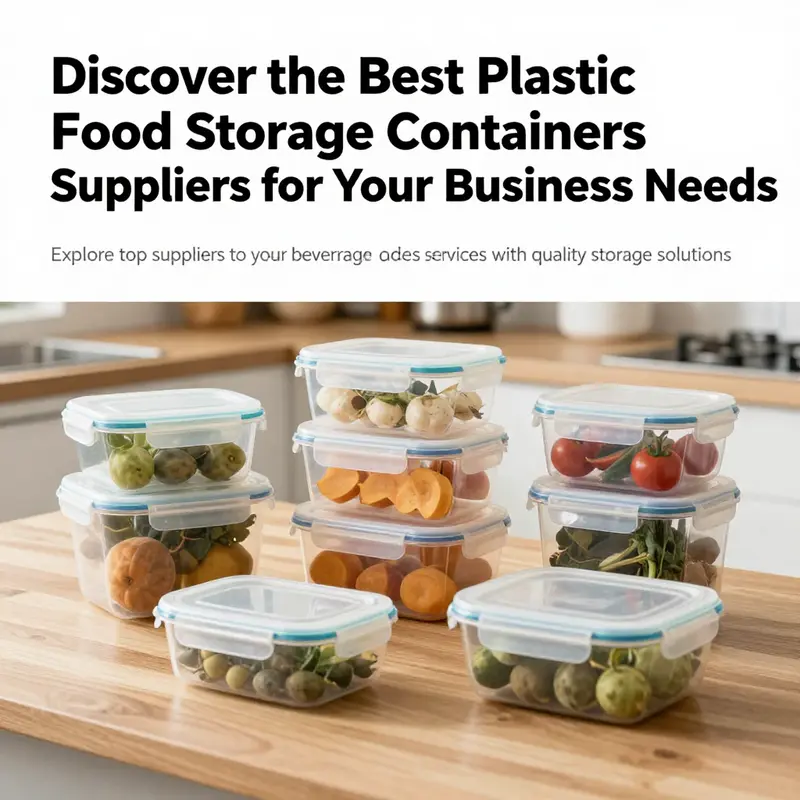
Finding the right plastic food storage containers supplier is essential for businesses in the food and beverage industry. From bubble tea shops to corporate catering teams, reliable suppliers ensure safe, effective storage solutions that meet diverse needs. This article delves into prominent suppliers including 深圳市盛瑞翔科技有限公司, 宁波泽远塑料工业有限公司, and 东莞宝信包装制品有限公司. Each chapter highlights their unique advantages, customized services, and market impact. By understanding these key players, businesses can make informed decisions that will streamline their operations and enhance service delivery.
Beyond the Shelf: Decoding the Market Advantage of Plastic Food Storage Container Suppliers in a Global Market
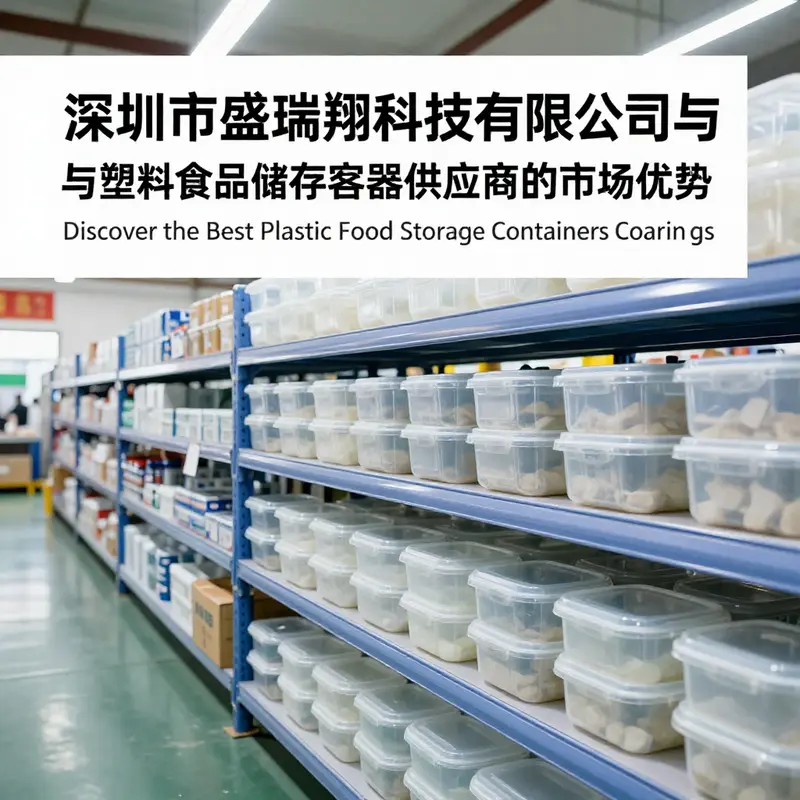
In the realm of plastic food storage containers, the market edge rests less on a single feature and more on how a supplier orchestrates manufacturing discipline, regulatory literacy, and global logistics to meet the evolving needs of foodservice and retail. Buyers increasingly look beyond unit price to the reliability of supply, the clarity of material safety, and the speed with which a supplier can translate shifting consumer tastes into tangible packaging options. The landscape is shaped by a balance between scale and agility: large, multi‑region manufacturers bring a breadth of capability, while mid‑sized players can offer flexibility and closer collaboration. This tension between size and nimbleness defines the market dynamics that procurement teams must navigate when sourcing plastic containers that will hold everything from fresh produce to prepared meals. The result is a sourcing environment where the best suppliers emerge not from glossy promises but from demonstrable performance across the supply chain, from raw material selection to final delivery in multiple geographies.
Our research points to three principal suppliers that appear prominently on major cross‑border platforms, signaling a converging set of capabilities that buyers prize. They illustrate how scale, experience, and a diversified product portfolio convert into competitive advantages. Platform credibility signals, such as documented export experience and responsive communication, indicate an established track record. The turnover ranges observed across such suppliers vary widely, spanning single‑to‑multi‑million dollars, a distribution that mirrors the diverse needs of customers—from regional distributors to international retailers. This breadth matters because it signals not only the capacity to fulfill large orders but also the ability to tailor solutions for mid‑market buyers seeking private labeling or customized packaging. The overarching lesson is that market advantage in this space is earned through consistent quality, dependable service, and the logistical heft to reach customers across regions with confidence. The advantage is not solely about product but about the total experience of sourcing: predictability in lead times, uniformity in quality across shipments, and transparent communication throughout the procurement cycle.
Geography matters in meaningful ways, and the geographic footprint described in industry observations—strong activity in parts of Southeast Asia, Oceania, and North America—highlights how suppliers align capacity with demand and how buyers manage risk. Southeast Asia often provides competitive costs, quick access to core manufacturing ecosystems, and the ability to respond rapidly to design changes. This region can serve as a hub for initial sampling, pilot runs, and incremental scaling. Oceania and North America, with their emphasis on reliability, regulatory alignment, and sophisticated logistics networks, steer a different set of expectations: stricter documentation, precise labeling, and consistent performance across a range of temperatures and use cases. A supplier who can sustain lead times during peak cycles, offer scalable minimums, and maintain quality across shipments earns a reputation as a dependable partner rather than a vendor. In practice, such capabilities reduce the cognitive load on procurement teams, allowing them to align supply with demand signals, regulatory requirements, and brand commitments without sacrificing efficiency. When these regional capabilities converge in a single supplier, the result is a more resilient supply chain that supports national and international brand promises alike.
Yet, the landscape is not free of misidentification hazards. In the course of due diligence, a company may be mischaracterized as a plastic container supplier when its core business lies elsewhere. Our sources note a case where a entity with a name similar to a packaging firm centers its activities on automation dispensing equipment rather than packaging containers. The distinction matters because decisions rooted in misinterpretation can lead to misaligned supplier relationships, unmet quality specifications, or disrupted supply. This caution underscores the importance of verifying a supplier’s actual core competencies, production capabilities, and product catalog before committing to a sourcing strategy. In procurement practice, such diligence protects value and ensures that supplier capabilities align with the stated market advantages.
When evaluating supplier strengths, several enduring attributes consistently emerge as determinants of market advantage. Scale and stability stand at the top: a supplier capable of producing at high volumes without compromising consistency provides a bulwark against price volatility and supply disruptions. Next is breadth and depth of offerings. A portfolio that accommodates standard containers while enabling customization or private labeling helps buyers consolidate procurement and reduce supplier fragmentation. Third is the rigor of quality control and compliance. A robust quality assurance program, transparent material safety profiles for food contact, and traceability from raw materials to finished goods are non‑negotiable in a sector where safety is paramount. Fourth is manufacturing and logistics agility: the ability to adjust production schedules, absorb sudden shifts in demand, and coordinate with freight partners to ensure on‑time delivery. Fifth is collaboration: suppliers that engage early in product development discussions, provide prototyping and sampling, and respond quickly to information requests support buyers in translating market trends into practical packaging solutions. Taken together, these dimensions create a market advantage that’s reflected in the reliability of supply, predictability of pricing, and confidence buyers gain when forecasts align with actual deliveries.
From a procurement perspective, these dynamics warrant a disciplined approach. Buyers should map demand scenarios across regions, considering seasonality, promotions, and regulatory changes that shape packaging specifications. A clear bill of materials, explicit statements about food-contact safety and recyclability, and defined ranges for acceptable resins or polymers form the foundation of risk‑aware sourcing. Early testing is essential: samples, real‑world performance trials, and simple field tests help ensure that containers perform under typical kitchen and storage conditions. A well‑structured supplier dialogue includes measurable service levels: lead times, order fill rates, defect rates, and corrective action plans. Importantly, diversification is prudent. A sole large supplier can become a point of vulnerability if disruptions occur, so many buyers opt for a judicious mix of capable partners to provide redundancy while preserving quality consistency across orders. This approach honors the principle that a resilient pack of suppliers can deliver not just a price, but a sustainable performance profile that supports brand trust and consumer safety.
Beyond the mechanics of sourcing, the strategic value of suppliers lies in alignment with broader business goals. The shift toward safer materials and more sustainable packaging is reshaping product development, supplier audits, and even the terms of trade. Suppliers who can demonstrate safe, durable performance while supporting recyclability—where feasible—are increasingly rewarded with trust and longer‑term partnerships. For buyers, this means evaluating not only the current catalog but also a supplier’s research and development orientation, transparency about materials, and willingness to share documentation that validates safety and environmental claims. Digitalization also plays a growing role. Product data management, batch traceability, and digital catalogs can speed the path from concept to production while reducing miscommunication across teams. A digitally integrated supplier relationship makes procurement more predictable, especially in markets where customer preferences shift quickly and regulatory landscapes evolve. This broader trend toward data‑driven, transparent supply chains is likely to accelerate, reinforcing the value of suppliers who invest in both product capability and information infrastructure.
These observations, anchored in current market behavior and regional footprints, suggest that a supplier’s market advantage is best understood as the orchestration of capability rather than any single attribute. The most enduring players merge manufacturing discipline with supply chain resilience, regulatory literacy with product innovation, and price competitiveness with rigorous safety assurances. They recognize that sourcing plastic containers is not a one‑time transaction but an ongoing relationship built on trust, consistent performance, and the ability to adapt to evolving consumer preferences and regulatory guidelines. In practice, such partners translate global sourcing advantages into tangible benefits: predictable delivery times, uniform quality across shipments, and a steady cadence of packaging concepts that support brand narratives about freshness, safety, and convenience. As regional markets continue to mature, suppliers who maintain a global perspective while tailoring operations to local requirements will endure, even as competitors rise and fall.
Finally, the interplay between supplier capability and buyer strategy serves as a reminder that the procurement journey is both due diligence and co‑development. A well‑chosen supplier does more than respond to quotes; they participate in early packaging discussions, help forecast material availability, and contribute to total‑cost‑of‑ownership analyses that guide strategic decisions. In practice, that means buyers articulate clear expectations, document performance milestones, and foster collaborative problem solving when supply constraints arise. It also means staying attuned to market signals—regional demand patterns, shifts in shipping logistics, and regulatory updates—that can influence the calculus of a sourcing decision. When buyers align their supplier base with corporate goals—safety, efficiency, sustainability, and cost control—the market advantages become structural features of the supply chain, not incidental outcomes of fashionable pricing. As we transition to the next chapter, the focus shifts from evaluating supplier market advantages to translating those insights into a practical sourcing framework. The forthcoming discussion will outline concrete criteria for supplier selection, how to structure RFIs and audits, and how to balance regional supply considerations with global scale. The aim is to equip procurement teams with a disciplined approach that respects the complexity of plastics packaging supply chains while addressing the urgency of meeting evolving needs in food service and retail.
Chapter 2: Designing a True One-Stop Solution for Plastic Food Storage Container Sourcing in Global Markets

In the evolving world of global procurement for plastic food storage containers, buyers increasingly seek more than a single SKU from a single vendor. They want a true one-stop solution that can cover product breadth, customization, compliance, and logistics in one cohesive relationship. This demand sits at the heart of how leading suppliers operate on major sourcing platforms today. The most effective suppliers are not merely manufacturers of a handful of containment solutions; they are end-to-end partners capable of guiding a buyer from initial concept to final delivery, with a consistent standard of quality, rapid responsiveness, and scalable capabilities that align with a buyer’s growth trajectory. When we examine the landscape, three characteristics emerge as the most reliable indicators of a supplier who can deliver a genuine one-stop experience. First, breadth of product and the capacity to tailor. A top-tier supplier typically offers a wide range of container families—ranging from small, stackable food-grade boxes and daily-use storage totes to larger, modular containers designed for commercial kitchens, banquet services, and retail packaging. They can adapt dimensions, lid styles, sealing mechanisms, and labeling options to match specific use cases. They also provide a spectrum of materials within the same family, including different plastics and composite options, each with distinct performance traits such as rigidity, heat resistance, microwave compatibility, and chemical inertness. Second, a unified quality and compliance ecosystem. Besides manufacturing diversity, these suppliers maintain robust quality control protocols across batches, demonstrate traceability, and hold certifications that give procurement teams confidence in safety and durability. They understand the realities of food-contact regulations across markets and translate that knowledge into practical assurances for buyers operating across borders. This includes documentation, material declarations, and testing data that support compliance in Southeast Asia, Oceania, and North America. Third, integrated logistics and post-sales support. The most capable partners align with buyers’ supply chains by offering consistent lead times, flexible shipping options, and transparent pricing models that account for total cost of ownership. They provide onboarding support for new customers, sample and pilot programs, and a structured approach to after-sales service—replacements, warranty handling, and timely responses to any quality concerns. In this context, the most credible suppliers on widely used platforms emphasize their status as Gold Suppliers or equivalent verified entities, highlighting high response rates and deep industry experience. Their annual turnover spans a spectrum—from roughly one million to several tens of millions of dollars—reflecting the capacity to serve both smaller organizations with lean requirements and larger brands with sprawling needs. This range supports procurement teams seeking stability and scale without compromising speed or reliability. Markets across Southeast Asia, Oceania, and North America illustrate an extensive international footprint. The geographic spread is not incidental: it speaks to the ability to navigate diverse regulatory environments, adapt to different logistics ecosystems, and respond quickly to seasonal variations in demand. Experience with cross-border shipping means these suppliers are seasoned in managing incoterms, currency fluctuations, and the documentation that accompanies multi-country orders. For buyers, this is a meaningful predictor of the ease with which they can implement a one-stop strategy across multiple projects or product lines. The practical implications of this supplier landscape become clearer when one moves from theory to execution. A one-stop solution is not just about owning a broad catalog; it is about orchestrating a seamless flow from design to delivery. It means that a procurement team can discuss a new line of containers and, within a single relationship, secure not only the containers themselves but also compatible lids, measured seals, and the packaging that protects them in transit. It means access to co-engineered solutions that optimize material efficiency, reduce waste, and simplify labeling workflows, all while preserving the ability to scale up or down quickly in response to demand. When a buyer considers a potential partner, the evaluation should go beyond price per unit. It should center on the provider’s ability to deliver a coherent ecosystem of product families, customization capabilities, and service options that align with the buyer’s strategic goals. A credible supplier will outline how they support the product development cycle: concept refinement, prototype testing, pilot runs, and full production with consistent quality metrics. They will also map out the end-to-end supply chain, showing how raw materials are sourced, how production schedules are synchronized with demand signals, and how logistics are structured to minimize lead times without sacrificing safety and integrity of the containers. This holistic view is what differentiates a vendor who merely ships products from a partner who actively helps a buyer build a resilient, scalable storage solution. Within that framework, the role of market-specific considerations cannot be overstated. Southeast Asia often presents rapid manufacturing capacity and cost advantages, but buyers must account for regulatory nuances and variability in infrastructure. Oceania markets emphasize reliability and customer service responsiveness, given the vast distances and the smaller but highly brand-conscious consumer base. North America, with its strict safety standards and complex distribution channels, rewards partners that can demonstrate rigorous QA, precise documentation, and robust after-sales support. For organizations that require a mix of plastics-based storage and more sustainable alternatives, the value proposition becomes even more nuanced. While plastic remains central to many immediate storage needs due to its versatility and low cost, forward-looking suppliers increasingly incorporate design-for-recycling principles, material substitutions, and modular architectures that reduce waste and optimize disposal. This shift is not just about meeting environmental expectations; it also translates into tangible operational benefits. If a container line is designed for easy disassembly, for example, it simplifies end-of-life processing in facilities that recycle or repurpose materials, thereby reducing the total environmental footprint of the product while maintaining a favorable total cost of ownership for the buyer. From a practical standpoint, a buyer seeking a one-stop solution must also consider the prototyping and sampling process. The most capable suppliers offer rapid prototyping, engineering support for custom features, and cost-aware pilot programs that enable a buyer to validate performance before committing to large-scale production. This capability is particularly important when entering new markets or introducing modified designs, where the risk of misalignment between expectations and actual performance can be high. In the real world, a one-stop arrangement would entail a collaborative approach: design features that meet the exact requirements of a company’s packaging and end-use environment, together with a synchronized supply chain that ensures consistent quality and dependable delivery. The aim is not only to simplify procurement but to provide a coherent, long-term partnership that scales with the buyer’s business. An integrated supplier can also serve as a conductor of sorts, coordinating multiple facets of the sourcing journey—from material specifications and certification checks to packaging design and logistics optimization. Such a role becomes especially valuable in global operations where teams in different regions must align on standards, labeling, and compliance while preserving the speed and flexibility essential to competitive performance. The practical upshot of embracing a true one-stop supplier strategy is a smoother procurement process, lower administrative burden, and greater certainty around product quality and lead times. When a buyer can consolidate discussions about product specifications, certifications, and logistics into a single, well-coordinated dialogue, decision-making accelerates. This acceleration becomes a competitive advantage in fast-moving consumer goods channels where time-to-market can determine market share. In keeping with the broader objective of this article, it is essential to acknowledge that not all claims about one-stop capabilities are identical. The current material does not provide information about every specific company, and buyers should verify each supplier’s stated capabilities through due diligence, site visits where feasible, and transparent pilot programs before committing to large-scale orders. To illustrate how a practical choice might unfold, consider the interplay between container design and material performance. A one-stop supplier can offer a family of microwave-safe, dishwasher-safe, and stackable containers with interchangeable lids, enabling a buyer to curate a cohesive system across product lines. When necessary, the supplier can also supply complementary packaging solutions that align with the same design language, ensuring brand consistency and reducing the complexity of managing multiple supplier relationships. For readers who wish to explore concrete examples of packaging options that complement a plastic container system, one relevant option available through an interchange with paper-based packaging is the kraft paper octagonal bowl, which demonstrates how sustainable, multifunctional packaging can coexist with plastic storage lines. kraft paper octagonal bowl. This example highlights how a one-stop provider can extend a brand’s packaging ecosystem beyond pure plastics to include compatible, consumer-friendly containers that maintain a cohesive aesthetic across channels. In evaluating potential partners, procurement teams should also consider regulatory and safety contexts. For a broader regulatory perspective on food-contact substances, reviewing official guidance from regulatory authorities is prudent. For an external resource, see the FDA’s information on food-contact substances and related regulations. This guidance helps ensure that material choices align with safety requirements across different markets, thereby supporting a resilient, compliant sourcing strategy that can scale with a company’s growth goals. External resource: https://www.fda.gov/food-packaging-food-contact-substances/fda-regulations-food-contact-substances-fscs. In sum, the promise of a true one-stop supplier in the plastics-for-food storage space lies in the alignment of product breadth, customization, quality assurance, and logistics into a single, coherent relationship. Buyers who can identify suppliers with these capabilities—those able to demonstrate a robust, scalable ecosystem and a track record of responsive service—will be well positioned to negotiate value, reduce risk, and accelerate innovation across their packaging portfolios. While the specific identities of individual manufacturers may change, the underlying blueprint for success remains consistent: cultivate a partner that can translate design intent into dependable, compliant, and efficient supply chains across diverse markets—and do so with a level of coordination that makes the procurement process feel almost effortless for the teams who depend on it.
Mapping Custom Plastic Food Storage Container Services: Dongguan Suppliers, Quality, and Global Reach
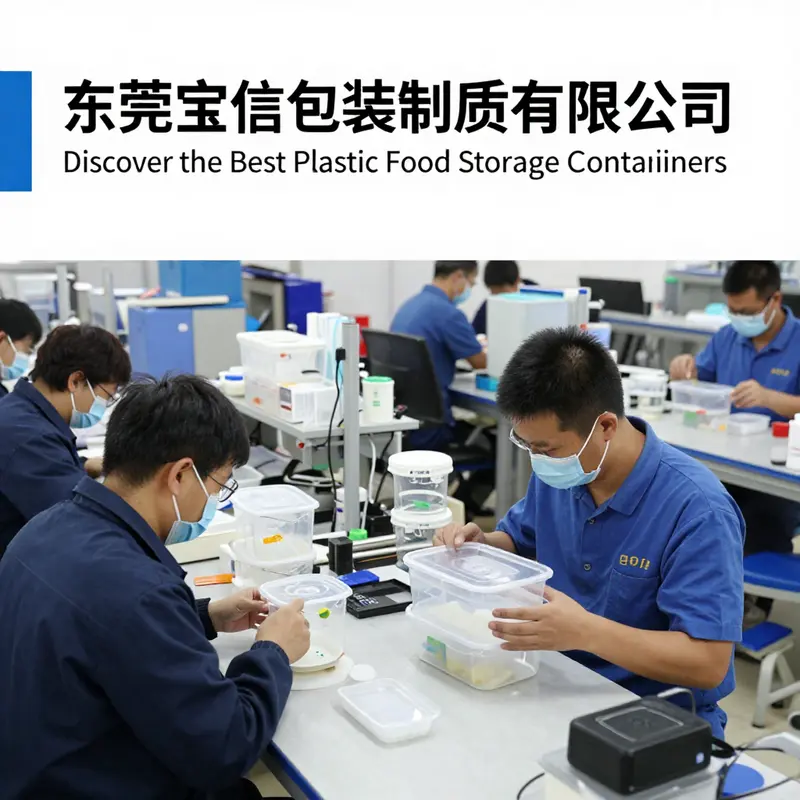
Within the broader landscape of plastic food storage container procurement, the chapter unfolds as a careful navigation through how Dongguan-based suppliers position themselves for global demand. Dongguan stands as a dense node in the manufacturing network that serves food safety, convenience, and shelf-life needs across continents. The story is not only about the physical tanks, boxes, and lids themselves, but about the relationships, processes, and assurances that turn a design idea into a reliable supply—especially when customization is non-negotiable. Buyers today approach this market with two core questions in mind: can a supplier deliver the exact dimensions, closures, and material properties required for a specific food service or retail context, and can they sustain supply across borders with consistent quality and predictable lead times? The answers hinge on more than a price quote; they hinge on the supplier’s core strengths, the breadth of their product family, their international footprint, and their willingness to collaborate in the early stages of product development. In the current research snapshot, three pillars emerge clearly: the credibility of Alibaba Gold Suppliers as a signal of responsiveness and experience, the diversity of product ranges that can be adapted to different regulatory environments, and the geographic reach that makes a Dongguan partner viable for Southeast Asia, Oceania, and North America. Each supplier’s annual turnover, spanning from a modest seven-figure range to fifty million dollars or more, helps buyers map the scale of operations best suited to their procurement strategy. High response rates and a proven track record are not merely nice-to-have factors; they are essential signals for buyers who must align design intent with manufacturing reality, ensure traceability for food-grade standards, and lock in capacity for campaigns with tight calendars. When a buyer surveys the landscape, they often look for a supplier who can translate a concept into a manufacturable reality—one who can interpret a sketch into a tooling plan, recommend feasible materials, and forecast how a design might behave during stacking, transport, and actual use in kitchens or consumer pantries. The emphasis on customization goes beyond choosing between a few standard formats. It encompasses an interlocking set of decisions: wall thickness, base geometry, lid interface, gasket compatibility, venting features, and surface finishes that balance aesthetics with durability. The ability to scale prototypes into production runs becomes a critical decision criterion, as does the supplier’s capacity to manage multiple SKUs, private labeling, and packaging variations for different markets. In this context, the research materials—though focused on a broader supplier ecosystem—underscore the importance of a robust evaluation framework. Buyers must assess not just the end product, but the entire value chain: material sourcing, process controls, quality assurance, and post-production service levels. The supplier’s location in a manufacturing hub offers undeniable advantages in terms of speed, price, and the customization mindset that often accompanies higher-volume orders. Yet it also raises questions about supply chain resilience, including the diversification of sourcing, the ability to absorb sudden demand shocks, and the capacity to maintain consistent quality when changing production lines or raw material batches. The interplay between these factors becomes most evident when a buyer moves from concept to sample to full-scale production. The sample stage is where many potential partnerships are tested for fit: can the design be realized with the chosen material, will the lid seal reliably with the chosen gasket, and can the supplier reproduce a sample batch with identical tolerances? A reliable supplier excels in this phase, offering clear communication, transparent tooling timelines, and a willingness to adjust specifications in light of testing results. The literature notes that gold-supplier status on Alibaba is associated with higher responsiveness and richer experience, which translates into shorter feedback loops during development. It is not a guarantee of success on every project, but it is a useful proxy for a supplier who has earned a track record of delivering in real-world scenarios. The geographic distribution of these suppliers—primarily in Southeast Asia, Oceania, and North America—highlights a strategic advantage: proximity to major markets reduces lead times and simplifies logistics for global buyers. It also signals the potential for collaboration on regional packaging standards and regulatory expectations, a factor that becomes crucial when products cross borders and must endure varied testing regimes and labeling requirements. In practical terms, a buyer evaluating suppliers in this space will likely weigh several factors in parallel: the breadth of product families that can accommodate customization, the speed with which tooling can be developed and approved, and the ability to maintain consistent quality across batches and geographies. A core tenet of successful procurement is to align a supplier’s operational tempo with the buyer’s market calendar. If a campaign requires rapid iteration and a quick ramp to production for multiple SKUs, the supplier must demonstrate not only technical competence but also a disciplined project-management approach. This involves clear milestone definitions, pre-production testing cycles, and contingency planning for common risk factors such as supply disruptions or fluctuations in resin prices. The conversation a buyer has with potential suppliers often evolves through three layers: feasibility and design input, process capability and quality assurance, and commercial terms that reflect long-term collaboration. In the first layer, technical dialogue aims to validate whether the proposed container design can be manufactured with the chosen resin, whether wall thickness and ribbing achieve the intended balance of strength and weight, and whether the lid mechanism can provide an airtight or watertight seal as required. In the second layer, the supplier’s QA regime becomes the focal point. Buyers want to see documented processes, calibration routines for molding equipment, and traceability from raw material batch through finished goods. Certifications, even when not named in a specific jurisdiction, function as evidence of a disciplined approach to safety and quality, which is essential when packaging is destined for food contact. In the final layer, price, payment terms, minimum order quantities, and lead-time expectations crystallize into a workable commercial plan. The dynamic here is not simply about a lower sticker price; it is about total cost of ownership, including the predictability of delivery, the risk of delays, and the cost of quality control. In this sense, the procurement journey is about building a durable, collaborative relationship with a supplier who can support both the present demand and future expansions. It is here that the role of a well-structured supplier qualification becomes obvious. Buyers often begin with a request-for-information to map capabilities, followed by a design review, then a short sequence of samples, and finally a phased production ramp. This approach minimizes the risk of misalignment and helps both sides manage expectations as product specifications evolve. In the absence of a single definitive source about a particular Dongguan-based provider, the literature cautions that due diligence remains essential. The research materials acknowledge that not all firms in the region have transparent public records, and some may have undergone changes in registration or ownership. For the purchaser, this reinforces the importance of factory visits, third-party audits, and a careful review of registration status and certifications. It also invites a pragmatic perspective: manufacturers often differentiate themselves not just by product performance, but by their agility, their willingness to co-create, and their capacity to sustain supply during market volatility. A concrete way to illustrate how customization can unfold in practice is to imagine a plastic container designed for a multi-market cold-chain use case. The container might require an integrated seal, a gasket material compatible with low-temperature storage, and a lid that provides secure stacking stability for retail displays. The ability to tailor dimensions to fit specific shelf spaces, adjust the wall thickness for impact resistance, and offer multiple lid configurations—all while maintaining consistent resin quality across batches—becomes the essence of the value proposition. While the detailed findings about a specific Dongguan company are not available in the current materials, the discussion points to a reliable operational blueprint for buyers: start with a clear set of performance requirements, engage suppliers who demonstrate both process discipline and design responsiveness, and validate prototypes through rigorous testing before committing to large-scale production. For readers seeking tangible examples of packaging options that reflect the type of customization discussed here, a representative resource highlights how packaging components evolve in response to demand for durability, safety, and cost efficiency. This reference serves as a practical reminder that the packaging ecosystem—whether plastic, paper, or composite—operates best when suppliers and buyers collaborate early, align on testing protocols, and maintain transparent communication throughout the development cycle. To explore a concrete example of adaptable container solutions, consider this linked page that showcases a versatile take-away container format designed for mixed-use, including a lid and an integrated seal. Kraft paper octagonal bowl with lid. While the page itself presents a different material family, the underlying principle—designing for durability, stackability, and user convenience—resonates with the customization mindset discussed here.
External resources that expand the lens on supplier quality management and performance can provide additional guardrails for buyers seeking global-scale partnerships. For readers pursuing formal frameworks, standards bodies and reputable quality-management resources offer guidance on establishing supplier qualification processes, monitoring performance, and sustaining continuous improvement over time. External reading: https://www.iso.org/iso-9001.html
Chapter 4: Global Footprints and Economic Currents of Plastic Food Storage Container Suppliers
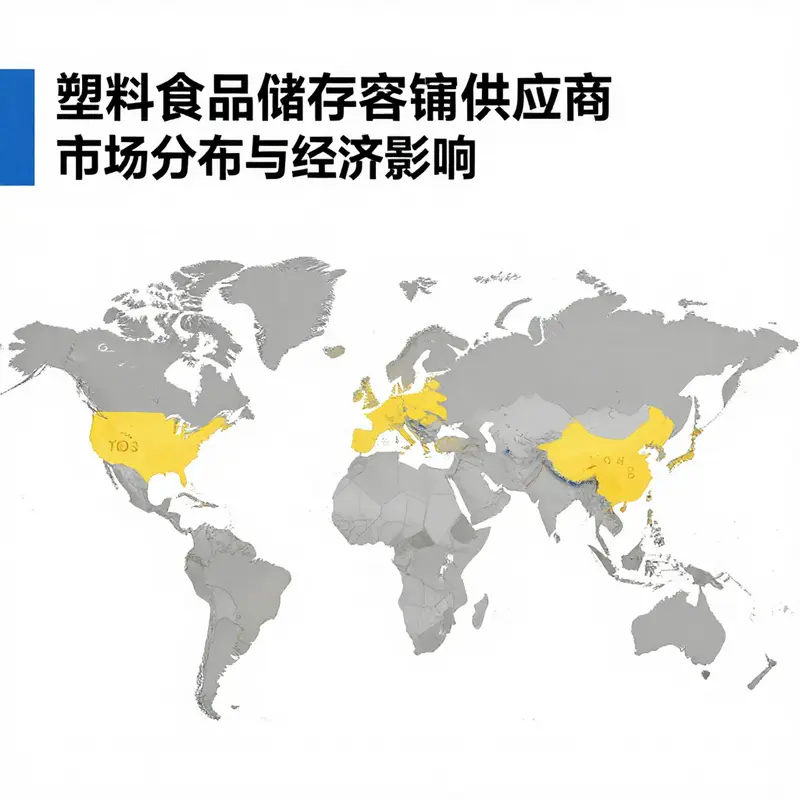
The landscape of plastic food storage container suppliers reveals a market that relies on breadth of reach, steady throughput, and the ability to balance cost with reliability. For procurement teams, understanding how market distribution translates into everyday operational decisions is not a luxury but a necessity. The global market remains relatively fragmented, even as a handful of large players anchor the more predictable portions of supply. In recent industry observations, the top manufacturers and brand families collectively command roughly thirty percent of global demand, leaving a broad expanse of suppliers competing for the rest. This distribution matters because it means price, quality, and service levels are highly contingent on regional dynamics, supplier footprint, and the robustness of regional logistics. For buyers, the lesson is clear: a successful sourcing strategy cannot rely on a single supplier or a single geographic lane; it requires a mindful spread across regions that mitigate disruption while preserving cost discipline.
Regional patterns illuminate the strongest demand and the most mature supply chains. North America and Europe have long been the pivotal markets, together absorbing about thirty percent of global activity. The maturity of these regions is born from sophisticated retail networks, strong consumer demand for convenient and reliable packaging, and stringent quality standards that elevate supplier performance as a market default. The presence of well-established logistics and regulatory frameworks in these regions tends to favor suppliers who can demonstrate consistent lead times, rigorous safety compliance, and transparent material disclosures. In contrast, the Chinese market stands out as the second-largest engine of growth, accounting for roughly twenty percent of global share. That position is less about consolidation and more about scale, with rapid adoption of new formats, intensified cross-border trade, and ongoing investments in manufacturing capacity that reduce cycle times for large orders. In Asia beyond China, Southeast Asia and Oceania have emerged as increasingly important corridors, driven by growing consumer markets and a surge in contract manufacturing that seeks cost-effective, reliable container solutions. The global map is not a fixed one; it shifts with exchange rates, freight costs, and the ongoing evolution of trade policy.
This geometric pull between mature Western markets and the high-output Asian supply base has tangible economic implications. For instance, raw material costs, energy prices, and the efficiency of plastic conversion technologies translate directly into the cost of finished containers. Plastic products leverage economies of scale; the financial advantage is most pronounced when plants run at high capacity with reliable demand forecasts. In practice, procurement teams observe cost advantages when sourcing from suppliers who can offer integrated capabilities—from resin management and in-house quality assurance to packaging design and value-added services such as custom labeling or tailored temperature resistance. The economic logic is simple: lower per-unit cost through scale, faster response through proximity or networked distribution, and reduced total cost of ownership when quality and service minimize returns and defects. But the cost advantage is not static. The very factors that compress costs—high-volume production, automation, and global supply chains—are precisely the factors most sensitive to external shocks, whether those shocks come from pandemic-era disruptions, geopolitical tensions, or policy-driven shifts toward carbon reduction.
In this context, the research landscape signals a persistent tension between affordability and sustainability. The drive to minimize price remains strong, especially for applications that demand high-volume, disposable packaging. A telling trend is the growth in demand for single-use plastic storage solutions intended for quick-service and ready-to-eat formats, which has driven sustained consumption and robust throughput in manufacturing hubs. Yet sustainability concerns and carbon-neutral commitments, particularly in large markets with aggressive climate targets, are recalibrating cost structures. The demand for lower-carbon production, recycled content, and increased recyclability is becoming a performance criterion as important as price. In China, policymakers increasingly emphasize carbon neutrality as a guiding objective, and producers respond by investing in energy-efficient equipment, process optimization, and cleaner logistics. These investments, while beneficial for the environment, can tighten margins in the short term as plants undergo upgrades. Over the medium to long term, however, such improvements generally translate into steadier supply and reduced regulatory risk, two critical levers for procurement planning.
The procurement implications of this geographical and economic tapestry are nuanced. Buyers must weigh the benefits of diversified sourcing against the complexity of managing multiple supplier networks. A regional mix helps mitigate disruption: if freight corridors or port operations are constrained in one region, other regions with spare capacity can absorb the slack. That said, diversification has costs—administrative overhead, differing quality systems, and the challenge of harmonizing specifications across suppliers. The most effective sourcing strategies emphasize standardization of core specifications while leaving room for regional adaptations. They also require robust vendor qualification programs that assess not only price and lead times but also safety records, regulatory compliance, and environmental stewardship. In the current climate, a reliable supplier is more than a vendor who can fill a container on time; they are a partner who can demonstrate resilient operations, transparent traceability, and proactive risk management.
Within the broader market context, the profile of the suppliers in scope includes a notable attribute: they are recognized as Alibaba Gold Suppliers, a status associated with high responsiveness and a depth of experience in cross-border trade. This designation provides an initial confidence signal for buyers navigating global procurement. It is not a guarantee of perfect fit for every application, but it does indicate a track record of scale, customer service, and compliance readiness that aligns with enterprise purchasing standards. The annual turnover figures mentioned in the research—ranging from roughly one million U.S. dollars to as much as fifty million—reflect a spectrum of operations that can accommodate different procurement volumes and risk appetites. For a mid-market retailer or a contract manufacturer seeking stable, repeatable supply, the mid-to-upper segments of this range may offer a more predictable service layer, while the smaller end can deliver flexible, rapid-response partnerships for niche or pilot programs. These numbers are more than mere statistics; they signal the capacity to support regional distribution, maintain quality assurance programs, and invest in product development and compliance as market demands evolve.
Yet the pull of the future is toward packaging ecosystems that balance functionality with environmental responsibility. The market has long rewarded plastics for their cost advantage and durability, but the externalities associated with plastic waste have sharpened regulatory scrutiny and consumer expectations. The economic calculus for suppliers now includes carbon footprints, energy intensity, and end-of-life options. In practice, this translates to a push for recycled content, better materials science, and more intelligent packaging design that reduces total material usage without compromising performance. For buyers, this means more conversation about life-cycle impacts and supply-chain transparency. The result is a bifurcated procurement approach: maintain robust access to affordable, well-supported plastic storage solutions, while evaluating sustainable alternatives and co-developing packaging concepts with suppliers who can deliver on both performance and environmental goals.
An additional consideration for procurement leaders is the role of digital platforms and data-enabled supplier management. The Alibaba gold-supplier ecosystem provides a powerful entry point for identifying capable manufacturers and negotiating terms at scale. However, success in this environment hinges on rigorous due diligence: verifying certifications, understanding material safety data, and ensuring traceability from resin to finished container. The insights from global distribution patterns reinforce the need to align supplier selection with regional needs. For example, a buyer prioritizing North American distribution might favor suppliers with access to efficient port networks and compliance credentials common in that market, while a buyer serving the Chinese or Southeast Asian markets may prioritize capacity to respond quickly to shifts in demand and regulatory updates. The overarching narrative is one of strategic geography: where you source matters just as much as how you source, and the best procurement strategies are those that weave together regional readiness with long-term resilience.
To illustrate the breadth of packaging formats and the ecosystem around plastic storage solutions, consider how sustainability-oriented packaging options—though not plastic—demonstrate the market’s appetite for alternatives that can coexist with plastics in a broader packaging strategy. For readers exploring the full spectrum of packaging formats, an example of a sustainable packaging option can be found here: kraft paper soup cup with lid product page. This reference helps contextualize how buyers evaluate total packaging solutions, from performance and cost to end-of-life considerations and supplier collaboration models. While the focus of this chapter is plastic storage containers, the underlying principle is coherent: buy value through a balanced mix of cost-efficiency, reliability, and adaptability to evolving environmental standards.
As the market continues to evolve, practitioners should maintain a forward-looking posture. They should monitor exchange-rate movements that affect landed costs, freight-rate volatility that shapes lead times, and regulatory developments that alter the calculus of what constitutes acceptable packaging. The regional concentration of demand suggests that a well-architected supply base can shield a company from localized shocks, while a globally distributed network reduces exposure to any single point of failure. The underlying economics—low unit cost, high-volume potential, and the capacity to scale with demand—remain compelling. But success in this arena requires not only a pulse on price but a steady focus on quality, compliance, and sustainability. The suppliers that can demonstrate transparent processes, reliable performance, and a credible pathway toward lower-carbon packaging are those most likely to anchor procurement strategies in the years ahead.
For readers seeking a broader macro view of the packaging materials market, external analyses offer useful context on how consumer trends, regulatory pressure, and technological advances are reshaping demand across packaging formats. A key external resource that maps the size and dynamics of the packaging materials market can be found at Grand View Research, which provides a comprehensive market perspective that complements the micro-level supplier considerations discussed here. External resource: https://www.grandviewresearch.com/industry-analysis/packaging-market
Chapter 5: Tech-Driven Transformation of the Plastic Food Storage Container Supply Chain

The future of the plastic food storage container supply chain rests at the intersection of sustainable material science, intelligent data ecosystems, and agile manufacturing design. It is a story not merely of more durable plastics or smarter sensors, but of a reimagined network that links raw material choices, production methods, and end-of-life management into a cohesive, resilient system. In this evolving landscape, three strands weave together to form a coherent trajectory: green materials and circularity, digital intelligence across the chain, and modular, responsive design that translates consumer needs into rapid, scalable solutions. Taken together, these strands redefine what it means to source plastic food storage containers in a way that is economically viable, environmentally responsible, and capable of weathering geopolitical and market volatility. The challenge for buyers and suppliers alike lies in balancing performance and safety with the long shadow of waste and the urgent demand for transparency. The payoff is a supply chain that can not only meet today’s expectations but adapt to tomorrow’s requirements with speed and integrity.\n\nSustainability sits at the core of this transformation. The industry is increasingly embracing bio-based and biodegradable alternatives derived from renewable plant resources, such as polylactic acid and bio-based polyhydroxyalkanoates. These materials offer a path to reduce dependence on fossil feedstocks and to lower the overall environmental footprint of plastic containers. Industry forecasts that biodegradable plastic content in packaging could reach meaningful shares within the near term are more than hopeful projections; they reflect a regulatory tide and consumer demand shaping product development. The shift toward closed-loop recycling is equally consequential. Instead of a linear take‑make‑dispose model, many manufacturers are piloting or implementing “take-back” and regranulation programs that transform waste into usable input. When executed at scale, such programs have the potential to reclaim a substantial portion of the feedstock while lowering raw material costs and reducing the volume of discarded plastics in landfills. In practical terms, a mature closed-loop system can achieve very high recovery rates—approaching the upper end of 95 percent for certain streams—while delivering food-grade performance for new applications and diverting a large share of post-consumer waste from the environment. The environmental benefits are substantial: less virgin resin consumption, lower carbon footprints across the value chain, and a meaningful reduction in the so‑called white pollution that has long plagued packaging waste.\n\nYet sustainability is not a stand-alone performance metric; it is increasingly integrated with safety, hygiene, and regulatory compliance. Food-contact materials must meet stringent hygiene standards, particularly for containers used in high-risk contexts such as dairy, meat, and ready-to-eat products. The latest material science advances are coupled with process innovations designed to maintain cleanliness and sanitary integrity throughout the lifecycle of the container. For example, multi-layer co-extrusion and crosslinking techniques yield materials that combine superior barrier properties with mechanical strength, while surface finishing concepts—akin to highly controlled polishing processes—enhance cleanability and minimize microbial harborage on interior walls. The result is a family of materials and finishes that offer robust performance for food safety, even as they push toward greater recyclability or compostability. Importantly, these advances are not confined to the container body alone; the interior surfaces, seals, and closures are all optimized to minimize microbial load and facilitate rapid cleaning without compromising seal integrity or product safety.\n\nThe design implications of these material and process innovations extend throughout the supply chain. In the procurement phase, buyers weigh not only the immediate performance and price of a container, but also its end-of-life behavior, the feasibility of collection and recycling, and the potential for upcycling into higher-value outputs. This broader decision framework favors suppliers who can demonstrate verifiable lifecycle data, third‑party certifications, and a credible pathway to circularity. In production, the emphasis shifts toward materials that can be processed efficiently within existing equipment while offering cleanroom compatibility and high repeatability. Advanced polymer architectures, stabilized with carefully chosen additives, enable longer service life without compromising hygiene or safety. For logistics, the dialogue between material choice and packaging design becomes critical. Lighter, stronger shapes and optimized wall thicknesses reduce transport weight and energy use, while standardized interfaces and modular components improve compatibility with automated handling equipment across warehouses and distribution centers.\n\nAt the same time, the digital layer of the supply chain is becoming indispensable. The convergence of the Internet of Things, big data analytics, and distributed ledger technologies is giving rise to a new form of visibility and control. IoT-enabled packaging and smart labels can monitor temperature, humidity, and even shock exposure as products traverse cold chains and cross borders. This granular data supports not only post‑production quality assurance but also proactive risk management. Real-time dashboards enable manufacturers, suppliers, and retailers to see inventory movements, predict stockouts, and coordinate replenishment with greater precision. The value of such digital platforms is not merely operational efficiency; it is a foundation for trust. When stakeholders can trace the provenance of materials, confirm compliance with food-contact regulations, and verify recycled content, buyers gain confidence to commit to longer-term contracts and larger purchase volumes. The digital architecture also lays the groundwork for dynamic pricing, collaboration with contract manufacturers, and the rapid scaling of modular designs in response to shifting demand patterns.\n\nWithin this digital ecosystem, advanced packaging concepts at the product level serve as a bridge between performance needs and circularity goals. Modular, standardized interfaces enable the mixing and matching of components from different suppliers without interrupting automated processing lines. In practice, this translates to a future where a bakery or grocery operator can select a standardized base container, pair it with a range of interchangeable lids or inserts, and still maintain compatibility with automated storage and retrieval systems. A key byproduct of this approach is the ease with which customization can be introduced at the design phase without triggering extended tooling cycles. For instance, rapid prototyping technologies can transform concepts into working prototypes in a matter of days rather than weeks, a transformation that can shorten overall lead times by a large margin. When combined with modular interfaces and standardized dimensions, customization becomes a strategic advantage rather than a bottleneck, enabling suppliers to deliver differentiated solutions while preserving the efficiency of a shared manufacturing and logistics backbone.\n\nThe push toward customization and modularity does not come at the expense of standardization. On the contrary, the future supply chain relies on a balanced strategy where high-frequency, standardized formats dominate core lines, while flexible, plug-and-play modules address niche needs. This dual approach makes it possible to serve downstream segments such as takeout kitchens, grocery retailers, and food service operators with tailored configurations that still integrate cleanly with automated handling systems, warehouse robotics, and cross-docking processes. The experience of the market suggests a significant efficiency gain from digital integration: improved order accuracy, reduced stockouts, and smoother replenishment cycles—often quantified as a 30 percent or greater improvement in overall operational efficiency when data silos are eliminated and end-to-end visibility is achieved.\n\nAll of these developments converge toward a future in which sustainability, safety, and performance are not competing priorities but reinforcing forces. The most successful players will be those who can articulate a clear path from material selection through end-of-life management, supported by robust data and a design system that accommodates rapid variation without sacrificing efficiency. The integration of lifecycle thinking into procurement decisions will become standard practice, with buyers requiring suppliers to present transparent data on recyclability, compostability, and recycled content. In such a framework, the traditional boundaries between plastics and packaging material suppliers blur, and the collaboration across raw material mills, process engineers, packaging designers, and waste management partners becomes the new competitive differentiator.\n\nAs a practical reflection of these trends, designers and purchasers are increasingly looking beyond single materials to consider packaging ecosystems that include recyclable or compostable alternatives alongside high-performance plastics. In some cases, this leads to hybrid approaches where the outer shell of a container leverages a robust, recyclable plastic, while interior components or inserts take advantage of more lightweight or bio-based options. The overarching objective remains clear: deliver safe, durable, and convenient containers that minimize environmental impact, are traceable from cradle to grave, and can adapt to evolving consumer expectations and regulatory landscapes. For readers exploring concrete design options that align with circularity goals, see this example of recyclable packaging options: kraft paper octagonal bowl 1200ml.\n\nLooking ahead, regulatory context will continue to shape the practical choices of material, process, and end-of-life strategy. Policymakers across major markets are advancing frameworks that encourage recyclability, mandate clearer labeling of recycled content, and impose stricter controls on additives that may hinder recycling streams. Compliance will increasingly be a probabilistic, data-driven proposition, where manufacturers demonstrate consistent performance across lifecycle stages and provide auditable records of material provenance and processing conditions. The integration of environmental, social, and governance considerations into procurement and design decisions will thus become a core capability for a modern supplier network in the plastic food storage container space. For readers seeking regulatory context and broader environmental guidance, see external resources that discuss plastics packaging and waste regulation: https://ec.europa.eu/environment/waste/plastic/index_en.htm.
Final thoughts
In conclusion, selecting the right plastic food storage containers supplier is crucial for the operational efficiency of food and beverage businesses. By examining the strengths of suppliers like Shenzhen Shengruixiang Technology, Ningbo Zeyuan Plastic Industry, and Dongguan Baoxin Packaging Products, companies can align their storage needs with reliable partner solutions. As the market continues to evolve with technological innovations and increasing demand for eco-friendly options, businesses have the opportunity to not only enhance their inventory management but also serve their customers better. Empower your establishment today with the right storage solutions.