

As the conversation around environmental sustainability grows louder, recycled paper packaging has emerged as a focal point for beverage businesses, ranging from bubble tea shops to food trucks. Not only does it help in reducing the ecological footprint, but it also caters to shifting consumer preferences and compliance with new regulations. In the UK, where over 60% of packaging materials are derived from recycled resources, embracing this trend is both a strategic and responsible move. This article delves into the importance of recycled paper packaging, the current industry trends, the regulatory landscape, sustainability standards, and the future outlook for businesses navigating these changes. By understanding the various facets of this topic, businesses can capitalize on the benefits while contributing to a greener planet.
Redesigning the Box: How Recycled Paper Packaging Shapes the UK’s Path to a Lower-Impact, Circular Economy

Across the United Kingdom, recycled paper packaging has emerged as more than a policy footnote or consumer preference. It is a practical response to climate pressures, resource scarcity, and waste legislation that defines modern business. The latest assessments show recycled content is a core operational choice across sectors. In 2023, more than 60 percent of packaging materials in the UK were derived from recycled resources, and paper-based packaging has consistently been among the most recycled material classes. This momentum reflects an economic and environmental logic: virgin paper production is energy- and water-intensive, and keeping materials circulating reduces pressure on natural resources and emissions from extraction, processing, and disposal. As the industry views packaging as a system rather than a single container, the recycling stream becomes a strategic asset for innovation, resilience, and cost efficiency over the long term. It is a narrative of design for circularity, where every box, bag, or label becomes a feedstock for the next cycle rather than a one-way sink. In this context, recycled paper packaging is not simply about materials savings; it is about reimagining supply chains and aligning product experience with a public more discerning about sustainability.
The environmental rationale rests on tangible benefits. By diverting post-consumer and post-industrial paper from landfills, packaging with recycled content reduces demand for fresh timber, helps conserve water and energy, and lowers greenhouse gas emissions associated with material extraction and processing. WRAP, a leading UK resource-efficiency body, has quantified significant savings from recycling at scale. For a ton of paper, recycling can save roughly 17 trees, about 7,000 gallons of water, and more than 4,000 kilowatt-hours of electricity—an amount that can power a typical UK household for a year. These figures underpin a business case: adopting recycled packaging supports resource resilience, lowers environmental risk, and strengthens brands in a market where sustainability performance matters. Such savings matter across the value chain, from logistics to retail, where energy and water footprints accumulate with every design decision.
Policy and regulation bolster the shift toward recycled content. The UK government has outlined a pathway toward a circular economy, targeting reuse or recyclability of all packaging by 2030. Recycled content sits at the heart of this ambition, enabling compliance while spurring design and manufacturing innovation. Standards for recycled content labeling encourage procurement from certified sources bearing FSC or PEFC marks. The Packaging and Packaging Waste Regulations 2024 extend scaffolding by mandating minimum recycled material content for packaging sold in the UK, with a target of at least 70 percent by 2030. This creates a regulatory backdrop that reinforces the practical benefits of recycled packaging and differentiates those who act decisively.
Market dynamics reinforce momentum. A 2025 survey by the British Retail Consortium highlighted consumer premium for sustainable packaging: a majority of shoppers indicate they reward brands that commit to environmentally responsible packaging. This signals real value and motivates investment in recycled paper streams—from pulp sourcing and processing to coatings and barrier technologies that preserve performance while maintaining recyclability. The result is a virtuous loop: better recycling outcomes improve material quality and supply reliability, lowering costs and risk while boosting brand credibility in a crowded market. As more customers seek proof of stewardship, packaging becomes a tangible part of the brand story and a signal of commitments to climate action and resource stewardship.
Technological edge. Modern paper recycling can produce high-strength stock that matches virgin paper in performance while remaining fully recyclable. New coatings and barriers preserve performance without compromising recyclability. For example, coated recycled paper envelopes now offer print quality and moisture resistance while still enabling re-entry into the recycling loop. Brands can deliver premium consumer experiences with recycled material so long as coatings and adhesives align with recycling streams rather than contaminate them.
Sourcing and supply chain resilience. Procuring recycled inputs at scale requires robust recycling streams, stable collection, and processing capacity. Collaboration across manufacturers, waste collectors, recyclers, and policymakers helps align incentives for higher recycled content. Financial signals and green financing support new facilities or upgrades, forming the backbone of meeting 2030 targets and maintaining product availability under scrutiny. Recycled paper packaging is not just an environmental choice but a strategic business choice that reduces exposure to price volatility and supply disruption.
Practical guidance. Start with a clear assessment of current packaging and end-of-life performance. Map how much material is recycled and how much can be sourced as post-consumer feedstock. Invest in tests to verify compatibility between recycled fiber and coatings, inks, and adhesives. Move toward procurement of certified recycled content with clear labeling that communicates content and recycling instructions. Align packaging design with the 2030 goal by maximizing recoverability and minimizing contamination. Consider simpler supply chains and reduce non-recyclable barrier materials where possible. The aim is to embed circularity in the product design and lifecycle.
Resources and takeaway. The paper-packaging category provides practical examples and guidance on sourcing recycled content and designing for recyclability that satisfy regulatory expectations. External resources like WRAP offer broader guidance on waste reduction and circularity. The journey to 2030 and beyond lies in higher recycled content, smarter design for recyclability, and credible data standards that validate progress for all stakeholders.
Conclusion. Recycled paper packaging in the UK is more than a material choice; it is a commitment to a circular economy where resources stay in use, waste is minimized, and environmental footprints shrink. The regulatory scaffolding supports the transition, while consumer expectations and technology provide momentum. Companies that blend recycled content with transparent communication, robust testing, and credible sourcing will meet regulatory requirements and shape the competitive landscape.
Tracing the Rise of Recycled Paper Packaging in the UK: Industry Momentum, Consumer Demand, and Policy Drivers
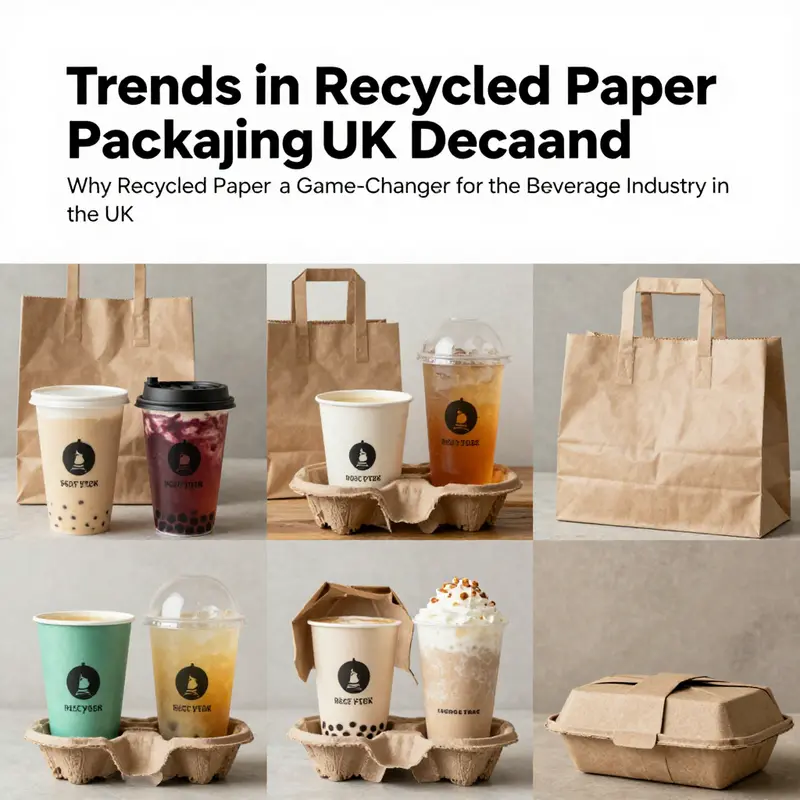
In the United Kingdom, recycled paper packaging has moved from a sustainability niche to a practical priority across the economy. It is no longer enough to claim that packaging is recyclable; the focus now is on the integrity of the recycled content, the efficiency of the recycling loop, and the clarity of what happens to packaging at the end of its life. This shift is not simply about replacing plastics with a greener material. It is about redefining how products travel from producer to consumer within a circular economy, where resources are kept in use for as long as possible and waste is minimized at every stage. The trajectory is shaped by a convergence of industry adoption, consumer expectations, and a supportive policy framework that is steadily turning recycled paper into the baseline for responsible packaging design.
The market signals a pronounced growth pattern. The latest industry snapshots show that the UK’s recycled paper packaging sector is expanding as firms across diverse sectors transition away from virgin materials and conventional plastics toward recycled-content solutions. This is driven not only by environmental considerations but also by the opportunity to align packaging choices with corporate sustainability targets, risk management needs, and brand credibility in a world where the public increasingly questions the lifecycle impact of products. The breadth of adoption is notable: flexible paper packaging solutions are becoming a common feature in food contact materials, consumer goods, and everyday retail offerings. The appeal is twofold. On one hand, recycled content reduces reliance on virgin fibers and lowers the overall footprint of packaging. On the other hand, modern paper packaging systems can deliver the durability, printability, and consumer convenience that brands depend on to communicate value and provenance.
Compounding this momentum is a rising consumer appetite for products that carry transparent environmental claims. People are more aware than ever of how packaging affects resource use, waste generation, and the health of ecosystems. This awareness translates into demand for packaging that is genuinely recyclable and, ideally, made from a high proportion of post-consumer recycled material. In sectors such as food and beverage, retail, and personal care, shoppers increasingly gravitate toward brands that can demonstrate lower environmental impact through credible packaging narratives. The visible trend toward recycled paper as a preferred material is reinforced by the rapid growth of brands that embed sustainability into their core value proposition and marketing storytelling. Consumers respond to packaging that tells a story about where materials come from, how they are recycled, and what the end of life looks like.
Policy and standards play a central role in shaping the pace and direction of this transformation. In the UK, there is a clear push toward greater recycled content in packaging through the establishment of Recycled Content Standards and the certification of paper sources. The aim is to ensure that recycled fibers are not merely claimed but verified, traceable, and traceable across supply chains. Certification schemes such as FSC and PEFC provide credible assurances about responsibly managed forests and recycled fiber sources, helping to satisfy both regulatory expectations and consumer confidence. The regulatory environment has become more stringent and more explicit in recent years. The 2024 Packaging and Packaging Waste Regulations require that all packaging sold in the UK market contains a minimum proportion of recycled material, and the policy trajectory anticipates an increase toward 70% recycled content by 2030. This policy ambition is not a blunt mandate; it is designed to spur innovation in fiber sourcing, recycling efficiency, and end-of-life processing so that recycled paper remains a practical and scalable option for a wide range of products.
Within this landscape, the industry is not passively complying with standards; it is actively innovating. Biodegradable and compostable elements are increasingly integrated with recycled content to broaden end-of-life solutions beyond mechanical recycling. In practice, this means packaging architectures that can be both recycled and, where appropriate, composted in industrial facilities, depending on local waste streams. The result is a more resilient packaging system where design, material choice, and logistics align to minimize waste and maximize resource recovery. This approach helps address concerns about the ultimate fate of packaging after disposal and supports more robust collection and sorting systems that keep materials circulating in the economy longer.
An important enabler of this shift is the integration of smart packaging technologies. QR codes and RFID tags are not mere marketing add-ons; they provide a conduit for transparency and accountability in the packaging ecosystem. By linking to information about provenance, recycled content, and end-of-life handling, these technologies empower consumers to make informed choices and hold brands to account for the sustainability claims they publish. They also assist regulators and waste managers in tracing materials through the circular loop, ensuring that recycled paper fibers can be efficiently recovered and reintegrated. In the broader context of regulatory compliance, smart packaging supports the clear disclosure of material content, facilitates compliance with labeling standards, and strengthens brand trust in claims about recycled content and recyclability.
From a practical standpoint, the shift to recycled paper packaging is being shaped by sector-specific dynamics. In the food and beverage arena, the preference for barrier properties and moisture resistance often drives the selection of paper-based packaging that contains a meaningful proportion of post-consumer recycled content. In retail and personal care, lighter-weight paper packaging with strong printability and high consumer-perceived value is increasingly favored for its look, feel, and environmental narrative. Across these segments, the alignment between recycled content, system-level circularity, and consumer trust is becoming a prerequisite for market access and brand protection. The ongoing policy push helps ensure that this alignment is not merely aspirational but codified, transparent, and measurable.
To illustrate how consumers perceive this shift, consider the growing expectations for packaging with a clear, verifiable environmental footprint. Consumers are looking for evidence of authenticity—an indication that the packaging really does derive from recycled fibers, that the content level is significant, and that the end-of-life options have been considered. This is where the combination of recycled content standards, credible third-party certifications, and visible labeling becomes a powerful competitive differentiator. It is not enough to say that packaging is recyclable; the market is increasingly asking for data on recycled input, sourcing integrity, and the overall environmental impact of the product as a whole. In this context, the use of recycled paper packaging is not simply about compliance. It is about building a credible sustainability story that resonates with informed consumers and stands up to scrutiny in a rapidly evolving regulatory landscape.
For readers seeking a practical sense of the packaging landscape and the choices available in the market, a look at the broader category of paper packaging provides useful context. The category page linked here offers a sense of the variety of options that are compatible with recycled content strategies and can be adapted to different product formats and brand requirements: paper packaging options.
As the UK continues to tighten regulatory expectations while consumer vigilance grows, the recycling paper packaging segment is likely to keep expanding its footprint across the economy. The market’s growth is not merely a matter of replacing one material with another; it embodies a systemic recalibration of how packaging is designed, produced, used, and disposed of. The path forward involves ongoing collaboration among material suppliers, manufacturers, waste management entities, and policymakers to refine standards, reduce complexity, and open new avenues for innovation. In this sense, recycled paper packaging is both a practical material choice and a catalyst for broader sustainability ambitions—from product design and lifecycle thinking to supply chain resilience and responsible consumption.
For researchers and policymakers seeking a wider lens on market dynamics beyond the UK, the global perspective confirms that recycled paper packaging is gaining traction as part of a broader shift toward sustainable materials and circular economy principles. The market growth is underpinned by improving recycling efficiencies, advances in fiber recovery, and rising demand for packaging that communicates environmental stewardship without compromising performance. A comprehensive external perspective on market size and trends can be found in the recent market analysis: https://www.grandviewresearch.com/industry-analysis/recycled-paper-packaging-market. This external resource highlights how government policies, consumer attitudes, and industry initiatives converge to shape a resilient, future-oriented packaging ecosystem that places recycled content at the center of product stewardship.
Regulatory Currents Shaping Recycled Paper Packaging in the UK: A Blueprint for a Circular Future
Regulation in the United Kingdom is less a rigid set of commands and more a current that moves the entire packaging system toward a shared destination: higher reuse, clearer consumer guidance, and a stronger, more traceable supply chain for recycled paper. The evolving framework for recycled paper packaging sits at the intersection of environmental ambition and practical design. It asks manufacturers not only to consider the proportions of recycled material in their products but to design packaging that can be properly sorted, processed, and returned to use across a national network of recycling facilities. The most consequential recent development is the Production (Packaging and Packaging Waste) Regulations 2024. Set to come into effect on 1 April 2027, with voluntary compliance beginning at that time, these regulations embed a transparent, twofold requirement: labeling and accountability. The labeling obligation requires packaging to bear a clear verdict for the consumer—“Recyclable” or “Not recyclable”—accompanied by a standardized UK recycling symbol. This rule cuts across all packaging types, including paper-based materials, unless a specific exemption applies, such as for very small packages where practical labeling is not feasible. The practical aim is simple and almost manifesto-like in its clarity: remove ambiguity at the point of disposal and align consumer behavior with the capabilities of the UK recycling stream. The rules also place a duty on suppliers of empty packaging to provide accurate recyclability information downstream to brand owners and manufacturers. That information then becomes part of the label that ultimately travels to the shelf, ensuring consistent messaging across the supply chain and reducing the risk of misleading consumers about what can be recycled after use. The public documentation of a recyclability methodology underpins this effort. By publishing a transparent, publicly accessible method for determining recyclability, the government offers a clear yardstick for businesses and is simultaneously reducing confusion in the marketplace. The objective is practical: when a consumer sees a symbol and a simple designation, they should know exactly how to dispose of the item, and they should be able to trust that the information reflects the packaging’s behavior in the real world across the country’s sorting and recycling facilities. This approach is not isolated from other policy strands. It sits within the broader Environmental Improvement Plan 2025, which places resource efficiency and waste reduction at the heart of national strategy. Even after Brexit, the UK continues to align closely with international best practices in sustainable packaging design and end-of-life management. The regulatory architecture thus weaves together labeling, recyclability assessment, and a consistent framework for disclosure into a single system intended to lift performance across manufacturers, retailers, and consumers alike. For recycled paper packaging specifically, the Regulations create strong incentives to use higher-quality post-consumer recycled content and to design packaging that is not only recyclable but also compatible with the UK’s existing processing infrastructure. In practice, this means a shift toward packaging that can be disassembled and processed in ways that preserve material streams, minimize contamination, and maximize the potential for recycled fiber to re-enter the economy rather than being relegated to landfill. Within this shift, the industry will increasingly pay attention to the life cycle of the paper itself—from fiber sourcing to papermaking, printing processes, coatings, and adhesives—that influence recyclability and the integrity of the post-consumer recycled (PCR) content. The push toward higher PCR content is not merely a matter of material preference; it is a designed response to policy signals that reward recyclability, reduce reliance on virgin fiber, and strengthen the domestic recycling climate. Consequently, packaging designers and brand owners are encouraged to rethink barriers that might impede recycling—such as coatings or multi-layer constructions that complicate fiber recovery—and to favor formats that fit the capacity of local mills and sorting facilities. It is here that the practical implications for UK paper packaging become most tangible. The regulatory framework, together with the ongoing roll-out of recycled content standards and certification schemes such as FSC and PEFC recognition, creates a converging trajectory: after more than a decade of modest gains, the market is now pushed toward a more ambitious baseline for recycled content and a clearer, more credible labeling regime. The government’s commitment to 70% minimum recycled material in packaging by 2030—explicit in the 2024 regulations and reinforced by the accompanying policy instruments—appears as a steady milestone on this road. That target, coupled with mandatory disclosure and a standardized determination method, is likely to accelerate the deployment of PCR paper across a wider range of packaging formats. The regulatory currents thus act as a mobilizing force for both supply and demand side actors. For manufacturers, there is a clear incentive to source higher-quality PCR paper and to design packaging with residue-free surfaces and straightforward disassembly in mind. For retailers and brand owners, the rules translate into predictable labeling and a defensible narrative about sustainability that can be communicated to increasingly eco-conscious consumers. And for consumers, the simplified language—Recyclable or Not recyclable—paired with an accessible symbol, reduces confusion at the point of disposal. In practice, the push toward a circular system in the UK also depends on the robustness of the broader infrastructure—the sorting, cleaning, and pulping processes that convert used paper into a resource that can re-enter the supply chain. The alignment between policy goals and physical capacity matters. The Government’s approach recognizes that simply increasing the percentage of PCR in packaging will not achieve durable outcomes if the recycling stream cannot process the material efficiently or if labeling misleads end-users about what can be recycled. Therefore, the public framework also invites ongoing collaboration with industry bodies to refine sorting rules, improve recyclability testing, and ensure that the standards keep pace with innovations in fiber chemistry, coatings, and adhesives. The aim is not to impose an onerous checklist but to harmonize the ambition of sustainable packaging with the realities of waste management infrastructure. In this sense, the chapter in current policy documents reads like a narrative about connection: the fiber in a paper bag, the ink on a box, the adhesive that binds a liner to a sleeve, the recycling facility that sorts it, and the citizen who discards it with a thoughtful mind. For readers exploring practical pathways within the UK market, the internal landscape is not a maze but a map of opportunities. Packaging designers can look to the paper packaging category for formats that accommodate high PCR content without compromising performance. For those seeking to align with policy and consumer expectations, the emphasis is on designing packaging that is easy to recycle, clearly labeled, and capable of re-entering the fiber stream with minimal downcycling. To connect this narrative with tangible choices, consider the packaging formats that favor monomaterial constructions, or those that separate inks and coatings from the fiber in a way that preserves the integrity of the pulp. The aim is a system where recycled paper packaging remains a viable, preferred option for a broad spectrum of products and applications, not a niche solution. For further reading on practical examples and product categories within the paper packaging space, see the dedicated section of the site that groups materials by packaging type and application, such as the paper packaging category. The content there illustrates how brands and manufacturers are adopting simple, recyclable designs across different formats, underscoring the alignment between policy objectives and market incentives. https://cupbowlpack.com/product-category/paper-packaging/ The regulatory image is complemented by a sustained emphasis on credible sourcing. Beyond the legality of labeling, consumers increasingly demand assurance that the materials they encounter have been produced and managed responsibly. Certification schemes like FSC and PEFC provide a verifiable pathway to demonstrate that the recycled paper used in packaging comes from responsibly managed sources and has undergone appropriate chain-of-custody controls. In the UK context, this certification logic strengthens the case for PCR content because it offers a credible guarantee that recycled fibers do not come with hidden costs or questionable sustainability attributes. Taken together, the regulatory framework emphasizes transparency, traceability, and a shared responsibility among producers, retailers, and consumers to move packaging toward a circular model. The goal is a future in which recycled paper packaging is not merely a trendy option but a robust, scalable standard that supports sustainable consumption across sectors. As the regulations mature and compliance practices stabilize, the market can anticipate a more consistent baseline for recyclability across packaging formats and a clearer, more accountable dialogue with the public about end-of-life outcomes. External resources for policymakers and practitioners alike provide further clarity on the legal framework. For a comprehensive account of the Packaging and Packaging Waste Regulations 2024 and their implications, see the official government publication linked in the resources section: https://www.gov.uk/government/publications/production-packaging-and-packaging-waste-regulations-2024. External resource: https://www.gov.uk/government/publications/production-packaging-and-packaging-waste-regulations-2024
Setting the Standard: How Sustainability Benchmarks Shape UK Recycled Paper Packaging
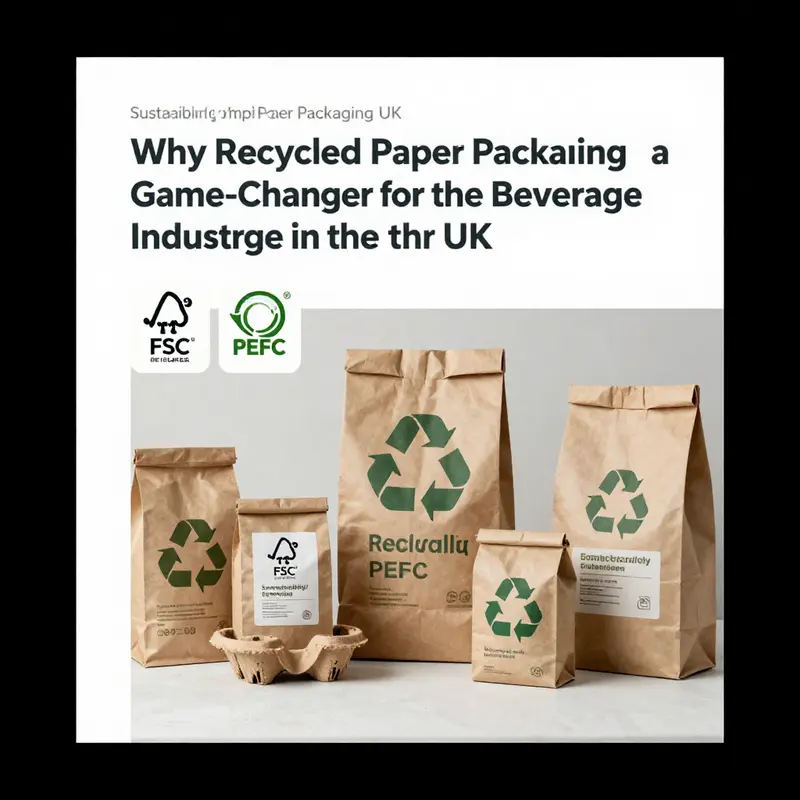
In the United Kingdom, the momentum behind recycled paper packaging has become a central axis of both business strategy and consumer expectation. The landscape is not just about choosing a material that can be recycled; it is about aligning a product’s entire lifecycle with a framework of standards that guarantee lower environmental impact, measurable transparency, and durable performance. Statistics gathered in recent years show a trend toward material recovery at scale, with paper packaging emerging as a leading sector for recycling. The push from national agencies and industry bodies has firmed up a policy corridor that makes recycled content not merely desirable, but increasingly mandatory. As packaging regulations tighten and the public conscience about resource use sharpen, brands and retailers are compelled to demonstrate that their packaging is not only recyclable but sourced from responsibly managed origins and tracked through robust supply chains. This creates a meaningful shift from simply minimizing waste to actively designing for a circular economy where materials re-enter the economy rather than the landfill.
The framework for sustainability standards in the UK rests on a triad of regulatory expectations, third‑party certifications, and practical design guidance that together form what many call a credible, verifiable pathway to lower footprint packaging. At the regulatory level, recent legislation and policy initiatives signal clear intentions. The Packaging and Packaging Waste Regulations introduced in 2024 require all packaging sold in the UK to contain a minimum recycled content. That baseline, designed to reduce virgin fiber demand and to curb the extraction of natural resources, is set to rise in stages with projections indicating a trajectory toward 70% recycled material by 2030. The legislative thread is reinforced by the Environmental Protection Act and the broader waste and resources agenda steered by WRAP, which provides practical tools for businesses aiming to design for recycling and to optimize recovery at end of life. These regulatory signals do not operate in isolation; they are reinforced by industry standards that translate policy into measurable, auditable performance.
Among the most trusted standards for recycled paper in the UK is the Forest Stewardship Council (FSC) certification. FSC serves as a robust flag of credibility because it validates that the paper’s fibers originate from responsibly managed forests or from post‑consumer recycled sources. The strength of FSC lies in its Chain of Custody (CoC) certification, which traces material flow from forest or post‑consumer source through every stage of processing and packaging, ensuring that recycled content is not inadvertently mixed with non‑recycled material. For buyers, this dual assurance—responsible sourcing and transparent tracking—reduces risk of greenwashing and helps maintain brand integrity in a market increasingly vigilant about provenance. In practice, many organizations seek FSC as a gateway standard because it aligns with both environmental stewardship and consumer confidence. The CoC framework acts as a spine for the supply chain, enabling more complex recycling loops where end‑of‑life paper can feed back into production without losing traceability.
Beyond forest certification, the Carbon Trust delivers a packaging certification that explicitly evaluates the carbon footprint across the full life cycle of packaging products, including those made from recycled paper. This certification pushes companies to quantify emissions from sourcing, processing, transportation, and end‑of‑life management, turning abstract sustainability claims into concrete numbers. When a product carries Carbon Trust certification, it signals to buyers and regulators that the company is not merely reducing waste but actively pursuing lower greenhouse gas emissions in every link of the chain. The emphasis on carbon performance complements FSC and CoC by encouraging packaging designers and manufacturers to pursue operational efficiency, lower energy consumption, and smarter logistics. In the context of recycled paper, such analysis can reveal trade‑offs: for example, the carbon impact of high PCR content may be offset by increased energy needs in deinking and recycling processes, making continuous improvement a key feature rather than a fixed endpoint.
A parallel thread in the UK’s sustainability narrative is the growing adoption of Recycled Content Standards that specify a minimum level of post‑consumer recycled (PCR) material within packaging. These standards are designed to accelerate circularity by ensuring that recycled materials are not only used but meaningfully integrated into product packaging. They also support consistent expectations across supply chains, helping retailers compare supplier performance without having to interpret a mosaic of voluntary claims. The shift toward PCR is intertwined with the broader circular economy goals, where waste becomes a resource and materials are cycled through multiple lifecycles rather than discarded after a single use. In practice, manufacturers pursuing PCR targets increasingly prioritize partnerships with paper suppliers that can demonstrate reliable PCR streams, careful contamination control, and transparent documentation of the fiber’s origin and processing steps. This reduces the risk of deforestation pressure while preserving the functional quality of packaging, which must withstand moisture, mechanical handling, and consumer use.
These standards do not exist in a vacuum. The UK Plastics Pact, while focused on plastic packaging, has an indirect but powerful influence on the shift toward sustainable alternatives like recycled paper. By pressing for reusable, recyclable, or compostable plastic packaging and pushing for less problematic or unnecessary plastics, the Pact creates a framework within which paper packaging can be positioned as a preferred, lower‑risk option for circularity. In addition, WRAP’s Packaging Design for Recycling toolkit provides hands‑on guidance for building packaging that is not only suitable for end‑of‑life recovery but also easy to collect, separate, and recycle with existing municipal systems. The toolkit helps companies design paper‑based formats that maximize recoverability and minimize contamination, recognizing that successful recycling depends on packaging anatomy, material blends, and labeling clarity. A company aligning with WRAP guidance can simplify the recycling stream, enabling municipal facilities to process paper more efficiently and with higher yield. The practical relevance of these tools cannot be overstated, because standards without implementable design work remains a hollow pursuit.
For those building or sourcing packaging, the emphasis on traceability and verification translates into concrete supplier expectations. Brands increasingly require evidence of FSC or equivalent certification, credible CoC documentation, and third‑party verification of PCR content. This multi‑layered assurance extends into the procurement and manufacturing stages, where raw material provenance, processing energy, and transport choices all feed into the bottom line. It also shapes labeling and consumer information. Clear, accurate labeling about recycled content and compliance with recognized standards becomes part of the value proposition. Consumers are more likely to trust packaging that provides transparent signals about origin, processing, and lifecycle performance. At the same time, retailers use these signals to differentiate products in a crowded market, signaling a commitment to sustainability without compromising on product performance or price discipline.
The regulatory timetable reinforces a sense of momentum. With the 2024 packaging regulations in force, companies must reassess supply chains to ensure minimum recycled content and certify compliance through the appropriate channels. The expectation is not merely to meet the letter of the law, but to participate in a broader culture of continuous improvement. By 2030, when the target rises to 70% recycled material, industry players will need to scale up high‑quality PCR streams, expand CoC coverage across more suppliers, and invest in carbon‑reduction initiatives that balance lower virgin fiber use with optimized production processes. This is where the integration of standards, certifications, and design guidance becomes pivotal. The result is a package that performs as well or better than its conventional counterpart in terms of strength, printability, and shelf appeal, while delivering demonstrable environmental benefits.
In practice, the journey toward these standards is incremental. It begins with material selection and supplier assessment, moves through manufacturing controls and testing, and ends in transparent communication with customers and regulators. It requires a mindset of collaboration across the supply chain: forest managers, pulp and paper mills, recyclers, logistics partners, retailers, and brand owners must align incentives and share data. The promise is not simply compliance but resilience: packaging systems that are more adaptable to changing waste streams, more resilient to price fluctuations in raw materials, and more capable of delivering consistent performance in a circular economy. In this way, recycled paper packaging stands as both a practical material option and a signal of a larger strategic shift toward sustainable business operations. To navigate this landscape, organizations can lean into the searchable body of standards while keeping sight of the end goal—packaging that serves the product, protects the environment, and earns the trust of a conscientious public.
For readers seeking a concrete path to explore the range of paper packaging options while staying aligned with these standards, a useful starting point is the paper packaging category on industry resources. This page aggregates options that are compatible with FSC or PCR‑driven supply chains and highlights certifications that enable traceability across the lifecycle of a product. Consider consulting the article as a primer for selecting packaging that meets both performance criteria and sustainability expectations: paper packaging options.
The conversation around sustainability standards for recycled paper packaging in the UK is ongoing, dynamic, and deeply interconnected with consumer behavior and policy development. It is not enough to claim that a packaging solution uses recycled content; the true measure lies in the integrity of sourcing, the rigor of verification, and the transparency of reporting. As the regulatory environment evolves toward higher targets and as certification schemes refine their criteria, the industry is learning to balance ambition with pragmatism. The outcome is a packaging ecosystem where recycled paper, certified for responsible origin and traceable through every stage, becomes a normative choice rather than a niche option. In such a system, a consumer can scan a label and understand, at a glance, how the packaging was made, how much recycled content it contains, and what that means for the broader climate goals of the country. This transparency, underpinned by credible standards, builds trust and accelerates the adoption of genuinely sustainable solutions across the supply chain.
As a final note, the synthesis of standards, governance, and practical design considerations embodies a forward trajectory for UK packaging. It challenges businesses to calibrate performance, cost, and environmental impact in tandem, while inviting consumers to value true sustainability over convenience alone. The punchline is not merely compliance but the creation of a resilient packaging system where recycled content is integrated, traceable, and continually improved. Such a system advances the circular economy and helps ensure that the UK remains a leader in responsible packaging practice.
External reference: For further guidance on how to optimize packaging for recycling and to learn more about the toolkit that informs design decisions, see the WRAP Packaging Design for Recycling Toolkit.
Turning the Page: The Transformative Trajectory of Recycled Paper Packaging in the UK
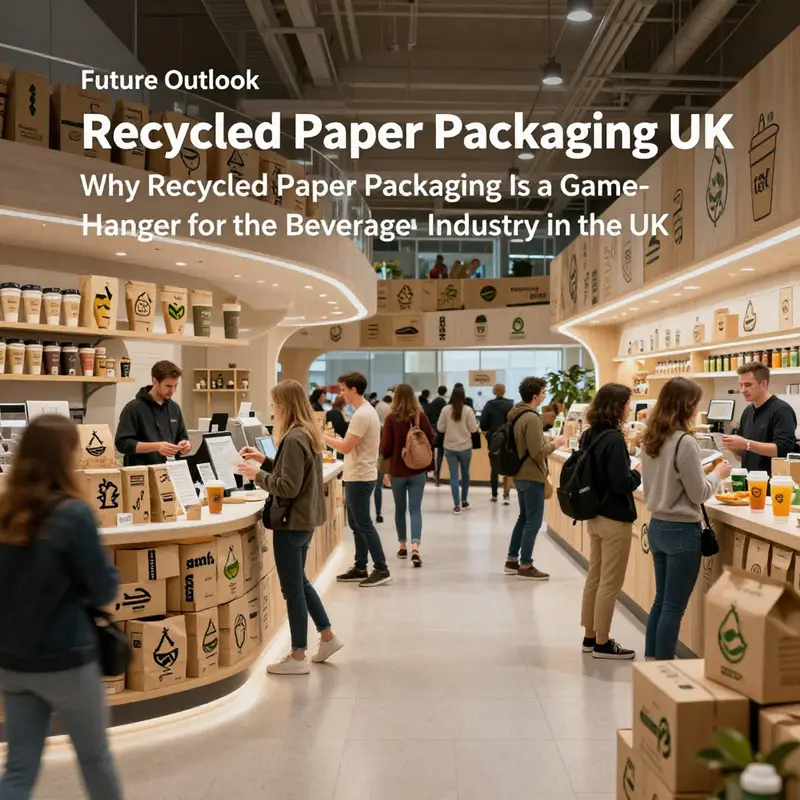
From factory floors to store shelves, the trajectory of recycled paper packaging in the UK is moving with momentum that reflects both demand for lower environmental impact and the tightening of rules that govern what can be sold and how it is labeled. Built on a robust loop, the system gathers discarded paper, sorts it by fiber quality, processes it into recovered paper stock, and then transforms it into fresh packaging. This closed loop exists because a mature infrastructure supports collection, sorting, pulping, and manufacturing at scale, while policy nudges and consumer expectations keep the pressure on. The latest figures illustrate the scale: domestic collection of recycled paper approaches nearly 880 million tonnes, with about 399 million tonnes recycled domestically and the remaining 485 million tonnes exported for processing. This mix signals a highly optimized blend of in-country processing and global partnerships that keep the recycled content flowing, even when end markets shift across borders. It also reflects the resilience of the UK’s recycling ecosystem, which enables steady supply for both domestic packaging needs and international demand. The numbers, while formidable, also point to a more practical truth: the real value lies in how efficiently these flows can be steered to meet regulatory timelines, brand commitments, and consumer expectations without compromising performance or cost. In that sense, the page is turning from a policy-driven imperative into a design and delivery challenge that businesses can meet with clarity and confidence.
On the market side, the global recycled paper packaging arena is expanding. The market was valued at USD 23.9 billion in 2024 and is projected to reach USD 35.0 billion by 2032, with a compound annual growth rate of 4.9%. This trajectory matters because it translates into investment in compliant supply chains, better access to certified sources of fiber, and continuous improvements in recyclability and performance. For UK brands, this growth is not simply about smaller footprints. It offers a more predictable price environment for recycled content, reduces exposure to virgin fiber price volatility, and strengthens the case for packaging that can be recovered easily at the end of life. As consumers become more discerning, packaging that cleanly communicates recycled content and supports circular systems is increasingly seen as a strategic asset, not merely a compliance checkbox. In practice, that mindset translates into longer-term supplier partnerships, shared data on fiber provenance, and a willingness to invest in equipment upgrades that preserve fiber quality through multiple life cycles.
Domestically, policy is accelerating the shift. The UK government’s packaging and packaging waste regulations introduced in 2024 push suppliers to include higher recycled content, a trend reinforced by the broader machinery of regulatory alignment with international standards such as the PPWR. Although the PPT and its explicit plastics focus dominate headlines, the ripples are felt across all materials. The mandate to increase recycled material in packaging—ultimately aiming for substantial shares by 2030—creates clear incentives for brands to source from recycled and certified fibers, and to design packaging with recovery in mind. This policy environment also encourages producers to adopt Recycled Content Standards that require transparent labeling of recycled fiber content. In practice, this means that a carton, bag, or box marketed in the UK should carry verifiable declarations of what fraction of its fiber comes from recycled sources and under which certification regime those fibers were produced. The shift is not merely about compliance; it is about building trust with retailers and consumers who increasingly demand traceable provenance and consistent performance as a baseline expectation.
Companies are responding with a blend of design innovation and supply chain discipline. The push toward higher recycled content is driving concrete actions such as exploring mono-material recyclable structures and investigating paper-plastic alternatives that can maintain barrier protection while remaining easier to recycle. These efforts are not piecemeal; they reflect a coordinated shift in procurement, design, and manufacturing that aligns with both compliance needs and brand expectations. In this context, the role of certification programs such as FSC and PEFC becomes fundamental, because credible third-party verification builds trust with consumers and retailers who want guarantees that recycled fibers originate from responsibly managed sources. The result is a packaging ecosystem where designers are empowered to choose fiber paths that preserve performance without compromising recyclability, while suppliers invest in infrastructure to ensure consistent quality and supply security across the year. The emphasis is less on abstract ideals and more on practical frameworks—clear labeling, verifiable fiber content, and transparent supply chains—that enable teams to plan, source, and deliver with confidence.
Consumer and industry demand are moving in tandem. Shoppers increasingly expect packaging that minimizes waste and demonstrates clear stewardship of resources. The shift toward FSC-certified 100% recycled paper options is notable across fashion, lifestyle, and hospitality contexts, where packaging can convey authenticity through material choice. The paper and paperboard segment remains particularly attractive because it marries sustainability with cost efficiency and a premium feel—a combination that resonates with modern consumers who view packaging as part of a brand’s story rather than a mere container. When paper packaging is chosen for its recyclability, weight, and ability to be recycled again on the next cycle, it strengthens the entire value chain, reducing energy use and lowering overall environmental impact from production to post-consumer recovery. This is not a trend that will fade; it is becoming the expected baseline for competitive packaging that aligns with circular economy principles.
Yet the UK’s position rests on more than domestic recycling rates. The export of fiber and the investments by domestic processors create a dynamic where high-quality recycled paper can be reused across borders, ensuring that output from UK collections does not stagnate but feeds into global circular economies. For businesses, this implies a dual focus: design packaging so that it is easy to recover in any jurisdiction and choose suppliers who can provide verifiable recycled content that carries credible certifications. When designers and procurement teams speak the same language about recycled content and recyclability, the pathway from collection to re-entry into the marketplace becomes faster and more predictable. Industry practice is also becoming more sophisticated in how recycled content is disclosed. Recycled Content Standards are being introduced to provide clear labeling of fiber content on packaging, helping consumers choose products with verifiable ecological footprints and defeating greenwashing. To illustrate how this principle translates into the supply chain, we can explore how a typical paper packaging range addresses recycled content without sacrificing performance; see the paper-packaging category for options that emphasize recyclability and certified fiber sources. This category represents a coherent spectrum of choices that brands can lean on as they shift away from conventional virgin content toward clearly traceable recycled streams. paper-packaging.
In addition to market and policy drivers, a broader strategic frame is taking shape. The UK’s evolving regulatory architecture, including alignment with international recycling standards and ongoing evaluation of recycled content obligations, is prompting a more integrated approach to packaging design. This means early-stage collaboration between brand teams, materials suppliers, and recyclers, with a shared language about fiber origin, recyclability, and end-of-life pathways. When teams map out the fiber journey—from forest or post-consumer source to pulping, processing, and conversion into new packaging—the result is a more resilient supply chain. The work of ensuring that inks, coatings, and adhesives are compatible with existing recycling streams becomes a standard consideration rather than a retrofit. And as recycled content targets rise toward 70% or more by 2030, the incentive to invest in streamlining these processes intensifies, benefiting both cost efficiency and environmental outcomes.
Policy context and implementation details are also outlined by government guidance on plastic packaging tax, which illustrates how government measures translate into packaging strategy across materials and supply chains. External resource: https://www.gov.uk/government/publications/plastic-packaging-tax-what-you-need-to-know
Final thoughts
As the UK moves towards a greener economy, recycled paper packaging is not just a trend but a necessary evolution for beverage businesses. The integral role it plays in reducing environmental impact, combined with the growing consumer demand and stringent regulations, underscores its importance. Embracing such sustainable practices not only aligns businesses with customer values but also prepares them for the future. By focusing on recycled paper solutions, beverage enterprises can lead the charge towards an eco-friendlier industry while establishing a strong brand reputation.