
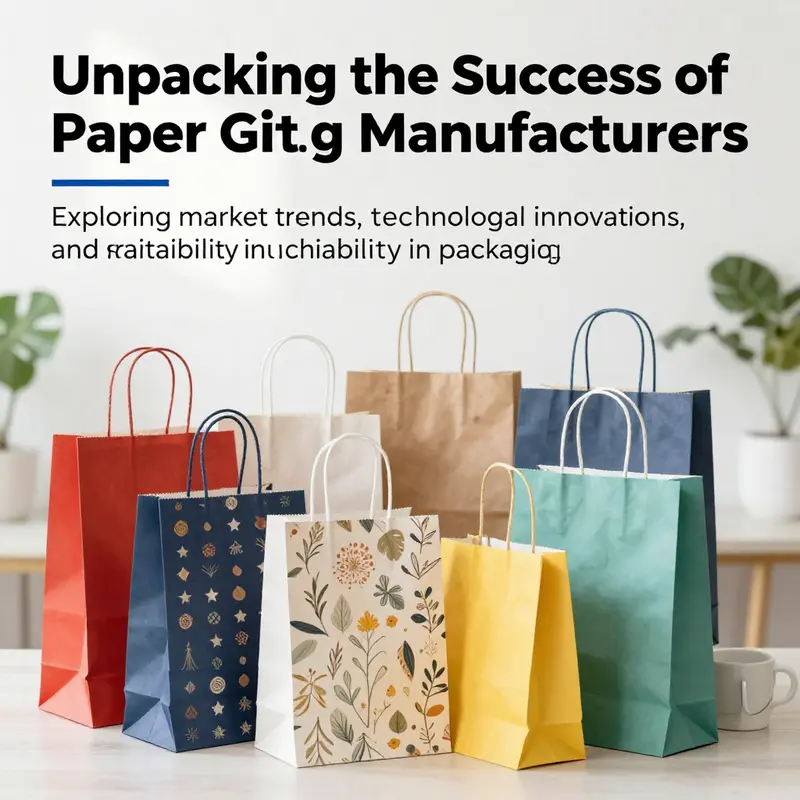
The packaging industry plays a crucial role in shaping consumer experiences, especially in the gift-giving sector where aesthetics and functionality are essential. Among the various packaging solutions, paper gift bags have gained significant popularity due to their versatility and eco-friendliness. For business owners seeking reliable suppliers, understanding the landscape of paper gift bag manufacturers is vital. This article provides an in-depth analysis of the paper gift bag manufacturing industry. Chapter one delves into the current market landscape, identifying key players and trends shaping the industry. Chapter two highlights the technological innovations that are enhancing production efficiency and product quality. Finally, chapter three focuses on the sustainability practices adopted by manufacturers, ensuring that businesses can make eco-conscious choices. Collectively, these chapters aim to equip business owners with the insights necessary to navigate this thriving market.
Navigating the Evolving Landscape of Paper Gift Bag Manufacturing

The global market for paper gift bags is witnessing a transformative phase, characterized by rapid growth and an increasing emphasis on sustainability. As we delve into the intricacies of this sector, it becomes evident that consumer preferences are shifting decidedly towards eco-friendly packaging solutions. In 2025, the paper gift bag market was valued at an impressive $X million, and projections indicate a climb to $X million by 2032, supported by a compound annual growth rate (CAGR) of X% from 2026 through 2032. This growth trajectory mirrors a substantial movement among brands and consumers alike, with a discernible trend favoring biodegradable and recyclable materials over their plastic counterparts. Central to this market are key players, particularly manufacturers hailing from China, which is a hub of production and innovation in the realm of paper packaging. Notable among these manufacturers is Wenzhou Quanwei Printing Technology Co., Ltd., located in Zhejiang Province. With over a decade of expertise, they excel in producing high-quality paper bags, gift boxes, and promotional packaging. They operate advanced facilities equipped with cutting-edge printing technology, allowing them to cater to both domestic and international markets, particularly within Europe and North America. Another significant industry participant is Dongguan Shishangmei Printing Co., Ltd., based in Guangdong. Specializing in custom-printed paper bags, this manufacturer focuses on luxury designs, cosmetics packaging, and branded handbags. With nearly two decades in the industry, they leverage modern production capabilities to fulfill a growing demand for customization. Market trends indicate a burgeoning interest in premium, customizable paper gift bags. These products are not confined to the traditional retail space; they have found utility in corporate gifting, weddings, and seasonal promotions. The materials used, such as recycled paper or specialty stocks, continue to evolve with the demands of a conscientious consumer base. The rise of platforms like Alibaba has been instrumental in this landscape, serving as vital conduits between buyers and verified suppliers. Here, one can discover an extensive array of options, from artisanal producers creating small batches to large-scale manufacturers offering competitive pricing and swift delivery. However, navigating this market landscape involves careful consideration for businesses looking to partner with reliable manufacturers. Critical elements such as product quality, sustainability practices, and design flexibility are paramount. Savvy manufacturers distinguish themselves by providing end-to-end services that include design consultation, prototyping, and large-scale production capabilities. This adaptability equips them to meet the evolving needs of consumers who are increasingly aware of environmental issues and expect brands to align their offerings with sustainability goals. As the global regulatory environment evolves, tightening standards around environmental protection, manufacturers will need to prioritize responsible sourcing and innovative solutions in the production of paper gift bags. Digital integration also emerges as a key aspect of this evolution, improving operational efficiency and enhancing the customer experience through tailored solutions. In conclusion, the landscape for paper gift bag manufacturing is rich with opportunity and challenge. As consumer demand for sustainable and stylish packaging continues to escalate, the sector stands poised for significant growth. Key players in this industry will likely adapt to these dynamics through innovation, heightened quality standards, and an unwavering commitment to sustainability.
Revolutionizing Gift Presentation: Innovations in Paper Bag Manufacturing

The paper gift bag manufacturing sector has undergone a remarkable transformation, all thanks to a series of technological innovations that have improved production methods, material utilization, and design possibilities. This evolution is not just about keeping pace with consumer expectations; it embodies a commitment to sustainability and operational efficiency that reflects broader environmental and market trends. At the heart of this transformation lie advanced manufacturing technologies that have redefined how paper gift bags are produced, integrating sophisticated automation, material versatility, and eco-friendly practices.
One of the most significant advancements in paper gift bag manufacturing is the implementation of advanced control systems in modern machinery. These state-of-the-art machines offer unprecedented precision in manufacturing, allowing operators to make meticulous adjustments to key attributes such as bag size, handle length, and folding patterns. Such capability not only streamlines production but also minimizes waste, significantly enhancing operational efficiency. High-speed production has become the norm, enabling manufacturers to meet consumer demands more effectively without compromising on quality or sustainability. The ability to control and adapt machine settings fluidly is a game-changer, especially in a market where customization is increasingly sought after.
Another cornerstone of innovation in the industry is material versatility. Contemporary paper bag manufacturing machines are capable of processing a diverse array of paper types, including unbleached Kraft paper, which is known for its eco-friendly characteristics, and food-grade paper rolls, suitable for various products beyond gift wrapping. This adaptability allows manufacturers to diversify their product range, offering everything from traditional gift bags to specialized packaging solutions for food and retail sectors. The transformation of raw materials into finished products that meet rigorous quality standards is no small feat and is indicative of the technological sophistication inherent in modern manufacturing processes.
Furthermore, the combination of digital printing and automated cutting is revolutionizing the customization landscape for gift bags. Digital printing technology enables manufacturers to produce custom-designed paper bags on-demand, eliminating the lengthy setup times traditionally associated with batch printing. This shift not only supports a broader spectrum of design possibilities but also contributes significantly to sustainable practices by curtailing the need for extensive inventory stocks. The advent of just-in-time manufacturing—where products are created only as needed—minimizes overproduction and waste, aligning production processes with the growing consumer demand for sustainability.
Considering environmental concerns, the integration of modern machinery that emphasizes energy efficiency and operational improvement marks a pivotal move towards greener production methods. New machine designs prioritize energy efficiency, which is crucial for reducing the overall carbon footprint of the manufacturing process. Additionally, quieter operational characteristics contribute to improved worker environments, fostering safety and productivity. By transforming traditional production lines into more sustainable operations, companies position themselves as leaders in both ecological responsibility and innovative manufacturing.
As we analyze these advancements within the paper gift bag manufacturing landscape, it is clear that they reflect a broader trend of combining sustainability with innovation. Manufacturers are not only enhancing their production capabilities but also responding to a growing consumer base that values eco-friendly products and ethical production practices. The innovations in technology signal a pivotal shift towards a greener future, where paper gift bags become symbols of both quality and environmental consciousness.
In summary, the paper gift bag manufacturing industry is engaging in an exciting evolution driven by technological advancements that enhance efficiency, reduce waste, and bolster the customization of products. The interplay of automation, material versatility, and energy efficiency combines to create a robust foundation for future growth and adaptation within the market. As this industry continues to innovate, it will undoubtedly lead to even more creative and sustainable practices, ensuring that paper gift bags remain a popular choice for gift-giving and branding for years to come.
Eco-Conscious Craftsmanship: The Sustainable Evolution of Paper Gift Bag Manufacturing
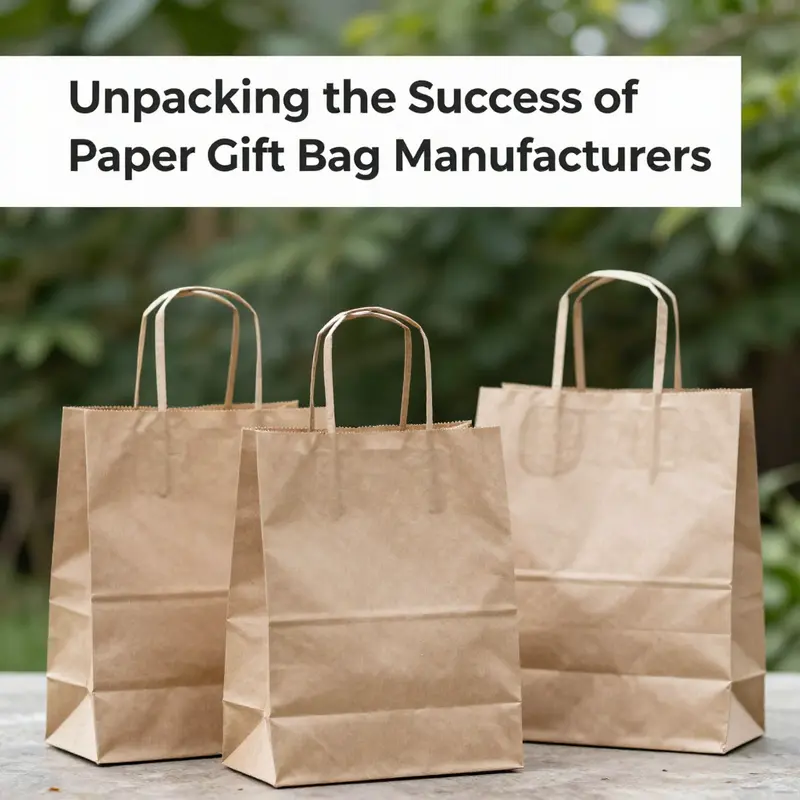
In recent years, the conversation around sustainability has shifted significantly within the realm of consumer packaging, especially in the sector of paper gift bags. As environmental awareness grows and interest in eco-friendly products surges, manufacturers are increasingly aligning their production practices with sustainable principles. This shift does not only reflect a changing market landscape but also a deeper commitment to our planet’s well-being.
At the forefront of these sustainable practices is the extensive use of recycled materials. Today, many leading paper gift bag manufacturers are utilizing post-consumer and post-industrial waste paper. This innovative approach not only significantly reduces the demand for virgin pulp but also plays a crucial role in curtailing deforestation and minimizing the overall carbon footprint associated with production processes. By integrating recycled materials, manufacturers are actively participating in a circular economy by repurposing materials that might otherwise contribute to overflowing landfills. As consumers become more discerning about the origin of their products, this environmentally friendly practice distinguishes sustainable brands in a crowded market.
Moreover, biodegradability and compostability have emerged as essential criteria for many consumers when selecting paper gift bags. Manufacturers understand the necessity of creating products that break down naturally at the end of their lifecycle. This commitment ensures that these bags do not leave lasting negative impacts on the environment and resonates well with eco-conscious shoppers who desire responsible purchasing options. Simple yet effective, this practice minimizes waste and supports broader sustainability goals across industries.
To enhance the visual appeal of their products without compromising on sustainability, many manufacturers have begun to innovate with coated paper options. Using kraft paper, renowned for its durability and natural aesthetic, combined with careful coatings enables manufacturers to offer products that not only catch the eye but also retain their eco-friendly attributes. This hybrid approach blends the rugged, organic feel of kraft with improved print quality and resilience, making it an excellent choice for high-impact branding especially in fashion, beauty, and luxury retail sectors. Such solutions illustrate how manufacturers can prioritize environmental stewardship while still meeting the aesthetic and functional demands of modern retail.
In alignment with sustainable practices, compliance and certification are also critical elements manufacturers focus on. Many suppliers are serious about ensuring transparency in their operations by sourcing fibers from partners that adhere to strict international standards, like those set by the Forest Stewardship Council (FSC). By obtaining these certifications, manufacturers assure their clients and consumers that they are committed to sustainable management of forestry resources. Furthermore, strict adherence to using non-toxic inks and clearly communicating recyclability options on packaging labels demonstrate an unwavering dedication to responsible production practices. This encompasses not just the materials used, but also the broader ethos of the company—creating products that align with consumer values regarding health and the environment.
Strategic sourcing and vertical integration have emerged as vital strategies for manufacturers looking to balance cost-efficiency with ecological integrity. By investing in manufacturing processes that are co-located, particularly in regions like China, companies can house kraft paper mills, digital printing services, and automated bag production lines in the same industrial zones. This kind of strategic alignment allows for tighter quality control, faster turnaround times, and effective resource management. Moreover, vertical integration enables companies to monitor their supply chains closely, ensuring that every step of production aligns with their sustainability goals. This modern approach proves beneficial not only for cost management but also enhances accountability and reliability within the supply chain—areas increasingly valued by eco-minded consumers.
Linking sustainability practices back to the wider community, it is paramount to recognize that consumer education plays a crucial role in advancing environmental initiatives. As more consumers become aware of their purchases’ environmental impact, their preferences can actively shape the market. Sustainable paper gift bag manufacturers not only produce a product but foster a narrative—one that emphasizes environmental responsibility and promotes a culture of sustainability. It is this narrative that can directly influence purchasing behaviors and inspire continued innovation within the industry.
In the competitive landscape of the paper packaging industry, notably highlighted on platforms like Alibaba, the convergence of sustainability with consumer expectations sets the stage for a revolution in manufacturing. By offering resources for sourcing eco-friendly materials, companies facilitate informed decision-making that helps buyers align their purchases with their values. This integration of sustainability into the supply chain further highlights how consumer demand can catalyze significant change across industries. As we witness this evolution, it becomes clear that paper gift bag manufacturers are not merely producers of packaging—they are vital participants in the broader movement towards an eco-conscious marketplace.
In conclusion, the future of paper gift bag manufacturing is inextricably linked to sustainable practices. The industry’s shift towards eco-friendliness is driven by a combination of consumer demand and the recognition of environmental responsibilities. As these manufacturers innovate, utilizing recycled materials, ensuring biodegradability, investing in strategic sourcing, and upholding rigorous standards of compliance, they are paving the way for a more sustainable industry. The ongoing commitment to these practices not only enhances the quality of products but also reinforces a collective ethos toward a circular economy, inspiring consumers and manufacturers alike to prioritize sustainability in their decisions.
Final thoughts
As the market for paper gift bags continues to expand, business owners must stay informed about the evolving dynamics of this industry. Understanding the market landscape allows for strategic sourcing, while technological advancements enhance the quality and production efficiency of paper gift bags. Moreover, aligning with manufacturers that prioritize sustainability can not only strengthen brand reputation but also meet the growing consumer demand for eco-friendly products. By integrating these insights, businesses can make informed decisions and foster lasting partnerships that benefit both their operations and the environment.