
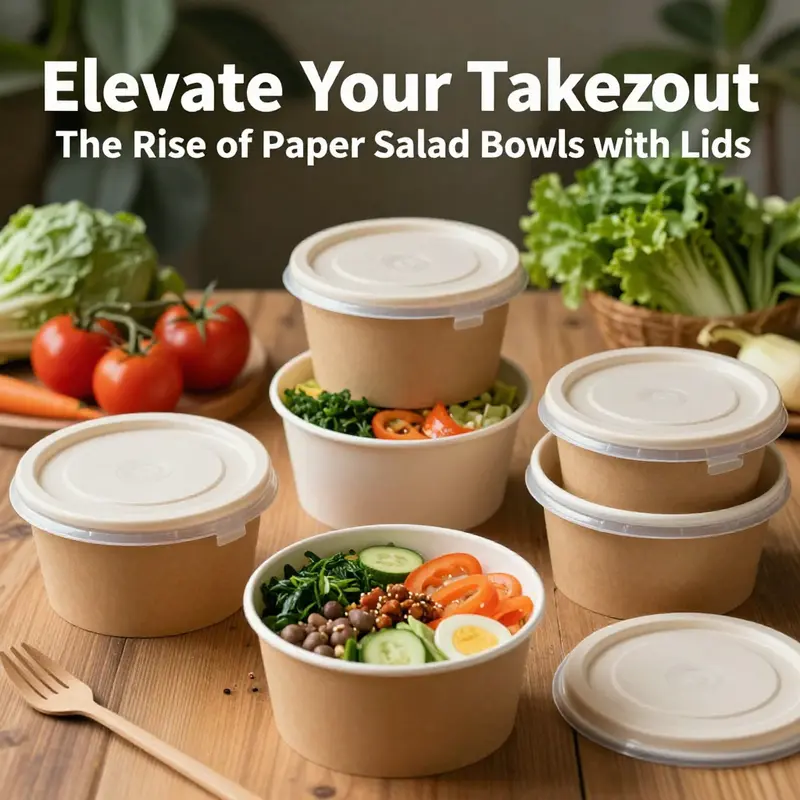
In today’s culinary landscape, the way food is served and packaged can significantly impact customer experience and brand perception. For bubble tea shops, restaurants, food trucks, catering services, event planners, and corporate procurement teams, offering food in trendy yet practical packaging is crucial. Paper salad bowls with lids not only provide a stylish presentation but also offer functionality and eco-friendliness, meeting the demands of modern consumers. As we explore the materials, customization options, sustainability aspects, market trends, and real-world applications of these versatile bowls, you’ll gain insights on how they can elevate your food service, aligning with both customer preferences and environmental responsibility.
From Pulp to Plate: The Craft, Coatings, and Sustainability of Paper Salad Bowls with Lids

Paper salad bowls with lids represent a practical fusion of function and responsibility, a product born from the need to dine on the go without compromising the health of the planet. The journey from raw pulp to a fully sealed serving vessel is more than a matter of making something stiff enough to hold greens and toppings. It is a careful orchestration of material science, coating chemistry, and thoughtful lid design that together determine how well the container performs in real life scenarios. In commercial kitchens and catering operations, where speed and reliability matter as much as compostability, the material choices behind these bowls shape everything from moisture control to the speed of recycling after the last bite. The range of sizes, typically from 500 to 1300 milliliters or larger, speaks to the versatility required by salads, soups, pastas, cereals, and even desserts. A well-made bowl needs to stay rigid under load, resist moisture and oil, and be easy to transport without leaking or collapsing under pressure. The lid, often crafted from the same paper pulp family as the bowl, must seal snugly enough to protect freshness while remaining simple to remove at the point of service. This is not a single property triumph but a package of solutions that make disposable packaging feel almost as dependable as the reusable alternatives in many contexts.
The primary material in these bowls is paper pulp, the thick, durable paperboard formed from recycled paper or responsibly sourced wood fibers. The strength of the bowl comes from this engineered board, which is designed to support the weight of leafy greens and more substantial fillings without bending or tearing. The pulp is processed to a density that provides enough rigidity for everyday use while still offering a degree of compostability that alternatives such as plastic cannot match. The material’s success hinges on how well it handles moisture and fat from food. To address this, manufacturers apply coatings that are carefully chosen for performance and end-of-life considerations. The coatings are commonly plant based or food-grade waxes, sometimes in combination with a thin film of biodegradable plastic such as PLA. These coatings act as a barrier against water and grease, extending shelf life and reducing the risk of leaks during transport. They are designed to be compatible with composting streams where available, aligning with certifications that validate sustainable end states. The exact coating may influence how hot the container can be used with or without heating, and it can determine whether the container can be comfortably microwaved in certain models. This is a nuanced decision: higher heat requirements or extended reheating can demand different coating chemistries or thicknesses, and manufacturers balance performance with recyclability and compostability to meet market demands.
Lid design mirrors the bowl in many respects but also introduces features that address transport security and user experience. The lid is typically made from the same or a very similar pulp material as the bowl and may carry a protective coating that complements the bowl’s barrier properties. A snug fit is essential to prevent spill during transit, and the lid can incorporate a simple interlocking design or a slotted rim to hold the edge in place. Some models provide a removable seal that is easy to peel back when customers open their meals, while others use a flexible paper tab or a small cardboard handle to ease lifting. The goal is a seal that preserves freshness, reduces the chance of leaks, and remains easy to remove for customers who want to access their meal without wrestling with the cover. The lid’s sealed design also helps maintain temperature, whether the contents are hot or cold, by limiting heat exchange with the external environment for a period after purchase.
Sustainability remains a central pillar in the construction of these bowls. Manufacturers emphasize certifications that reassure buyers about the product’s environmental footprint. Forest Stewardship Council certification signals that the wood content comes from responsibly managed forests, while compostability standards such as OK Compost or TÜV Austria affirm that the finished item can break down under appropriate composting conditions. These certifications are not mere marketing badges; they provide a framework for evaluating the product’s lifecycle, from raw material sourcing and processing to end-of-life disposal. For buyers, such certifications create trust that a bowl marketed as compostable will perform in real world composting environments rather than ending up in a landfill. They also encourage brands to pursue continuous improvement across the entire supply chain, from fiber sourcing to coating chemistry and lid materials.
The material choices echo practical concerns that matter in daily operations. A copious number of foodservice providers value microwave safe options, which allow reheating directly inside the container. This capability can reduce dishwashing loads and simplify service in certain settings, though it is not universal across all styles or coatings. Where microwave compatibility is offered, it usually reflects a balance between maintaining structural integrity and avoiding discoloration or softening of the coating after heating. The trade-offs extend to the lids as well; some designs pair a permeable metal-free barrier with a seal that can handle brief reheating, while others emphasize the integrity of steam during cooking rather than reheating alone. Each choice translates into different cost structures and end-of-life outcomes, hence the growing emphasis on transparency and certification.
Branding and customization have become a notable advantage of these paper bowls with lids. Many manufacturers provide options for custom printing, enabling logos, brand names, or designs to be applied to either the bowl or the lid. This capability turns a simple disposable container into a portable marketing tool, especially valuable for restaurants, catering services, and food delivery operations looking to reinforce their identity at the point of consumption. The customization process, however, typically comes with minimum order quantities and longer lead times, so buyers weigh the marketing value against production realities. The ability to tailor one’s packaging without sacrificing performance is part of what makes these bowls attractive in a crowded market where first impressions and brand recall can influence repeat business.
From a supply chain perspective, users encounter practical realities that shape procurement decisions. Bowls with lids are usually packed in cartons of hundreds, with minimum order quantities that can vary significantly depending on supplier regions and production scale. Many buyers appreciate the option to receive samples, sometimes free of charge and with shipping fees, to test quality and design before committing to large volumes. The economics of these items depend on fiber costs, coating formulations, and the overall efficiency of the manufacturing process. In the drive toward sustainability, buyers also look for the ability to source from suppliers who can demonstrate responsible fiber sourcing and reliable compliance with compostability standards. For those who want to widen their supplier search without losing focus on sustainability, the market landscape offers platforms that consolidate verified manufacturers and facilitate bulk purchase. A practical step for anyone planning a substantial rollout is to explore the disposable bowls category to compare styles, coatings, and prices before finalizing a design that suits both brand and environmental goals. For a closer look at the broader range of disposable bowls, you can explore this category: Disposable Bowls.
Ultimately, the evolution of paper salad bowls with lids reflects a broader shift in how food packaging can be designed to support both performance and planet friendliness. The materials are shaped to endure the physical realities of transport and serving, while coatings and lids protect food quality and ensure a clean handoff from kitchen to consumer. Certifications provide a trusted signal that the product aligns with recognized environmental standards, and customization options give brands a voice in the packaging itself. As consumer expectations continue to rise around sustainability, the ongoing refinement of pulp based bowls and their coatings, alongside thoughtful lid design, will remain a focal point for manufacturers aiming to deliver practical, responsible packaging that people can rely on every day. For those seeking broader supplier connections and current pricing, a global supplier portal offers extensive options and transparency about fiber sourcing, coatings, and end-of-life outcomes. External resources such as this external link provide an overview of how the market is responding to demand for compostable and recyclable paper containers: https://www.alibaba.com/product-detail/Eco-Friendly-Paper-Salad-Bowls-with-Lids1601247958384.html?spm=a2700.galleryofferlist.pproductDetail.1.5f7b5a7dZrIuXz&productId=1601247958384&src=y
Brand at Every Bite: Turning Paper Salad Bowls with Lids into Moving Brand Ambassadors
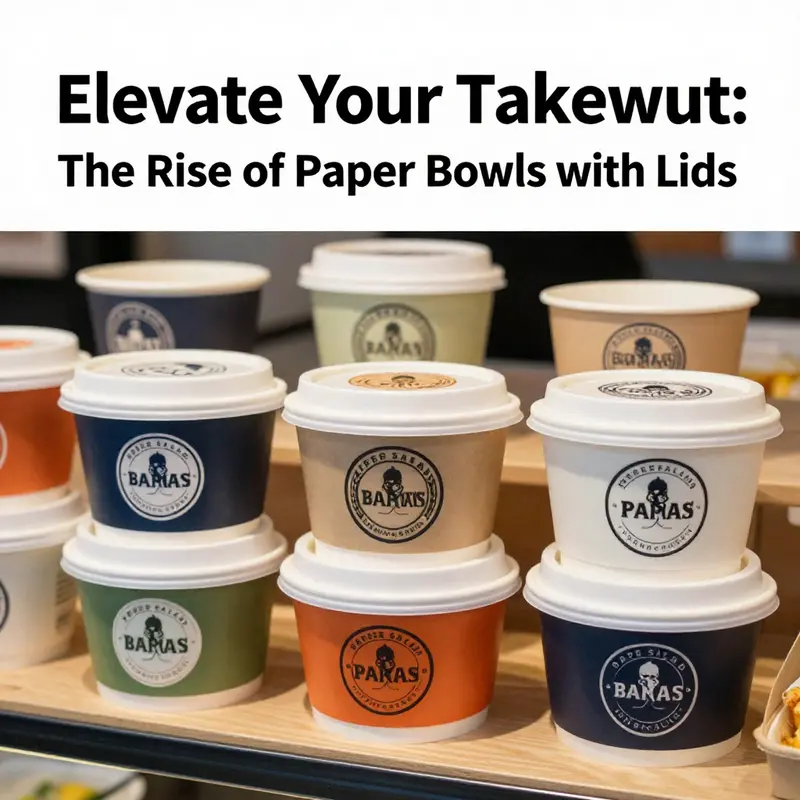
A meal never arrives unwrapped. The moment a customer lifts a lid, a brand message is not just seen; it is felt. Paper salad bowls with lids have evolved from simple disposable containers into canvases for identity, storytelling, and responsibility. They carry color, texture, and type as deftly as they carry greens and grains. In this sense, packaging is not merely a box to hold food; it is a strategic surface that communicates who you are, what you stand for, and how you want customers to experience your service. The kraft paper exterior inherently suggests a grounded, earthy ethos, but the real opportunity lies in how that surface is personalized. Custom printing on the surface allows logos, slogans, or distinctive patterns to become part of the dining moment itself. When a brand prints its logo, a short tagline, or a signature color palette on the bowl, every takeaway becomes a tiny, mobile billboard. The effect is practical as well as perceptual: consistent cues across packaging reinforce recognition long after the meal has been eaten, making the brand linger in memory through repetition and association. The canvas is flexible, too. Sizes range from commonly used 500ml to generous 1300ml capacities, accommodating everything from a modest salad to a hearty grain bowl or even a comforting soup. This variability means brands can align the container with the menu item, using a visual code that signals portion size or dish type at a glance. The same logic applies to the lid, which is not merely a seal but another surface for design and clarity. A lid color that echoes the bowl’s graphic identity can create a cohesive package that reads as a single, intentional unit rather than two separate parts. The lid can also carry special cues—an emblem for spicy items, a neutral shade for kid-friendly options, or a heat-safe icon that reassures customers about reheating in the microwave. In markets where speed and convenience define the consumer experience, these subtle design choices become keystones of brand memory, helping a customer recall a restaurant’s name or a catering service’s reliability with a simple lift of the cover. The materials themselves invite branding opportunities that echo a brand’s values. Food-grade kraft or biodegradable sugarcane pulp surfaces provide a natural, tactile texture that can be paired with eco-conscious messaging. If sustainability is part of a brand’s promise, opting for compostable or PLA-coated papers can align packaging with that narrative, turning the act of disposal into a positive association rather than a regretful moment. The market increasingly rewards packaging that is honest about its environmental footprint. A coating such as PLA, chosen for its compostability, communicates a concrete environmental stance that resonates with a growing cohort of eco-aware consumers. In practice, this creates a powerful tandem: a visually distinctive container coupled with a sustainability story that can be verified by product labeling and, where possible, third-party certifications. The branding strategy, then, becomes a concurrent effort in design and truth-telling. It is not enough to print a logo; one must weave a consistent story across every touchpoint—color, typography, texture, and the tone of messaging. A brave, coherent visual language makes a bowl instantly recognizable, while a carefully chosen materials story elevates the brand from merely functional to morally meaningful. The question for many operators is how to balance creative ambition with production realities. Here, the market offers practical levers. Customization is available at a scale that suits different business stages, from single-branch cafes testing designs to chains seeking nationwide consistency. Low minimum order quantities—often in the tens of thousands—mean smaller businesses can test ideas without overcommitting, while larger orders unlock more expansive branding campaigns. Designers and procurement teams can iterate quickly, testing colorways, logo placement, and print quality to ensure the branding reads well from multiple angles and distances, whether the customer is dining in, taking away, or having it delivered. In addition to logos and color, the ability to print patterns or design elements directly onto the kraft surface enables a brand to tell a story with imagery. A bowl might feature a repeating motif that evokes freshness and natural ingredients, or it could present a subtle pattern that reinforces a premium experience. When done with restraint, pattern and color become a brand signature rather than visual noise. It is also worth noting how the packaging system can support practical needs beyond aesthetics. Many suppliers offer features that enhance user convenience and satisfaction. For instance, some bowls and lids are designed to seal tightly enough to prevent leaks, even when the container is jostled during transit. Others are microwave-safe, allowing customers to reheat a bowl without decanting into another dish. This functional edge can be highlighted in branding messages as a promise of convenience and modernity. When a brand can claim that customers can safely reheat a meal in its original container, that claim reinforces both trust and value in the consumer’s mind. The combination of form and function strengthens the packaging as a branding tool rather than a disposable afterthought. From a marketing perspective, the branding opportunity extends beyond the container itself. The packaging narrative can be reinforced through on-brand color psychology, typographic choices, and even the selection of coatings that align with the company’s sustainability claim. For brands that want to signal environmental responsibility, choosing compostable or biodegradable materials like sugarcane pulp and PLA coatings creates a dual message: your food is fresh, and your packaging respects the planet. This duality can be woven into the brand’s larger storytelling campaign, creating cohesion between product quality and environmental stewardship. The logistics of customization are also accessible to a wide range of businesses. Some suppliers advertise low MOQs—around ten thousand pieces or more—making it feasible for smaller enterprises to embark on a branded packaging journey without crippling inventory risks. They also often provide samples, sometimes free of charge aside from shipping, enabling brands to test print quality, color accuracy, and the tactile feel of the paper before placing bulk orders. For teams seeking rapid prototyping, this can be a decisive advantage, reducing the gap between concept and market introduction. In the long run, the most effective branding using paper salad bowls with lids is not simply about adding a logo. It is about creating a uniform, credible brand presence that travels with the customer from the restaurant door to the kitchen table and beyond. The journey from kitchen to consumer becomes a continuous touchpoint, a narrative arc that begins with the first glance at a boldly printed lid and culminates in the consumer’s recollection of the experience at the moment of disposal. To explore the breadth of branding possibilities, many buyers turn to packaging printing resources that specialize in turning plain surfaces into expressive, brand-forward canvases. See the packaging printing category for a spectrum of options, from logo placement and color customization to pattern integration and finish textures. This is where design discipline meets supply-chain practicality, and where a well-executed print strategy can elevate a meal into a cohesive brand moment that resonates well beyond the dining experience. packaging printing offers a glimpse into how such options are implemented in real-world packaging ecosystems, helping brands align their visuals with their values. At the same time, the broader category of disposable tableware and related packaging tools provides a pathway to scale and consistency across multiple channels and regions. The narrative of branding through paper bowls with lids aligns with a broader trend toward sustainable, design-led packaging that serves as a differentiator in a crowded market. The investment in design, color, and material choices translates into increased brand recall, more efficient menu item differentiation, and a stronger emotional connection with customers who increasingly appreciate packaging that reflects both quality and responsibility. For readers seeking further reading on supplier trends and iterations in this space, a current external resource offers an in-depth look at how these packaging choices are evolving in the global marketplace: External resource on supplier trends.
From Fresh to Planet-Friendly: The Sustainability Story of Paper Salad Bowls with Lids
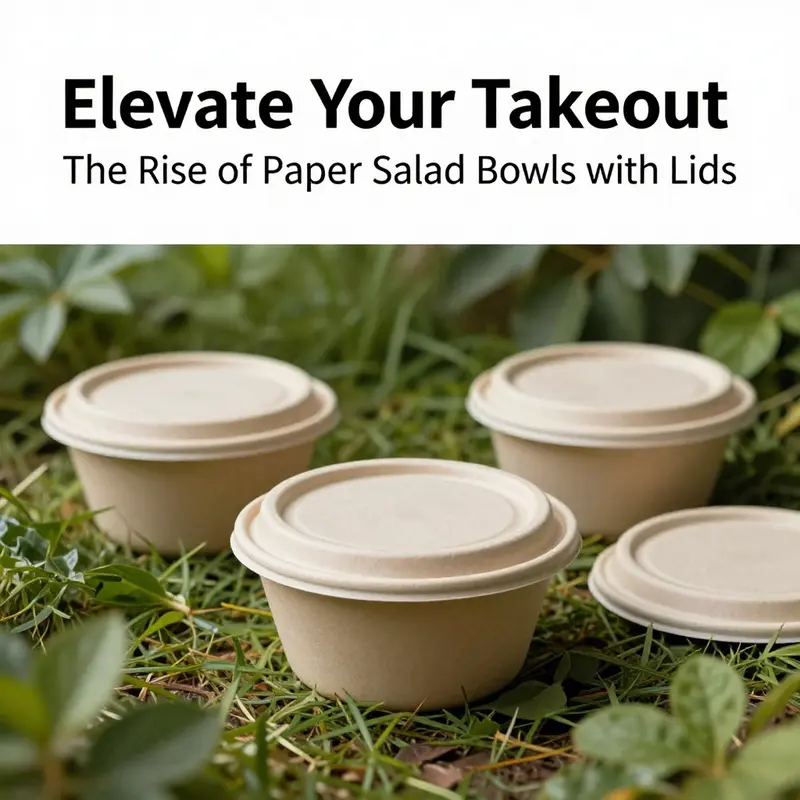
In the world of takeout and rapid-service meals, packaging shapes not just how a product travels, but how a listener—whether a busy kitchen, a diligent caterer, or a mindful consumer—perceives responsibility. Paper salad bowls with lids sit at a pivotal crossroads between immediate convenience and long-term stewardship. Their rise reflects a broader shift toward packaging that can be renewable, compostable, or recyclable, while still delivering the reliability required for hot soups, crisp salads, and cold desserts. The core idea is simple in principle: replace petroleum-based plastics with materials drawn from nature, and pair them with designs that protect food quality without creating an outsized burden at the end of life. In practice, this means leaning on renewable resources such as kraft paper and, increasingly, alternatives like bagasse from sugarcane. These materials anchor a lifecycle that aims to balance performance with responsibility, even as the bowls are sent to a desk, a curbside bin, or a commercial composting stream after their brief journey on the table. The conversation about sustainability, then, begins with the materials themselves and extends through coatings, lids, and end-of-life realities, all of which shape how well these bowls perform in real-world use while minimizing environmental impact over time.
What makes a paper bowl with a lid feel sustainable is not merely the fact that the base material is plant-derived. It is the careful orchestration of several design choices that together determine whether the product can withstand hot or cold contents, keep shelves and customers satisfied, and still have a reasonable fate after last use. Kraft paper provides a sturdy, renewable backbone, and many versions pair this substrate with coatings that improve leak resistance and durability. The coatings often come from bioplastics such as polylactic acid (PLA) or its derivatives, which are designed to preserve the integrity of the container without relying on traditional petroleum-based plastics. When these coatings are selected and applied correctly, the bowls can handle a range of foods—from soups to salads and beyond—without compromising safety or performance. The result is a container that meets the practical needs of kitchens and customers while reducing the reliance on fossil resources.
Yet sustainability is not a single material story; it is a system story. PLA, a bioplastic derived from fermented plant sugars, adds compostability to the equation, but it is not a universal green pass. PLA-coated kraft bowls can be compostable under industrial facilities that reach the temperatures and conditions required to break down the bioplastic, yet not all home composting setups can deliver the same outcome. The coatings do not automatically waive recycling challenges. In many jurisdictions, recycling streams and composting streams remain separate, and the presence of coatings or inks must be considered during sorting. What seems like an eco-friendly choice at the point of purchase becomes a more nuanced decision at disposal, where local infrastructure and consumer behavior determine the ultimate environmental impact. This is why transparency in material composition, certification, and disposal guidance matters as much as leak resistance and heat tolerance.
The lid is not a mere afterthought in this sustainability equation. A secure, snap-on lid protects freshness, minimizes spills, and helps preserve temperature, all of which can reduce waste by keeping meals appealing from kitchen to consumer. Lid materials vary, including paper, PET, PP, and PLA, each with its own set of trade-offs. Transparent PET or PP lids offer visibility of the contents and strength for sealing, while PLA lids align with the same bioplastic narrative as the bowl. The choice of lid material influences recyclability or compostability pathways, so brands and suppliers must consider end-of-life outcomes as rigorously as they consider seal strength. In this sense, the packaging becomes a single, coherent system rather than a collection of parts, each judged in isolation.
The environmental story carries into the broader supply chain, where the rush for sustainable packaging is matched by an equally rigorous demand for safety and reliability. Vendors often emphasize certifications and suitability for industrial food use, ensuring that materials meet safety standards while honoring the environmental commitments embedded in their design. The balance between safety, performance, and environmental compatibility is not trivial; it requires ongoing collaboration among material scientists, food-safety professionals, manufacturers, and retailers. As consumer awareness grows, the visibility of a brand’s packaging choices becomes an active component of trust and loyalty. Custom printing and branding capabilities can further align packaging with a company’s sustainability messaging, turning a functional container into a platform for responsible storytelling.
The lifecycle reality of paper bowls with lids also invites practical considerations about purchasing and disposal. On the procurement side, suppliers often present a tiered landscape of minimum order quantities, samples, and customization options, enabling buyers to evaluate performance and compatibility with their menus before committing to bulk orders. The choice between standard, recyclable, or compostable formats can be driven by the types of foods served, the expected service occasions, and the waste management practices available in a given market. On the consumer side, education about disposal pathways is essential. Even the most advanced compostable film or PLA coating requires the right facilities to achieve the intended end-of-life outcome. Clear labeling, guidance on home versus industrial composting, and alignment with local recycling programs help close the loop that begins with a hopeful set of eco-friendly materials and ends with a responsible end-of-life result.
From a design perspective, these bowls are a reminder that sustainability is achieved not by a single virtue but by the fidelity of a system. A well-engineered bowl and lid family reduces waste through better portioning, fresher meals, and fewer leaks. It also supports brand differentiation in a crowded market by offering a tangible signal of environmental stewardship that customers can see, touch, and trust. The viewing lid, where used, can reduce handling and preserve the sensory appeal of the meal, helping to minimize the temptation to discard the packaging prematurely. And when composting or recycling is not available, the material choices still matter. Informed decisions about coatings, closures, and inks can lessen the potential for contamination of recycling streams, increasing the likelihood that the container can be repurposed or transformed into new materials instead of piling up in landfills.
In this evolving landscape, it is worth noting that the sustainability narrative is not entirely universal in its outcomes. Regions differ in the maturity of composting infrastructure, and the end-of-life pathways for bioplastic-coated paper vary accordingly. For buyers, the responsible path is to align materials with the local waste management ecosystem, verify certifications, and communicate disposal guidance clearly to customers. The packaging becomes more than a vessel for food; it becomes a conduit for sustainability literacy, a reminder that today’s choice can influence tomorrow’s resources. To explore a broader range of disposable bowls, see the disposable bowls category.
The market hunger for sustainable packaging solutions continues to grow, driven by consumer expectations, regulatory pressures, and the desire to reduce environmental footprints without sacrificing convenience. The paper bowl with a lid embodies a practical compromise: it leverages renewable, plant-derived inputs while delivering the design features that modern food service demands—leak resistance, temperature retention, and a clean, neat presentation. As suppliers refine coatings to balance durability with compostability and as waste-management systems mature to accommodate these materials, the paper bowl with a lid will likely become an even more accepted standard in the toolkit of responsible packaging. The dialogue between material science, food safety, and consumer behavior remains essential. Each improvement in one area can ripple across the chain, enabling better performance with lower environmental costs, and that promise continues to animate both the design bench and the market’s appetite for greener, more trusted disposables.
External resource: https://www.alibaba.com/product-detail/Eco-Friendly-PLA-Coated-Kraft-Salad_1600487251197.html
null
null
null

null
Final thoughts
Wrapping up, paper salad bowls with lids stand out as a solution that caters to the modern consumer’s needs for convenience, quality, and sustainability. For businesses in the food industry, these bowls not only enhance the customer’s eating experience but also provide ample opportunities for branding and making environmentally responsible choices. By integrating these functional and stylish packaging options into your services, you can meet client expectations while reinforcing your commitment to sustainable practices. It’s time to embrace these innovative packaging solutions and elevate your takeaway offerings.