

In the bustling world of fast food, packaging plays a critical role, particularly with hamburger boxes. These specialized containers not only protect delicious offerings but also enhance customer experience and brand recognition. The journey begins with an understanding of hamburger box types that cater to various culinary needs, followed by an exploration into the environmental implications of their production and disposal. Design innovations present exciting possibilities, showcasing how aesthetic value can be married with functionality. Next, economic factors shape production practices and costs to ensure affordability without compromising quality. Finally, we uncover branding strategies that leverage hamburger boxes as a canvas for culinary artistry. Together, these chapters offer a comprehensive view, emphasizing the importance of hamburger boxes in the food industry.
Choosing the Right Hamburger Box: Materials, Designs, and Uses for Fast Food Packaging
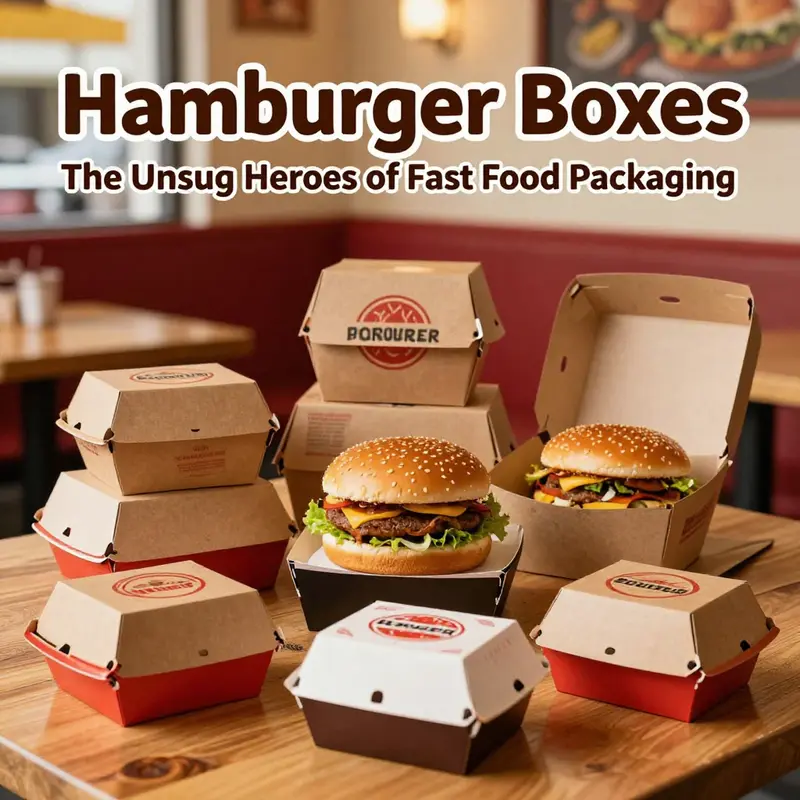
Hamburger boxes serve more than the basic purpose of holding a sandwich. They protect texture, preserve temperature, communicate brand values, and reduce waste. Knowing the common types used in fast food packaging helps operators match the right box to service style, budget, and sustainability goals. This chapter walks through the practical distinctions among the main box types, explains why those differences matter in daily operations, and highlights design choices that influence cost, handling, and customer perception.
Cardboard burger boxes, often made from kraft paper, are the default choice for many outlets because they balance strength, cost, and eco-credentials. These boxes use renewable fibers and can be produced with PE or PLA linings to resist grease and moisture. A thin lining keeps steam and splatter contained while maintaining a light insulation that protects hands. When the lining is plant-based PLA, the box becomes a more compostable option in facilities that accept bioplastics. Cardboard boxes also fold easily, stack compactly in the kitchen, and can be fitted with separate lids to prevent leaks during delivery. Color-coding by size simplifies service during peak hours and helps staff pick the right box quickly.
For brands that emphasize circularity, recycled paper hamburger boxes are a strategic choice. Made from post-consumer fibers, these boxes reduce demand for virgin pulp and can carry a stronger sustainability message on the tray or in marketing collateral. Recycled stock must be engineered for structural integrity; quality is a key consideration because weak walls or poor barrier properties undermine the box’s primary job: protecting the food. Properly specified recycled boxes can handle the rough handling of delivery and takeaway while aligning with environmentally conscious consumer expectations.
Branded and customized hamburger boxes transform packaging into a communications tool. Custom printing adds logos, taglines, and visual cues that reinforce identity. Beyond flat printing, some designs use two-layer effects or 3D perspective printing to create a more dynamic unboxing experience. Customization ranges from single-color branding to full-color four-plate printing that reproduces intricate artwork. These boxes act as a small billboard, visible during pickup, delivery, and in photos shared by customers. When designing branded boxes, consider the trade-offs: full-color prints add cost, while more complex coatings or varnishes can affect recyclability. Thoughtful artwork and limited spot-color use often deliver the strongest brand impact for a controlled budget.
Certain service models require specialized functional boxes. Microwavable boxes, for instance, allow customers to reheat food safely at home. They use materials and linings rated for microwave exposure and are free from metal or heat-sensitive inks. Freezer-safe boxes use higher-strength stocks and coatings that protect against moisture migration and freezer burn during storage and transport. For businesses that offer meal prep, advance freezing, or long-distance delivery, these specialized containers maintain product quality across a wider range of temperatures.
Small-scale operations sometimes rely on manual hamburger box forming machines. These machines are not a box type but a production approach: flat blanks are fed and folded into ready-to-use boxes by a simple hand-operated device. Manual machines are cost-effective for low-volume producers who need on-demand assembly without major capital investment. They minimize shipping volume for blanks and free up storage space. For seasonal vendors, pop-ups, or pilot product runs, hand-forming can be a flexible solution until purchase volumes justify automated equipment.
Across all types, material choice influences disposability and end-of-life. Boxes with PE linings are durable and moisture resistant but less straightforward to compost. PLA linings and uncoated kraft are more compost-friendly where industrial composting is available. Recycling infrastructure varies widely; in some regions, mixed-material boxes cannot enter paper recycling streams if heavily soiled by grease. Clear labeling and a simple material strategy help customers and staff dispose of boxes correctly and improve diversion rates. Consider specifying uncoated or single-material options when operations depend on local recycling or composting programs.
Beyond materials, ergonomics and service design matter. A box that stacks poorly will slow down packing during lunch rush. A design that opens easily and supports a burger without collapsing improves the customer experience and reduces complaints. Lids that snap securely reduce spill risk for fries or sauces. Perforations, vents, or tear-away sections can address steam buildup and maintain crispness in the short term. Supplier samples and field testing under real service conditions reveal how a design performs under heat, grease, and repeated handling.
Cost considerations operate at multiple levels. Unit price depends on stock weight, printing complexity, and order quantity. Bulk purchasing significantly lowers per-unit cost; conversely, customization and smaller runs raise it. Operational costs also include storage, assembly time, and waste handling. A slightly higher unit cost for a recyclable or compostable box may be offset by marketing value and reduced disposal fees in some locales. Conversely, the least expensive option can increase waste and customer dissatisfaction if it fails to protect the product.
Sustainability claims should be verifiable. Demand material specifications from suppliers and request information on post-consumer content, compostability certification, and the recyclability of printed and coated surfaces. Packaging that carries a clear material declaration reduces ambiguity for waste managers and reassures customers when sustainability is part of the brand promise.
Selecting a hamburger box blends practical needs with brand strategy. Cardboard kraft boxes offer broad versatility. Recycled stocks reinforce environmental commitments. Branded boxes enhance visibility and customer experience. Specialized microwavable and freezer-safe options expand service capabilities. Manual forming is a pragmatic choice for low-volume operators. Each choice affects protection, presentation, cost, and end-of-life. Operators who test options in real service conditions and align material choices with local waste systems will find the best balance between performance and responsibility.
For examples of paper box options and related packaging products, see the collection of paper boxes available from this supplier: paper boxes.
For more detailed technical information on materials, quality standards, and practical applications of these packaging types, refer to the industry guidance provided by Eco-Products: https://www.eco-products.com
Reimagining the Hamburger Box: Sustainable Pathways from Materials to Mindset
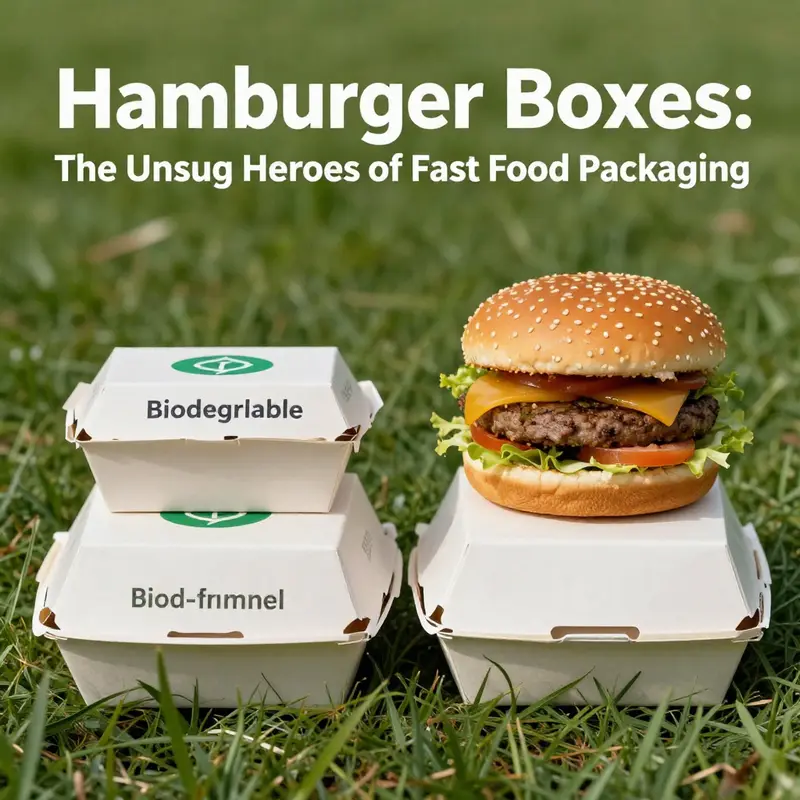
Environmental stewardship and the humble hamburger box—two topics that do not usually collide in a consumer’s day, yet they should.
The environmental footprint of packaging in the foodservice world has moved from a niche concern to a core business metric. The hamburger box, once a simple vessel for protection and transport, now sits at a crossroads where material science, disposal infrastructure, brand ethics, and regulatory expectations converge. In this evolving landscape, the industry is confronting a basic truth: the way a box is made, used, and finally discarded can either compound waste problems or help solve them. The conversation begins with the materials themselves. Traditional hamburger boxes are often fashioned from virgin paperboard and finished with plastic coatings or barrier layers to resist grease and moisture. While effective for protecting warmth and delivering the product, these choices come with a price. Virgin fibers amplify deforestation pressures, while coatings complicate recycling streams. In many markets, this combination translates into closed loops that fail to close properly. The result is not merely waste in the landfill; it is lost opportunity—opportunity to reclaim fibers, to reduce energy consumption, and to reinforce a brand’s commitment to the circular economy.
As stakeholders push for better outcomes, the shift toward compostable and recyclable alternatives has gained real traction. Plant-based materials—such as polylactic acid (PLA) derivatives, bagasse (sugarcane fiber), bamboo pulp, and molded fiber—offer pathways to reduce the environmental burden of hamburger boxes. These options are designed to break down under appropriate industrial composting conditions, returning nutrients to the soil rather than lingering in landfills for decades. The momentum here is not only about end-of-life disposal; it is about aligning the entire packaging workflow with sustainability goals. When a chain commits to compostable options, it invites customers to see packaging as a value proposition rather than a throwaway afterthought. Yet the promise of compostability is not universal. A critical lens is needed to discern products that truly biodegrade in practical settings from those that perform well only under ideal laboratory conditions. In other words, the label “compostable” must be understood in the context of the local disposal infrastructure.
China’s role in scaling compostable hamburger boxes has become a defining factor in the global supply chain. The country has built a robust manufacturing ecosystem that can deliver the scale demanded by major brands, often at competitive costs. This has huge implications for buyers seeking consistent supply and compliance with international standards. The advantages extend beyond volume. Advanced processing technologies, vertically integrated supply chains, and established industrial clusters in regions like Guangdong and Zhejiang enable tighter quality control and faster product development cycles. For buyers, sourcing from certified Chinese suppliers can help meet global expectations for compostability (such as materials that fulfill recognized performance criteria) and responsible forestry practices verified by certifications like FSC or PEFC. Nevertheless, due diligence remains essential. Not all “compostable” products are created equal; some require specific industrial facilities to degrade properly, while others may carry environmental trade-offs associated with farming inputs or energy-intensive manufacturing. The complexity of the end-of-life story matters just as much as the chemistry of the box itself.
What does a truly responsible hamburger box look like in practice? It starts with a holistic, lifecycle-aware approach. Designing for end-of-life means not only using renewable materials but also reducing material use without sacrificing functionality. Thinner boards, optimized coatings, and fewer layers can cut the embedded energy and waste footprints, provided the box still protects the product and maintains brand integrity during transit. Adhesives, inks, and barrier coatings deserve scrutiny too. Some coatings facilitate moisture resistance without compromising recyclability, while others hinder composting or recycling streams. A practical design lens considers compatibility with local waste-management infrastructure and whether the waste stream will actually reach an industrial composting facility, a modern recycling center, or simply be diverted to landfills. In this context, lifecycle transparency from suppliers becomes a key differentiator. Brands benefit when they can trace a packaging solution from raw material harvest through processing, transport, and end-of-life outcomes. This transparency supports credible marketing claims and helps regulatory teams document compliance across markets with shifting waste directives.
The strategic implications extend to brand perception and regulatory alignment. Market analyses show that brands embracing compostable packaging often report improved stakeholder perception and stronger alignment with environmental policies in markets with stringent packaging waste rules. In regions such as the European Union and North America, where consumer expectations and policy frameworks increasingly favor sustainable packaging, the business case compounds: reductions in waste, potential incentives or subsidies for green packaging, and the reputational lift that accompanies demonstrable environmental stewardship. The pathway to these benefits, however, is not linear. It requires a portfolio approach: choosing the right materials for the right disposal context, investing in supply-chain verification, and communicating clearly about what happens to the packaging after use. Companies can further amplify impact by pairing packaging choices with operational changes—optimizing packing density to minimize material per unit, standardizing sizes to fit existing shuttle and shelf logistics, and cooperating with franchisees to ensure consistent disposal practices.
For buyers exploring material options and sustainable formats, the Paper Packaging category offers a spectrum of choices. It provides a practical gateway to evaluate how paper-based solutions—whether molded fiber, bagasse blends, or coated papers designed for compostability—fit within current waste-management ecosystems. This kind of sourcing awareness helps brands avoid greenwashing and aligns procurement with real-world outcomes, not just theoretical benefits. Consumers, likewise, respond to packaging that clearly communicates its end-of-life story, reinforcing trust and loyalty. In practice, success hinges on partnerships that extend beyond the box itself. Collaborative supplier relationships, third-party certifications, and transparent reporting on energy use, chemical inputs, and water stewardship become as important as the box’s appearance or price per unit. The most durable advantage arises when packaging decisions are integrated into a brand’s broader sustainability strategy, rather than treated as a standalone cost center.
To ensure alignment across the supply chain, brands should map disposal pathways before material selection. This means asking pointed questions about local composting capacity, recycling streams, and consumer behavior. It also means recognizing that some markets may not yet have industrial composting facilities, which shifts the choice toward recyclable or reusable concepts, even if the ideal option would be compostable in theory. The goal is to minimize environmental impact while maintaining product safety, brand identity, and operational practicality. As the industry learns from real-world deployments, the emphasis shifts from simply choosing a “green” box to embracing a holistic packaging program that embraces design optimization, responsible sourcing, lifecycle transparency, and consumer education. This is the pathway toward a future where hamburger boxes are not merely carriers of food but embodiments of a brand’s commitment to a healthier planet.
External resources and further reading can deepen understanding of the sourcing landscape. For those seeking a broader view of global availability and supplier verification in compostable packaging, see the guide on compostable hamburger box suppliers from China: https://www.smartbuy.com/compostable-hamburger-box-suppliers-china. It complements the internal perspective by offering market context and supplier-trust considerations that help teams make informed choices in a complex ecosystem. And for ongoing inspiration on material choices, product family development, and packaging-integration strategies, the Paper Packaging category can serve as a practical touchstone: Paper Packaging. This resource supports brands as they navigate a landscape where environmental responsibility and commercial viability must coexist in every box.
Design-Driven Horizons in Hamburger Box Manufacturing: Sustainability, Usability, and Brand Differentiation
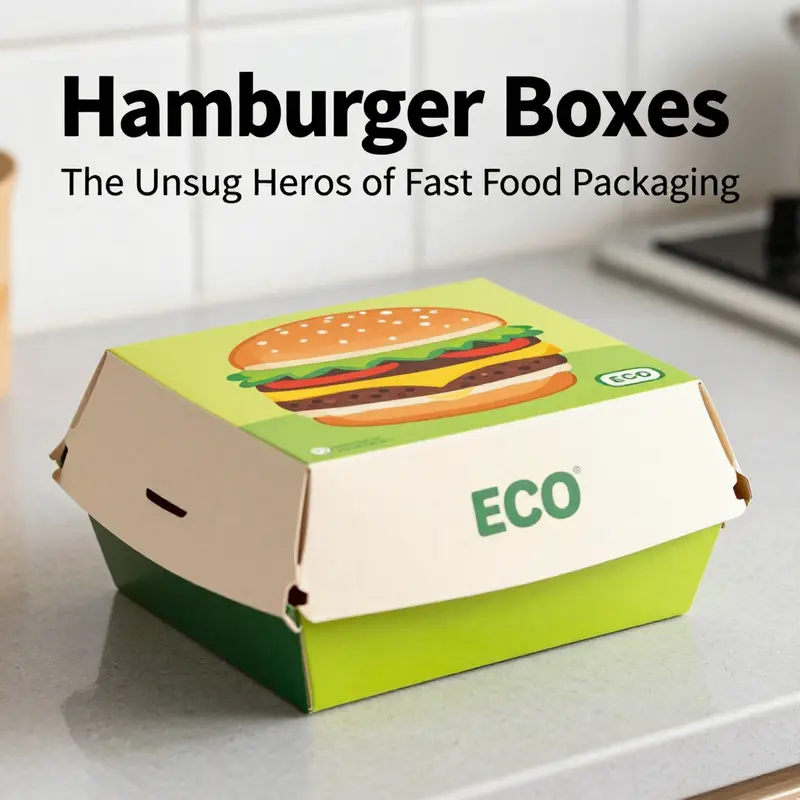
The hamburger box has evolved from a simple protective shell into a deliberate, design-forward instrument that shapes a meal’s first impression and a brand’s long-term story. In the hurried cadence of takeout and delivery, the box must perform a trio of imperatives: preserve the burger’s integrity, project a responsible identity, and engage the consumer on a tactile, memorable level. The modern design challenge is not a single feature but a coordinated system where materials, form, and process align with sustainability goals, consumer expectations, and operational realities. This holistic view, rather than a series of isolated improvements, defines the trajectory of hamburger box manufacturing today.
A central shift centers on materials. Compostable and biodegradable options have moved from niche alternatives to mainstream choices, spurred by policy incentives, retailer commitments, and the growth of conscious consumerism. Plant-based fibers—such as bagasse derived from sugarcane and bamboo pulp—offer the stiffness and surface compatibility needed for robust thermosetting after printing, while enabling end-of-life pathways that minimize environmental impact. The structural integrity remains strong under heat and grease, yet the fiber-based options reduce reliance on traditional plastics. In markets with mature supply chains, these materials are no longer experimental; they scale to meet mass orders with consistent quality and predictable performance, helping brands balance cost with environmental responsibility. The global distribution of manufacturing hubs, including high-volume centers in Asia and Europe, reinforces capacity while pushing down unit costs through competition and standardization. This convergence of material science and supply chain maturity accelerates the transition toward mono-material constructions that simplify recycling and composting streams.
Beyond raw materials, the ability to heat and reheat meals safely within the box represents a notable design frontier. Microwavable hamburger boxes require a thoughtful blend of barrier layers, coatings, and panel geometry that resist heat and grease migration without compromising food safety or branding opportunities. The engineering challenge is to keep the box from warping during microwaving while maintaining a clean surface for high-clarity printing. A successful solution integrates selective coatings and layered constructions that prevent leakage, avoid delamination, and ensure that the outer surface remains legible under hot, steamy conditions. In fast-casual and delivery ecosystems, this capability translates into tangible convenience for consumers who expect to reheat and enjoy with minimal fuss, and it supports operators seeking to extend the value proposition of their meals in a single, cohesive package.
Ergonomics and user experience have become language in packaging design. The modern hamburger box is designed to be opened easily, with predictable reclosure and a secure fit that keeps contents stable during transit. Flaps engineered for intuitive action reduce the cognitive load on customers who may be juggling a crowded car or a busy lunch rush. Built-in grease barriers, when integrated into the lid or base, contain oil leakage and preserve the box’s appearance, preserving branding fidelity even after a bumpy ride. A secure-fit lid prevents spills when stacking multiple boxes, a practical advantage for drivers and for front-of-house operations that must assemble orders rapidly. These features matter not only for the initial purchase moment but for repeat interactions, where the ease of handling can enhance perceived value and customer satisfaction. The aesthetic dimension—surface textures, color fidelity, and subtle tactile cues—complements function, turning packaging into a portable advertisement that conveys freshness, quality, and attention to detail.
Manufacturing has kept pace with these demands through a shift toward automation and modular production. Modern lines leverage computer-controlled dies, inline printers, and standardized feed systems to deliver consistent quality at scale. Automation offers repeatability: the same fold patterns, seal temperatures, and print hues across thousands of units, reducing human error and labor costs. For smaller producers, compact, energy-efficient machines bring the promise of reliability and speed without an overwhelming capital outlay. The democratization of production capability enables a wider range of players to offer design-rich, sustainable boxes without sacrificing affordability. In addition, modular configurations enable rapid design variation, enabling businesses to adjust to seasonal menus or regional tastes without retooling the entire production line. The outcome is a packaging ecosystem capable of both mass customization and steady, high-volume output, a combination that supports growth while maintaining quality.
Prominence now also goes to brand storytelling through packaging. The surface design is no longer a secondary concern; it is a canvas that communicates identity, values, and promises at a glance. Print quality and surface finishes must withstand heat, moisture, and handling, yet remain visually compelling across disposable and reusable life cycles. The ability to incorporate interactive elements, such as detachable sections for sauces or branded inserts, expands the box’s functional value while keeping sustainability in view. Modular, stackable configurations further enhance space efficiency for storage and distribution, reducing waste and emissions by optimizing load density. When the packaging system is designed to be interoperable and scalable, it reinforces a brand’s promise of consistency and reliability from kitchen to customer to disposal.
Sustainability remains a core constraint and opportunity, guiding both material choices and system design. Suppliers increasingly co-create packaging that balances performance with environmental stewardship. This includes inks that are compatible with composting, adhesives that do not hinder decomposition, and coatings that resist heat without compromising end-of-life outcomes. Transparency about materials and life-cycle impacts resonates with consumers who attach value to responsible practices. In regions with robust recycling and composting infrastructure, designers aim for mono-material architectures that simplify separation and processing, reducing contamination and streamlining recovery. The result is a packaging system that honors a brand’s aesthetic ambitions while enabling responsible consumption and waste reduction. The lifecycle thinking embedded in these decisions helps prevent unintended consequences, making the box not just a brief encounter but a sustained footprint strategy.
The design journey is inherently collaborative, weaving together material science, printing technology, logistics, and consumer psychology. Brands work with packaging engineers, print specialists, and waste-management experts to ensure that the final product performs under real-world conditions from production to disposal. Collaboration also expands the scope of customization, enabling color accuracy, durable branding, and seasonal motifs without compromising environmental commitments. Designers increasingly consider end-of-life as an intrinsic constraint, ensuring compatibility with composting or recycling streams while preserving brand recognition on the go. This integrated approach means the hamburger box serves as a reliable backbone for the entire ordering experience, from the moment the burger is wrapped to the moment it is discarded, and ideally, returned to a circular flow.
For readers seeking a broader look at how packaging categories intersect with brand strategy, the Paper Boxes category offers a useful window into the spectrum of paper-based solutions and how brands position themselves through form, printability, and sustainability. Paper Boxes category. This resource highlights configurations—from straightforward fold-and-tinish to more elaborate sleeves and inserts—that adapt to diverse culinary formats, reinforcing that the box is part of a broader packaging ecosystem that supports cohesive brand narratives across menus.
As the industry evolves, the central theme remains consistent: design for value across the lifecycle. The converging emphasis on compostable and biodegradable materials, microwavable compatibility, ergonomic efficiency, and modular, adaptable forms leads to packaging that is more than a container. It is a primary touchpoint for identity, a guardian of product integrity during transit, and a facilitator of sustainable consumption. The ongoing dialogue among designers, manufacturers, and retailers will shape how hamburger boxes look, feel, and perform in the years ahead. This conversation is not about chasing novelty; it is about harmonizing performance, responsibility, and personality into a single, scalable packaging solution.
For a deeper dive into sustainable packaging innovations and material advances, see the external resource on compostable hamburger box suppliers, which offers broader context on regional manufacturing hubs and the practical gains from adopting these solutions. Compostable Hamburger Box Suppliers Guide.
Balancing Capacity, Paper, and Profit: The Economic Pulse of Hamburger Box Production
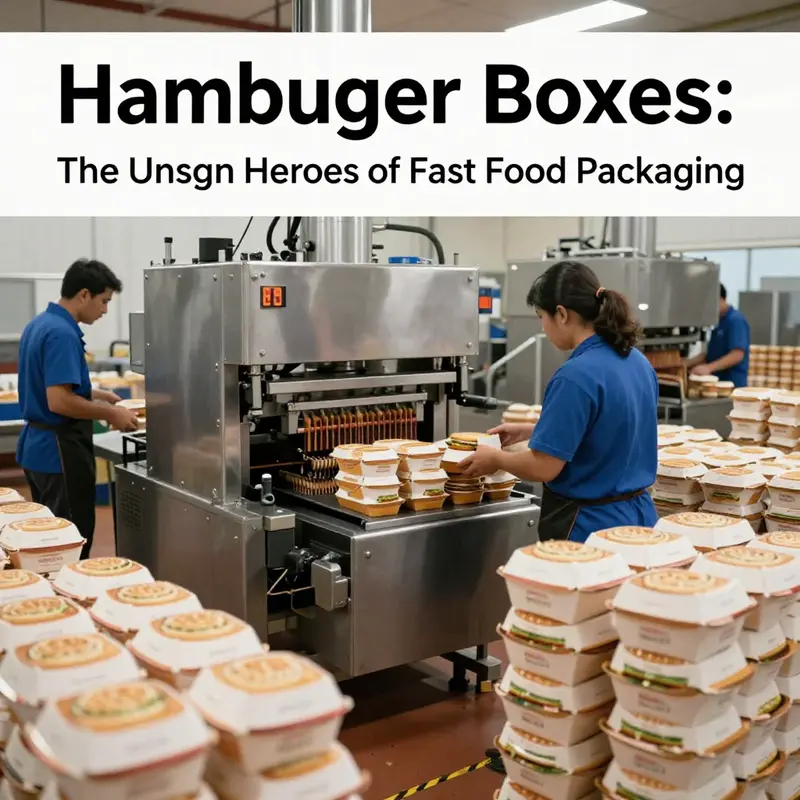
Within the fast-food supply chain, the hamburger box is more than a mere wrapper; it is a carefully engineered interface between kitchen practice, consumer experience, and the economics of manufacturing. The box must protect hot, greasy contents during transit, present a brand message through color and logo, and do so at a cost that keeps prices competitive for both operators and consumers. This convergence of function and finance makes hamburger box production a revealing lens on the health of packaging ecosystems. The most tangible signals come from the machines that shape the boxes, the materials that form their skin, and the demand rhythms that determine how often a shop needs to reorder. In this space, throughput translates directly into unit cost and competitiveness. Consider the operating speeds of typical converting lines: a machine such as the MSZF-A Economic Paper Hamburger Box Container Maker delivers 40 to 60 units per minute. It is not a bottleneck in a high-volume setting, but its ceiling matters when a contract demands aggressive delivery windows. A higher-capacity unit, the ZF-800 model, can reach up to 200 pieces per minute, pushing the cost per box downward and enabling large campaigns to run with minimal lead times. Throughput, however, is not the whole story. The ability to print and apply logos, brand marks, and graphic details in full color—four-color printing, to be exact—adds value by turning a simple container into a mobile canvas for marketing. The more customization a customer requires, the more the production line must accommodate setup changes, color separations, and potential plate or die adjustments. That extra labor is a cost, but it can be priced into premium orders or captured through higher-volume runs where setup costs are amortized over thousands of units. The power demands of modern equipment echo the broader energy footprint of packaging plants. A typical setup runs on 380V/50Hz, a configuration compatible with many industrial sites but still a meaningful factor in ongoing electricity budgeting. Electricity is not only a direct expense; it also interacts with line efficiency, heat management for curing inks, and the reliability of uninterrupted production—an essential consideration when just-in-time delivery models are in play. The physical footprint of the machinery matters as well. The maximum handling capability of these formats often caps at about 480 by 480 millimeters, a constraint that shapes which box sizes can be produced under a single setup and which scenarios demand multiple runs or alternate equipment. The box’s geometry feeds the carton’s stiffness, stacking efficiency, and durability during transport. A well-designed hybrid of single-wall and double-wall construction can resist compression while remaining lightweight, translating into savings on shipping and storage for the food-service operator. Material costs tie the optical and mechanical performance of the box to the arithmetic of the bottom line. The recommended material range—200 to 400 grams per square meter of single PE-coated paper—governs both barrier properties and printability. Heavier weights yield stronger cartons and better grease resistance, but they push material costs upward. Lighter weights save money, yet may compromise rigidity or moisture control. Fluctuations in raw material prices are therefore a constant risk. The PE coating provides the grease resistance essential to containing hot burgers, but it can complicate recyclability. Material suppliers’ price and availability swings ripple directly into margins, especially for suppliers serving a relatively modest annual production capacity—listed as around 100 sets per year for a given line in some specifications. Such a rate suggests a niche or specialty operation rather than a high-volume factory. In practice, producers facing this scale must pursue longer-term contracts and stable orders to maximize the economics of their fixed capital and labor. The market dynamics surrounding hamburger boxes also shape the financial calculus. While the broader cardboard box sector has faced headwinds, the demand for packaging tied to ready-to-eat and convenience-oriented foods has shown resilience. Industry reports from the packaged foods sector indicate ongoing growth in the consumer-ready segment, underscoring a steady need for specialized packaging like hamburger boxes. This is not simply about supplying a container; it is about delivering a branded experience that travels from kitchen to consumer hand with consistent quality. The capacity to print bold logos, vivid artwork, and dynamic graphics—sometimes even leveraging emerging visual techniques such as light optical effects or 3D-like perspective illusions—adds marketing value that can command premium pricing in certain segments. Yet the very features that raise a carton’s appeal also raise its production complexity. Short-run runs, multi-SKU campaigns, and seasonal design changes require rapid changeovers, flexible die systems, and reliable supply of coated papers and inks. For manufacturers, the key is balancing standardization with customization. Standard sizes and configurations enable the bulk of production to run with minimal downtime, while a controlled set of customizable elements—such as color palettes, localized branding, and batch-specific graphics—captures the revenue opportunities of tailored campaigns. The economic logic hinges on scale: even with high-speed lines, per-unit costs decline when throughputs rise and when material waste is minimized through precise cutting, scoring, and folding. In practical terms, this means investing in process automation that reduces human intervention, adopting modular printing options that allow quick color changes without full plate changes, and forging steady procurement channels for the 200–400 g/m2 PE-coated stock. Environmental considerations shape choices in both materials and processes. The moisture barrier provided by the coating helps protect hot foods but complicates recycling streams. Brands increasingly seek coatings and inks that preserve performance while improving recyclability, or they embrace barrier systems designed to be more compatible with existing recycling infrastructure. The strategic takeaway for producers is to view environmental performance not as a separate KPI, but as an integral driver of value—affecting consumer perception, regulatory compliance, and the ability to secure long-term supply agreements. From a design perspective, the economics of hamburger box production encourage a holistic approach: select materials with predictable price trajectories, optimize the machine lineup for a mix of throughput and customization, and design packaging that maximizes rigidity and printability without inflating weight or waste. This is where the intersection of form and function matters most. The packaging ecosystem benefits when producers align product design with supply chain realities, choosing standard sizes that can be produced efficiently while permitting branding flexibility through controlled customization. In this sense, the hamburger box becomes a strategic asset rather than a mere vessel. For practitioners looking to explore broader categories that mirror these packaging principles, the linked page on paper packaging offers a useful perspective on how paper-based solutions are evolving in related markets. Such context helps brands and manufacturers see how innovations in one segment translate into gains in another, from printability to barrier performance and from die-cut efficiency to end-of-life considerations. As the industry continues to push for higher throughput, lower material costs, and more engaging consumer experiences, the hamburger box stands as a practical crucible for evaluating the trade-offs that define modern packaging economics. The lesson is not just about securing a product that carries food; it is about crafting a packaging system that can scale with demand, adapt to branding needs, and operate within the realities of energy use, material costs, and environmental responsibility. External resources provide further detail on supplier options and material specifications, offering a grounded view of how these boxes are sourced and produced in today’s market. https://www.alibaba.com/product-detail/Custom-Disposable-Burger-Box-Kraft-Paper_1600594787274.html
Boxed Identity: Branding Strategies that Turn Hamburger Boxes into Brand Stories
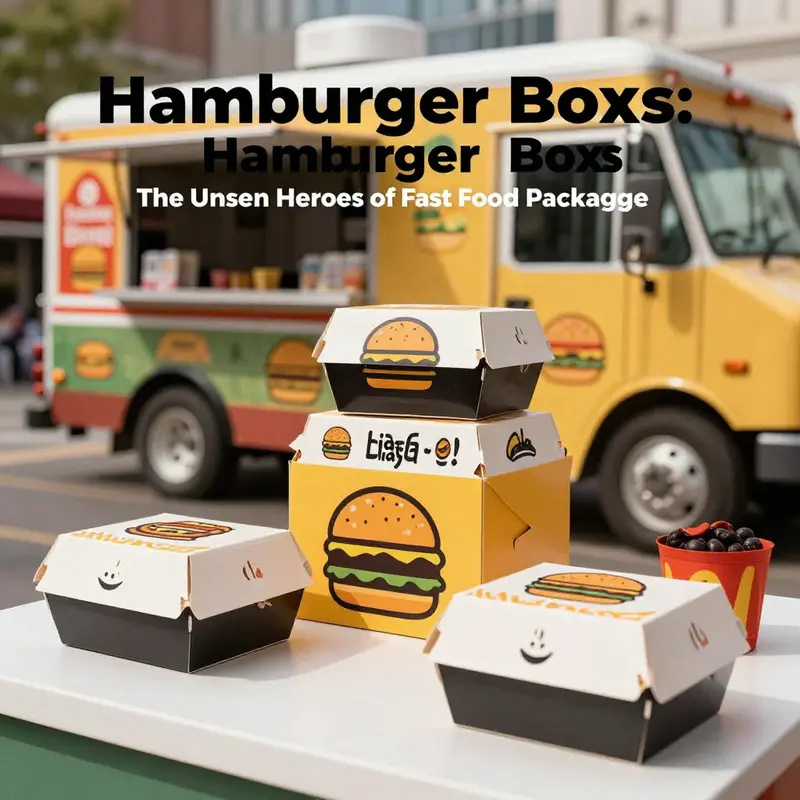
In the crowded realm of fast casual dining, a hamburger box is more than a vehicle for transport; it is a branding instrument that travels with the customer from counter to curbside. The container carries the first whisper of a brand’s personality before the first bite, and every element inside and outside the box—shape, material, color, typography, and finishing—works in concert to tell a coherent story. When designed with intention, a hamburger box becomes a portable billboard that reinforces trust, signals quality, and invites repeated engagement. The best executions do not merely wrap a product; they invite the consumer to participate in the brand narrative by delivering a consistent experience across touchpoints, from in-store signage to at-home unboxing rituals.
Color is a deceptively simple but powerful tool in this storytelling. A brand’s hues, when applied with discipline to the box surface, set expectations about flavor, freshness, and ambiance. A clean, restrained color palette can suggest premium quality and restraint, while vibrant hues may communicate energy and approachability. The choice of typefaces influences perceived tone as well. A sturdy sans-serif can convey modernity and reliability; a handwritten or rounded typeface might evoke warmth and approachability. Yet typography must align with the brand’s broader identity system. When a box mirrors the typography used on menus, signage, and digital channels, the consumer experiences a seamless brand ecosystem, reducing cognitive load and reinforcing recognition at the exact moment of purchase.
Beyond color and type, material choice anchor the ecological and tactile language of the brand. Kraft paper and other eco-friendly substrates are more than sustainability statements; they are sensory cues. A natural, textured surface communicates a story of responsible sourcing and practical authenticity. In some campaigns, brands pair recycled or responsibly sourced papers with soy or vegetable-based inks to underscore environmental commitments. These choices matter to a growing cohort of customers who want brands to demonstrate social responsibility through concrete actions, not merely through aspirational messaging. The packaging thus becomes a visible extension of corporate values, not a separate marketing layer. The result is a packaging system that can travel from a street corner to a park picnic with credibility intact, reinforcing brand promises at every touchpoint.
The shape and structure of the box itself can be a channel for storytelling, especially when designers lean into innovation without sacrificing practicality. A box with a window cut-out, for example, can offer a partial product glimpse—an intimate preview that heightens anticipation while preserving the integrity of the burger. The window becomes a storytelling device, a tactile cue that invites curiosity and enhances the opening moment. Similarly, a foldable, fold-free, or easy-open design can communicate convenience and efficiency, which are central to the fast-service experience. When customers can access their meal quickly and proudly, positive associations with the brand deepen, and word-of-mouth becomes a natural byproduct of strong packaging design.
The structural language should also celebrate the unboxing moment. A box that unfolds into a small stage or reveals a branded interior graphic can surprise the diner and extend the brand narrative beyond the initial impression. The inside of the lid or the bottom panel can host micro-stories—taglines, mini-quests, or seasonal messages—that create a sense of discovery each time the burger is retrieved from the bag. This approach aligns with contemporary consumer expectations, where packaging experiences are part of the overall product experience. The practical benefit is twofold: it reinforces brand identity while creating opportunities for consumer engagement, such as social sharing or loyalty prompts embedded in the unboxing ritual.
A sophisticated packaging system recognizes that branding lives at the intersection of visibility and practicality. The hamburger box must protect the product during transit, maintain temperature and moisture, and stack efficiently for delivery partners, while still delivering brand signals with minimal friction. This balance often requires collaboration across departments—from packaging engineers who optimize foil-free barriers to printer partners who ensure color fidelity under variable lighting and outside conditions. When done well, the box ceases to be a mere containment unit and becomes a reliable ambassador that communicates quality, care, and consistency even before the first bite is taken.
The ethical dimension of brand storytelling through packaging is not optional. Modern consumers increasingly scrutinize the environmental footprint of their meals, and packaging is a visible testament to a brand’s values. Companies that couple visually compelling designs with sustainable materials and responsible production methods position themselves as leaders rather than followers in a crowded market. The narrative then extends beyond the box: recycled content, reduced plastic usage, responsibly sourced inks, and clear recycling or composting instructions become integral chapters of the brand story. In practice, this means designing for end-of-life, using materials that are widely recyclable where possible, and communicating this clearly on the packaging. The dialogue between brand and consumer becomes more authentic when the packaging aligns with actions taken in sourcing, manufacturing, and distribution.
Brand personalities emerge most vividly when the packaging supports consistent storytelling across formats. A hamburger box can echo the tone of a restaurant’s digital presence, its menu design, and its in-store décor. The aim is coherence: a packaging system where every touchpoint reinforces a single, memorable narrative. Seasonal campaigns offer fertile ground for experimentation—limited-edition colors, textures, or graphic motifs that reflect holidays or city culture can spark renewed interest without fragmenting the core identity. When a campaign runs in tandem with a digital activation—say, a QR code that unlocks a micro-story or a mini-game inside the box—the packaging becomes a living portal to the brand universe, not a one-off display. Consumers are invited to stay longer in the brand ecosystem, increasing overall engagement and loyalty.
The practical economics of packaging cannot be ignored. Customization must be balanced with mass production realities. Advances in print readiness, die-cutting technology, and supply-chain partnerships allow brands to deploy meaningful customization at scale. For instance, a brand could roll out a series of seasonal box graphics that are printed in limited runs to test resonance, then scale the most successful concepts. The environmental and social storytelling should be scalable as well; choosing materials and processes that stage sustainability as a core attribute rather than a retrofit ensures the brand’s message remains intact as volumes rise. In many operations, the workflow begins with a design language anchored in the broader brand system and ends with packaging that is both easy to assemble and easy to recycle, enabling cafes and quick-service restaurants to deliver a consistent experience, night and day.
For brands exploring these possibilities, the paper box ecosystem offers a breadth of choices that support both function and narrative. The inclusion of a dedicated packaging category—such as the paper boxes—can be a practical hub for teams seeking consistency in shape, size, and finish across product lines. Keeping a centralized design library helps ensure that every box variant remains faithful to the core brand vocabulary while still allowing targeted adaptations for limited editions or different markets. This balance between standardization and customization safeguards production efficiency while leaving room for creative expression that can differentiate the brand in a competitive landscape.
As the packaging strategies mature, brands should also consider the learning that comes from consumer feedback and observational research. The unboxing experience reveals much about perceived value, brand trust, and user satisfaction. If the box feels flimsy or the print appears faded, the consumer’s confidence in the product can waver, even before tasting. Conversely, a well-executed package—one that communicates quality through tactile cues, color fidelity, and thoughtful graphics—can lift the overall impression of the meal, making the brand more memorable and the moment of consumption more enjoyable. In this sense, the hamburger box is not an afterthought; it is a strategic asset that travels with the customer and carries the brand’s essence into everyday life.
External resources provide practical validation and inspiration for those designing hamburger boxes as brand canvases. For design insights focused on window-cut techniques and their impact on consumer perception, see the external resource linked at the end of this chapter. In addition, a broader look at the packaging ecosystem and related materials can be found in industry resources that discuss the integration of sustainability and print technology in paper packaging. To further explore how window cut-outs can enhance visibility while maintaining product protection, this external reference complements the discussion above and offers actionable ideas for designers and procurement teams alike. Window-cut burger box design insights.
In sum, hamburger boxes are a strategic platform for brand storytelling. When designed with a clear narrative, consistent visual language, sustainable materials, and thoughtful unboxing moments, these boxes become brand ambassadors that extend a company’s ethos beyond the plate. They invite customers to engage, remember, and share, turning a simple meal into a cohesive brand experience that travels with them wherever they go. The packaging becomes a living part of the brand, reinforcing values with every bite and with every return visit.
Final thoughts
The world of hamburger boxes extends far beyond mere food containers; they serve as integral components of the fast food experience, impacting the environment and business branding significantly. From recognizing the variety in box types to understanding their ecological implications, embracing design innovations, analyzing production economics, and implementing effective branding strategies, businesses can leverage hamburger boxes to enhance customer satisfaction and promote brand identity. Ultimately, a well-chosen hamburger box can elevate a fast food offering into an unforgettable culinary moment.