
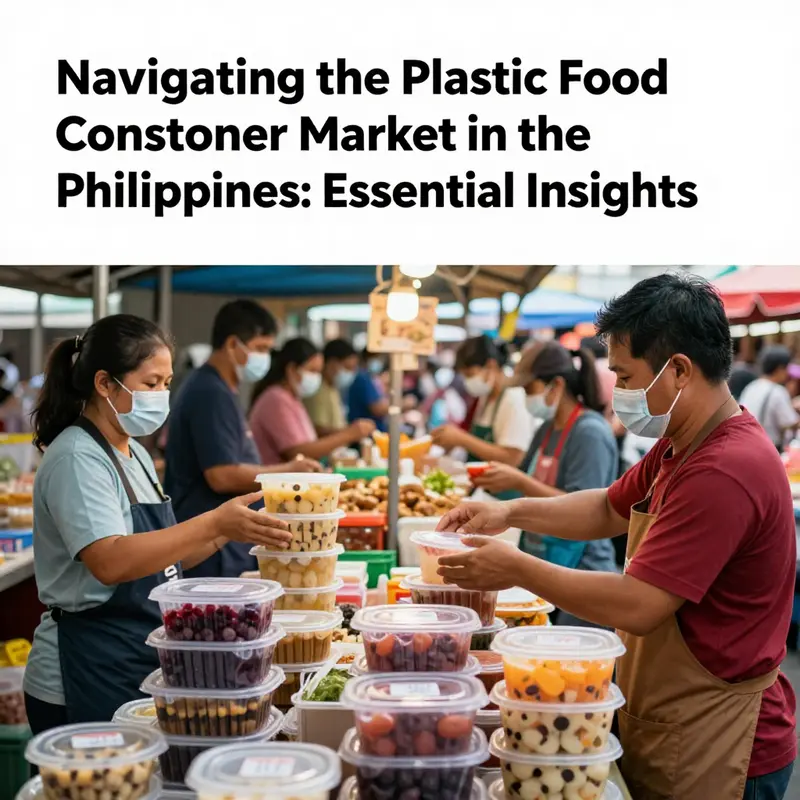
As the demand for high-quality plastic food containers continues to grow in the Philippines, businesses in the food and beverage industry are looking for trustworthy suppliers. From bubble tea shops to catering services, choosing the right plastic food container supplier is crucial for ensuring product safety and enhancing customer satisfaction. In this article, we will explore the essential characteristics of suppliers, the benefits of the manufacturing clusters in the Philippines, consumer preferences, and useful tips for selecting a reliable partner in this industry.
Compliance, Capacity, and Customization: Navigating the Philippine Plastic Food Container Supply Chain
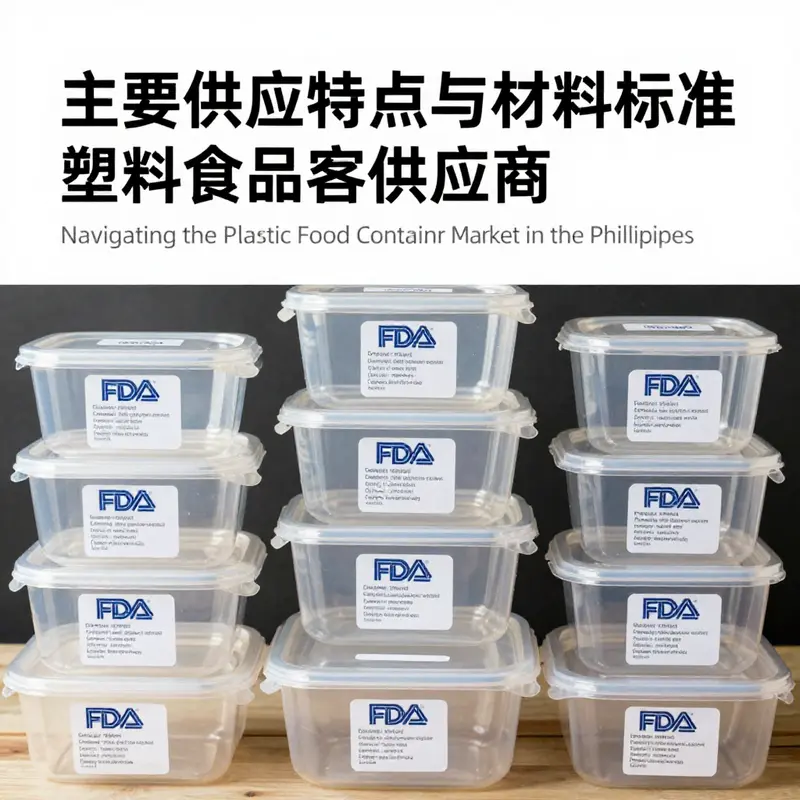
The Philippine market for plastic food containers sits at the intersection of rapid urban growth, evolving consumer habits, and a tightening web of regulatory expectations that shape every link of the supply chain. Retailers, food service operators, and manufacturers increasingly see reliable packaging not merely as a container but as a critical component of product safety, shelf appeal, and waste management. In such a setting, the most successful suppliers are those who can harmonize three core dimensions—compliance, capacity, and customization—while maintaining the agility to respond to fluctuating demand, shifting logistics realities, and heightened sustainability expectations. The narrative of this chapter is not about isolated product features but about how global practices translate into tangible advantages for the Philippine market, and how buyers and suppliers co-create value through disciplined sourcing and collaborative design.
At the heart of every decision in this space lies compliance. For containers that come into contact with food, materials must meet safety thresholds that prevent toxic migration and ensure that packaging remains inert throughout its lifecycle. Although the specific regulatory framework of the Philippines evolves over time, the underlying principle remains consistent with international practice: the materials used for food-contact surfaces should be food-grade, chemically stable, and free from substances that could migrate into food in detectable amounts. Across international markets, this principle is implemented through widely recognized benchmarks, such as the use of standard polymers like polypropylene (PP), high-density polyethylene (HDPE), and PET for different applications, each chosen for particular performance traits—rigidity and clarity in the case of PET, toughness and chemical resistance in PP, and moisture barriers in HDPE. The emphasis on safety often becomes a market differentiator; suppliers who can demonstrate compliance through documentation and third-party testing build trust with retailers and manufacturers who must protect brand integrity and consumer health.
In practice, this means that any supplier aiming to serve the Philippine market should be able to present a portfolio of certifications that align with global norms. The most common and widely accepted benchmarks include FDA 21 CFR for food contact in the United States, and EU Regulation 10/2011 for materials intended for contact with food within the European market. Even when export pathways direct products toward Southeast Asian or domestic buyers, these certifications act as universal signals of quality and diligence. Suppliers often supplement certifications with third-party test reports from recognized laboratories—SGS, TÜV, Intertek, or equivalent—that quantify migration limits, quantify potential leachables, and confirm the absence of restricted substances. The net effect is a transparent trail from raw material selection to finished product, fostering confidence that the container will perform safely from production lines to kitchen shelves.
Material choice in this landscape is both practical and strategic. Polypropylene (PP) remains a staple for transparency and stiffness, a combination that supports clear food storage boxes and reliable sealing performances. PET earns favor in beverages and lightweight packaging where visibility and recyclability matter. HDPE underscores high-usage, high-durability applications, including larger containers and bulk storage where impact resistance and chemical compatibility are essential. These materials are not chosen in isolation but are integrated within a broader design philosophy that considers end-of-life outcomes, recyclability, and waste reduction messaging. In many markets, including the Philippines, there is rising demand for packaging that communicates sustainability credentials—whether through clearly labeled recycling codes, indications of BPA-free compositions, or demonstrations that the product supports reuse across multiple life cycles. Suppliers that can articulate these attributes with quantified data and independent verification stand out in a crowded marketplace.
Beyond the materials themselves, the distribution and manufacturing footprint of suppliers plays a decisive role in the Philippines. The country benefits from a robust network of industrial zones and logistics hubs, with Metro Manila serving as a central node for procurement, assembly, and distribution. The clustering effect—where suppliers, converters, and logistics providers co-locate—facilitates faster lead times, more predictable deliveries, and easier coordination for large orders. In practical terms, this means a buyer can negotiate terms that accommodate high-volume production runs, short-run customization, and just-in-time replenishment for food service chains and large retailers. Local proximity to ports and road networks reduces transit times and helps the supply chain absorb disruptions more gracefully, a capability that has proven invaluable in periods of global supply volatility. For manufacturers, this environment supports near-shore production models that combine cost efficiencies with responsive service, a formula that resonates with Philippine buyers who value reliability and speed as much as price.
But compliance and proximity alone do not define the modern Philippine plastics packaging ecosystem. Customization has emerged as a central theme, reflecting the diverse needs of food operators—from micro- and small-scale vendors to multinational brands that require standardized packaging across markets. Customization spans dimensions as practical as size and shape, and as strategic as branding, functionality, and packaging performance. Buyers increasingly demand a spectrum of volumes—from compact 1-liter jars to large bulk totes—paired with features such as leak-proof lids, tamper-evident closures, and compatibility with cold-chain storage and microwave reheating. Importantly, customization also includes print capabilities, labeling, and barcoding, all of which support traceability, inventory management, and marketing communications. Suppliers who can offer design for manufacturability alongside rapid tooling and in-house mold creation can shorten time-to-market, reduce changeover downtime, and support iterative testing with real users in market environments.
In the Philippine context, customization must also respect cultural and practical preferences. Local eating habits, kitchen configurations, and the prevalence of small, frequent purchases create demand for containers that are easy to clean, stackable, and space-efficient. Families and institutions alike appreciate transparent containers that allow quick visual checks of contents, while retailers emphasize seal integrity that preserves taste, texture, and freshness. The trend toward reuse aligns with global sustainability aspirations but requires careful attention to durability and washability. In some instances, buyers seek modular system approaches—containers that nest or stack in multiple configurations, allowing a single line to cover a broad array of storage needs without duplicating inventory. Suppliers that can articulate modular design rationales, along with demonstrations of resilience under real-world usage, gain a competitive edge.
To translate these capabilities into concrete procurement outcomes, buyers must rely on a disciplined sourcing framework. The process should evaluate four interlocking elements: regulatory compliance, production capacity, responsiveness, and long-term reliability. Compliance is not a one-off checklist; it is an ongoing discipline that requires up-to-date certificates, traceable material sources, and periodic testing. Production capacity must align with demand forecasts, with clear visibility into cycle times, batch sizes, and scalability. Responsiveness encompasses not only the speed of communication but also the agility to accommodate last-minute changes in orders, packaging specifications, or labeling requirements, without sacrificing quality or delivery performance. Long-term reliability is built through supplier diversity, solid commercial terms, and evidence of stable client relationships. It is here that strategic sourcing practices—beyond price comparisons—become essential. The ability to secure consistent supply, negotiate favorable terms for large orders, and settle disputes constructively can determine whether a business can weather supply shocks or regulatory adjustments.
A practical implication of these principles is that buyers should seek evidence of a well-rounded supplier ecosystem. This includes robust manufacturing capabilities, multiple production lines, and certifications that acknowledge compliance with international standards, even if the immediate target market is domestic. It also means asking for documentation of environmental stewardship, where available, because sustainability considerations increasingly influence brand perception and regulatory expectations. When a supplier can demonstrate not only the technical qualifications of its plastics and finishes but also its logistical discipline and continuous improvement mindset, it creates a foundation for sustainable collaboration that benefits both sides of the transaction. In this sense, the Philippine market mirrors global packaging dynamics, where the intersection of safety, efficiency, and environmental responsibility defines the standard of excellence.
The consumer-facing implications of these supply chain realities are equally important. In recent years, Filipino consumers have become more conscious of the environmental footprint of packaging, even as they rely on practical, durable containers for daily use. This has spurred demand for containers that are not only functional and safe but also capable of long-term reuse and recycling. For households, the appeal lies in containers that retain flavor and freshness while withstanding repeated washing and cycling through different food preparations. For businesses, the value lies in a reliable supply that supports consistent product presentation, shelf life, and consumer trust. In both cases, the supplier who can articulate and verify a lifecycle narrative—from resin sourcing and processing to end-of-life outcomes—moves from being a vendor to a strategic partner.
To complement these narrative threads, buyers can leverage a curated spectrum of knowledge and resources that sit at the intersection of packaging science and practical procurement. The materials recommended for food-contact applications—PP, PE, PET—are widely used due to their balance of mechanical performance, barrier properties, and recyclability. The insistence on BPA-free formulations has become standard practice in markets with stringent safety expectations, and the Philippines increasingly reflects this trend as importers and retailers emphasize consumer health protections. Third-party testing reports play a pivotal role here, offering independent verification that migration limits are within acceptable thresholds and that the packaging system remains compliant across its lifecycle. Against this backdrop, the strategic decision to prioritize suppliers who can deliver both customization and compliance, enabled by strong manufacturing and logistics networks, becomes a prudent path to resilience.
In the broader sense, this chapter’s synthesis suggests that the Philippine plastic food container market is shaped not by a single dominance of one technology or material but by an ecosystem that values safe materials, adaptable designs, and efficient, transparent supply chains. Suppliers who can demonstrate consistent performance across regulatory checkpoints, production capacity tests, and service benchmarks will be best positioned to assist local manufacturers and foodservice operators in meeting demand and differentiating their products. The story in practice is one of alignment: alignment between international standards and local expectations, between the need for customization and the realities of mass production, and between environmental awareness and the pragmatic demands of daily life. This alignment is not a static target but a dynamic process—a continuous collaboration among resin suppliers, converter plants, logistics partners, retailers, and end users—each contributing to a packaging system that protects health, preserves freshness, and respects the resources of the planet.
For readers seeking a broader context on packaging materials and supply options, the Plastic Packaging category offers a centralized lens into the wide range of containers, finishes, and formats that packaging professionals consider in planning and procurement. Such a resource helps illustrate how a single material selection can unlock multiple performance pathways, from barrier properties and microwave compatibility to printability and label integrity, all of which feed into the successful execution of a Philippines-focused packaging strategy. Plastic Packaging category.
External references and practical perspectives continue to evolve as regulatory bodies, industry associations, and buyers share data and experience. For readers seeking a concise external viewpoint that complements the chapter’s synthesis, see a market-guidance overview that delves into strategic sourcing of plastic food packaging for the Philippine market. This resource highlights the importance of aligning compliance, operational capacity, and long-term supplier relationships to maintain a resilient, cost-effective supply chain in a competitive regional context. External reference: https://www.supplychaindigest.com/philippines-food-packaging-guide/
市场分布与制造集群的协同演化:菲律宾塑料食品容器供应链的区域逻辑
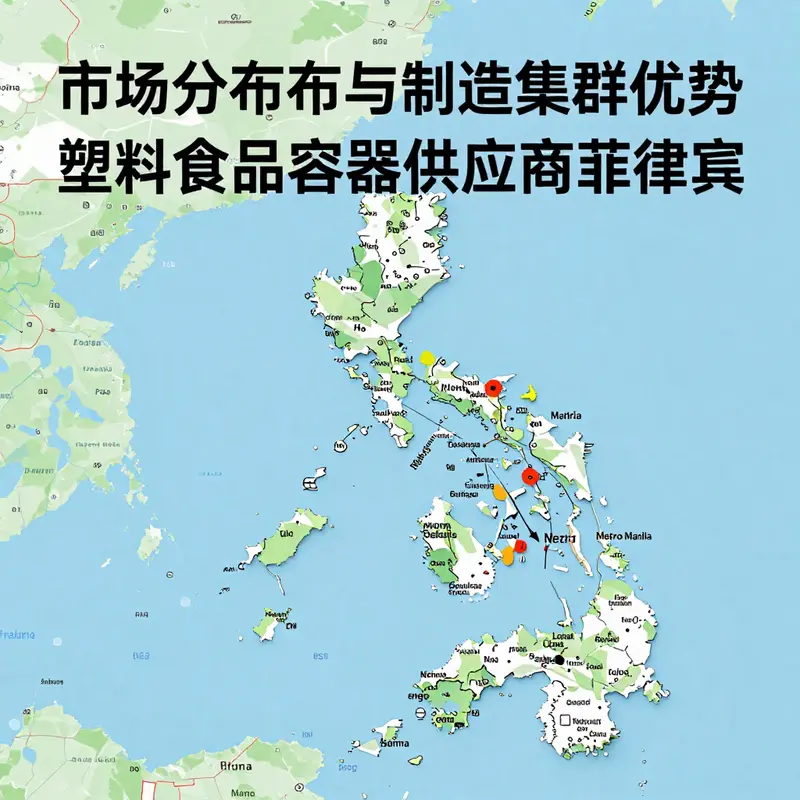
在菲律宾塑料食品容器领域,市场分布呈现区域驱动的协同演化态势。大马尼拉作为核心物流与制造枢纽,带动周边区域提升产能与交付稳定性。区域工业园区和经济特区提供完善的基础设施、稳定电力与合规体系,降低制造成本与风险。CALABARZON及周边港口区域成为区域制造集群的重要组成部分,靠近港口、具备成熟物流配套,有助于从模具制造到小批量试产再到大规模投产的平滑过渡。更广泛的区域布局还包括内陆加工园区以及南部港口城市,这些区域承担供应与分销的双重角色。区域集群的形成源自多年的供应链积累与对近市场的追求,使同一区域企业在原材料进口、再加工、包装设计、印刷与标签等方面实现深度协作,从而提升效率并降低风险。在材料、合规与采购层面,区域集群的优势体现在共享的质量管理体系与统一的采购规范上,提升合规水平与交付稳定性。对于定制化与小批量订单,近距离的供应商网络能在短时间内完成样品确认与量产对接,缩短新产品进入市场的周期。对采购方而言,区域协同还带来更高的可追溯性与更强的价格谈判力。监管与可持续性趋势正在重塑区域生产与分销模式。生物降解、回收材料标识等要求推动区域集群在废弃物管理与回收网络对接方面形成协同治理,以提升资源利用效率并满足法规要求。就出口与本地市场而言,靠近港口的区域在物流成本与认证合规方面具备双重优势,提升市场覆盖率与竞争力。综上,菲律宾的区域聚合逻辑以协同、合规与创新为驱动,塑造稳定且具有韧性的供应链生态。
Beyond Applications: How Consumer Demands and Compliance Shape the Philippine Plastic Food Container Supply Chain
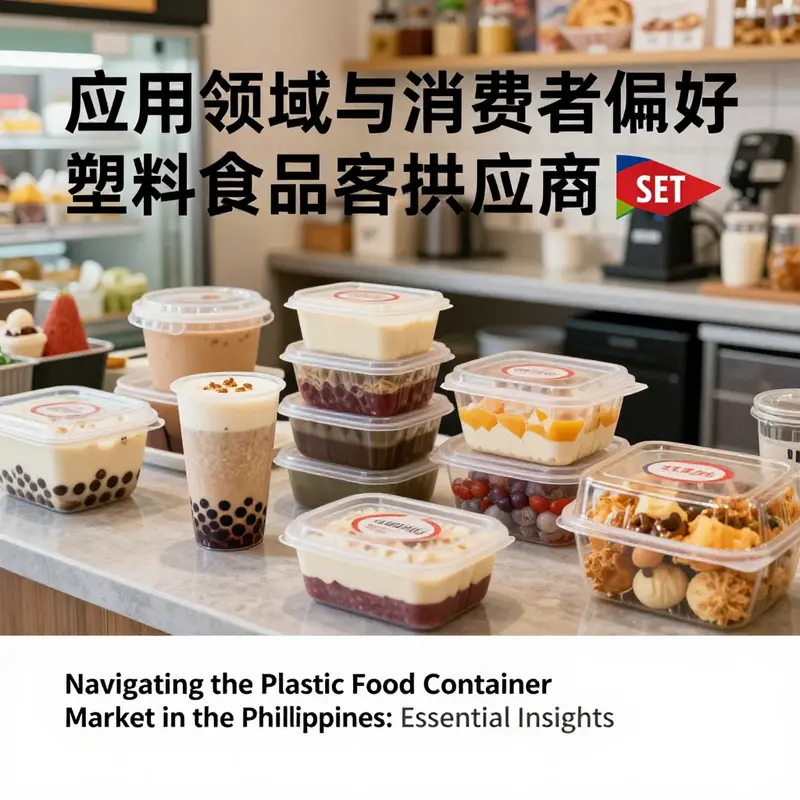
In the Philippines, the journey of a plastic food container from raw resin to kitchen shelf is more than a simple manufacturing tale. It is a narrative woven from material science, regulatory guardrails, industrial clustering, and a rapidly evolving chorus of consumer expectations. The country’s market demands a careful balance between durability, safety, and sustainability, all within a logistics framework that must cope with urban density, regional dispersion, and the fluctuations of global supply chains. The chapter that follows follows that arc without breaking it into disconnected fragments, tracing how applications in various food and retail contexts meet a changing palate for environmental responsibility and product integrity, while also anchoring decisions to regulatory realities and supplier capabilities that define a trustworthy procurement partnership.
To begin with, the core materials employed by plastic container suppliers in the Philippines reflect longstanding international standards designed to ensure safe food contact and reliable performance. Polymers such as polypropylene (PP), polyethylene (PE), and polyethylene terephthalate (PET) are favored for their combination of strength, moisture resistance, and recyclability. In practical terms, these materials translate into containers that can withstand the rigors of cold storage, shelf life extension, and repeated handling in busy kitchens and retail environments. For applications involving direct contact with beverages or edible oils, buyers often insist that the resin be BPA-free and that the final product carries certifications aligned with FDA 21 CFR or EU Regulation 10/2011. Suppliers who advertise compliance with these standards, or who clearly mark third-party certs, tend to be preferred by buyers who must satisfy both local food safety rules and export requirements. This confluence of safety, durability, and traceable quality underpins the credibility of suppliers in a market where trust is as important as price. The insistence on regulatory compliance also acts as a public signal to manufacturers that their processes are aligned with global norms, which in turn facilitates conversations with multinational clients who need consistent standards across borders.
The Philippine market sits atop a network of manufacturing clusters that provide a strategic advantage in terms of supply chain resilience and responsiveness. The Metro Manila region, with its dense industrial ecosystems and proximity to major ports, emerges as a hub for plastic packaging manufacturers. The clustering effect is practical as well as symbolic: it brings vendors near to feedstocks, downstream converters, and end-use customers. In these industrial zones, facilities often integrate advanced extrusion, molding, and quality management systems, enabling mass production alongside the flexibility to accommodate mixed or custom packaging runs. For buyers, this means faster lead times and more predictable delivery of large orders, while still allowing for smaller, brand-specific runs when necessary. The advantage is not only logistical but also relational. Local suppliers develop a sense of continuity with their buyers—sharing forecasts, adjusting to seasonal demand, and offering flexible payment terms for long-term procurement plans. The clustering effect also helps suppliers scale up or down to meet surges caused by promotions in the food service and retail sectors, a dynamic that matters greatly in a market where takeaway culture and home meal preparation coexist and feed one another.
When we turn to how these containers are used, the applications reveal a broad continuum from highly transient packaging to reusable storage solutions that echo growing environmental consciousness. The takeaway and food service sectors are the primary drivers of demand for plastic containers: disposable boxes, clamshells, and lids that can endure the rigors of delivery while maintaining food safety and minimizing leakage. The demand is particularly intense in urban centers where food delivery and curbside service rely on packaging that preserves temperature, moisture, and taste during transit. In addition to single-use options, the market accommodates durable, reusable containers designed for home storage and school or workplace lunchtimes. Consumers in urban households increasingly seek products with tight seals, clear visibility, and the ability to go from freezer to microwave to table with minimal fuss. The emphasis on user experience extends beyond functionality. Aesthetic appeal—straight, clean lines, neutral tones, and labeling that aligns with brand identity—also weighs into purchasing decisions, especially for retailers and households that value presentation alongside practicality.
A second dimension of application lies in the retail and consumer goods channels, where the so-called “tingi” culture is a salient feature. Smaller pack sizes and easy-to-dispense formats align with the preferences of sari-sari stores and neighborhood kiosks that rely on fast turnover. Packaging in these contexts must be economical, versatile, and adaptable to fill small quantities from bulk purchases. This reality pushes suppliers to offer a spectrum of size options and wall thicknesses that optimize both cost and performance. Transparent, lightweight containers with robust sealing properties are particularly relevant because they enable easy inventory management and help maintain product freshness without imposing a premium on the consumer. In this ecosystem, the packaging itself can become a value proposition—providing clear cues about freshness, portioning, and reuse potential—which in turn influences buyer decisions and consumer satisfaction.
In parallel with durability and price, consumer preferences are increasingly shaped by environmental considerations. A rising tide of environmental awareness is reshaping expectations around packaging. Consumers are more cognizant of the lifecycle of plastic products, and advocacy around waste reduction has translated into tangible policy initiatives. A landmark development in the regulatory landscape is the producer responsibility framework introduced in 2022, which aims to compel manufacturers to recover and recycle the volume of packaging they bring to the market. The implication for suppliers is clear: packaging solutions must be designed with end-of-life in mind, incorporating recyclability, ease of sorting, and compatibility with local municipal waste streams. This shift pushes the market toward materials with robust recycling value chains and away from formats that complicate recovery. For suppliers, the challenge is to demonstrate not only the safety and performance of containers but also their alignment with a circular economy model. In practice, this translates into transparent declarations about resin content, recyclability of the finished product, and, where relevant, the availability of take-back or recycling programs in collaboration with clients.
The appetite for environmentally friendlier formulations is further reinforced by the growing interest in biodegradable and compostable alternatives. In 2026, the market observed a heightened interest in materials derived from agricultural residues, such as bagasse-based formulations, that offer compostability under appropriate conditions. While these materials hold promise, their adoption hinges on clear certification pathways and compatibility with local waste management infrastructures. Suppliers face the task of communicating the conditions under which these materials can perform as expected, including strength, heat tolerance, and food safety compliance. Here, the role of standards is crucial. Certification programs that align with ASTM D6400 or ISO 14855 for biodegradability, and the assurance that such products meet relevant food-contact safety standards, help buyers differentiate genuinely sustainable options from greenwashed claims. The interplay between consumer expectations, regulatory push, and innovation in materials science creates a dynamic where procurement decisions are measured as much by environmental impact as by cost and convenience.
Within this evolving framework, the assessment of supplier capability becomes essential. Buyers increasingly look beyond price to consider a structured set of criteria that includes compliance with regulatory standards, production capacity, and reliability of delivery. An informed sourcing approach may involve validating that the supplier can provide resin sources that are BPA-free and certified for safe food contact, along with documentation demonstrating conformance to FDA 21 CFR and EU 10/2011 where applicable. Production capacity matters because the market features both steady, repeatable demand and spikes tied to contract manufacturing for food service providers or major retail campaigns. A supplier’s ability to scale while maintaining quality controls—through standardized testing, process validation, and robust QA systems—becomes a differentiating factor in long-term partnerships. Communication responsiveness and post-sale support also emerge as non-negotiable elements; buyers benefit from suppliers who can anticipate problems, propose design adjustments, and deliver on time without compromising safety or performance. In this sense, the procurement decision is less about a single box and more about a collaborative ecosystem in which the supplier contributes to the client’s brand promise—whether that promise centers on reliability, safety, sustainability, or a combination of these attributes.
Design considerations reflect both functional requirements and brand strategy. A modern plastic container is expected to be leak-proof, easy to clean, and compatible with common preservation practices such as refrigeration and microwaving where safety guidelines permit. Lids and sealing mechanisms—whether snap-on, screw-on, or vented variants—play a critical role in preserving moisture, aroma, and texture. The user experience extends to stackability, which reduces storage footprint for retailers and households alike, and to transparency, which helps consumers monitor contents without opening containers. The aesthetic dimension—shapes, edges, smooth surfaces, and the ability to print branding or nutritional information—also informs procurement choices, because packaging can function as a quiet salesperson at shelf level or during the end-user’s first interaction with a product. For manufacturers and brand owners, this means coordinating packaging design with product specifications, labeling regulations, and consumer expectations in ways that preserve functionality while enhancing market visibility.
In terms of procurement strategy, buyers are increasingly encouraged to adopt a holistic, long-term view. Rather than a single, lowest-price transaction, strategic sourcing emphasizes compliance, manufacturing competence, and a track record of reliable performance. This approach includes evaluating whether a supplier’s capabilities align with the client’s product mix, seasonal demand cycles, and distribution network. A well-structured supplier relationship often features pre-negotiated terms that address lead times, safety stock, and contingency plans for supply disruptions. Buyers may also benefit from working with suppliers who can offer co-development opportunities—adjusting resin blends, wall thicknesses, or lid designs to optimize performance and cost in line with evolving consumer expectations and regulatory requirements. The integration of such collaboration supports not only continuous improvement in product safety and functionality but also resilience in the face of global supply fluctuations, which have proven to be a recurring challenge for packaging suppliers worldwide.
From a practical perspective, one useful way to explore packaging options is to look for a catalog that emphasizes compatibility with a broad range of resin types and product applications while clearly marking certifications and testing results. A catalog that foregrounds compatibility with common waste streams and recycling streams—without compromising on product safety—can help buyers quickly identify options that fit their sustainability goals. In addition, a well-managed supplier network will provide transparent documentation on the end-to-end lifecycle of the packaging, from the resin supplier’s quality certificates to the finished product’s safety testing, and finally to the material’s recyclability in local programs. In this sense, the procurement journey mirrors the broader market shift toward responsible consumption: it is about ensuring that each packaging choice supports safety, convenience, and environmental stewardship without sacrificing efficiency or performance. For buyers navigating this terrain, an emphasis on traceability, pre-qualification of suppliers, and regular performance reviews helps sustain a healthy supply chain that serves the needs of both large-scale food service operators and smaller retail corners.
To connect the threads between application, consumer preference, and supplier capability, it helps to recognize how a single packaging decision can ripple through a buyer’s operations. A container chosen for a major urban market can affect storage space, warehouse throughput, labeling workflows, and even the consumer’s perception of brand value at the point of use. The same container, when selected with an eye toward recyclability and end-of-life management, reduces environmental risk and aligns with policy expectations that producers take responsibility for their packaging after it has left the shelf. This holistic lens—seeing packaging as a conduit for safety, efficiency, brand integrity, and sustainability—frames how procurement teams in the Philippines are increasingly engaging suppliers. They seek partners who can speak the language of compliance, production scale, and environmental responsibility while delivering consistent, on-time performance.
For readers looking to deepen their understanding of the packaging ecosystem, one practical step is to explore the breadth of options within the packaging category that aligns with the local market. The term Plastic Packaging refers to a broad family of containers, closures, and related products suited to a wide variety of food formats and service models. By delving into this category—where compatibility with food safety standards, lifecycle considerations, and functional design converge—buyers can identify solutions that harmonize with both current and future requirements. This approach enables procurement teams to build portfolios that are not only cost-effective and compliant but also adaptable to evolving consumer expectations around convenience and sustainability. Plastic Packaging serves as a gateway to understand the scope of options available and the kinds of criteria that drive supplier selection in the Philippine market.
In closing, the Philippine plastic food container landscape is increasingly defined by three interlocking forces: safety and compliance, which anchor trust and enable cross-border business; operational capability, which ensures delivery and scale in a dense urban economy; and sustainability, which channels consumer demand and regulatory momentum toward recyclable and biodegradable solutions. Suppliers who integrate these dimensions into their product development, quality assurance, and customer engagement position themselves not merely as vendors but as partners in a shared mission: to provide packaging that protects food, supports efficient operations, and respects the planetary boundaries within which modern commerce must operate. The market’s appetite for high-quality, compliant, and responsibly produced containers is likely to continue expanding as manufacturers and buyers navigate the shifting terrain of regulations, waste management expectations, and consumer preferences that increasingly favor packaging designed for reuse, recycling, and responsible disposal. As this progression unfolds, readers and buyers in the Philippines can look to a supplier ecosystem that demonstrates consistent capability, transparent standards, and the willingness to collaborate on innovative, sustainable solutions that meet today’s needs and tomorrow’s challenges. External context and ongoing research suggest that strategic sourcing in this sector will increasingly hinge on the ability to validate certifications, assess production capacity, and foster long-term relationships that drive stability in an otherwise dynamic global supply chain. For a broader dive into how these dynamics play out in the Philippine market, refer to external industry analyses that trace the trajectory of plastic food packaging and its role within the country’s evolving logistics and sustainability frameworks: https://www.supplychaindigest.com/philippines-food-packaging-guide/
null
null
Final thoughts
In summary, understanding the landscape of plastic food container suppliers in the Philippines is vital for businesses in the food service industry. From ensuring that products meet safety standards to leveraging the strengths of local manufacturing clusters, the right supplier can make a significant difference. By considering consumer preferences and implementing careful supplier selection processes, businesses can secure high-quality packaging solutions that align with their operational needs.