

In the culinary world, maintaining the freshness and organization of ingredients is crucial, especially for beverage chains, food trucks, and large restaurants. Enter the 12.6c Tall Rectangle Plastic Food Storage Container by Brightroom. These sleek, transparent containers not only maximize your storage efficiency but also help maintain the crispness and flavor of your stored items. Throughout this article, we will explore various facets of this storage solution including its design features, practical applications, purchasing options, and how it stands against competitors, all curated for the convenience of food service professionals.
Elevating Pantry Order: A Close Look at the 12.6-Cup Tall Rectangle Storage Solution for Clear-Sighted Organization

In kitchens that prize flow and predictability, a single, well-designed storage container can act as a quiet catalyst for better habits. The tall rectangle, with a generous capacity of 12.6 cups, is more than a simple vessel; it is a small architecture for the pantry. Its proportions—approximately 7.88 inches in height, 8 inches in width, and 4 inches in depth—are not arbitrary. They respond to the constraints of standard cabinetry and shelf spacing, while still offering enough surface area to accommodate a steady stream of dry staples without creating a cramped stacking system. The idea behind this shape and size is straightforward: maximize vertical space without sacrificing the ease of access. When a pantry relies on a stack of uniform forms, the eye reads order rather than clutter. The result is not merely tidiness but a workflow: a quick glance tells you what you have, what you use most often, and what needs replenishment soon.
The container’s body, made from transparent plastic, is a practical reminder that visibility is as important as seal. In a kitchen where decisions are made in a rush, being able to identify contents at a glance saves time and reduces waste. You do not have to move bags or open multiple containers to determine if you have enough rice for tonight’s dinner or whether the cereal supply is running low. This clarity is not just about convenience; it also supports mindful shopping. When shelves reveal their contents clearly, you can compare what you already own with what you intend to buy, aligning purchases with actual consumption rather than with impulsive grabbing. The transparency becomes a silent prompt to rotate stock, to keep flavors vibrant, and to avoid letting stale items drift into the back of a cabinet where they are easily forgotten. The material’s durability matters in everyday use: a container that resists cracking or warping under routine handling helps maintain a steady seal and a constant visual cue for what’s inside. The white lid, clean and restrained in its color, interacts with the clear body in a way that keeps the overall line of the pantry calm. The lid’s seal is designed to protect contents from moisture and the intrusions of pantry pests, factors that can subtly undermine flavor, texture, and freshness over time. A reliable seal is not flashy; it is the hinge of a dependable storage routine. It minimizes air exchange without fuss, preserving the integrity of grains, pasta, and flours so that kitchen routines—the chopping, the simmering, the baking—start from a place of consistency rather than improvisation.
The design also speaks to the practicalities of real-life kitchens. Stackability is not an ornament; it is a functional answer to the perennial problem of cabinet depth and shelf height. When containers nest neatly in a vertical column, you do not waste precious horizontal space on awkward gaps or overhangs. Instead, you build a modular rhythm on the shelf: a line of uniform silhouettes that can be extended as needs grow or reconfigured as the pantry changes with the seasons. This approach supports a pantry philosophy that treats storage as a flexible system rather than a static set of boxes. The tall rectangle container invites a disciplined habit: group all dry staples by category but keep them within the same family of shapes so that the cabinet feels cohesive even as individual items are rotated. It is a subtle design choice that makes the overall storage area feel less like a curated museum of groceries and more like a working landscape where meals begin with clarity, speed, and intention.
In practice, the 12.6-cup container lends itself to a wide range of dry goods. Cereal, rice, pasta, and legumes all find a home here, but the same form can accommodate granola mixes, baking ingredients, or trail snacks that families reach for during busy mornings. Its capacity is generous enough to reduce the frequency of refills while still being compact enough to stay accessible on most pantry shelves. The combination of capacity and footprint means you can maintain a readable inventory without having to climb a ladder to reach the items at the back of a tall cabinet. The experience is about control without rigidity: you retain flexibility to rearrange with other containers as needs shift, seasons change, or new staples enter the household routine. A well-managed set creates a predictable visual rhythm so that the act of cooking begins with a sense of preparation rather than rummaging.
There is a quiet philosophy embedded in a container like this. It treats storage not as a passive repository but as a catalyst for better cooking habits. Knowing precisely what you have in the pantry reduces the impulse to overbuy and helps you plan meals with confidence. The clear body makes it easy to notice when a staple is running low, which in turn supports timely restocking and reduces the risk of last-minute trips to the store. The lid, by protecting contents from humidity and pests, adds another layer of reliability to daily routines. Freshness is not a luxury in a busy household; it is a baseline expectation, and a robust seal makes that possible without requiring extra steps or tools.
Beyond the practical and sensory benefits, this container participates in a broader design conversation about home organization. It embodies a philosophy that prioritizes simplicity, predictability, and harmony in the kitchen. Its form is not ostentatious, but it is disciplined: straight edges, clean surfaces, and a neutral color palette that can blend with a wide range of decors. This restraint invites users to think of storage as a supportive backdrop to cooking and meal planning rather than as a distraction. When you arrange several units in a row, the visual uniformity becomes a cue for routine: a quiet invitation to inventory, rotate, and refresh with intention. In the longer arc of home organization, such containers act as the scaffolding for healthier habits—habits that make it easier to prepare nourishing meals, to reduce waste, and to approach groceries with a clear, forward-looking plan.
A system built around tall, rectangular containers also rewards adaptability. The same form that accommodates a steady stock of dry goods can be repurposed for other pantry zones or even for non-food storage in a pinch. When a household needs to organize crafts, small hardware, or travel-sized essentials, the logic of transparency, lid-sealed freshness, and stackable geometry offers a transferable rule set. The container becomes less about a single destination and more about a modular language for space. The simplicity of the design encourages people to curate rather than clutter, to compare and categorize rather than to pile things up indiscriminately. This is the essence of an accessible, humane approach to home storage: a tool that lowers the cognitive load involved in meal planning and daily organization.
In thinking about future refinements or related choices, the underlying principles here remain the same. Favor clear visibility to support quick checks and informed shopping. Emphasize a secure seal to preserve freshness and protect against environmental fluctuations. Opt for a stackable geometry that honors vertical space even in smaller kitchens. And nurture a sense of coherence by aligning storage shapes to build a calm, unified pantry landscape. If you are assembling a collection of containers, this tall rectangle unit can serve as a reliable anchor, providing a steady baseline from which to grow with other sizes and configurations. The hands-on experience of using it—seeing contents at a glance, popping on a lid with a reassuring click, and sliding the container into a neat stack—becomes part of a larger ritual that sustains organization over time rather than merely solving a temporary clutter problem.
For readers curious about expanding their options within a broader storage lineup, consider exploring the related storage category that houses a wide range of containers and organizational tools. This chapter’s practical emphasis on visibility, stability, and seal quality positions it as a reference point for evaluating other pieces in the same family, ensuring that additions to the pantry maintain a cohesive look and a predictable performance. To learn more about related options, you can visit the broader storage containers category here: https://cupbowlpack.com/product-category/storage-containers/. The chapter’s focus remains on how a single, thoughtful choice can influence daily routines without demanding sweeping changes to kitchen habits. Each decision, small as it may seem, contributes to a more intentional approach to cooking, shopping, and keeping the home organized.
External resource: official product page. For readers seeking an external reference to understand how similar containers are positioned in the market and to compare practical details like capacity and lid design, you can view the official product page here: https://www.target.com/p/12-6c-tall-rectangle-plastic-food-storage-container-brightroom/-/A-12345678
Vertical Clarity in the Pantry: The Design Behind a Tall Rectangular Plastic Storage Container

In the kitchen, vertical space is a quiet frontier. A tall, rectangular plastic storage container makes a small but meaningful claim on the shelf: the ability to transform chaos into orderly rhythm without sacrificing accessibility. The shape itself matters. A tall rectangle fits beside a row of similarly shaped bins and stacks neatly above or beside others, turning a once uncluttered corner into a calm skyline of food, each module acting like a precise block in a larger pantry puzzle. The particular solution described here is defined by three core ideas: visibility, seal, and stackability. Together they describe how a simple two-pack of containers can influence daily routines, shopping habits, and even the pace of meal preparation. The form is uncompromisingly practical. It is not a gadget, but a storage system engineered to cooperate with real kitchens, where space is finite and time is always in short supply. The container is made from clear plastic, so what sits inside is visible at a glance. No lid removal or lid lifting sequence is required to judge whether the cereal is low or the rice jar is almost empty. That transparency reduces the micro-frictions of cooking and planning, speeding up grocery checks and eliminating unnecessary trips to the pantry. It also minimizes food waste by making inventory obvious. When you can see food through a clear wall, you are less likely to forget that you bought an extra bag of beans or a new bag of oats. This visibility extends beyond the contents to the overall organization of the space itself. The containers are designed to be part of a modular family in a pantry or kitchen cabinet. Their tall, rectangular silhouette plays nicely with others that follow similar proportions, allowing you to assemble rows and towers that stay stable when doors close or when the kitchen is in use. The dimensions, typically around eight inches in height, eight inches in length, and four inches in depth, give a sense of proportion that makes stacking predictable. A grid of such containers can convert a cluttered shelf into a clean, legible system, much like a row of evenly spaced books on a shelf. A well-thought-out container makes this possible without requiring elaborate labeling schemes or expensive shelving upgrades. Yet the most visible feature—its clarity—speaks to a deeper principle: the value of user-friendly design that reduces the cognitive load required to find, retrieve, and replace staples. The lid, often white or a neutral shade, complements the transparent body with a simple, accessible seal. A secure, airtight closure matters as much as the lid’s appearance. It is not only about freshness but about preventing cross-contamination between foods, a concern that grows as kitchens become more organized and more efficient. The lid design is typically a snap-on or gasket-sealed type, chosen to minimize the number of steps needed to secure the container. It should feel confident when closed, with a small tactile click or a subtle resistance that communicates that the seal is secure. This kind of assurance matters in busy households where a quick lunchbox, a bulk-cooked week of meals, or a batch of dry ingredients must be stored reliably. The sealing mechanism also contributes to peace of mind during storage in the refrigerator or freezer, where temperature fluctuations can lead to awkward lid fits or condensation. A good seal helps preserve the food’s freshness and reduces the risk of mold or off-flavors, even after a few days in the cold. The argument for a sturdy seal is not abstract. It translates into fewer spills during transport, fewer odors escaping the pantry, and better containment when cabinets are opened and closed in a hurry. The construction of the container often emphasizes durability alongside hygiene. The material—food-grade plastic designed to be clear and hard-wearing—should minimize staining and scratching while resisting discoloration from common pantry staples like turmeric, paprika, or tomato sauce. Yet no material version is entirely immune to wear. Over time, repeated use can lead to fine scratches that trap tiny food particles, making the container look worn or dull. Odor absorption is another practical pitfall of plastic storage. Strongly pigmented foods or aromatic spices can leave faint residues even after washing. Regular cleaning, plus thoughtful drying and occasional deodorizing steps, can preserve the container’s clarity and extend its useful life. In daily practice, these containers shine when used for dry goods and leftovers that benefit from a predictable, repeatable storage cycle. Cereal, rice, pasta, beans, or bulk grains slide into the roomy interior without fuss. Because the walls are clear, a quick glance offers a sense of intake and consumption rate, helping with meal planning and shopping lists. The rectangular footprint answers real needs in constrained spaces, where every inch of shelf real estate matters. It’s a tall shape means less horizontal footprint, allowing multiple layers without crowding, which is especially helpful in shallow cabinets and on narrow pantry shelves. Their size, paired with a thoughtful lid and a secure seal, keeps contents safer from humidity and pests than looser storage options. The square corners and straight sides also make cleaning easier, limiting crevices where crumbs can hide. Speaking of cleaning, care instructions often emphasize dishwasher compatibility, within reason for certain plastic grades. Hand-washing can extend the life of a container that sees daily use, while a dishwasher cycle may be convenient for a quick sanitize. The key is to know the limits of the material and to avoid excessive heat exposure that can warp the plastic. Storage containers like these encourage a habit of routine that extends beyond the kitchen counter. They invite a systematic approach to how food is purchased, stored, and retrieved. For many households, that means integrating these units into a broader organization strategy that includes labeling and periodic inventory checks. A simple label or a small sticker can provide a quick cue about contents, purchase date, and suggested shelf life. The goal is not to create a new obsession with labeling, but to reduce decision fatigue in a space that is already demanding. The interaction between form and function becomes most evident when you pair these tall containers with complementary storage pieces. When arranged in a row, they offer a readable landscape of staples. If you stack them, you must ensure that the top containers do not become unstable; a shared, flat base and aligned lids prevent tipping. The modular nature of this approach means you can scale your system as needs grow, adding more units without a complete reorganization. This is where the concept of a pantry as a living system comes into play. A single two-pack can anchor a small, daily-use zone, while a larger set can define a longer-term inventory strategy. For households that play with meal-prep routines or batch cooking, having a predictable, transparent storage solution means less time spent searching for ingredients and more time cooking. The design philosophy behind these containers is not about flash or novelty; it is about reducing friction and creating a sense of order that is sustainable over time. The practical benefits ripple into budgeting and shopping habits as well. When you know exactly how much of a dry good you have, you can more accurately plan purchases and avoid overstock. That, in turn, reduces waste and helps families make smarter, more intentional choices in their weekly menus. For readers considering how to tune their own kitchens to be more efficient, a single step toward clarity can yield noticeable returns. Start with a pair of tall, clear containers for a category that tends to dominate pantry space—say cereals or grains—and watch how the rest of the space falls into place. The containers you choose should be easy to open and close, easy to clean, and able to sit side by side with little wasted space around them. If you’re building a broader system, consider how labels, lids, and color-coding can support quick recognition. A small investment in organization pays back in daily convenience and long-term food safety. A pantry organized with tall, transparent containers can reduce the mental energy spent hunting for ingredients, which often leads to less impulse buying and better adherence to planned meals. The total effect becomes a small but meaningful contribution to a healthier household economy. If the goal is longevity, consider how the containers will be used over years. Choose designs known for long-term resilience, avoid overly heavy lids that strain openings, and clean promptly to prevent staining or odor retention. These steps are small, but taken together, they ensure that the containers continue to serve daily life without becoming a maintenance burden. The broader lesson is that a thoughtful container is a partner in routine, not a decoration on a shelf. It is about living with fewer, better-organized parts that you interact with every day. And when you approach pantry organization with patience and curiosity, you may find that this is less about a single purchase and more about cultivating a practical habit. To explore related tools for home storage and organization, see the storage containers category linked above. External resource: https://www.target.com/p/brightroom-12-6c-tall-rectangle-plastic-food-storage-container/-/A-79507368
Vertical Clarity, Maximum Space: How Tall Rectangle Plastic Storage Transforms Everyday Kitchen Organization
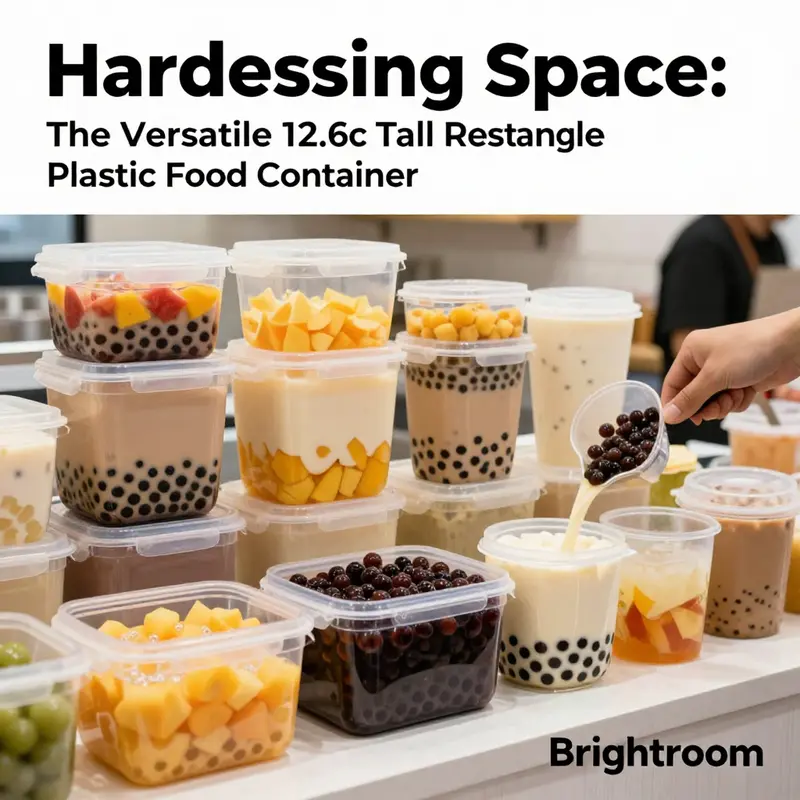
In kitchens of every size, from cramped studio apartments to bustling family homes, the way we store food shapes the way we cook, eat, and waste less. A tall, rectangular plastic container with a clear body and a simple lid embodies a quiet philosophy of organization: maximize the potential of vertical space, make contents legible at a glance, and keep everything you need within easy reach. The design is practical yet refined. It uses the height of a shelf or a refrigerator door to create a storage profile that feels almost architectural. When you slide a set of these containers onto a shelf, you’re not just stacking items you’re stacking intention—an approach that turns clutter into a system and time saved into real value. The containers in question are measured at 8 inches by 4 inches by 8 inches, a form that finds a natural home on standard pantry shelves, refrigerator shelves, or dorm-room cupboards. Their tall silhouette is not an accident of aesthetics; it is a deliberate choice to exploit every square inch of available storage without sacrificing accessibility. The body is transparent, turning the contents into an instantly recognizable map of your kitchen needs. It’s the difference between opening a lid and peering through a foggy veil and simply glancing at a crystal-clear wall of organization where the grains of rice, the oats, or the pasta you reach for most often are immediately visible. In this way, the container becomes a tool for reducing waste as much as for saving space. When you can see what you have and what you’ve used, you’re less likely to forget about a bag of rice tucked behind a can of beans or a jar of pasta tucked toward the back of a shelf. In short, the transparent wall is a small but mighty ally in a broader effort to manage food supply with clarity rather than guesswork. While the container’s appearance is accentuated by its clean lines and bright simplicity, its practical value rests on a few core design decisions that work together to simplify daily routines. The lid, for instance, is not merely an aesthetic companion; it is designed to work with consistency across a small family of containers so that the same seal, the same latch rhythm, and the same snap points can be relied upon without hunting for the right cap in a crowded drawer. In kitchens where every second counts during morning routines or meal prep sessions, that consistency matters. The lid’s fit is purposeful, helping to maintain freshness for leftovers, dry goods, and bulk ingredients alike. In this way, the container supports both the calm of routine and the pressure of a busy week, allowing cooks to move from fridge to stove to plate with minimal friction. The material choice—BPA-free plastic—addresses a fundamental concern: health and safety. BPA-free plastics minimize the potential for chemical leaching, which is especially important when plastics touch a wide range of foods, including acidic items such as tomatoes or citrus. This is a reminder that better storage is not merely about keeping foods from drying out or becoming stale; it is about selecting materials that respect the body that will consume those foods. And because the container is clear, there is another practical advantage that often deserves emphasis in the home kitchen: the ability to inventory without constant handling. You need not open each container to identify its contents. A quick glance provides a visual inventory, a feature that becomes increasingly valuable when shopping or planning meals for the week. The combination of visibility and a sealable lid also supports a straightforward approach to leftovers. When a batch of cooked grains or a portion of soup is stored, you can stack the container with others of similar size, creating a tidy, predictable row in the refrigerator. The vertical design matters here as well. In fridges, where rows of containers must compete for shelf space, every inch counts. A tall rectangle that preserves height while staying shallow enough to slide in and out smoothly helps keep door shelves organized and free from the chaos of deep, irregular containers. In pantries or cabinets, the same logic applies. Stackability reduces the footprint of dry goods, letting you line up four or five containers in a row and still reserve space for measuring cups, spice jars, and other essentials. This is especially valuable in smaller kitchens or shared living environments, where every inch of real estate matters. The practical uses span a broad spectrum. Leftovers that would otherwise be forgotten can be relocated from a shallow dish to a tall container that stands upright and preserves what’s inside with minimal exposure to air. Bulk ingredients—rice, quinoa, oats, or lentils—benefit from clear visibility because it’s easier to monitor freshness and quantity. Snacks and trail foods can be portioned into uniform containers, making grab-and-go decisions at lunch counters, cafeterias, or dorm rooms both easy and consistent. For meal-prep devotees, the ability to portion out a week’s worth of grains, roasted vegetables, or starches into clearly labeled, uniform containers streamlines the process, helping reduce time spent thinking about what to cook as much as time spent cooking itself. The two-pack option—though simple in construct—offers another layer of practicality. Having a matched pair allows for rotation in use: one container is used while the other is cleaned, swapped, and filled anew, maintaining an uninterrupted cycle that keeps counters clear and systems intact. The simplicity of the design invites a broader consideration of how to integrate these containers into a cohesive storage philosophy. It’s less about chasing novelty and more about building reliability. When you standardize on single dimensions across multiple containers, you become fluent in a language of organization. You know, almost intuitively, what fits where, which items store best at the back of a pantry, and how to arrange contents by frequency of use. The rule of thumb is straightforward: prioritize cold or room-temperature storage for these containers. They are not designed for high-heat reheating or bake-in use, and avoiding exposure to high temperatures preserves both the integrity of the plastic and the flavor of the food inside. This aligns with a broader practice of thoughtful storage that respects the limits of the material while maximizing the benefits of its design. It also speaks to an environmental reality that weighs on many households today. Plastic storage solutions offer convenience, but they also raise questions about sustainability when looked at in isolation. The real measure comes from how they are used. If kept clean and dry, and if they are used to replace less efficient single-use packaging, the long-term impact can be mitigated. If you mix these containers with glass or metal for certain applications, you can expand your options for reheating, freezing, and serving, while preserving the clear, space-saving advantages of tall rectangular plastic storage for items that do not require heat or direct contact with a microwave. This is not to say plastic is the perfect choice in all cases. It is to acknowledge that a measured approach—matching usage to material strength and to the specific food item—produces the best results. Care and maintenance play a subtle but essential role in this. Cleaning should be thorough yet gentle. Avoid abrasive scrubbing that can scratch the surface or dull the clarity of the walls. When odors or stains become a concern—think aromatic spices, curry powders, or strong cheeses—consider a neutralizing wash that helps restore the surface’s clean, transparent appearance. While plastics can hold odor, prompt cleaning after use reduces the likelihood that flavors linger and transfer to future contents. Labeling is a small ritual that pays off over time. A simple tap of a marker or a dedicated label helps you quickly identify contents and dates, reinforcing a routine that minimizes waste. The goal is not perfection in every kitchen, but a steady, predictable system that makes getting meals on the table easier, faster, and more enjoyable. For readers who want to see how these containers fit into a broader ecosystem of home storage, there is a wider landscape of options that share a common objective: efficient, durable, and safe storage solutions that respect space and time. If you’re building a cohesive system of storage containers, you can explore the storage containers category to discover related options that complement the tall rectangle design. storage containers. Of course, every space is unique, so consider the layout of your kitchen, the size of your shelves, and how often you access your stored items when integrating these containers. A well-chosen set becomes less about aesthetics and more about habit: a habit of looking, not guessing; of stacking, not crowding; of planning, not scrambling. In this sense, the tall rectangle container becomes more than a container. It becomes a quiet companion in daily routines, shaping how you think about food storage, how you approach meal planning, and how you respond when the week’s groceries arrive or when the last crumb of pasta disappears from sight. The real fruition of this design lies in its adaptability. It does not demand a dramatic overhaul of your kitchen. Instead, it supports a gradual, practical shift toward better organization. You can start with a couple of containers and observe how your workflow changes: fewer trips to the pantry, less time spent searching for ingredients, less forgotten food at the back of a shelf, and a cleaner, calmer space that makes cooking a more satisfying act rather than a hurried chore. In that sense, the tall rectangle container does not simply store food; it shapes behavior. It invites you to plan ahead, to group similar items, and to reclaim shelf and fridge real estate for what matters most—fresh ingredients that inspire meals. It reminds us that form and function can align in everyday objects, creating small efficiencies that accumulate into meaningful improvements in how we live and eat. External reference: https://www.target.com/p/brightroom-12-6c-tall-rectangle-plastic-food-storage-container/-/A-79507368
Chasing Availability: Navigating Retail Paths for the Tall Rectangle Plastic Food Storage Container

A practical pantry makeover often begins with a single tool, a tall rectangle plastic storage container designed to house dry goods with a clear, unobstructed view and a lid that promises freshness. Yet when that exact shape and size appears to be scarce or hard to pin down across retailers, the search evolves from a straightforward purchase into a careful assessment of availability, alternatives, and purchasing paths. The tall rectangle packaging you envision—two clear units that stack neatly, each measured at roughly eight inches in length by four inches in width and eight inches in height, with a white lid that seals in aromas and maintains crispness—becomes more than a product specification. It becomes a case study in how modern shoppers navigate distribution networks, stock schedules, and the online-to-offline handoffs that determine what ends up on a kitchen shelf. In this sense, availability isn’t merely a matter of clicking a price; it’s about understanding how inventory flows through different retailers, how restocking rhythms align with consumer demand, and how the right purchasing options can transform a potential bottleneck into a smooth, reliable routine.
The landscape for this particular shape is, in practice, a mosaic of similar silhouettes rather than a single, universally cataloged item. When you search for a tall rectangle container with two units and a simple, airtight lid, you encounter a spectrum of contenders: transparent bodies; stackable layouts; lids in neutral tones; and a variety of dimensions that approximate eight inches by four inches by eight inches. What emerges from the results is instructive. Some listings emphasize durability with thicker walls, others highlight containment with hermetic seals, and still others underscore pantry-friendly compatibility with standard shelf heights. The result is that the precise model you had in mind may not be a present, real-time stock item at a given retailer, even if a family of similar products is readily available. The absence of one exact SKU does not mean the end of the search; it signals a shift in strategy—being prepared to compare, contrast, and adapt while preserving the core function you require: a clear, stackable, easy-to-store solution for dry goods that keeps contents fresh and visible at a glance.
Of course, a consumer looking for a dedicated two-pack rectangle container with a two-piece lid often encounters a tension between specificity and practicality. Retail platforms frequently de-emphasize exact configurations in favor of broader categories, such as “clear rectangular containers,” “stackable storage,” or “lidded pantry organizers.” That means you must broaden your terms, think in layers rather than in a single model, and assess how close a substitute comes to your needs. The key attributes to weigh include material safety and clarity, the seal quality of the lid, the footprint on the shelf, and how the containers pair with existing kitchen systems. If the desired model is elusive, you can still achieve the same outcome by selecting containers with the following compatible features: a transparent body so contents are instantly identifiable, a shallow yet tall profile to maximize vertical space, a secure, airtight lid to preserve aroma and dryness, and compatible dimensions that sit comfortably on pantry shelves or in a cabinet with modest depth. In practice, the search becomes a balancing act—prioritizing the elements that matter most to your routine and accepting close facsimiles when the exact item is out of stock.
Another layer in this availability puzzle is the role of major retailers and their inventory management practices. Some outlets stock a wide range of rectangular storage in a steady rotation, while others carry fewer SKUs of the exact tall-yet-narrow form you want. Seasonal promotions, bulk-pack offers, or limited-time assortments can also skew what appears as available in a given week. For a shopper organizing a pantry with an eye toward efficiency, it is helpful to be mindful of restock cycles, which often align with weekends or mid-month cycles when warehouse replenishments occur. Having a plan that accounts for these cycles—checking product pages midweek, signing up for stock alerts, and considering a back-up option if a preferred size is briefly unavailable—transforms a potentially frustrating moment of scarcity into a controlled, predictable routine. The practical takeaway is that availability often rewards adaptability: a flexible search mindset, a willingness to examine near-identical alternatives, and a readiness to act quickly when a listing changes from “out of stock” to “in stock.”
In this context, the purchasing options that accompany availability become part of the decision- making rather than a separate step. If you prioritize home delivery, you may find that some retailers offer rapid dispatch, which is appealing for immediate pantry projects or a kitchen refresh with minimal disruption. Others prioritize curbside pickup or in-store collection, which can save on shipping costs and make exchange or return processes simpler if the chosen container doesn’t suit your needs after all. The choice between shipping and pickup is rarely only about speed; it also touches on how you intend to handle returns, inspect the product before taking it home, and ensure that lids are intact and seals functional. For a consumer who values reliability and predictability, the recommendation is to evaluate both the delivery promise and the return policy, balancing convenience with confidence in the product’s integrity.
The decision rubric also extends to price and value. When an exact model is available, price is the natural guide; when it is not, the comparison becomes a study in value: what you gain by choosing a near-identical option, how the slightly different dimensions impact pantry space, and whether the lid design remains compatible with other containers you own. It is not uncommon to encounter price variation driven by material thickness, transparency level, or the presence of a durable locking mechanism. Shoppers should consider whether a higher upfront price translates into longer-lasting clarity, a tighter seal, or easier stackability, all of which reduce the need for replacement purchases in the near term. In practice, comparing price across similar shapes helps you determine whether an option is a short-term convenience or a long-term pantry staple. And if you’re trying to maximize a budget, bundles or multipacks can sometimes yield a lower per-container cost, especially when combined with a dependable return or warranty policy.
The internal logic of choosing purely on function—visibility, stackability, and airtight storage—often leads to an important directory decision: where to browse. A practical approach is to explore the breadth of the broader category of storage containers, which houses a spectrum of shapes, sizes, and configurations designed for pantry organization and kitchen efficiency. Within this catalog, you may discover several rectangular options that align closely with the dimensions you want, and some may even offer improved lid mechanisms or clearer bodies that enhance readability. If you’re prepared to consider alternates, you will likely find a set that matches or surpasses your needs in terms of space utilization and ease of access. To help you navigate to related options without losing sight of your core objective, you can explore a curated collection of storage containers that emphasizes versatile shapes and dependable performance. For a convenient entry point into this broader landscape, you can visit the storage containers category here: storage containers.
While you search, it’s useful to acknowledge that the exact model may be elusive on a given day, but the category remains vibrant and diverse. The pantry you’re assembling benefits from a flexible mindset: you can select a near match now and plan to upgrade later when the precise item cycles back into stock, or you can invest in a slightly different size that slots more gracefully onto existing shelves and still delivers the essential benefits—clear visibility, secure sealing, and a stackable footprint. The broader lesson is that availability is a dynamic negotiation between supply and consumer intent. It rewards patience and a strategic tolerance for alternatives, especially when the goal is a uniform pantry aesthetic that makes everyday cooking and storage more intuitive.
In the spirit of practical procurement, it is also worth noting how buyers may navigate the ethics and sustainability considerations that often accompany storage products. Clear containers with tight-fitting lids typically excel at preserving contents and preventing pantry pests, which in turn supports a longer shelf life for dry goods. Choosing a container that is easy to clean, resistant to staining, and capable of stacking without wobble reduces wear and tear, extends the product’s usable life, and lowers the frequency with which replacements are needed. Consider, too, the long-term cost of lids and seals. A set that includes spare lids or components is a small but meaningful advantage because it shortens downtime if a gasket or snap fails. These practical factors influence not only cost but also the convenience and reliability of your kitchen organization system over time.
To summarize, the pursuit of availability for the tall rectangle plastic food storage container—an item valued for its clarity, stackability, and dependable lid—often requires moving beyond a single SKU and embracing a broader catalog of similar shapes. The shopping path becomes a blend of monitoring stock across major retailers, evaluating near equivalents for fit and function, and choosing flexible purchasing options that align with your schedule and budget. The process rewards persistence and discernment: you gain the confidence that when a preferred model is in stock, you can act decisively; and when it isn’t, you already know which near-match will serve you just as well as a temporary stand-in until the exact item returns. As you continue this journey, the next steps naturally lead you toward exploring the wider ecosystem of kitchen storage solutions, where a thoughtful combination of containers can harmonize with the rhythms of daily cooking, meal prep, and pantry maintenance.
For further exploration of related storage options and to see how other containers in this category are presented, you can dive into the broader collection of storage containers here: storage containers. If you want to broaden your search beyond one retailer and gain a practical sense of live availability across popular online marketplaces, you can consult a general external resource that showcases a wide array of home storage products: https://www.amazon.com.
Why a Tall Rectangle Container Wins for Pantry Order and Visibility
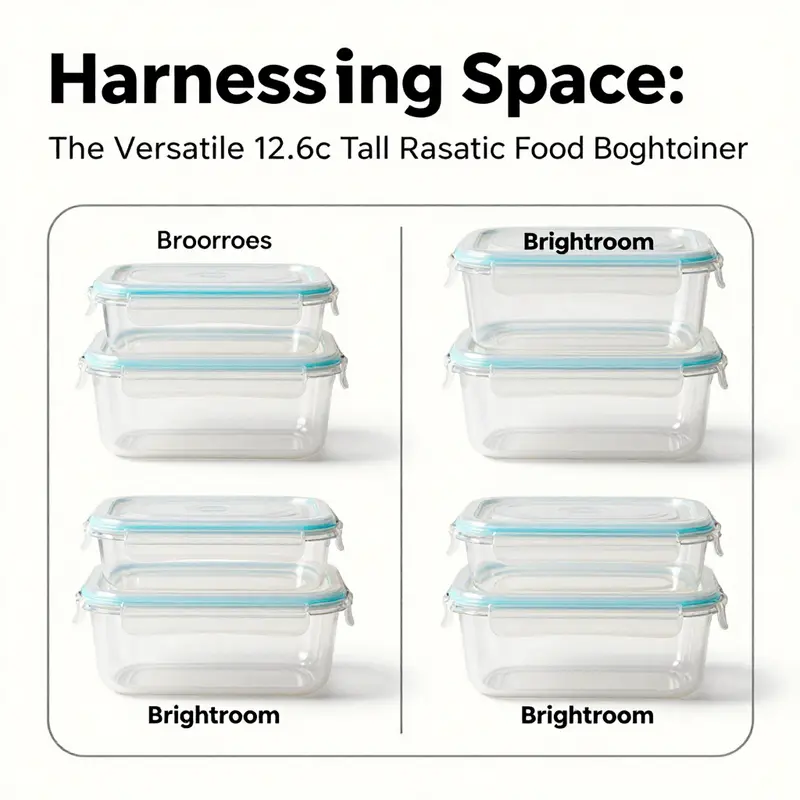
A tall rectangle food storage container can change how a pantry looks and functions. Its long, narrow profile uses vertical space that often sits unused behind shorter jars and bulky boxes. When clarity and consistency matter—when you want to scan a shelf and instantly find what you need—this form factor delivers. The clear walls reveal contents at a glance, the uniform footprint creates tidy stacks, and the snap-on lid keeps dry goods contained and protected. This chapter examines how that design compares with other common storage approaches, weighing advantages and compromises to help readers choose what will actually streamline their daily kitchen routines.
The most immediate benefit of a tall rectangular canister is spatial efficiency. Shelves are usually deeper than they are tall, so wide, shallow containers waste vertical volume. A tall rectangle occupies the same shelf depth but adds usable height. That means you can store more dry goods in the same footprint without shifting items forward and backward to access those at the back. In practice, this transforms a cluttered shelf into a layered, readable display: cereal, rice, pasta, and baking ingredients align like book spines, and you can read quantities and labels without reorganizing the whole shelf. The uniform 8″ x 4″ footprint typical of these containers simplifies layout planning. You can predictably stack two or three containers in a column or arrange them in rows, leaving consistent gaps for jars, bottles, or frequently used items.
Visibility is another core strength. Clear sides eliminate the need for constant labeling. With slightly condensed contents like grains or legumes, the user can quickly judge remaining quantities and decide what to buy next. For meal planners and those who prepare ingredients ahead of time, that immediate visual cue reduces wasted food and surprise shortages. The white lid commonly paired with these containers keeps the look clean without drawing attention away from the contents. It also helps the overall aesthetic remain neutral, so the containers integrate into minimalist kitchens as well as more eclectic ones.
However, design choices create trade-offs. Compared to smaller, multi-piece sets intended for portability, a single-form tall container is less versatile. Lunch-friendly containers with modular lids suit packed meals and on-the-go use; they stack compactly inside bags, and their differing sizes accommodate various food types. The tall rectangle sacrifices that flexibility for specialized pantry function. It’s not designed to be microwaved with lids on, nor does it collapse to save space when empty. For households that need a mix of storage types for travel, leftovers, and pantry staples, a combination of shapes and sizes remains the most adaptable approach.
Price and perceived value sit in the middle of the spectrum for these containers. A set of two tall canisters is often priced competitively against single-purpose pieces and cheaper than large, mixed sets that include dozens of items. The economic logic is straightforward: you pay for consistent form and finish rather than variety. If your primary goal is pantry order and long-term storage of dry goods, that investment returns efficiency and visual calm. If you want a one-stop solution covering every kitchen storage need, a larger, more varied assortment might deliver better immediate versatility. But larger assortments often force compromise on the look and uniformity of a pantry.
Material and durability also factor into comparison. Clear plastic walls are lightweight and shatterproof compared with glass, which is heavier but more premium-feeling and microwave-friendly. Plastic can be easier to clean and less risky in a busy kitchen, yet it may scratch or cloud over time. The effectiveness of the lid seal deserves attention: a secure closure keeps out moisture, pests, and odors, but the seal design varies widely between manufacturers. A dependable snap-fit with a gasket provides protection without complex latching mechanisms that can fail. When evaluating options, consider the sealing mechanism and whether it supports an airtight closure, because that quality directly affects shelf life for pantry staples.
Uniformity across multiple containers is a subtle but powerful advantage. When every container shares the same height, width, and lid profile, they stack predictably and present a cohesive look. That predictability simplifies refilling and rearranging. Conversely, mixed-size collections offer flexibility but can look mismatched and complicate stacking and labeling systems. For those who prefer a visually ordered pantry, the single-style approach reduces decision fatigue: buy more of the same size to expand storage rather than hunting for matching pieces.
There are practical limitations to consider. Narrow rectangles may complicate scooping certain items. Larger utensils or scoops may not fit comfortably, which can make refilling a slow, messy process if you don’t have a suitable spoon or funnel. Additionally, while the tall profile suits long-grain ingredients and cereal, it is less efficient for very small or frequently accessed items. Bulk containers for flour or sugar may still be preferable when cooking large batches; the wide-mouth design simplifies scooping and measuring. That said, pairing a tall canister with a few wide-mouth bins provides a well-rounded storage system: the tall containers manage dry goods that pour or flow, while open-top bins handle frequently used items.
Another point of comparison is the number-of-pieces model. Large sets that include dozens of containers cater to users who want a container for every situation—leftovers, snacks, prepared meals, and pantry staples. Those sets are convenient, especially if they contain nested sizes. Yet they often sacrifice the refined aesthetic and consistent stacking offered by a focused two-piece set of tall rectangles. Reasoned buyers should ask whether they need many shapes or a few optimized ones. If the pantry is the primary target for organization, opting for a small collection of identical tall containers can yield greater long-term satisfaction than a large assortment used sporadically.
Functionality extends beyond mere storage. A tall rectangle designed for pantry use often includes features that support organization: clear volume markings, easy-to-remove lids for quick refills, and a shape that fits common shelf depths. Those design details accelerate the adoption of systems like meal prepping or bulk purchasing. A predictable container system also simplifies inventory checks; neighborhood shoppers can glance at a shelf and know at a glance what to replenish. Conversely, multi-shape systems can invite chaos when lids or shapes don’t match, making the system harder to maintain in the long run.
Finally, consider environmental and lifestyle factors. Choosing a single, durable container type may be more sustainable if it reduces the need to replace mismatched or damaged pieces. Lightweight plastic reduces shipping weight and breakage during transit, but it’s important to consider material longevity and recyclability. For families that prize speed and convenience, the predictability of tall rectangular containers aligns with routines: meals get planned, ingredients stored and tracked, and time saved in daily searches.
For readers deciding between targeted pantry canisters and broad, mixed sets, the recommendation is practical: match the tool to the task. If pantry order, visual inventory, and vertical space optimization are priorities, a tall rectangle container provides measurable benefits. If portability, varied use, or a comprehensive storage overhaul is the goal, a more diverse selection may serve better. Either way, evaluate sealing performance, footprint predictability, and material durability. For inspiration on organizing solutions and related storage categories, see this resource on home storage organization. External product details and purchasing options for the container discussed can be found here: https://www.target.com/p/brightroom-12-6c-tall-rectangle-plastic-food-storage-container/-/A-79507368
Final thoughts
The 12.6c Tall Rectangle Plastic Food Storage Container by Brightroom represents a reliable and stylish solution for food storage challenges faced by beverage shops, restaurants, and catering operations. Its design, practicality, and exceptional organization capabilities make it a standout choice among other storage solutions. By investing in these containers, businesses can streamline their food management processes, maintain ingredient freshness, and enhance presentation. Overall, upgrading your storage solutions with Brightroom helps not just in functionality but creates a more efficient working environment for culinary professionals.